# Oak Forest Recovery
> Generated by All in One SEO Pro v5.0.3, this is an llms-full.txt file, used by LLMs to index the site.
## Posts
### [A Family's Guide to Supporting a Loved One Through Addiction Treatment](https://oakforestrecovery.com/a-familys-guide-to-supporting-a-loved-one-through-addiction-treatment/)
**Published:** June 1, 2026
**Author:** oakforestreco2
**Content:**
**Quick answer:** Supporting a loved one through addiction treatment requires establishing clear boundaries, open communication, and participating in family support groups. Choosing the right addiction treatment center in California—especially one offering a structured sober living program and dual diagnosis care—gives your family the tools needed for lasting recovery.
Watching a family member struggle with substance use takes a heavy emotional toll. You might feel overwhelmed, confused, and unsure of how to help without enabling destructive behaviors. The recovery journey rarely happens in isolation. Families play a critical role in providing stability and encouragement while a loved one rebuilds their life.
When families actively engage in the recovery process, the chances of sustained sobriety increase significantly. This guide will walk you through the complexities of finding help, setting healthy boundaries, and navigating the emotional landscape of rehabilitation. You will learn how to identify the right level of care and discover actionable ways to support your relative’s healing journey.
## What are the different types of addiction and mental health treatment programs?
Addiction is a complex condition characterized by compulsive substance use despite harmful consequences. It often requires professional intervention to achieve lasting behavioral change. Understanding the types of available care helps families make informed decisions about their loved one’s future.
### What is the difference between PHP, IOP, and a structured sober living program?
Treatment levels vary based on the severity of the addiction and the individual’s current stability. A Partial Hospitalization Program (PHP) provides intensive day treatment while allowing the individual to reside in a supportive home environment at night. An Intensive Outpatient Program (IOP) offers fewer clinical hours per week, giving clients the flexibility to work or attend school.
A structured sober living program bridges the gap between inpatient care and independent living. This environment provides daily accountability, peer support, and ongoing guidance to help residents transition safely back into society.
### How does dual diagnosis treatment in California address co-occurring disorders?
Many individuals facing substance use issues also struggle with underlying psychiatric conditions like depression or anxiety. Dual diagnosis treatment California programs address both the addiction and the mental health disorder simultaneously. Treating mental health and addiction treatment together prevents one untreated condition from triggering a relapse in the other.
## How can families navigate the addiction treatment journey effectively?
The search for appropriate care often feels daunting. Knowing what specific features to look for can significantly reduce the stress of the intake process.
### What should families consider when searching for an “addiction recovery program near me”?
Location, clinical expertise, and family involvement should drive your search for an addiction treatment center California. Look for facilities that offer integrated care plans rather than a one-size-fits-all approach. If you are comparing local options, prioritize centers that transparently discuss their therapeutic modalities and their strategies for involving family members in the healing process.
### Why is family support in addiction recovery critical during the first 90 days?
The initial 90-day core phase of rehabilitation is highly intensive. During this time, the individual addresses the root causes of their substance use while developing new coping mechanisms. Family support addiction recovery programs ensure that relatives learn how to hold boundaries, take direction from clinical staff, and provide a stable emotional baseline. A cohesive long term recovery program relies on the family healing alongside the client.
## How can you support your loved one during treatment without enabling them?
Healthy support requires a delicate balance between empathy and firmness. Learning to communicate effectively reduces friction and fosters mutual respect.
### What are the best communication strategies for families in recovery?
Speak using “I” statements to express your feelings without sounding accusatory. Listen actively to your loved one’s experiences without immediately offering unsolicited advice. Honest, calm dialogue builds trust and reinforces the therapeutic work they are doing in their primary program.
### How do families set healthy boundaries during early recovery?
Boundaries protect your mental well-being and require the individual to take responsibility for their actions. Clearly define what behaviors you will and will not tolerate. For example, you might state that you will only engage in conversations when the person is completely sober.
### Why is a structured relapse prevention program essential for long-term success?
Recovery involves setbacks. A robust relapse prevention program equips individuals with tools to identify triggers and manage cravings before they lead to substance use. Families benefit from understanding this framework so they can recognize warning signs and encourage their loved one to lean on their clinical support team when stress arises.
## What is the Oak Forest Recovery difference?
Oak Forest Recovery provides a comprehensive approach to healing that deeply integrates family involvement at every stage. We treat substance use, mental health, and dual-diagnosis conditions through a structured 90-day core program with sober living built in.
### How does our core program address mental health and substance use?
The initial 90-day phase combines a deep understanding of peer-support groups with integrated clinical care. When a client enters Oak Forest Recovery, they engage in a clinically driven process that looks at all aspects of the self, ensuring no underlying issue goes ignored.
### How do sober living and outpatient treatment support lasting success in California?
Transitioning from the core program into the 90-to-120-day phase combines sober living and outpatient treatment. Sober living California environments allow residents to practice their newly acquired coping strategies in real-world scenarios. We emphasize job and school search assistance while structuring a concrete plan for continued success.
### How does our community help clients develop coping strategies and reintegrate?
Past the 120-day mark, clients engage in work or school and secure a real place in the community. Our safe and supportive living environment coaches them through the ups and downs of daily stress, ensuring they always have access to mental health support and peer accountability.
## What resources are available for families at Oak Forest Recovery?
Families aren’t left out of the process at Oak Forest Recovery. We provide clear, steady guidance to help you regain confidence and connection.
### How can families get involved through virtual and in-person support?
We host a virtual Family Education Night that offers practical tools and a judgment-free space to share experiences. On the last Tuesday of the month, we run a Family Support Group, inviting current and past clients to an in-person dinner at the treatment center. We also encourage families to attend our Thursday Bonfire Meeting, a highly recognized recovery gathering in Southern California featuring dinner and fellowship. Additionally, families can listen to “The Against All Odds Podcast,” hosted by our leadership team, which shares real stories of trauma, growth, and hope.
## Moving forward with confidence
Taking the first step toward rehabilitation requires immense courage from both the individual and their family. By establishing boundaries, educating yourself on dual diagnosis care, and leaning on structured support systems, your family can achieve real transformation. Healing happens when everyone does their part, leading to a restored, connected, and healthy future.
## Frequently Asked Questions (FAQ)
### How much does an addiction treatment center in California typically cost?
Costs vary widely depending on the length of stay, the level of care (such as PHP or IOP), and the amenities provided. Many facilities accept major insurance plans to help cover the clinical components of dual diagnosis treatment California programs, while sober living rent is typically paid out-of-pocket.
### How long does a standard addiction recovery program take?
A comprehensive long term recovery program generally starts with a 90-day core phase. Following this initial period, individuals often transition into sober living and outpatient treatment for an additional three to six months to ensure lasting behavioral changes.
### What are the risks of skipping a structured sober living program?
Returning directly home after inpatient care drastically increases the risk of returning to old habits. Structured sober living programs provide crucial peer accountability, random substance testing, and a buffer against the immediate stressors of independent life.
### What is the alternative to inpatient rehab if my loved one has to work?
If residential care is not feasible, an Intensive Outpatient Program (IOP) serves as an effective alternative. It offers rigorous clinical therapy for several hours a week, allowing the individual to maintain their employment while receiving professional mental health and addiction treatment.
### Who is the Oak Forest Recovery family support program built for?
Our family resources are designed for parents, spouses, and close relatives who want to learn how to hold boundaries and communicate effectively. You do not need a clinical background to participate; our team provides direct guidance to help you navigate the complexities of your loved one’s early sobriety.
**Categories:** Uncategorized
---
### [How to Create a Recovery Plan That Actually Works](https://oakforestrecovery.com/how-to-create-a-recovery-plan-that-actually-works/)
**Published:** June 1, 2026
**Author:** oakforestreco2
**Content:**
**Quick answer:** An effective recovery plan provides structured support to help individuals transition from an addiction treatment center back into daily life. The most successful plans combine continued clinical therapy, a structured sober living program, dual diagnosis care, and active family involvement to maintain long-term sobriety and prevent relapse.
Stepping out of the doors of a rehabilitation facility brings a rush of relief, but it also introduces a completely new set of challenges. You completed the intense clinical work inside the facility. Now, the real test begins as you navigate the complexities of everyday life. According to addiction specialists, the first few months post-treatment carry the highest risk for relapse, primarily because individuals leave highly structured environments and return to familiar triggers.
Leaving an addiction treatment center California without a clear roadmap leaves you vulnerable to old habits. A well-crafted recovery plan shifts your focus from initial detox and intensive therapy to sustainable, real-world application. This transition requires intentionality, professional guidance, and a strong support network.
By reading this guide, you will learn the exact components needed to build a resilient recovery blueprint. From securing ongoing clinical support to rebuilding family dynamics, these strategies will equip you to maintain your sobriety and thrive in your new life.
## Why is a structured recovery plan crucial after treatment?
The fundamental reason you need a structured recovery plan is to bridge the gap between rehab and independent living. Inside a facility, professionals manage your schedule, monitor your environment, and remove daily stressors. Outside, you must make continuous, conscious choices to protect your sobriety.
A recovery plan acts as a personalized safety net. It anticipates obstacles and provides immediate, actionable steps to handle cravings or emotional distress. Without a comprehensive guide, the sheer weight of returning to work, school, or family obligations can quickly overwhelm your coping mechanisms. Planning ahead ensures you have the right tools to face life on your terms.
## What are the key components of an effective recovery plan?
Building a solid foundation requires multiple layers of support. A holistic approach addresses your physical environment, mental health, and social connections simultaneously.
### How does continued clinical support prevent relapse?
Sobriety requires ongoing maintenance. Completing residential treatment does not mean therapy should end. Transitioning into lower levels of care, such as an Intensive Outpatient Program (IOP) or a Partial Hospitalization Program (PHP), keeps you connected to medical professionals and counselors. These programs offer regular group sessions and individual therapy while allowing you to practice your new skills in the real world.
If you are looking for an [addiction recovery program near me](https://oakforestrecovery.com/), Oak Forest Recovery provides highly integrated PHP and IOP options designed to reinforce the coping strategies you developed during early treatment.
### Why choose a structured sober living program?
Returning to your previous living situation often means returning to the exact environment where your addiction thrived. A [structured sober living program](https://oakforestrecovery.com/) offers a critical buffer. These homes require residents to maintain employment or attend school, pass regular drug screenings, and participate in house meetings.
Choosing a quality facility for sober living California provides you with built-in accountability and peer support. You get to practice real-world integration while living alongside others who share your commitment to a substance-free life.
### How does dual diagnosis treatment improve outcomes?
Substance use rarely exists in a vacuum. It frequently overlaps with anxiety, depression, trauma, or other psychological conditions. Addressing the addiction while ignoring the underlying mental health disorder drastically increases the likelihood of relapse.
Integrated care is non-negotiable for lasting wellness. Engaging in [dual diagnosis treatment California](https://oakforestrecovery.com/) ensures that medical professionals treat both conditions simultaneously. Facilities that specialize in mental health and addiction treatment provide psychiatric support, medication management, and specialized therapies to heal the whole person.
### What life skills are essential for early recovery?
Addiction often stalls personal development and damages careers. A sustainable recovery plan must include steps for rebuilding practical life skills. Therapy sessions should focus on developing healthy stress management techniques and emotional regulation.
Simultaneously, you need actionable goals for financial independence. This includes updating your resume, engaging in job searching, or seeking academic support. Re-establishing a routine filled with productive activities builds self-esteem and creates a natural barrier against substance use.
### How does family support addiction recovery?
Addiction impacts the entire family unit, and healing requires collective effort. The critical role of family in the recovery journey involves establishing healthy boundaries, rebuilding trust, and improving communication. Families need guidance just as much as the individual recovering from substance use.
Oak Forest Recovery actively involves the family system through their [Family Education Night](https://oakforestrecovery.com/family-support/education-night/) and monthly Support Group dinners. These resources provide practical boundary guidance and a judgment-free space for loved ones to learn how family support addiction recovery efforts effectively.
### What should a personal relapse prevention program include?
Relapse is a process, not a sudden event. It begins with emotional distress, transitions into mental bargaining, and ends in physical use. A robust relapse prevention program helps you identify your unique emotional and environmental triggers before a crisis occurs.
Your personal prevention plan must clearly list your specific triggers, the warning signs of an emotional relapse, and the exact people to call when cravings hit. Regular mental health check-ins and continued therapy sessions will help you refine this plan as your life evolves.
### How do peer support groups build a healthy community?
Isolation breeds addiction, while connection fosters recovery. Building a community of support involves finding friends and mentors who understand the exact struggles you face. Engaging in 12-step meetings, alumni groups, or local recovery gatherings creates a network of individuals dedicated to mutual success.
Hearing the stories of others reinforces that you are not alone. For example, listening to [The Against All Odds Podcast](https://open.spotify.com/show/4qa7fQ3DaEWwRWe2c37Jk9) hosted by Oak Forest Recovery leadership offers real stories of survival, trauma, and hope, proving that transformation is entirely possible.
### What does a long term recovery program look like?
Early recovery focuses on immediate stabilization. A long term recovery program focuses on building a life you actually enjoy. This phase involves setting ambitious goals for your career, repairing deep relationships, and discovering new passions.
Combining sober living and outpatient treatment gives you the runway needed to launch into this long-term vision. Recovery transforms from a daily struggle to avoid substances into an ongoing journey of personal growth and overall well-being.
## How can you create your personalized recovery blueprint?
Start by assessing your current vulnerabilities. Write down your biggest fears about returning to daily life and discuss them openly with your clinical team. Next, secure your environment. Decide where you will live, who you will associate with, and what outpatient programs you will attend.
Make a weekly schedule that includes work, therapy appointments, support group meetings, and designated time for physical exercise. Finally, share this plan with a trusted sponsor, therapist, or family member to ensure you remain accountable to your goals.
## Taking the next step toward a sustainable future
Recovery demands courage, consistency, and the willingness to ask for help. Building a detailed plan empowers you to take control of your future instead of leaving your sobriety up to chance. You possess the strength to completely rewrite your story, provided you put the right support systems in place.
If you or a loved one need help structuring the transition from rehab back into daily life, professional guidance makes all the difference. Reach out to Oak Forest Recovery today to explore their comprehensive treatment options and sober living environments.
## Frequently Asked Questions About Life After Treatment
### How much does a structured sober living program cost?
The cost of sober living varies widely based on location, amenities, and the level of clinical support provided. Many facilities accept health insurance for the outpatient treatment portion, while the housing component typically requires out-of-pocket monthly payments ranging from $1,000 to $3,000.
### How long should someone stay in a long term recovery program?
Experts generally recommend engaging in structured support for at least 90 days to one year. The longer an individual remains connected to sober living and outpatient treatment, the higher their chances of maintaining permanent sobriety.
### What is the difference between IOP and PHP?
A Partial Hospitalization Program (PHP) requires clients to attend clinical therapy for five to six days a week, typically for several hours a day. An Intensive Outpatient Program (IOP) offers a step-down approach, usually requiring three to five days of treatment per week, allowing clients more time for work or school.
### Who benefits most from dual diagnosis treatment?
Dual diagnosis treatment is designed for individuals who struggle with a substance use disorder alongside a diagnosed mental health condition, such as bipolar disorder, severe anxiety, PTSD, or depression.
### What should family members do if their loved one refuses a recovery plan?
Families should seek professional guidance to establish firm, healthy boundaries. Attending family support groups and working with an interventionist or a counselor can help families protect their own well-being while clearly communicating the consequences of refused treatment.
**Categories:** Uncategorized
---
### [Why Community Is Your Most Powerful Tool In Addiction Recovery](https://oakforestrecovery.com/why-community-is-your-most-powerful-tool-in-addiction-recovery/)
**Published:** June 1, 2026
**Author:** oakforestreco2
**Content:**
**TL;DR:** Community is the most effective tool in addiction recovery because it replaces the isolation of substance abuse with peer support, accountability, and empathy. Programs like Oak Forest Recovery use structured sober living and family involvement to build a sustainable, long-term support network that prevents relapse and promotes lifelong healing.
Addiction thrives in isolation. When individuals struggle with substance use, they often pull away from friends, family, and social activities. This profound loneliness creates a destructive cycle, making the prospect of getting clean feel overwhelming and unattainable. Breaking that cycle requires more than just willpower; it requires a strong, supportive network of people who understand the journey.
Community fosters healing and sustained sobriety by providing a safety net of empathy and shared experience. When individuals connect with others facing similar challenges, they realize they are not alone. This shared connection builds the foundation for trust, accountability, and personal growth. A strong recovery network helps individuals navigate the inevitable hurdles of early sobriety and builds resilience for the future.
Oak Forest Recovery places community at the absolute center of its approach. Through comprehensive care models that include mental health and addiction treatment, this organization ensures that individuals and their families never have to walk the path alone. By integrating clinical support with robust peer connections, Oak Forest Recovery creates an environment where lasting transformation becomes possible.
## How does peer support help people in addiction recovery?
Peer support offers a unique form of empathy that clinical therapy alone cannot always provide. When individuals share their personal experiences with addiction, they create an immediate bond built on mutual understanding. This shared history drastically reduces the stigma and shame that often keep people trapped in cycles of substance use. Hearing someone else say, “I have been exactly where you are,” can be the catalyst for genuine change.
Accountability and encouragement naturally stem from these peer relationships. Fellow individuals in recovery understand the subtle warning signs of relapse and can offer real-time guidance. They celebrate milestones together and hold each other accountable during difficult moments. A structured sober living program formalizes this peer support, giving individuals a daily framework where they can practice healthy communication, rebuild trust, and rely on a sober network to stay on track.
## What are the main benefits of a supportive recovery environment?
Finding the right environment is crucial for maintaining early sobriety. Entering sober living California provides a safe haven away from the triggers and toxic dynamics of a person’s past. Within this secure environment, individuals can begin the practical work of rebuilding their lives. Oak Forest Recovery emphasizes practical support during this phase, actively assisting clients with job hunting and school enrollment so they can establish a meaningful daily routine.
A supportive environment also offers critical tools for managing real-world stress. Transitioning back into everyday life brings inevitable challenges. Having access to continuous mental health support helps clients process these stressors safely. By combining life skills training with a dedicated relapse prevention program, individuals draw upon the collective strength of their peers and counselors. This unified approach ensures that a temporary setback does not turn into a full relapse.
## Why is family support crucial for addiction recovery?
Addiction does not just affect the individual; it deeply impacts the entire family unit. Trust is often broken, communication breaks down, and family members experience profound emotional exhaustion. Including the family in the recovery process is essential for healing the entire system. When families learn how to set healthy boundaries and communicate effectively, they create a much stronger foundation for the individual’s long-term success.
Oak Forest Recovery integrates family support addiction recovery directly into their treatment model. They offer specific initiatives designed to educate and heal loved ones:
- **Family Education Night:** A virtual gathering that provides families with practical tools, shared experiences, and a judgment-free space to learn about the disease of addiction.
- **Family Support Group:** An in-person dinner held on the last Tuesday of the month at the treatment center, allowing current and past clients’ families to connect and share their progress.
By actively involving loved ones, Oak Forest Recovery ensures that the entire family unit recovers together, transforming broken relationships into sources of ongoing strength.
## How can you build a lasting community after initial treatment?
The end of formal treatment does not mean the end of recovery. Sustaining connections through a long term recovery program is vital for lifelong sobriety. Ongoing peer support groups keep individuals grounded, reminding them of their progress while keeping them connected to a network of people who share their values.
Oak Forest Recovery facilitates this lifelong connection in several ways. The *Against All Odds Podcast*, hosted by leadership team member RJ, shares real stories of trauma, growth, and hope, keeping alumni connected to the recovery mindset. Additionally, the Thursday Bonfire Meeting is a staple event where clients share dinner and stories. Belonging to Oak Forest Recovery is not tied to active treatment status; it is a community for life, ensuring that alumni always have a supportive place to return to.
## How does community support dual diagnosis treatment?
Many individuals struggling with addiction also face co-occurring mental health disorders, such as depression, anxiety, or trauma. Addressing both issues simultaneously is the core of dual diagnosis treatment California. If a treatment plan only targets substance use while ignoring underlying mental health conditions, the risk of relapse remains incredibly high.
Community plays a vital role in supporting this integrated healing process. When clients engage in sober living and outpatient treatment, they are surrounded by peers who understand the complexities of managing mental health alongside sobriety. This specialized peer support removes the isolation of a dual diagnosis. Clients learn coping mechanisms from one another and provide encouragement when psychiatric symptoms flare up, ensuring that both the mind and the body heal simultaneously.
## How can you find your community and start a fulfilling life?
Community is the cornerstone of a successful recovery journey. From the daily accountability found in sober living environments to the deep healing facilitated by family support groups, human connection is what makes sustained sobriety possible. It replaces fear with hope, and isolation with belonging.
If you or a loved one are struggling, taking the first step can feel daunting. Searching for an addiction recovery program near me is a great place to start. Finding a dedicated addiction treatment center California, like Oak Forest Recovery, can provide the exact blend of clinical excellence and peer support you need to reclaim your life. Reach out, ask for help, and step into a community that will stand by your side for the rest of your journey.
## Frequently Asked Questions (FAQ)
### How much does an addiction recovery program cost?
The cost of treatment varies widely depending on the facility, the level of care required, and your insurance coverage. Many programs offer financing options or accept major insurance plans to help offset the cost of treatment and sober living arrangements.
### How long does a structured sober living program last?
A typical structured sober living program requires a commitment of at least 90 to 120 days. However, many individuals choose to stay for six months to a year, as longer stays are consistently linked to lower rates of relapse and better long-term outcomes.
### Who is dual diagnosis treatment for?
Dual diagnosis treatment is for individuals who are experiencing a substance use disorder alongside a co-occurring mental health condition, such as depression, anxiety, PTSD, or bipolar disorder. Choose dual diagnosis care if addressing underlying mental health triggers matters more to your recovery than simply treating the physical addiction.
### What are the alternatives to residential sober living?
If residential sober living is not feasible, alternatives include Intensive Outpatient Programs (IOP), Partial Hospitalization Programs (PHP), and attending daily community support groups like AA, NA, or SMART Recovery. These options provide clinical and peer support while allowing the individual to live at home.
**Categories:** Uncategorized
---
### [Why accountability is the key to preventing relapse in recovery](https://oakforestrecovery.com/why-accountability-is-the-key-to-preventing-relapse-in-recovery/)
**Published:** June 1, 2026
**Author:** oakforestreco2
**Content:**
**Quick answer:** Accountability helps prevent relapse by creating structured routines, fostering peer support, and involving family members in the recovery process. An effective relapse prevention program at an addiction treatment center in California—like Oak Forest Recovery—uses continuous monitoring and therapeutic guidance to keep individuals committed to their long-term sobriety goals.
Overcoming addiction is a significant achievement, but maintaining that sobriety requires ongoing effort and a strong support network. When someone leaves an initial detox phase or a short-term rehab, they often face a world filled with familiar stressors and triggers. Without a solid foundation, the risk of returning to old habits increases drastically.
Accountability acts as a safety net during this vulnerable time. By participating in a structured sober living program, individuals learn how to rebuild their lives with clear expectations and consistent guidance. Finding the right addiction recovery program near me can make all the difference in turning a temporary pause in substance use into a permanent lifestyle change.
Oak Forest Recovery offers a comprehensive approach to mental health and addiction treatment in Southern California. By integrating clinical care, sober living, and intensive family involvement, Oak Forest Recovery creates an environment where true transformation happens.
## How does accountability help prevent relapse during recovery?
Relapse is often a gradual process that begins long before a person actually uses a substance again. It typically starts with emotional distress, followed by mental bargaining, and finally physical relapse. Understanding these common triggers is essential for long-term success.
### What role does personal responsibility play in resilience?
Personal responsibility is the foundation of a successful relapse prevention program. When individuals take ownership of their actions, they build the resilience needed to face daily challenges. External support systems, such as sponsors, therapists, and peers, hold individuals to their commitments. This combination of internal drive and external accountability ensures that small setbacks do not turn into full-blown relapses.
### How does positive reinforcement affect the neurobiology of addiction?
Addiction physically alters the brain’s reward pathways, making it difficult for individuals to find joy in everyday activities. Consistent accountability helps rewire these pathways. Regular check-ins and peer encouragement provide healthy positive reinforcement. Over time, the brain begins to recognize and value these healthy interactions, reducing the intense cravings associated with substance use.
## What are the key components of an effective accountability system?
A successful recovery journey requires more than just willpower. It requires a comprehensive system designed to keep individuals on track.
### How does a structured sober living program build daily routines?
A structured sober living program provides the stability that many people lack in early recovery. Facilities offering sober living California rely on daily routines and clear expectations to help residents build healthy habits. Residents participate in chores, attend mandatory meetings, and adhere to curfews. This structure fosters peer support and community building, ensuring that no one isolates themselves during difficult moments.
### Why is clinical support critical for dual diagnosis treatment California?
Substance use disorders frequently co-occur with mental health issues like depression or anxiety. Addressing only the addiction leaves the underlying issues untreated. Effective dual diagnosis treatment California integrates individual and group therapy to help clients develop practical coping strategies. By addressing both mental health and addiction simultaneously, clinicians give individuals the life skills they need to handle real-world stress.
### How does family support addiction recovery efforts?
At Oak Forest Recovery, families lead the recovery process alongside the clinical team. Family support addiction recovery programs are vital because addiction impacts the entire household. Oak Forest Recovery provides direct access to leadership—including RJ, Amy, and Nick—to help families set and maintain simple, effective boundaries. Through virtual Family Education Nights and in-person monthly support groups, families learn how to break toxic cycles and rebuild trust.
## How does Oak Forest Recovery provide holistic long-term sobriety?
Oak Forest Recovery believes that successful treatment requires a blend of clinical care and real-world application. Their long term recovery program is broken down into specific phases to gently transition clients back into society.
### What happens during the 90-day core treatment program?
Days 1 to 90 at Oak Forest Recovery focus on a highly integrated, clinically driven program combined with sober living and outpatient treatment. This “Compound + Treatment” phase looks at all aspects of the self. Clients engage deeply in peer-support groups and accountability exercises while receiving comprehensive family support.
### How do clients transition into real-world application?
Between days 90 and 120, clients enter the “Sober Living + Treatment” phase. Having developed necessary coping strategies, the focus shifts to job and school searches. Oak Forest Recovery staff help clients structure a plan for continued success while providing ongoing mental health support.
### What does long-term community support look like?
After 120 days, clients transition into a more independent sober living environment. While clients engage in work or school, Oak Forest Recovery provides a safe space to coach them through real-world stress. Furthermore, the community offers ongoing support through resources like the Against All Odds Podcast hosted by RJ, and the widely recognized Thursday Bonfire Meeting in Southern California.
## What are the long-term benefits of sustained accountability?
When individuals commit to a program that demands accountability, they reap benefits that extend far beyond simply staying sober.
### How does accountability improve self-awareness and decision-making?
Sustained accountability enhances self-awareness. By regularly reflecting on their actions with peers and counselors, individuals learn to identify their own emotional blind spots. This heightened awareness leads to improved decision-making and better impulse control, allowing clients to navigate complex social and professional situations effectively.
### Why does a strong foundation lead to a fulfilling life?
The ultimate goal of any addiction treatment center California is to help clients build a foundation for a fulfilling life. Accountability teaches consistency, reliability, and honesty. As clients rebuild their careers, mend broken relationships, and discover new passions, they realize that sobriety is not just about avoiding substances—it is about actively participating in a joyful, meaningful life.
## Ready to take the next step toward lasting recovery?
Accountability is the cornerstone of successful recovery. It transforms good intentions into actionable steps, ensuring that individuals and their families have the support they need to heal.
If you or a loved one are ready to break the cycle of addiction, professional help is available. Explore the comprehensive programs at Oak Forest Recovery, from initial intake to structured sober living, and start building a healthier future today.
## Frequently Asked Questions (FAQ)
### What is the difference between standard rehab and a structured sober living program?
Standard rehab typically involves a short-term, intensive clinical stay, while a structured sober living program provides a longer-term residential environment. Sober living focuses on integrating residents back into daily life (working or going to school) while enforcing curfews, drug testing, and mandatory peer support meetings.
### Who is dual diagnosis treatment California right for?
Dual diagnosis treatment is designed for individuals who struggle with both a substance use disorder and a co-occurring mental health condition, such as anxiety, depression, or trauma. Choose this treatment if you need clinical professionals to address both issues simultaneously for a successful recovery.
### How long does a long term recovery program take?
A long term recovery program typically lasts 90 days to over a year, depending on the individual’s needs. Oak Forest Recovery utilizes a phased approach, starting with a 90-day core program and transitioning into extended sober living (120+ days) to ensure clients are fully prepared for independent life.
### How can families get involved in the recovery process?
Families can participate by holding firm boundaries and attending specialized support groups. Oak Forest Recovery offers virtual Family Education Nights and in-person monthly support dinners to help families learn communication tools, heal trust, and support their loved one’s sobriety journey.
### Do I need to be a current client to attend the Thursday Bonfire Meeting?
No, belonging to the Oak Forest Recovery community is not tied strictly to active treatment status. The Thursday Bonfire Meeting is open to current clients, alumni, and families seeking a supportive recovery gathering.
**Categories:** Uncategorized
---
### [Understanding Dual Diagnosis: Mental Health and Addiction](https://oakforestrecovery.com/understanding-dual-diagnosis-mental-health-and-addiction/)
**Published:** June 1, 2026
**Author:** oakforestreco2
**Content:**
**Quick answer:** Dual diagnosis occurs when an individual experiences both a mental health condition and a substance use disorder simultaneously. Effective recovery requires an integrated approach that addresses both conditions concurrently. Oak Forest Recovery offers a comprehensive solution through a structured 90-day core program that combines clinical treatment with supervised sober living in California.
Navigating the complexities of mental health is challenging enough on its own. When substance abuse enters the picture, the situation demands a highly specialized approach to care. Many individuals struggling with addiction also face underlying psychological conditions like anxiety, depression, or trauma. Treating one without addressing the other often leads to an endless cycle of temporary sobriety followed by inevitable relapse.
Understanding how these conditions interact is the first step toward lasting healing. This comprehensive guide explores the interconnected nature of co-occurring disorders and outlines what effective, evidence-based care looks like. Readers will discover the specific components of integrated care, the critical role families play in the healing process, and how specialized facilities create environments built for sustainable, long-term success.
## What is a dual diagnosis and why is integrated treatment crucial?
A dual diagnosis refers to the presence of a mental health disorder co-occurring with a substance use disorder. According to \[Substance Abuse and Mental Health Services Administration, 2023\], millions of adults experience co-occurring disorders every year.
Mental health and addiction share a deeply interconnected relationship. Often, individuals use substances to self-medicate symptoms of undiagnosed psychological conditions. Conversely, chronic substance abuse can alter brain chemistry and trigger new psychiatric symptoms. Because these two issues constantly influence one another, choosing an isolated treatment method rarely works.
Integrated mental health and addiction treatment addresses both the substance use and the psychological condition at the exact same time. Oak Forest Recovery integrates these therapies so individuals do not have to choose which problem to solve first. This unified method provides patients with a stronger foundation for permanent recovery.
## What are the core components of dual diagnosis treatment California?
A successful recovery journey requires a comprehensive, customized approach to clinical care. Effective programs begin with a thorough psychological and medical assessment. This evaluation allows clinicians to build highly individualized treatment plans tailored to the specific needs of each patient.
Therapeutic modalities form the backbone of these individualized plans. Cognitive Behavioral Therapy (CBT) and Dialectical Behavior Therapy (DBT) help patients identify destructive thought patterns and develop healthier coping mechanisms. Trauma-informed care ensures that underlying emotional wounds are addressed safely and professionally.
Additionally, Medication-Assisted Treatment (MAT) is often utilized for co-occurring disorders. MAT combines behavioral therapy with FDA-approved medications to manage severe withdrawal symptoms and stabilize brain chemistry. Choose MAT if severe physiological dependence creates an immediate barrier to participating in traditional talk therapy.
## How does the Oak Forest Recovery structured sober living program work?
Oak Forest Recovery provides a highly integrated, clinically driven program that looks at all aspects of the self. The facility operates a structured 90-day core program with sober living built directly into the treatment model. During this initial 90-day phase, clients participate in intensive clinical therapy while residing in a safe, substance-free environment.
Addressing substance use and psychological health concurrently ensures that clients develop robust coping strategies for the real world. Between days 90 and 120, the Oak Forest Recovery program shifts focus toward practical life skills. The staff provides direct job and school search assistance to help clients build a meaningful routine.
Accountability and peer support remain vital throughout this entire process. By living alongside peers who share similar goals, clients build a powerful network of mutual support. This structured environment teaches individuals how to engage consistently and show up for their community.
## Why is family support addiction recovery essential for success?
Addiction affects the entire family unit, and lasting healing requires the participation of loved ones. At Oak Forest Recovery, families are not left out of the recovery process. The leadership team, including RJ, Amy, and Nick, works directly with families to establish healthy boundaries and improve communication.
Oak Forest Recovery offers a virtual Family Education Night to provide practical tools and a judgment-free space for shared experiences. For local families, the facility hosts an in-person Family Support Group on the last Tuesday of every month. This gathering includes a shared dinner at the addiction treatment center California, allowing current and past clients to connect.
The community extends even further through the Thursday Bonfire Meeting. Recognized as a premier recovery gathering in Southern California, this weekly event fosters a community of support that extends far beyond the clinical setting.
## How can you build a relapse prevention program for long-term sobriety?
Achieving initial sobriety is a massive accomplishment. Maintaining it requires a detailed relapse prevention program. Developing a plan for continued success involves identifying personal triggers, establishing emergency contacts, and practicing healthy stress management techniques.
Ongoing mental health support is a non-negotiable aspect of this long-term recovery program. Clients must continue individual therapy, psychiatric medication management, and peer group participation long after completing their initial 90-day residential stay.
Safe and supportive living environments heavily influence long-term outcomes. Beyond the 120-day mark, clients at Oak Forest Recovery can continue utilizing sober living in California while they engage in work or school. This setup provides a safety net to coach clients through the inevitable ups and downs that real-world stress can bring.
## Why choose a sober living and outpatient treatment program in California?
California offers a unique, highly supportive ecosystem for individuals seeking to rebuild their lives. The primary benefit of a structured sober living program in this region is access to a massive, active recovery community.
Transitioning back into community life is often the most dangerous phase of early recovery. Returning to an old apartment or living with roommates who drink alcohol can easily trigger a relapse. Opting for a dedicated sober living environment removes these immediate environmental triggers.
Choose a specialized sober living home if returning to your previous living situation poses a high risk to your current sobriety. These structured homes enforce curfews, mandate drug testing, and require active participation in house meetings, ensuring clients remain accountable as they slowly transition back to total independence.
## How to start your addiction recovery program near me today
Integrated care that addresses both psychological wellbeing and substance use is the only proven method for treating co-occurring disorders. Programs that combine clinical excellence with community support offer a genuine path to lasting transformation and hope.
When the individual in recovery, their family, and an experienced leadership team all do their part, real change happens. If you or a loved one are struggling with co-occurring conditions, finding the right environment is critical to saving a life. Contact an admissions counselor at Oak Forest Recovery today to set clear goals, get a personalized plan, and begin the journey toward lifelong healing.
## Frequently Asked Questions
**What is the timeline for a standard dual diagnosis program?**
Most comprehensive dual diagnosis programs require a minimum commitment of 90 days. Oak Forest Recovery utilizes a 90-day core program focusing on clinical treatment, followed by a transition phase between days 90 and 120 that emphasizes job placement and community integration.
**Who should consider a structured sober living environment?**
Structured sober living is designed for individuals who have completed medical detox and primary residential treatment, but require a supportive, trigger-free environment while they transition back into work, school, or daily community life.
**Are there alternatives to residential dual diagnosis care?**
Yes. Individuals with mild co-occurring disorders and a highly supportive home environment may succeed in an Intensive Outpatient Program (IOP) or a Partial Hospitalization Program (PHP). Choose outpatient care only if you have a safe, substance-free home environment and reliable transportation.
**How much does dual diagnosis treatment cost in California?**
Costs vary widely based on the level of care, the facility’s amenities, and the length of stay. Many programs accept major health insurance policies to cover the clinical therapy components. Prospective clients should contact the facility directly for a detailed verification of benefits and private pay rates.
**What risks are associated with ignoring the mental health component of addiction?**
Failing to treat an underlying mental health disorder drastically increases the risk of chronic relapse. Untreated anxiety, depression, or trauma will continually push the individual back toward using substances as an unhealthy coping mechanism.
**Categories:** Uncategorized
---
### [The First 90 Days of Recovery: Building a Foundation](https://oakforestrecovery.com/the-first-90-days-of-recovery-building-a-foundation/)
**Published:** June 1, 2026
**Author:** oakforestreco2
**Content:**
**Quick answer:** The first 90 days of recovery are critical because they establish the physical, psychological, and behavioral foundation for lasting change. Oak Forest Recovery facilitates this transition through a structured sober living program that combines clinical dual diagnosis treatment, intensive family guidance, and long-term community support.
The decision to seek help for substance use is a monumental first step. However, the period immediately following that decision is often the most challenging. The initial three months of sobriety represent a vulnerable time of immense physical and emotional adjustment.
During this window, individuals must break old habits and actively construct a new, healthy lifestyle. This requires professional guidance, medical care, and a safe environment. Finding the right addiction treatment center California residents trust can make all the difference in navigating this fragile period.
Oak Forest Recovery provides exactly this level of comprehensive care. By integrating mental health and addiction treatment with a highly accountable environment, Oak Forest Recovery ensures that clients do not simply stop using substances, but actively learn how to live again. The leadership team, including RJ, Amy, and Nick, works directly with clients and their families to ensure a unified approach to healing.
## Why are the first 90 days of addiction recovery so critical?
The first 90 days set the trajectory for a person’s entire recovery experience. During these weeks, the brain begins to heal from the chemical imbalances caused by active addiction. Clients face early withdrawal symptoms, intense cravings, and the emotional weight of past trauma.
Oak Forest Recovery supports this foundational period through a highly integrated, clinically driven program. The Day 1 to 90 phase focuses on treating the whole person. This early stage combines clinical therapy with a deep understanding of why engagement in peer-support groups matters. By providing constant supervision and care, Oak Forest Recovery helps clients safely navigate early sobriety and build the resilience needed for the months ahead.
## How does Oak Forest Recovery treat substance use and mental health?
Substance use rarely exists in a vacuum. It often co-occurs with anxiety, depression, or trauma. Addressing one issue while ignoring the other often leads to setbacks.
### What is dual diagnosis treatment California residents can rely on?
Oak Forest Recovery specializes in dual diagnosis treatment California families trust. This means the clinical team treats both the addiction and the underlying mental health conditions simultaneously. By offering a structured sober living program alongside clinical care, the facility ensures clients receive consistent psychiatric support.
### How does the structured 90-day core program work?
The Oak Forest Recovery method involves a specific progression of care. The first 90 days take place in a compound setting featuring intensive treatment. Clients learn how to show up, participate, and stay consistent. Following this initial phase, clients move into the Day 90 to 120 phase, which features sober living and outpatient treatment. This stepped-down approach provides a safe buffer between residential care and independent living.
## What are the building blocks for lasting change in recovery?
Achieving sobriety is only the beginning. Maintaining that sobriety requires an entirely new set of life skills.
### How do clients develop coping strategies and life skills?
Oak Forest Recovery helps clients replace destructive behaviors with positive actions. Clients learn emotional regulation, stress management, and healthy communication. These coping strategies act as the foundation of a robust relapse prevention program.
### Why are peer-support groups and accountability essential?
Isolation is a common trigger for substance use. To combat this, Oak Forest Recovery places a heavy emphasis on community accountability. Clients participate regularly in group therapy and peer-support meetings. This structure teaches individuals how to build healthy relationships and hold each other accountable.
### What is the role of family support addiction recovery?
Addiction affects the whole family, which means recovery must include the family as well. Oak Forest Recovery ensures families receive simple boundary guidance they can actually use.
- **Virtual Family Education Night:** This virtual meeting provides practical tools, shared experiences, and a judgment-free space for loved ones.
- **In-Person Family Support Group:** Held on the last Tuesday of the month, this event includes a dinner at the treatment center where families connect with current and past clients.
## How do individuals transition to sustained success after treatment?
Leaving a treatment facility can feel overwhelming. A long term recovery program must account for the stress of re-entering the real world.
### Why emphasize job and school searches during recovery?
During the Day 90 to 120 phase, having developed necessary coping strategies, clients begin focusing on their future. Oak Forest Recovery emphasizes job and school searches to help clients build a purposeful life. Structuring a concrete plan for success gives individuals motivation and a clear sense of direction.
### How does continued mental health support prevent relapse?
Even as clients gain independence, they still need clinical guidance. Oak Forest Recovery provides ongoing mental health support throughout the transition phase. This continuity of care ensures clients have a safety net when they face inevitable real-world stressors.
### What are the benefits of a supportive living environment post-treatment?
After 120 days, clients move into the advanced sober living California phase. While clients engage in work or school and develop a real place in the community, there is a safe and supportive living environment available to coach them through the ups and downs of daily life. Choose this phased approach if long-term stability matters more than a quick fix.
## What makes community support at Oak Forest Recovery unique?
Recovery is a lifelong process that requires ongoing fellowship. Oak Forest Recovery builds a community that lasts far beyond the initial treatment phase.
### How does the “Belonging to Oak Forest” philosophy work?
Belonging to Oak Forest Recovery is not tied to treatment status. The OFR team and the surrounding community become your long-term support system. Whether a loved one is just entering the program, rebuilding their life, or still finding their way, they always have a place here.
### How do community events foster connection?
Engagement in community events is a staple of the Oak Forest Recovery experience. The Thursday Bonfire Meeting is one of Southern California’s most recognized recovery gatherings. With dinner at 6:30 PM and a meeting at 7:00 PM, it provides a weekly touchpoint for alumni, current clients, and families to celebrate sobriety together.
### Where can individuals find inspiring stories of hope?
For those seeking inspiration, RJ hosts “The Against All Odds Podcast”. The show features real stories of survival, trauma, growth, and hope, demonstrating that real transformation happens when the individual, the family, and the leadership team do their part.
## Why choose Oak Forest Recovery for your 90-day recovery journey?
If you are searching for an “addiction recovery program near me”, evaluating the specific approach of a facility is crucial.
Oak Forest Recovery stands out because of its unwavering focus on long-term recovery and real-world integration. The leadership team provides direct access and clear direction. When a family commits to holding boundaries and a loved one commits to the structured program, genuine healing occurs. Proven results and ongoing success stories validate the effectiveness of this comprehensive care model.
## Taking the Next Step in Your Recovery Journey
Building a strong foundation during the first 90 days of recovery dictates the success of the years that follow. Oak Forest Recovery provides the exact blend of clinical care, structured sober living, and family involvement required to create lasting change.
Do not wait for a crisis to worsen. Reach out to the leadership team at Oak Forest Recovery today to set clear goals, get a personalized plan, and begin the journey toward a healthier, sober life.
## Frequently asked questions about addiction recovery
### How much does dual diagnosis treatment cost?
The cost of treatment at Oak Forest Recovery varies based on insurance coverage and the specific level of care required. The admissions team provides transparent pricing and insurance verification during the initial intake call to help families plan accordingly.
### How long does the entire recovery program take?
While the intensive core program lasts 90 days, Oak Forest Recovery utilizes a phased approach. The Day 90 to 120 phase integrates outpatient treatment with sober living, and the 120+ day phase offers ongoing sober living support. Clients are encouraged to stay connected to the community indefinitely.
### What are the risks of leaving treatment before 90 days?
Leaving treatment early drastically increases the risk of relapse. The brain requires significant time to heal from substance use, and developing new, healthy coping mechanisms takes consistent practice in a safe, structured environment.
### What are the alternatives to a structured sober living program?
Alternatives include standard outpatient therapy or attempting to detox independently. However, these options lack the 24/7 accountability, peer support, and integrated mental health care that significantly improve long-term success rates.
### Who is the Oak Forest Recovery program for?
This program is designed for adult men facing substance use and co-occurring mental health disorders who need a highly structured, accountable environment. It is ideal for families who want to be actively involved in the recovery process through guided support and education.
**Categories:** Uncategorized
---
### [Why Structured Sober Living Secures Long-Term Recovery](https://oakforestrecovery.com/why-structured-sober-living-secures-long-term-recovery/)
**Published:** June 1, 2026
**Author:** oakforestreco2
**Content:**
**Quick answer:** A structured sober living program creates better long-term recovery outcomes by combining daily accountability, peer support, and clinical integration. Oak Forest Recovery minimizes relapse triggers while fostering life skills, ensuring individuals develop the discipline and comprehensive mental health support needed for lasting, independent sobriety.
Addiction recovery requires significantly more effort than simply completing a brief detox protocol. Maintaining sobriety demands a complete lifestyle overhaul, consistent daily discipline, and robust ongoing support. Returning to an unstructured home environment frequently introduces old triggers and temptations that easily jeopardize early progress.
Structured sober living provides a highly effective solution. These specialized environments offer a safe, substance-free space where residents follow clear rules, attend daily support meetings, and rebuild their lives alongside peers who share similar goals. Residents benefit from built-in accountability that makes the transition from early recovery to independent living manageable and sustainable.
Oak Forest Recovery elevates this foundational model. By blending a structured living environment with comprehensive clinical care and family guidance, this addiction treatment center California equips individuals with the tools they need. Residents heal deeply, address underlying mental health conditions, and establish a secure path forward.
## What is a structured sober living program?
A structured sober living program operates as a highly organized residential environment designed specifically for individuals recovering from substance use disorders. Unlike standard halfway houses, structured programs mandate participation in recovery activities, enforce curfews, and require regular drug testing.
The core principles of these environments center on routine and accountability. Residents follow a predictable daily schedule that integrates peer support meetings, household chores, and clinical therapy.
Unstructured environments leave individuals vulnerable to isolation and poor decision-making. Structured sober living replaces that chaos with stability. This consistent routine gives the brain time to heal while residents practice healthy coping mechanisms in a highly supportive setting.
## Why is a structured environment essential for addiction recovery?
Early recovery leaves individuals highly susceptible to environmental triggers. A structured environment minimizes these temptations by removing access to substances and limiting exposure to negative influences.
Living in a regulated space forces residents to adopt healthy habits. Individuals learn to wake up on time, manage personal responsibilities, and handle interpersonal conflicts without relying on substances. Over time, these daily actions build vital self-discipline.
As residents navigate the challenges of early sobriety, they develop new coping mechanisms. The accountability provided by house managers and peers ensures that when residents face stress, they turn to their recovery tools rather than their previous addictions.
## How does dual diagnosis treatment California enhance sober living?
Substance use disorders rarely exist in isolation. Many individuals struggle with co-occurring mental health issues like anxiety, depression, or trauma. Addressing these conditions simultaneously is vital for preventing relapse.
Oak Forest Recovery provides integrated dual diagnosis treatment California to treat the whole person. The facility’s comprehensive 90-day core program combines clinical therapy with sober living directly built into the recovery model. This means residents receive evidence-based mental health and addiction treatment while practicing their recovery skills in a real-world living environment.
Clinical support profoundly enhances the sober living experience. When individuals experience emotional distress or psychiatric symptoms, professional therapists are available to help them navigate these challenges safely.
## How do community and peer support groups sustain lasting recovery?
Isolation is one of the greatest threats to sobriety. Peer support groups provide the foundation of a long term recovery program by surrounding individuals with people who truly understand their struggles.
Shared experiences create a deep sense of belonging. When residents share a home, attend group therapy, and participate in events like the Thursday Bonfire Meeting at Oak Forest Recovery, they build genuine connections. These relationships reduce the shame and stigma often associated with addiction.
Community support becomes especially critical when residents begin navigating real-world stress. Whether facing a difficult day at a new job or dealing with interpersonal conflict, having a reliable network of sober peers helps individuals process their emotions constructively.
## Why is family support addiction recovery critical for success?
Addiction impacts the entire family unit, making family healing a necessary component of sustainable recovery. Oak Forest Recovery ensures families actively participate in the healing process rather than standing on the sidelines.
The facility offers specialized resources like Family Education Night and a monthly in-person Family Support Group. These resources provide practical tools, shared experiences, and a supportive space for relatives. Families learn how to hold firm boundaries, communicate effectively, and rebuild broken trust.
Comprehensive family involvement directly contributes to long-term success. When families understand the recovery process and establish a supportive home environment, the loved one faces a significantly lower risk of relapse.
## How do individuals transition to independent, sober living California?
Transitioning back to society requires careful planning and incremental steps. As residents move past the initial 90-day core program, the focus shifts toward developing practical life skills.
Oak Forest Recovery emphasizes job and school searches during the 90 to 120-day phase of treatment. Residents begin re-entering the workforce or continuing their education while still living in a highly supportive environment. This phase emphasizes structuring a plan for continued success, allowing clients to practice balancing life responsibilities alongside their clinical requirements.
Eventually, clients transition to the 120+ day sober living and outpatient treatment phase. They engage fully in work or school and develop a real place in the community. The structured sober living environment remains a safe home base, providing vital coaching as individuals face the inevitable ups and downs of real-world stress.
## Why choose Oak Forest Recovery for your relapse prevention program?
Finding the right addiction recovery program near me often feels overwhelming. Oak Forest Recovery stands out by offering a highly integrated, clinically driven approach that addresses all aspects of the self.
The comprehensive 90-day core program eliminates the dangerous gap between clinical treatment and residential living. By treating substance use, mental health, and dual-diagnosis conditions simultaneously, Oak Forest Recovery provides a highly effective relapse prevention program.
The facility places equal emphasis on individual growth and family support. From the dedicated leadership team to the immersive community events, every aspect of the program prepares clients for real-world challenges.
## Take the Next Step Toward Lasting Sobriety
Structured sober living provides the accountability, community, and clinical support necessary to transform early sobriety into a lifelong achievement. By minimizing triggers and maximizing healthy habits, these programs give individuals the best possible chance at sustained recovery.
Oak Forest Recovery remains deeply committed to guiding clients and their families through this transformative journey. With direct access to leadership and a clear, personalized plan, lasting recovery is highly achievable.
Contact the leadership team at Oak Forest Recovery today to schedule a consultation and begin the intake process.
## Frequently Asked Questions About Structured Sober Living
### Who is a structured sober living program designed for?
Structured sober living is designed for individuals who have completed a primary detox or inpatient program and need a safe, accountable environment to practice their recovery skills before returning home. It is highly recommended for people seeking to rebuild life skills and manage co-occurring mental health conditions.
### How long does a typical long term recovery program last?
A comprehensive long-term recovery program typically lasts anywhere from 90 days to over a year. Oak Forest Recovery utilizes a phased approach, starting with a 90-day highly integrated clinical program, followed by specialized phases for job searching (90-120 days), and long-term community integration (120+ days).
### What are the rules in a structured sober living home?
Residents must adhere to strict guidelines designed to maintain a safe environment. Common rules include mandatory drug and alcohol testing, curfews, required attendance at peer support meetings, participation in household chores, and active engagement in clinical treatment or employment.
### How does dual diagnosis treatment differ from standard addiction treatment?
Standard addiction treatment primarily addresses substance use behaviors. Dual diagnosis treatment explicitly identifies and treats co-occurring mental health disorders, such as depression or anxiety, alongside the addiction. Treating both conditions concurrently drastically reduces the risk of relapse.
### Can family members participate in the recovery process?
Yes. Quality programs heavily emphasize family involvement. Oak Forest Recovery offers Virtual Family Education Nights and monthly in-person Family Support Groups to help relatives learn about boundaries, rebuild trust, and actively participate in their loved one’s healing journey.
**Categories:** Uncategorized
---
### [How Family Involvement Transforms Addiction Recovery](https://oakforestrecovery.com/how-family-involvement-transforms-addiction-recovery/)
**Published:** June 1, 2026
**Author:** oakforestreco2
**Content:**
**TL;DR:** Family involvement significantly improves addiction recovery outcomes by rebuilding trust, establishing healthy boundaries, and providing ongoing support. Oak Forest Recovery integrates family guidance directly into its structured treatment programs, ensuring families are educated, supported, and actively engaged in the healing process alongside their loved ones.
Addiction does not happen in a vacuum, and neither does healing. When an individual struggles with substance use, the ripple effects alter the entire household dynamic. Trust often erodes, communication breaks down, and exhaustion takes over. Treating the individual while ignoring the surrounding environment often leads to incomplete healing.
Bringing the family into the recovery process changes the entire trajectory of a person’s sobriety. Education and guided support help relatives transition from feeling overwhelmed to feeling empowered. By participating in the journey, families learn to set healthy boundaries, improve communication, and create a sustainable environment for long-term success.
Understanding how to navigate this journey can feel daunting. This guide explains how family involvement reshapes the healing process and outlines the actionable ways families can participate in programs at Oak Forest Recovery.
## How does addiction impact family dynamics and the family system?
Substance use fundamentally alters how households function. Relatives often adopt survival roles to cope with the stress, which can lead to enabling behaviors or severe emotional distance. The focus shifts entirely to managing the crisis of addiction, leaving little room for healthy emotional connection.
### Why is a holistic recovery approach essential for families?
According to the Substance Abuse and Mental Health Services Administration \[SAMHSA, 2022\], incorporating family therapy into substance use treatment significantly reduces relapse rates. A holistic approach recognizes that the family system itself needs healing. By addressing the emotional toll on the family, treatment providers can dismantle unhealthy codependency. This ensures that when the individual returns home, they enter an environment equipped to support their sobriety rather than one that might accidentally trigger old habits.
## What is Oak Forest Recovery’s integrated family support model?
Oak Forest Recovery operates as a premier addiction treatment center California, recognizing that families must lead the recovery process alongside the clinical team. The organization treats substance use and mental health conditions through a highly integrated, clinically driven model.
### How does the 90-day core program with sober living work?
The initial phase consists of a 90-day core program that combines intensive treatment with a structured sober living program. This compound-plus-treatment phase looks at all aspects of the self. It emphasizes peer-support engagement, accountability, and complete family support. During this time, the leadership team—including RJ, Amy, and Nick—provides direct access and guidance to families, helping them understand boundaries and expectations.
### Why is dual diagnosis treatment important for mental health?
Substance use rarely exists in isolation. Many individuals use substances to self-medicate underlying psychological conditions. Utilizing dual diagnosis treatment California ensures that clinicians address both the addiction and the co-occurring mental health disorders simultaneously. Providing comprehensive mental health and addiction treatment reduces the risk of relapse because the root causes of the distress are actively managed.
### Why is family support integral to this addiction recovery model?
At Oak Forest Recovery, families are never left in the dark. The model requires the loved one, the family, and the leadership team to all do their part. While the clinical team cares for the individual, they also provide families with simple boundary guidance they can actually use. This three-pillar approach removes confusion and fosters real transformation.
## What are the key family involvement initiatives at Oak Forest Recovery?
Belonging to the Oak Forest community is not tied to a specific treatment status. The facility offers several ongoing initiatives to ensure families have a long-term support system.
### How does the virtual Family Education Night help?
The virtual Family Education Night provides practical tools and coping strategies in a supportive, judgment-free space. Families learn exactly what to expect during early recovery, how to manage their own anxiety, and how to hold firm boundaries without feeling guilty.
### What happens at the monthly in-person Family Support Group?
Held on the last Tuesday of the month, the Family Support Group brings current and past clients together for an in-person dinner at the treatment center. This gathering builds a powerful community. Connecting with others who have navigated the exact same challenges helps new families realize they are not alone.
### How do the podcast and bonfire meetings build community?
Community engagement extends beyond clinical hours. The “Against All Odds” podcast, hosted by RJ, shares real stories of trauma, growth, and hope. Additionally, the Thursday Bonfire Meeting—one of Southern California’s most recognized recovery gatherings—offers a dinner and meeting space where families and clients can connect in a relaxed, supportive environment.
## What are practical strategies for empowering families in recovery?
Education is only the first step; families must apply these concepts in real-time. Oak Forest Recovery equips relatives with the specific tools required to support their loved one effectively.
### How can families set healthy boundaries and communicate effectively?
Setting boundaries means clearly defining what behaviors are acceptable and what consequences will follow if those boundaries are crossed. Effective communication requires removing blame and using “I” statements to express feelings. Family support addiction recovery programs teach relatives how to step back and allow the individual to take responsibility for their own actions.
### What should families know about a relapse prevention program?
Relapse is often a process, not a sudden event. A strong relapse prevention program teaches families to recognize early warning signs, such as isolating behaviors or sudden mood shifts. Families learn how to encourage continued engagement in recovery without becoming overbearing or acting as a policing force.
## How do families support long-term recovery beyond treatment?
The transition from intensive care to everyday life is a critical vulnerability period. Days 90 to 120 focus on a blend of sober living and outpatient treatment, emphasizing job and school search support while structuring a plan for continued success.
### How can a structured sober living program maintain a supportive environment?
For individuals in the 120+ day phase, a long term recovery program provides a safe environment to navigate the ups and downs of real-world stress. While clients engage in work or school, sober living California offers the coaching and accountability needed to maintain their progress. Families play a role here by respecting the rules of the living environment and offering encouragement as their loved one builds a real place in the community.
## Why is family the key to sustained addiction recovery?
When a family becomes clear, steady, and connected, the individual in recovery has a much higher chance of long-term success. Oak Forest Recovery ensures that families grow alongside their loved ones. If you are searching for an “addiction recovery program near me” that truly values the family unit, the team at Oak Forest Recovery is ready to guide you. Reach out today to set clear goals, get a personalized plan, and begin your journey toward healing.
## Frequently Asked Questions (FAQ)
### What role does a family play in dual diagnosis treatment?
Families provide critical medical history and behavioral observations that help clinicians accurately diagnose co-occurring disorders. They also help maintain a stable home environment, which is vital for managing both mental health and substance use conditions simultaneously.
### How much time commitment is required from families during the 90-day program?
Families are encouraged to attend the virtual Family Education Night and the monthly in-person Family Support Group. While the commitment is flexible, active participation significantly improves the recovery outcomes for the individual in treatment.
### Is sober living required after completing the initial treatment program?
While not mandatory, transitioning into a structured sober living program is highly recommended. It provides a necessary bridge between intensive treatment and full independence, offering accountability and community support during a high-risk period.
### How can I find the right treatment center for my family?
Look for facilities that prioritize family education and offer direct access to clinical leadership. Programs that combine mental health care, substance use treatment, and robust family support groups typically yield the best long-term results.
**Categories:** Uncategorized
---
### [The Hidden Power of Community in Addiction Recovery](https://oakforestrecovery.com/the-hidden-power-of-community-in-addiction-recovery/)
**Published:** March 18, 2026
**Author:** Oak Forest Recovery
**Content:**
Overcoming addiction requires highly specialized care and an environment designed for healing. Historically, many treatment models isolated patients from the outside world, focusing solely on clinical interventions. Recently, a profound shift has transformed how professionals approach healing. Medical experts and behavioral health specialists now recognize that integrating patients into a supportive peer network yields significantly higher success rates for lifelong sobriety.
True healing happens when clinical support meets genuine human connection. A community-based approach allows individuals to share their struggles and victories with peers who understand their exact experiences. This shared journey removes the heavy burden of shame and builds a foundation of mutual accountability.
By actively engaging in group therapy, family support sessions, and collaborative living environments, individuals learn to navigate the complexities of a sober life together. Read on to explore how this integrated method changes lives and why peer-support remains an essential component of any successful recovery strategy.
## The Power of Connection
Isolation acts as one of the most significant triggers for substance use. When people feel disconnected from their families or society, the risk of returning to old habits increases dramatically. A structured sober living program directly combats this by embedding individuals within a vibrant, supportive network.
Living alongside peers working toward the same goals fosters a deep sense of accountability. Residents share responsibilities, attend meetings together, and offer encouragement during difficult moments. This daily interaction builds essential social skills and provides a safety net when cravings or emotional challenges arise.
## Why Location Matters
The environment in which a person heals plays a massive role in their overall success. Choosing an addiction treatment center in California offers unique advantages. The state provides a tranquil backdrop conducive to introspection and wellness, while also presenting opportunities to practice coping skills in a bustling, real-world setting.
A premier drug and alcohol rehab California facility understands how to balance serenity with practical life training. By integrating real-world stress management with top-tier clinical support, these programs prepare individuals to handle the demands of daily life without returning to substance use.
## Comprehensive Care
Substance use disorders rarely exist in a vacuum. Often, they intertwine with underlying psychological challenges such as depression, anxiety, or trauma. Effective healing demands a focus on mental health and addiction treatment simultaneously.
When families search for dual diagnosis treatment near me, they look for facilities that treat the whole person rather than just the symptoms of addiction. Dual diagnosis programs utilize specialized therapies to uncover the root causes of substance use. By addressing these co-occurring disorders simultaneously, clinicians help patients build a much stronger, more resilient foundation for the future.
## The 90-Day Integrated Model
Research consistently shows that longer engagements in treatment lead to better outcomes. A clinically driven 90-day program gives the brain adequate time to heal and form new, healthy neural pathways. During this initial phase, patients engage in deep self-discovery through individual counseling, group therapy, and holistic wellness practices.
Programs like the one offered at Oak Forest Recovery emphasize a comprehensive look at all aspects of the self. This model combines a deep understanding of peer-support dynamics with robust family involvement. Weekly family education nights and support groups ensure that loved ones heal alongside the patient, repairing damaged relationships and establishing healthy boundaries.
## Life After Treatment
Transitioning from a highly structured clinical environment back into daily life presents unique challenges. Having developed necessary coping strategies during the first 90 days, the focus must shift to practical application. During the 90 to 120-day mark, patients benefit immensely from living in a supportive environment while resuming normal responsibilities.
For those typing “sober living homes near me” into search engines, the goal is finding a place that supports job and school searches while offering continued clinical oversight. This phase emphasizes structuring a realistic plan for continued success. Residents learn to manage their time, handle workplace stress, and maintain their recovery commitments with the safety net of their sober living community.
## Relapse Prevention
Sobriety requires ongoing maintenance and a commitment to personal growth. A long term addiction recovery program provides the tools necessary to sustain progress well beyond the initial treatment phase. These programs focus heavily on identifying personal triggers and developing customized strategies to manage them.
A robust relapse prevention program often involves stepping down to less intensive levels of care. For example, transitioning to an outpatient addiction treatment near me allows individuals to live independently while still attending regular therapy sessions and medical check-ins. This continued engagement keeps recovery at the forefront of their minds and provides immediate support if a crisis occurs.
## Success Stories
The ultimate proof of the community-based model lies in the lives of those who have walked the path. Alumni from programs like Oak Forest Recovery consistently defy the odds, building resilient, joyful lives after years of struggle. Through resources like the “Against All Odds” podcast, former patients share incredible stories of rising from homelessness, rebuilding shattered careers, and restoring broken families.
These success stories serve as a beacon of hope for current residents. Seeing someone who once stood in their exact shoes now thriving provides unmatched motivation. It proves that with the right combination of clinical care, community integration, and personal willingness, lasting change is entirely possible.
## Taking the First Step Toward Healing
Deciding to seek help requires immense courage. Engaging in a recovery program for substance abuse means choosing a different, healthier future. By embracing a community-based model, you surround yourself with the expertise, accountability, and empathy needed to overcome addiction.
If you or a loved one are ready to break the cycle of substance use, reach out to a trusted treatment provider today. A supportive community is waiting to welcome you, guide you through the challenges, and celebrate your eventual success.
**Categories:** Uncategorized
---
### [Life After Rehab: Building a Relapse Prevention Plan](https://oakforestrecovery.com/life-after-rehab-building-a-relapse-prevention-plan/)
**Published:** March 18, 2026
**Author:** Oak Forest Recovery
**Content:**
Leaving a drug and alcohol rehab California facility marks a massive milestone in your healing journey. You have put in the hard work to detoxify your body, understand your behaviors, and commit to a healthier lifestyle. Stepping outside those doors, however, is where the next major phase of your journey begins. The transition from a highly monitored, secure environment back into daily life brings a fresh set of challenges that require careful navigation.
Without a clear strategy, the sudden lack of structure can overwhelm even the most dedicated individuals. Old routines, familiar faces, and everyday stressors can quickly test your newfound coping skills. A comprehensive relapse prevention program acts as your personal roadmap, guiding you through the unpredictable terrain of early recovery.
By anticipating potential roadblocks and establishing a reliable support network, you can protect your progress. A structured approach helps you manage cravings, navigate social pressures, and ultimately build a fulfilling life free from substance use.
## Understanding the Reality of Relapse
Relapse does not happen suddenly. It is usually a gradual process that begins weeks or even months before someone actually picks up a drink or a drug. Emotional and mental exhaustion often pave the way, making it essential to identify your personal triggers early on. These triggers can be anything from high-stress work environments to toxic relationships or even feelings of intense boredom.
Addressing the psychological aspects of recovery is just as vital as the physical ones. When individuals prioritize comprehensive mental health and addiction treatment, they learn to recognize the subtle warning signs of emotional relapse. By understanding how underlying anxiety, depression, or trauma fuels substance use, you can deploy healthy coping mechanisms before a slip occurs.
## The Foundation of Success
Short-term fixes rarely yield permanent results when dealing with complex substance use disorders. A long term addiction recovery program gives individuals the time and space they genuinely need to heal their brain chemistry and rewrite deeply ingrained habits.
Facilities like Oak Forest Recovery champion a highly integrated, 90-day plan that combines compound living with intensive clinical care. This top-tier addiction treatment center California approach ensures clients do not just stop using substances temporarily. Instead, they uncover the root causes of their behavior, engage in vital peer-support groups, and involve their families in the healing process. Establishing this solid foundation drastically improves long-term outcomes.
## Creating a Safe Environment
Returning to an old living situation is one of the most common pitfalls for newly sober individuals. If your previous environment was filled with triggers or unsupportive roommates, your chances of maintaining sobriety plummet. Searching for reliable sober living homes near me is often the most effective first step toward securing a safe, substance-free space.
Enrolling in a structured sober living program provides the perfect bridge between inpatient care and independent living. These environments offer vital accountability through curfews, random drug testing, and household responsibilities. More importantly, they surround you with peers who share the same goals, transforming a living space into a thriving community of mutual support.
## Developing Coping Strategies
Learning to manage stress without turning to drugs or alcohol is the core objective of any effective recovery program for substance abuse. Real-world stress is unavoidable, but your reaction to it is entirely within your control.
Building a toolkit of coping strategies requires active participation in clinical therapies and peer-support groups. Cognitive Behavioral Therapy (CBT) and regular group sessions teach you how to reframe negative thoughts and communicate effectively. When you practice these skills consistently, handling a difficult day at work or a family disagreement becomes a manageable task rather than a reason to relapse.
## Reintegrating into Society
Eventually, the goal is to return to work, continue your education, and develop a real place within your community. This reintegration phase must be handled delicately. Taking on too much responsibility too quickly can lead to burnout, which is a major precursor to relapse.
Many individuals find success by maintaining a connection to an outpatient addiction treatment near me while they slowly rebuild their professional and personal lives. Oak Forest Recovery clients, for instance, benefit from direct access to Oasis Wellness, which provides continued services and even employment opportunities for alumni. Balancing these new responsibilities while keeping recovery your top priority ensures a smoother, safer transition.
## Ongoing Support Systems
Recovery is not a solo endeavor. Staying connected to a recovery community keeps you grounded, accountable, and inspired. Leveraging ongoing support systems can make the difference between a fleeting attempt at sobriety and a lifelong transformation.
Oak Forest Recovery provides several avenues to stay engaged. You can tune into the *Against All Odds* podcast to hear incredible stories of resilience. Families can attend the weekly Zoom Family Education Night hosted by Dr. Patrick Lockwood, while alumni and current clients gather for the local Bonfire Meetings every Thursday night. Additionally, the Family Support Group led by Jerry Spates offers an invaluable resource for loved ones learning how to navigate the recovery journey together.
## Securing Your Future in Sobriety
Building a strong relapse prevention plan takes time, honesty, and a willingness to ask for help when you need it. By establishing a safe living environment, developing robust coping skills, and staying firmly plugged into a supportive community, you set yourself up for lasting success.
If you are struggling with co-occurring mental health issues, finding a comprehensive dual diagnosis treatment near me will ensure all your needs are met simultaneously. Embrace the resources available to you, stay connected to your peers, and remember that every day sober is a profound victory worth celebrating.
**Categories:** Uncategorized
---
### [How to Support a Loved One in a Recovery Program](https://oakforestrecovery.com/how-to-support-a-loved-one-in-a-recovery-program/)
**Published:** March 18, 2026
**Author:** Oak Forest Recovery
**Content:**
Seeing someone you care about struggle with addiction is incredibly painful. When they finally make the courageous decision to seek help, you might feel a mixture of immense relief and overwhelming uncertainty. You want to help them succeed, but knowing exactly what to do or say can be challenging. Family and peer support are foundational pillars for anyone embarking on a recovery program for substance abuse. Your encouragement can make a massive difference in their healing process.
Entering a treatment facility is just the first step. True healing requires ongoing commitment from both the individual and their support network. By understanding the treatment process and participating actively, you can help build a strong safety net. This guide explores practical ways to support your loved one, from navigating their initial treatment phases to helping them find a sustainable path forward.
## Understanding the Journey
Recovery is rarely a quick fix. A comprehensive approach typically begins with a 90-day integrated, clinically driven program. During these first three months, individuals require an intensive environment that addresses all aspects of their well-being. This phase combines clinical therapy with a deep understanding of why engagement in peer-support groups matters.
If you are looking at an addiction treatment center California, you will find that top-tier facilities focus on both the physical and psychological aspects of addiction. They provide a safe space where individuals can detoxify, stabilize, and begin uncovering the root causes of their substance use. Understanding this intensive timeline helps set realistic expectations for your family.
## Choosing the Right Environment
Selecting the appropriate level of care is vital for long-term success. Families often wonder about the differences between a standard drug and alcohol rehab California and a structured sober living program.
Initial rehab usually involves highly monitored, residential care focused on stabilization and early therapy. As the individual progresses, they often transition to a less restrictive but still supportive environment. If you find yourself searching for “sober living homes near me,” look for places that offer a blend of community integration, social support, and strict accountability. These homes provide a safe bridge between intensive rehab and independent living, allowing individuals to practice their new coping skills in real-world scenarios while still receiving guidance.
## Active Involvement
Your loved one’s recovery is significantly enhanced when the family actively participates in the process. Many high-quality programs offer structured ways for families to get involved. Attending Family Education Nights is a perfect example. These sessions—often led by licensed clinical psychologists—provide vital information about the science of addiction and the mechanics of mental health and addiction treatment.
Additionally, participating in dedicated family support groups can teach you how to communicate effectively and set healthy boundaries. Learning how to interact without enabling is a skill that takes time and education to develop. By showing up to these meetings, you demonstrate a profound commitment to your loved one’s sobriety.
## Navigating Co-occurring Disorders
Substance abuse rarely exists in a vacuum. Many individuals also struggle with underlying mental health conditions, such as anxiety, depression, or trauma. This is known as a dual diagnosis. When you are evaluating care options, searching for “dual diagnosis treatment near me” ensures that the facility can handle complex psychological needs alongside addiction.
Supporting a dual diagnosis treatment plan means being patient with the fluctuating nature of mental health. It involves encouraging your loved one to take prescribed medications, attend specific psychiatric appointments, and communicate openly about their emotional state. Acknowledging that both conditions require equal attention is critical for preventing future setbacks.
## The Transition Phase
The period between 90 and 120 days is often a significant turning point. Having developed essential coping strategies, individuals begin to look outward. This transition phase emphasizes community reintegration, including job hunting or returning to school. It can be a highly stressful time, making your support more important than ever.
During this window, an individual might utilize an outpatient addiction treatment near me to maintain clinical support while increasing their independence. You can help by assisting with resume building, practicing interview questions, or simply offering a listening ear when the stress of reintegration feels heavy.
## Relapse Prevention
Sustained sobriety requires a proactive approach to managing triggers. A high-quality relapse prevention program focuses on developing robust coping strategies and fostering accountability. Peer-support groups play a massive role here. Regular attendance at local meetings or community events like weekly bonfire gatherings keeps individuals connected to a network of people who share similar struggles.
You can support relapse prevention by keeping your home environment free of substances and recognizing the early warning signs of a potential setback. Encourage your loved one to reach out to their sponsor or therapist if they are feeling overwhelmed.
## Resources for Hope
Maintaining resilience during a long term addiction recovery program requires continuous inspiration and holistic care. Many modern programs incorporate wellness services to help clients rebuild their physical health, which in turn supports mental clarity.
Furthermore, listening to recovery-focused podcasts—such as those sharing stories of defying the impossible and finding strength—can be incredibly uplifting for both you and your loved one. These resources remind everyone involved that a fulfilling, joyful life is entirely possible after addiction.
## Taking the Next Steps for Healing
Supporting a family member through a recovery journey requires patience, education, and unwavering love. By understanding the phases of treatment, participating in family education, and encouraging participation in structured environments, you provide the scaffolding they need to rebuild their lives.
Take the time to research local resources, attend support groups, and communicate openly with clinical professionals. The journey is long, but with a dedicated support system, your loved one can achieve the lasting, meaningful recovery they deserve.
**Categories:** Uncategorized
---
### [Understanding Dual Diagnosis and Addiction Recovery](https://oakforestrecovery.com/understanding-dual-diagnosis-and-addiction-recovery/)
**Published:** March 18, 2026
**Author:** Oak Forest Recovery
**Content:**
Millions of people face the complex challenge of managing a mental health condition alongside a substance use disorder. When these two issues occur at the same time, medical professionals refer to it as a dual diagnosis or co-occurring disorder. Treating only one of these conditions often leaves the root cause of the other unresolved. This can create a frustrating cycle that makes lasting sobriety difficult to achieve.
Addiction rarely develops in a vacuum. Many individuals turn to substances as a way to self-medicate for untreated anxiety, depression, or trauma. Conversely, prolonged substance use can trigger or severely worsen underlying psychiatric conditions. Because these two issues are deeply intertwined, the most effective approach requires comprehensive care that addresses both simultaneously.
Finding the right support system is the first step toward reclaiming your life. By combining clinical expertise with compassionate care, effective mental health and addiction treatment can break the cycle of dependency. This guide will explore how integrated care works, why a supportive environment is essential, and how specialized programs can help you or your loved one achieve lasting wellness.
## The Importance of Integrated Treatment
Historically, the medical community treated mental health and substance abuse as separate issues. A patient might receive care for a mood disorder in one facility and seek help for addiction months later in another. We now know that treating both conditions simultaneously is far more effective. When therapists and medical staff address the mind and the body together, patients experience better outcomes and a lower risk of future setbacks.
Integrated treatment creates a unified strategy for healing. It allows doctors to safely manage medication while therapists help patients develop healthy coping mechanisms. This dual-focus approach forms the foundation of a successful long term addiction recovery program, giving individuals the tools they need to understand their triggers and rebuild their lives.
## Clinical Excellence at Oak Forest Recovery
At Oak Forest Recovery, we recognize that true healing requires a highly personalized and clinical approach. As a premier addiction treatment center California residents trust, we offer a comprehensive 90-day clinically driven program. This initial phase of recovery combines a deep understanding of accountability, social support, and family integration.
Our clinical efforts are guided by licensed professionals, including our COO and Licensed Clinical Psychologist, Dr. Patrick Lockwood. By offering expert psychological care, we help clients unpack the underlying causes of their addiction. This level of dedicated clinical oversight ensures that each person receives the precise dual diagnosis treatment near me that they have been searching for, setting the stage for deep, meaningful change.
## Benefits of a Structured Sober Living Program
A safe, stable environment is crucial for anyone navigating early recovery. Moving directly from intensive treatment back into everyday life can be overwhelming. This is where a structured sober living program becomes an invaluable part of the healing journey.
Oak Forest Recovery provides luxury sober homes that offer both comfort and accountability. These residences give clients a secure space to practice their new coping skills while surrounded by peers who share similar goals. If you have been searching for supportive sober living homes near me, our facilities offer the perfect blend of independence and professional oversight. Living in a structured environment significantly reduces the daily stressors that often lead to relapse, allowing clients to focus entirely on their personal growth.
## Therapeutic Components and Prevention
Effective recovery requires more than just stopping the use of substances. It involves actively rewiring how a person responds to stress, trauma, and emotional pain. Our clinical team utilizes a variety of evidence-based therapies to treat both the addiction and the co-occurring mental health disorder.
A central feature of our treatment model is a robust relapse prevention program. We teach clients how to identify their personal triggers and develop actionable strategies to avoid returning to old habits. Through individual counseling and group therapy, clients learn emotional regulation and distress tolerance. This comprehensive drug and alcohol rehab California experience ensures that individuals leave our care with a practical toolkit for maintaining their sobriety.
## Real-World Integration
Eventually, every individual in recovery must transition back into the routine of daily life. Returning to work, school, or family obligations brings new challenges and potential stressors. Oak Forest Recovery’s multi-phase approach is designed specifically to support clients through this critical transition.
During the 90 to 120-day phase, our sober living and treatment model emphasizes job and school searches. We help clients structure a plan for continued success while maintaining clinical support. As clients move into the 120+ day phase, they engage in the community while residing in a safe living environment. For those who require ongoing clinical care while living independently, finding reliable outpatient addiction treatment near me ensures that the safety net remains intact as they navigate real-world stress.
## Community and Family Support
Recovery is rarely successful in isolation. Building a strong community of sober peers provides an essential layer of accountability. At Oak Forest Recovery, we emphasize the importance of connection through regular gatherings, such as our weekly Bonfire Meeting, where clients experience genuine fellowship.
Furthermore, we believe that addiction affects the entire family, which means the family must also be part of the healing process. We host a weekly Family Education Night via Zoom, led by Dr. Patrick Lockwood, to help loved ones understand the complexities of dual diagnosis. Additionally, our Family Support Group, led by Jerry Spates, provides a dedicated space for families to learn about outreach and emotional support. A holistic recovery program for substance abuse must heal the familial bonds that addiction often strains.
## Finding Hope and Healing
Overcoming a dual diagnosis is a challenging journey, but it is entirely possible with the right resources and support. By addressing mental health and addiction together, individuals can break free from the cycle of dependency and build a fulfilling, purpose-driven life.
If you or a loved one are ready to take the first step, Oak Forest Recovery is here to help. Our integrated programs, expert clinical staff, and supportive sober living environments provide everything you need to begin your journey. Reach out to our team today to learn more about our admissions process and discover how we can help you reclaim your future.
**Categories:** Uncategorized
---
### [Why Routine and Accountability Are Crucial for Recovery](https://oakforestrecovery.com/why-routine-and-accountability-are-crucial-for-recovery/)
**Published:** March 18, 2026
**Author:** Oak Forest Recovery
**Content:**
Active addiction thrives in chaos and unpredictability. When substance use dictates your daily schedule, healthy habits quickly fade away, leaving behind a profound sense of instability. Breaking free from this cycle requires more than just willpower. It takes a complete restructuring of your daily life to build a solid foundation for healing.
Building a new, healthier life means replacing old, destructive habits with positive, stabilizing ones. A predictable daily schedule reduces decision fatigue and helps minimize the anxiety that often accompanies the early stages of healing. Knowing exactly what to expect each day gives you a sense of safety and control, which is essential when your body and mind are adjusting to life without substances.
By understanding the vital role of structure and personal responsibility, you can set yourself up for lasting sobriety. This guide explores how a consistent routine and strong support system work together to foster resilience. You will learn actionable strategies to manage stress, stay connected with peers, and navigate the transition back into everyday life.
## The Importance of Daily Structure in Early Recovery
The first few months of sobriety are often the most challenging. During this time, a structured sober living program provides the framework necessary to establish new, healthy routines. Without the familiar coping mechanism of substance use, individuals can quickly feel overwhelmed by large blocks of unstructured time. Boredom and isolation are common triggers that can lead to setbacks.
A well-planned daily schedule keeps the mind focused and the body active. Simple tasks like making the bed, attending group meetings, exercising, and eating regular meals build momentum. These small, consistent actions rebuild self-esteem and demonstrate that you are capable of managing your own life. Facilities that offer a comprehensive recovery program for substance abuse typically emphasize this level of rigid, yet supportive, structure during the first 90 days.
## The Benefits of Clinical Integration and Peer Support
Overcoming addiction is rarely a solo endeavor. Healing requires a blend of professional guidance and the shared experience of others who understand the journey. Clinical integration ensures that individuals receive evidence-based therapies tailored to their specific needs. Therapists and counselors help uncover the root causes of addiction, providing the tools necessary to process trauma and manage emotional triggers.
Simultaneously, peer support offers an irreplaceable sense of community. Group therapy sessions and activities, like bonfire meetings or shared meals, foster deep connections. When you share your struggles and triumphs with peers, you realize you are not alone. This camaraderie is a cornerstone of any effective long term addiction recovery program, as it builds a network of friends who hold you to your highest standard.
## Dual Diagnosis and Mental Health Support in California
Substance use disorders frequently co-occur with mental health conditions like depression, anxiety, or trauma. Treating the addiction while ignoring the underlying mental health issue is a recipe for a recurring cycle of setbacks. Integrated mental health and addiction treatment addresses both conditions simultaneously, giving individuals a much better chance at achieving holistic wellness.
If you are searching for dual diagnosis treatment near me, it is crucial to find a facility equipped to handle complex psychological needs. A premier drug and alcohol rehab California residents trust will typically employ licensed clinical psychologists and specialized therapists. These experts help residents develop emotional regulation skills alongside traditional addiction therapies, ensuring a comprehensive approach to lasting wellness.
## Navigating Real-World Stress through Structured Sober Living
As you progress in your healing journey, the protective bubble of early residential treatment begins to open up to the real world. Transitioning back to independent living can be daunting because everyday stressors quickly return. Traffic, relationship conflicts, and financial obligations can all test your newly developed coping skills.
This is where a structured living environment proves its immense value. By residing in a supportive community, you can practice facing external pressures while returning to a safe haven each night. Whether you are actively looking for sober living homes near me or transitioning from an intensive program, these residences offer the perfect balance of independence and supervision. Residents can engage with the community, go to work, and face daily challenges while receiving coaching to manage those ups and downs effectively.
## Long-term Success: Job Search, Education, and Coping Strategies
True recovery extends far beyond simply abstaining from drugs or alcohol. It involves building a life that is fulfilling, purposeful, and self-sustaining. After the initial months of intensive treatment, the focus must shift toward reintegration into society. This phase often includes searching for employment, returning to school, or learning a new trade.
Taking these steps requires robust coping strategies. A reliable relapse prevention program helps individuals anticipate high-risk situations and plan their responses accordingly. When you have a solid plan in place, applying for jobs or studying for exams becomes a manageable process rather than an overwhelming burden. Many facilities facilitate this transition by connecting clients with local wellness centers or providing specialized coaching to ensure steady, measurable progress in their personal and professional lives.
## The Power of Accountability and Family Involvement
No matter how strong your daily routine is, accountability acts as the glue that holds your sobriety together. Accountability means taking responsibility for your actions and allowing others to check in on your progress. Regular drug testing, curfews, and sponsor check-ins are standard practices that keep individuals honest and focused on their goals.
Family involvement significantly amplifies this accountability. Addiction affects the entire family unit, and healing should include everyone. Programs that offer family education nights or specialized support groups give loved ones the tools they need to communicate effectively and set healthy boundaries. When families understand the recovery process, they can provide the right kind of support without enabling destructive behaviors.
## Start Your Healing Journey at a Top Addiction Treatment Center
Establishing a daily routine and embracing accountability are essential steps toward reclaiming your life. By moving through phased programs—from intensive clinical treatment to supportive living environments—you can gradually build the resilience needed to face the future with confidence.
If you are ready to take that next step, finding the right environment is crucial. Whether you need an outpatient addiction treatment near me or a comprehensive addiction treatment center California offers, prioritize programs that value community integration and mental health support. Reach out to a dedicated facility today, and discover how a structured approach can help you or your loved one achieve lasting sobriety and wellness.
**Categories:** Uncategorized
---
### [Why Structured Sober Living Boosts Recovery Success](https://oakforestrecovery.com/why-structured-sober-living-boosts-recovery-success/)
**Published:** March 18, 2026
**Author:** Oak Forest Recovery
**Content:**
Leaving a residential rehabilitation facility is a massive achievement. You have done the hard work of detoxification and established a foundation for a healthier life. Returning immediately to your previous home environment can present unexpected challenges. Triggers, old social circles, and the stress of daily responsibilities often threaten the progress made during initial treatment.
This critical transition period is where a structured sober living program becomes vital. Rather than stepping straight from a highly monitored clinical setting back into everyday life, individuals benefit from a phased approach. A supportive bridge allows you to practice new coping mechanisms while maintaining a safety net of accountability.
By reading this guide, you will understand how extending your care through dedicated housing environments significantly improves your chances of lasting sobriety. We will explore the specific components that make these programs effective, how they integrate with clinical care, and what to look for when choosing the right facility for your needs.
## The Framework of a Structured Sober Living Program
A standard recovery program for substance abuse often focuses heavily on the initial 30 to 60 days of sobriety. A structured sober living environment extends that timeline, offering a carefully designed roadmap for integrating back into society. Programs like the ones offered at Oak Forest Recovery in Thousand Oaks utilize a multi-phase approach to gradually increase independence while maintaining vital support systems.
### Phase 1: Intensive Treatment and Community
During the first 90 days of a comprehensive long term addiction recovery program, the focus remains on deep clinical work and establishing a sober routine. Residents typically live in a highly supervised compound, participating in daily peer-support groups. This initial phase combines intense accountability with complete family support. Clients are required to engage deeply with their peers, learning that community integration is a cornerstone of lasting sobriety.
### Phase 2: Transitioning to Independence
Between days 90 and 120, the structure slowly shifts. As clients develop necessary coping strategies, the program encourages them to look outward. Emphasizing job searching or a return to school, this phase helps individuals structure a plan for continued success. They still receive robust mental health and addiction treatment, ensuring that the stress of interviews or exams does not compromise their sobriety.
### Phase 3: Real-World Application
After 120 days, clients typically move into a more traditional sober living setting. They engage actively in work or school and establish a genuine place in the local community. The sober home provides a safe, supportive living environment to coach them through the inevitable ups and downs of real-world stress.
## The Core Pillars of Long-Term Success
Living in a structured environment provides benefits that standard outpatient care alone might miss. When you search for an “outpatient addiction treatment near me,” pairing that clinical care with a sober living home maximizes the effectiveness of your treatment.
### Built-In Accountability
Accountability is the bedrock of any successful relapse prevention program. Structured homes require regular drug and alcohol testing, adherence to curfews, and mandatory attendance at house meetings or recovery groups. Knowing that a supportive but firm community is checking on your progress helps deter impulsive decisions.
### Peer Support and Camaraderie
Isolation is a frequent precursor to relapse. In a sober living home, you are surrounded by people who understand exactly what you are going through. This shared experience fosters a unique bond. Residents celebrate milestones together, hold each other accountable, and provide empathy during difficult days.
### Life Skills Development
Addiction often arrests personal development and basic life management skills. A quality drug and alcohol rehab California facility will use the sober living phase to teach financial literacy, nutritional cooking, time management, and conflict resolution. Relearning these skills in a safe environment reduces the anxiety that often leads to substance use.
## The Importance of Dual Diagnosis Support
Substance use disorders rarely exist in a vacuum. Many individuals use drugs or alcohol to self-medicate underlying psychological issues like depression, anxiety, or trauma. Ignoring these co-occurring disorders significantly increases the risk of relapse.
When searching for a “dual diagnosis treatment near me,” it is crucial to find a program that weaves mental health care into the fabric of daily life. Top-tier facilities prioritize this integrated approach. By addressing the root causes of addiction alongside the behavioral symptoms, clients receive a more holistic form of healing. Access to licensed clinical psychologists and specialized wellness centers ensures that emotional turbulence is handled professionally, rather than self-medicated.
## Frequently Asked Questions
### How do I find reputable sober living homes near me?
Start by consulting with your current clinical provider or therapist. They often have vetted referral networks. You can also look for homes associated with a respected addiction treatment center California, as these facilities typically maintain high standards for their extended care housing. Ensure the home requires regular drug testing, employs a house manager, and mandates ongoing recovery participation.
### What is the difference between a halfway house and a structured sober living home?
Halfway houses are often state-funded, have strict limits on how long you can stay, and may be court-mandated for some residents. Structured sober living homes are usually privately owned, offer more comfortable or even luxury amenities, and provide specialized clinical support tailored to the individual’s long-term recovery goals.
### Can I work or go to school while in a sober living home?
Yes. In fact, a quality program will actively encourage you to pursue employment or education once you reach the appropriate phase of your recovery. The goal is to help you reintegrate into society while providing a safe place to return to at the end of the day.
## Taking the Next Step in Your Recovery Journey
Choosing to enter an extended care environment is an investment in your future. The accountability, peer support, and gradual reintegration offered by a structured program provide the strongest possible defense against relapse. If you are ready to build a life defined by purpose and stability, seeking out the right environment is your first actionable step.
Research facilities that prioritize both clinical excellence and community connection. Take the time to tour local homes, ask questions about their phase systems, and evaluate their commitment to dual diagnosis care. By finding a program that aligns with your specific needs, you lay the groundwork for a successful, lifelong recovery.
**Categories:** Uncategorized
---
### [What to Expect During Your First 30 Days of Sobriety](https://oakforestrecovery.com/what-to-expect-during-your-first-30-days-of-sobriety/)
**Published:** March 18, 2026
**Author:** Oak Forest Recovery
**Content:**
Taking the first step toward a substance-free life is a monumental achievement. The initial month of recovery is often the most challenging, filled with physical adjustments, emotional shifts, and significant lifestyle changes. Knowing what lies ahead can remove the fear of the unknown and help you navigate this critical period with confidence.
During these early days, you are laying the foundation for a healthier future. Your body is clearing out toxins, your brain is rewiring itself, and you are learning how to process emotions without relying on substances. This transformation requires patience, courage, and a strong support system.
Many people find that trying to manage this phase alone is overwhelming. Transitioning into a structured sober living program provides the stability and guidance necessary to stay on track. If you have been searching for “sober living homes near me,” understanding the week-by-week progression of early recovery can help you choose the right environment for your healing journey.
## Week 1: Managing Physical Withdrawal
The first seven days are typically the most physically demanding phase of recovery. As your body adjusts to the absence of drugs or alcohol, you will likely experience withdrawal symptoms. These can range from mild discomfort, such as headaches and nausea, to more severe complications like tremors, insomnia, and intense cravings.
Because withdrawal can be physically taxing and sometimes dangerous, medical supervision is highly recommended. Entering an addiction treatment center California residents trust ensures that your detox process is safe and carefully monitored. Medical professionals can provide interventions to ease physical symptoms, keeping you as comfortable as possible.
During this week, rest is your top priority. Your energy levels will fluctuate, and your body needs time to heal. Hydration, proper nutrition, and sleep are vital components of this early stage. Surrounding yourself with compassionate professionals allows you to focus entirely on getting through the physical hurdles of detox.
## Week 2: Navigating Emotional Fluctuations
Once the acute physical symptoms begin to subside, the emotional reality of early recovery often sets in. Week two is frequently characterized by mood swings, irritability, anxiety, and periods of sadness. Without substances to numb your feelings, emotions that you may have suppressed for years will start rising to the surface.
This emotional rollercoaster is completely normal, but it requires professional guidance to manage safely. This is where comprehensive mental health and addiction treatment becomes essential. Many individuals struggling with substance use also face co-occurring mental health disorders, such as depression or anxiety.
Finding the right support is crucial during this vulnerable time. If you have been looking for “dual diagnosis treatment near me,” you understand the value of treating the mind and the body simultaneously. Therapists and counselors help you identify triggers, process uncomfortable emotions, and develop healthy coping mechanisms that do not involve drugs or alcohol.
## Week 3: Establishing a New Routine
By the third week, the fog begins to lift. You will likely notice improvements in your sleep patterns, clearer thinking, and a gradual return of physical energy. This is the perfect time to start building the daily habits that will sustain your sobriety.
Boredom and lack of structure are common triggers for relapse. A long term addiction recovery program helps you replace old, destructive habits with positive, fulfilling activities. You will begin to establish a daily routine that includes regular meal times, exercise, therapy sessions, and participation in peer-support groups.
Connecting with others who are on the same path is incredibly powerful. Group therapy and community meetings offer a safe space to share your struggles and celebrate your victories. Engaging fully in a recovery program for substance abuse during week three helps you build a network of accountability. You realize that you are not alone, and you start drawing strength from the shared experiences of your peers.
## Week 4: Planning for the Future
As you approach the end of your first month, your focus shifts from simply surviving early recovery to actively planning for the future. You have gained valuable tools over the past few weeks, and now you must prepare to apply them to everyday life.
Week four involves developing a customized relapse prevention program. You will work closely with your care team to identify high-risk situations, map out your personal triggers, and create an actionable plan to manage cravings when they arise. This preparation is vital for maintaining the progress you have made.
This is also the time to plan your next steps in the continuum of care. For many, transitioning out of a residential setting means seeking an outpatient addiction treatment near me to maintain clinical support while gradually returning to work or school. Planning this transition ensures that you do not lose the momentum you have built during your first 30 days.
## The Oak Forest Recovery Approach
Achieving lasting sobriety requires more than just stopping substance use; it requires a complete transformation of your lifestyle and environment. At Oak Forest Recovery, we understand that true healing blends clinical expertise with deep community integration.
Our unique model is designed to support you through the first 30 days and far beyond. We offer a highly integrated, clinically driven compound and treatment model that looks at all aspects of the self. From days 1 to 90, we combine intensive therapy with a deep understanding of why peer support and accountability matter. We also provide complete family support, recognizing that addiction affects loved ones as well.
As clients progress to the 90 to 120-day mark, we emphasize job and school searches, structuring a plan for continued success. Our clients also gain access to Oasis Wellness, providing comprehensive mental health support. If you are searching for a premier drug and alcohol rehab California offers, Oak Forest Recovery provides the safe, supportive living environment needed to coach you through the ups and downs of real-world stress.
## Celebrating the 30-Day Milestone
Reaching 30 days of sobriety is a massive victory. It proves that you have the resilience and dedication necessary to change your life. You have weathered physical withdrawal, faced difficult emotions, and begun building a foundation for a healthier future.
However, the 30-day mark is just the beginning of a lifelong journey. Continued growth requires ongoing commitment, a willingness to learn, and connection to a supportive community. If you are ready to take that first step, or if you are looking to continue your recovery journey with a team that truly cares, reach out to Oak Forest Recovery today. Let us help you redesign your mental health and build a life you can be proud of.
**Categories:** Uncategorized
---
### [Recognizing the Signs: Does Your Loved One Need Help?](https://oakforestrecovery.com/recognizing-the-signs-does-your-loved-one-need-help/)
**Published:** March 18, 2026
**Author:** Oak Forest Recovery
**Content:**
Watching someone you care about struggle with substance use can be a heartbreaking experience. The path from casual use to dependence is rarely a straight line. Often, it happens gradually. Small changes in behavior or mood begin to stack up, leaving friends and family confused and concerned. Early intervention is crucial, but it requires knowing exactly what to look for.
Substance use disorders do not happen overnight. People often try to hide their struggles, masking their pain with excuses or isolating themselves from the people who care about them the most. Acknowledging that a problem exists is the vital first step toward healing.
Understanding the warning signs can empower you to take action before the situation worsens. By recognizing the physical, mental, and behavioral shifts associated with addiction, you can guide your loved one toward the care they desperately need.
## Identifying Behavioral Changes
One of the earliest indicators of a substance use disorder is a noticeable shift in behavior. You might see a once-outgoing family member suddenly withdrawing from social gatherings or abandoning hobbies they used to love. These behavioral changes are often the first red flags that something is wrong.
People struggling with addiction frequently begin to neglect their daily responsibilities. They might miss work, skip classes, or fail to follow through on family commitments. Additionally, you might notice unexplained financial difficulties or a sudden change in their peer group. They may become highly defensive when asked about their activities or whereabouts. Paying attention to these shifts can help you intervene before the problem spirals out of control.
## Physical and Mental Health Indicators
Addiction takes a severe toll on both the body and the mind. Physical signs can include drastic weight changes, bloodshot eyes, disrupted sleep patterns, and a general decline in personal hygiene. However, the psychological indicators are often just as prominent.
There is a profound link between substance use and co-occurring disorders. Many individuals turn to drugs or alcohol to self-medicate underlying issues like anxiety, depression, or trauma. This creates a dangerous cycle where the substance use worsens the psychological distress. Because of this complex relationship, seeking comprehensive mental health and addiction treatment is absolutely essential. Treating only the substance use without addressing the underlying mental health condition rarely leads to lasting recovery.
## The Role of Structured Support
When you recognize these signs, the next step is finding the right level of care. A highly integrated, clinically driven approach is often the most effective way to start. For many, a 90-day recovery program for substance abuse provides the necessary foundation for lasting change.
During the first 90 days, clients need a structured environment that looks at all aspects of the self. This initial phase combines clinical therapy with a deep understanding of peer support and accountability. By removing the individual from their everyday triggers and stressors, they can focus entirely on developing healthy coping mechanisms and understanding the root causes of their addiction.
## Specialized Care Options
Recovery is never a one-size-fits-all process. Depending on the severity of the addiction and any co-occurring disorders, different levels of care will be required.
### Finding the Right Fit
Some individuals may require a long term addiction recovery program that offers intensive, round-the-clock support. Others might search for dual diagnosis treatment near me to ensure both their mental health and substance use are treated simultaneously by qualified professionals.
For those stepping down from residential care, or those with less severe dependencies, searching for outpatient addiction treatment near me can yield flexible programs that allow clients to receive clinical support while maintaining some of their daily routines.
## Transitioning to Independence
Once the initial treatment phase is complete, returning immediately to normal life can be overwhelming. This is where transitional care becomes a lifeline. After the first 90 to 120 days of treatment, the focus shifts toward emphasizing job and school searches.
A structured sober living program offers the perfect bridge between intensive treatment and full independence. As clients begin to re-enter the workforce or return to their studies, living in a supportive environment helps them navigate the stress of the real world. Many families look for high-quality sober living homes near me to ensure their loved ones have a safe, accountable place to live while they develop a real place in the community.
## Family and Community Involvement
Addiction affects the entire family, and recovery should include the family as well. Complete family support dramatically increases the chances of a successful recovery. Programs that integrate family education help heal broken relationships and teach loved ones how to set healthy boundaries.
For example, engaging in a weekly Family Education Night—such as Zoom meetings led by clinical psychologists—can provide families with essential insights into the recovery process. Additionally, attending local Bonfire Meetings or group sessions, like the Family Support Group led by Jerry Spates, fosters community connection. These peer-support groups remind families that they are not walking this challenging path alone.
## Maintaining Long-Term Sobriety
Getting sober is a massive achievement, but staying sober requires ongoing dedication. A robust relapse prevention program is a critical component of any aftercare plan. Clients must learn how to identify their triggers and utilize the coping strategies they developed during treatment.
Staying connected to a recovery community is also vital. Alumni networks and wellness centers, such as Oasis Wellness, offer direct access to ongoing services and even employment opportunities for alumni. This continued engagement provides a safety net, ensuring that individuals always have a supportive community to lean on during difficult times.
## Take the First Step Toward Healing
Recognizing that you or a loved one needs help is daunting, but it is also a moment of hope. Healing is possible with the right clinical care, community support, and personal accountability. If you are ready to explore your options, reaching out to an established drug and alcohol rehab California facility can provide the guidance you need.
Do not wait for the situation to hit absolute bottom. Contact a reputable addiction treatment center California today to learn more about how a comprehensive, supportive approach can help your family begin the journey of recovery.
**Categories:** Uncategorized
---
### [Why Structured Sober Living Is Key to Long-Term Recovery](https://oakforestrecovery.com/why-structured-sober-living-is-key-to-long-term-recovery/)
**Published:** February 11, 2026
**Author:** Oak Forest Recovery
**Content:**
The traditional model of addiction treatment often feels like a revolving door. A person enters a facility, stays for 28 days, and is then released back into the exact same environment that contributed to their struggles in the first place. For a new generation seeking **mental health and addiction treatment**, this outdated approach simply isn’t enough.
True recovery requires more than just a brief pause in substance use; it demands a complete redesign of how we approach mental health. This is where **structured sober living** steps in. By bridging the gap between clinical treatment and the real world, these programs offer a blend of community integration, social support, and accountability that is essential for lasting change.
Whether you are looking for an **addiction recovery program near me** or researching options for a loved one, understanding the mechanics of a structured environment is the first step toward breaking the cycle of addiction.
## The 90-Day Integrated Approach
Recovery is not a linear process, nor is it one that can be rushed. Evidence suggests that longer engagement in treatment leads to significantly better outcomes. A robust **drug and alcohol recovery program** often utilizes a phased approach, with the first 90 days serving as a critical foundation.
In a highly integrated, clinically driven program, the focus shifts from simple detoxification to a holistic examination of the self. This period is about understanding the “why” behind the addiction. It combines clinical therapy with a deep dive into why engagement in peer-support groups matters.
### Accountability is Key
In a structured environment, accountability is not about punishment; it is about presence. Residents are expected to show up—for themselves and for others. This might look like:
- Regular attendance at house meetings.
- Adhering to curfews and drug testing protocols.
- Participating in communal chores and responsibilities.
This structure helps retrain the brain, replacing chaotic patterns with predictable, healthy routines. It creates a safety net where residents can navigate early recovery without the immediate pressure of total independence.
## Community and Connection
Isolation is often the breeding ground for addiction. Conversely, connection is the antidote. One of the primary advantages of **sober living homes in California** is the immediate access to a supportive community.
When someone enters a **long term recovery program**, they are often stepping away from a social circle that encouraged their substance use. Replacing that circle is vital. In a structured living environment, residents are surrounded by peers who are walking the same path. They share meals, attend meetings, and navigate challenges together.
### The Power of Peer Support
Programs that emphasize community often host events like bonfire meetings or group outings. These aren’t just social hours; they are therapeutic. Learning to have fun, laugh, and connect without substances is a skill that must be relearned. When a resident sees a peer celebrating a milestone or overcoming a hurdle, it provides tangible proof that recovery is possible.
For those requiring **dual diagnosis treatment in California**, this social aspect is even more critical. Mental health struggles often lead to withdrawal from society. A supportive house culture gently encourages interaction, reducing the stigma and loneliness often associated with mental health disorders.
## Real-World Readiness
A common criticism of residential treatment is that it occurs in a “bubble.” Clients are safe while inside the facility, but they crumble once real-world stressors return. A high-quality **structured sober living** environment anticipates this by integrating real-world readiness into the later phases of the program.
### Coping with Stress
From days 90 to 120 and beyond, the focus shifts. Having developed necessary coping strategies during the initial phase, residents are encouraged to look outward. This involves:
- **Job and School Search:** Residents receive guidance on writing resumes, interviewing, and returning to academic pursuits.
- **Financial Responsibility:** Learning to budget and manage income is a core life skill that reinforces sobriety.
- **Time Management:** Balancing work, recovery meetings, and personal time.
The unique benefit here is that while the client engages with the real world, they still return home to a safe, supportive environment at night. If a day at work is particularly stressful, they have a counselor or a peer to talk to immediately, rather than bottling it up or turning to substances. This acts as a form of **outpatient addiction support** that lives with you.
## Family and Long-Term Support
Addiction is often described as a family disease, but recovery can be a family process, too. The most successful **sober living homes in California** understand that the family unit needs healing just as much as the individual.
### repairing relationships
Re-designing mental health care means including the family in the conversation. This can take the form of:
- **Family Education Nights:** Workshops led by clinical psychologists that help family members understand the pathology of addiction and how to set healthy boundaries.
- **Support Groups:** Spaces where parents and spouses can share their experiences and learn from others in similar situations.
### Preventing Relapse
Sustained success requires a solid **relapse prevention program**. This isn’t just about willpower; it’s about having a plan. Before a resident transitions out of structured living, they should have a roadmap. This includes identifying triggers, having a list of emergency contacts, and maintaining a connection to the alumni community.
Programs that offer employment opportunities for alumni or continued access to wellness centers ensure that “leaving treatment” doesn’t mean “leaving support.”
## Defying the Odds in Recovery
The journey from addiction to autonomy is challenging, but the environment in which you recover makes all the difference. Choosing a **luxury sober living California** facility isn’t just about comfort; it’s about accessing a level of care that addresses the mind, body, and spirit comprehensively.
By combining clinical excellence with a strong community foundation, structured sober living provides the tools necessary to defy the odds. It transforms the recovery process from a solitary struggle into a supported journey toward a life of purpose and connection.
If you or a loved one are ready to build a strong foundation for the future, looking into a program that values integrated care and long-term support is the best decision you can make.
**Categories:** Uncategorized
---
### [The First 30 Days of Sobriety: Your Physical and Emotional Roadmap](https://oakforestrecovery.com/the-first-30-days-of-sobriety-your-physical-and-emotional-roadmap/)
**Published:** February 11, 2026
**Author:** Oak Forest Recovery
**Content:**
The decision to stop drinking or using drugs is one of the bravest choices a person can make. However, the immediate aftermath—specifically the first month—often feels like navigating a ship through a storm without a compass. You know calm waters are ahead, but the waves right now are high and unpredictable.
The first 30 days are crucial. This is where the foundation for a lifetime of freedom is built. But it’s also physically taxing and emotionally volatile. If you are searching for an **addiction recovery program near me** or simply trying to understand what is happening to your body and mind, knowing what to expect can make the journey less daunting.
This guide breaks down the first four weeks of sobriety, offering insight into the changes you will experience and how structured support can make all the difference.
## Week 1: The Physical Reset and Detox
The first week is widely considered the hardest hurdle. During these first seven days, your body is working overtime to clear out toxins that may have been present for years. This is the detox phase, and physically, it can be grueling.
### Physical Withdrawal Symptoms
Depending on the substance and the duration of use, withdrawal symptoms can range from mild discomfort to severe physical reactions. Common experiences include:
- **Insomnia and fatigue:** Your body is relearning how to sleep without chemical sedation.
- **Nausea and appetite changes:** Digestion often fluctuates as your system recalibrates.
- **Shaking or tremors:** The nervous system is hyper-active as it adjusts to the lack of depressants (like alcohol).
- **Intense cravings:** The brain creates powerful urges to use again to stop the discomfort.
Because of the physical risks associated with withdrawal, specifically from alcohol and benzodiazepines, medical supervision is often necessary. A professional **drug and alcohol recovery program** ensures you remain safe and comfortable during this acute phase. attempting to “white knuckle” it alone at home often leads to relapse simply to stop the physical pain.
## Week 2: The “Pink Cloud” and Emotional Volatility
Once the acute physical symptoms subside, the mental game begins. Week two is often characterized by a phenomenon known as the “Pink Cloud.” You might experience a sudden surge of euphoria, energy, and optimism. You feel great physically, your head is clearer than it has been in years, and you might think, “I’ve got this! I’m cured.”
### The Danger of Overconfidence
The Pink Cloud is a welcome relief, but it is temporary. When reality sets in—work stress, relationship issues, or just a bad day—the crash can be discouraging. This is also when irritability and mood swings tend to spike. Your brain’s chemistry is still stabilizing, specifically dopamine and serotonin levels.
This emotional volatility highlights the need for **structured sober living**. In a structured environment, you aren’t left to ride these emotional waves alone. You have accountability partners and peers who can remind you that these feelings are temporary. Peer support helps ground you when you are too high and lifts you up when you are too low.
## Week 3: Addressing Mental Health and Dual Diagnosis
By week three, the novelty of sobriety has worn off, and the physical fog has lifted significantly. This clarity can be a double-edged sword. For many, substance use was a way to mask underlying mental health issues like anxiety, depression, or trauma. Without the substance to numb these feelings, they rise to the surface.
### The Intersection of Mental Health and Addiction
This is a critical time to engage with **mental health and addiction treatment** professionals. If you were using substances to self-medicate, those original symptoms will return. This is often referred to as a dual diagnosis—when a person suffers from both a substance use disorder and a mental health disorder.
Effective recovery requires treating both simultaneously. Seeking **dual diagnosis treatment California** or in your local area ensures that you aren’t just treating the symptom (substance use) but the root cause. Therapy sessions, whether group or individual, become essential in week three to help process these resurfacing emotions constructively.
## Week 4: Building Habits for the Long Haul
Approaching the 30-day mark is a massive achievement. By week four, your sleep patterns should be normalizing, and your energy levels are becoming consistent. The focus now shifts from “getting sober” to “staying sober.”
### Creating a Relapse Prevention Strategy
Sobriety isn’t just about not drinking; it’s about creating a life you don’t need to escape from. Week four is about integration and planning. A robust **relapse prevention program** will help you identify triggers—people, places, or emotional states that make you want to use—and develop coping mechanisms.
Key strategies often developed in this phase include:
- **Community integration:** Finding new social circles that support your new lifestyle.
- **Routine:** Establishing a daily schedule that prioritizes self-care and productivity.
- **Service:** Helping others, which is a core tenet of many 12-step and recovery methodologies.
## The Role of Environment in Early Recovery
Willpower is a finite resource. In the early stages of recovery, your environment plays a more significant role in your success than your willpower does. Staying in the same environment where your addiction flourished makes it incredibly difficult to change your behavior.
### Why Structured Living Works
This is why many individuals choose **sober living homes California** offers. Places like Oak Forest Recovery provide a blend of community integration, social support, and accountability that is difficult to replicate at home.
For those seeking a higher level of comfort and privacy while they heal, **luxury sober living California** facilities offer the amenities of a retreat combined with clinical rigor. However, regardless of the luxury level, the core value remains the same: a safe, substance-free zone where you can focus entirely on healing.
At Oak Forest Recovery, the focus is on a highly integrated approach. The program moves clients through phases—from a clinically driven compound environment in the first 90 days to a more independent, yet supported, living situation as they progress. This step-down approach ensures that you aren’t just thrown back into the world but are prepared for it.
## Conclusion: Moving Beyond 30 Days
Crossing the 30-day finish line is a monumental victory, but it is just the beginning of the race. The brain takes months, sometimes years, to fully heal.
If you or a loved one has completed a 30-day detox or residential stay, consider a **long term recovery program** to solidify these new habits. Continued engagement through **outpatient addiction support** and family education nights can provide the ongoing safety net needed to prevent relapse.
Recovery is a journey of a thousand steps, but the first 30 days are the steepest part of the climb. With the right support, medical care, and environment, you can reach the top and enjoy the view of a clear, sober life.
**Categories:** Uncategorized
---
### [Why Dual Diagnosis Treatment Is Critical for Sustainable Recovery](https://oakforestrecovery.com/why-dual-diagnosis-treatment-is-critical-for-sustainable-recovery/)
**Published:** February 11, 2026
**Author:** Oak Forest Recovery
**Content:**
Addiction rarely exists in a vacuum. For many individuals struggling with substance use, drugs or alcohol are not the sole problem—they are a symptom of deeper underlying issues. When a mental health condition like depression, anxiety, or PTSD coexists with a substance use disorder, it creates a complex cycle that can feel impossible to break.
Addressing only the addiction without treating the mental health condition (or vice versa) is like trying to put out a fire while leaving the gas line open. To achieve true, lasting sobriety, both aspects must be treated simultaneously. This comprehensive approach is known as dual diagnosis treatment, and it is rapidly becoming the gold standard in effective addiction recovery.
## Understanding Dual Diagnosis: More Than Just Addiction
Dual diagnosis, also referred to as co-occurring disorders, describes a situation where a person suffers from both a mental illness and a substance use disorder. According to national health statistics, this is incredibly common; millions of adults struggle with this simultaneous battle every year.
The relationship between these two conditions is often cyclical. A person suffering from untreated anxiety might turn to alcohol to calm their nerves, only to find that heavy drinking exacerbates their anxiety the next day. Conversely, prolonged drug use can alter brain chemistry, triggering symptoms of depression or psychosis in someone who might not have otherwise experienced them.
Because the symptoms overlap and feed into one another, traditional treatment methods often fall short. A standard drug rehab might achieve sobriety for a few weeks, but if the underlying depression remains untreated, the risk of relapse is dangerously high. Effective dual diagnosis treatment in California focuses on untangling this web, treating the whole person rather than just the visible symptoms.
## The Oak Forest Approach: Integrated Treatment for the Whole Person
Recovery is not a linear journey, and it requires more than just willpower. At Oak Forest Recovery, the philosophy centers on a holistic, clinically driven model that understands the complexity of the human mind and spirit.
The Oak Forest approach is built on a 90-day integrated program designed to stabilize the individual physically, mentally, and emotionally. This isn’t about a quick fix; it is about rebuilding a life. During the initial “Compound + Treatment” phase (Day 1 to 90), clients are immersed in a safe environment where they can safely detox and begin the deep work of therapy.
This phase combines rigorous clinical therapy with community integration. By addressing the psychological roots of addiction while simultaneously building social support, the program creates a safety net that catches clients before they fall. It transforms the concept of rehab from a sterile medical necessity into a vibrant, life-changing experience.
## The Role of Community and Accountability
Isolation is the enemy of recovery. Addiction thrives in secrecy and loneliness, convincing individuals that they are broken and alone. This is why community and accountability are the cornerstones of the Oak Forest model.
Structured sober living provides an environment where residents are surrounded by peers who are walking the same path. This shared experience creates a unique bond that is difficult to replicate in the outside world. In a luxury sober living California setting, residents aren’t just roommates; they are partners in recovery, holding each other accountable and celebrating small victories.
Peer-support groups play a vital role here. They offer a space to practice vulnerability—a key component of emotional healing. Learning to trust others and being trustworthy in return helps repair the social damage often caused by active addiction. When a person knows they have a community backing them, the terrifying prospect of sobriety becomes a manageable, shared burden.
## Bridging the Gap to Real-World Success
One of the biggest challenges in addiction recovery is the transition from a controlled treatment environment back into “real life.” Many relapse prevention programs fail because they drop clients back into their old environments without adequate preparation.
Oak Forest Recovery addresses this with a phased approach. After the initial 90 days, the focus shifts to “Sober Living + Treatment” (Day 90 to 120) and eventually independent sober living. During these phases, the safety wheels aren’t removed entirely; they are adjusted.
Clients are encouraged to engage in job searches, return to school, or volunteer. This reintegration is crucial. It allows individuals to face real-world stressors—traffic, deadlines, difficult bosses—while still having a safe, supportive home base to return to at night. This “scaffolding” approach ensures that coping mechanisms learned in therapy are tested and strengthened in real-time, significantly increasing the chances of long-term recovery.
## Family Integration: Healing the Entire Unit
Addiction is often called a “family disease” because its effects ripple outward, damaging relationships with parents, spouses, siblings, and children. Trust is broken, communication breaks down, and resentment builds. Therefore, sustainable recovery must involve the family.
Oak Forest Recovery places a heavy emphasis on family integration. Through initiatives like Family Education Nights and support groups, loved ones are educated on the nature of addiction and dual diagnosis. They learn how to set healthy boundaries, how to support their loved one without enabling them, and how to process their own trauma.
When the family heals alongside the individual, the home environment becomes a sanctuary of support rather than a source of stress. This systemic healing is often the missing piece in the puzzle of long-term sobriety.
## Breaking the Cycle for Good
Choosing to enter an addiction recovery program is a brave first step, but choosing a program that understands the intricacies of dual diagnosis is a strategic one. It acknowledges that mental health and addiction are inextricably checking linked and that treating one without the other is a half-measure.
By combining clinical excellence, community support, real-world integration, and family healing, it is possible to break the cycle of relapse. Whether you are looking for a mental health and addiction treatment center for yourself or a loved one, remember that sustainable recovery is not just about stopping drug use—it’s about starting a new life.
If you or someone you love is struggling, don’t wait. The path to a healthier, happier future starts with asking for help.
**Categories:** Uncategorized
---
### [Why You Can’t Do It Alone: The Role of Community in Preventing Relapse](https://oakforestrecovery.com/why-you-cant-do-it-alone-the-role-of-community-in-preventing-relapse/)
**Published:** February 11, 2026
**Author:** Oak Forest Recovery
**Content:**
The opposite of addiction isn’t just sobriety—it’s connection. For many individuals struggling with substance abuse, isolation is a comfortable yet dangerous place. It acts as an incubator for the negative thoughts and behaviors that fuel active addiction. When you remove the substance but leave the isolation, the risk of slipping back into old patterns remains alarmingly high. This is why attempting to navigate recovery alone is rarely successful in the long run.
Recovery is about more than just stopping drug or alcohol use; it is about building a life that supports not using. At the heart of that life is community. Whether through a structured peer group, a supportive living environment, or engaged family members, having a network of people who understand the journey is often the deciding factor between a momentary struggle and a full-blown relapse.
When you begin looking for an **addiction recovery program near me**, you might focus on detox or clinical therapy. While these are vital, they are only the starting line. The marathon of recovery is run with others. This post explores why community is the secret weapon in preventing relapse and how programs like Oak Forest Recovery in California integrate connection into every step of the healing process.
## The Power of Peer Support: Why Community is the Bedrock of Relapse Prevention
Human beings are wired for connection, but addiction rewires the brain for isolation. Breaking that cycle requires an intentional effort to engage with others who share similar experiences. Peer support provides a unique form of empathy that professional therapy sometimes cannot match. When you speak with someone who has walked the same path, felt the same shame, and overcome the same hurdles, it validates your struggle and proves that change is possible.
In a high-quality **drug and alcohol recovery program**, peer support groups serve as a mirror. They reflect your behaviors back to you in a safe, non-judgmental way. If you start drifting toward old habits or romanticizing past drug use, your peers are often the first to notice and call you out—not to shame you, but to save you. This “fellowship of the trenches” creates a bond that makes it harder to relapse because you aren’t just letting yourself down; you are letting down a brother or sister in recovery.
## Defining the Role of Structured Sober Living in Long-Term Recovery
Leaving a 30-day inpatient facility and returning immediately to an unsupervised home environment is one of the most common causes of early relapse. The transition is simply too abrupt. This is where **structured sober living** bridges the gap. It provides a safe, substance-free environment where individuals can practice the tools they learned in treatment while still having a safety net.
**Sober living homes California** are not all created equal. The most effective ones, like those offered by Oak Forest Recovery, go beyond just providing a bed. They offer a “Compound” approach—a blend of community integration and daily structure. In a **long term recovery program**, residents live together, cook together, and attend meetings together. This structure enforces a routine, which is crucial for a brain healing from addiction. It turns the abstract concept of “living sober” into a daily, practical reality, reinforcing the habit of sobriety until it becomes second nature.
## Clinically Driven Programs: Integrating Mental Health and Addiction Treatment in California
Community support is powerful, but it must be paired with clinical expertise, especially when underlying mental health issues are present. Many people suffering from addiction are also dealing with anxiety, depression, or trauma. If you only treat the addiction and ignore the mental health component, the foundation of recovery will be unstable.
This is why **dual diagnosis treatment California** is essential. It addresses the “why” behind the addiction. At Oak Forest Recovery, the program is clinically driven, meaning that while peer support builds the lifestyle, licensed professionals guide the internal healing. Integrating **mental health and addiction treatment** ensures that residents aren’t just white-knuckling their way through sobriety. They are learning coping mechanisms, processing trauma, and understanding the neurobiology of their condition. When a person feels mentally stable and emotionally regulated, the urge to self-medicate with drugs or alcohol diminishes significantly.
## Creating Accountability: How Peer Groups and Family Support Foster Lasting Change
Accountability is often misunderstood as policing, but in a **relapse prevention program**, it is actually a form of love. It means someone cares enough to ask where you are, how you are doing, and if you are sticking to your goals. In active addiction, secrecy is currency. In recovery, transparency is freedom.
Structured environments create natural accountability. If you don’t show up for a morning meditation or a house meeting, someone notices immediately. This drastically reduces the window of opportunity for a relapse to go unnoticed. Furthermore, involving family in this accountability loop—when appropriate—strengthens the safety net. It transforms family members from worried bystanders into active participants in the recovery plan, creating a unified front against the disease of addiction.
## Real-World Integration: Balancing Job Searches and School with a Supportive Living Environment
Recovery doesn’t happen in a bubble; eventually, real life must resume. The stress of finding a job, returning to school, or managing finances can be a massive trigger for relapse if faced alone. A robust recovery model includes **outpatient addiction support** that runs concurrently with reintegration into society.
At Oak Forest Recovery, the phase between 90 and 120 days is critical. Having developed necessary coping strategies, clients emphasize job and school searches. However, they do this while still living in a supportive environment. This allows them to face real-world rejection, stress, or success, and then come home to a safe place to process those emotions. Instead of celebrating a new job with a drink or numbing a rejection with drugs, they learn to handle these pivots with the support of their housemates and counselors.
## Community Connections: Spotlighting Oak Forest Recovery’s Bonfire Meetings and Alumni Opportunities
One of the hallmarks of a successful recovery journey is the realization that sobriety can be fun and fulfilling. If sobriety feels like a punishment, it won’t last. **Luxury sober living California** isn’t just about nice amenities; it’s about creating a quality of life that makes sobriety attractive.
Oak Forest Recovery cultivates this through events like their weekly Bonfire Meetings. Every Thursday, the community gathers for dinner and a meeting. It is a time for connection, storytelling, and relaxation. Additionally, opportunities through the “Against All Odds” podcast and the Oasis Wellness Center give alumni a sense of purpose and continued belonging. These touchpoints ensure that even after a client formally leaves the housing program, they never really leave the community. They remain connected to the pulse of recovery, which is often the strongest defense against relapse years down the line.
## Strengthening the Safety Net: Family Education and Support as a Tool Against Isolation
Addiction is a family disease, and recovery should be a family process. Often, families inadvertently enable addiction or trigger relapse because they lack understanding of the disease. Education is the antidote to this dysfunction.
Oak Forest Recovery prioritizes this through Family Education Nights with Dr. Patrick Lockwood and Family Support Groups led by Jerry Spates. These gatherings provide families with the vocabulary and tools they need to support their loved ones effectively without losing themselves in the process. When the family unit heals, the individual in recovery has a stronger foundation to return to. It removes the isolation that often exists within the home and replaces it with open, honest communication.
## Building a Future, Together
Relapse is not a moral failing; it is often a failure of support. By surrounding yourself with a structured community, clinical expertise, and an engaged family network, you build layers of defense that protect your sobriety. You don’t have to navigate the complexities of mental health and addiction alone.
If you or a loved one is ready to stop fighting alone and start healing together, the door is open.
**Categories:** Uncategorized
---
### [Life After Detox: Mapping Your Journey to Long-Term Sobriety](https://oakforestrecovery.com/life-after-detox-mapping-your-journey-to-long-term-sobriety/)
**Published:** February 11, 2026
**Author:** Oak Forest Recovery
**Content:**
Making the decision to enter detox is a monumental first step. It requires courage to admit you need help and strength to face the physical challenge of withdrawal. However, a common misconception is that once the substance is out of your system, the work is done. In reality, detox is merely the starting line of a marathon, not the finish tape.
True recovery isn’t just about abstinence; it’s about rebuilding a life where substances are no longer necessary to cope with reality. This journey from the initial days of sobriety to full, functional independence requires a roadmap. Without a structured plan, the transition back to “normal life” can be overwhelming, often leading to relapse.
Understanding the full continuum of care—from clinical treatment to structured living and eventually total independence—is vital for anyone looking to leave addiction behind for good. Here is what a comprehensive, successful recovery journey looks like.
## The Foundation: The 90-Day Integrated Model
Research and clinical experience consistently show that short-term stays in rehab are rarely enough to effect long-term change. The brain needs time to heal, and habits need time to be rewritten. This is why a 90-day integrated model is often the gold standard for an effective **drug and alcohol recovery program**.
At Oak Forest Recovery, this initial phase (Day 1 to 90) is known as “Compound + Treatment.” During this period, the focus is entirely on the self. Clients reside in a safe, controlled environment where they can disconnect from external triggers and stressors.
This phase combines two essential elements:
1. **Clinical Depth:** Professional therapy digs into the history and psychology of the addiction.
2. **Social Accountability:** Living in a community of peers creates a mirror. You learn to be honest, vulnerable, and accountable to others, which is often the antidote to the isolation of addiction.
When searching for an “**addiction recovery program near me**,” it is crucial to look for facilities that offer this length of care. Thirty days may get you sober, but ninety days gives you the tools to stay that way.
## Addressing the Root: Dual Diagnosis
One of the primary reasons people relapse is that their substance use was a solution to a deeper problem, such as anxiety, depression, trauma, or bipolar disorder. If you take away the “solution” (drugs or alcohol) without treating the underlying problem, the pain returns, and relapse follows.
This is why **dual diagnosis treatment in California** has become a critical component of modern recovery. Dual diagnosis treats the mental health condition and the addiction simultaneously.
For a recovery plan to be sustainable, it must look at the whole person. This involves psychiatric evaluations, medication management if necessary, and therapy modalities designed to heal emotional wounds. By stabilizing mental health, you build a foundation strong enough to support long-term sobriety.
## The Transition: Life Skills and Re-integration
After the initial 90 days of intensive work, the training wheels need to come off slowly. This is the “wobbly” phase where many people struggle if they are sent straight home. This is where **structured sober living** becomes a lifeline.
In a phased approach (typically Days 90 to 120 and beyond), the focus shifts from internal healing to external application. It is no longer enough to be sober inside a treatment center; you must learn to be sober in the world.
Key components of this re-integration phase include:
- **Job and School Search:** engaging with society productively.
- **Budgeting and Life Skills:** Re-learning how to manage finances and daily responsibilities.
- **Continued Clinical Support:** Stepping down to **outpatient addiction support** allows you to process real-world stressors with a therapist as they happen.
Whether you are looking at a standard facility or **luxury sober living in California**, the goal remains the same: to provide a safety net while you practice living life on life’s terms. This environment allows you to navigate the ups and downs of work stress or relationship issues without immediately reaching for a substance.
## The Role of Family: Support and Education
Addiction is often described as a family disease. It affects everyone in the home, damaging trust and creating dysfunctional dynamic patterns. Therefore, the journey to independence must involve the family.
A robust **relapse prevention program** includes family education. Loved ones need to understand the difference between supporting and enabling. They need to learn how to set healthy boundaries and how to communicate effectively.
At Oak Forest Recovery, resources like the “Family Education Night” and “Family Support Group” provide a space for families to heal alongside the client. When the home environment changes to become supportive and understanding rather than critical or enabling, the chances of long-term success skyrocket.
## Cultivating Resilience and Community
The final piece of the puzzle is finding purpose. Sobriety shouldn’t feel like a punishment; it should feel like a new lease on life. This is where community and resilience come into play.
Alumni programs and community integration are vital for a **long term recovery program**. Engaging with others who have successfully walked the path provides hope and tangible proof that recovery is possible.
- **Shared Stories:** Platforms like the “Against All Odds” podcast highlight stories of resilience, reminding those in early recovery that they are not alone.
- **Employment Opportunities:** Initiatives like Oasis Wellness offer alumni a chance to work, give back, and build professional confidence.
Ultimately, independence is achieved when a person has built a life they don’t want to escape from—a life filled with connection, purpose, and health.
## Finding Your Path
The road from detox to independence is not a straight line, and it shouldn’t be walked alone. It requires a blend of clinical expertise, mental health support, family involvement, and a structured transition back into society.
If you are looking for **sober living homes in California** or a comprehensive treatment program that understands the complexity of this journey, take the time to research models that offer this phased, integrated approach. Your future self will thank you for laying a foundation that lasts a lifetime.
**Categories:** Uncategorized
---
### [How Trauma and Addiction Are Connected — And How Healing Begins](https://oakforestrecovery.com/how-trauma-and-addiction-are-connected-and-how-healing-begins/)
**Published:** February 11, 2026
**Author:** Oak Forest Recovery
**Content:**
For decades, society viewed addiction solely as a series of bad choices or a lack of willpower. But as our understanding of the brain and human psychology has evolved, a clearer, more compassionate picture has emerged. We now understand that for many, substance use is not just about seeking a high—it is about escaping pain.
The link between trauma and addiction is undeniable. When an individual experiences deep emotional or physical pain without the tools to process it, substances often become a mechanism for survival. This is what clinical experts call a “dual diagnosis,” where mental health struggles and addiction intertwine to create a cycle that can feel impossible to break.
However, recognizing this connection is the first step toward freedom. By addressing the root causes of trauma alongside substance use disorders, healing isn’t just possible—it becomes a pathway to a life of resilience and purpose.
## Understanding Dual Diagnosis: Why Treatment Must Go Hand-in-Hand
In the past, addiction and mental health were treated in silos. You went to one facility for detox and another for therapy. But the reality of dual diagnosis—the co-occurrence of a mental health disorder (like PTSD, anxiety, or depression) and a substance use disorder—requires a unified approach.
When trauma remains unresolved, it acts as a silent engine driving the addiction. A person might get sober for a few weeks, but if the underlying trauma remains active, the urge to self-medicate will eventually return.
Effective recovery requires treating the whole person. This means looking at the “why” behind the use, not just the use itself. In a comprehensive **dual diagnosis treatment in California**, clinicians work to stabilize the chemical dependency while simultaneously providing the therapeutic tools needed to process past trauma. This integrated method ensures that when a person leaves treatment, they aren’t just sober—they are emotionally equipped to handle life.
## The Oak Forest Approach: Re-designing Recovery
Recovery is not something that happens in isolation. It requires a village. At Oak Forest Recovery, we believe that the antidote to addiction is connection. Our philosophy is built on three pillars: community integration, social support, and accountability.
We have moved away from the sterile, hospital-like settings of traditional rehabs. Instead, we focus on **structured sober living** environments that mimic the real world but with a safety net. Here, clients don’t just talk about recovery; they practice it. They learn how to interact with peers, navigate conflict, and support one another in a safe, drug-free environment. This “compound” approach fosters a sense of belonging that is often lost during active addiction.
## The First 90 Days: A Foundation for Change
The early days of sobriety are often the most fragile. That is why our program begins with a highly integrated, clinically driven 90-day phase. During this time, clients are immersed in a **mental health and addiction treatment** curriculum designed to address all aspects of the self.
This phase isn’t just about abstaining from substances; it’s about rigorous self-discovery. Clients engage in deep therapeutic work to understand their triggers and trauma responses. Simultaneously, they are introduced to peer support groups. Understanding *why* engagement matters is crucial. It’s not just about attending meetings; it’s about learning to be vulnerable and accountable to others. This period lays the groundwork for a sustainable recovery, shifting the focus from “surviving” to “thriving.”
## Creating a Life Beyond Addiction
Recovery shouldn’t stop when the clinical treatment hours end. A vital part of our **drug and alcohol recovery program** is helping clients reintegrate into society as functioning, contributing members.
Between days 90 and 120, as clients stabilize, the focus shifts toward the future. We emphasize job and school searches while the client remains in a supportive environment. This is a critical differentiator. Many people relapse because the stress of finding a job or returning to school becomes overwhelming when faced alone.
By navigating these real-world stressors while still in **structured sober living**, clients can process their anxieties in real-time. They have a safe place to return to at the end of a hard day, where mentors and peers can offer guidance and encouragement. This bridge between treatment and independence is often the key to **long term recovery programs**.
## Family Matters: The Role of Support Systems
Addiction is a family disease. It affects spouses, parents, and children, often eroding trust and communication. Therefore, healing must extend to the family unit.
We host Family Education Nights and support groups to help loved ones understand the nature of addiction and recovery. Guided by clinical professionals, these sessions offer families the language and tools they need to set healthy boundaries and offer constructive support.
When a family understands the recovery process, they become active allies rather than confused bystanders. This systemic healing drastically increases the odds of success for the individual in recovery.
## Healing through Connection
Isolation feeds trauma; connection fuels recovery. This is why we place such a heavy emphasis on community events.
- **Bonfire Meetings:** Every Thursday, our community gathers for dinner and a meeting. It’s a space for connection, storytelling, and shared hope.
- **Peer Support:** Learning to lean on others who have walked the same path reduces shame and builds confidence.
- **Oasis Wellness Partnership:** Clients get direct access to Oasis Wellness, enhancing their physical and mental well-being through holistic practices.
These elements combine to create a **relapse prevention program** that feels less like a clinical requirement and more like a lifestyle change.
## Finding the Right Fit in California
If you are searching for an **addiction recovery program near me** or specifically looking for **luxury sober living California**, it is essential to look beyond the amenities. While comfort is important, the clinical depth and community structure are what save lives.
Look for programs that offer:
- Integrated dual diagnosis capabilities.
- A clear continuum of care (from intensive treatment to outpatient support).
- Active alumni networks and peer support.
- Family involvement opportunities.
- Assistance with life skills, such as education and employment.
## Conclusion: Taking the First Step
Trauma may have written the early chapters of your story, but it does not have to dictate the ending. By understanding the connection between your pain and your addiction, you can begin the work of true healing.
It takes courage to ask for help. It takes strength to walk into a room of strangers and say, “I can’t do this alone.” But on the other side of that fear is a life of freedom, connection, and purpose. Whether you need **outpatient addiction support** or a comprehensive residential experience, the path to a resilient future starts with a single step.
**Categories:** Uncategorized
---
### [Supporting Recovery: A Family Guide to Long-Term Healing](https://oakforestrecovery.com/supporting-recovery-a-family-guide-to-long-term-healing/)
**Published:** February 11, 2026
**Author:** Oak Forest Recovery
**Content:**
When a loved one struggles with addiction, the entire family feels the impact. The sleepless nights, the constant worry, and the emotional roller coaster can leave parents, spouses, and siblings feeling helpless. You want to help, but you aren’t sure where the line lies between support and enabling.
Recovery is not a solo journey. While the individual must do the hard work of healing, the family plays a critical role in creating an environment where recovery can take root and thrive. It is often said that the opposite of addiction is not sobriety, but connection. This connection starts at home and extends into the community.
If you are searching for an “addiction recovery program near me,” you are likely looking for more than just a quick fix. You are looking for a transformation. A successful **long term recovery program** understands that healing requires time, patience, and a holistic approach that involves the entire family unit.
## The Importance of Structure in Early Recovery
Chaos is the hallmark of addiction. Days are unpredictable, emotions are volatile, and responsibilities often fall by the wayside. Therefore, the antidote to this chaos is structure. For many individuals in early recovery, returning home immediately after detox isn’t the safest option. Old triggers, friends, and habits can quickly derail progress.
This is where **structured sober living** becomes essential. In a dedicated environment, every part of the day has a purpose. From morning check-ins to evening chores and meetings, this consistency helps retrain the brain. It provides a sense of safety and predictability that is often missing in active addiction.
**Sober living homes California** offers are distinct because they often blend this necessary structure with a focus on lifestyle and wellness. Whether it is a standard facility or **luxury sober living California** provides, the goal remains the same: to bridge the gap between clinical treatment and independent living.
At Oak Forest Recovery, the “Day 1 to 90” phase focuses on this deep structure. It combines clinical treatment with a clear daily schedule, ensuring that clients can focus entirely on understanding themselves without the distractions of the outside world.
## Integrating Dual Diagnosis Treatment
One of the most common questions families ask is, “Why did this happen?” The answer is rarely simple. Addiction is frequently a symptom of underlying mental health issues, such as anxiety, depression, trauma, or bipolar disorder. When a person struggles with both a substance use disorder and a mental health condition, it is known as a dual diagnosis.
Treating the addiction without addressing the mental health component—or vice versa—is like putting a bandage on a deep wound without cleaning it first. Effective recovery requires **dual diagnosis treatment California** centers specialize in. This approach ensures that the “whole person” is treated.
**Mental health and addiction treatment** must occur simultaneously. By integrating therapy, psychiatric support, and substance abuse counseling, clients can learn to manage their mental health symptoms without self-medicating. This holistic healing process is vital for preventing relapse and ensuring that the foundation for recovery is solid.
## Education for the Family
You cannot support what you do not understand. Addiction is a complex brain disease, and navigating it requires education. Many families inadvertently hinder recovery by trying to “fix” their loved one or by shielding them from the consequences of their actions.
Family education helps shift the dynamic from codependency to healthy support. It empowers you to set boundaries, communicate effectively, and prioritize your own well-being.
### Resources for Learning
Engagement in the recovery process is crucial. At Oak Forest Recovery, we believe the family must heal alongside the client.
- **Family Education Night:** Every Thursday, Dr. Patrick Lockwood, a Licensed Clinical Psychologist, hosts a Zoom meeting to educate families on the psychological aspects of addiction and recovery.
- **Family Support Groups:** Led by Jerry Spates, these monthly in-person groups provide a safe space for families to share their experiences and learn from one another.
These resources provide the tools necessary to navigate the difficult conversations and situations that arise during the recovery journey.
## Building Resilience and Community
Recovery thrives in community. Isolation feeds addiction, but connection feeds recovery. A robust **drug and alcohol recovery program** places a heavy emphasis on peer support.
When an individual enters recovery, they are often filled with shame and guilt. Being surrounded by others who are walking the same path helps dissolve that shame. They realize they are not alone. Peer groups provide a unique form of accountability that family members cannot offer. A peer knows the excuses, the rationalizations, and the struggles intimately.
### The Power of Shared Experience
Building resilience is about learning to handle life’s ups and downs without reaching for a substance. This resilience is strengthened through shared experiences. Events like the Thursday night Bonfire Meetings at the Oak Forest Recovery Compound foster this sense of belonging. It’s a time for community, connection, and celebrating milestones together.
Listening to stories of resilience, such as those featured on the “Against All Odds” podcast, can also inspire both clients and families. Hearing how others have defied the impossible serves as a powerful reminder that recovery is attainable.
## Preparing for the Real World
Getting sober is one thing; staying sober while navigating job stress, bills, and relationships is another. A comprehensive recovery plan must include preparation for the real world. This phase often involves transitioning from intense residential care to **outpatient addiction support**.
During the 90 to 120-day mark and beyond, the focus shifts. Having developed necessary coping strategies, the individual must now test them. This is where a strong **relapse prevention program** is critical. It helps clients identify their specific triggers and develop a plan to manage them.
### Integration into Work and School
Purpose is a pillar of recovery. Whether it is returning to school or finding employment, having a reason to get out of bed in the morning is vital.
- **Job Search Support:** Programs should emphasize job searching and career testing.
- **Alumni Opportunities:** Initiatives like Oasis Wellness by Oak Forest Recovery offer direct access to wellness services and employment opportunities for alumni, helping them reintegrate into the workforce in a supportive environment.
By the time a client reaches the 120+ day mark in a sober living environment, they are engaging in work or school while still having a safety net. They are learning to handle real-world stress with the coaching and support of their living environment.
## Conclusion
Supporting a loved one in recovery is a journey of patience, love, and education. It requires trusting the process and allowing professionals to guide the way. By choosing a program that values structure, dual diagnosis treatment, and family involvement, you are giving your loved one the best possible chance at a new life.
Don’t wait for a crisis to seek help. Engage with the community today. Whether it is tuning into a podcast, joining a support group, or attending a Bonfire Meeting, every step you take towards understanding recovery brings your family closer to healing.
**Categories:** Uncategorized
---
### [What Actually Works? The Pillars of an Effective Recovery Program](https://oakforestrecovery.com/9991-2/)
**Published:** February 11, 2026
**Author:** Oak Forest Recovery
**Content:**
When you or a loved one is struggling with addiction, the sheer number of treatment options can feel overwhelming. A quick search for an “addiction recovery program near me” yields thousands of results, ranging from hospital detox centers to remote wilderness retreats. With so many choices, how do you distinguish between a facility that offers a temporary pause and one that facilitates lasting change?
The truth is that stopping substance use is only the first step. A truly effective drug and alcohol recovery program doesn’t just focus on abstinence; it focuses on reconstruction. It builds a bridge between clinical treatment and the real world, ensuring that when a client leaves, they aren’t just sober—they are prepared for life.
Understanding the components of a comprehensive recovery plan is essential for making an informed decision. By prioritizing clinical integration, dual diagnosis support, and community connection, you can find a path that leads not just to recovery, but to a resilient future.
## The 90-Day Standard: Why Time Matters
For decades, the standard model for rehab was a 28-day stay. While this can be enough time to detox and stabilize, research increasingly suggests it is rarely enough time to rewire the brain’s habits or address the root causes of addiction.
This is why leading facilities are moving toward a 90-day standard. A highly integrated, clinically driven 90-day timeline allows for the physical brain to begin healing from the effects of substance abuse. It provides the necessary runway for individuals to move past the initial fog of withdrawal and engage deeply in therapeutic work.
In a long term recovery program, clients have the space to uncover the “why” behind their addiction. This period is crucial for developing new coping mechanisms that stand up to stress. Programs that rush this process often see higher rates of recidivism because the client is returned to their old environment before their new behaviors have solidified.
## Dual Diagnosis Treatment: Healing the Whole Person
Addiction rarely exists in a vacuum. For many, substance abuse is a symptom of underlying mental health struggles, such as depression, anxiety, PTSD, or bipolar disorder. This co-occurrence is known as a dual diagnosis.
If a program treats the addiction but ignores the mental health condition, relapse is almost inevitable. Conversely, treating the mental health issue without addressing the chemical dependency is equally ineffective.
Effective dual diagnosis treatment in California and elsewhere involves a simultaneous approach. Clinicians work to stabilize mental health while treating addiction, ensuring that clients understand how the two interact. By addressing the intersection of mental health and addiction treatment, programs empower individuals to manage their emotional well-being without self-medicating.
## Structured Sober Living: Bridging the Gap
One of the most dangerous moments in recovery is the transition from a highly controlled inpatient environment back to total freedom. This sudden lack of accountability can be jarring. This is where structured sober living becomes a non-negotiable component of success.
Structured sober living offers a safe, substance-free environment where individuals can practice their new life skills while still having a safety net. In these settings, residents are not just “roommates.” They are part of a community bound by shared goals and accountability.
### What to look for in sober living
When evaluating sober living homes in California, look for more than just a bed to sleep in. The most effective environments offer:
- **Accountability:** Regular drug testing and curfew checks.
- **Peer Leadership:** Guidance from those further along in their journey.
- **Amenities:** Some facilities offer luxury sober living in California, providing comfort that allows clients to focus entirely on their recovery without unnecessary stressors.
This tiered approach allows clients to step down their level of care gradually, rebuilding their autonomy day by day.
## Community Integration: Real-World Engagement
Recovery isn’t meant to happen in a bubble. Eventually, clients need to return to the workforce, finish their education, and contribute to society. A standout recovery program creates a roadmap for this integration.
Effective programs, like Oak Forest Recovery, emphasize a shift from strict clinical focus to community integration around the 90-to-120-day mark. This phase involves active job searches, school enrollment, and volunteer work.
The goal is to help clients develop a “real place” in the community. By facing real-world stressors—like a difficult boss or an exam deadline—while still under the guidance of a support system, clients learn to navigate life’s ups and downs without returning to substance use. This practical application of coping strategies is often the difference between theoretical sobriety and actual, lived sobriety.
## Family Support Systems
Addiction is often described as a family disease because it impacts everyone in the orbit of the individual struggling. Therefore, recovery must also be a family process.
Top-tier programs incorporate the family unit into the treatment plan. This might look like “Family Education Nights,” where loved ones learn about the science of addiction, boundaries, and communication. It can also involve support groups led by experienced counselors.
When the family heals, they become a fortress of support for the recovering individual. They learn how to support their loved one without enabling them, creating a home environment that is conducive to long-term sobriety.
## Peer Support and Wellness
Finally, recovery needs to be sustainable, and for that to happen, it needs to be fulfilling. If sobriety feels like a punishment, it won’t last. This is where peer support and holistic wellness come into play.
### The power of community events
Connection is the antidote to addiction. Events like bonfire meetings or alumni gatherings provide opportunities for fun and connection in a sober setting. These events prove that life without drugs or alcohol isn’t just bearable—it’s enjoyable.
### Holistic wellness
Relapse prevention programs are increasingly incorporating physical wellness. Whether it’s access to a gym, nutritional guidance, or centers like Oasis Wellness, caring for the body is essential for caring for the mind. Outpatient addiction support that includes wellness services helps clients rebuild their physical strength, which in turn boosts their mental resilience.
## Building a Future, Not Just a Clean Streak
Choosing a recovery program is one of the most significant decisions you will ever make. It is not enough to simply find a place to detox. To break the cycle of addiction, you need a program that offers a comprehensive ecosystem of care—from clinical dual diagnosis treatment to structured sober living and job placement.
By choosing a clinically driven, community-integrated approach, you are investing in a complete reconstruction of life. You are building a future where sobriety is not a daily struggle, but a natural, joyful state of being.
If you are ready to stop the cycle and start living, seek out a program that values time, integration, and community. The road to recovery is long, but with the right map, it is a journey worth taking.
**Categories:** Uncategorized
---
### [From Addiction to Purpose: How Community Events Build Lifelong Recovery](https://oakforestrecovery.com/from-addiction-to-purpose-how-community-events-build-lifelong-recovery/)
**Published:** December 17, 2025
**Author:** Oak Forest Recovery
**Content:**
Addiction is often described as a disease of isolation. It thrives in secrecy and separates individuals from their families, friends, and their true selves. Conversely, the antidote to addiction isn’t just sobriety—it’s connection.
For many navigating the challenging path of recovery, clinical treatment is the vital first step. However, long-term success rarely happens in a vacuum. It requires a complete lifestyle shift, moving from a place of isolation to a life filled with purpose and people. This is where the power of community events becomes undeniable. By participating in shared experiences, individuals in recovery can rebuild their social skills, find accountability, and discover that fun is possible without substances.
At Oak Forest Recovery, we believe that community integration is not just an add-on; it is the heartbeat of effective treatment. Through a blend of social support, accountability, and structured events, we help our clients re-design their approach to mental health and build a foundation that lasts a lifetime.
## Why is community essential for recovery?
Human beings are biologically wired for connection. When someone is struggling with substance use disorders, that natural instinct is often suppressed or twisted. Re-engaging with a supportive group helps repair the neurological pathways damaged by addiction.
Community events serve as a practical training ground for the real world. They offer a safe environment where individuals can practice vulnerability and develop trust. When you share your story and hear others share theirs, the shame associated with addiction begins to dissolve. You realize you are not unique in your struggles, which is a profoundly healing realization.
Furthermore, **mental health and addiction support** relies heavily on accountability. It is much harder to slip back into old habits when you have a tribe of people who know you, care about you, and expect to see you at the next meeting or event.
## What types of community events aid recovery?
Recovery events range from structured clinical groups to casual social gatherings. A balanced recovery program should offer a mix of both.
### Peer Support and Bonfire Meetings
There is something primal and comforting about gathering around a fire. At Oak Forest Recovery, our weekly Bonfire Meetings are a staple. Every Thursday, clients and alumni gather at the Oak Forest Recovery Compound for dinner and a meeting. This isn’t just about checking a box; it’s about connection. It is a space where laughter and tears often coexist, fostering a deep sense of belonging.
### Family Education and Support
Addiction is a family disease, and recovery must involve the family unit. We offer specialized events like Family Education Night via Zoom with Dr. Patrick Lockwood, our COO and Licensed Clinical Psychologist. These sessions help families understand the psychological underpinnings of addiction. Additionally, in-person support groups led by experts like Jerry Spates provide a physical space for families to heal together.
### Social and Wellness Activities
Recovery shouldn’t be boring. Engaging in sober activities—whether it’s hiking, sports, or wellness workshops through partners like Oasis Wellness Center—shows individuals that a sober life is a full life.
## How do community events prevent relapse?
Participation in community events is directly linked to better outcomes. **Aftercare and relapse prevention programs** that prioritize social involvement help individuals build a “scaffolding” of support that holds them up when cravings strike.
- **Reducing Boredom:** Boredom is a major trigger for relapse. A calendar full of meaningful events keeps the mind and body occupied.
- **Modeling Success:** When a newcomer sees an alumnus with five years of sobriety laughing at a BBQ or leading a meeting, it provides tangible proof that recovery works.
- **Emotional Regulation:** Social interactions allow individuals to practice processing emotions in real-time, rather than numbing them.
## Oak Forest Recovery’s integrated approach
We don’t believe in a one-size-fits-all approach. Our continuum of care is designed to guide clients from acute treatment back into independent living, with community support at every stage.
### The Compound (Day 1-90)
Located in our **addiction recovery program Westlake Village**, this phase is a highly integrated, clinically driven 90-day program. It looks at all aspects of the self. Here, the focus is on deep engagement in peer-support groups and understanding why accountability matters.
### Transition and Sober Living
As clients progress, they may move into our **sober living homes Thousand Oaks CA** or our **90-day recovery program Agoura Hills**. During days 90 to 120, clients develop necessary coping strategies while emphasizing job and school searches. We also offer **gender-specific sober living Los Angeles** options, recognizing that men and women often face different challenges in early recovery.
### Long-Term Support
For those beyond the 120-day mark, our **luxury sober living homes CA** provide a safe environment to coach clients through the ups and downs of real-world stress. For those who have returned home but need continued clinical support, our **outpatient treatment Westlake Village** services ensure they remain connected to their recovery network.
We also specialize in **dual diagnosis treatment California**, addressing co-occurring mental health disorders alongside addiction to ensure a holistic recovery.
## Real-life success stories
Statistics are important, but stories move hearts. The “Against All Odds” Podcast, partnered with Oak Forest Recovery, showcases the resilience of the human spirit. These episodes feature real stories of people who have defied the impossible.
Listening to these narratives helps current clients visualize their own success. Whether it is RJ Elizarraz rising from homelessness to become a healing hero, or others finding peace after years of chaos, these stories reinforce the message: You can do this, too.
## How to get involved
If you or a loved one is struggling, stepping into a community event is a great way to break the ice. You don’t have to commit to a full program to start learning.
- **Join a Meeting:** Attend our Thursday Bonfire Meetings or the Family Support Group on the last Tuesday of each month.
- **Listen and Learn:** Tune into the “Against All Odds” podcast to hear inspiring journeys.
- **Seek Professional Help:** If you need structured **family support addiction recovery**, reach out to our team to discuss our comprehensive programs.
## Building a life of purpose
Recovery is more than just the absence of drugs or alcohol; it is the presence of connection, meaning, and joy. By integrating community events into the recovery process, we transform the journey from a lonely trek into a shared adventure.
At Oak Forest Recovery, we are committed to walking this path with you. From our initial integrated programs to our long-term sober living support, we provide the community you need to build a life you are proud of.
**Categories:** Uncategorized
---
### [Why Gender-Specific Sober Living Leads to Better Recovery](https://oakforestrecovery.com/why-gender-specific-sober-living-leads-to-better-recovery/)
**Published:** December 17, 2025
**Author:** Oak Forest Recovery
**Content:**
Addiction is a complex beast. It does not discriminate based on age, background, or social status. However, the path into addiction—and the road out of it—often looks quite different for men compared to women. Recognizing this, the recovery community has increasingly moved toward tailored treatment plans that respect these differences.
Choosing the right environment is the first critical step in a successful recovery journey. For many, a “one-size-fits-all” approach simply doesn’t address the nuanced emotional and psychological barriers standing in the way of sobriety. This is where gender-specific environments, like the **addiction recovery program Westlake Village** offers, become vital. By separating residents by gender, facilities can create a focused, safe atmosphere that fosters vulnerability and minimizes distractions.
If you or a loved one is struggling, understanding why gender-specific care works can be the key to unlocking a life of long-term sobriety.
## Understanding how addiction differs by gender
While the chemical impact of drugs and alcohol affects the human brain universally, the psychological and social drivers often diverge along gender lines. Research consistently suggests that men and women face distinct hurdles when it comes to substance abuse.
For men, addiction is often tied to societal pressures regarding masculinity—the need to be “tough,” to suppress emotions, or to be the primary provider. This can lead to a reluctance to seek help or admit vulnerability. Conversely, women often face unique stigmas, including higher rates of co-occurring trauma or abuse, and distinct physiological reactions to substances.
Because of these variances, **mental health and addiction support** cannot be generic. A treatment plan that works for a man dealing with suppressed anger may not work for a woman processing deep-seated trauma. Tailoring the recovery environment allows clinicians to address these root causes more effectively.
## What are the benefits of gender-specific communities?
When you remove the dynamic of the opposite sex from early recovery, the focus shifts entirely to healing. **Gender specific sober living Los Angeles** facilities provide several distinct advantages that mixed-gender environments often struggle to match.
### Reduced distractions
Early recovery is a fragile time. Romantic entanglements or sexual tension can easily derail progress, replacing one dopamine fix (drugs/alcohol) with another (relationships). In a gender-specific home, this distraction is significantly minimized, allowing residents to focus exclusively on their internal work.
### Increased vulnerability and safety
Men often feel they must maintain a facade of strength in front of women, while women may not feel safe sharing traumatic experiences involving men if males are present. Gender-specific groups foster a sense of brotherhood or sisterhood. In these spaces, residents are more likely to let their guard down, cry, share their deepest fears, and hold each other accountable without posturing.
### Tailored therapeutic approaches
Therapy in a gender-specific setting can directly address issues relevant to that group. For men, this might mean anger management and learning emotional literacy. For women, it might involve empowerment, body image issues, and trauma-informed care.
## The Oak Forest Recovery difference
Located in the serene landscapes of Southern California, Oak Forest Recovery leverages these benefits within a structured, clinical framework. This isn’t just about providing a bed; it is about redesigning mental health for a new generation.
The facility offers a comprehensive **90 day recovery program Agoura Hills** residents and those from surrounding areas rely on. The journey begins with the “Compound + Treatment” phase (Day 1-90). This is a highly integrated, clinically driven period that examines all aspects of the self. By combining deep peer support with professional accountability, clients build a foundation strong enough to withstand real-world pressures.
Following the initial phase, the program transitions into specific sober living tiers (Day 90-120 and 120+). This graduated freedom allows clients to test their new coping strategies while still having a safety net. Whether it is **sober living homes Thousand Oaks CA** or the main facility, the goal remains the same: sustainable, long-term autonomy.
## Comprehensive support for the whole person
Recovery is more than just stopping substance use; it is about building a life you don’t want to escape from. Leading **luxury sober living homes CA** understand that dual diagnosis is often the missing link.
### Dual diagnosis treatment California
Many individuals suffering from addiction also battle underlying mental health issues such as anxiety, depression, or PTSD. Oak Forest Recovery ensures that these co-occurring disorders are treated simultaneously. Neglecting the mental health component is often a recipe for relapse, which is why integrated care is non-negotiable.
### Building a future
As clients move through the phases of recovery, the focus expands to include life skills. This involves emphasizing job and school searches and structuring a daily plan for success. The “real world” brings stress, and the **outpatient treatment Westlake Village** provides acts as a bridge, coaching clients through these ups and downs so they don’t have to face them alone.
## Family support and aftercare
Addiction is often described as a family disease because it impacts everyone in the orbit of the individual struggling. Therefore, successful recovery must involve the family unit.
**Family support addiction recovery** programs are a cornerstone of the Oak Forest approach. Weekly events, such as the Family Education Night via Zoom with Dr. Patrick Lockwood (COO & Licensed Clinical Psychologist), help loved ones understand the psychology of addiction. Additionally, the Family Support Group led by Jerry Spates provides a space for families to heal and learn effective support strategies.
Furthermore, the journey doesn’t end after discharge. Robust **aftercare and relapse prevention programs** are essential. Through continued alumni engagement and accessible resources like the “Against All Odds” podcast, former clients stay connected to the community that saved their lives.
## Real stories of transformation
The true measure of a recovery center is the lives it has changed. Oak Forest Recovery boasts years of experience and countless successful patient stories. From individuals rising from homelessness to becoming healing heroes, to those reconnecting with their families after years of estrangement, the transformations are profound.
Clients often report that the combination of a safe, gender-specific environment and a clinically rigorous program gave them the tools they needed to finally break the cycle. It is not just about getting sober; it is about becoming the best version of oneself.
## Start your journey today
If you are navigating the difficult waters of addiction, know that you do not have to swim alone. Gender-specific recovery offers a focused, supportive, and effective path toward healing.
Whether you are looking for **sober living homes Thousand Oaks CA**, dual diagnosis support, or a structured 90-day program, specialized care is available. It is time to reclaim your life, repair your relationships, and build a future defined by hope rather than habit.
Reach out to Oak Forest Recovery today to learn more about how a tailored approach can make all the difference for you or your loved one.
**Categories:** Uncategorized
---
### [Life After Rehab: Why Aftercare Is the Key to Lasting Recovery](https://oakforestrecovery.com/life-after-rehab-why-aftercare-is-the-key-to-lasting-recovery/)
**Published:** December 17, 2025
**Author:** Oak Forest Recovery
**Content:**
Completing a primary addiction treatment program is a monumental achievement. It marks the end of a destructive cycle and the beginning of a healthier life. However, walking out the doors of a treatment center is not the finish line—it is actually the starting line. The transition from a controlled, supportive environment back into the real world is often where the true work of recovery begins.
This phase is known as aftercare, and it is arguably the most critical component of long-term sobriety. Without a solid plan in place, the stressors of daily life can quickly become overwhelming, putting individuals at risk of relapse. Aftercare isn’t just about avoiding substances; it is about building a life where substances are no longer necessary to cope. By engaging in continued support, individuals can solidify the tools they learned in treatment and navigate the complexities of life with confidence.
## What are sober living homes?
For many, returning directly home after treatment presents too many triggers and not enough structure. This is where sober living environments bridge the gap. These residences offer a substance-free living arrangement where residents are expected to adhere to specific rules, such as curfews and attending meetings, while slowly reintegrating into society.
Finding the right environment is crucial. For those seeking **sober living homes Thousand Oaks CA**, the focus is often on creating a balance between accountability and independence. Residents pay rent and buy their own food, mimicking the responsibilities of the real world, but they do so surrounded by peers who are on the same journey. For those seeking a higher level of comfort and privacy during this transition, **luxury sober living homes CA** offer upscale amenities alongside rigorous recovery protocols, ensuring that comfort supports, rather than distracts from, the recovery process.
## The Role of Addiction Recovery Programs
While housing is a critical piece of the puzzle, continued clinical support is equally important. An **addiction recovery program Westlake Village** typically offers structured therapy sessions that continue well past the initial detox phase. These programs provide a space to process the emotions that arise as life starts moving again.
Research suggests that longer engagement in treatment leads to better outcomes. This is the philosophy behind the **90 day recovery program Agoura Hills** offers. A 90-day window allows the brain more time to heal and form new neural pathways. During this extended period, clients can dive deeper into the root causes of their addiction rather than just treating the symptoms. It moves beyond simple stabilization to genuine, lasting transformation.
## Addressing Co-Occurring Disorders
Addiction rarely exists in a vacuum. Often, it is accompanied by anxiety, depression, trauma, or other mental health conditions. If one is treated without the other, the cycle often continues. This is why **dual diagnosis treatment California** is essential for a complete recovery plan.
### What is the link between mental health and addiction?
**Mental health and addiction support** must happen simultaneously because they are deeply interconnected. A person might use substances to self-medicate for untreated depression, or conversely, drug use might trigger a manic episode. Effective aftercare includes ongoing psychiatric care and therapy to manage these co-occurring disorders. By stabilizing mental health, the foundation for sobriety becomes significantly stronger.
## The Power of Gender-Specific Support
Men and women often experience addiction—and recovery—differently. They may face different societal pressures, trauma histories, and emotional barriers. This reality drives the demand for **gender specific sober living Los Angeles**.
In a gender-specific environment, residents often feel safer sharing vulnerable experiences. For example, men might feel more comfortable discussing issues of anger or fatherhood without the presence of women, while women might feel safer processing trauma in an all-female space. This specialized focus helps strip away distractions and allows for a deeper level of peer connection and healing.
## Family Support in Addiction Recovery
Addiction is often called a “family disease” because it impacts everyone in the household, not just the individual using substances. Therefore, recovery must also involve the family. **Family support addiction recovery** programs educate loved ones on how to set healthy boundaries, avoid enabling behaviors, and communicate effectively.
At Oak Forest Recovery, for example, family involvement is a cornerstone of the process. Events like Family Education Night and Family Support Groups help repair damaged relationships. When the family unit heals, the individual in recovery has a much stronger safety net to fall back on during difficult times.
## Maintaining Balance with Outpatient Treatment
As individuals progress in their recovery, they eventually need to return to work, school, or family obligations. This is where **outpatient treatment Westlake Village** becomes a vital resource. Outpatient programs allow clients to attend therapy sessions during the day or evening while living at home or in sober living.
This flexibility allows for “real-time” application of recovery skills. A client might face a stressful situation at work on Tuesday and then bring that issue to their therapy group on Wednesday to process it immediately. It bridges the gap between theoretical recovery and practical application.
## Coping Strategies and Prevention
The ultimate goal of all these interventions is to prevent a return to active addiction. **Aftercare and relapse prevention programs** focus specifically on identifying triggers—people, places, things, or emotions that spark cravings—and developing a plan to manage them.
Relapse prevention is not about willpower; it is about strategy. Effective aftercare helps individuals build a “toolbox” of coping mechanisms. This might include:
- Building a network of sober friends.
- Engaging in regular physical exercise.
- Practicing mindfulness and meditation.
- Knowing exactly who to call when a craving hits.
## The Oak Forest Recovery Approach
Oak Forest Recovery distinguishes itself by integrating all these elements into a cohesive continuum of care. Their approach isn’t just about stopping drug use; it’s about re-designing mental health for a new generation.
Their model moves clients through distinct phases:
1. **Day 1 to 90 (Compound + Treatment):** A highly integrated, clinically driven program focusing on peer support and family involvement.
2. **90 to 120 (Sober Living + Treatment):** Clients begin job or school searches while maintaining mental health support.
3. **120+ (Sober Living):** Clients engage fully with the community, supported by a safe living environment that coaches them through real-world stress.
By combining clinical excellence with a strong emphasis on community and accountability, they ensure no one has to walk the path of recovery alone.
## Moving Forward with Confidence
Recovery is a marathon, not a sprint. The days, weeks, and months following primary treatment are often the most defining moments of a person’s journey. By utilizing resources like sober living homes, outpatient care, and family support, you protect the investment you have made in yourself.
If you or a loved one is navigating the transition from treatment to the real world, remember that support is available. Prioritizing aftercare is the single best decision you can make to ensure your sobriety lasts a lifetime.
**Categories:** Uncategorized
---
### [Luxury Sober Living in Los Angeles: What Makes Oak Forest Different](https://oakforestrecovery.com/luxury-sober-living-in-los-angeles-what-makes-oak-forest-different/)
**Published:** December 17, 2025
**Author:** Oak Forest Recovery
**Content:**
Los Angeles is often celebrated for its glamour, stunning coastlines, and ambitious energy. But for those navigating the challenging path of addiction recovery, the city offers something even more valuable: a transformative environment for healing. Luxury sober living has moved beyond a buzzword—it is rapidly becoming an essential component of successful, long-term recovery for individuals who require structure, dignity, and high-level support.
While the concept of sober living isn’t new, the approach to it is evolving. It’s no longer just about providing a drug-free roof over someone’s head; it’s about rebuilding a life. At the forefront of this evolution is Oak Forest Recovery. Located in the serene setting of Westlake Village, just outside the bustle of L.A., Oak Forest isn’t just a place to stay—it is a community designed to redesign mental health for a new generation. By blending clinical expertise with a supportive, high-end living environment, they offer a recovery experience that addresses the mind, body, and soul.
## The Need for Luxury Sober Living in Los Angeles
Los Angeles County faces a significant challenge with substance abuse, reflecting a nationwide struggle. However, the environment in which recovery takes place plays a pivotal role in the outcome. For many, the stark, clinical feel of traditional rehab centers or the chaotic atmosphere of standard halfway houses can be a barrier to healing.
This is where luxury sober living homes in CA bridge the gap. Recovery is hard work—it requires facing deep-seated trauma and rewiring behavioral patterns. Doing this work in a structured, calm, and aesthetically pleasing environment can significantly lower cortisol levels and allow residents to focus entirely on their wellness.
Furthermore, addiction rarely exists in a vacuum. It is frequently accompanied by anxiety, depression, or other mental health struggles. A luxury environment isn’t just about comfort; it’s about providing the resources for comprehensive mental health support. In a city like Los Angeles, where the pressure to perform is high, having a sanctuary that prioritizes mental well-being alongside sobriety is not a luxury—it’s a necessity.
## What Sets Oak Forest Apart?
In a landscape filled with recovery options, Oak Forest Recovery distinguishes itself through a philosophy that goes beyond abstinence. Their approach is built on a “compound” model—a blend of community integration, social support, and rigorous accountability.
The core of their offering is a 90-day recovery program in Agoura Hills/Westlake Village that is highly integrated and clinically driven. Unlike programs that simply count the days, Oak Forest breaks the journey into distinct phases designed to rebuild the self. The first 90 days are intensive, focusing on “Compound + Treatment.” This phase looks at all aspects of the individual, combining deep psychological work with the practical benefits of peer support groups.
What truly drives this program, however, is the team. The staff at Oak Forest Recovery brings years of experience and a genuine passion for transforming lives. They understand that connection is the antidote to addiction, and they foster an environment where residents feel seen, heard, and valued.
## A Comprehensive Treatment Approach
Recovery doesn’t end when the withdrawal symptoms fade. Real recovery involves learning how to live life on life’s terms. Oak Forest employs a stepped approach to ensure clients are prepared for the real world.
### Phase 1: Foundation (Day 1-90)
The initial phase focuses on the “why” behind the addiction. Clients engage in deep clinical work while benefiting from family support addiction recovery services. This period is about stabilizing mental health and building a foundation of accountability.
### Phase 2: Action (Day 90-120)
Once the necessary coping strategies are developed, the focus shifts to integration. Residents are encouraged to begin job or school searches. This phase is critical; it’s where theory meets practice. Residents structure a plan for continued success, all while maintaining a safety net of mental health support.
### Phase 3: Community (Day 120+)
In the final phase of the sober living mentorship, clients develop a real place in the community. They are working, studying, and socializing, but they return to a safe and supportive living environment that coaches them through real-world stress. This gradual release of responsibility is often the missing link in sustainable recovery.
## Specialized Services and Programs
Addiction affects everyone differently, which is why a cookie-cutter approach rarely works. Oak Forest Recovery offers specialized tracks to meet diverse needs.
### Dual Diagnosis Treatment in California
Many individuals struggling with substance abuse also battle co-occurring mental health disorders. Oak Forest is a leader in dual diagnosis treatment, ensuring that issues like depression, bipolar disorder, or anxiety are treated concurrently with the addiction. This holistic view prevents the revolving door of relapse caused by untreated mental health issues.
### Gender-Specific Support
Men and women often face different challenges in recovery. Gender-specific sober living in Los Angeles allows for tailored therapy sessions and a comfortable living environment where residents can open up about sensitive issues without distraction or inhibition.
### Aftercare and Relapse Prevention
The journey doesn’t stop at discharge. Oak Forest places a heavy emphasis on aftercare and relapse prevention programs. By the time a client leaves, they have a robust toolbox of skills to handle triggers and stress.
### Outpatient Treatment in Westlake Village
For those who have completed residential treatment or need a flexible option, outpatient treatment provides clinical support while allowing clients to live at home or in a sober living environment.
## Community and Integration
Isolation is often the fuel for addiction; community is the fuel for recovery. Oak Forest Recovery helps clients develop a real place in the community, moving them from isolation to connection.
The program emphasizes the power of peer-support groups. Being surrounded by others who are walking the same path creates a bond that is difficult to replicate elsewhere. Accountability isn’t enforced from the top down; it is built laterally among peers who want to see each other succeed. Through mental health and addiction support services, clients learn that they are not alone in their struggles, and more importantly, they are not alone in their triumphs.
## Success Stories and Reputation
The true measure of any recovery program is the lives it has changed. Oak Forest Recovery boasts a track record of success that speaks for itself.
“The Oak Forest team saved my brother’s life when we thought all hope was lost,” shares one family member. Another alumni notes, “It wasn’t just about stopping the drugs; it was about learning how to be a person again.”
With countless 5-star Google reviews and years of experience, Oak Forest has cemented its reputation as a trusted leader in the space. They have successfully helped hundreds of patients rewrite their stories, moving from improved mental health designation to thriving members of society.
## Why Choose Oak Forest Recovery?
Choosing a recovery center is one of the most important decisions a person or family can make. Oak Forest Recovery stands out as the #1 option for mental health designation because they understand that recovery is a marathon, not a sprint.
They offer more than just luxury amenities; they offer a new way of living. By focusing on mental health for a new generation, they address the root causes of addiction rather than just the symptoms. Whether you are looking for a 90-day recovery program or long-term sober living, Oak Forest provides the structure, clinical expertise, and compassionate community needed to succeed.
## Transforming Lives, One Day at a Time
Addiction can feel like a prison, but the door is not locked. Luxury sober living in Los Angeles offers a key to freedom—a chance to heal in an environment that respects your dignity and empowers your future.
Oak Forest Recovery is committed to transforming lives through their comprehensive treatment program. If you or a loved one is ready to take the first step toward a life of purpose and sobriety, do not wait. Reach out to Oak Forest Recovery today and discover the difference a supported, community-driven recovery can make.
**Categories:** Uncategorized
---
### [Can Family Support Really Change Addiction Recovery Outcomes?](https://oakforestrecovery.com/can-family-support-really-change-addiction-recovery-outcomes/)
**Published:** December 17, 2025
**Author:** Oak Forest Recovery
**Content:**
Recovery is often painted as a solitary battle—a lone individual fighting their inner demons. But the reality is far more interconnected. Addiction affects the entire family system, and conversely, a healing family system can be the catalyst for lasting recovery. When families are educated, involved, and supportive, the chances of long-term sobriety increase significantly.
At Oak Forest Recovery, we believe that you don’t just treat the individual; you treat the ecosystem they return to. From our gender-specific sober living in Los Angeles to our intensive outpatient programs in Westlake Village, family integration is woven into the fabric of our approach. But why is this support so critical, and what does it actually look like in practice?
## How does family involvement improve recovery outcomes?
Addiction thrives in isolation and secrecy. Family involvement breaks these patterns by introducing accountability, understanding, and open communication. When a family actively participates in the recovery process, they help create a safety net that reduces the risk of relapse.
Research consistently shows that individuals with strong family support are more likely to remain in treatment and maintain sobriety post-treatment. A supportive family environment helps to:
- **Reduce stress:** High stress is a major relapse trigger. A stable, understanding home environment acts as a buffer against the chaotic stressors of early recovery.
- **Improve medication and therapy adherence:** Loved ones can encourage the recovering individual to stick to their treatment plan, attend meetings, and maintain medical appointments.
- **Rebuild trust:** Addiction often fractures relationships. The process of family therapy allows for the gradual rebuilding of trust, which boosts the self-esteem of the person in recovery.
## What types of family support are most effective?
Support isn’t just about saying “we love you.” It requires action, education, and sometimes, difficult boundaries. Here are several ways families can effectively support their loved ones:
### Educational Workshops and Therapy
One of the biggest hurdles is misunderstanding the disease of addiction. Family members often harbor guilt, thinking they caused the addiction, or resentment, believing the addict is choosing to hurt them. Therapy and educational workshops help dismantle these myths. By learning about the neurobiology of addiction, families can shift from blame to empathy.
### Support Groups for Families
It is crucial for family members to have their own spaces for healing. Groups like Al-Anon or Nar-Anon offer support for friends and families of addicts. Additionally, specialized family support groups, like those we offer, allow families to connect with others navigating the same specific challenges of the recovery journey.
### Establishing Healthy Boundaries
Support does not mean enabling. Effective support often looks like setting firm boundaries—such as refusing to provide money that could be used for substances or not allowing substance use in the home. These boundaries protect the family’s well-being and help the individual facing addiction face the natural consequences of their actions, which is often a necessary motivator for change.
## How Oak Forest Recovery integrates family support
We understand that recovery is a team effort. That’s why our addiction recovery program in Westlake Village goes beyond the individual client. We offer specific resources designed to bring the family into the healing fold.
### Family Education Night
Knowledge is power. Every Thursday at 5:00 pm (PST), we host a Family Education Night via Zoom with Dr. Patrick Lockwood, our COO and Licensed Clinical Psychologist. These sessions provide families with clinical insights into addiction, mental health, and the recovery process, equipping them with the tools they need to be effective allies.
### Family Support Group
Connection matters for parents and partners too. On the last Tuesday of each month, Jerry Spates leads our Family Support Group at our Westlake Village location. This is a dedicated time for families to share their experiences, find solidarity, and learn practical outreach strategies in a safe, non-judgmental environment.
## The importance of Gender-Specific Sober Living and Dual Diagnosis
Recovery is not one-size-fits-all. To provide the best environment for healing, we offer gender-specific sober living in Los Angeles. Men and women often face different societal pressures and trauma triggers regarding addiction. Gender-specific environments allow for more vulnerability and focused peer support, removing potential distractions during the fragile early stages of sobriety.
Furthermore, many individuals struggling with addiction are also battling co-occurring mental health disorders, such as anxiety, depression, or PTSD. This is why dual diagnosis treatment in California is critical. Addressing the addiction without addressing the underlying mental health condition often leads to a revolving door of relapse. Our programs ensure that both the mental health and addiction components are treated simultaneously.
## A closer look at the 90-Day Recovery Program
Structure is the antidote to the chaos of addiction. Our 90-day recovery program in Agoura Hills is designed to provide a comprehensive reset.
- **Days 1–90 (Compound + Treatment):** This phase is highly integrated and clinically driven. It looks at all aspects of the self, combining deep peer-support group engagement with complete family support. It’s an immersion into a new way of living.
- **Integration:** During this period, clients aren’t just “staying sober”; they are learning *how* to live sober. They build routines, develop coping mechanisms, and begin repairing the family dynamic with the guidance of our clinical team.
## Preparing for the future: Aftercare and relapse prevention
Recovery doesn’t end after 90 days. The transition back into the “real world” is often the most vulnerable time for a recovering addict. This is why aftercare and relapse prevention programs are non-negotiable components of our approach.
From days 90 to 120 and beyond, our focus shifts toward sustainable independence. We emphasize:
- **Job and School Search:** Finding purpose is essential. We help clients structure plans for employment or education.
- **Mental Health Support:** Continued access to therapy ensures that clients have a space to process new stressors.
- **Coping Strategies:** We reinforce tools to handle triggers, cravings, and high-pressure situations without returning to substance use.
## Sober Living Homes: A safe harbor
For many, returning immediately to their old living environment is not safe or conducive to sobriety. Our sober living homes in Thousand Oaks, CA, and luxury sober living homes in CA offer a bridge between intensive treatment and full independence.
These homes provide a semi-structured environment where clients can practice their new skills. They engage in work or school and develop a real place in the community, all while living in a safe, supportive environment that coaches them through the ups and downs of real-world stress.
## Community and resilience: The “Against All Odds” Podcast
Recovery is about rewriting your story. To inspire our clients and their families, we celebrate stories of resilience through our “Against All Odds” podcast. These stories of defying the impossible serve as a reminder that recovery is available to everyone, no matter how deep the struggle.
This podcast is just one part of our broader emphasis on community integration, social support, and accountability. We believe that by hearing others’ triumphs, families and individuals can find the hope necessary to keep moving forward.
## Healing together
Family support isn’t just a “nice to have”—it is a cornerstone of effective treatment. When families heal, they create a fertile ground for their loved ones to grow and thrive in sobriety.
At Oak Forest Recovery, we are committed to redesigning mental health for a new generation, ensuring that no one has to walk this path alone. From our outpatient treatment in Westlake Village to our comprehensive family support groups, we are here to guide you every step of the way.
If you or a loved one is struggling, don’t wait. Reach out to us today to learn more about how our family-centered approach can change your life.
**Categories:** Uncategorized
---
### [Dual Diagnosis Treatment: Why Mental Health Support Matters in Addiction Recovery](https://oakforestrecovery.com/dual-diagnosis-treatment-why-mental-health-support-matters-in-addiction-recovery/)
**Published:** December 17, 2025
**Author:** Oak Forest Recovery
**Content:**
It is often said that addiction doesn’t happen in a vacuum. For many individuals struggling with substance abuse, the roots of the problem go much deeper than just the physical dependency on drugs or alcohol. When a mental health disorder co-exists with addiction, it creates a complex web of challenges known as dual diagnosis.
Recovering from addiction is already a significant hurdle, but when you add untreated depression, anxiety, or trauma into the mix, the path to sobriety can feel nearly impossible. This is why integrated treatment that addresses both the mind and the body is not just a luxury—it’s a necessity.
In this comprehensive guide, we will explore what dual diagnosis is, the crucial link between mental health and addiction, and why seeking specialized care, such as dual diagnosis treatment in California, can make the difference between temporary sobriety and lifelong recovery.
## Understanding Dual Diagnosis
Dual diagnosis, also referred to as co-occurring disorders, is a clinical term used when a person suffers from both a substance use disorder (SUD) and a mental health disorder simultaneously. It is far more common than most people realize.
According to the National Institute on Drug Abuse, roughly 7.7 million adults have co-occurring mental and substance use disorders. This isn’t a rare anomaly; it is a pervasive issue that complicates the recovery landscape.
### What are the common mental health disorders in recovery?
While any mental health condition can co-occur with addiction, some are more prevalent than others. The most frequently observed conditions in dual diagnosis cases include:
- **Generalized Anxiety Disorder (GAD):** Excessive worry can drive individuals to use sedatives or alcohol to “quiet the mind.”
- **Depression:** The crushing weight of depression often leads people to seek temporary relief through stimulants or other substances.
- **Post-Traumatic Stress Disorder (PTSD):** Unresolved trauma is a massive driver of addiction, as individuals use substances to numb painful memories.
- **Bipolar Disorder:** The extreme highs and lows can lead to erratic substance use as a form of self-regulation.
## The Interconnectedness of Mental Health and Addiction
To treat addiction effectively, we must understand the “Chicken or the Egg” scenario often present in dual diagnosis. Does the mental illness cause the addiction, or does the addiction cause the mental illness? The answer is often: both.
### How does mental health contribute to substance abuse?
For many, substance abuse begins as a coping mechanism. This is known as the “self-medication hypothesis.” If you are suffering from crippling social anxiety, alcohol might feel like a magic potion that makes you confident. If you are battling depression, stimulants might provide the energy you feel you lack. Over time, however, the brain becomes dependent on these substances to function, leading to addiction.
### Can substance abuse cause mental health issues?
Conversely, heavy drug and alcohol use can alter brain chemistry in ways that trigger mental health symptoms. Chronic alcohol use can induce depression, while stimulants like methamphetamine can trigger severe anxiety, paranoia, or psychosis. Furthermore, the chaotic lifestyle associated with addiction often leads to trauma, financial stress, and relationship breakdowns, all of which exacerbate mental health struggles.
## Why Mental Health Support is Essential in Addiction Recovery
Treating addiction without addressing the underlying mental health condition is like putting a bandage on a deep wound without cleaning it first. It might cover the problem temporarily, but the infection underneath will continue to fester.
### How does integrated support improve recovery rates?
When mental health support and addiction recovery are integrated, the chances of long-term success skyrocket. By treating the whole person, specialized programs—like our addiction recovery program in Westlake Village—help individuals understand the triggers behind their substance use.
- **Reduced Relapse Rates:** When individuals learn healthy coping mechanisms for their anxiety or depression, they are less likely to turn to substances when life gets hard.
- **Trauma Resolution:** Addressing deep-seated emotional wounds prevents past trauma from dictating future behaviors.
- **Improved Quality of Life:** Sobriety is about more than just not using drugs; it’s about building a life worth living. Mental health support ensures individuals can experience joy, stability, and connection.
## Treatment Approaches for Dual Diagnosis
Effective dual diagnosis treatment in California requires a multi-faceted approach. It’s not enough to simply detox; the mind must be healed alongside the body.
### What is an integrated treatment model?
An integrated model means that the same team of professionals treats both the addiction and the mental health disorder simultaneously. This prevents the “ping-pong” effect where a patient is sent to an addiction center that ignores their depression, or a mental health facility that isn’t equipped to handle detox.
### What role does psychotherapy play?
Therapy is the cornerstone of dual diagnosis treatment. Evidence-based modalities include:
- **Cognitive Behavioral Therapy (CBT):** Helps patients identify negative thought patterns that lead to substance use.
- **Dialectical Behavior Therapy (DBT):** Teaches emotional regulation and distress tolerance.
- **Trauma-Informed Care:** creating a safe space to process past events without re-traumatization.
## The Role of Sober Living Homes in Dual Diagnosis Recovery
Transitioning from a highly structured rehab environment back into the “real world” is often where relapse occurs. This is where sober living homes play a critical protective role.
### How do sober living environments support mental health?
Facilities like sober living homes in Thousand Oaks, CA, provide a bridge between treatment and independence. They offer:
1. **Structure and Routine:** Essential for stabilizing mental health.
2. **Peer Support:** Living with others who understand the struggle of dual diagnosis reduces isolation.
3. **Access to Care:** Many luxury sober living homes in CA offer continued access to therapists and outpatient services.
For example, gender-specific environments, such as gender-specific sober living in Los Angeles, can be particularly beneficial. Men and women often face different societal pressures and trauma triggers; separated living arrangements allow for focused, safe healing without distraction.
## Specific Treatment Programs and Locations
Finding the right fit is crucial. In Southern California, the continuum of care often moves through specific phases designed to support long-term sobriety.
- **90-Day Recovery Programs:** A 90-day recovery program in Agoura Hills or surrounding areas allows enough time for the brain to begin healing and for new habits to form. Research consistently shows that longer treatment durations yield better outcomes.
- **Outpatient Treatment:** For those transitioning out of residential care, outpatient treatment in Westlake Village allows clients to maintain therapy schedules while returning to work or school.
- **Family Support Addiction Recovery:** Addiction affects the whole family. Programs that include family therapy help repair relationships and educate loved ones on how to support a dual diagnosis patient without enabling them.
## Family Support and Involvement
Recovery is a team sport. When a family understands the complexities of dual diagnosis, they transform from confused bystanders into active allies in recovery.
Family therapy provides a neutral ground to air grievances, rebuild trust, and set healthy boundaries. Educating families about the biological nature of mental health and addiction reduces stigma and shame, fostering an environment where the recovering individual feels safe to be honest about their struggles.
## Aftercare and Relapse Prevention
The work doesn’t end when the 90-day program concludes. Aftercare and relapse prevention plans are the safety nets of recovery.
A robust aftercare plan involves continued therapy, medication management (if necessary), and engagement with community support groups like AA, NA, or specialized dual diagnosis groups. It involves recognizing the early warning signs of a mental health dip—such as increased irritability or isolation—and acting on them before they lead to a relapse.
## Success Stories and Testimonials
At Oak Forest Recovery, we witness the miracle of recovery every day. We see individuals who arrived broken, battling severe depression and addiction, who are now thriving.
One client, RJ Elizarraz, rose from homelessness to become a healing hero, demonstrating that no matter how deep the struggle, integrated support can pull you out. These stories aren’t exceptions; they are the expected outcome when mental health and addiction support are combined effectively.
## Reclaim Your Life with Integrated Care
The journey through dual diagnosis is undoubtedly challenging, but it is a path you do not have to walk alone. By acknowledging the vital role mental health plays in addiction, you open the door to a recovery that is deep, sustainable, and life-changing.
If you or a loved one are caught in the cycle of co-occurring disorders, remember that integrated treatment is available. From sober living homes in Thousand Oaks, CA to comprehensive outpatient care, the resources are here to help you heal.
## Ready to Start Your Journey?
Don’t let addiction and mental health struggles define your future. At Oak Forest Recovery, we specialize in helping men find their footing through connection, community, and clinical excellence.
Contact Oak Forest Recovery today to learn more about our dual diagnosis treatment and support options. Whether you need a consultation or are ready to enroll in a program, we are here to help you redesign your life.
Visit our website or call us to take the first step toward lasting freedom.
**Categories:** Uncategorized
---
### [Your First 90 Days of Recovery at Oak Forest: A Complete Guide](https://oakforestrecovery.com/your-first-90-days-of-recovery-at-oak-forest-a-complete-guide/)
**Published:** December 17, 2025
**Author:** Oak Forest Recovery
**Content:**
Walking into an addiction recovery center is one of the bravest decisions a person can make. However, it is also natural to feel anxious about the unknown. Questions about what daily life looks like, what therapy involves, and how much contact you will have with the outside world are common.
At Oak Forest Recovery, we believe that removing the mystery from the process helps you focus entirely on healing. Located in the serene, supportive environments of Agoura Hills and Westlake Village, our program is designed to rebuild lives through a blend of clinical excellence and deep community integration. Whether you are looking for a 90 day recovery program in Agoura Hills or exploring options for a loved one, knowing the roadmap can make all the difference.
Here is a step-by-step look at what you can expect during your first three months with us.
## Preparing for Arrival
The journey begins before you even step through our doors. Preparation is not just about packing a suitcase; it is about preparing your mindset for change. When you choose an addiction recovery program in Westlake Village, you are choosing to pause your current life to build a better one.
### What should you bring?
We recommend packing comfortable clothing suitable for the Southern California climate, personal hygiene products (alcohol-free), and any prescribed medications. However, the most important thing to bring is a willingness to engage.
Upon arrival, you will undergo an initial assessment. This isn’t a test, but a way for our clinical team to understand your unique medical history, substance use background, and mental health needs. This assessment forms the foundation of your personalized treatment plan.
## The First Week: Orientation and Structure
The first few days at Oak Forest Recovery are known as the “Compound + Treatment” phase. This period is designed to help you decompress and acclimate to your new surroundings.
### Orientation and Meeting the Team
You will be introduced to our dedicated staff, many of whom have walked the path of recovery themselves. This includes meeting with our leadership and clinical team, such as Dr. Patrick Lockwood, our COO and Licensed Clinical Psychologist. Seeing faces that offer both professional expertise and genuine empathy often helps alleviate initial fears.
### Understanding the Routine
Structure is the antidote to the chaos of addiction. During your first week, you will learn the daily schedule, which balances therapeutic activities with downtime. You will begin attending morning meditations, group sessions, and community meals. The goal here is not to overwhelm you, but to provide a safety net of routine.
## The First Month: digging Deep
Once you have settled in, the real work begins. The first month is often characterized by emotional awakening and physical stabilization.
### Immersion in Therapy
You will dive deeper into our clinical programming. This involves regular individual therapy sessions where you can safely explore the root causes of addiction. For those struggling with co-occurring disorders, our dual diagnosis treatment in California addresses both substance abuse and underlying mental health issues simultaneously.
### Family Support Integration
Addiction doesn’t happen in a vacuum, and neither does recovery. During month one, we encourage family involvement through structured channels. We host Family Education Nights and support groups, such as those led by Jerry Spates in Westlake Village. These sessions are crucial for healing the family unit and establishing healthy boundaries.
## Months Two and Three: Building a Future
As you move past the initial 30 days, the fog clears, and physical health often improves. The focus shifts from stabilizing the crisis to building a sustainable life.
### Developing Coping Strategies
By month two, you will have more tools in your toolbox. Therapy focuses on “coping strategies”—practical ways to handle stress, triggers, and emotions without substances. This is where the concept of mental health and addiction support becomes practical rather than theoretical.
### Community Integration and Purpose
Recovery isn’t just about stopping drug use; it’s about starting life. As you progress toward the 90-day mark, we emphasize finding purpose. This is where our partnership with Oasis Wellness becomes vital. Clients get access to services and potential employment opportunities, bridging the gap between treatment and the real world.
For those in our sober living homes in Thousand Oaks, CA, this phase may also involve structured searches for jobs or returning to school, ensuring you have a plan for productivity.
## The Power of Support Systems
One of the defining features of Oak Forest Recovery is our emphasis on community. Isolation is a major trigger for relapse, so we counter it with connection.
### Peer Support and Accountability
You will participate in peer-support groups and accountability checks. Our “Bonfire Meetings” on Thursday nights are a staple of the Oak Forest experience, offering a space for community connection and shared stories.
### Gender-Specific Support
We understand that men and women often face different challenges in recovery. Whether you are looking for gender specific sober living in Los Angeles or mixed community support, our environment allows for safe, relatable peer interactions that foster long-term friendships.
## Comprehensive Therapies
Our 90-day program is clinically driven. We utilize a variety of therapeutic modalities to ensure holistic healing.
- **Individual Therapy:** One-on-one sessions with licensed professionals to process trauma and set personal goals.
- **Group Therapy:** Facilitated sessions that build communication skills and reduce shame through shared experience.
- **Dual Diagnosis Treatment:** Specialized care for clients managing depression, anxiety, or trauma alongside addiction.
- **Holistic Wellness:** engaging the body and mind through wellness activities to repair the physical damage caused by addiction.
## Aftercare Planning and Relapse Prevention
As day 90 approaches, the conversation shifts to “what’s next?” A 90-day stay is a significant achievement, but it is just the beginning of a lifelong journey.
### Creating a Safety Net
Our team works with you to design a robust aftercare plan. This includes setting up ongoing outpatient treatment in Westlake Village, connecting you with alumni networks, and ensuring you have a safe place to live.
### Transitioning to Sober Living
For many, the next logical step is moving into one of our luxury sober living homes in CA. This “Step Down” approach (days 90-120 and beyond) allows you to test your new skills in the real world while still having a safety net. We focus heavily on aftercare and relapse prevention programs to ensure the gains you made during treatment are permanent.
## Success Stories
Recovery is possible, and it happens here every day. We see clients who arrived broken and hopeless transform into vibrant, productive members of society.
Take the story of RJ Elizarraz, who rose from homelessness to become a healing hero within our community. Stories like his are documented in our “Against All Odds” podcast, which serves as a constant reminder that resilience is within reach. With over 0+ successful patient stories (as noted on our website), the evidence is clear: the Oak Forest method works.
## Your New Life Starts Here
The first 90 days of recovery are challenging, transformative, and life-saving. At Oak Forest Recovery, we don’t just treat the addiction; we treat the person. Through a combination of luxury sober living, rigorous clinical care, and unwavering family support, we help you build a life you don’t need to escape from.
If you or a loved one is ready to start this journey, do not wait. Reach out to us today to learn more about our admissions process and how we can help you reclaim your future.
**Categories:** Uncategorized
---
### [](https://oakforestrecovery.com/9971-2/)
**Published:** December 17, 2025
**Author:** Oak Forest Recovery
**Content:**
# Understanding the Difference Between Sober Living and Inpatient Rehab
Taking the first step toward recovery is a courageous decision, but navigating the options can feel overwhelming. With so many terms thrown around—detox, residential treatment, sober living environments, outpatient care—it’s easy to get confused about what path is right for you or your loved one.
Two of the most common terms you’ll encounter are inpatient rehab and sober living. While both play vital roles in the journey to sobriety, they serve different purposes and offer different levels of care. The rise in popularity of both models reflects a growing understanding that recovery isn’t one-size-fits-all; it’s a continuum of care that often requires different environments at different stages.
Understanding the distinction between these two options is crucial. Choosing the right environment can significantly impact the success of long-term recovery. This guide breaks down exactly what each entails, how they differ, and how to determine which option aligns with your current needs.
## Defining Inpatient Rehab
Inpatient rehab, often referred to as residential treatment, is the most intensive form of addiction treatment. It involves living at a facility 24/7 for a designated period, typically ranging from 30 to 90 days. This environment is highly structured and designed to remove individuals from the triggers and stressors of their daily lives, allowing them to focus entirely on healing.
### Structure and Intensity
The core of inpatient rehab is its immersive nature. Days are strictly scheduled from morning until night. This structure is intentional; it helps retrain the brain, establish healthy routines, and prevent the idle time that often leads to cravings in early recovery.
### Typical Therapies
Inpatient facilities employ a clinical approach to addiction. Treatment plans are often customized but generally include:
- **Medical Detox:** Supervised withdrawal management to ensure safety.
- **Individual Therapy:** One-on-one sessions with a licensed therapist to address underlying trauma or mental health issues.
- **Group Therapy:** Facilitated sessions where peers share experiences and learn coping skills together.
- **Psychoeducation:** Classes that teach the science of addiction and relapse prevention strategies.
## Defining Sober Living
Sober living homes (SLHs) serve as a bridge between the highly controlled environment of rehab and the “real world.” They are residence-based facilities where individuals in recovery live together. Unlike inpatient rehab, sober living is less about clinical treatment and more about practicing sobriety in a supportive, real-life setting.
### Community and Peer Support
The heart of sober living is community. Residents share a home, chores, and the common goal of staying sober. This peer-driven environment fosters accountability. When you are surrounded by others who are navigating the same challenges—finding work, repairing relationships, managing stress—it reduces the isolation that often leads to relapse.
### A Transitional Environment
Sober living offers more freedom than inpatient rehab but more structure than living independently. Residents are typically free to come and go for work, school, or social activities, provided they adhere to house rules like curfews, drug testing, and attendance at 12-step meetings or support groups.
## Key Differences Between Sober Living and Inpatient Rehab
While both environments support recovery, the day-to-day experience is vastly different.
### Structure and Intensity
- **Inpatient Rehab:** Highly regimented. Your schedule is dictated by the facility, with limited free time and constant supervision.
- **Sober Living:** Flexible structure. You manage your own schedule regarding work and appointments, but must follow house rules.
### Cost and Duration
- **Inpatient Rehab:** Generally more expensive due to 24/7 medical and clinical staffing, meals, and housing. Insurance often covers a significant portion. Stays are usually shorter (30-90 days).
- **Sober Living:** More affordable, operating more like a rent payment. Residents usually buy their own food. Stays can be longer, often lasting several months to a year or more.
### Treatment Approaches
- **Inpatient Rehab:** Clinical focus. Treatment is provided on-site by doctors, nurses, and therapists.
- **Sober Living:** Lifestyle focus. While some homes offer access to counseling, residents are often encouraged to seek external outpatient treatment or attend community support groups.
### Independence and Accountability
- **Inpatient Rehab:** Low independence, high external accountability from staff.
- **Sober Living:** High independence, high personal accountability and peer accountability.
## Benefits of Inpatient Rehab
For many, inpatient rehab is the necessary “emergency room” for addiction.
### Intensive Medical and Psychological Support
Addiction changes brain chemistry and often co-occurs with mental health disorders like anxiety or depression. Inpatient rehab provides immediate access to psychiatrists and medical staff who can treat dual diagnoses simultaneously.
### Detoxification and Medical Supervision
Withdrawal from substances like alcohol or benzodiazepines can be dangerous, even fatal. Inpatient facilities provide medically assisted detox to manage physical symptoms safely and comfortably.
### A “Reset” Button
By physically removing someone from their environment—access to dealers, enabling friends, or stressful family dynamics—inpatient rehab provides a safe bubble where the only focus is getting well.
## Benefits of Sober Living
Sober living is often where the theory of recovery is put into practice.
### Peer Support and Community
Loneliness is a major trigger for relapse. In a sober living home, there is always someone to talk to who understands exactly what you are going through. This camaraderie builds lifelong friendships and a strong support network.
### Gradual Transition to Independence
Going straight from a locked facility to complete freedom can be jarring. Sober living acts as “training wheels” for life. You relearn how to pay bills, grocery shop, and manage time while still having a safety net.
### Cost-Effective Solution
For those who have completed rehab but aren’t ready to live alone, sober living provides a safe, drug-free environment at a fraction of the cost of residential treatment.
## Who is Inpatient Rehab For?
Inpatient rehab is typically the starting point for those in acute crisis. It is best suited for:
- **Individuals with Severe Addictions:** Those who physically cannot stop using without medical intervention.
- **Those Requiring Medical Detox:** Anyone needing supervision to manage withdrawal symptoms.
- **Individuals with Co-occurring Disorders:** People needing dual diagnosis treatment in California or elsewhere to address addiction and mental health simultaneously.
- **Those in Unsafe Environments:** If your current living situation involves domestic violence or other drug users, you need to leave to heal.
## Who is Sober Living For?
Sober living is ideal for individuals who are physically stable but need support maintaining long-term sobriety. It is best suited for:
- **Individuals Transitioning from Rehab:** Those who have completed a 30, 60, or 90 day recovery program (like those in Agoura Hills) and want a step-down level of care.
- **Those Needing a Supportive Environment:** People who may not have a safe or sober home to return to.
- **Individuals Seeking Independence:** Those ready to return to work or school but who want the accountability of a drug-free home.
- **People Seeking Gender Specific Care:** Many prefer gender specific sober living (like options in Los Angeles) to focus on recovery without romantic distractions.
## Finding the Right Path for You
Choosing between these options isn’t always an “either/or” decision; often, it is a “first/then” decision. Many successful recovery journeys begin with the intensive care of inpatient rehab and transition into the supportive environment of sober living.
Whether you are looking for luxury sober living homes in CA, an addiction recovery program in Westlake Village, or outpatient treatment to pair with sober living, the key is to be honest about your needs. Recovery is a marathon, not a sprint, and having the right support structure—including family support in addiction recovery—can make all the difference.
If you or a loved one is struggling, don’t wait. Reach out for professional advice to determine the best level of care for your unique situation. Whether it involves mental health and addiction support in a clinical setting or joining a community of peers, the path to a healthier life starts with that first step.
**Categories:** Uncategorized
---
### [Early Signs of Addiction & When to Get Help](https://oakforestrecovery.com/early-signs-of-addiction-when-to-get-help/)
**Published:** November 14, 2025
**Author:** Oak Forest Recovery
**Content:**
It starts subtly. A social habit becomes a daily necessity. An occasional escape turns into the only way to cope. Addiction affects over 46 million Americans, yet its beginnings are often quiet and easy to dismiss. Recognizing the early signs is not about placing blame; it’s about opening the door to recovery before the problem takes complete control. Understanding these initial signals in yourself or a loved one is the first, most crucial step toward seeking timely, life-changing help.
This guide will walk you through the definition of addiction, its early warning signs, and how to find effective, compassionate support. Knowing what to look for can make all the difference.
## Defining Addiction
It’s important to understand what addiction is and what it isn’t. While people often use the terms “substance abuse” and “addiction” interchangeably, they represent different stages of a process.
- **Substance abuse** refers to the harmful or hazardous use of psychoactive substances, including alcohol and illicit drugs. It can lead to negative consequences, but the person may still have some control over their use.
- **Addiction** is a complex, chronic disease characterized by a compulsive, uncontrollable craving for and use of a substance despite harmful consequences. It involves changes in the brain that affect judgment, decision-making, learning, and memory.
Addiction isn’t a moral failing; it’s influenced by a combination of biological, psychological, and social factors. Genetics can predispose someone to addiction, while mental health conditions like depression or anxiety (often requiring **dual diagnosis treatment** in **Agoura Hills**) can increase risk. Social environments, peer pressure, and trauma also play significant roles. These factors can contribute to both substance addictions (like alcohol or drugs) and behavioral addictions (like gambling or gaming).
## Early Warning Signs of Addiction
Recognizing addiction early requires paying attention to changes across different areas of a person’s life. These signs can be physical, psychological, or behavioral.
### Physical Signs
The body often shows the first signs of a struggle.
- **Changes in Sleep and Appetite:** This can manifest as insomnia, sleeping at unusual hours, or significant increases or decreases in appetite and weight.
- **Neglect of Personal Hygiene:** A noticeable decline in grooming, personal cleanliness, and appearance can indicate that a person’s focus has shifted entirely to their substance use.
- **Physical Health Issues:** Frequent illness, unexplained injuries, or a constant “unwell” appearance (like bloodshot eyes or pale skin) can be red flags.
### Psychological Signs
Mental and emotional changes are also prominent indicators.
- **Increased Mood Swings, Anxiety, or Depression:** A person may seem more irritable, anxious, or emotionally volatile than usual.
- **Difficulty Concentrating:** Addiction can impair cognitive functions, making it hard to focus on tasks or make clear decisions.
- **Denial or Minimization:** Downplaying the amount or frequency of substance use is a common defense mechanism. They might say, “I can stop anytime I want” or “It’s not that bad.”
### Behavioral Signs
How a person acts and interacts with the world can change dramatically.
- **Social Isolation:** Withdrawing from friends, family, and activities they once enjoyed is a classic sign. They may start spending time with a new group of people who enable their substance use.
- **Financial or Legal Problems:** Unexplained financial difficulties, borrowing money frequently, or encounters with law enforcement can be directly related to substance use.
- **Secretive Behavior:** Lying about their whereabouts, hiding substances, or being evasive when questioned are common behaviors driven by a desire to protect their addiction.
## Recognizing the Signs in Loved Ones
It can be incredibly challenging to see these signs in someone you care about. It’s easy to make excuses for their behavior or hope the problem will resolve itself. If you suspect a loved one is struggling, approaching them requires care and empathy.
Use “I” statements to express your concern without sounding accusatory (e.g., “I’m worried about you” instead of “You have a problem”). Focus on specific behaviors you’ve observed rather than making broad judgments. The goal is to open a line of communication, not to start a fight. Remember that denial is a symptom of the disease, so be prepared for a defensive reaction and approach the conversation with patience.
## When to Seek Professional Help
If substance use is negatively impacting health, work, relationships, or finances, it’s time to consider professional help. The right level of care depends on the severity of the addiction.
- **Medical Detox:** For those with physical dependence, a supervised **medical detox near me** is often the first step. It safely manages withdrawal symptoms.
- **Residential Treatment:** This involves living at a facility for an extended period, offering intensive therapy in a structured environment. **Residential addiction treatment in California** provides a retreat from daily triggers.
- **Outpatient Treatment:** **Outpatient addiction treatment in California** allows individuals to attend therapy sessions while living at home, providing flexibility for those with work or family commitments.
An integrated approach that addresses all aspects of a person’s well-being is most effective. This often includes **trauma-informed addiction treatment**, which recognizes and addresses past traumas that may fuel the addiction.
## Treatment Options in Agoura Hills and California
Finding the right **drug and alcohol recovery program** is crucial. Effective treatment is personalized and may include:
- **Individual Therapy:** One-on-one sessions to explore the root causes of addiction.
- **Group Therapy:** Peer support sessions that reduce feelings of isolation.
- **Family Therapy:** Healing relationships and building a supportive home environment.
Personalized treatment plans are essential because no two journeys are the same. A comprehensive plan considers an individual’s history, specific substance of use, and any co-occurring mental health conditions. Aftercare, such as transitioning to **sober living in Agoura Hills**, is also vital for maintaining long-term recovery.
## The Power of a Strong Support System
Recovery is not a journey to be taken alone. Strong support systems are fundamental to success. This includes family support, peer groups like Alcoholics Anonymous (AA) or Narcotics Anonymous (NA), and community resources.
At Oasis Wellness by Oak Forest Recovery, we provide direct access to these critical services. We believe in community integration and social support as core pillars of recovery. Our clients and their families can join our weekly Family Education Nights, Bonfire Meetings, and Family Support Groups in the Agoura Hills area to build connections and find strength in shared experiences.
## Stories of Hope
Recovery is possible. Consider the story of “John,” who came to us after losing his job and straining his family relationships due to alcohol. Through a personalized **addiction treatment program in Agoura Hills**, including **medical detox** and therapy, he uncovered the anxiety that fueled his drinking. Today, he is two years sober, has rebuilt his career, and is an active, present father.
Or “Sarah,” who struggled with opioid addiction. Our **trauma-informed addiction treatment** helped her process past events she had tried to numb with substance use. Now living in a **sober living** community, she has become a mentor to others just beginning their recovery journey. These are just a few of the countless stories that prove transformation is within reach.
## Take the First Step Toward a New Life
Recognizing the early signs of addiction is the first and most powerful step you can take—for yourself or for someone you love. While the path may seem daunting, it leads to a future defined by hope, health, and freedom. You don’t have to walk it alone.
If you are looking for an **alcohol rehab near me** or a **drug rehab in Agoura Hills**, help is here. Contact the team at Oak Forest Recovery today to learn more about our comprehensive and compassionate approach to recovery. It’s time to start healing.
**Categories:** Uncategorized
---
### [Why Dual Diagnosis Treatment Is Key to Long-Term Recovery](https://oakforestrecovery.com/why-dual-diagnosis-treatment-is-key-to-long-term-recovery/)
**Published:** November 14, 2025
**Author:** Oak Forest Recovery
**Content:**
Recovering from addiction is a challenging journey. When a mental health disorder is also present, the path to sobriety becomes even more complex. This combination, known as a dual diagnosis or co-occurring disorder, is more common than many people realize. Treating the addiction without addressing the underlying mental health issue—or vice versa—is like trying to patch a leak in a boat with a hole in both sides. For a recovery to be sustainable, both issues must be treated at the same time.
An integrated approach is not just a preference; it is a necessity for long-term healing. Without it, individuals are often caught in a cycle of relapse, as the untreated condition undermines progress made in the other. At Oak Forest Recovery, we specialize in providing comprehensive **dual diagnosis treatment in Agoura Hills**, offering a path to lasting sobriety by healing the whole person. This guide explains why this integrated model is essential for anyone seeking a genuine, long-term **drug and alcohol recovery program**.
## Understanding Dual Diagnosis
Dual diagnosis is the term used when someone experiences a substance use disorder and a mental health disorder simultaneously. The relationship between these two conditions is often deeply interconnected. For some, mental health issues like depression, anxiety, or post-traumatic stress disorder (PTSD) can lead to substance use as a form of self-medication. For others, chronic substance abuse can trigger or worsen the symptoms of a mental health disorder.
Common co-occurring disorders include:
- **Depression:** Feelings of hopelessness and sadness can lead individuals to use substances to temporarily lift their mood.
- **Anxiety Disorders:** The intense worry and fear associated with anxiety can make substances seem like a quick way to calm down.
- **Post-Traumatic Stress Disorder (PTSD):** Individuals with PTSD may use drugs or alcohol to numb the emotional pain and distressing memories of a traumatic event.
- **Bipolar Disorder:** The extreme mood swings of bipolar disorder can be difficult to manage, leading some to use substances to stabilize their highs and lows.
Treating these issues separately often fails because each condition fuels the other. If you enter an **alcohol rehab near me** but your underlying anxiety isn’t treated, you may be driven back to drinking to cope with panic attacks. Similarly, if you manage your depression with therapy but continue to abuse substances, the chemical effects on your brain will counteract any psychological progress. This is why a specialized approach to **addiction treatment in Agoura Hills** that addresses both is critical.
## The Power of Integrated Treatment
Integrated treatment is the gold standard for dual diagnosis care. This approach involves a single, cohesive treatment plan where addiction specialists and mental health professionals work together to address all aspects of an individual’s well-being. By treating both the substance use disorder and the mental health condition simultaneously, clients can achieve more sustainable recovery outcomes.
Benefits of integrated treatment include:
- **Breaking the Cycle:** It directly confronts the pattern of self-medication by teaching healthier coping mechanisms for mental health symptoms.
- **Improved Outcomes:** Studies consistently show that individuals who receive integrated care have lower rates of relapse, improved mental health, and better overall quality of life.
- **Holistic Healing:** This approach recognizes that addiction is not just a physical dependency but a condition affecting mind, body, and spirit.
A key component of this model is **trauma-informed addiction treatment**. Since trauma is a frequent root cause of both addiction and mental health disorders, it’s vital to create a safe, supportive environment where individuals feel empowered rather than re-traumatized. This means understanding the “why” behind the addiction, not just focusing on the “what.”
## How Oak Forest Recovery Delivers Effective Dual Diagnosis Treatment
At Oak Forest Recovery, we have designed a comprehensive **residential addiction treatment California** program that is clinically driven and highly integrated. We focus on healing every aspect of the self through a structured, supportive process.
### Comprehensive Assessment
The journey begins with a thorough assessment to identify any co-occurring disorders. Our clinical team takes the time to understand each client’s unique history, challenges, and goals, which allows us to create a truly personalized treatment plan. This may include psychological testing and a search for a **medical detox near me** if required.
### Advanced Therapeutic Modalities
We utilize a range of evidence-based therapies to address both addiction and mental health:
- **Cognitive Behavioral Therapy (CBT):** Helps clients identify and change destructive thought patterns and behaviors.
- **Dialectical Behavior Therapy (DBT):** Teaches skills for emotional regulation, distress tolerance, and interpersonal effectiveness.
- **Eye Movement Desensitization and Reprocessing (EMDR):** A powerful therapy for processing trauma and reducing the emotional impact of distressing memories.
### Supportive Services and Family Involvement
We know recovery is not an isolated journey. That’s why our program is built on a foundation of community, support, and accountability.
- **Medication-Assisted Treatment (MAT):** When appropriate, we use MAT to manage withdrawal symptoms and cravings, providing a stable foundation for therapy.
- **Family Education and Support:** We offer a weekly **Family Education Night** with our COO and licensed clinical psychologist, Dr. Patrick Lockwood, as well as a monthly **Family Support Group** to help loved ones understand addiction and learn how to support recovery.
- **Community Events:** Our weekly **Bonfire Meeting** brings together clients for a night of connection and community at the Oak Forest Recovery Compound.
- **Oasis Wellness Center:** Clients have direct access to services at our partner facility, Oasis Wellness, to support their physical and mental well-being.
## The Journey After Treatment: Aftercare and Continued Support
Recovery doesn’t end after completing a 90-day program. Lasting change requires ongoing support and a solid plan for navigating life after treatment. Oak Forest Recovery provides a continuum of care to ensure our clients have the resources they need to thrive.
Our approach extends beyond initial treatment with a focus on real-world integration:
- **Sober Living in Agoura Hills:** We offer safe and supportive **sober living** environments where clients can practice their newfound coping skills while engaging with work or school. This structure is crucial for managing the stresses of daily life without returning to substance use.
- **Job and School Assistance:** As clients transition from our 90-day compound and treatment program, we provide assistance with job and school searches to help them build a structured, successful, and sober life.
- **Ongoing Support:** Continued therapy and support groups are essential for relapse prevention. We help clients build a strong support network to navigate their long-term recovery journey.
- **“Against All Odds” Podcast:** Our podcast shares inspiring stories of resilience and strength, offering motivation and a sense of connection for those in recovery.
## Your Path to Lasting Recovery Starts Here
Struggling with addiction and a co-occurring mental health disorder can feel isolating and overwhelming, but you are not alone. Effective, compassionate care is available. Choosing a **drug rehab in Agoura Hills** that specializes in dual diagnosis treatment is the most important step you can take toward building a healthy, sober future. By addressing the root causes of addiction and healing the whole person, integrated treatment offers the best chance for sustainable, long-term recovery.
If you or a loved one are caught in the cycle of addiction and mental health challenges, don’t wait another day. Contact Oak Forest Recovery for a confidential assessment. Let us help you design a personalized treatment plan and begin your journey to a new life.
**Categories:** Uncategorized
---
### [Your First 30 Days in Rehab: What to Expect](https://oakforestrecovery.com/your-first-30-days-in-rehab-what-to-expect/)
**Published:** November 14, 2025
**Author:** Oak Forest Recovery
**Content:**
Deciding to enter rehab is a courageous first step toward reclaiming your life from addiction. The journey is challenging, but understanding what lies ahead can ease anxieties and empower you to fully commit to the process. The first 30 days are particularly crucial, as they lay the groundwork for a successful and lasting recovery. This period is about detoxing your body, understanding the roots of your addiction, and developing the initial tools for a sober life.
At Oak Forest Recovery, we specialize in providing a supportive and structured drug and alcohol recovery program in Agoura Hills. We understand the uncertainties that come with starting this journey. This guide will walk you through what to expect during your first month in rehab, from the moment you decide to seek help to the early stages of building a new, healthier life.
## Preparing for Rehab: Before You Arrive
The recovery journey begins even before you walk through the doors of a treatment center. The preparation phase is designed to ensure a smooth transition into the program.
### Pre-Rehab Assessments
Your first interaction will likely be a pre-rehab assessment or consultation. This confidential conversation with an admissions coordinator helps the clinical team understand your history with substance use, your mental and physical health, and your specific needs. This assessment is vital for creating a personalized treatment plan that addresses your unique challenges. It’s a moment for honesty and openness, which are cornerstones of the recovery process.
### What to Pack and What to Leave Behind
Packing for rehab can feel overwhelming. The goal is to bring items that will provide comfort and support your recovery without causing distractions. Generally, you should pack:
- Comfortable clothing for about a week
- Toiletries (alcohol-free)
- A journal and pen
- Identification and insurance information
- A list of important phone numbers
Items to leave behind typically include electronics, revealing clothing, any products containing alcohol, and non-prescribed medications. Each facility has its own specific list, so it’s always best to confirm with them directly.
### Facing Common Anxieties
It’s completely normal to feel anxious or scared about going to rehab. Common fears include the discomfort of withdrawal, being away from loved ones, and opening up to strangers. Remember, rehab is a safe space filled with professionals and peers who understand what you are going to. Addressing these fears with an admissions counselor can provide reassurance and set your mind at ease.
## Week 1: Settling In and Detoxification
The first week is a period of adjustment and is often the most physically demanding part of the process. Your body will begin to cleanse itself of substances, and you’ll start to settle into a new, structured environment.
### Intake and Orientation
Upon arrival, you’ll go through an intake process. This includes finalizing paperwork, a tour of the facility, and meeting the staff and some of your peers. Orientation will familiarize you with the daily schedule, rules, and expectations. This structure is designed to provide stability and help you focus entirely on your recovery.
### The Medical Detox Process
For many, the first step in treatment is **medical detox**. This process manages the acute physical symptoms of withdrawal that occur when you stop using drugs or alcohol. Symptoms can range from mild discomfort to severe complications, which is why medical supervision is essential. If you’re looking for a “medical detox near me,” it’s critical to choose a facility with a qualified medical team. At a **residential addiction treatment center in California**, you’ll have 24/7 medical support to ensure your safety and comfort.
Many individuals also struggle with co-occurring mental health disorders like anxiety, depression, or PTSD. **Dual diagnosis treatment in Agoura Hills** is designed to address both addiction and mental health simultaneously, providing a more holistic and effective path to wellness.
## Weeks 2-4: Therapy and Counseling
Once your body is stable, the deeper psychological work begins. The next few weeks are dedicated to therapy and counseling, where you’ll explore the underlying causes of your addiction and learn healthy coping mechanisms.
### Therapeutic Modalities
Effective **addiction treatment in Agoura Hills** utilizes a variety of evidence-based therapies. You will likely participate in:
- **Individual Therapy:** One-on-one sessions with a therapist to explore personal triggers, traumas, and thought patterns. This is a core component of **trauma-informed addiction treatment**.
- **Group Therapy:** Sessions with peers, led by a counselor, to share experiences, build camaraderie, and learn from one another.
- **Family Therapy:** Addiction affects the entire family. These sessions help mend relationships, improve communication, and create a supportive home environment for your return.
These therapies take place within the safe and structured environment of a residential treatment program, free from the distractions and triggers of the outside world.
### Addressing Underlying Issues
Addiction is often a symptom of deeper issues, such as unresolved trauma, chronic stress, or mental health conditions. Therapy helps you identify and process these root causes. By understanding *why* you turn to substances, you can develop healthier ways to cope with difficult emotions and situations.
## Building a Foundation for Long-Term Recovery
The final part of your first 30 days focuses on preparing for life after rehab. The goal is to equip you with the tools and strategies needed to maintain sobriety in the long term.
### Relapse Prevention and Aftercare
You will work with your therapist to create a relapse prevention plan. This involves identifying your personal triggers and developing specific strategies to manage them. You will also create an aftercare plan, which outlines the support systems you will engage with after leaving the residential program.
### Continued Support Systems
Recovery is a lifelong journey. Continued support is crucial for maintaining sobriety. Options include:
- **Outpatient Addiction Treatment:** For those in California, outpatient programs offer a way to continue therapy and support while transitioning back to daily life.
- **Sober Living:** A **sober living environment in Agoura Hills** provides a structured, substance-free home where you can live with peers who are also committed to recovery. It offers a bridge between residential treatment and independent living.
- **Community and Social Support:** Engaging with support groups like AA or NA and building a strong network of sober friends and mentors is vital for sustained recovery.
## Oak Forest Recovery: Your Partner in Recovery
At Oak Forest Recovery, we are committed to providing a comprehensive and compassionate **drug rehab in Agoura Hills**. We believe in a holistic approach that heals the mind, body, and soul. Our unique offerings, such as the Oasis Wellness Center, provide clients with access to services that support overall well-being. We also recognize the importance of family, offering dedicated family support groups to help your loved ones heal alongside you.
Our “Against All Odds” podcast shares powerful stories of resilience that inspire and motivate our community. We are more than just a treatment center; we are a community dedicated to helping you build a new life.
## Take the First Step Today
The first 30 days of rehab are a transformative period that sets the stage for a lifetime of recovery. It’s a time of intense work, self-discovery, and healing. While it may seem daunting, you will be surrounded by a team of dedicated professionals and supportive peers every step of the way.
If you or a loved one is struggling with addiction, don’t wait. Help is available. Contact Oak Forest Recovery today to learn more about our drug and alcohol recovery program and begin your journey to a healthier, sober future.
**Categories:** Uncategorized
---
### [Trauma and Addiction: Charting a Path to Healing](https://oakforestrecovery.com/trauma-and-addiction-charting-a-path-to-healing/)
**Published:** November 14, 2025
**Author:** Oak Forest Recovery
**Content:**
Understanding the deep-rooted connection between trauma and addiction is often the first step toward lasting recovery. For many, substance use isn’t a choice but a response to overwhelming emotional pain. Trauma refers to an experience that overwhelms an individual’s ability to cope, while addiction is a chronic disease characterized by compulsive substance use despite harmful consequences. The link between them is significant and complex.
This post will explore how trauma physically and emotionally affects the brain, leading many to self-medicate with drugs or alcohol. We’ll also discuss the power of trauma-informed care and specialized therapies that address both issues simultaneously. Understanding this connection is crucial for anyone seeking a comprehensive and effective path to healing and a sustainable drug and alcohol recovery program.
## How Trauma Rewires the Brain
Traumatic experiences can cause profound changes to the brain’s structure and function, particularly in areas responsible for emotional regulation, memory, and stress response. When you experience a threat, your brain’s “fight, flight, or freeze” response kicks in, flooding your system with stress hormones like cortisol and adrenaline.
For someone who has experienced trauma, this system can become dysregulated. The brain might remain in a heightened state of alert, perceiving threats even in safe environments. This chronic stress affects the prefrontal cortex (responsible for decision-making), the amygdala (the emotional center), and the hippocampus (involved in memory). As a result, individuals may struggle with:
- Intense mood swings
- Heightened anxiety and panic attacks
- Difficulty managing stress
- Impulsive behavior
- Flashbacks and intrusive memories
These neurological changes make it incredibly difficult to feel safe and stable, creating fertile ground for addiction to take root.
## The Vicious Cycle of Trauma and Addiction
Faced with constant emotional turmoil and a hyperactive stress response, many people turn to substances to find relief. This is known as the self-medication hypothesis: individuals use drugs or alcohol to numb painful memories, quiet anxiety, or simply feel “normal” for a short time.
A person struggling with PTSD from a traumatic event might use alcohol to fall asleep and avoid nightmares. Someone with deep-seated anxiety from childhood neglect might turn to benzodiazepines to calm their nerves. While substances may offer temporary relief, they ultimately worsen the problem.
Over time, the brain adapts to the presence of these substances, leading to tolerance and dependence. This creates a destructive cycle where the substance is needed to manage both the original trauma symptoms and the new symptoms of withdrawal, making recovery feel impossible without addressing the underlying trauma. This is where **trauma-informed addiction treatment** becomes essential.
## What Is Trauma-Informed Addiction Treatment?
Trauma-Informed Care (TIC) is an approach that recognizes and responds to the widespread impact of trauma. It’s not a specific therapy but a framework that shapes all aspects of treatment, ensuring that the environment and services are physically and emotionally safe for clients. The core principle is to avoid re-traumatization and empower individuals by giving them a voice and choice in their recovery.
This approach is critical for anyone looking for a **drug rehab in Agoura Hills** or elsewhere, as it ensures the care provided is sensitive and effective. Within this framework, several evidence-based therapies are used to heal the wounds of trauma.
### Evidence-Based Therapies for Trauma and Addiction
- **Eye Movement Desensitization and Reprocessing (EMDR):** EMDR is a powerful therapy designed to help people process and heal from traumatic memories. Through guided eye movements, it helps the brain reprocess distressing memories, reducing their emotional charge. This allows individuals to remember the event without feeling overwhelmed by it.
- **Cognitive Behavioral Therapy (CBT):** CBT helps individuals identify and change destructive thinking patterns and behaviors. A specialized form, Trauma-Focused CBT, specifically targets the distorted thoughts and beliefs related to the traumatic experience, helping clients develop healthier coping strategies.
- **Somatic Experiencing:** This body-centric therapy focuses on releasing traumatic shock from the body. Trauma can get “stuck” in the nervous system, and Somatic Experiencing helps individuals gently discharge this energy through guided awareness of their physical sensations, restoring a sense of safety and regulation.
## The Need for Dual Diagnosis Treatment
Many individuals with trauma and addiction also struggle with co-occurring mental health disorders like depression, anxiety, or bipolar disorder. When these conditions exist simultaneously, it’s known as a dual diagnosis. Treating only the addiction without addressing the underlying mental health issues is like treating the symptom without curing the disease.
Effective recovery requires an integrated approach that addresses all co-occurring conditions at the same time. **Dual diagnosis treatment in Agoura Hills** provides a comprehensive care plan that combines addiction therapies, mental health counseling, and medical supervision to ensure all aspects of a person’s well-being are cared for. This is a cornerstone of modern **residential addiction treatment in California**.
## One Man’s Journey From Trauma to Sobriety
John (name changed for anonymity) came to recovery after years of battling alcoholism that started after a severe car accident. He suffered from chronic pain, anxiety, and flashbacks, and alcohol became his only escape. At first, he tried traditional rehabs, but he always relapsed because the underlying trauma was never addressed.
When he finally entered a **trauma-informed addiction treatment** program, his recovery truly began. Through a combination of EMDR and group therapy, he started to process the accident. He learned healthy coping mechanisms to manage his anxiety and found a supportive community that understood his struggles. Today, John is not only sober but is also thriving, working as a peer support specialist to help others on their path. His story is a testament to the power of addressing trauma in addiction recovery.
## How to Find the Right Treatment Center
When searching for an “alcohol rehab near me” or a “medical detox near me,” it’s vital to find a facility that offers a trauma-informed, integrated approach. Here are a few things to look for:
- **Licensed Therapists:** Ensure the center has staff trained and certified in trauma-specific therapies like EMDR or Somatic Experiencing.
- **Integrated Care:** The facility should offer **dual diagnosis treatment** to address co-occurring mental health conditions.
- **A Safe and Supportive Environment:** The atmosphere should feel safe, respectful, and empowering.
- **Holistic Offerings:** Look for programs that support mind, body, and soul, such as yoga, mindfulness, or nutritional counseling.
At Oak Forest Recovery, we offer a comprehensive **drug and alcohol recovery program in Agoura Hills** that is deeply rooted in trauma-informed principles. Our integrated approach combines clinical excellence with community support, offering everything from **medical detox** to **sober living in Agoura Hills**. We understand that true healing happens when both addiction and its underlying causes are treated with compassion and expertise.
## Begin Your Healing Journey Today
Recognizing the link between your past trauma and current struggles with addiction is a courageous and vital step toward healing. You don’t have to carry the weight of your past alone. With the right support and a compassionate, integrated treatment plan, you can break free from the cycle of self-medication and build a future defined by hope and resilience.
If you or a loved one is searching for **outpatient addiction treatment in California** or a more intensive residential program, we are here to help. Contact Oak Forest Recovery to learn how our trauma-informed approach can guide you on the path to lasting recovery.
**Categories:** Uncategorized
---
### [Benefits of Structured Sober Living](https://oakforestrecovery.com/benefits-of-structured-sober-living/)
**Published:** November 14, 2025
**Author:** Oak Forest Recovery
**Content:**
Navigating the path of recovery from addiction is a profound journey, and the environment in which it unfolds can make all the difference. Early recovery is a vulnerable time, where the risk of relapse is high. This is where structured sober living environments come in, providing a critical bridge between intensive treatment and a return to everyday life. They offer a stable, substance-free setting where individuals can build a strong foundation for lasting sobriety.
At Oak Forest Recovery, we blend community, support, and accountability to create a space where individuals can heal and grow. Our approach is designed to help residents not just abstain from substances, but to build a fulfilling life in recovery. This post will explore the key benefits of choosing a structured sober living environment and how it can be a cornerstone for successful, long-term recovery.
## Key Benefits of Structured Sober Living
Choosing the right environment after completing a primary treatment program is one of the most important decisions in the recovery process. A structured sober living home provides tangible benefits that significantly enhance the likelihood of sustained sobriety.
### Enhanced Accountability and Support
In a structured environment, accountability is a shared responsibility. Regular check-ins, house meetings, and adherence to rules create a framework that encourages personal responsibility. This structure helps residents stay on track with their recovery goals. Knowing that you are part of a community that expects you to show up for yourself and others is a powerful motivator.
### Peer Support and Community Integration
One of the most valuable aspects of sober living is the built-in peer support system. Living with others who are on the same journey creates a powerful sense of community and reduces feelings of isolation that can often lead to relapse. Residents share experiences, offer encouragement, and hold each other accountable. This camaraderie is essential for building the social skills and supportive networks needed for a drug and alcohol recovery program to be effective.
### Safe and Sober Environment
A fundamental benefit is the guarantee of a safe, substance-free home. This eliminates the environmental triggers and negative influences that might be present in a person’s previous living situation. For anyone looking for an “alcohol rehab near me” or a “drug rehab in Agoura Hills,” having a secure place to continue their journey is non-negotiable for building confidence and resilience in early recovery.
## Comprehensive and Clinically-Driven Programs
A truly effective sober living environment goes beyond just providing a safe house. At Oak Forest Recovery, we offer clinically-driven programs that address all aspects of a person’s well-being.
### The 90-Day Integrated Program
Our core offering is a 90-day integrated program that combines clinical treatment with the principles of peer support and accountability. From day one, we focus on the whole person, helping clients understand the root causes of their addiction while developing the tools needed for long-term success.
### Developing Coping Strategies and Life Skills
Recovery isn’t just about not using; it’s about building a life you don’t want to escape from. Our program emphasizes the development of essential coping strategies and life skills. From day 90 to 120 and beyond, we focus on job and school searches, financial planning, and stress management, all while providing continuous mental health support to navigate the challenges of the real world.
## Integrating Mental Health Support
Many individuals struggling with addiction also face co-occurring mental health challenges. Addressing these issues simultaneously is crucial for a successful recovery.
### Dual Diagnosis Treatment in Agoura Hills
We specialize in **dual diagnosis treatment in Agoura Hills**, providing integrated care for individuals dealing with both substance use disorders and mental health conditions like depression, anxiety, or PTSD. Our clinical team is equipped to handle the complexities of co-occurring disorders, ensuring that both issues are treated concurrently.
### Trauma-Informed Addiction Treatment
We recognize that unresolved trauma is often a major driver of addiction. Our approach to **trauma-informed addiction treatment** creates a safe and supportive space where clients can begin to heal from past traumatic experiences without feeling re-traumatized. This compassionate approach is woven into all aspects of our care.
### Oasis Wellness Integration
Clients at Oak Forest Recovery have direct access to services at Oasis Wellness Center, our partner organization. This integration provides a broad range of wellness services that support mental, physical, and emotional health, further enhancing the recovery experience.
## Real-World Application and Continued Success
The ultimate goal of recovery is to thrive in the real world. Our program is designed to prepare clients for this transition by gradually reintroducing responsibilities and independence. As clients progress, they engage in work or school, building a real place for themselves in the community. Our **sober living in Agoura Hills** provides a supportive backdrop to coach them through the inevitable ups and downs that come with this newfound independence.
## Community Engagement and Family Support
Recovery is a journey that involves the whole community, especially the family. We offer several avenues for connection and support.
- **Against All Odds Podcast:** Hosted by our team, this podcast shares inspiring stories of resilience and strength, defying the impossible and creating a sense of connection.
- **Bonfire Meetings:** Every Thursday night, we host a bonfire at the Oak Forest Recovery Compound for a night of community, connection, and recovery.
- **Family Education Night and Support Group:** We provide weekly virtual meetings and monthly in-person support groups to educate families and provide them with the tools they need to support their loved ones and themselves.
## Begin Your Recovery Journey at Oak Forest
Choosing a path to recovery is a courageous step. A structured sober living environment provides the support, accountability, and community needed to turn that step into a journey of lasting change.
Oak Forest Recovery offers a unique blend of community integration, clinical expertise, and real-world application. Our **residential addiction treatment in California** is more than just a program; it’s a community dedicated to helping individuals redesign their lives. If you or a loved one is searching for a comprehensive **drug and alcohol recovery program**, we encourage you to reach out. Let us show you how our approach can help you build a strong foundation for a brighter, sober future.
**Categories:** Uncategorized
---
### [How Medical Detox Keeps You Safe During Withdrawal](https://oakforestrecovery.com/how-medical-detox-keeps-you-safe-during-withdrawal/)
**Published:** November 14, 2025
**Author:** Oak Forest Recovery
**Content:**
Taking the first step toward overcoming addiction is a monumental act of courage. It’s also a step that often begins with a significant physical and psychological challenge: withdrawal. Attempting to stop using drugs or alcohol on your own can be not only difficult but also dangerous. That’s why a medically supervised detox is essential for a safe start to recovery.
This guide explains the process of withdrawal, the risks of attempting it without support, and how a professional medical detox program can provide the safety and care needed for a successful journey. Understanding these elements is crucial for anyone ready to break free from substance dependence and begin a new chapter.
## What is Withdrawal?
When a person who is physically dependent on a substance like alcohol or drugs stops or significantly reduces their intake, their body reacts with a range of symptoms known as withdrawal. This occurs because the brain and body have adapted to the presence of the substance to function. When the substance is removed, the system is thrown off balance, leading to both physical and psychological distress.
**Physical symptoms** can range from mild to severe and may include:
- Nausea, vomiting, and diarrhea
- Shaking and tremors
- Sweating and chills
- Muscle aches and headaches
- Increased heart rate and blood pressure
**Psychological symptoms** are equally challenging and can involve:
- Anxiety and panic attacks
- Depression and irritability
- Insomnia and vivid nightmares
- Confusion and difficulty concentrating
- Intense cravings for the substance
The specific symptoms and their severity depend on the substance used, the duration of use, and the individual’s overall health.
## Dangers of Untreated Withdrawal
Attempting to detox without medical supervision can be life-threatening. The body’s reaction to the absence of a substance can be unpredictable and severe.
Some of the most significant dangers include:
- **Seizures:** Particularly common during alcohol and benzodiazepine withdrawal, seizures can occur without warning and may lead to serious injury or death.
- **Delirium Tremens (DTs):** A severe form of alcohol withdrawal, DTs can cause extreme confusion, hallucinations, fever, and cardiovascular collapse. It is a medical emergency that requires immediate intervention.
- **Dehydration and Malnutrition:** Severe vomiting and diarrhea can lead to dangerous levels of dehydration and electrolyte imbalances, which can affect heart and brain function.
- **Psychological Distress:** Intense depression and anxiety can increase the risk of self-harm or suicidal thoughts.
- **Relapse:** The discomfort of withdrawal is often so overwhelming that individuals return to using the substance just to make the symptoms stop. This can lead to a dangerous overdose, as their tolerance may have decreased during the brief period of abstinence.
Given these risks, finding a safe **drug and alcohol recovery program** is not just beneficial—it’s essential.
## The Role of Medical Detox
A medical detox program provides a safe, controlled environment where individuals can manage withdrawal symptoms under the care of medical professionals. The primary goal is to stabilize the patient physically and mentally, making the process as comfortable and safe as possible.
Key components of medical detox include:
- **24/7 Medical Monitoring:** Healthcare professionals are available around the clock to monitor vital signs, manage symptoms, and respond to any medical emergencies. This constant supervision is critical for preventing the severe complications of withdrawal.
- **Medication-Assisted Treatment (MAT):** Physicians may prescribe specific medications to ease withdrawal symptoms and reduce cravings. For example, benzodiazepines might be used to prevent seizures during alcohol detox, while other medications can help manage nausea, anxiety, and insomnia. Searching for an “alcohol rehab near me” that offers MAT can significantly improve the safety and comfort of the detox process.
## Benefits of Medical Detox
Opting for a supervised detox program offers numerous advantages over trying to quit alone.
- **Safety:** The most crucial benefit is safety. With constant medical oversight, life-threatening complications can be prevented or immediately addressed.
- **Comfort:** Medications and therapeutic support help manage the intense physical and emotional discomfort of withdrawal, making the experience more bearable.
- **Reduced Relapse Risk:** By managing withdrawal symptoms effectively, medical detox reduces the immediate urge to relapse. It provides a stable foundation for the next phase of recovery.
- **Professional Support:** Patients receive not only medical care but also emotional and psychological support from addiction specialists who understand the challenges of recovery.
## What to Expect During Medical Detox
The medical detox process typically follows several stages:
1. **Evaluation:** Upon admission, a comprehensive assessment is conducted. This includes a physical exam, a review of medical and substance use history, and an evaluation of mental health status. This information helps create a personalized detox plan.
2. **Stabilization:** This is the core of the detox process. The medical team uses medications and therapeutic support to stabilize the patient as their body clears the substance. This stage can last from a few days to a couple of weeks.
3. **Transition to Further Treatment:** Detox is only the first step. Once the patient is physically stable, the focus shifts to long-term recovery. The staff will help the patient transition into the next level of care, such as a residential or outpatient program.
## Finding a Medical Detox Center
Choosing the right facility is a critical decision. When searching for a “medical detox near me” or a **drug rehab in Agoura Hills**, look for a center that offers:
- **Licensing and Accreditation:** Ensure the facility is licensed by the state and accredited by a recognized body like The Joint Commission or CARF.
- **Personalized Care:** Every individual’s journey is unique. A quality center will create a customized treatment plan tailored to your specific needs.
- **Comprehensive Services:** Look for programs that offer a full continuum of care, from detox to aftercare planning. This includes options for **addiction treatment in Agoura Hills** that address all aspects of recovery.
- **Experienced Staff:** The team should include licensed medical professionals, therapists, and addiction specialists.
## Oak Forest Recovery’s Approach
At Oak Forest Recovery, we understand that detox is the critical first step toward healing. We provide a safe and supportive environment for individuals beginning their recovery journey.
Our medical detox services are built on a foundation of personalized care. We recognize that addiction often co-occurs with mental health conditions, which is why we specialize in **dual diagnosis treatment in Agoura Hills**. Our integrated approach addresses both substance use and underlying mental health issues simultaneously.
Furthermore, we are committed to **trauma-informed addiction treatment**. Our compassionate team understands the profound impact of trauma on addiction and creates a safe space for healing. By addressing the root causes of substance use, we help our clients build a strong foundation for lasting recovery.
## After Detox: The Path Forward
Completing detox is a major accomplishment, but it’s not the end of the road. Long-term recovery requires continued treatment and support to address the psychological and behavioral aspects of addiction.
Oak Forest Recovery offers a full continuum of care to support you after detox, including:
- **Residential Addiction Treatment in California:** Our inpatient program provides an immersive, structured environment where you can focus entirely on your recovery.
- **Outpatient Addiction Treatment in California:** For those who need more flexibility, our outpatient programs offer robust therapeutic support while allowing you to maintain daily responsibilities.
- **Sober Living in Agoura Hills:** Our sober living homes provide a supportive, accountable community to help you transition back to independent life with confidence.
## Begin Your Recovery Safely
Withdrawal is a serious medical condition that requires professional care. Attempting to navigate it alone is a risk not worth taking. Medical detox provides the safety, comfort, and support needed to get through this challenging phase and build a solid foundation for a new life.
If you or a loved one is struggling with addiction, don’t wait. Contact Oak Forest Recovery today to learn more about our comprehensive **drug and alcohol recovery program** and take the first safe step toward healing.
**Categories:** Uncategorized
---
### [How Family Support Can Strengthen the Recovery Journey](https://oakforestrecovery.com/how-family-support-can-strengthen-the-recovery-journey/)
**Published:** November 14, 2025
**Author:** Oak Forest Recovery
**Content:**
Addiction is a complex condition, but recovery is possible. The journey from addiction—a chronic, relapsing brain disease characterized by compulsive substance use despite harmful consequences—to lasting sobriety is rarely a straight line. While professional treatment is essential, one of the most powerful and consistent predictors of long-term success is a strong support system. For many, that support system starts with family.
Family involvement can transform the recovery process, providing the encouragement, accountability, and stable environment needed to heal. This article explores the profound impact of addiction on families and outlines how loved ones can become vital allies in the recovery journey. We will discuss the science of addiction, practical ways to offer support, and resources available to help both your loved one and your family unit navigate this path.
## Understanding Addiction’s Ripple Effect on Families
To effectively support a loved one, it’s crucial to first understand addiction as a disease, not a moral failing. The National Institute on Drug Abuse explains that addiction hijacks the brain’s reward system, creating an overwhelming drive to use substances. This compulsion rewires decision-making, judgment, and behavior, making it incredibly difficult to stop without professional help.
The impact of a loved one’s addiction often creates a ripple effect, spreading emotional and psychological distress throughout the family. Family members frequently experience feelings of:
- **Anxiety and Fear:** Constant worry about the loved one’s health, safety, and future.
- **Anger and Resentment:** Frustration over broken promises, financial strain, and the chaos addiction brings.
- **Guilt and Shame:** Unfounded beliefs that they may have caused or contributed to the addiction.
- **Grief:** Mourning the person their loved one was before addiction took hold.
These emotions can lead to codependency, where family members unintentionally enable the addictive behavior in an attempt to keep the peace or protect their loved one. Breaking these cycles requires education and a shift in perspective, which is why a comprehensive **drug and alcohol recovery program** often includes family therapy.
## How Families Can Champion Recovery
Family support is a cornerstone of effective recovery. When families are actively and healthily involved, individuals in treatment often feel more motivated, understood, and accountable. At Oak Forest Recovery, we’ve seen firsthand how a supportive family environment enhances the journey toward sobriety.
Here are some ways families can make a difference:
- **Participate in Family Therapy:** This is one of the most impactful steps a family can take. Family therapy, a key component of many **addiction treatment Agoura Hills** programs, provides a safe space to rebuild trust, improve communication, and address dysfunctional dynamics. It equips families with the tools to support their loved one without enabling them.
- **Offer Emotional Encouragement:** Simply being there to listen without judgment can be incredibly powerful. Acknowledging the hard work your loved one is putting into their recovery reinforces their efforts and builds their self-esteem.
- **Help Create a Stable Environment:** A trigger-free, sober living environment is critical, especially in early recovery. This includes removing all drugs and alcohol from the home and creating a predictable, low-stress atmosphere. For those who need more structured support, **sober living in Agoura Hills** offers a community-focused environment that promotes accountability.
- **Celebrate Milestones:** Acknowledging anniversaries and small victories—like attending meetings consistently or managing a difficult craving—shows your loved one that you see their progress and are proud of them.
Families who have walked this path often share that their active involvement not only helped their loved one but also healed the entire family unit. By learning and growing together, they rebuilt their relationships on a foundation of honesty, trust, and mutual respect.
## Practical Tips for Supporting a Loved One
Navigating a loved one’s recovery can be challenging. Here are four practical strategies to guide you.
### 1. Communicate with Compassion
Open and honest communication is vital. Use “I” statements to express your feelings without blaming (e.g., “I feel worried when…” instead of “You make me worry when…”). Active listening—where you listen to understand, not just to respond—can de-escalate conflict and make your loved one feel heard.
### 2. Set and Maintain Healthy Boundaries
Boundaries are not about punishment; they are about self-preservation and creating a structure that supports recovery. Healthy boundaries might include:
- Not providing money that could be used for substances.
- Refusing to lie or make excuses for their behavior.
- Insisting that your home remains a substance-free space.
- Establishing consequences for broken boundaries, such as requiring them to find alternative housing if they relapse.
### 3. Encourage Professional Help
Your support is invaluable, but it is not a substitute for professional care. Encourage your loved one to seek help from a qualified **residential addiction treatment California** facility. These centers offer a full continuum of care, from **medical detox near me** to specialized therapies like **trauma-informed addiction treatment**. If your loved one is dealing with co-occurring mental health issues, a **dual diagnosis treatment in Agoura Hills** is essential for addressing both conditions simultaneously.
### 4. Prioritize Your Own Well-Being
You cannot pour from an empty cup. Supporting someone in recovery is emotionally draining, and it’s easy to neglect your own needs. Burnout is real and can hinder your ability to provide effective support. Make time for your own hobbies, see friends, exercise, and consider seeking your own therapy or joining a support group. Taking care of yourself is not selfish—it’s necessary.
## Find Strength and Hope
Addiction recovery is a journey, not a destination. For families, this path requires patience, resilience, and an abundance of love. By educating yourselves, participating in the healing process, and setting healthy boundaries, you can become a powerful force for positive change in your loved one’s life.
At Oak Forest Recovery, we believe in healing the entire family. Our programs are designed to integrate family support at every stage, providing the education and therapeutic guidance needed to rebuild and thrive. If you are searching for an **alcohol rehab near me** or a comprehensive **outpatient addiction treatment in California**, know that help is available. You are not alone, and with the right support, a brighter, sober future is achievable.
**Categories:** Uncategorized
---
### [Rehab vs. Sober Living: Why Many Need Both](https://oakforestrecovery.com/rehab-vs-sober-living-why-many-need-both/)
**Published:** November 14, 2025
**Author:** Oak Forest Recovery
**Content:**
Navigating the path to recovery from addiction can feel overwhelming. With terms like “rehab,” “detox,” and “sober living” often used, it’s easy to get confused. While both drug rehab and sober living are crucial parts of the addiction treatment journey, they serve different purposes at different times.
Understanding the distinction is key to building a strong foundation for lasting sobriety. Rehab provides the intensive, clinical care needed to address the immediate physical and psychological effects of addiction. Sober living, on the other hand, offers a supportive, structured environment to transition back into everyday life. This post will explore the differences between these two essential services and explain why a combination of both is often the most effective approach for a comprehensive recovery.
## What is Rehab?
Rehab, short for rehabilitation, is a structured, clinical program designed to treat addiction. The primary goal is to help individuals safely stop using substances and begin addressing the underlying causes of their addiction. This process is overseen by medical and clinical professionals.
Key components of rehab often include:
- **Medical Detox:** For many, the first step is medical detox, a process where the body rids itself of substances under medical supervision. This is crucial for managing withdrawal symptoms safely and comfortably. If you’re looking for a “medical detox near me,” it’s vital to choose a facility with licensed medical staff.
- **Therapy and Counseling:** Rehab involves intensive individual, group, and sometimes family therapy. This is where individuals explore the root causes of their addiction, develop coping skills, and heal from past trauma. A program offering **trauma-informed addiction treatment** can be particularly beneficial.
- **Dual Diagnosis Treatment:** Many individuals with addiction also struggle with co-occurring mental health disorders like depression or anxiety. **Dual diagnosis treatment in Agoura Hills** and other specialized centers addresses both conditions simultaneously, which is critical for long-term recovery.
Rehab programs come in various forms, including **residential addiction treatment in California**, where clients live at the facility, and **outpatient addiction treatment**, which allows individuals to live at home while attending scheduled therapy sessions.
## What is Sober Living?
After completing a rehab program, the transition back to daily life can be jarring. Sober living homes are designed to bridge this gap. They are residential facilities that provide a safe, substance-free environment for individuals in recovery.
The main purpose of a sober living home is to offer structure, community, and accountability. Unlike rehab, the focus is less on intensive clinical treatment and more on practicing sober life skills in a real-world setting.
Key features of sober living include:
- **Community and Peer Support:** Living with others who are also committed to sobriety creates a powerful support network.
- **Accountability:** Residents are typically required to follow house rules, attend support group meetings (like AA or NA), and submit to regular drug testing.
- **Independence:** Sober living encourages personal responsibility, such as finding employment, returning to school, and managing finances, all within a supportive framework.
For those in Agoura Hills, a **sober living Agoura Hills** program provides a local, structured environment to continue the recovery journey.
## Key Differences Between Rehab and Sober Living
| Feature | Rehab | Sober Living |
|---|---|---|
| **Intensity** | High intensity with structured daily schedules, intensive therapy, and medical supervision. | Lower intensity with more personal freedom. Focus is on life skills and community integration. |
| **Environment** | Clinical, highly supervised environment. | Residential, home-like setting with peer support and house rules. |
| **Duration** | Typically 30, 60, or 90 days, depending on the program. | Flexible, ranging from a few months to a year or more, based on individual needs. |
| **Cost** | Generally more expensive due to medical care and intensive therapy. Often covered by insurance. | More affordable, as it doesn’t include intensive clinical services. Costs are similar to rent. |
## Why Both Are Often Necessary for Lasting Recovery
Rehab is essential for stabilizing and addressing the acute phase of addiction. It provides the medical safety and therapeutic depth needed to interrupt the cycle of substance use. However, recovery doesn’t end after 30 or 90 days. The skills learned in rehab must be applied in the real world, which is filled with triggers and stressors.
This is where sober living becomes invaluable. It provides a gradual transition, allowing individuals to practice their newfound coping mechanisms in a safe environment before returning to complete independence. Combining a **drug and alcohol recovery program** with sober living significantly increases the chances of long-term sobriety.
At Oak Forest Recovery, we have designed a program that seamlessly integrates these two crucial phases. Our approach ensures that clients move from intensive treatment to supported independence with the right level of clinical guidance and peer support at every step.
## The Oak Forest Recovery Integrated Approach
Our clinically-driven program blends community, support, and accountability to foster lasting recovery.
- **From Day 1 to 90:** Clients engage in a highly integrated program that combines clinical treatment with peer support groups and family involvement.
- **From Day 90 to 120:** As clients develop coping strategies, we shift focus to job and school searches while continuing mental health support in a sober living environment.
- **Day 120 and Beyond:** Clients continue in sober living while engaging in work or school, with a supportive community to navigate real-world stressors.
We also offer access to Oasis Wellness for health services, a weekly **Family Education Night** with our COO and licensed psychologist, Dr. Patrick Lockwood, and a weekly **Bonfire Meeting** for community and connection.
## Stories of Resilience
True recovery is about more than just staying sober; it’s about building a fulfilling life. We are proud to share stories of resilience and strength on our “Against All Odds” podcast, where you can hear from individuals who have defied the impossible. These stories are a testament to the power of a comprehensive, supportive approach to recovery.
## Your Path to a New Beginning
Understanding the roles of both rehab and sober living is the first step toward building a sustainable path to recovery. Rehab provides the intensive care to stop addiction, while sober living offers the structured support to build a new, sober life. Together, they create a powerful combination for long-term success.
If you or a loved one is struggling with addiction, help is available. Choosing the right **addiction treatment in Agoura Hills** can feel daunting, but you don’t have to do it alone.
Contact Oak Forest Recovery today to learn more about our integrated approach and how we can support you on your journey.
**Categories:** Uncategorized
---
### [Understanding Dual Diagnosis: Why Treating Addiction and Mental Health Together Matters](https://oakforestrecovery.com/understanding-dual-diagnosis-why-treating-addiction-and-mental-health-together-matters/)
**Published:** October 8, 2025
**Author:** Oak Forest Recovery
**Content:**
When someone struggles with both addiction and a mental health disorder, they face unique challenges that require specialized care. This combination, known as dual diagnosis or co-occurring disorders, affects millions of Americans and demands an integrated treatment approach that addresses both conditions simultaneously.
At Oak Forest Recovery in Thousand Oaks, we understand that successful recovery requires treating the whole person—not just the addiction or just the mental health symptoms, but both together. Our comprehensive dual diagnosis treatment program recognizes that these conditions are deeply interconnected and must be addressed as such for lasting recovery.
The statistics paint a clear picture: according to the National Institute on Drug Abuse, people with mental health disorders are twice as likely to have a substance use disorder compared to the general population. This isn’t a coincidence—it reflects the complex relationship between mental health and addiction that requires specialized understanding and treatment.
## Understanding Dual Diagnosis
Co-occurring disorders describe the presence of both a substance use disorder and a mental health condition in the same individual. These aren’t separate, unrelated problems but interconnected conditions that influence and often worsen each other.
Common mental health disorders that frequently co-occur with addiction include depression, anxiety disorders, post-traumatic stress disorder (PTSD), bipolar disorder, and attention-deficit/hyperactivity disorder (ADHD). Each of these conditions creates unique challenges when combined with substance use, making accurate diagnosis crucial for effective treatment.
The relationship between these conditions is cyclical. Someone might begin using substances to self-medicate symptoms of depression or anxiety, only to find that continued use worsens their mental health symptoms. Alternatively, prolonged substance use can trigger or exacerbate underlying mental health conditions, creating a complex web of symptoms that can be difficult to untangle without professional help.
## The Connection Between Addiction and Mental Health
Several biological and psychological factors contribute to the development of dual diagnosis. Genetic predisposition plays a significant role—individuals with a family history of either mental illness or addiction face increased risk for developing both conditions. Brain chemistry imbalances that contribute to mental health disorders can also make individuals more susceptible to substance use disorders.
Trauma represents another critical connection point between addiction and mental health. Traumatic experiences can trigger both mental health conditions and substance use as a coping mechanism. Veterans with PTSD, survivors of childhood abuse, and those who have experienced significant losses often develop both conditions as their brains attempt to process and cope with overwhelming experiences.
Environmental factors such as chronic stress, social isolation, and exposure to substances during critical developmental periods can also increase the likelihood of developing co-occurring disorders. Understanding these connections helps explain why traditional treatment approaches that focus on only one condition often fail to provide lasting recovery.
## The Importance of Integrated Treatment
Treating addiction and mental health disorders separately is like trying to fix half a broken machine. When these conditions co-occur, they feed off each other, and addressing only one leaves the individual vulnerable to relapse and continued struggles with untreated symptoms.
Integrated dual diagnosis treatment Thousand Oaks programs like those offered at Oak Forest Recovery provide comprehensive care that addresses both conditions simultaneously. This approach offers several key benefits:
**Coordinated Care**: Rather than juggling multiple providers and treatment plans, integrated treatment ensures all aspects of care work together toward common goals. This coordination prevents conflicting treatment approaches and ensures consistent messaging across all therapeutic interventions.
**Comprehensive Assessment**: Integrated programs conduct thorough evaluations that identify how mental health and substance use interact in each individual case. This detailed understanding allows for personalized treatment plans that address specific symptoms and triggers.
**Dual-Focus Therapy**: Therapeutic interventions address both addiction and mental health symptoms simultaneously, helping individuals understand the connections between their conditions and develop coping strategies that support recovery from both.
At Oak Forest Recovery, our 90-day integrated program combines clinical treatment with peer support, accountability measures, and complete family involvement. This comprehensive approach recognizes that recovery extends beyond individual therapy to encompass community integration and social support systems.
## Treatment Approaches at Oak Forest Recovery
Our addiction recovery Thousand Oaks program employs multiple evidence-based treatment modalities specifically designed for individuals with co-occurring disorders:
**Individual Therapy**: One-on-one sessions with licensed therapists who specialize in dual diagnosis treatment allow for personalized exploration of underlying issues, trauma processing, and development of individualized coping strategies.
**Group Therapy**: Peer support groups provide opportunities to connect with others facing similar challenges while learning from shared experiences and building accountability relationships.
**Medication Management**: When appropriate, psychiatric medications can help stabilize mental health symptoms, making it easier for individuals to engage in therapy and maintain sobriety.
Our residential rehab Thousand Oaks CA program provides a structured environment where clients can focus entirely on recovery while building the skills necessary for long-term success. The integration of clinical treatment with practical life skills preparation ensures clients are ready to transition back into their communities with confidence.
For those seeking gender-specific treatment, we offer both men’s sober living Thousand Oaks and women’s sober living Thousand Oaks programs that address the unique needs and challenges faced by each gender in recovery.
## Family Involvement and Support
Recovery from dual diagnosis isn’t a solo journey—family involvement plays a crucial role in successful treatment outcomes. At Oak Forest Recovery, we recognize that addiction and mental health disorders affect entire families, and healing must include family members as well.
Our Family Support Group, led by Jerry Spates, meets monthly to provide education, support, and practical guidance for family members navigating their loved one’s recovery journey. These sessions help families understand dual diagnosis, learn effective communication strategies, and develop their own support networks.
Additionally, our Family Education Night with Dr. Patrick Lockwood, Oak Forest Recovery’s COO and Licensed Clinical Psychologist, offers weekly educational sessions via Zoom. These meetings provide evidence-based information about mental health treatment Thousand Oaks and addiction recovery, helping families become informed advocates for their loved ones.
Family involvement extends beyond education to active participation in treatment planning and aftercare preparation. When families understand the complexities of dual diagnosis and have tools to provide appropriate support, treatment outcomes improve significantly.
## Aftercare and Continued Support
Recovery from dual diagnosis requires ongoing support that extends far beyond initial treatment. Our holistic addiction treatment California approach includes comprehensive aftercare planning that addresses both mental health maintenance and addiction recovery support.
As clients progress through our program phases—from the initial 90-day integrated treatment to sober living with continued therapeutic support—they receive guidance in job and school searches while maintaining access to mental health services. This gradual transition helps ensure that real-world stresses don’t overwhelm developing coping skills.
Through Oasis Wellness by Oak Forest Recovery, our alumni gain access to continued services and employment opportunities that support long-term recovery. This partnership provides practical support while maintaining connections to the recovery community.
Our “Against All Odds” Podcast offers additional inspiration and connection, featuring stories of resilience and recovery that remind individuals they’re not alone in their journey. These resources help maintain motivation and provide ongoing education about dual diagnosis recovery.
## Taking the First Step Toward Healing
Dual diagnosis treatment requires specialized expertise, integrated approaches, and long-term commitment to recovery. The interconnected nature of mental health and substance use disorders means that effective treatment must address both conditions simultaneously while providing comprehensive support for lasting change.
At Oak Forest Recovery, our dual diagnosis treatment program in Thousand Oaks offers the specialized care needed for successful recovery from co-occurring disorders. Our integrated approach, experienced team, and comprehensive support systems provide the foundation for lasting healing and personal transformation.
If you or a loved one is struggling with both addiction and mental health challenges, professional help is available. Recovery is possible when you have the right support, treatment approach, and commitment to healing. Don’t let dual diagnosis define your future—take the first step toward recovery by reaching out for help today.
Contact Oak Forest Recovery at 1-888-597-6257 to learn more about our drug rehab Thousand Oaks CA programs and discover how our integrated approach to dual diagnosis treatment can help you or your loved one begin the journey toward lasting recovery and mental wellness.
**Categories:** Uncategorized
---
### [A Path to Recovery for Young Adults in Conejo Valley](https://oakforestrecovery.com/a-path-to-recovery-for-young-adults-in-conejo-valley/)
**Published:** October 8, 2025
**Author:** Oak Forest Recovery
**Content:**
In the quiet, scenic landscape of Conejo Valley, many young adults face unseen battles. The pressures of academic achievement, social expectations, and personal challenges can create a perfect storm for mental health issues and addiction. It’s a crisis that often stays behind closed doors, leaving families feeling isolated and uncertain where to turn. But amidst this struggle, there is a clear path forward. Oak Forest Recovery stands as a pillar of support, offering a new approach to healing and a chance for young adults to reclaim their lives.
For those navigating the complexities of addiction and mental health, finding the right help is critical. This isn’t just about treatment; it’s about finding a community that understands, a program that adapts, and a support system that empowers long-term success. Oak Forest Recovery was founded on these principles, providing a comprehensive and compassionate journey from crisis to lasting recovery. This guide will explore the unique challenges young adults face in our community and how Oak Forest offers a beacon of hope and a structured path to a brighter future.
## The Silent Crisis Facing Conejo Valley’s Youth
Conejo Valley is known for its strong communities and excellent schools, but these high-achieving environments can also bring intense pressure. Young adults often find themselves grappling with academic stress, peer competition, and the social complexities of transitioning into adulthood. These challenges can unfortunately lead to unhealthy coping mechanisms, including substance use and the development of mental health disorders.
While specific local statistics can be difficult to isolate, the trends across California and the nation paint a concerning picture of rising rates of anxiety, depression, and substance abuse among young people. In communities like Thousand Oaks, the need for accessible and effective **mental health treatment** and **addiction recovery** has never been more urgent. Many young adults struggle with co-occurring disorders, where substance abuse and mental health issues are intertwined, making specialized care essential. This is where a targeted approach like **dual diagnosis treatment in Thousand Oaks** becomes crucial for a successful recovery.
## Oak Forest Recovery: A New Vision for Healing
Oak Forest Recovery is redesigning mental health support for a new generation. Our mission is to provide more than just clinical treatment; we offer a holistic framework that blends community integration, strong social support, and personal accountability. We believe that true recovery happens when individuals are empowered to rebuild all aspects of their lives—not just in a clinical setting, but within a real-world context.
Our unique philosophy is built around a structured, multi-phase program that guides clients from their first day toward sustainable independence. This journey includes:
- **A 90-Day Integrated Program:** This initial phase combines clinically driven therapy with a deep focus on peer support and family involvement. It lays the foundational skills needed for long-term sobriety and mental wellness.
- **Sober Living and Continued Treatment:** As clients develop coping strategies, the focus shifts to practical life skills. We assist with job and school searches, helping clients build a structured plan for their future while continuing to receive mental health support.
- **Supportive Independent Living:** Once clients are engaged in work or school, our **sober living in Thousand Oaks** provides a safe and supportive environment. This phase helps them navigate real-world stresses with the backing of a community that understands their journey.
This phased approach ensures that each individual receives the right level of support at every stage, fostering resilience and independence.
## Comprehensive and Personalized Treatment Approaches
No two recovery journeys are the same. That’s why Oak Forest Recovery offers a range of comprehensive treatment options tailored to the unique needs of each individual. We recognize that addiction is often a symptom of deeper underlying issues, and our programs are designed to heal the whole person.
### Dual Diagnosis Treatment
Many young adults struggling with addiction also face co-occurring mental health conditions like anxiety, depression, or trauma. Our **dual diagnosis treatment in Thousand Oaks** is designed to address both issues simultaneously. By treating the root causes of addiction, we can achieve more effective and lasting outcomes. Our team of licensed clinicians creates integrated treatment plans that provide therapy for mental health disorders alongside **alcohol rehab** or **drug rehab in Thousand Oaks, CA**.
### Holistic Addiction Treatment
We believe in healing the mind, body, and soul. Our **holistic addiction treatment in California** incorporates a variety of therapeutic modalities to support overall well-being. These may include mindfulness practices, nutritional guidance, physical fitness, and other activities that promote a healthy lifestyle. This approach helps clients build new, positive habits and discover fulfilling ways to manage stress and enjoy life without substance use. Whether it’s for **men’s sober living in Thousand Oaks** or **women’s sober living in Thousand Oaks**, this holistic focus is central to our program.
## Building a Community of Support
Recovery is not a journey meant to be walked alone. At Oak Forest Recovery, community is at the heart of everything we do. We cultivate an environment where peer support, connection, and shared experience become powerful tools for healing.
Our emphasis on community integration helps clients build a network of support that extends beyond our facility. We encourage participation in peer support groups and guide clients as they re-engage with school or work. This supportive living environment provides a safety net, allowing individuals to practice their new coping skills while navigating everyday life. The bonds formed within our community often become a lifelong source of strength and accountability.
## Stories of Hope and Transformation
The true measure of our success is seen in the lives we’ve helped transform. Many young adults have come to Oak Forest feeling lost and have emerged with a renewed sense of purpose and hope.
One former client shared, “I came to Oak Forest broken and defeated. The community and the staff showed me that recovery was possible. They didn’t just teach me how to stay sober; they taught me how to live again.”
These stories are a testament to the power of our integrated approach. By providing the right blend of clinical care, life skills training, and unwavering support, we empower young adults to not just recover, but to thrive.
## Resources for Continued Success
Our commitment to recovery extends to clients, families, and the wider community. We offer several resources to provide ongoing support and education:
- **“Against All Odds” Podcast:** Hosted by members of our team, this podcast shares inspiring stories of resilience and strength, defying the impossible and offering hope to those on their own journeys.
- **Oasis Wellness by Oak Forest Recovery:** Our clients have direct access to services at Oasis Wellness Center. This partnership also provides valuable employment opportunities for program alumni, creating a tangible pathway to a stable future.
- **Family Education Night:** Every Thursday, Dr. Patrick Lockwood, our COO and a licensed clinical psychologist, hosts a Zoom meeting to educate and support families.
- **Family Support Group:** Led by Jerry Spates, this group meets monthly to offer outreach and support for families navigating a loved one’s recovery.
## Your Path to Recovery Starts Here
If you or a young adult you love is struggling with addiction or mental health challenges in Conejo Valley, please know that help is available and recovery is possible. Taking the first step is often the most difficult, but it opens the door to a future filled with hope, health, and purpose.
Oak Forest Recovery is committed to providing the highest level of care and support to young adults and their families. Our team is here to answer your questions, listen to your story, and guide you through the process of starting the journey to recovery. Reach out today to learn more about our programs and how we can help.
## A Brighter Future is Within Reach
The crisis of young adult addiction and mental health in Conejo Valley is real, but so is the hope for recovery. Oak Forest Recovery offers a comprehensive, compassionate, and effective path forward. Through our unique blend of clinical treatment, community integration, and unwavering support, we are helping young adults build the foundation for a lifetime of success and well-being. You don’t have to face this journey alone.
**Categories:** Uncategorized
---
### [Holistic Healing: Integrating Trauma, Mental Health & Substance Use Treatment](https://oakforestrecovery.com/holistic-healing-integrating-trauma-mental-health-substance-use-treatment/)
**Published:** October 8, 2025
**Author:** Oak Forest Recovery
**Content:**
Recovery isn’t a one-size-fits-all journey. The path to lasting wellness requires more than addressing surface-level symptoms—it demands a comprehensive approach that honors the interconnected nature of trauma, mental health, and substance use disorders. This integrated methodology, known as holistic healing, recognizes that these challenges don’t exist in isolation but rather influence and compound one another in complex ways.
At Oak Forest Recovery in Thousand Oaks, California, this understanding forms the foundation of their treatment philosophy. Their approach combines evidence-based clinical interventions with community integration, social support, and accountability measures to address not just the symptoms but the underlying causes of addiction and mental health struggles.
## Understanding Trauma and Its Lasting Impact
Trauma comes in many forms, from childhood abuse and neglect to military combat, accidents, or witnessing violence. The Substance Abuse and Mental Health Services Administration (SAMHSA) identifies trauma as resulting from events that are physically or emotionally harmful and have lasting effects on mental, physical, social, emotional, or spiritual well-being.
Research consistently shows a strong correlation between traumatic experiences and the development of substance use disorders. The National Survey on Drug Use and Health found that adults with serious mental illness are more likely to have a substance use disorder compared to those without mental illness. This connection isn’t coincidental—many individuals turn to drugs or alcohol as a way to cope with unprocessed trauma, seeking relief from painful memories, emotions, or physical symptoms.
The neurobiological impact of trauma can alter brain chemistry and structure, affecting areas responsible for decision-making, impulse control, and emotional regulation. These changes create a vulnerability to addiction while simultaneously making recovery more challenging without proper trauma-informed care.
## The Mental Health and Substance Use Connection
Mental health disorders and substance use often occur together, creating what clinicians call dual diagnosis or co-occurring disorders. Common combinations include:
- Depression and alcohol use disorder
- Anxiety disorders and prescription drug abuse
- PTSD and various substance dependencies
- Bipolar disorder and cocaine or methamphetamine use
Traditional treatment models that address these conditions separately often fail because they don’t account for how these disorders reinforce each other. For example, someone with untreated depression might use alcohol to self-medicate, but alcohol is a depressant that can worsen depressive symptoms, creating a destructive cycle.
Dual diagnosis treatment in Thousand Oaks recognizes this complexity, providing integrated care that addresses both conditions simultaneously. This approach significantly improves outcomes compared to treating each condition in isolation.
## Why Integrated Treatment is Essential
Attempting to treat trauma, mental health issues, and substance use separately is like trying to fix a car by only replacing the engine while ignoring the transmission and electrical system. These components work together, and dysfunction in one area affects the others.
Integrated treatment offers several key advantages:
**Addressing Root Causes**: Rather than just managing symptoms, integrated approaches identify and treat underlying trauma that may be driving both mental health symptoms and substance use behaviors.
**Personalized Treatment Plans**: Every individual’s combination of challenges is unique. Integrated treatment allows for customized approaches that consider the specific interplay of factors in each person’s situation.
**Improved Outcomes**: Research consistently shows better long-term recovery rates when trauma, mental health, and substance use are treated together rather than separately.
**Prevention of Treatment Gaps**: When different conditions are treated by different providers or programs, important information can be lost, and treatment gaps can occur. Integrated care ensures continuity and comprehensive coverage.
## Holistic Treatment Approaches at Oak Forest Recovery
Holistic addiction treatment in California goes beyond traditional talk therapy and medication management to encompass mind, body, and spirit. Oak Forest Recovery incorporates several evidence-based holistic modalities:
**Mindfulness and Meditation**: These practices help individuals develop present-moment awareness and emotional regulation skills. Regular meditation can reduce stress hormones, improve mood stability, and provide healthy coping mechanisms for dealing with triggers and cravings.
**Yoga and Physical Exercise**: Physical movement releases endorphins, reduces stress, and helps process trauma stored in the body. Yoga combines physical postures with breathing techniques and mindfulness, making it particularly effective for those with trauma histories.
**Nutritional Therapy**: Substance use often depletes the body of essential nutrients, while poor nutrition can exacerbate mental health symptoms. Proper nutrition supports brain healing and overall physical recovery.
**Art and Music Therapy**: Creative expression provides non-verbal outlets for processing emotions and experiences that may be difficult to articulate. These therapies can be particularly valuable for trauma survivors who struggle with verbal expression of their experiences.
**Family Support and Therapy**: Addiction and mental health challenges affect entire family systems. Including family members in treatment helps rebuild relationships, improve communication, and create supportive home environments that enhance recovery success.
## Oak Forest Recovery’s Integrated Approach
Oak Forest Recovery’s residential rehab in Thousand Oaks CA operates on a three-phase model that exemplifies integrated, holistic care:
**Days 1-90: Compound + Treatment**
This intensive phase combines clinical treatment with peer support and family involvement. Clients live on the compound while receiving individual therapy, group sessions, and holistic treatments. The focus is on stabilization, trauma processing, and developing foundational recovery skills.
**Days 90-120: Sober Living + Treatment**
As clients develop coping strategies, the program transitions to emphasize job and school search while maintaining mental health support. This phase includes both men’s sober living Thousand Oaks and women’s sober living Thousand Oaks options, recognizing that gender-specific environments can enhance recovery outcomes.
**Days 120+: Sober Living**
Clients continue in structured sober living while engaging in work or school. This provides ongoing support during the critical transition to independent living while maintaining accountability and community connection.
The program also emphasizes community integration through partnerships like their “Against All Odds” podcast and Oasis Wellness Center, providing clients with opportunities for meaningful engagement and employment post-treatment.
## Community Support and Family Engagement
Oak Forest Recovery recognizes that lasting recovery requires strong support networks. They offer several community-based programs:
**Family Education Night**: Weekly Zoom meetings led by Dr. Patrick Lockwood provide education and support for families navigating their loved one’s recovery journey.
**Bonfire Meetings**: Thursday evening gatherings at the compound foster community connection and peer support in a relaxed, welcoming environment.
**Family Support Group**: Monthly meetings led by Jerry Spates offer specialized support for family members dealing with their own healing and recovery process.
## Resources and Ongoing Support
Recovery is a lifelong journey that requires ongoing support and resources. Oak Forest Recovery provides comprehensive aftercare planning and maintains connections with alumni through various programs. Their commitment extends beyond the initial treatment period, recognizing that sustainable recovery requires long-term community support.
For those seeking help, Oak Forest Recovery offers multiple entry points including their residential program, sober living options, and family support services. Their team of experienced professionals provides personalized assessment and treatment planning to ensure each individual receives the most appropriate level of care.
## Building a Foundation for Lasting Wellness
Holistic healing through integrated treatment represents a paradigm shift from symptom management to comprehensive wellness. By addressing trauma, mental health, and substance use as interconnected aspects of a person’s experience, this approach offers hope for lasting recovery and meaningful life transformation.
Oak Forest Recovery’s commitment to this integrated model, combined with their emphasis on community support and family involvement, creates an environment where healing can truly take root. Their three-phase program structure acknowledges that recovery is a process, not an event, and provides the scaffolding necessary for individuals to rebuild their lives on a solid foundation.
The journey of recovery is deeply personal, but it doesn’t have to be walked alone. With comprehensive treatment that honors the complexity of human experience and the power of community connection, lasting healing becomes not just possible, but achievable.
If you or someone you love is struggling with the interconnected challenges of trauma, mental health issues, and substance use, consider reaching out to Oak Forest Recovery to learn more about their holistic approach to healing and recovery in the Thousand Oaks area.
**Categories:** Uncategorized
---
### [Loved One Struggling? How to Talk About Addiction](https://oakforestrecovery.com/loved-one-struggling-how-to-talk-about-addiction/)
**Published:** October 8, 2025
**Author:** Oak Forest Recovery
**Content:**
Watching a loved one struggle with addiction can be a deeply painful and confusing experience. It’s a widespread issue that touches countless families, often leaving them feeling helpless and unsure of what to do. Recognizing the problem is the first crucial step, but knowing how to approach the conversation is just as important. Early intervention can make a significant difference in someone’s journey toward recovery.
This guide will walk you through the common signs of addiction to help you identify if your loved one needs help. We’ll also provide practical advice on how to start a supportive, non-judgmental conversation. Remember, you’re not alone in this, and resources like Oak Forest Recovery are here to provide guidance and support for both you and your loved one.
## Recognizing the Signs of Addiction
Addiction can manifest in various ways, often affecting a person’s physical appearance, behavior, and mental state. Being aware of these changes can help you understand when it’s time to seek help.
### Physical Signs
Some of the most noticeable changes are often physical. Keep an eye out for:
- **Changes in Appearance and Hygiene:** A sudden or gradual decline in personal grooming and hygiene is a common red flag. This might include wearing unclean clothes, infrequent showering, or a generally disheveled appearance.
- **Significant Weight Changes:** Unexplained and rapid weight loss or gain can be a sign of substance abuse. Different substances affect appetite and metabolism in different ways, leading to noticeable changes in body weight.
- **Sleep Disturbances:** Addiction often disrupts normal sleep patterns. Your loved one might experience insomnia, sleep for excessive amounts of time, or have an irregular sleep schedule, such as being awake all night and sleeping during the day.
### Behavioral Signs
Changes in behavior can be subtle at first but often become more pronounced over time. Key behavioral indicators include:
- **Social Withdrawal:** A person struggling with addiction may start to pull away from friends, family, and activities they once enjoyed. They might isolate themselves to hide their substance use or because their priorities have shifted.
- **Secretive Behavior:** Increased secrecy is a hallmark of addiction. This can look like lying about their whereabouts, being evasive about how they spend their money, or hiding substances in their room, car, or other personal spaces.
- **Increased Conflict:** Addiction can strain relationships, leading to more frequent arguments and conflicts with family and friends. The person may become defensive, irritable, or hostile when confronted about their behavior.
### Psychological Signs
Addiction takes a heavy toll on a person’s mental and emotional well-being. Look for these psychological signs:
- **Extreme Mood Swings:** You may notice unpredictable shifts in mood, from euphoria and high energy to depression and lethargy. These swings can be abrupt and seemingly without cause.
- **Anxiety or Depression:** Many people with substance use disorders also struggle with co-occurring mental health conditions. Increased signs of anxiety, paranoia, or depression can be linked to their substance use. Seeking **dual diagnosis treatment in Thousand Oaks** is crucial for addressing both issues simultaneously.
- **Irritability and Agitation:** A person dealing with addiction may become easily annoyed, agitated, or angry, especially when they are unable to use the substance.
## How to Start the Conversation
Broaching the topic of addiction is delicate. The goal is to express your concern and offer support without causing the person to become defensive or shut down. Planning your approach can make the conversation more productive.
### Choose the Right Time and Place
Find a time when you are both calm and can speak privately without interruptions. Avoid having the conversation when either of you is stressed, angry, or under the influence. A neutral, comfortable setting is ideal.
### Approach with Empathy and Without Judgment
Lead with love and concern, not blame or anger. It’s important that your loved one feels safe and supported. Avoid accusatory language, which can trigger feelings of shame and guilt, making them less likely to open up.
### Use “I” Statements
Frame your concerns from your perspective by using “I” statements. For example, instead of saying, “You have a problem,” you could say, “I’m worried about you because I’ve noticed…” This approach feels less like an attack and more like a personal expression of your feelings.
### Listen and Validate Their Feelings
After you’ve expressed your concerns, give your loved one space to respond. Listen actively to what they have to say without interrupting. Validate their feelings, even if you don’t agree with their perspective. Phrases like, “That sounds really difficult,” or “I can understand why you would feel that way,” can show that you’re trying to understand their experience.
## Finding Resources and Support
Once you’ve opened the door to communication, the next step is connecting your loved one with professional help. There are many paths to **addiction recovery in Thousand Oaks**.
- **Professional Intervention:** If your loved one is resistant to help, a professional interventionist can guide your family in conducting a structured and supportive conversation.
- **Therapy and Counseling:** Individual or family therapy can address the underlying issues contributing to addiction and help repair strained relationships.
- **Support Groups:** Groups like Alcoholics Anonymous (AA) and Narcotics Anonymous (NA) offer peer support and a sense of community.
- **Oak Forest Recovery Programs:** For those needing structured support, options like **residential rehab in Thousand Oaks, CA,** provide a safe environment to begin the healing process.
## The Oak Forest Recovery Approach
At Oak Forest Recovery, we believe in a new generation of mental health treatment. Our approach is a blend of community integration, social support, and accountability. We offer highly integrated, clinically driven programs that look at all aspects of the self. Our continuum of care includes **sober living in Thousand Oaks** combined with treatment, helping clients develop coping strategies while preparing for work or school.
We understand that addiction affects the entire family, which is why we offer robust family support, including our weekly Family Education Night. Our community is at the heart of what we do, providing a safe and supportive environment for clients to navigate the ups and downs of real-world stress. For those interested in **holistic addiction treatment in California**, our programs address the mind, body, and soul.
We also host the “Against All Odds” Podcast, sharing stories of resilience and strength to inspire and defy the impossible.
## Take the First Step Today
Recognizing that a loved one needs help is a critical first step on the path to recovery. While the journey may be challenging, early intervention and a strong support system can make all the difference. Having open, honest, and empathetic conversations can open the door to healing.
If you are looking for **alcohol rehab in Thousand Oaks** or support for other substance use disorders, don’t hesitate to reach out. Contact Oak Forest Recovery today to learn more about our programs for **men’s sober living in Thousand Oaks** and **women’s sober living in Thousand Oaks** and how we can support you and your family.
**Categories:** Uncategorized
---
### [Life After Inpatient: Bridging the Gap to Lasting Recovery](https://oakforestrecovery.com/life-after-inpatient-bridging-the-gap-to-lasting-recovery/)
**Published:** October 8, 2025
**Author:** Oak Forest Recovery
**Content:**
Completing an inpatient addiction treatment program is a monumental achievement. It marks the beginning of a new chapter, one filled with hope and the promise of a life free from substance dependence. At Oak Forest Recovery, we celebrate this milestone alongside our clients. However, we also recognize that the journey to lasting sobriety doesn’t end when inpatient care does. The transition back to everyday life can be one of the most vulnerable periods in a person’s recovery.
This is where aftercare and sober living come in. These critical components of long-term **addiction recovery in Thousand Oaks** provide the structure, support, and skills necessary to navigate the challenges of early sobriety. This post will explore how Oak Forest’s comprehensive aftercare and sober living programs bridge the gap between the controlled environment of residential rehab and the complexities of independent living, paving the way for a successful, sustainable recovery.
## Understanding the Gap: Inpatient vs. Real Life
Inpatient treatment, or **residential rehab in Thousand Oaks CA**, offers a highly structured and supportive environment. Clients are removed from the triggers and stressors of their daily lives, allowing them to focus entirely on their recovery. Days are scheduled with therapy, group sessions, and educational workshops, creating a protective bubble where sobriety is the primary goal.
However, returning home means re-engaging with the world outside this bubble. The transition brings new challenges:
- **Triggers and Temptations:** Old friends, familiar places, and stressful situations can trigger cravings.
- **Lack of Structure:** The absence of a regimented daily schedule can feel overwhelming and leave too much room for old habits to creep back in.
- **Isolation:** Without the constant presence of peers and counselors, feelings of loneliness can become a significant hurdle.
This period is when the risk of relapse is highest. Without a strong support system and a clear plan, even the most motivated individuals can struggle. This is why a bridge—a structured transition—is essential for long-term success.
## The Role of Aftercare Programs
Aftercare programs are designed to provide continuous support after a client completes a primary treatment program like inpatient or partial hospitalization. It’s not a single service but a combination of ongoing therapeutic support to reinforce the skills learned during treatment.
Key components of effective aftercare include:
- **Continued Therapy and Counseling:** Regular sessions with a therapist help individuals process new challenges, manage stress, and continue working on the root causes of their addiction.
- **Support Groups:** Groups like Alcoholics Anonymous (AA) and Narcotics Anonymous (NA) provide a vital sense of community. Sharing experiences with peers who understand the journey fosters connection and reduces feelings of isolation.
- **Relapse Prevention Planning:** Aftercare focuses on developing and refining strategies to identify triggers and cope with cravings in real-world situations.
## Sober Living Homes: A Structured Transition
For many, returning home immediately after inpatient treatment is not the safest option. **Sober living in Thousand Oaks** offers a crucial intermediate step. These are residential homes that provide a safe, supportive, and substance-free environment for individuals in recovery.
Sober living homes help residents build a foundation for lasting sobriety by promoting:
- **Accountability:** Residents are typically required to follow house rules, such as curfews, regular drug testing, and participation in house meetings. This structure helps maintain focus and accountability.
- **Peer Support:** Living with others who are also committed to sobriety creates a powerful, built-in support network.
- **Independent Living Skills:** Residents are encouraged to find employment, continue their education, and manage their finances, all while having the safety net of a supportive home environment. Oak Forest offers both **men’s sober living in Thousand Oaks** and **women’s sober living in Thousand Oaks** to provide tailored support.
## Oak Forest’s Integrated Approach
At Oak Forest Recovery, we have designed a seamless, integrated approach that combines aftercare services and sober living to create a comprehensive continuum of care. Our program is structured to guide clients from day one of treatment through successful, independent living.
- **Customized Aftercare Plans:** We develop individualized aftercare plans that include individual and group therapy, alumni programs, and access to support group meetings. Our goal is to provide the right level of support for each client’s unique needs.
- **Supportive Sober Living Environment:** Our sober living homes in Thousand Oaks are more than just a place to live. They are vibrant communities designed to foster connection, responsibility, and personal growth. With comfortable amenities and a focus on community, residents feel supported as they take their next steps.
- **Holistic Addiction Treatment in California:** We believe in healing the whole person. Our programs integrate life skills training, career and school support, and wellness activities to help clients build a fulfilling life in recovery.
## The Benefits of an Integrated Path to Recovery
Combining aftercare with sober living significantly increases the chances of long-term sobriety. Clients who participate in our integrated programs experience:
- **Higher Success Rates:** Continuous support and accountability dramatically reduce the risk of relapse.
- **Essential Life Skills Development:** We help clients with practical skills like job searching, resume building, and financial management, preparing them for true independence.
- **Strong Community Integration:** By fostering connections within the recovery community and the broader Thousand Oaks area, we help clients build a robust social support network that lasts a lifetime.
## Stories of Success
The true measure of our program’s success is seen in the lives of our alumni.
*“Oak Forest didn’t just help me get sober; they taught me how to live again. The structure of sober living and the ongoing therapy gave me the confidence to rebuild my life.”* – Alex P.
*“The community I found at Oak Forest is my family. Living with other women who understood what I was going through made all the difference. We supported each other through the tough days and celebrated every victory together.”* – Jessica M.
## Supporting the Whole Family
Addiction impacts the entire family, and so should recovery. At Oak Forest, we believe family involvement is crucial. We offer:
- **Family Therapy:** Sessions to help heal relationships and improve communication.
- **Family Education Night:** Held every Thursday via Zoom with our COO, Dr. Patrick Lockwood, this event provides valuable insights into addiction and recovery.
- **Family Support Group:** A monthly meeting led by Jerry Spates, offering a space for families to connect and share their experiences.
## Treating the Whole Person: Dual Diagnosis and Mental Health
Many individuals struggling with addiction also have co-occurring mental health disorders, a condition known as dual diagnosis. Effective recovery requires treating both conditions simultaneously. Oak Forest specializes in **dual diagnosis treatment in Thousand Oaks**, integrating comprehensive **mental health treatment in Thousand Oaks** into our addiction recovery programs. Our clinical team is equipped to address conditions like depression, anxiety, and trauma, ensuring a truly holistic healing process.
## Your Bridge to a Brighter Future
The journey from inpatient treatment to independent living is a critical phase in addiction recovery. It’s a gap that, without the right support, can feel impossible to cross. Oak Forest Recovery’s integrated aftercare and sober living programs are specifically designed to be that bridge, providing the structure, support, and skills needed to build a lasting foundation for sobriety.
Whether you are seeking **drug rehab in Thousand Oaks CA**, or **alcohol rehab in Thousand Oaks**, our comprehensive approach ensures you are never alone on your journey. If you or a loved one is ready to take the next step toward a life of purpose and recovery, we are here to help.
**Contact Oak Forest Recovery today to learn more about our programs and how we can support you on your path to lasting wellness.**
**Categories:** Uncategorized
---
### [Find Your Strength in Community for Lasting Sobriety](https://oakforestrecovery.com/find-your-strength-in-community-for-lasting-sobriety/)
**Published:** October 8, 2025
**Author:** Oak Forest Recovery
**Content:**
Embarking on the path to sobriety is a deeply personal journey, but it’s not one that has to be walked alone. For many, the concept of “community” becomes the cornerstone of lasting recovery. This means surrounding yourself with people who share similar struggles, offer unwavering support, and celebrate every milestone with you. A strong support system provides the connection and accountability needed to navigate the challenges of recovery and build a fulfilling, sober life.
At Oak Forest Recovery, we believe that integrating into a supportive community is fundamental to long-term success. Our approach to **addiction recovery in Thousand Oaks** is built on the pillars of social support, shared experience, and genuine connection. This guide will explore why community is so vital in overcoming addiction and how you can find the right support system to help you thrive.
## The Psychological Toll of Isolation in Addiction
Addiction often thrives in isolation. When individuals feel disconnected from others, they may turn to substances as a way to cope with loneliness, depression, or anxiety. This creates a dangerous cycle where substance use deepens feelings of isolation, which in turn fuels the addiction. Loneliness is a significant trigger for relapse, making it crucial to break this cycle by fostering meaningful connections.
Many individuals struggling with addiction also face co-occurring mental health disorders like depression or anxiety. This is known as a dual diagnosis. Without a strong support network, managing both conditions can feel overwhelming. Professional **dual diagnosis treatment in Thousand Oaks** is essential for addressing these interconnected issues. This integrated approach ensures that both the addiction and the underlying mental health conditions are treated simultaneously, providing a solid foundation for recovery.
## How Community Creates a Sense of Belonging
A supportive community offers a safe space where individuals feel understood, accepted, and valued. Sharing experiences with peers who have faced similar challenges helps reduce feelings of shame and stigma associated with addiction. This sense of belonging is a powerful antidote to the isolation that so often accompanies substance use.
Peer support groups are a prime example of community in action. In these groups, individuals can:
- Share their stories and listen to others without judgment.
- Learn new coping strategies and life skills from those further along in their recovery.
- Build genuine friendships based on mutual respect and shared goals.
This shared journey fosters a powerful bond, reminding individuals that they are not alone and that recovery is possible.
## Types of Community Support for Addiction Recovery
Community support comes in many forms, each offering unique benefits to those on the recovery journey. Finding the right mix of support is key to building a resilient foundation for sobriety.
- **Support Groups:** Groups like Alcoholics Anonymous (AA) and Narcotics Anonymous (NA) provide a structured, peer-driven environment for sharing experiences and encouragement.
- **Sober Living Homes:** These structured environments offer a substance-free residence for individuals transitioning from inpatient treatment. They provide accountability and a supportive atmosphere while residents reintegrate into daily life. At Oak Forest Recovery, we offer dedicated **men’s sober living in Thousand Oaks** and **women’s sober living in Thousand Oaks** to provide safe and supportive housing.
- **Residential Rehab Programs:** For those needing a more intensive level of care, a **residential rehab in Thousand Oaks, CA**, offers a structured program with 24/7 support. These programs often incorporate various therapies and activities designed to build a strong sense of community among residents.
- **Holistic Treatment Approaches:** Many programs now offer **holistic addiction treatment in California**, which focuses on healing the mind, body, and spirit. Activities like yoga, meditation, and outdoor excursions can be powerful ways to build connections with others while improving overall well-being.
## The Crucial Role of Family Support
Family can be one of the most powerful sources of support in recovery. When families are educated and involved in the treatment process, it can significantly improve outcomes. Addiction affects the entire family unit, and healing together is essential for long-term success.
At Oak Forest Recovery, we recognize the importance of mending family relationships. We offer programs specifically designed to support families, including:
- **Family Education Night:** Held every Thursday via Zoom with our COO and Licensed Clinical Psychologist, Dr. Patrick Lockwood, this session provides valuable insights into the recovery process.
- **Family Support Group:** Led by Jerry Spates, this monthly group offers a space for families to learn, share, and find support from others in similar situations.
By involving families, we help create a supportive home environment that encourages and sustains recovery.
## Building a Thriving Community at Oak Forest Recovery
At Oak Forest Recovery, community isn’t just a concept—it’s at the heart of everything we do. Our programs are designed to foster connection, accountability, and social support from day one.
One of our most cherished traditions is the weekly **Bonfire Meeting**. Every Thursday evening, clients, alumni, and community members gather at our compound for dinner and a meeting. It’s a night of connection, shared stories, and powerful recovery. We also partner with **Oasis Wellness**, a center that provides services and employment opportunities for our clients and alumni, further strengthening their connection to the sober community.
These events and partnerships help individuals build a network of support that extends far beyond their time in treatment, providing a foundation for lifelong sobriety.
### Voices of Recovery
The impact of community is best told through the stories of those who have walked the path. Hearing from others who have successfully navigated recovery can be incredibly inspiring. You can listen to these powerful stories of resilience on our podcast, **“Against All Odds,”** which features individuals who have defied the impossible and found strength in their journey. These testimonials highlight the transformative power of connection and support in achieving long-term sobriety.
## Your Path to Connection and Recovery Starts Here
Overcoming addiction is a challenging journey, but the power of community can make all the difference. Surrounding yourself with understanding peers, supportive family, and a dedicated treatment team provides the strength, accountability, and hope needed for lasting change. By embracing connection, you can move from a life of isolation to one of belonging and purpose.
If you or a loved one is seeking **alcohol rehab in Thousand Oaks** or **drug rehab in Thousand Oaks, CA**, we are here to help. Contact Oak Forest Recovery today to learn more about our comprehensive programs, including **mental health treatment in Thousand Oaks**, and discover how our community can support you on your path to a brighter, sober future.
**Categories:** Uncategorized
---
### [The Healing Power of Structure: How Oak Forest Recovery's 90‑Day Model Works](https://oakforestrecovery.com/the-healing-power-of-structure-how-oak-forest-recoverys-90-day-model-works/)
**Published:** August 31, 2025
**Author:** Oak Forest Recovery
**Content:**
Recovery from addiction isn’t just about stopping substance use—it’s about rebuilding an entire life. While many treatment programs focus solely on detoxification or short-term intervention, lasting recovery requires a comprehensive approach that addresses the underlying causes of addiction while providing the tools, community, and time needed for genuine transformation.
Oak Forest Recovery understands this reality. Their innovative 90-day recovery program goes beyond traditional treatment models by combining clinical excellence with peer support and family involvement, all within a structured environment designed to foster long-term healing. This integrated approach recognizes that addiction affects not just the individual, but their entire support network, and that sustainable recovery requires addressing mental health, relationships, and life skills simultaneously.
The journey through addiction recovery is deeply personal, yet it doesn’t have to be traveled alone. Through their luxury sober living Los Angeles facilities and comprehensive treatment model, Oak Forest Recovery has created a pathway that transforms lives through structure, community, and clinical expertise.
## Overview of Oak Forest Recovery’s 90-Day Model
The foundation of Oak Forest Recovery’s approach lies in their understanding that meaningful change takes time. Their 90-day recovery program is built around three distinct phases, each designed to meet clients where they are in their recovery journey while preparing them for the next stage of growth.
**Days 1-90: Compound + Treatment**
The initial phase takes place at Oak Forest Recovery’s compound, where clients receive intensive clinical care while living in a highly structured environment. This phase emphasizes stabilization, assessment, and the development of foundational recovery skills. Clients participate in individual therapy, group sessions, and begin building the peer connections that will support their long-term recovery.
**Days 90-120: Sober Living + Treatment**
As clients develop necessary coping strategies, the program transitions to combining structured sober living California environments with continued clinical support. During this phase, clients begin job and school searches while maintaining their mental health treatment, creating a bridge between intensive treatment and independent living.
**Days 120+: Sober Living**
The final phase focuses on real-world application. Clients engage in work or school while living in a supportive environment that provides coaching through the challenges that everyday stress can bring. This extended care addiction treatment approach ensures that clients don’t face the transition to independence alone.
## Key Components of the 90-Day Program: Clinical Care, Peer Support, and Family Support
### Clinical Care Excellence
At the heart of Oak Forest Recovery’s model is their commitment to clinical excellence. Led by Dr. Patrick Lockwood, a Licensed Clinical Psychologist (PSY29866) who serves as the facility’s COO, the clinical team provides evidence-based treatment that addresses both addiction and underlying mental health conditions.
The clinical component includes individual therapy sessions, psychiatric evaluation and medication management when appropriate, and specialized treatment protocols tailored to each client’s unique needs. This sober living with clinical care model ensures that clients receive professional support throughout their entire stay, not just during initial treatment phases.
### Peer Support and Accountability
Recovery thrives in community. Oak Forest Recovery’s program emphasizes peer support through structured group activities, shared living experiences, and accountability partnerships. Clients learn from others who understand their struggles while developing the social skills necessary for maintaining sobriety in the real world.
The facility’s approach to peer support goes beyond traditional group therapy. Through their compound living arrangement, clients experience the natural accountability that comes from sharing daily life with others in recovery, creating an addiction recovery community that extends far beyond program completion.
### Family Support Integration
Addiction affects entire families, and lasting recovery requires healing those relationships as well. Oak Forest Recovery’s comprehensive family support in addiction recovery includes weekly Family Education Nights led by Dr. Lockwood, where families learn about addiction, recovery, and how to best support their loved ones.
Additionally, the facility offers monthly Family Support Groups, providing a space for families to connect with others facing similar challenges. This multi-faceted approach ensures that families become partners in the recovery process rather than obstacles to overcome.
## Benefits of Gender-Specific Sober Living
Oak Forest Recovery recognizes that men and women often face different challenges in recovery and benefit from gender-specific treatment approaches. Their gender specific sober living environments allow clients to focus on recovery without the distractions and dynamics that can arise in co-ed settings.
For men, the program addresses issues like emotional expression, healthy masculinity, and relationship patterns that may have contributed to substance use. Women’s programming focuses on trauma-informed care, body image issues, and the unique pressures women face in society.
These specialized approaches create safe spaces where clients can explore sensitive topics, build authentic relationships with peers, and develop gender-specific coping strategies that support long-term recovery.
## Addressing Dual Diagnosis in Recovery
Mental health and addiction often go hand-in-hand. Oak Forest Recovery’s dual diagnosis treatment Los Angeles program recognizes that effective addiction treatment must address underlying mental health conditions simultaneously.
Their clinical team is trained to identify and treat conditions such as depression, anxiety, bipolar disorder, and trauma-related disorders alongside addiction. This integrated approach prevents the revolving door of treatment that often occurs when only one aspect of a client’s mental health is addressed.
The facility’s partnership with Oasis Wellness by Oak Forest Recovery provides clients with additional therapeutic services, including wellness treatments that support both physical and mental health recovery.
## The Importance of Community and Accountability
One of Oak Forest Recovery’s unique strengths lies in their creation of genuine community. Through their weekly Bonfire Meetings, clients, alumni, and families gather for connection and support. These Thursday evening gatherings include dinner at 6:30 PM followed by a meeting at 7:00 PM, creating a consistent touchpoint for the recovery community.
This emphasis on community extends beyond program completion. Alumni often return to mentor current clients, creating a network of support that spans years rather than months. The facility’s “Against All Odds” podcast further reinforces this community aspect by sharing stories of resilience and recovery that inspire both current clients and the broader recovery community.
## Transitioning from Rehab to Sober Living: A Smooth Continuum of Care
Many individuals struggle with the transition from intensive inpatient treatment to independent living. Oak Forest Recovery’s model addresses this gap by providing a seamless transition from rehab to sober living that includes ongoing clinical support.
Their structured approach allows clients to gradually take on more responsibility while maintaining the safety net of professional support and peer accountability. This continuum of care significantly reduces the risk of relapse during the vulnerable early months of recovery.
The program’s phased approach means that clients aren’t suddenly thrust into independence. Instead, they experience a gradual increase in freedom and responsibility, allowing them to build confidence and skills at a manageable pace.
## Success Stories and Testimonials
The effectiveness of Oak Forest Recovery’s structured sober living California model is demonstrated through the lives they’ve transformed. Alumni speak of not just achieving sobriety, but discovering purpose, rebuilding relationships, and creating fulfilling lives.
Their 5-star Google reviews and high success rates reflect the program’s ability to create lasting change. Clients often credit the combination of professional support, peer community, and family involvement as crucial factors in their recovery success.
The facility’s approach to sharing success stories through their podcast and community events helps current clients see that recovery is not just possible, but can lead to remarkable transformation.
## Building a Foundation for Lifelong Recovery
Oak Forest Recovery’s 90-day model proves that structure, when combined with clinical excellence, peer support, and family involvement, creates the optimal environment for lasting recovery. Their luxury sober living Los Angeles facilities provide not just comfort, but the comprehensive support system necessary for addressing addiction’s complex challenges.
For individuals and families seeking an alternative to traditional treatment models, Oak Forest Recovery offers hope through their evidence-based, relationship-centered approach. Their understanding that recovery is a journey rather than a destination shines through every aspect of their program.
If you or a loved one is struggling with addiction, consider reaching out to Oak Forest Recovery at 1-888-597-6257. Their team is ready to discuss how their structured approach to recovery can provide the foundation for a transformed life.
**Categories:** Uncategorized
---
### [Luxury Meets Recovery: Why High-End Sober Living Transforms Lives](https://oakforestrecovery.com/luxury-meets-recovery-why-high-end-sober-living-transforms-lives/)
**Published:** August 31, 2025
**Author:** Oak Forest Recovery
**Content:**
Recovery isn’t a one-size-fits-all journey. For many individuals seeking sobriety, traditional treatment approaches may feel insufficient or impersonal. High-end sober living homes represent a revolutionary approach that combines the essential elements of structured recovery with the comfort, privacy, and comprehensive care that can make all the difference between relapse and lasting transformation.
These premium facilities aren’t just about luxury amenities—they’re about creating an environment where healing can flourish without the barriers that often hinder recovery in traditional settings. When someone invests in their recovery through luxury sober living Los Angeles facilities, they’re investing in a holistic approach that addresses not just addiction, but the entire person.
The statistics speak volumes: individuals who complete structured sober living programs, particularly those lasting 90 days or longer, show significantly higher rates of sustained sobriety. This success stems from the unique combination of clinical excellence, peer support, and environmental factors that luxury sober living homes provide.
## The Evolution of Sober Living: From Basic to Transformational
Traditional sober living homes serve an important purpose in the recovery continuum. These facilities typically offer shared housing, basic accountability measures, and peer support in a substance-free environment. However, many individuals find that these standard offerings don’t address their specific needs or provide the comprehensive support necessary for long-term success.
High-end sober living facilities represent the next evolution in addiction recovery housing. These programs integrate clinical care, family support, and lifestyle elements that create a truly therapeutic environment. Rather than simply providing a sober place to live, luxury facilities offer a complete recovery ecosystem.
The difference becomes apparent in every aspect of daily life. Where traditional facilities might offer shared rooms and basic amenities, luxury sober living homes provide private accommodations, gourmet nutrition programs, fitness facilities, and recreational spaces designed to support both physical and mental wellness. This isn’t about indulgence—it’s about removing barriers to recovery and creating an environment where healing can take priority.
Many high-end facilities also offer gender specific sober living options, recognizing that men and women often face different challenges in recovery and benefit from tailored approaches that address their unique needs and experiences.
## Enhanced Comfort and Privacy: More Than Just Amenities
The importance of environment in recovery cannot be overstated. High-end sober living homes understand that comfort and privacy aren’t luxuries—they’re therapeutic necessities that can significantly impact treatment outcomes.
Private rooms provide individuals with space for reflection, personal work, and the privacy needed to process the emotional challenges of recovery. This personal space becomes a sanctuary where residents can decompress, practice mindfulness, or simply exist without the constant presence of others during vulnerable moments.
Gourmet meal programs address the nutritional deficits that often accompany addiction while teaching healthy eating habits. Many luxury facilities employ professional chefs who create meals that not only nourish the body but also introduce residents to the pleasure of healthy eating—an important component of overall wellness that’s often overlooked in recovery.
Recreational facilities, from fitness centers to meditation gardens, provide healthy outlets for stress and anxiety while building positive habits that support long-term sobriety. These amenities aren’t superficial additions; they’re integral components of a comprehensive recovery strategy.
The cumulative effect of these enhanced living conditions creates an atmosphere where residents can focus entirely on their recovery without the distractions and stresses that might trigger cravings or emotional upheaval.
## Comprehensive Clinical Care Integration
One of the most significant advantages of high-end sober living homes is their integration of comprehensive clinical services. Rather than treating housing and clinical care as separate components, luxury facilities create seamless treatment experiences where therapeutic interventions are woven into daily life.
Many residents benefit from dual diagnosis treatment Los Angeles programs that address both substance use disorders and co-occurring mental health conditions. This integrated approach recognizes that addiction rarely exists in isolation—depression, anxiety, trauma, and other mental health challenges often contribute to substance use and must be addressed simultaneously for recovery to succeed.
Personalized care plans developed by multidisciplinary teams ensure that each resident receives interventions tailored to their specific needs, history, and goals. These might include individual therapy, group counseling, family therapy sessions, psychiatric care, and specialized treatments for trauma or other underlying issues.
The availability of on-site clinical services means that residents don’t need to navigate external healthcare systems or travel to multiple appointments. This convenience removes potential barriers to treatment compliance while ensuring that clinical care remains consistent and coordinated.
## Structured Environment with Accountability
Structure provides the framework within which recovery can flourish, and luxury sober living homes excel at creating supportive structure without feeling institutional or punitive. Daily routines incorporate therapeutic activities, personal responsibility, and community engagement in ways that feel natural and sustainable.
Structured sober living California programs typically include regular check-ins, drug and alcohol testing, participation in house meetings, and adherence to community guidelines. However, in high-end facilities, these accountability measures are implemented with dignity and respect, focusing on growth rather than punishment.
The addiction recovery community within these facilities becomes a powerful source of support and motivation. Residents learn from others at different stages of recovery, share experiences, and build relationships that often extend well beyond their time in the facility.
Many programs incorporate peer mentorship opportunities where longer-term residents guide newcomers, creating a culture of mutual support and shared responsibility for the community’s wellbeing.
## Family Support and Healing Relationships
Addiction affects entire family systems, not just individuals. High-end sober living homes recognize this reality and provide comprehensive family support in addiction recovery that addresses the complex dynamics that both contribute to and result from substance use disorders.
Family therapy sessions help heal relationships damaged by addiction while teaching family members how to support their loved one’s recovery without enabling destructive behaviors. These sessions often reveal patterns of communication, codependency, or trauma that require attention for sustainable recovery to occur.
Educational programs help families understand addiction as a medical condition rather than a moral failing, reducing shame and stigma while building empathy and understanding. Family members learn about triggers, warning signs, and how to create supportive home environments.
Many facilities offer family weekends or special events that allow for positive shared experiences in recovery, helping to rebuild trust and create new, healthy memories together.
## Transition and Extended Care: The Bridge to Independence
The transition from treatment to independent living represents one of the highest risk periods for relapse. High-end sober living homes excel at providing the gradual, supported transition that many individuals need to successfully reintegrate into daily life.
Extended care addiction treatment programs recognize that recovery is a long-term process that doesn’t end when formal treatment concludes. These programs might include continued therapy, career counseling, educational support, and ongoing clinical monitoring for months or even years after initial treatment.
The transition from rehab to sober living becomes a structured process where individuals gradually assume more independence while maintaining the safety net of professional support and peer community. This might involve progressing from intensive clinical programming to work-focused programs where residents attend jobs or school during the day while returning to the supportive environment each evening.
Many facilities offer alumni programs that maintain connections and provide ongoing support even after residents move to independent living, recognizing that recovery is a lifelong journey that benefits from continued community and resources.
## Success Stories: Real Transformation
The true measure of any recovery program lies in the lives it transforms. High-end sober living homes consistently demonstrate superior outcomes, with many residents achieving not just sobriety but genuine life transformation.
Sarah, a marketing professional who struggled with alcohol addiction, found that traditional outpatient treatment couldn’t address the anxiety and perfectionism that drove her drinking. At a luxury sober living facility, she received dual diagnosis treatment for her anxiety while learning stress management techniques in a supportive environment. The privacy and professional atmosphere allowed her to focus on recovery without feeling stigmatized. Two years later, she maintains her sobriety while thriving in her career and relationships.
Marcus entered high-end sober living after multiple failed attempts at recovery. The structured environment, combined with family therapy sessions, helped him address childhood trauma that contributed to his substance use. The facility’s career counseling program supported his return to the workforce, and he now mentors other young men in recovery.
These stories reflect common themes: comprehensive care that addresses underlying issues, family healing, professional support for life skills, and environments that promote dignity and hope rather than shame and isolation.
## Choosing the Right High-End Sober Living Home
Selecting a luxury sober living facility requires careful consideration of multiple factors beyond amenities and comfort. The quality of clinical care, staff credentials, treatment philosophy, and track record should be primary considerations.
Location matters significantly. Facilities in areas like Los Angeles offer access to diverse treatment resources, employment opportunities, and cultural amenities that can support long-term recovery. However, some individuals benefit from environments removed from familiar triggers and social circles.
Accreditation and licensing ensure that facilities meet professional standards for care and safety. Look for certifications from organizations like CARF (Commission on Accreditation of Rehabilitation Facilities) or state licensing boards.
The facility’s approach to family involvement, aftercare planning, and community integration should align with individual needs and values. Some programs emphasize 12-step participation while others incorporate alternative recovery philosophies.
Cost considerations are important, but the investment in high-quality recovery care often proves economical compared to the long-term costs of continued addiction, including lost productivity, legal issues, health problems, and damaged relationships.
## Investing in a Future of Possibility
Luxury sober living homes represent more than premium housing—they offer comprehensive recovery environments where transformation becomes possible. The integration of clinical excellence, environmental comfort, family support, and community connection creates conditions where individuals can not only achieve sobriety but build lives of meaning and fulfillment.
The decision to invest in high-end recovery care reflects a commitment to addressing addiction with the seriousness and comprehensiveness it deserves. Rather than viewing it as an expense, families increasingly recognize quality recovery programs as investments in futures that might otherwise be lost to addiction.
Recovery is possible at any level of care, but for many individuals, the comprehensive support and professional environment of luxury sober living homes provides the foundation for lasting transformation. The combination of clinical expertise, peer support, family healing, and environmental factors creates synergies that can make the difference between temporary sobriety and lifelong recovery.
If you or a loved one is considering recovery options, explore the possibilities that high-end sober living can offer. The investment in comprehensive care today can yield dividends of health, happiness, and restored relationships for years to come. Contact qualified facilities to learn more about how luxury sober living might fit into your recovery journey—because everyone deserves the best possible chance at a life free from addiction.
**Categories:** Uncategorized
---
### [Why Gender-Specific Sober Living Creates Better Recovery Outcomes](https://oakforestrecovery.com/why-gender-specific-sober-living-creates-better-recovery-outcomes/)
**Published:** August 31, 2025
**Author:** Oak Forest Recovery
**Content:**
Recovery from addiction isn’t a one-size-fits-all journey. While traditional treatment centers often house men and women together, a growing body of research suggests that gender-specific sober living environments offer unique advantages that can significantly improve long-term recovery outcomes. These specialized programs recognize that men and women face different challenges, triggers, and healing processes during their path to sobriety.
Gender-specific treatment approaches have gained recognition as evidence-based practices that address the distinct psychological, physiological, and social factors that influence addiction and recovery. This specialized approach to **luxury sober living Los Angeles** facilities and **structured sober living California** programs represents a shift toward more personalized, effective treatment methodologies.
When individuals complete their initial treatment phase, the transition from rehab to sober living becomes a critical period. Gender-specific environments during this vulnerable time can provide the focused support needed to maintain sobriety while building essential life skills. Understanding why separate spaces matter can help individuals and families make informed decisions about **extended care addiction treatment** options.
## Understanding Gender Differences in Addiction
The biological and psychological differences between men and women extend far beyond the surface level, particularly when it comes to addiction patterns and recovery needs. Research consistently shows that women often develop substance dependencies faster than men, a phenomenon known as “telescoping.” Women also tend to use substances to cope with trauma, depression, and anxiety at higher rates than their male counterparts.
Hormonal fluctuations play a significant role in women’s addiction experiences. Estrogen can intensify drug cravings, while menstrual cycles can affect withdrawal symptoms and relapse vulnerability. These biological factors require specialized attention that may be difficult to address in co-ed environments where such topics might feel too personal to discuss openly.
Men, conversely, often struggle with different underlying issues that contribute to their addiction. Social pressures to appear strong and self-reliant can prevent men from openly discussing emotional vulnerabilities or seeking help for mental health concerns. Male addiction patterns frequently stem from risk-taking behaviors, peer pressure, or attempts to manage work-related stress and expectations.
The trauma histories that contribute to addiction also differ significantly between genders. Women are more likely to experience sexual trauma, domestic violence, and childhood abuse, while men may struggle with combat trauma, workplace injuries, or accidents. These distinct experiences require different therapeutic approaches and safe spaces for healing.
**Dual diagnosis treatment Los Angeles** programs increasingly recognize these gender-specific needs, offering specialized care that addresses both addiction and underlying mental health conditions in ways that resonate with each gender’s unique experiences and communication styles.
## Benefits of Gender-Specific Sober Living
Creating separate living environments for men and women in recovery eliminates many barriers that can impede honest communication and authentic healing. Without the potential for romantic distractions or gender-based social dynamics, residents can focus entirely on their recovery process and building healthy relationships with peers who share similar experiences.
Trust develops more naturally in same-gender environments. Women often feel more comfortable discussing body image issues, reproductive health concerns, eating disorders, and relationship trauma when men aren’t present. Similarly, men may find it easier to express vulnerability about mental health struggles, career pressures, or family responsibilities without feeling judged or appearing weak.
The absence of romantic tension allows residents to form genuine friendships based on shared recovery goals rather than attraction. These authentic peer relationships become crucial elements of long-term sobriety, providing accountability partners and emotional support systems that extend far beyond the sober living experience.
**Gender specific sober living** environments also enable staff to tailor programming specifically to address common issues within each population. Women’s programs might emphasize trauma-informed care, healthy relationship dynamics, and maternal concerns, while men’s programs could focus on anger management, career development, and healthy masculinity concepts.
Group therapy sessions become more productive when participants share common experiences and challenges. Women supporting other women through similar struggles creates a powerful healing environment, as does men encouraging each other through shared vulnerabilities and growth opportunities.
## Key Components of Effective Gender-Specific Programs
Successful gender-specific sober living programs incorporate several essential elements that address the unique needs of their residents. Individual therapy remains a cornerstone, allowing residents to work through personal issues with counselors who understand gender-specific addiction patterns and recovery challenges.
Group therapy sessions tailored to each gender create safe spaces for residents to explore sensitive topics. Women’s groups might focus on self-esteem, healthy relationships, parenting in recovery, or healing from trauma. Men’s groups could address emotional expression, stress management, relationship skills, or redefining masculine identity in sobriety.
**Family support in addiction recovery** takes on different dimensions in gender-specific programs. Women’s programs often emphasize repairing relationships with children and addressing guilt around parenting while active in addiction. Men’s programs might focus on rebuilding trust with spouses, demonstrating reliability as providers, or reconnecting with children from whom they may have become distant.
Educational components address gender-specific health concerns, career development, and life skills. Women might receive information about reproductive health in recovery, domestic violence awareness, or financial independence. Men’s programming could include stress management techniques, communication skills, or healthy coping mechanisms for work-related pressures.
Aftercare planning in gender-specific programs recognizes the different support systems and challenges each gender may face upon graduation. **Sober living with clinical care** ensures residents have ongoing therapeutic support while developing independence and life skills necessary for long-term success.
## Real-World Success Stories
Maria entered a women’s **90 day recovery program** after struggling with prescription drug addiction that began following a traumatic relationship. In previous co-ed treatment attempts, she found herself focusing more on appearances and male attention than on her recovery work. The women-only environment allowed her to address underlying trauma without fear of judgment or distraction.
Through gender-specific group therapy, Maria discovered that many of her peers had similar experiences with trauma-induced addiction. The shared understanding and support from other women who had walked similar paths provided validation and hope that had been missing from previous treatment experiences. She graduated from the program with strong female friendships and continued attending women-only support meetings in her community.
David’s story represents many men who struggle with asking for help or appearing vulnerable. After multiple failed attempts at recovery in traditional settings, he entered a men’s structured sober living program that emphasized brotherhood and mutual accountability. The male-only environment allowed him to express fears about his ability to provide for his family and concerns about his identity without substances.
The program’s focus on redefining masculinity in recovery helped David understand that seeking help and emotional expression were signs of strength, not weakness. He developed close friendships with other men in recovery and learned healthy ways to manage work stress and family responsibilities. His **addiction recovery community** connections continue to provide support years after graduation.
## The Role of Community in Gender-Specific Healing
The power of community becomes amplified in gender-specific sober living environments. Residents develop deep bonds based on shared experiences, similar challenges, and common goals. These connections often become lifelong support networks that provide encouragement during difficult times and celebration during milestones.
Women’s communities in recovery often emphasize emotional support, shared experiences, and collective healing. The sisterhood that develops can help repair trust issues with other women and provide positive female role models. Many women in recovery report that their relationships with other women in their sober living community were transformative in rebuilding their self-worth and learning healthy relationship dynamics.
Men’s recovery communities focus on accountability, mutual respect, and brotherhood. These relationships help men practice emotional intimacy in safe ways while maintaining their sense of masculinity. The bonds formed often extend beyond the program, creating networks of men who continue to support each other through life’s challenges while maintaining their sobriety.
## Moving Forward with Confidence
Gender-specific sober living represents a significant advancement in addiction treatment approaches. By acknowledging and addressing the distinct ways men and women experience addiction and recovery, these programs create environments where authentic healing can occur without the complications that co-ed settings sometimes introduce.
For individuals considering sober living options, gender-specific programs offer several advantages: elimination of romantic distractions, deeper trust-building opportunities, targeted programming that addresses gender-specific issues, and peer communities that truly understand shared experiences.
Families supporting loved ones in recovery should consider the benefits of gender-specific programming when evaluating options. These specialized environments often produce stronger recovery outcomes because they address the root causes and specific challenges that contribute to each gender’s addiction patterns.
The future of addiction treatment increasingly recognizes that personalized, targeted approaches yield better results than one-size-fits-all solutions. Gender-specific sober living programs represent this evolution toward more effective, evidence-based treatment methodologies that honor the unique needs of individuals in recovery while providing the specialized support necessary for long-term success.
**Categories:** Uncategorized
---
### [From Addiction to Community: The Oak Forest Recovery Compound Experience](https://oakforestrecovery.com/from-addiction-to-community-the-oak-forest-recovery-compound-experience/)
**Published:** August 31, 2025
**Author:** Oak Forest Recovery
**Content:**
Recovery from addiction is more than just stopping substance use—it’s about rebuilding your entire life. Oak Forest Recovery Compound in Los Angeles offers a unique approach that transforms not just individuals, but entire families through comprehensive care, structured sober living, and lasting community support. Their innovative 90-day recovery program provides the foundation for sustainable sobriety while addressing the complex needs of each person’s journey to wellness.
## The Growing Need for Community-Based Recovery
Addiction affects millions of Americans, with rising rates across all demographics and substances. Traditional treatment models often fall short because they focus solely on the individual without addressing the broader social and environmental factors that contribute to sustained recovery. Research consistently shows that people in recovery thrive when they have strong community connections, structured living environments, and ongoing clinical support.
The transition from rehab to real life represents one of the most vulnerable periods in recovery. Many people complete initial treatment only to struggle with the challenges of returning to their old environment without adequate support systems. This is where luxury sober living in Los Angeles and structured programs like Oak Forest Recovery make a critical difference.
## Compound + Treatment: The Foundation Phase (Days 1-90)
The Oak Forest Recovery Compound experience begins with their most intensive phase—a 90-day highly integrated program that addresses every aspect of recovery. This structured sober living in California combines clinical excellence with peer support, creating an environment where healing can occur on multiple levels.
During this foundational phase, residents receive comprehensive dual diagnosis treatment in Los Angeles, recognizing that many people struggling with addiction also face co-occurring mental health conditions. The program integrates individual therapy, group counseling, family support sessions, and evidence-based treatments within a residential setting that feels more like home than a clinical facility.
What sets this phase apart is its emphasis on community integration from day one. Rather than isolating residents from the outside world, Oak Forest Recovery encourages engagement with peer-support groups and builds accountability through structured activities and responsibilities. This approach helps residents develop the coping strategies and social connections they’ll need for long-term success.
Family support in addiction recovery plays a crucial role during this phase. Oak Forest Recovery offers regular family education sessions and support groups, helping loved ones understand addiction as a disease while teaching them how to support recovery without enabling destructive behaviors.
## Sober Living + Treatment: Building Independence (Days 90-120)
As residents progress through their initial 90 days, they transition into the second phase of care. This period focuses on sober living with clinical care while emphasizing practical life skills like job searching, educational pursuits, and community engagement. The gender-specific sober living environment continues to provide structure and support while gradually increasing independence.
During this phase, residents maintain access to mental health services and clinical support while taking on greater responsibility for their daily lives. This might include finding employment, returning to school, or developing other meaningful activities that contribute to their sense of purpose and self-worth. The continued clinical oversight ensures that any challenges or setbacks are addressed quickly before they threaten recovery progress.
The gradual increase in autonomy during this phase helps residents build confidence in their ability to maintain sobriety while managing real-world stressors. They’re no longer in the protected environment of early recovery but aren’t yet completely on their own—creating the perfect balance for sustainable growth.
## Sober Living: Sustained Support (120+ Days)
The final phase of the Oak Forest Recovery continuum involves independent sober living while maintaining connection to the supportive community. Residents engage in work or school and develop meaningful relationships within the broader community, all while having access to a safe and supportive living environment.
This extended care addiction treatment model recognizes that recovery is an ongoing process, not a destination. The transition from rehab to sober living can be challenging, but with continued support and accountability, residents can navigate the ups and downs that real-world stress inevitably brings.
The addiction recovery community that residents become part of during their time at Oak Forest Recovery continues to provide support long after they’ve completed the formal program. This network of peers, staff, and alumni creates a safety net that helps prevent relapse and promotes continued growth.
## The Power of Community and Social Support
Central to Oak Forest Recovery’s approach is the recognition that addiction is often a disease of isolation, and recovery happens in community. The program creates multiple opportunities for meaningful connection through group activities, shared meals, recreational outings, and service opportunities.
The facility hosts regular community events, including their weekly Bonfire Meeting, where current residents, alumni, and families come together for dinner and support meetings. These gatherings reinforce the bonds formed during treatment while welcoming newcomers into the recovery community.
Family education remains a priority throughout all phases of care. Oak Forest Recovery offers weekly family education sessions via Zoom with Dr. Patrick Lockwood, their COO and Licensed Clinical Psychologist. Additionally, they host monthly family support groups led by experienced staff who understand both the challenges families face and the role they can play in supporting recovery.
## Wellness and Extended Care: A Lifetime of Support
Oak Forest Recovery’s commitment to their residents extends far beyond the initial treatment period through their partnership with Oasis Wellness. This collaboration provides ongoing wellness services and even employment opportunities for program alumni, creating pathways for continued growth and contribution to the recovery community.
Alumni success stories demonstrate the effectiveness of this comprehensive approach. Many former residents have gone on to rebuild relationships with family members, pursue educational and career goals, and become mentors to others beginning their recovery journey. The program’s emphasis on community service and giving back creates a positive cycle where those who have been helped become helpers to others.
The “Against All Odds” podcast, another Oak Forest Recovery initiative, shares stories of resilience and strength that inspire both current residents and the broader community. These narratives reinforce the message that recovery is possible and that people can overcome even the most challenging circumstances.
## Transforming Lives Through Comprehensive Care
Oak Forest Recovery Compound’s unique approach to addiction treatment recognizes that sustainable recovery requires more than just addressing substance use. By combining clinical excellence with community support, structured living environments, and family engagement, they create an ecosystem where healing and growth can flourish.
Their phased approach allows individuals to progress at their own pace while maintaining the support they need at each stage of recovery. From the intensive clinical focus of the early days through the independent living of extended care, residents receive the right level of support at the right time.
The emphasis on community integration and peer support addresses one of the most significant challenges in addiction recovery—the isolation and disconnection that often contribute to relapse. By creating authentic relationships and meaningful connections, Oak Forest Recovery helps residents build the social capital they need for long-term success.
For families seeking comprehensive addiction treatment that addresses not just the individual but the entire family system, Oak Forest Recovery Compound offers a path forward. Their commitment to excellence, community, and long-term success has helped countless individuals reclaim their lives and rebuild their relationships.
If you or a loved one is struggling with addiction, Oak Forest Recovery’s compassionate team stands ready to help. Their proven approach combines the best of clinical care with the healing power of community, creating an environment where lasting recovery can take root and flourish.
**Categories:** Uncategorized
---
### [Why 90-Day Recovery Programs Create Lasting Sobriety](https://oakforestrecovery.com/why-90-day-recovery-programs-create-lasting-sobriety/)
**Published:** August 31, 2025
**Author:** Oak Forest Recovery
**Content:**
Recovery from addiction isn’t a sprint—it’s a marathon that requires time, dedication, and comprehensive support. While 30-day programs might seem appealing for their shorter commitment, research consistently shows that extended care programs, particularly 90-day recovery programs, provide significantly better outcomes for long-term sobriety. Understanding why duration matters can be the difference between temporary sobriety and lasting transformation.
The journey to recovery involves rewiring deeply ingrained patterns of thinking and behavior. This process cannot be rushed, and shortcuts often lead to relapse. Extended care addiction treatment recognizes that healing requires time to develop new coping mechanisms, rebuild relationships, and establish a foundation for sustainable recovery.
## The Fundamental Flaw of Short-Term Rehab
Traditional 30-day rehabilitation programs operate under a critical misconception: that addiction can be addressed in a single month. This timeframe barely allows individuals to complete detoxification, let alone address the underlying psychological, emotional, and behavioral factors that contribute to substance use disorders.
Research from the National Institute on Drug Abuse indicates that treatment lasting less than 90 days has limited effectiveness. During the first month of recovery, the brain is still healing from the effects of substance use. Neuroplasticity—the brain’s ability to form new neural pathways—requires time to establish healthier thought patterns and responses to triggers.
Short-term programs often focus primarily on detoxification and basic education about addiction. While these components are essential, they represent only the beginning of the recovery process. Without adequate time to practice new skills, develop coping strategies, and work through underlying trauma or mental health issues, individuals leave treatment vulnerable to relapse.
The statistics support this reality. Studies show that individuals who complete programs lasting 90 days or longer have significantly higher success rates than those in shorter programs. The additional time allows for deeper therapeutic work, skill development, and the establishment of sustainable recovery practices.
## The Transformative Power of 90-Day Programs
Extended care programs, particularly those lasting 90 days, provide the comprehensive support necessary for lasting recovery. This timeframe aligns with what neuroscience tells us about habit formation and behavioral change. It typically takes 21 to 66 days to form a new habit, and recovery involves forming multiple new habits while breaking destructive ones.
A 90-day recovery program allows for a phased approach to treatment. The first 30 days focus on stabilization, detoxification, and initial assessment. The second month emphasizes skill building, therapy intensification, and addressing co-occurring disorders. The final month concentrates on transition planning, relapse prevention, and establishing community connections.
This extended timeframe provides several critical advantages. Individuals have more opportunities to practice coping skills in various situations and environments. They can work through setbacks and challenges while still having professional support readily available. The longer duration also allows treatment teams to identify and address underlying issues that might not surface in shorter programs.
For those seeking luxury sober living Los Angeles options, extended programs often provide a more comprehensive experience that addresses not just addiction but overall wellness and lifestyle improvement.
## Essential Elements of Effective Extended Care
Successful 90-day programs incorporate multiple components that work synergistically to support recovery. Clinical care forms the foundation, providing individual therapy, group counseling, and psychiatric services when needed. This clinical component is essential for addressing dual diagnosis treatment Los Angeles cases, where addiction co-occurs with mental health disorders.
Peer support represents another crucial element. Extended programs allow time for individuals to develop meaningful relationships with others in recovery. These connections often become lifelong sources of support and accountability. The structured sober living California environment facilitates these relationships by providing regular interaction and shared experiences.
Family involvement cannot be overstated in its importance. Family support in addiction recovery requires time to develop and strengthen. Extended programs provide opportunities for family education, therapy sessions, and gradual reintegration of healthy family dynamics. This process cannot be rushed and requires the full 90-day timeframe to be truly effective.
Educational and life skills components also benefit from extended timeframes. Individuals learn practical skills like financial management, job searching, and healthy relationship building. These skills require practice and refinement, which is only possible with adequate time.
## Real-World Success Through Extended Care
The theoretical benefits of extended care translate into measurable real-world outcomes. Individuals in 90-day programs demonstrate higher employment rates post-treatment, stronger family relationships, and significantly lower relapse rates compared to their counterparts in shorter programs.
Consider the typical progression: during the first month, individuals focus on physical healing and basic stabilization. By month two, they’re actively engaging in therapy, building relationships, and developing coping strategies. The third month allows for practical application of these skills while transitioning toward independent living.
Gender specific sober living environments enhance these outcomes by addressing the unique needs and challenges faced by men and women in recovery. Research shows that gender-specific programming can improve treatment outcomes by creating environments where individuals feel more comfortable sharing experiences and working through gender-specific issues.
The addiction recovery community that develops during extended programs often becomes a permanent support network. These relationships, formed over months rather than weeks, tend to be stronger and more enduring than those developed in shorter programs.
## Bridging Treatment and Independent Living
One of the most critical aspects of extended care is the gradual transition from intensive treatment to independent living. This transition period, often overlooked in shorter programs, can make or break long-term recovery success. Structured sober living environments provide the perfect bridge between treatment and complete independence.
During the later stages of a 90-day program, individuals begin to take on increasing responsibilities while maintaining the safety net of professional support. This might include securing employment, managing finances, or reestablishing healthy family relationships. The gradual increase in responsibility, supported by clinical oversight, builds confidence and competence.
Oak Forest Recovery exemplifies this approach through their comprehensive program structure. Their initial 90-day compound and treatment phase provides intensive, clinically-driven care that addresses all aspects of recovery while emphasizing peer support and family involvement. This foundation prepares individuals for the next phase of their journey.
The transition to sober living with clinical care allows individuals to practice real-world skills while maintaining access to professional support. This phase typically lasts 30-60 days and focuses on employment or education while providing ongoing mental health support. The final phase involves continued sober living support as individuals fully integrate into work or school while navigating real-world stressors.
## The Evidence for Extended Care Success
Research consistently supports the effectiveness of longer treatment programs. The Treatment Episode Data Set (TEDS) from SAMHSA shows that individuals who remain in treatment for 90 days or longer have substantially better outcomes across multiple measures, including reduced substance use, decreased criminal activity, and improved employment status.
Neuroimaging studies reveal that brain healing continues well beyond the first month of recovery. Changes in brain structure and function associated with improved decision-making, emotional regulation, and impulse control continue throughout the first three months of sobriety and beyond. This biological evidence supports the need for extended care that allows the brain time to heal and develop new patterns.
Economic analyses also favor extended care programs. While the upfront costs may be higher, the long-term savings in healthcare costs, criminal justice involvement, and lost productivity far outweigh the initial investment. Individuals who complete extended programs require fewer repeat treatments and experience fewer relapses.
## Making the Investment in Lasting Recovery
Choosing a 90-day recovery program represents a significant commitment, but it’s an investment in lasting transformation rather than temporary sobriety. The extended timeframe allows for comprehensive healing that addresses not just the addiction but the underlying factors that contributed to substance use.
For families considering treatment options, it’s important to understand that recovery is a process that cannot be rushed. While shorter programs may seem more convenient or less disruptive, they often fail to provide the comprehensive support necessary for lasting change. The time invested in extended care pays dividends in improved outcomes and reduced likelihood of relapse.
Extended care addiction treatment programs also provide better value over time. Rather than cycling through multiple short-term treatments, individuals who complete comprehensive 90-day programs are more likely to achieve lasting recovery, making the initial investment more cost-effective in the long run.
The decision to commit to extended care demonstrates a serious commitment to recovery that often translates into better engagement and outcomes. This commitment, supported by comprehensive programming and adequate time for healing, creates the foundation for a lifetime of sobriety and wellness.
Recovery is possible, but it requires time, commitment, and comprehensive support. Extended care programs provide the framework necessary for lasting transformation, addressing not just the symptoms of addiction but the underlying causes and contributing factors. The investment in 90-day programming is an investment in a lifetime of recovery success.
**Categories:** Uncategorized
---
### [How Family Support Nights Transform Addiction Recovery](https://oakforestrecovery.com/how-family-support-nights-transform-addiction-recovery/)
**Published:** August 31, 2025
**Author:** Oak Forest Recovery
**Content:**
Recovery from addiction isn’t a solo journey. While the individual must take responsibility for their healing, research consistently shows that family involvement significantly improves treatment outcomes. At Oak Forest Recovery, family support nights have become a cornerstone of their comprehensive approach, recognizing that addiction affects entire family systems—not just the person struggling with substance use.
These structured gatherings create space for education, communication, and shared healing. When families understand addiction as a complex medical condition rather than a moral failing, they become powerful allies in the recovery process. Oak Forest Recovery’s family support nights offer evidence-based tools that strengthen relationships while supporting long-term sobriety.
## Understanding Addiction as a Family Disease
Addiction creates ripple effects throughout family systems. Parents may blame themselves for their child’s substance use. Siblings might feel neglected or confused. Spouses often experience trauma from years of unpredictable behavior. These dynamics don’t disappear when someone enters treatment—they require intentional healing.
Family members frequently develop their own coping mechanisms that, while protective initially, can inadvertently enable addiction or create barriers to recovery. Some become hypervigilant, constantly monitoring for signs of relapse. Others withdraw emotionally to protect themselves from further pain. Many families cycle between enabling behaviors and harsh boundaries without finding sustainable middle ground.
Oak Forest Recovery’s clinical team understands these patterns. Their family support nights address not only how addiction has impacted relationships, but also how families can participate constructively in the healing process. This approach recognizes that healthy family dynamics contribute significantly to sustained recovery outcomes.
## The Structure and Benefits of Family Support Nights
Oak Forest Recovery hosts family education sessions every Thursday at 5:00 PM PST via Zoom, led by Dr. Patrick Lockwood, the center’s Chief Operating Officer and Licensed Clinical Psychologist. These sessions provide consistent support while accommodating families regardless of geographic location.
The structured format includes education about addiction science, communication skill-building, and space for families to share experiences with others facing similar challenges. Dr. Lockwood brings both clinical expertise and practical wisdom to these gatherings, helping families understand the neurobiological aspects of addiction while providing actionable strategies for daily interactions.
Participants learn how to set healthy boundaries without creating walls, how to offer support without enabling, and how to care for their own emotional needs while their loved one pursues recovery. The group setting allows families to realize they’re not alone in their struggles—a crucial element for reducing shame and isolation.
## Family Involvement Enhances Recovery Outcomes
Research demonstrates that individuals with strong family support maintain sobriety longer and experience fewer relapses. However, this support must be informed and intentional. Well-meaning family members can sometimes hinder recovery through overprotection, constant worry, or attempts to control outcomes they cannot influence.
Oak Forest Recovery’s approach teaches families how to be supportive without being responsible for their loved one’s recovery. This distinction proves crucial for both the individual’s growth and the family’s emotional health. When families understand their appropriate role, they can offer encouragement without carrying the burden of ensuring success.
Communication improves dramatically when families learn addiction-informed approaches to difficult conversations. Instead of arguments that escalate into shame and defensiveness, families develop skills for expressing concerns, setting expectations, and maintaining connection even during challenging moments.
## Oak Forest Recovery’s Comprehensive Care Model
Family support nights integrate seamlessly with Oak Forest Recovery’s continuum of care. Their 90-day recovery program begins with highly integrated clinical treatment at their compound, combining individual therapy, group sessions, and peer support with family involvement from day one.
The program’s structured approach includes gender-specific sober living options in Los Angeles, recognizing that men and women often have different needs during early recovery. This structured sober living California model provides safety and accountability while individuals develop the skills necessary for independent living.
For clients with co-occurring mental health conditions, Oak Forest Recovery offers dual diagnosis treatment Los Angeles services that address both addiction and underlying psychological issues. Family support becomes even more critical in these cases, as loved ones learn to understand complex interactions between mental health symptoms and substance use behaviors.
## Navigating the Transition from Rehab to Sober Living
The transition from intensive treatment to independent living presents significant challenges for both individuals and families. Oak Forest Recovery’s extended care addiction treatment model recognizes this vulnerable period and provides structured support throughout the process.
Their sober living with clinical care approach means residents continue receiving professional mental health services while gradually assuming more responsibility for daily life. This model reduces the stark transition many programs create between intensive treatment and complete independence.
Families play a crucial role during this phase. They must balance supporting their loved one’s growing autonomy while maintaining appropriate boundaries and expectations. Oak Forest Recovery’s family support nights provide ongoing guidance as these dynamics evolve throughout the recovery process.
## Building Long-Term Recovery Communities
Oak Forest Recovery’s commitment to family support extends beyond formal treatment. Their alumni program and community events, including weekly bonfire meetings, create ongoing connection points for families and individuals in recovery.
The center’s partnership with Oasis Wellness by Oak Forest Recovery provides additional resources for clients and alumni, including employment opportunities that support sustained recovery. When families understand the comprehensive support network available, they feel more confident about their loved one’s long-term prospects.
Community integration becomes essential for lasting recovery. Oak Forest Recovery’s addiction recovery community model helps individuals build meaningful relationships and purpose beyond sobriety. Families learn how to support these new connections while maintaining their own important relationships with their loved ones.
## Real Stories of Family Healing
While individual stories remain confidential, the patterns of family healing at Oak Forest Recovery demonstrate the power of sustained support. Families often enter treatment feeling exhausted, hopeless, and unsure whether their relationships can survive the damage addiction has caused.
Through consistent participation in family support nights and other programming, many families report renewed hope and improved communication. Parents learn to celebrate small victories while maintaining realistic expectations. Spouses rediscover trust gradually, with professional guidance for navigating inevitable challenges.
Children and siblings often benefit significantly when family systems become healthier. They learn that addiction is a medical condition, not a reflection of their worth or their loved one’s love for them. This understanding can prevent generational cycles of trauma and dysfunction.
## Supporting Your Family’s Recovery Journey
Family support in addiction recovery requires commitment, education, and community. Oak Forest Recovery’s comprehensive approach provides families with the tools, knowledge, and ongoing support necessary to participate constructively in their loved one’s healing while maintaining their own wellbeing.
If your family is navigating addiction, consider the resources available through Oak Forest Recovery’s family programming. Their Thursday evening family education sessions with Dr. Patrick Lockwood offer evidence-based guidance in a supportive community setting. The monthly family support group led by Jerry Spates provides additional peer connection and practical wisdom.
Recovery transforms entire family systems when approached with intention and proper support. Oak Forest Recovery’s luxury sober living Los Angeles programs, combined with their comprehensive family involvement model, create conditions for lasting healing that extends far beyond the individual in treatment.
To learn more about Oak Forest Recovery’s family support programs or to connect with their team about treatment options, reach out today. Your family’s healing journey can begin with a single conversation and the courage to seek support from those who understand the path ahead.
**Categories:** Uncategorized
---
### [Dual Diagnosis at OFR: When Mental Health Meets Addiction](https://oakforestrecovery.com/dual-diagnosis-at-ofr-when-mental-health-meets-addiction/)
**Published:** August 31, 2025
**Author:** Oak Forest Recovery
**Content:**
Mental health disorders and substance use problems rarely exist in isolation. Research shows that nearly 50% of individuals with severe mental illness also experience substance use disorders, creating a complex web of interconnected challenges. At Oak Forest Recovery (OFR), we recognize that treating one condition while ignoring the other sets clients up for incomplete healing and potential relapse.
This integrated approach to **dual diagnosis treatment Los Angeles** represents a fundamental shift from traditional treatment models. Rather than addressing addiction and mental health separately, OFR’s comprehensive program treats both simultaneously, recognizing that true recovery requires healing the whole person.
## Understanding Dual Diagnosis
Dual diagnosis, also known as co-occurring disorders, occurs when someone experiences both a mental health disorder and a substance use disorder at the same time. Common combinations include:
- Depression with alcohol use disorder
- Anxiety disorders with prescription drug abuse
- Bipolar disorder with cocaine addiction
- PTSD with opioid dependence
- ADHD with stimulant abuse
The relationship between these conditions is complex and bidirectional. Mental health symptoms may drive someone to self-medicate with substances, while chronic substance use can trigger or worsen underlying mental health conditions. This creates a cycle where each condition reinforces the other, making recovery significantly more challenging without proper integrated treatment.
Traditional treatment approaches that focus solely on addiction often fail because they don’t address the underlying mental health triggers that contributed to substance use in the first place. Similarly, mental health treatment without addressing substance use leaves clients vulnerable to continued self-medication and relapse.
## The OFR Integrated Approach
Oak Forest Recovery’s **90 day recovery program** provides the comprehensive time frame necessary for effective dual diagnosis treatment. This extended care model recognizes that rewiring both addictive behaviors and mental health patterns requires sustained, intensive intervention.
### Clinical Excellence at the Foundation
OFR’s clinical campus serves as the cornerstone of dual diagnosis care, staffed by licensed mental health professionals who specialize in co-occurring disorders. The treatment team includes psychiatrists, licensed clinical psychologists, and addiction specialists who work collaboratively to develop individualized treatment plans.
During the initial 90-day compound phase, clients receive:
- Comprehensive psychiatric evaluation and diagnosis
- Medication management for mental health conditions
- Evidence-based therapy approaches including CBT, DBT, and trauma-informed care
- Group therapy sessions specifically designed for dual diagnosis clients
- Intensive individual counseling sessions
### Community-Based Healing
What sets OFR apart is the integration of peer support within the treatment model. The **addiction recovery community** at OFR provides clients with connections to others who understand the unique challenges of managing both mental health and addiction recovery simultaneously.
This community approach helps combat the isolation that often accompanies dual diagnosis conditions. Clients discover they’re not alone in their struggles and learn from others who have successfully navigated similar challenges.
### Family Support Integration
**Family support in addiction recovery** becomes even more critical when dealing with dual diagnosis. Mental health conditions affect not just the individual but entire family systems. OFR’s family education programs help loved ones understand both the addiction and mental health components of their family member’s condition.
The weekly Family Education Night, led by Dr. Patrick Lockwood (PSY29866), provides families with essential knowledge about dual diagnosis and practical strategies for supporting their loved one’s recovery journey.
## Benefits of Integrated Treatment at OFR
### Improved Recovery Outcomes
Studies consistently show that integrated treatment for dual diagnosis results in better long-term outcomes compared to sequential or parallel treatment approaches. By addressing both conditions simultaneously, clients develop comprehensive coping strategies that address the full spectrum of their challenges.
OFR’s **structured sober living California** environment reinforces these clinical gains by providing a stable, supportive setting where clients can practice new skills while receiving ongoing mental health support.
### Comprehensive Relapse Prevention
Traditional addiction treatment often leaves gaps in relapse prevention when mental health triggers remain unaddressed. OFR’s integrated approach ensures that clients learn to manage depression, anxiety, trauma symptoms, or other mental health challenges without turning to substances.
The program’s emphasis on developing healthy coping mechanisms for both addiction and mental health creates a more robust foundation for long-term recovery.
### Personalized Treatment Planning
Every client at OFR receives an individualized treatment plan that addresses their specific combination of mental health and substance use challenges. This personalized approach recognizes that dual diagnosis manifests differently for each person and requires tailored interventions.
## Success Through Integration: Client Stories
*Names and identifying details have been changed to protect client privacy.*
**Sarah’s Story**: Sarah arrived at OFR struggling with severe depression and prescription opioid addiction that began after a medical procedure. Previous treatment attempts had focused only on her addiction, leaving her underlying depression untreated. Within weeks of OFR’s integrated approach, Sarah began to understand the connection between her mental health and substance use. Through combined psychiatric medication management and addiction therapy, she developed new strategies for managing depression without opioids.
**Michael’s Journey**: Michael’s bipolar disorder had gone undiagnosed for years while he self-medicated with alcohol and cocaine. The mood swings he experienced during early recovery had derailed previous treatment attempts. At OFR, proper psychiatric evaluation led to bipolar diagnosis and medication stabilization, while addiction treatment helped him develop healthy coping strategies for mood episodes. The **gender specific sober living** environment provided additional peer support from men facing similar challenges.
## Transition and Ongoing Support
Recovery doesn’t end when clinical treatment concludes. OFR’s **luxury sober living Los Angeles** facilities provide the bridge between intensive treatment and independent living. During this transition phase, clients continue receiving mental health support while gradually taking on increased responsibilities.
### Structured Support for Real-World Challenges
The 90-120 day phase emphasizes practical life skills development while maintaining clinical support. Clients work with career counselors and educational advisors to establish meaningful goals while having access to continued mental health services.
This **sober living with clinical care** model ensures that as clients face the stresses of job searching, educational pursuits, or relationship rebuilding, they have professional support to manage both addiction triggers and mental health symptoms.
### Building Community Connections
The final phase of OFR’s program focuses on community integration while maintaining the safety net of supportive housing. Clients learn to navigate real-world stresses while having access to ongoing peer support and professional guidance when needed.
This gradual **transition from rehab to sober living** allows individuals to build confidence in their recovery while knowing support remains available.
## A Complete Approach to Healing
Oak Forest Recovery’s integrated dual diagnosis treatment represents a paradigm shift in addiction and mental health care. By recognizing the interconnected nature of these conditions and providing comprehensive, simultaneous treatment, OFR creates the foundation for lasting recovery.
The combination of clinical excellence, community support, family involvement, and **extended care addiction treatment** addresses the complexity that dual diagnosis clients face. Rather than treating symptoms in isolation, OFR’s approach helps individuals understand and heal the underlying patterns that contribute to both their addiction and mental health challenges.
If you or someone you love is struggling with both mental health and addiction challenges, don’t wait for the cycle to continue. Contact Oak Forest Recovery today to learn more about our integrated dual diagnosis treatment program and take the first step toward comprehensive healing.
**Categories:** Uncategorized
---
### [Sober Living Reimagined: A Compassion-First Approach to Recovery](https://oakforestrecovery.com/sober-living-reimagined-a-compassion-first-approach-to-recovery/)
**Published:** August 31, 2025
**Author:** Oak Forest Recovery
**Content:**
Recovery from addiction requires more than just staying clean—it demands a complete transformation of lifestyle, mindset, and daily habits. Traditional sober living homes have long served as stepping stones between rehabilitation and independent living, but a new wave of structured, compassion-first programs is revolutionizing how we approach long-term recovery support. These reimagined environments combine clinical excellence with genuine human connection, creating spaces where healing truly thrives.
The evolution of luxury sober living Los Angeles and beyond reflects a deeper understanding of what individuals need to maintain sobriety successfully. Rather than simply providing a drug-free environment, modern structured sober living California programs integrate comprehensive clinical care, peer support, and family involvement to address the whole person—not just their addiction.
## What Makes Sober Living “Reimagined”?
Reimagined sober living represents a fundamental shift from basic supervision to comprehensive life transformation. These programs blend the accountability of traditional sober living with the clinical depth of extended care addiction treatment, creating an environment where residents receive ongoing therapeutic support while learning to navigate real-world challenges.
Unlike conventional approaches that focus primarily on maintaining sobriety, structured programs emphasize skill-building, emotional regulation, and community integration. Residents participate in daily therapeutic activities, group sessions, and structured routines designed to reinforce healthy habits and coping mechanisms developed during initial treatment.
The “compassion-first” philosophy recognizes that shame and judgment often fuel addictive behaviors. Instead, these programs create cultures of understanding, where mistakes become learning opportunities and setbacks are met with increased support rather than punishment. This approach has proven particularly effective in reducing relapse rates and improving long-term outcomes.
## Core Elements of Structured Sober Living Programs
Effective structured sober living programs operate on several key principles that distinguish them from basic housing arrangements. Daily routines form the foundation, with residents participating in morning meetings, therapeutic activities, group sessions, and evening reflection periods. This structure helps individuals develop healthy rhythms while providing consistent touchpoints for support and accountability.
Clinical integration sets these programs apart significantly. Rather than operating in isolation, residents maintain connections with therapists, psychiatrists, and other mental health professionals. Regular therapy sessions, medication management, and psychiatric evaluations ensure that underlying mental health conditions receive ongoing attention—a crucial component for sustainable recovery.
Peer support and community accountability create powerful networks of mutual assistance. Residents support each other through challenges while holding one another responsible for maintaining sobriety and personal growth goals. This peer dynamic often proves more influential than staff oversight alone, as individuals relate more readily to others who share similar experiences.
Life skills development extends beyond basic recovery maintenance to include practical capabilities needed for independent living. Residents learn job search strategies, financial management, healthy relationship building, and stress management techniques that support long-term success in all life areas.
## The Power of Gender-Specific Environments
Gender specific sober living environments recognize that men and women often face different challenges in recovery and benefit from tailored approaches. Women’s programs frequently address trauma, body image issues, co-parenting challenges, and relationship patterns that may have contributed to substance use. These environments provide safe spaces for exploring sensitive topics without the dynamics that mixed-gender settings might introduce.
Men’s programs often focus on communication skills, emotional expression, and addressing societal pressures around masculinity that can impede recovery progress. Gender-specific environments also eliminate potential romantic distractions that might interfere with the primary focus on personal healing and growth.
Research consistently shows that individuals in gender-specific programs demonstrate higher completion rates and report greater satisfaction with their treatment experience. The reduced distractions and targeted therapeutic approaches create conditions where deeper healing work can occur.
## Addressing Co-Occurring Mental Health Conditions
Dual diagnosis treatment Los Angeles and nationwide has become increasingly sophisticated as we better understand the relationship between mental health disorders and substance use. Approximately 50% of individuals with substance use disorders also experience mental health conditions, making integrated treatment essential for lasting recovery.
Structured sober living programs equipped to handle dual diagnosis cases provide ongoing psychiatric care, medication management, and specialized therapy modalities. Residents receive treatment for conditions such as depression, anxiety, PTSD, and bipolar disorder while maintaining their sobriety focus.
The integration of mental health treatment within sober living environments prevents the fragmentation that often occurs when individuals must navigate multiple treatment providers and locations. This comprehensive approach ensures that all aspects of an individual’s wellbeing receive consistent attention and coordination.
## The Critical Role of Family Support
Family support in addiction recovery extends far beyond emotional encouragement—it involves education, boundary-setting, and healing relationship patterns that may have developed during active addiction. Progressive sober living programs recognize that family dynamics significantly impact recovery outcomes and actively involve loved ones in the healing process.
Family education programs help relatives understand addiction as a disease, learn effective communication strategies, and develop healthy boundaries. These sessions often reveal how family members can unknowingly enable destructive behaviors or create additional stress that jeopardizes recovery progress.
Regular family therapy sessions, both individual and group formats, address relationship repair and establish new patterns of interaction. Many programs also offer family support groups where relatives can connect with others facing similar challenges, reducing isolation and building networks of mutual support.
## Transitioning from Rehab to Structured Sober Living
The transition from rehab to sober living represents a critical period where many individuals experience heightened vulnerability to relapse. Successful programs create seamless bridges between intensive treatment and community-based support, maintaining therapeutic momentum while gradually increasing independence.
Effective transitions begin with comprehensive discharge planning that identifies potential challenges and develops specific strategies for addressing them. This planning process involves the individual, their clinical team, family members, and sober living staff to ensure continuity of care and consistent messaging.
A 90 day recovery program structure has proven particularly effective, providing sufficient time for individuals to internalize new habits and coping strategies while having ongoing support readily available. This extended timeline allows for gradual increases in responsibility and independence without overwhelming individuals during vulnerable early recovery periods.
## Selecting the Right Sober Living Program
Choosing an appropriate sober living program requires careful evaluation of multiple factors beyond basic amenities and location. The level of clinical integration stands as perhaps the most important consideration—programs offering sober living with clinical care provide significantly better outcomes than those offering housing alone.
Accreditation and licensing indicate that programs meet established standards for safety, staffing, and treatment quality. Look for facilities accredited by organizations like CARF (Commission on Accreditation of Rehabilitation Facilities) or licensed by relevant state agencies.
Staff qualifications and ratios directly impact the quality of support available. Programs with licensed clinicians, certified addiction counselors, and low staff-to-resident ratios can provide more individualized attention and immediate crisis intervention when needed.
The program’s philosophy and approach should align with individual values and needs. Some programs emphasize 12-step methodologies, while others incorporate alternative recovery frameworks or holistic approaches. Understanding these differences helps ensure philosophical compatibility.
## Success Stories: Lives Transformed
The true measure of any recovery program lies in the lives it transforms. Individuals who complete structured, compassion-first sober living programs consistently report not just maintained sobriety, but improved relationships, career advancement, and overall life satisfaction that extends far beyond avoiding substance use.
One resident shared how the combination of clinical support and peer accountability helped him process childhood trauma while developing practical skills for managing workplace stress. The gender-specific environment allowed him to explore emotional vulnerability in ways he had never experienced, fundamentally changing his approach to relationships and self-care.
Another success story involves a woman who entered sober living after multiple failed attempts at recovery. The dual diagnosis treatment she received for anxiety and depression, combined with family therapy sessions, addressed underlying issues that previous programs had overlooked. Two years later, she maintains her sobriety while pursuing a graduate degree and has rebuilt relationships with her children.
These stories highlight how comprehensive approaches address the complexity of addiction and recovery, creating foundations for lasting change rather than temporary abstinence.
## Frequently Asked Questions
**How long do people typically stay in structured sober living programs?**
Length of stay varies based on individual needs, but research suggests that longer durations produce better outcomes. Many successful programs recommend minimum stays of 90 days, with extended care addiction treatment continuing for six months to two years depending on the individual’s progress and circumstances.
**Do insurance plans cover structured sober living programs?**
Insurance coverage varies significantly between plans and providers. Many policies cover clinical services provided within sober living settings, though room and board expenses may not be covered. It’s essential to work with program admissions staff to understand coverage options and payment plans.
**What happens if someone relapses while in sober living?**
Compassion-first programs view relapse as a learning opportunity rather than a failure. Response typically involves increased clinical support, modified treatment plans, and additional accountability measures. Some programs may require temporary return to higher levels of care, but the goal remains supporting the individual’s recovery journey rather than punishment.
**Can someone work or attend school while in sober living?**
Most structured programs encourage and support employment or education as part of developing independence and life skills. Programs often provide job search assistance, interview preparation, and ongoing support for balancing recovery activities with work or school responsibilities.
## Building a Foundation for Lifelong Recovery
The reimagined approach to sober living represents more than an evolution in treatment—it reflects a fundamental shift toward understanding recovery as a comprehensive life transformation rather than simply abstaining from substances. By combining structured environments with clinical excellence and compassionate support, these programs create conditions where individuals can heal, grow, and build meaningful lives in recovery.
The integration of family support, dual diagnosis treatment, and extended care creates powerful synergies that address the complexity of addiction and recovery. As more programs adopt these comprehensive approaches, we can expect to see continued improvements in recovery outcomes and reduced relapse rates.
For individuals and families considering sober living options, the investment in structured, compassion-first programs often proves invaluable. The skills, relationships, and personal growth that occur within these environments provide foundations that support not just sobriety, but thriving lives filled with purpose and connection.
Recovery is possible, and with the right support, it can become the beginning of the best chapter of someone’s life story.
**Categories:** Uncategorized
---
### [Real Stories, Real Recovery: Alumni Voices from Oak Forest](https://oakforestrecovery.com/real-stories-real-recovery-alumni-voices-from-oak-forest/)
**Published:** August 31, 2025
**Author:** Oak Forest Recovery
**Content:**
Recovery is deeply personal. Statistics and treatment approaches matter, but the most compelling evidence of any program’s effectiveness comes from those who’ve lived it. At Oak Forest Recovery, our alumni community represents the heart of what makes our **structured sober living California** approach successful. Their journeys illuminate how comprehensive care, community support, and structured environments create lasting transformation.
These stories aren’t just testimonials—they’re roadmaps. They show how our **90 day recovery program** evolves into lifelong wellness, how **gender specific sober living** environments foster healing, and why the transition from initial treatment to independent living requires careful guidance and continued support.
## Sarah’s Journey: From Isolation to Community Leadership
Sarah arrived at Oak Forest Recovery eighteen months ago, struggling with alcohol dependency and severe anxiety. Her story begins like many others—multiple failed attempts at sobriety, strained family relationships, and a growing sense that recovery might be impossible.
“I’d tried everything,” Sarah reflects. “Outpatient programs, online support groups, even a 30-day inpatient stay. Nothing stuck because I always returned to the same environment, the same triggers, without the tools to handle them differently.”
What changed for Sarah was Oak Forest’s comprehensive approach to **luxury sober living Los Angeles**. Rather than focusing solely on addiction, the program addressed her underlying anxiety disorder through **dual diagnosis treatment Los Angeles** protocols. This meant working simultaneously with addiction counselors and mental health professionals who understood how these conditions reinforce each other.
During her first 90 days at the compound, Sarah participated in individual therapy three times weekly, group therapy sessions, and specialized anxiety management workshops. But the clinical support was just one piece. The structured daily routine—morning meditation, scheduled meals, accountability check-ins, and evening reflection sessions—provided the framework she needed to rebuild healthy habits.
“The structure wasn’t restrictive,” she explains. “It was liberating. For the first time in years, I didn’t have to make a hundred decisions about what to do with my time. The framework was there, and within it, I could focus on healing.”
Sarah’s transformation accelerated during the transition phase of her program. As she moved from the intensive compound setting to **women’s sober living** accommodations, she began taking on leadership roles within the community. She now mentors newer residents and has become a powerful advocate for the program’s approach to **extended care addiction treatment**.
## The Clinical Foundation: Evidence-Based Care That Works
Sarah’s success wasn’t accidental. It reflects Oak Forest Recovery’s commitment to providing **sober living with clinical care** that addresses the whole person. Under the guidance of Dr. Patrick Lockwood, the program’s Licensed Clinical Psychologist and COO, residents receive comprehensive assessments that identify both addiction patterns and co-occurring mental health conditions.
The clinical campus offers multiple therapeutic modalities tailored to individual needs. Cognitive Behavioral Therapy helps residents identify and change destructive thought patterns. Dialectical Behavior Therapy teaches emotional regulation skills crucial for managing triggers and stress. For those with trauma histories, specialized approaches like EMDR provide pathways to healing that traditional talk therapy might not reach.
“We don’t just treat the addiction,” Dr. Lockwood explains. “We examine the entire ecosystem of factors that contribute to someone’s struggle with substances. This includes mental health conditions, family dynamics, career stress, relationship patterns, and social connections.”
This comprehensive approach is particularly important for residents who need **dual diagnosis treatment Los Angeles** services. Anxiety, depression, bipolar disorder, and ADHD frequently co-occur with substance use disorders. When these conditions go untreated, they often undermine recovery efforts. Oak Forest’s integrated model ensures that residents receive coordinated care for all aspects of their mental health.
The clinical team works closely with residents to develop personalized treatment plans that evolve throughout their stay. Initial assessments inform the first 90 days of intensive treatment. As residents progress, the focus shifts toward practical skills for independent living while maintaining clinical support for ongoing mental health needs.
## Building Community: The Power of Shared Experience
Recovery thrives in community, and Oak Forest Recovery has cultivated an **addiction recovery community** that extends far beyond individual treatment stays. The Thursday evening Bonfire Meetings exemplify this approach, bringing together current residents, alumni, family members, and community supporters for connection and shared experience.
Marcus, a program alumnus who completed his stay eight months ago, describes these gatherings as transformative: “There’s something powerful about sitting around a fire, sharing your story with people who truly understand. It’s not just about accountability—though that’s important. It’s about belonging to something bigger than yourself.”
The community aspect extends into daily life through structured peer support activities. Residents participate in group fitness sessions, cooking classes, volunteer work, and recreational outings that build healthy social connections. These activities aren’t just fun—they’re intentional practice for building the kind of relationships that support long-term recovery.
**Gender specific sober living** environments enhance this community building by addressing the unique challenges that men and women face in recovery. Women’s groups might focus on topics like boundary setting, co-dependency patterns, or balancing career ambitions with recovery priorities. Men’s groups might explore themes around emotional expression, healthy masculinity, or managing work-related stress without substances.
The program’s emphasis on community continues well beyond the initial treatment period. Alumni regularly return to mentor current residents, participate in ongoing support groups, and maintain connections with their Oak Forest Recovery family. This network becomes a crucial resource during challenging periods, providing both practical support and emotional encouragement.
## Family Involvement: Healing Relationships and Building Support Systems
Recovery affects entire family systems, not just individuals struggling with addiction. Oak Forest Recovery recognizes this through comprehensive **family support in addiction recovery** programming that helps repair damaged relationships and build healthy communication patterns.
Jennifer’s story illustrates this family-centered approach. When her son David entered Oak Forest Recovery, their relationship had been strained for years by his addiction to prescription opioids. Trust had eroded through cycles of promises broken, money stolen, and opportunities missed. Jennifer had alternated between enabling behaviors and harsh ultimatums, neither of which had helped David achieve lasting sobriety.
“I thought I was helping by always rescuing him,” Jennifer recalls. “But I learned that I was actually preventing him from experiencing the natural consequences of his choices. I had to change too.”
Through Oak Forest’s Family Education nights, held every Thursday via Zoom with Dr. Lockwood, Jennifer learned about addiction as a brain disease, the recovery process, and healthy approaches to supporting her son without enabling destructive behaviors. These sessions provided both education and emotional support from other parents navigating similar challenges.
The monthly Family Support Group meetings, led by Jerry Spates in Westlake Village, offered additional opportunities for parents and family members to process their experiences, share strategies, and build their own support networks. Many families discover that they need their own healing process parallel to their loved one’s recovery journey.
As David progressed through the program, structured family therapy sessions helped repair their relationship. They learned new communication skills, addressed past hurts, and established boundaries that supported David’s recovery while protecting Jennifer’s wellbeing. By the time David transitioned to independent sober living, their relationship had been transformed.
“It wasn’t just about getting David sober,” Jennifer reflects. “It was about all of us learning healthier ways to be in relationship with each other. The whole family got better.”
## Transitioning to Independence: The Extended Care Advantage
One of Oak Forest Recovery’s distinguishing features is its comprehensive approach to the **transition from rehab to sober living** and eventually to independent living. Rather than abruptly ending support after initial treatment, the program provides graduated levels of care that help residents build confidence and skills over time.
The progression typically follows a carefully planned timeline. The first 90 days combine intensive clinical treatment with residential community living at the compound. Residents participate in daily therapy sessions, structured activities, and 24/7 support while learning fundamental recovery skills.
Days 90-120 represent a crucial transition period. Residents move to gender-specific sober living homes while continuing to receive clinical support and participate in treatment programming. This phase emphasizes practical life skills—job searching, educational planning, financial management, and relationship building—while maintaining the safety net of professional support.
After 120 days, residents who are ready can transition to extended sober living arrangements that provide ongoing community support while allowing greater independence. They might pursue employment, return to school, or engage in volunteer work while living in a structured environment that supports their continued growth.
Michael’s experience illustrates how this graduated approach builds lasting recovery. During his first 90 days, he focused primarily on stabilizing his sobriety and addressing underlying depression. The second phase allowed him to explore career options while maintaining regular therapy sessions and peer support. By day 120, he had secured employment at a local marketing firm and was ready for more independent living.
“The extended timeline was crucial for me,” Michael explains. “I’d tried shorter programs before, and I always struggled with the transition back to ‘real life.’ Oak Forest gave me time to practice my recovery skills in progressively challenging environments, with support available when I needed it.”
Two years later, Michael works full-time, maintains an apartment in West Los Angeles, and regularly attends alumni events. He credits the extended care approach with giving him time to develop genuine confidence in his ability to handle life’s challenges without substances.
## Creating Lasting Change Through Comprehensive Care
The success stories emerging from Oak Forest Recovery reflect more than good intentions or innovative programming. They demonstrate the power of comprehensive, individualized care that addresses the complex factors underlying addiction and mental health challenges.
Each alumni journey reinforces several key principles that distinguish effective recovery programming. First, successful recovery requires time. The 90-day intensive phase provides crucial stabilization, but lasting change often takes months or years to fully develop. Oak Forest’s extended care model acknowledges this reality and provides appropriate support throughout the process.
Second, recovery happens in community. While individual therapy and personal commitment are essential, the relationships formed during treatment often become lifelong sources of strength and accountability. The program’s emphasis on peer support, family involvement, and alumni connection creates networks that endure long after formal treatment ends.
Third, co-occurring mental health conditions require specialized attention. Many residents arrive with complex combinations of addiction and mental health challenges. Integrated treatment that addresses all aspects of a person’s wellbeing proves far more effective than approaches that treat addiction in isolation.
Finally, structured environments provide crucial support during vulnerable periods. Rather than viewing structure as limitation, successful alumni describe it as liberation—freedom from the chaos and decision fatigue that often characterize active addiction, and space to focus on healing and growth.
These principles come together in the individual stories of transformation that define Oak Forest Recovery’s impact. Sarah’s journey from isolation to leadership, David and Jennifer’s family reconciliation, Michael’s career success—each reflects the program’s commitment to comprehensive, person-centered care that acknowledges recovery as a lifelong process worthy of sustained support.
For families considering treatment options, these alumni voices offer both hope and practical insight into what comprehensive recovery programming can accomplish. They demonstrate that with appropriate support, time, and commitment, lasting transformation is not only possible but probable. Most importantly, they show that recovery is not just about stopping substance use—it’s about building lives worth living, relationships worth maintaining, and communities worth belonging to.
**Categories:** Uncategorized
---
### [Recovery Beyond Sobriety: Building Purpose and Growth After Addiction](https://oakforestrecovery.com/recovery-beyond-sobriety-building-purpose-and-growth-after-addiction/)
**Published:** August 31, 2025
**Author:** Oak Forest Recovery
**Content:**
Recovery from addiction extends far beyond simply staying sober. While abstinence from substances marks an important milestone, true healing involves rebuilding your life with purpose, cultivating meaningful relationships, and developing the skills necessary for long-term success. This comprehensive approach to recovery recognizes that addiction affects every aspect of a person’s life—their relationships, career prospects, mental health, and sense of self-worth.
The journey from active addiction to sustained recovery requires more than willpower alone. It demands structured support, clinical care, and a community that understands the complexities of this transformation. Whether you’re transitioning from a residential treatment program or taking your first steps toward recovery, understanding what lies ahead can help you prepare for the challenges and opportunities that await.
This guide explores how extended care programs, community support, and specialized treatment approaches work together to create lasting change. We’ll examine the critical components that transform recovery from a daily struggle into a foundation for personal growth and renewed purpose.
## The Critical Transition from Rehab to Real Life
Leaving a residential treatment facility represents both a milestone and a vulnerable moment in recovery. After weeks or months in a controlled environment with 24/7 support, stepping back into the real world can feel overwhelming. This transition period often determines whether someone maintains their sobriety or experiences relapse.
The challenges during this phase are numerous. Individuals must navigate old triggers in familiar environments while implementing newly learned coping strategies. They face the pressure of rebuilding damaged relationships, finding employment, and establishing daily routines that support their recovery goals. Without proper support systems in place, many people find themselves struggling to maintain the progress they made during initial treatment.
Structured sober living California programs bridge this gap by providing a gradual transition from intensive treatment to independent living. These environments offer accountability, peer support, and continued access to clinical resources while allowing individuals to practice their recovery skills in real-world situations.
## The Power of a 90-Day Recovery Program
Research consistently shows that extended treatment periods significantly improve long-term recovery outcomes. A comprehensive 90-day recovery program provides the time necessary for individuals to address underlying issues, develop healthy habits, and build the foundation for sustained sobriety.
During these initial 90 days, participants engage in intensive clinical work that goes beyond basic detoxification and stabilization. This period allows for thorough assessment of co-occurring mental health conditions, trauma processing, and the development of personalized treatment plans. The extended timeframe also enables individuals to work through the emotional and psychological aspects of recovery that shorter programs cannot adequately address.
The structured nature of these programs helps establish routine and accountability—two critical factors in early recovery. Participants learn to navigate daily challenges while having immediate access to professional support when difficulties arise. This combination of structure and flexibility creates an environment where lasting change can take root.
## Building Community and Social Support Networks
Recovery is fundamentally a social process. Addiction often involves isolation and the deterioration of healthy relationships, making the rebuilding of social connections essential for long-term success. An addiction recovery community provides the foundation for this reconstruction, offering both practical support and emotional understanding.
Peer support plays a particularly vital role in this process. Connecting with others who have faced similar struggles helps normalize the recovery experience and provides hope for those in earlier stages. These relationships often become some of the strongest and most meaningful connections in a person’s life, built on shared experience and mutual support.
Professional guidance helps facilitate these connections in healthy ways. Structured group activities, peer mentoring programs, and community service opportunities provide natural settings for relationship building while reinforcing recovery values. The accountability that comes from these connections creates an additional layer of motivation to maintain sobriety.
## Career and Educational Support for Long-Term Success
Rebuilding a productive life requires more than maintaining sobriety—it requires purpose and direction. Job and school search support becomes crucial as individuals move beyond the initial phases of recovery. Employment and education provide structure, self-worth, and financial stability, all of which contribute to sustained recovery.
Many people in recovery face significant barriers to employment, including gaps in their work history, criminal records, or lack of current skills. Specialized support services help address these challenges through resume building, interview preparation, and connections with recovery-friendly employers. These programs understand the unique needs of individuals in recovery and provide targeted assistance.
Educational support opens doors to new career paths and personal growth opportunities. Whether completing a high school diploma, pursuing vocational training, or returning to college, education provides a sense of accomplishment and forward momentum that supports recovery goals. The cognitive stimulation and social connections that come with learning environments also contribute to overall wellbeing.
## The Essential Role of Family Support in Addiction Recovery
Addiction affects entire family systems, not just the individual struggling with substance use. Family support in addiction recovery addresses both the healing of relationships damaged by addiction and the education of family members about the recovery process. This dual approach helps create a supportive home environment while setting appropriate boundaries.
Family members often need their own healing and education to effectively support their loved one’s recovery. They may have developed unhealthy coping mechanisms, enabling behaviors, or deep-seated resentments that require professional attention. Family therapy and support groups provide safe spaces to process these issues and learn healthier ways of relating.
Education about addiction and recovery helps family members understand that addiction is a chronic condition requiring ongoing management, not a moral failing requiring punishment. This understanding shift often dramatically improves family dynamics and reduces the shame and stigma that can impede recovery progress.
## Specialized Approaches: Gender-Specific and Dual Diagnosis Treatment
Recovery is not a one-size-fits-all process. Gender specific sober living environments recognize that men and women often face different challenges in recovery and benefit from tailored approaches. Women may deal with trauma, parenting responsibilities, and societal pressures differently than men, while men might struggle with different aspects of emotional expression and relationship building.
These specialized environments allow for more targeted therapeutic interventions and peer support. Participants can address gender-specific issues without the potential distractions or complications that mixed-gender environments might present. This focused approach often leads to deeper therapeutic work and stronger peer connections.
Dual diagnosis treatment Los Angeles programs address the reality that many individuals struggling with addiction also live with mental health conditions. Depression, anxiety, PTSD, and bipolar disorder commonly co-occur with substance use disorders. Effective treatment must address both conditions simultaneously for lasting recovery.
Integrated treatment approaches ensure that mental health and addiction specialists work together to create comprehensive treatment plans. This coordination prevents the common problem of treating symptoms without addressing underlying causes, leading to more sustainable recovery outcomes.
## Luxury and Structured Living Options
Luxury sober living Los Angeles facilities offer enhanced amenities and services for those who can access them. While recovery is possible at any socioeconomic level, these upscale environments provide additional resources that can support the recovery process. Premium facilities often feature smaller resident populations, higher staff-to-client ratios, and enhanced therapeutic programming.
The structured environment remains the key factor regardless of luxury level. Sober living with clinical care combines the accountability of structured living with ongoing access to professional support. This combination allows residents to gradually increase their independence while maintaining the safety net of clinical intervention when needed.
These environments typically include regular drug testing, mandatory participation in recovery activities, and adherence to house rules designed to support sobriety. The structure helps residents develop healthy routines while the clinical component addresses ongoing therapeutic needs.
## Creating Your Path Forward: The Journey Continues
Recovery from addiction represents one of life’s most challenging but rewarding journeys. The path from active addiction to purposeful living requires courage, commitment, and comprehensive support. While the journey is deeply personal, it doesn’t have to be traveled alone.
The combination of extended care addiction treatment, community support, specialized therapeutic approaches, and structured living environments creates a framework for sustainable recovery. Each element addresses different aspects of the complex process of rebuilding a life free from addiction.
For those beginning this journey or supporting someone who is, remember that recovery is possible. The stories of transformation happening in treatment centers and sober living communities across the country demonstrate that with proper support and commitment, individuals can not only overcome addiction but thrive in ways they never thought possible.
If you or someone you care about is ready to begin this journey, reach out to professionals who understand the complexities of recovery. The path forward begins with that first courageous step toward asking for help.
## Meta data
**Meta title**
Beyond Sobriety: Building Purpose & Growth After Addiction
**Meta description**
Discover how 90-day recovery programs, community support, and structured sober living create lasting transformation beyond just staying sober.
**Categories:** Uncategorized
---
### [The Compound Difference: A 360° Recovery Ecosystem](https://oakforestrecovery.com/the-compound-difference-a-360-recovery-ecosystem/)
**Published:** August 31, 2025
**Author:** Oak Forest Recovery
**Content:**
Recovery from addiction requires more than willpower—it demands a comprehensive support system that addresses every aspect of healing. Oak Forest Recovery’s Compound program represents a revolutionary approach to addiction treatment, combining clinical excellence with community support in a structured 90-day recovery program that prioritizes both safety and long-term success.
The journey to sobriety is rarely straightforward. Traditional treatment models often leave gaps in care, failing to address the complex interplay between mental health, family dynamics, and the need for sustained community support. The Compound Difference bridges these gaps through an integrated ecosystem that treats not just the addiction, but the whole person within their broader life context.
Located in the heart of Los Angeles, this luxury sober living environment offers a unique blend of clinical rigor and residential comfort. From day one through extended care, every element is designed to create lasting transformation rather than temporary sobriety. The program recognizes that true recovery extends far beyond detox—it requires rebuilding lives, relationships, and self-worth from the ground up.
## Safety-First Approach: Creating a Secure Foundation
Safety forms the bedrock of effective recovery. The Compound maintains rigorous protocols that protect residents both physically and emotionally during their most vulnerable healing period. This includes 24/7 clinical oversight, structured scheduling that eliminates downtime where relapse risk peaks, and comprehensive screening processes for all community members.
Medical supervision ensures that any withdrawal symptoms or health complications receive immediate attention. Beyond physical safety, the environment prioritizes psychological security through trauma-informed care practices. Staff members undergo extensive training to recognize triggers and implement de-escalation techniques that maintain the therapeutic atmosphere essential for healing.
The facility’s location in Los Angeles provides access to top-tier medical facilities while maintaining the privacy necessary for recovery. Residents benefit from being part of structured sober living California offers, with protocols refined through years of experience serving diverse populations with varying addiction severities and co-occurring conditions.
## Building a Supportive Recovery Community
Community support transforms individual struggle into collective strength. The Compound fosters deep connections between residents through shared experiences, mutual accountability, and collaborative healing activities. This addiction recovery community extends beyond mere cohabitation—it creates lifelong bonds that support sustained sobriety.
Daily group sessions, peer mentoring programs, and collaborative therapeutic activities help residents develop the social skills often damaged by years of addiction. The community model recognizes that isolation fuels addiction while connection promotes healing. Residents learn to give and receive support, rebuilding their capacity for healthy relationships.
The program emphasizes peer accountability without judgment. Residents hold each other accountable for treatment participation, house responsibilities, and sobriety commitments while maintaining compassion for the challenges inherent in recovery. This balance creates an environment where growth flourishes naturally.
## Gender-Specific Living: Tailored Healing Environments
Gender specific sober living acknowledges that men and women often face different challenges in recovery. The Compound provides separate living spaces that allow residents to address gender-specific issues without the complications that mixed-gender environments can introduce during early recovery.
Women’s spaces focus on trauma recovery, body image issues, and relationship dynamics that may have contributed to addiction patterns. Men’s environments emphasize emotional expression, healthy masculinity concepts, and building accountability systems that support long-term sobriety goals.
This separation allows for more targeted therapeutic programming while reducing romantic distractions that can derail recovery focus. Residents can be vulnerable about sensitive topics without concerns about judgment or attraction dynamics that might inhibit honest sharing essential for healing.
## Structured Programming: The 90-Day Foundation
The 90-day recovery program provides comprehensive structure during the critical early recovery period. This timeframe allows sufficient opportunity for physical detox completion, psychological stability establishment, and development of coping strategies necessary for independent living.
Days begin with morning meditation and goal-setting sessions. Structured therapeutic activities include individual counseling, group therapy, life skills workshops, and recreational therapy designed to rebuild joy in sober activities. Educational components address addiction science, relapse prevention, and personal development topics.
Evening programming includes peer support meetings, family communication sessions, and reflective journaling time. This structured sober living California model ensures residents develop healthy routines that can translate into independent living while providing enough flexibility to accommodate individual needs and preferences.
## Addressing Co-Occurring Mental Health Conditions
Dual diagnosis treatment Los Angeles standards recognize that addiction rarely occurs in isolation. The Compound’s clinical team specializes in treating co-occurring mental health conditions such as depression, anxiety, trauma, and bipolar disorder alongside substance use disorders.
Integrated treatment means that mental health and addiction services work together rather than competing for attention. This approach recognizes how untreated mental health conditions often drive addictive behaviors while addiction complicates mental health treatment. Comprehensive assessment identifies all conditions requiring attention.
Treatment protocols utilize evidence-based practices including cognitive behavioral therapy, dialectical behavior therapy, and trauma-informed care approaches. Psychiatric services ensure proper medication management when necessary, while therapeutic programming addresses root causes rather than just symptoms of both addiction and mental health challenges.
## Comprehensive Family Support Services
Family support in addiction recovery recognizes that addiction affects entire family systems, not just the individual struggling with substances. The Compound provides extensive family programming that helps repair relationships damaged by addiction while building support systems essential for long-term recovery success.
Weekly family education sessions help loved ones understand addiction as a disease rather than a moral failing. These sessions provide practical tools for supporting recovery without enabling destructive behaviors. Family members learn healthy boundary setting, communication techniques, and self-care practices that protect their own wellbeing.
Family therapy sessions address specific relationship dynamics that may have contributed to addiction patterns or been damaged by addictive behaviors. The program helps families develop new interaction patterns that support sobriety while rebuilding trust and intimacy gradually over time.
## Seamless Transition and Extended Care Support
The transition from rehab to sober living represents a critical vulnerability period when many people experience relapse. The Compound’s extended care addiction treatment model provides continued support that bridges the gap between intensive treatment and independent living successfully.
Extended care services include ongoing individual therapy, group support meetings, case management assistance with employment or education goals, and gradual independence building while maintaining safety nets. This sober living with clinical care approach ensures residents don’t face sudden support withdrawal that can trigger relapse.
Alumni services maintain connection beyond program completion through ongoing support groups, social activities, and mentoring opportunities for newer residents. This creates a recovery network that extends indefinitely, providing resources during challenging life transitions that might otherwise threaten sobriety maintenance.
## Your Path Forward Starts Here
The Compound Difference represents more than treatment—it offers transformation. Through comprehensive programming that addresses safety, community, clinical care, and family healing, residents develop the foundation necessary for lifelong recovery success.
Oak Forest Recovery’s commitment to excellence shows through their CARF accreditation and consistent five-star reviews from families whose lives have been transformed. The luxury sober living Los Angeles environment provides dignity and comfort while delivering clinical services that create lasting change.
Recovery is possible when all elements align—clinical expertise, peer support, family healing, and personal commitment. The Compound provides the framework; you provide the courage to begin. Your journey toward lasting sobriety and meaningful life rebuilding can start today.
**Categories:** Uncategorized
---
### [Bridging Recovery: How Oak Forest Creates Seamless Transitions](https://oakforestrecovery.com/bridging-recovery-how-oak-forest-creates-seamless-transitions/)
**Published:** August 31, 2025
**Author:** Oak Forest Recovery
**Content:**
The gap between leaving rehab and returning to everyday life can feel overwhelming. Many people complete their initial treatment program only to find themselves struggling with real-world pressures without the intensive support they’ve grown accustomed to. Oak Forest Recovery understands this challenge and has developed a comprehensive approach that bridges this critical transition period through community integration, clinical support, and structured accountability.
Rather than viewing recovery as a series of separate stages, Oak Forest treats it as a continuous journey that requires different levels of support at different times. Their innovative model combines luxury sober living in Los Angeles with clinical care, creating an environment where individuals can develop the skills and confidence needed for long-term success.
## The Challenge of Transitioning from Rehab
Completing a rehabilitation program marks a significant milestone, but it’s often just the beginning of a longer journey. Research shows that the first few months after leaving treatment represent the highest risk period for relapse. The structured environment of rehab provides safety and routine, but returning home can expose individuals to familiar triggers, stressful situations, and social pressures they may not feel equipped to handle.
Traditional treatment models often create an abrupt transition from intensive care to independent living. This sudden change can leave people feeling abandoned or unprepared for the realities they face outside treatment. Common challenges include finding employment, rebuilding relationships, managing finances, and simply navigating daily responsibilities without the constant support they’ve become accustomed to.
Structured sober living California programs like Oak Forest address these challenges by providing a gradual transition that allows individuals to practice their recovery skills in a supportive environment while slowly reintegrating into society. This approach recognizes that recovery is not a destination but an ongoing process that requires sustained support and guidance.
## Oak Forest’s Innovative Approach to Recovery
Oak Forest Recovery has developed a unique 90-day recovery program that addresses the whole person, not just their addiction. Their approach begins with intensive residential treatment at their compound, where clients receive comprehensive clinical care alongside peer support and family involvement.
The program operates in three distinct phases, each designed to build upon the previous stage while gradually increasing independence and real-world integration. Days 1-90 focus on intensive treatment and skill development at the compound. Days 90-120 emphasize job and school readiness while maintaining clinical support. The final phase, 120+ days, provides ongoing sober living support as clients engage in work or education while building their place in the community.
This structured progression allows individuals to develop coping strategies and practice their recovery skills in increasingly challenging environments while maintaining a safety net of professional support. The program recognizes that true recovery requires more than abstinence—it requires developing the skills, relationships, and sense of purpose necessary for a fulfilling life in sobriety.
Oak Forest’s dual diagnosis treatment Los Angeles services ensure that co-occurring mental health conditions receive proper attention throughout the recovery process. Many individuals struggling with addiction also face depression, anxiety, bipolar disorder, or other mental health challenges that must be addressed simultaneously for lasting recovery.
## Key Features That Make the Difference
### Gender-Specific Sober Living Environments
Oak Forest offers both men’s and women’s sober living facilities, recognizing that gender-specific sober living environments can provide unique benefits. These specialized settings address the different ways men and women experience addiction and recovery, allowing for more targeted support and programming.
Women’s programs often focus on trauma-informed care, rebuilding family relationships, and addressing co-occurring eating disorders or self-harm behaviors. Men’s programs may emphasize accountability, healthy masculinity, and developing emotional intelligence. Both environments foster deep peer connections and mutual support among residents.
### Clinical Integration
Unlike many sober living facilities that operate independently from treatment programs, Oak Forest provides sober living with clinical care. This integration ensures continuity of care and allows clinical staff to monitor progress and adjust treatment plans as needed.
Residents have access to individual therapy, group counseling, psychiatric services, and specialized treatments for dual diagnosis conditions. This clinical oversight helps identify potential issues early and provides immediate intervention when needed.
### Extended Care Options
Oak Forest’s extended care addiction treatment approach recognizes that recovery timelines vary significantly among individuals. Some people may be ready for independent living after a few months, while others benefit from longer-term support. The program offers flexibility to accommodate these different needs without creating pressure to move too quickly.
Extended care includes ongoing case management, continued therapy services, alumni programming, and access to the recovery community. This support system remains available even after clients transition to independent living, providing a safety net during challenging times.
### Family Support and Education
Recovery affects entire families, not just the individual struggling with addiction. Oak Forest’s family support in addiction recovery includes regular educational sessions, support groups, and family therapy services. These programs help family members understand addiction as a disease, learn healthy communication strategies, and develop boundaries that support recovery.
Family Education Night, held every Thursday via Zoom with Dr. Patrick Lockwood, provides ongoing education and support for family members. The monthly Family Support Group offers additional opportunities for families to connect with others facing similar challenges.
## Building an Addiction Recovery Community
One of Oak Forest’s most powerful features is its focus on building a strong addiction recovery community. The weekly Bonfire Meeting brings together current residents, alumni, and community members for connection and support. This ongoing community provides a sense of belonging that extends far beyond the formal treatment period.
The recovery community serves multiple purposes. It provides ongoing accountability and support for individuals in recovery. It offers hope and inspiration for those just beginning their journey. It creates opportunities for alumni to give back and maintain their connection to recovery principles.
Oak Forest’s partnership with programs like “Against All Odds” podcast and Oasis Wellness Center expands the community even further, providing additional resources and opportunities for personal growth. Alumni often find employment opportunities within the Oak Forest network, allowing them to build careers while maintaining their connection to recovery support.
## Success Stories and Real-World Impact
The effectiveness of Oak Forest’s approach is evident in the success stories of their alumni. Clients regularly report not just maintaining sobriety, but building fulfilling lives with strong relationships, meaningful careers, and a sense of purpose.
Many alumni return to school, launch new careers, repair family relationships, and become leaders in their own communities. The program’s focus on developing life skills alongside recovery tools creates a foundation for long-term success that extends well beyond avoiding substances.
The structured transition approach helps individuals develop confidence in their ability to handle life’s challenges while sober. Rather than feeling overwhelmed by the prospect of independent living, graduates feel prepared and supported as they take on increasing responsibility for their lives.
## Making the Transition with Confidence
Recovery is not about returning to who you were before addiction—it’s about discovering who you can become in sobriety. Oak Forest Recovery’s comprehensive approach provides the structure, support, and clinical care necessary to make this transformation possible.
Their luxury sober living Los Angeles facilities offer a comfortable, dignified environment where individuals can focus on healing without the distractions and triggers of their previous lifestyle. The combination of clinical expertise, peer support, family involvement, and community connection creates an environment where lasting recovery becomes possible.
The transition from addiction to recovery doesn’t have to be overwhelming or frightening. With the right support system, structured environment, and comprehensive care, individuals can build the skills and confidence necessary for long-term success.
If you or a loved one is struggling with addiction or looking for support during the transition from treatment to independent living, Oak Forest Recovery offers a proven path forward. Their innovative approach to bridging the gap between rehab and real life has helped countless individuals build fulfilling lives in recovery.
Contact Oak Forest Recovery today at 1-888-597-6257 to learn more about their comprehensive programs and discover how their unique approach can support your recovery journey. The transition to sober living doesn’t have to be faced alone—Oak Forest is here to help you bridge the gap with confidence and support.
## Meta data
**Meta title**
Oak Forest Recovery: Luxury Sober Living Los Angeles Programs
**Meta description**
Discover Oak Forest’s 90-day recovery program bridging rehab to real life. Luxury sober living LA with clinical care, family support & community.
**Categories:** Uncategorized
---
### [How Personal Stories Transform Recovery at Oak Forest](https://oakforestrecovery.com/how-personal-stories-transform-recovery-at-oak-forest/)
**Published:** August 31, 2025
**Author:** Oak Forest Recovery
**Content:**
Every recovery journey begins with a story. At Oak Forest Recovery (OFR), these personal narratives aren’t just testimonials—they’re the foundation of a compassionate approach that has redefined luxury sober living in Los Angeles. When individuals share their experiences of struggle, hope, and transformation, they create something powerful: a community built on understanding and genuine connection.
OFR’s innovative approach combines clinical excellence with the authentic wisdom that comes from lived experience. This unique blend has made them a leader in structured sober living California, offering more than just a place to stay during recovery—they provide a transformative community where personal stories shape every aspect of care.
The power of storytelling in addiction recovery extends far beyond inspiration. These narratives serve as roadmaps for others navigating similar challenges, showing that recovery is possible and sustainable. At OFR, this understanding forms the cornerstone of their treatment philosophy.
## The Healing Power of Shared Experiences
Personal recovery stories create connections that traditional treatment approaches often struggle to achieve. When someone shares their journey from addiction to sobriety, they offer something irreplaceable: proof that recovery works and hope for those still struggling.
These stories demonstrate that addiction doesn’t discriminate, affecting people from all walks of life. They also reveal the common threads that unite everyone in recovery—the feelings of isolation, the moments of despair, and ultimately, the triumph of choosing healing over harm.
At OFR, staff members and alumni regularly share their experiences, creating an environment where vulnerability is valued and authenticity drives healing. This approach helps new residents understand that they’re not alone in their struggles and that the people guiding them have walked similar paths.
The impact extends beyond emotional support. Personal stories provide practical insights into what actually works in recovery. They reveal the strategies, mindsets, and support systems that lead to long-term sobriety, offering a realistic preview of the recovery journey ahead.
## OFR’s Integrated Approach to Sober Living
Oak Forest Recovery has developed a comprehensive model that addresses every aspect of recovery through their 90 day recovery program. This structured approach recognizes that sustainable sobriety requires more than just abstinence—it demands a complete transformation of lifestyle, relationships, and personal identity.
The program begins with intensive clinical support during the first 90 days, combining individual therapy, group sessions, and dual diagnosis treatment Los Angeles residents can trust. This foundation phase occurs at their clinical campus, where residents receive round-the-clock support while developing essential coping strategies.
Community integration forms a crucial component of the OFR approach. Rather than isolating residents from the outside world, the program gradually reintroduces real-world responsibilities and relationships. This includes assistance with job searches, educational pursuits, and rebuilding healthy family relationships.
The gender specific sober living options at OFR recognize that men and women often face different challenges in recovery. Separate facilities allow for targeted programming that addresses the unique needs, triggers, and social dynamics that affect each gender differently during the recovery process.
Accountability measures are woven throughout the program, creating structure without sacrificing personal autonomy. Regular check-ins, progress assessments, and peer support systems ensure that residents stay committed to their recovery goals while building the self-reliance needed for independent living.
## Key Features That Set OFR Apart
The luxury sober living Los Angeles environment at OFR goes beyond comfortable accommodations. The facilities are designed to promote healing and personal growth, with spaces that encourage both community interaction and private reflection. This thoughtful design helps residents develop a positive relationship with their living environment, which is crucial for long-term recovery success.
Clinical care remains accessible throughout the entire program. Even as residents transition to greater independence, they maintain access to mental health professionals, addiction specialists, and medical support. This sober living with clinical care model ensures that emerging challenges are addressed promptly before they threaten recovery progress.
The extended care addiction treatment philosophy at OFR recognizes that recovery is a long-term process that extends well beyond the initial detox and rehabilitation phases. Their program provides support for up to 120+ days and beyond, allowing residents the time needed to build solid foundations for independent living.
Dual diagnosis treatment Los Angeles services address the reality that many individuals struggling with addiction also face mental health challenges. OFR’s integrated approach treats both conditions simultaneously, recognizing that sustainable recovery requires addressing all aspects of a person’s mental health.
The transition from rehab to sober living can be challenging for many individuals. OFR’s program is specifically designed to bridge this gap, providing the structure and support needed while gradually increasing personal responsibility and independence.
## Building Community Through Shared Support
The addiction recovery community at OFR extends far beyond the residential program. Regular events, including the weekly Bonfire Meeting, create opportunities for current residents, alumni, and families to maintain connections and continue supporting each other’s recovery journeys.
Peer support plays a central role in the OFR model. Residents learn from others who have faced similar challenges and achieved sobriety. This peer-to-peer learning creates authentic relationships that often continue long after program completion, forming a lasting support network.
The program emphasizes the development of life skills that extend beyond sobriety maintenance. Residents learn practical skills like financial management, career development, and healthy relationship building. These skills are essential for creating a fulfilling life in recovery that doesn’t depend solely on avoiding substances.
Alumni involvement in current programming creates a continuous cycle of support and inspiration. Former residents regularly return to share their experiences, mentor current residents, and demonstrate the long-term success that’s possible through the OFR approach.
## The Crucial Role of Family Support in Recovery
Family support in addiction recovery can be the difference between temporary sobriety and lasting recovery. OFR recognizes that addiction affects entire family systems, not just the individual struggling with substances. Their family-centered approach addresses these broader dynamics while helping families heal together.
The weekly Family Education Night, led by Dr. Patrick Lockwood, OFR’s COO and Licensed Clinical Psychologist, provides families with the knowledge and tools needed to support their loved one’s recovery effectively. These sessions address common family concerns, teach healthy communication strategies, and help families understand the recovery process.
Family Support Groups create safe spaces for family members to share their experiences and learn from others facing similar challenges. These groups, led by experienced facilitators, help families process their own trauma while developing healthy boundaries and support strategies.
OFR’s approach includes families in treatment planning when appropriate, recognizing that family dynamics often play a significant role in both the development of addiction and the recovery process. This collaborative approach helps ensure that residents return to family environments that support rather than undermine their sobriety.
The program also addresses the fact that family relationships often need healing during recovery. Past hurts, broken trust, and damaged communication patterns require attention and repair. OFR provides resources and guidance to help families navigate these challenging but essential conversations.
## Creating Lasting Change Through Compassionate Care
Oak Forest Recovery’s approach demonstrates that effective addiction treatment must address the whole person, not just the substance use disorder. By integrating personal stories, clinical expertise, community support, and family involvement, OFR creates an environment where lasting recovery becomes possible.
The success of this model lies in its recognition that recovery is deeply personal yet inherently communal. Each individual’s story matters, but healing happens best in the context of supportive relationships and shared experiences. This understanding drives every aspect of the OFR program, from the initial 90-day intensive phase through extended sober living support.
If you or someone you love is struggling with addiction, know that recovery is possible. The personal stories of transformation at Oak Forest Recovery serve as powerful reminders that no matter how difficult the journey may seem, there is hope for a different future.
Contact Oak Forest Recovery today to learn more about their comprehensive approach to sober living and recovery support. Your story of transformation could begin with a single conversation.
## Meta data
**Meta title**
Personal Recovery Stories Shape Oak Forest’s Sober Living Approach
**Meta description**
Discover how Oak Forest Recovery uses personal stories to create compassionate, effective sober living programs with clinical care and family support.
**Categories:** Uncategorized
---
### [Building Recovery That Lasts: How Accountability Creates Healthy Habits](https://oakforestrecovery.com/building-recovery-that-lasts-how-accountability-creates-healthy-habits/)
**Published:** August 31, 2025
**Author:** Oak Forest Recovery
**Content:**
Recovery from addiction isn’t just about stopping substance use—it’s about building a foundation of healthy habits that support long-term sobriety. The difference between those who maintain their recovery and those who struggle often comes down to one crucial element: accountability. When combined with the right support systems and structured environments, accountability becomes the cornerstone that transforms temporary changes into lasting transformation.
The journey from active addiction to sustained recovery requires more than willpower alone. It demands a comprehensive approach that addresses not just the addiction itself, but the underlying patterns, behaviors, and circumstances that contributed to substance use. This is where structured sober living environments, clinical care, and community support create the framework for meaningful change.
Understanding how accountability works within the recovery process—and how different types of support systems reinforce healthy habits—can make the difference between simply surviving early recovery and truly thriving in a new way of life.
## Understanding Healthy Habits in Recovery
Healthy habits in recovery extend far beyond avoiding drugs and alcohol. They encompass the daily routines, thought patterns, and behaviors that support physical, emotional, and mental well-being. These habits include maintaining consistent sleep schedules, engaging in regular physical activity, practicing mindfulness or meditation, attending support meetings, and developing meaningful relationships.
What makes a habit truly “healthy” in the context of recovery is its ability to replace the role that substances once played. Substances often served as coping mechanisms for stress, anxiety, depression, or trauma. Healthy habits must fulfill similar functions—providing stress relief, emotional regulation, social connection, and a sense of purpose—without the destructive consequences.
The challenge lies in the fact that addiction fundamentally alters brain chemistry and neural pathways. The brain’s reward system has been hijacked by substances, making it difficult to find motivation or pleasure in activities that once felt rewarding. This neurological reality makes the formation of new habits particularly challenging during early recovery, which is why external accountability becomes so crucial.
Research shows that it takes an average of 66 days for a new behavior to become automatic, though this can vary significantly based on the complexity of the habit and individual circumstances. For those in recovery, this timeline may be extended due to the additional challenges of healing brain chemistry and overcoming ingrained patterns of behavior.
## The Role of Accountability in Sustained Recovery
Accountability in recovery functions as both a safety net and a catalyst for growth. It provides external motivation when internal motivation wanes, offers perspective when thinking becomes distorted, and creates consequences for actions that might otherwise go unchecked. Most importantly, accountability helps individuals recognize patterns and make course corrections before small slips become major setbacks.
Effective accountability comes in many forms. Accountability partners—whether sponsors, therapists, or trusted friends—provide regular check-ins and honest feedback. Structured environments create external expectations and routines that support healthy choices. Treatment programs offer professional oversight and clinical expertise to navigate complex challenges.
The key to successful accountability lies in finding the right balance between support and challenge. Too little accountability can leave individuals feeling adrift and susceptible to old patterns. Too much can feel overwhelming and create resentment. The most effective accountability systems are collaborative, respectful, and tailored to individual needs and recovery stages.
In structured sober living California programs, accountability is built into the daily framework. Residents have responsibilities to themselves, their housemates, and the program. This creates natural opportunities to practice accountability while building the life skills necessary for independent living.
## Types of Sober Living That Support Long-Term Recovery
### Luxury Sober Living in Los Angeles
Luxury sober living Los Angeles facilities offer high-end amenities while maintaining the structure and accountability essential for recovery. These programs recognize that comfort and quality of life can actually enhance the recovery process by reducing external stressors and creating an environment conducive to healing.
Luxury sober living typically includes spacious accommodations, gourmet meal plans, fitness facilities, and access to premium healthcare services. However, the “luxury” aspect never compromises the fundamental principles of accountability and structure. Residents still participate in house meetings, complete daily responsibilities, attend treatment appointments, and engage in peer support activities.
The advantage of luxury sober living lies in its ability to attract individuals who might otherwise resist traditional sober living environments. For many, the comfort and privacy offered by luxury facilities make the transition from treatment to independent living feel less daunting, increasing their willingness to fully engage in the recovery process.
### Gender-Specific Sober Living
Gender specific sober living environments address the unique challenges and needs that men and women face during recovery. These specialized programs recognize that addiction affects individuals differently based on gender, and recovery approaches should reflect these differences.
Women’s sober living often focuses on trauma-informed care, recognizing the high prevalence of trauma among women with addiction. These programs may address issues such as domestic violence, sexual assault, body image concerns, and parenting challenges. The environment provides safety and understanding that allows women to address these sensitive topics openly.
Men’s sober living programs often emphasize building healthy masculinity, emotional expression, and communication skills. Many men in recovery struggle with vulnerability and asking for help—traits that are essential for sustained recovery. Gender-specific environments create space for men to explore these challenges without judgment.
Both types of programs benefit from the reduced complexity that comes with single-gender living. Residents can focus entirely on their recovery without the distractions and complications that can arise in co-ed environments during early recovery.
### Sober Living with Clinical Care
Sober living with clinical care combines the community aspect of traditional sober living with professional mental health and addiction services. This model recognizes that many individuals need ongoing clinical support even after completing primary treatment.
These programs typically include individual therapy, group counseling, psychiatric services, and specialized treatment modalities such as trauma therapy or cognitive-behavioral therapy. The clinical component ensures that mental health issues are addressed alongside addiction recovery, creating a more comprehensive approach to healing.
The integration of clinical care within the sober living environment eliminates many barriers that prevent individuals from accessing needed services. Transportation, scheduling, and cost concerns are minimized when services are available on-site or closely coordinated with the living program.
## Community and Support: The Foundation of Lasting Change
Recovery is fundamentally a social process. Addiction often isolates individuals from healthy relationships and communities, replacing them with relationships centered around substance use. Building an addiction recovery community becomes essential for developing new identity and social connections that support sobriety.
Effective recovery communities share several characteristics: they provide both support and challenge, offer diverse perspectives and experiences, maintain focus on recovery goals, and create opportunities for service and giving back. These communities become laboratories for practicing new social skills and testing recovery strategies in real-world situations.
The power of peer support cannot be overstated. Individuals who have walked similar paths offer unique understanding, hope, and practical guidance that professionals alone cannot provide. Peer support validates experiences, normalizes struggles, and demonstrates that recovery is possible even in the face of significant challenges.
Community involvement also provides structure and purpose—two elements that are often missing in early recovery. Having responsibilities to others, whether through sponsorship, volunteering, or simply showing up consistently, creates accountability and meaning that support long-term engagement in recovery activities.
## Extended Care and Transition Planning
### 90-Day Recovery Programs
A 90 day recovery program recognizes that sustainable recovery requires time for both physical healing and behavioral change. These extended programs provide the duration necessary for individuals to move through the initial stages of recovery and begin developing stable patterns of healthy living.
The first 30 days typically focus on physical stabilization, basic life skills, and initial engagement in treatment activities. The second 30 days emphasize skill development, deeper therapeutic work, and increased responsibility. The final 30 days concentrate on transition planning, community integration, and relapse prevention.
Extended programs also allow time for addressing co-occurring mental health conditions that may not be apparent during shorter treatment episodes. Depression, anxiety, trauma responses, and other conditions often become more visible as the acute effects of substances wear off, requiring specialized attention.
### Transitioning from Rehab to Sober Living
The transition from rehab to sober living represents a critical juncture in the recovery process. The structured, protected environment of residential treatment gives way to increased freedom and responsibility, creating both opportunities and risks.
Successful transition from rehab to sober living requires careful planning and coordination between treatment providers and sober living programs. This includes ensuring continuity of care for mental health and medical needs, establishing connections with local support systems, and creating realistic expectations for the adjustment period.
Many individuals experience a “honeymoon period” immediately after treatment, feeling confident and optimistic about their recovery. However, this initial enthusiasm can give way to challenges as the reality of daily life sets in. Sober living environments provide the support and structure needed to navigate this transition successfully.
The gradual increase in freedom and responsibility that characterizes quality sober living programs allows individuals to test their recovery skills in increasingly challenging situations while maintaining access to support and guidance.
## Dual Diagnosis Treatment: Addressing Root Causes
Dual diagnosis treatment Los Angeles programs recognize that addiction rarely exists in isolation. The majority of individuals with substance use disorders also struggle with mental health conditions such as depression, anxiety, PTSD, or bipolar disorder. Addressing these co-occurring conditions is essential for sustained recovery.
The relationship between mental health and addiction is complex and bidirectional. Mental health symptoms can trigger substance use as a form of self-medication, while substance use can exacerbate mental health conditions. Breaking this cycle requires integrated treatment that addresses both conditions simultaneously.
Effective dual diagnosis treatment involves psychiatric evaluation, medication management when appropriate, specialized therapy modalities, and coordination between mental health and addiction treatment providers. The goal is not just symptom management, but developing healthy coping strategies that address the root causes of both conditions.
Sober living environments that incorporate dual diagnosis treatment create an ideal setting for practicing new coping skills in real-world situations while maintaining access to clinical support when challenges arise.
## Family Support: Healing Relationships and Building Networks
Family support in addiction recovery extends beyond the individual struggling with addiction to include partners, parents, children, and other significant relationships. Addiction affects entire family systems, often creating patterns of dysfunction that must be addressed for recovery to succeed.
Family involvement in recovery serves multiple purposes. It helps family members understand addiction as a disease rather than a moral failing, teaches them how to provide appropriate support without enabling, and addresses the trauma and dysfunction that addiction has created within the family system.
Family education programs help relatives understand what to expect during recovery, how to communicate effectively with their loved one, and how to take care of their own well-being throughout the process. Many family members develop their own unhealthy patterns in response to their loved one’s addiction and benefit from their own support and healing.
Family therapy can address relationship dynamics, improve communication patterns, and work through resentments and trust issues that have accumulated over time. However, family involvement must be balanced with the individual’s need for independence and personal accountability in their recovery process.
The support that comes from healthy family relationships can be invaluable for long-term recovery, but it’s important to recognize that not all family relationships are healthy or supportive. Sometimes recovery requires setting boundaries with family members or developing new chosen families within the recovery community.
## Creating Your Foundation for Lasting Recovery
Recovery is a journey that requires courage, commitment, and the right combination of support systems. The integration of accountability, community support, clinical care, and family involvement creates a comprehensive framework that addresses the multiple dimensions of addiction and recovery.
The path forward requires honest assessment of individual needs, willingness to engage fully in treatment and support services, and commitment to building new patterns of living that support long-term sobriety. Whether through luxury sober living environments, gender-specific programs, or extended care options, the key lies in finding the right combination of structure, support, and clinical care.
Extended care addiction treatment recognizes that recovery is not an event but a process that unfolds over time. By providing the duration and intensity of support needed during this critical period, individuals can develop the skills, relationships, and habits necessary for sustained recovery.
The investment in comprehensive recovery support pays dividends that extend far beyond the individual. Families heal, communities become safer, and society benefits from the contributions of individuals who have reclaimed their lives from addiction. Most importantly, those in recovery discover that life in sobriety offers richness, meaning, and joy that far exceeds what substances ever provided.
Recovery is possible, but it requires the right foundation. By combining accountability, support, clinical care, and time, individuals can build recovery that not only lasts but flourishes.
**Categories:** Uncategorized
---
### [Rediscovering Self-Worth Through Holistic Addiction Recovery](https://oakforestrecovery.com/rediscovering-self-worth-through-holistic-addiction-recovery/)
**Published:** August 31, 2025
**Author:** Oak Forest Recovery
**Content:**
Addiction doesn’t just impact the body—it fundamentally alters how individuals see themselves and their place in the world. Many people struggling with substance use disorders experience a profound erosion of self-worth, making recovery feel like an insurmountable challenge. Oak Forest Recovery recognizes this reality and has developed a comprehensive approach that addresses the whole person, not just the addiction.
Located in Los Angeles, Oak Forest Recovery offers a unique blend of clinical treatment, structured living, and community support designed to help individuals rebuild their sense of self while achieving lasting sobriety. Their holistic path to healing goes beyond traditional treatment models, creating an environment where clients can rediscover their inherent value and develop the skills necessary for long-term recovery success.
## Understanding Self-Worth in the Context of Recovery
Self-worth represents our fundamental belief about our value as human beings. For individuals struggling with addiction, this core sense of value often becomes deeply compromised. Substance use disorders create a destructive cycle where shame, guilt, and negative self-perception fuel continued substance use, which in turn reinforces feelings of worthlessness.
Research consistently shows that individuals with higher self-esteem and stronger self-worth are more likely to maintain sobriety and engage meaningfully in recovery programs. This connection makes addressing self-worth a critical component of effective addiction treatment. Recovery must involve rebuilding the internal foundation of self-respect and personal value that addiction has eroded.
Oak Forest Recovery understands that true healing requires addressing these underlying issues. Their approach recognizes that sustainable recovery happens when individuals develop a healthy relationship with themselves, complete with realistic self-assessment, personal responsibility, and genuine self-compassion.
## Holistic Healing Components That Restore Balance
The luxury sober living Los Angeles program at Oak Forest Recovery incorporates multiple therapeutic modalities designed to address the physical, emotional, mental, and spiritual aspects of addiction. This comprehensive approach ensures that clients receive care that meets their individual needs while addressing the complex nature of substance use disorders.
Clinical services include individual therapy, group counseling, and specialized treatments that help clients understand the root causes of their addiction. These evidence-based interventions provide clients with the tools they need to process trauma, develop healthy coping mechanisms, and build emotional resilience.
The program also integrates alternative healing practices such as mindfulness training, meditation, and experiential therapies. These approaches help clients reconnect with their bodies, develop present-moment awareness, and explore new ways of understanding themselves and their experiences.
## Gender-Specific Sober Living Environments
Oak Forest Recovery operates both men’s and women’s gender specific sober living facilities, recognizing that individuals often heal most effectively when surrounded by peers who share similar experiences and challenges. This separation allows for more targeted programming and creates space for addressing gender-specific issues that may have contributed to addiction.
Women’s sober living environments can focus on issues such as trauma, relationships, body image, and the unique societal pressures that women face. Men’s sober living programs often address topics like emotional expression, healthy masculinity, and developing supportive male relationships without substances.
These structured sober living California environments provide the stability and safety necessary for early recovery while allowing clients to practice new skills in a supportive community setting. Residents benefit from 24/7 peer support, structured daily routines, and ongoing accountability that helps maintain sobriety during vulnerable periods.
## The Value of Structured Living Environments
Structure plays a crucial role in early recovery, providing the framework necessary for developing healthy habits and routines. Oak Forest Recovery’s structured living environments eliminate many of the external stressors and triggers that can derail early sobriety efforts, allowing clients to focus entirely on their healing journey.
Daily schedules include time for therapy, group meetings, personal reflection, recreational activities, and life skills development. This structured approach helps clients develop self-discipline and personal responsibility while providing the predictability that promotes emotional stability.
The sober living with clinical care model ensures that residents have immediate access to professional support when challenges arise. This integration of clinical services with residential support creates a comprehensive safety net that maximizes the chances of successful recovery.
## Addressing Co-Occurring Mental Health Disorders
Many individuals struggling with addiction also experience co-occurring mental health conditions such as depression, anxiety, PTSD, or bipolar disorder. Oak Forest Recovery’s dual diagnosis treatment Los Angeles program specifically addresses these complex cases, recognizing that sustainable recovery requires treating all aspects of an individual’s mental health.
Integrated treatment approaches ensure that both addiction and mental health symptoms receive simultaneous attention from qualified professionals. This coordination prevents the common scenario where treating one condition inadvertently exacerbates another, leading to treatment failure and relapse.
The 90 day recovery program provides sufficient time for clients to stabilize both their addiction and mental health symptoms while developing the coping skills necessary for managing both conditions long-term. This extended timeframe allows for thorough assessment, medication stabilization when appropriate, and comprehensive skill development.
## Family Support in Addiction Recovery
Addiction affects entire family systems, not just the individual struggling with substance use. Oak Forest Recovery recognizes this reality and provides extensive family support in addiction recovery through education, therapy, and support groups designed to help families understand addiction and develop healthy ways of supporting their loved one’s recovery.
Family education programs help relatives understand the nature of addiction as a disease, learn about the recovery process, and develop realistic expectations for their loved one’s progress. These programs also address common family dynamics that may have developed around the addiction and provide tools for establishing healthier relationships.
Weekly family support groups create opportunities for families to connect with others facing similar challenges, share experiences, and learn from one another. This community aspect helps reduce the isolation that many families experience when dealing with addiction and provides ongoing support throughout the recovery journey.
## Community Integration and Accountability
One of Oak Forest Recovery’s distinctive features is its emphasis on community integration and peer accountability. The addiction recovery community they’ve created extends beyond traditional treatment boundaries, fostering connections that support long-term sobriety and personal growth.
Regular community meetings, social events, and group activities help clients develop healthy social skills and build meaningful relationships with others in recovery. These connections provide natural accountability partners who understand the challenges of maintaining sobriety and can offer support during difficult times.
The program also emphasizes giving back to the community through volunteer opportunities and service projects. This focus on service helps clients develop a sense of purpose beyond their own recovery while contributing positively to society and rebuilding their sense of self-worth through meaningful contribution.
## Extended Care and Seamless Transitions
The transition from rehab to sober living represents a critical period in the recovery process. Many individuals struggle during this transition due to inadequate support and insufficient preparation for independent living. Oak Forest Recovery addresses this challenge through their extended care addiction treatment model that provides seamless transitions between levels of care.
Clients typically begin with intensive residential treatment that focuses on stabilization, assessment, and initial skill development. As they progress, they gradually transition to less intensive levels of care while maintaining access to clinical support and community resources.
This graduated approach allows clients to practice their recovery skills in increasingly independent settings while maintaining the safety net of professional support. The extended timeline ensures that clients have sufficient opportunity to develop confidence in their ability to maintain sobriety independently.
## Building a Foundation for Lifelong Recovery
Oak Forest Recovery’s holistic approach creates more than just temporary sobriety—it builds a foundation for lifelong recovery and personal growth. By addressing self-worth, developing coping skills, building healthy relationships, and creating meaningful life purpose, clients leave with the tools necessary for sustained success.
The program’s emphasis on personal responsibility and accountability helps clients develop the internal motivation necessary for maintaining recovery long after formal treatment ends. This internal motivation, combined with practical skills and ongoing community support, creates the optimal conditions for lasting change.
Through their comprehensive approach to healing, Oak Forest Recovery demonstrates that addiction recovery can be transformative rather than merely restorative. Clients don’t just return to their previous level of functioning—they often discover capabilities and strengths they never knew they possessed, creating lives that are more fulfilling and meaningful than they imagined possible.
Recovery becomes not just about avoiding substances, but about embracing a life of purpose, connection, and genuine self-worth. This transformation represents the true power of holistic addiction treatment and the reason why Oak Forest Recovery’s approach continues to help individuals build lasting, meaningful lives in sobriety.
**Categories:** Uncategorized
---
### [What Makes a Recovery Program Truly Effective?](https://oakforestrecovery.com/what-makes-a-recovery-program-truly-effective/)
**Published:** August 31, 2025
**Author:** Oak Forest Recovery
**Content:**
Finding the right addiction recovery program can feel overwhelming. With countless options available, families and individuals struggling with substance abuse often wonder what separates effective treatment from programs that fall short. The answer lies not in quick fixes or one-size-fits-all approaches, but in comprehensive, evidence-based models that address every aspect of recovery.
Oak Forest Recovery has developed a distinctive approach that demonstrates what truly effective addiction treatment looks like. Their model combines clinical excellence with community support, structured programming with personalized care, and immediate intervention with long-term planning. By examining their methodology, we can understand the core elements that make recovery programs successful and sustainable.
Recovery is not a destination—it’s a journey that requires the right foundation, support system, and tools for long-term success. The most effective programs recognize this reality and build their services around comprehensive care that evolves with each individual’s needs.
## The Foundation: Why Structure Matters in Recovery
Structured sober living California programs provide the essential framework that individuals need during their most vulnerable phase of recovery. Without proper structure, even the most motivated individuals can struggle to maintain sobriety when faced with real-world challenges.
Oak Forest Recovery’s 90-day recovery program begins with their Compound + Treatment phase, which runs from day 1 to 90. This highly integrated, clinically driven approach examines all aspects of self-care while emphasizing peer support and accountability. The program recognizes that early recovery requires intensive support and clear boundaries to help individuals develop healthy coping mechanisms.
Structure in recovery goes beyond simple rules and schedules. Effective programs create an environment where individuals can safely practice new behaviors, build confidence, and develop the skills necessary for independent living. This includes everything from daily routines and therapeutic activities to accountability measures and community involvement.
The transition from rehab to sober living is often where many recovery programs fall short. Oak Forest Recovery addresses this gap by providing seamless continuity of care, ensuring that individuals don’t experience the dangerous period of reduced support that can lead to relapse.
## Gender-Specific Environments: Tailored Support for Better Outcomes
Gender specific sober living has emerged as a crucial component of effective recovery programs. Research consistently shows that men and women face different challenges in recovery, from underlying trauma patterns to social pressures and family dynamics.
Oak Forest Recovery offers separate men’s and women’s sober living facilities, recognizing that gender-specific environments allow for deeper therapeutic work and more comfortable peer connections. In these settings, individuals can address sensitive topics like relationships, body image, parenting concerns, and gender-specific trauma without the complications that can arise in co-ed environments.
Men’s sober living programs often focus on rebuilding healthy masculine identity, addressing anger management, and developing emotional intelligence. Women’s programs frequently emphasize trauma recovery, parenting skills, and building healthy relationships. These specialized approaches create space for individuals to work through gender-specific issues that might otherwise remain unaddressed.
The luxury sober living Los Angeles market has grown significantly, but true effectiveness comes from combining upscale amenities with evidence-based treatment approaches. Oak Forest Recovery demonstrates that luxury doesn’t mean compromising on clinical rigor—instead, it means providing an environment where individuals feel comfortable engaging fully in their recovery process.
## Addressing Co-Occurring Disorders: The Dual Diagnosis Approach
Dual diagnosis treatment Los Angeles has become increasingly important as addiction professionals recognize that substance abuse rarely occurs in isolation. Mental health conditions like depression, anxiety, bipolar disorder, and PTSD often co-exist with addiction, creating complex treatment needs that require specialized expertise.
Oak Forest Recovery’s approach to dual diagnosis treatment integrates mental health care throughout their program rather than treating it as a separate issue. Their clinical team includes licensed psychologists and mental health professionals who work collaboratively to address both addiction and underlying mental health conditions simultaneously.
This integrated approach is crucial because untreated mental health issues are among the leading causes of relapse. When individuals complete addiction treatment but haven’t addressed their depression, anxiety, or trauma, they remain vulnerable to returning to substance use as a way to self-medicate their symptoms.
Effective dual diagnosis treatment requires specialized training, appropriate medications when necessary, and therapeutic approaches that address both conditions. Programs that try to treat addiction without addressing mental health, or vice versa, often leave individuals with incomplete recovery that proves unsustainable over time.
## The Power of Family Involvement in Recovery
Family support in addiction recovery plays a vital role in both immediate treatment success and long-term sobriety maintenance. Addiction affects entire family systems, creating patterns of communication, behavior, and interaction that can either support or undermine recovery efforts.
Oak Forest Recovery emphasizes complete family support throughout their program, offering multiple touchpoints for family involvement. Their Family Education sessions, led by Dr. Patrick Lockwood, Oak Forest Recovery’s COO and Licensed Clinical Psychologist, provide families with essential knowledge about addiction, recovery, and how to best support their loved one.
The program also offers a Family Support Group led by Jerry Spates, which meets monthly to provide ongoing support and education for families navigating the recovery process. These sessions help families understand their role in recovery, learn healthy communication skills, and connect with other families facing similar challenges.
Effective family involvement goes beyond simple support—it requires education, boundary-setting, and often healing work for family members who have been affected by their loved one’s addiction. Programs that include robust family components see significantly better outcomes because they address the entire system rather than just the individual with addiction.
## Creating Community: The Role of Peer Support and Clinical Care
Sober living with clinical care creates a unique environment where individuals receive professional treatment while building meaningful connections with peers who understand their struggles. This combination addresses both the clinical and social aspects of recovery that are essential for long-term success.
The addiction recovery community at Oak Forest Recovery extends beyond their physical facilities. Their weekly Bonfire Meetings provide ongoing community connection for current residents, alumni, and families, creating a network of support that continues long after program completion.
Extended care addiction treatment recognizes that recovery is an ongoing process that requires different levels of support over time. Oak Forest Recovery’s model demonstrates this understanding through their phased approach: intensive treatment and community living (days 1-90), transitional sober living with continued treatment (days 90-120), and ongoing sober living support as individuals engage in work or school (120+ days).
This community-based approach addresses one of the biggest challenges in recovery: the isolation and disconnection that many individuals feel when trying to maintain sobriety in environments that may not understand or support their recovery efforts. By creating a strong community of support, individuals have access to peer mentorship, accountability, and encouragement during difficult times.
## Building Skills for Long-Term Success: The Transition Process
The transition from rehab to sober living is a critical period that requires careful planning and support. Many recovery programs focus heavily on initial detox and treatment but provide insufficient support for the challenging process of rebuilding life in recovery.
Oak Forest Recovery’s extended care model addresses this gap by providing ongoing support as individuals gradually take on more independence and responsibility. Their second phase (days 90-120) emphasizes job and school search while maintaining mental health support, recognizing that returning to productive activities is essential for self-esteem and long-term stability.
The final phase (120+ days) provides a safe, supportive living environment while individuals navigate the stresses of work, school, and community involvement. This gradual transition allows individuals to develop confidence and skills while maintaining access to support when challenges arise.
Effective recovery programs understand that the goal is not just to help individuals stop using substances, but to help them build fulfilling, meaningful lives in recovery. This requires addressing practical concerns like employment, education, housing, and relationships alongside the ongoing work of maintaining sobriety.
## Your Path Forward: Taking the Next Step
Recovery is possible, but it requires the right foundation, support system, and comprehensive approach. The most effective programs combine clinical expertise with community support, address underlying mental health issues, involve families in the healing process, and provide ongoing care as individuals rebuild their lives.
If you or someone you love is struggling with addiction, don’t wait for rock bottom—effective help is available now. Oak Forest Recovery’s evidence-based approach demonstrates what’s possible when treatment addresses all aspects of recovery rather than just the symptoms of addiction.
Consider reaching out to programs that offer comprehensive assessment, gender-specific environments, dual diagnosis treatment, family involvement, and extended care options. The investment in quality treatment pays dividends in improved outcomes, reduced relapse rates, and the possibility of building a life in recovery that exceeds what seemed possible during active addiction.
Recovery is not just about stopping substance use—it’s about creating a life worth living. With the right program, support system, and commitment to the process, lasting recovery is not only possible but probable.
**Categories:** Uncategorized
---
### [How to Recognize the Early Signs of Addiction: What to Look For](https://oakforestrecovery.com/how-to-recognize-the-early-signs-of-addiction-what-to-look-for/)
**Published:** January 24, 2025
**Author:** Oak Forest Recovery
**Content:**
Addiction is a progressive disease that often begins subtly, making it difficult for individuals and loved ones to recognize the early warning signs. Identifying these signs early can lead to timely intervention and a greater chance of recovery. At Oak Forest Recovery, located in Agoura Hills, CA, we are committed to providing support and resources for individuals and families navigating the challenges of addiction.
### What Is Addiction? Understanding the Basics
Addiction is a chronic disease characterized by compulsive substance use despite harmful consequences. It affects brain function, altering reward pathways and decision-making abilities. While addiction can take many forms, the underlying behaviors and patterns are often similar.
### Early Signs of Addiction to Watch For
Recognizing the early signs of addiction can make a significant difference in preventing its progression. Here are some common indicators:
1. **Behavioral Changes:**
- Increased secrecy or isolation from family and friends.
- Sudden mood swings or irritability.
- Loss of interest in activities once enjoyed.
2. **Physical Signs:**
- Unexplained weight loss or gain.
- Bloodshot eyes or frequent nosebleeds (often associated with substance use).
- Poor personal hygiene or appearance.
3. **Financial Problems:**
- Borrowing or stealing money to support substance use.
- Unexplained expenses or missing valuables.
4. **Work or School Issues:**
- Decline in performance or frequent absences.
- Conflicts with colleagues, teachers, or peers.
5. **Increased Risk-Taking:**
- Engaging in dangerous activities while under the influence.
- Legal troubles, such as DUIs or arrests.
### The Importance of Early Intervention
The sooner addiction is addressed, the better the chances of recovery. Early intervention can prevent physical and psychological damage, preserve relationships, and reduce the risk of long-term complications.
At Oak Forest Recovery, our team works closely with individuals to develop personalized recovery plans that address their unique needs and challenges.
### How Oak Forest Recovery Can Help
Oak Forest Recovery offers a range of services designed to support individuals at every stage of their recovery journey:
- **Individual and Group Therapy:** Address underlying issues and build coping strategies in a safe, supportive environment.
- **Holistic Care Options:** Incorporate mindfulness practices, yoga, and outdoor activities to support overall well-being.
- **Family Support Programs:** Help families understand addiction and rebuild relationships through education and therapy.
Our holistic approach ensures that every aspect of a person’s recovery is addressed, fostering long-term success.
### What to Do If You Suspect Addiction
If you suspect that a loved one may be struggling with addiction, approach them with empathy and care. Here are a few steps you can take:
1. **Educate Yourself:** Learn about addiction and its effects to better understand their experience.
2. **Have an Honest Conversation:** Express your concerns without judgment or blame.
3. **Seek Professional Help:** Encourage them to consult a recovery center like Oak Forest Recovery for guidance.
### Your Path to Recovery Starts Here
At Oak Forest Recovery, we understand the courage it takes to seek help and the challenges that come with recovery. Our experienced team is here to provide compassionate, effective support tailored to your unique needs.
If you or a loved one is struggling with addiction, don’t wait. Contact Oak Forest Recovery today to take the first step toward a healthier, happier future.
**Categories:** Uncategorized
---
### [The Journey to Sobriety: What to Expect in Addiction Recovery](https://oakforestrecovery.com/the-journey-to-sobriety-what-to-expect-in-addiction-recovery/)
**Published:** January 14, 2025
**Author:** Oak Forest Recovery
**Content:**
Addiction recovery is a transformative journey that encompasses physical, emotional, and mental healing. At Oak Forest Recovery in Westlake Village, CA, we provide comprehensive support to guide individuals through each stage of recovery, empowering them to achieve long-term sobriety. In this blog, we’ll outline the recovery process and share valuable insights to help you or your loved one navigate this path successfully.
## Understanding the Recovery Process: Step-by-Step
Recovery is a multi-phase process designed to address the root causes of addiction while fostering resilience and healthy habits. The stages include:
1. **Detoxification:** Clearing harmful substances from the body.
2. **Rehabilitation:** Addressing the psychological and behavioral aspects of addiction through therapy.
3. **Maintenance:** Building a sober lifestyle with ongoing support and relapse prevention strategies.
## Detox and Early Sobriety: Managing Withdrawal Symptoms
Detox is often the first step in recovery and can be physically challenging. Symptoms such as nausea, anxiety, and insomnia may occur as the body adjusts to functioning without substances. At Oak Forest Recovery, we offer:
- **24/7 Medical Support:** To ensure safety and comfort during detox.
- **Holistic Therapies:** Including meditation and nutrition counseling to promote physical and mental well-being.
## Building Healthy Coping Mechanisms
Overcoming addiction involves replacing harmful behaviors with positive coping strategies. These might include:
- **Exercise:** Reducing stress and improving overall health.
- **Journaling:** Processing emotions and tracking progress.
- **Mindfulness Practices:** Managing cravings and staying present.
Our programs in Westlake Village integrate these practices to help clients build resilience and confidence.
## The Role of Therapy and Support Groups in Recovery
Therapy and support groups are critical components of the recovery process. They provide:
- **Individual Therapy:** Addressing personal challenges and triggers.
- **Group Therapy:** Fostering a sense of community and shared understanding.
- **12-Step Programs:** Offering a proven framework for maintaining sobriety.
Oak Forest Recovery’s expert team tailors therapy to meet each client’s unique needs, ensuring a holistic approach to healing.
## Tips for Preventing Relapse and Maintaining Sobriety
Sustaining sobriety requires ongoing effort and vigilance. Here are some effective strategies:
- **Create a Support Network:** Stay connected with friends, family, and support groups.
- **Identify Triggers:** Learn to recognize and avoid situations that may lead to relapse.
- **Develop a Routine:** Establishing a structured daily schedule can help maintain focus and stability.
## Why Choose Oak Forest Recovery in Westlake Village, CA?
At Oak Forest Recovery, we understand that every individual’s journey is unique. Our treatment programs emphasize discipline, accountability, and evidence-based practices to ensure lasting success. With our serene location in Westlake Village and a compassionate team, we provide the ideal environment for healing and growth.
### Take the First Step Today
If you or a loved one is ready to embark on the journey to sobriety, Oak Forest Recovery is here to help. Visit our [Contact Page](https://oakforestr2stg.wpenginepowered.com/contact/) or call us at **[1-888-597-6257](tel:18885976257)** to speak with a recovery specialist. Together, we can build a brighter, sober future.
**Categories:** Uncategorized
---
### [Breaking Free from the Chains of Drug Addiction](https://oakforestrecovery.com/breaking-free-from-the-chains-of-drug-addiction/)
**Published:** August 15, 2024
**Author:** Oak Forest Recovery
**Content:**
## The Road to Recovery: Breaking Free from the Chains of Drug Addiction
Breaking free from the chains of drug addiction is not an easy journey, but it is a journey worth taking. Drug addiction can have a devastating impact on every aspect of a person’s life, from their physical health to their personal relationships and professional aspirations. However, with the right support and determination, recovery is possible.
In this article, we will explore the road to recovery from drug addiction. We will delve into the various stages of recovery, from acknowledging the problem to seeking professional help and developing healthy coping mechanisms. Along the way, we will provide invaluable insights and practical tips to empower individuals struggling with drug addiction to regain control of their lives.
We understand that every individual’s journey to recovery is unique, and that is why we will be sharing inspiring stories of those who have successfully overcome addiction. These stories will serve as a beacon of hope, demonstrating the strength and resilience of the human spirit.
So, if you or someone you know is battling drug addiction and is ready to embark on the road to recovery, join us as we explore the strategies and resources that can guide you towards a life of sobriety and fulfillment.
## Understanding drug addiction: Causes and effects
Drug addiction is a complex and multifaceted issue that can have far-reaching consequences on an individual’s physical, mental, and emotional well-being. Understanding the root causes and the profound effects of drug addiction is crucial in the journey towards recovery.
One of the primary causes of drug addiction is the brain’s response to the effects of certain substances. When an individual ingests drugs, the brain’s reward system is activated, releasing a surge of feel-good neurotransmitters like dopamine and serotonin. This immediate sense of pleasure and euphoria can lead to a strong desire to repeat the experience, ultimately leading to the development of dependence and addiction.
Underlying mental health issues, such as depression, anxiety, or trauma, can also contribute to the development of drug addiction. Individuals may turn to substances as a means of self-medicating and escaping their emotional pain, creating a vicious cycle of addiction and worsening mental health.
## The importance of seeking help for drug addiction
Acknowledging the problem and seeking help is the first and most crucial step in the recovery process. Drug addiction can be a deeply isolating and overwhelming experience, but it is essential to understand that no one has to face it alone.
Seeking professional help from addiction treatment specialists, counselors, or support groups can provide individuals with the resources, guidance, and community they need to navigate the challenges of recovery. These professionals can offer evidence-based therapies, medication management, and personalized treatment plans to address the unique needs of each individual.
Seeking help is not a sign of weakness, but rather a testament to the individual’s strength and determination to reclaim their life. By reaching out for support, individuals can begin to break the cycle of addiction, develop healthy coping mechanisms, and lay the foundation for a fulfilling and sober life.
## Types of drug addiction treatment programs
When it comes to addressing drug addiction, there is no one-size-fits-all solution. Individuals may require a range of treatment options, depending on the severity of their addiction, the specific substances involved, and their personal circumstances.
Inpatient treatment programs, also known as residential treatment, provide a structured and supervised environment where individuals can focus solely on their recovery. These programs often include a combination of individual and group therapy, medical care, and holistic wellness activities to address the physical, mental, and emotional aspects of addiction.
Outpatient treatment programs, on the other hand, allow individuals to continue their daily lives while receiving regular therapy and support. These programs are often more flexible and can be tailored to the individual’s needs, allowing them to balance their recovery with work, family, or other commitments.
## The stages of recovery from drug addiction
The journey to recovery from drug addiction is not a linear process, but rather a series of stages that individuals must navigate with patience, determination, and support.
The first stage is acknowledging the problem and making the decision to seek help. This can be one of the most challenging steps, as it requires the individual to confront their addiction and take responsibility for their actions.
The second stage is the detoxification process, where the body rids itself of the harmful substances. This can be a physically and emotionally challenging experience, marked by withdrawal symptoms that can range from mild discomfort to severe medical complications. It is crucial to seek professional medical assistance during this stage to ensure a safe and effective detoxification process.
## Overcoming withdrawal symptoms during the recovery process
Withdrawal symptoms can be a significant obstacle in the recovery process, as they can be both physically and psychologically overwhelming. However, with the right support and medical intervention, individuals can navigate this challenging phase and emerge stronger on the other side.
Common withdrawal symptoms can include nausea, vomiting, muscle aches, anxiety, depression, and insomnia. In severe cases, individuals may experience life-threatening complications, such as seizures or heart problems. It is essential to seek medical attention during this time to ensure the individual’s safety and well-being.
Medication-assisted treatment (MAT) can be a valuable tool in managing withdrawal symptoms and cravings. Medications like methadone, buprenorphine, or naltrexone can help alleviate the physical discomfort and reduce the risk of relapse. In conjunction with therapy and counseling, MAT can significantly improve the individual’s chances of achieving long-term sobriety.
## Developing a support system for long-term recovery
Overcoming drug addiction is a lifelong journey, and having a strong support system is crucial for maintaining sobriety and preventing relapse. This support system can come in many forms, from family and friends to support groups and professional counselors.
Family and friends can play a vital role in the recovery process by providing emotional support, encouragement, and a safe and sober environment. They can help the individual navigate the challenges of recovery, celebrate their victories, and offer a listening ear when needed.
Support groups, such as Alcoholics Anonymous (AA) or Narcotics Anonymous (NA), can also be invaluable resources. These groups provide a community of individuals who have faced similar struggles and can offer peer-to-peer support, guidance, and accountability.
## Holistic approaches to drug addiction recovery
While traditional addiction treatment methods, such as medication and therapy, are essential components of the recovery process, a holistic approach can also be highly beneficial. Holistic approaches focus on addressing the individual’s physical, mental, emotional, and spiritual well-being, providing a more comprehensive and integrated path to recovery.
Incorporating practices like yoga, meditation, or mindfulness can help individuals develop healthy coping mechanisms, manage stress, and cultivate a sense of inner peace and balance. These practices can also aid in the development of self-awareness, emotional regulation, and a deeper understanding of one’s own needs and triggers.
Nutritional support and exercise can also play a crucial role in the recovery process. A healthy, balanced diet can help the body and mind heal from the damaging effects of addiction, while regular physical activity can boost mood, reduce stress, and improve overall well-being.
## Relapse prevention strategies for maintaining sobriety
Maintaining sobriety is an ongoing challenge, and individuals in recovery must be equipped with effective relapse prevention strategies to overcome temptation and stay on the path to long-term recovery.
One of the key strategies is the development of a comprehensive relapse prevention plan. This plan should identify the individual’s specific triggers, such as certain people, places, or emotions, and outline specific coping mechanisms and action steps to address them.
Practicing mindfulness and developing healthy coping mechanisms can also be powerful tools in relapse prevention. Individuals can learn to recognize the early warning signs of a potential relapse and respond with constructive, rather than destructive, behaviors.
## The role of therapy and counseling in the recovery journey
Therapy and counseling are essential components of the recovery process, providing individuals with the tools and support they need to navigate the complexities of addiction and maintain long-term sobriety.
Individual therapy can help individuals explore the underlying causes of their addiction, develop healthy coping strategies, and work through any co-occurring mental health issues. Cognitive-behavioral therapy (CBT), for example, can help individuals identify and modify the thought patterns and behaviors that contribute to their addiction.
Group therapy and support groups can also be invaluable resources, offering a sense of community, accountability, and shared experiences. These settings can provide individuals with the opportunity to learn from the experiences of others, offer support to their peers, and develop a stronger sense of self-worth and belonging.
## Conclusion: Embracing a new life of freedom and hope
The road to recovery from drug addiction is a challenging and often arduous journey, but it is one that is well worth the effort. By acknowledging the problem, seeking professional help, and embracing a holistic approach to healing, individuals can reclaim their lives and embrace a future filled with freedom, hope, and endless possibilities.
Throughout this journey, it is essential to remember that recovery is not a linear process, and setbacks or relapses are a natural part of the experience. The key is to approach these challenges with compassion, resilience, and a renewed commitment to the process.
By sharing the stories of those who have successfully overcome addiction, we can inspire and empower others to take that first step towards a life of sobriety and fulfillment. Together, we can break the chains of drug addiction and create a world where everyone has the opportunity to thrive and live their best lives.
**Categories:** Uncategorized
---
### [The Stages of Addiction Recovery: What to Expect and How to Prepare](https://oakforestrecovery.com/the-stages-of-addiction-recovery-what-to-expect-and-how-to-prepare/)
**Published:** June 25, 2024
**Author:** Oak Forest Recovery
**Content:**
Embarking on the journey of addiction recovery is a courageous and transformative decision. Understanding the stages of addiction recovery can help you prepare for the challenges and triumphs ahead. Each stage brings its own experiences and emotions, and being informed can make the process smoother and more manageable.
## Stage 1: Acknowledging the Problem
The first step in recovery is acknowledging that you have a problem with substance use. This stage involves recognizing the negative impact of addiction on your life and the lives of those around you. It’s a time of reflection and self-awareness.
**What to Expect**:
- Feelings of denial, shame, or guilt
- A growing awareness of the need for change
- Emotional turmoil as you confront the reality of addiction
**How to Prepare**:
- Seek support from trusted friends or family members
- Consider talking to a counselor or therapist
- Educate yourself about addiction and its effects
## Stage 2: Contemplation
In the contemplation stage, you start to think seriously about making a change. You weigh the pros and cons of quitting and begin to envision a life without substance use.
**What to Expect**:
- Mixed feelings about giving up the substance
- Ambivalence and uncertainty about the recovery process
- Increased self-reflection and internal dialogue
**How to Prepare**:
- List the benefits of quitting and the drawbacks of continued use
- Reach out to support groups or addiction specialists
- Begin to set small, achievable goals
## Stage 3: Preparation
The preparation stage involves making concrete plans to quit substance use. You start taking steps toward recovery and prepare yourself mentally and emotionally for the challenges ahead.
**What to Expect**:
- A sense of determination and readiness to change
- Practical planning for the recovery process
- Gathering resources and support
**How to Prepare**:
- Create a detailed recovery plan with specific steps and timelines
- Inform close friends and family about your decision
- Research treatment options, such as rehab programs and therapy
## Stage 4: Action
In the action stage, you actively work on overcoming addiction. This stage often involves attending a treatment program, participating in therapy, and making significant lifestyle changes.
**What to Expect**:
- Intensive effort to change behaviors and habits
- Emotional highs and lows as you adjust to a new way of life
- Ongoing support from professionals and loved ones
**How to Prepare**:
- Commit to a structured treatment program, such as Oak Forest Recovery
- Develop healthy coping mechanisms, such as exercise or meditation
- Stay connected with your support network
## Stage 5: Maintenance
The maintenance stage focuses on sustaining the progress you’ve made. You continue to apply the skills and strategies learned during treatment to avoid relapse and build a fulfilling life in recovery.
**What to Expect**:
- Increased confidence in your ability to stay sober
- Occasional challenges and temptations
- Continued personal growth and development
**How to Prepare**:
- Attend regular therapy sessions or support group meetings
- Stay vigilant and proactive in managing triggers
- Celebrate milestones and acknowledge your achievements
## Stage 6: Relapse (If It Happens)
Relapse is a common part of the recovery journey for many people. If relapse occurs, it’s important to view it as a learning opportunity rather than a failure.
**What to Expect**:
- Feelings of disappointment or frustration
- An opportunity to identify triggers and vulnerabilities
- A chance to reinforce your commitment to recovery
**How to Prepare**:
- Develop a relapse prevention plan
- Seek immediate support if you experience a relapse
- Reflect on what led to the relapse and adjust your strategies
## Oak Forest Recovery Is Here To Help!
The journey of addiction recovery is unique for each individual. Understanding the stages of recovery can help you navigate the process with greater confidence and resilience. Remember, you don’t have to go through it alone. At Oak Forest Recovery, we offer comprehensive support and resources to help you at every stage of your recovery journey.
If you or a loved one is struggling with addiction, don’t wait to seek help. Contact Oak Forest Recovery today at 1-888-597-6257 or [visit our contact page.](https://oakforestr2stg.wpenginepowered.com/contact/) We’re here to provide the support and guidance you need to achieve lasting recovery. Together, we can build a brighter, healthier future.
**Categories:** Uncategorized
---
### [What Comes After Rehab? Preventing Relapse](https://oakforestrecovery.com/what-comes-after-rehab-preventing-relapse/)
**Published:** June 18, 2024
**Author:** Oak Forest Recovery
**Content:**
Completing a rehab program is a monumental achievement. It signifies the end of a difficult chapter and the beginning of a new, hopeful journey. However, recovery doesn’t end when you leave rehab. Aftercare is a crucial part of maintaining sobriety and continuing the progress made during treatment. This blog will explore why aftercare is so important and what it involves.
## What is Aftercare?
Aftercare refers to the ongoing support and resources provided after completing a rehab program. It’s designed to help you transition back to daily life while maintaining your sobriety. Aftercare can include therapy sessions, support groups, sober living environments, and other resources tailored to your needs.
## Why is Aftercare Important?
1. **Preventing Relapse**
Relapse is a common part of the recovery process, but it doesn’t mean failure. Aftercare provides the tools and support needed to prevent relapse. It helps you recognize triggers, develop coping strategies, and create a plan to handle stressful situations. This support is vital in the early stages of recovery when the risk of relapse is highest.
2. **Building a Support Network**
One of the most significant benefits of aftercare is the opportunity to build a strong support network. Connecting with others who are also in recovery can provide emotional support, understanding, and encouragement. Sharing your journey with people who have faced similar challenges can make a profound difference in your recovery.
3. **Continuing Therapy**
Therapy is a cornerstone of addiction recovery. It doesn’t stop when rehab ends. Ongoing therapy helps address underlying issues such as trauma, anxiety, or depression. It provides a safe space to discuss challenges and develop new coping strategies. Continuity in therapy ensures that you continue to work on your mental and emotional health.
4. **Adjusting to Daily Life**
Transitioning from the structured environment of rehab to the freedom of daily life can be challenging. Aftercare helps ease this transition. It provides guidance on managing responsibilities, stress, and relationships. Aftercare programs can help you set realistic goals and develop a routine that supports your recovery.
5. **Maintaining Accountability**
Regular check-ins with counselors, therapists, or support groups help maintain accountability. These check-ins ensure that you stay focused on your recovery goals. They provide an opportunity to discuss progress, address setbacks, and celebrate successes.
## Types of Aftercare Programs
1. **Outpatient Therapy**
Outpatient therapy involves regular sessions with a therapist. These sessions can be individual or group-based. They provide ongoing support and help you navigate the challenges of recovery. Outpatient therapy is flexible and can be tailored to fit your schedule.
2. **Support Groups**
Support groups like Alcoholics Anonymous (AA) or Narcotics Anonymous (NA) offer a community of people who understand what you’re going through. Regular meetings provide a space to share experiences, gain insights, and build connections. Support groups are a valuable resource for ongoing encouragement and accountability.
3. **Sober Living Homes**
Sober living homes offer a structured, supportive environment for those in early recovery. They provide a safe place to live while you adjust to sobriety. These homes often have rules and guidelines that promote a sober lifestyle and offer peer support.
4. **Continuing Education and Vocational Training**
Many aftercare programs offer educational and vocational training. These programs help you build skills, find employment, and create a stable, independent life. Education and job training are crucial for building confidence and a sense of purpose in recovery.
## The Emotional Journey of Aftercare
The journey of recovery is deeply personal and emotional. It’s filled with highs and lows, victories and challenges. Aftercare is about finding balance and learning to live a fulfilling life without substances. It’s about rediscovering joy, rebuilding relationships, and creating a future filled with hope.
As a mother, father, sibling, or friend, watching a loved one navigate this journey can be both heartbreaking and inspiring. Your support, understanding, and encouragement are invaluable. It’s a reminder that recovery is not a solitary journey but a shared path of healing and growth.
### Oak Forest Recovery Is Here To Support You!
If you or a loved one is struggling with addiction, remember that help is available. Oak Forest Recovery is here to support you every step of the way. Our dedicated team offers comprehensive aftercare programs designed to help you maintain sobriety and build a healthier, happier life. Contact us today at 1-888-597-6257 or [visit our contact page.](https://oakforestr2stg.wpenginepowered.com/contact/) Together, we can overcome addiction and embrace a brighter future.
**Categories:** Uncategorized
---
### [Outpatient vs. Inpatient Rehab: Which is Right for You?](https://oakforestrecovery.com/outpatient-vs-inpatient-rehab-which-is-right-for-you/)
**Published:** June 11, 2024
**Author:** Oak Forest Recovery
**Content:**
Deciding to seek help for addiction is a brave step. One of the first choices you’ll need to make is between outpatient and inpatient rehab programs. Both types of treatment have their own benefits. Understanding these can help you choose the right option for your needs.
## What is Inpatient Rehab?
Inpatient rehab, also known as residential treatment, requires patients to live at the rehab facility. This type of program offers a structured environment where individuals can focus entirely on their recovery. Inpatient rehab typically lasts from 30 to 90 days, but it can be longer if needed.
## Benefits of Inpatient Rehab
1. **24/7 Support**: Inpatient rehab provides round-the-clock care. This constant support can be crucial, especially in the early stages of recovery.
2. **Structured Environment**: The highly structured setting helps patients develop healthy routines. There is a set schedule for meals, therapy sessions, and activities, which reduces stress and uncertainty.
3. **Intensive Therapy**: Patients receive intensive therapy, including individual and group sessions. This allows them to dig deep into the root causes of their addiction.
4. **No Access to Substances**: Being in a controlled environment means there is no access to drugs or alcohol, reducing the risk of relapse.
5. **Focus on Recovery**: With no distractions from daily life, patients can concentrate fully on their recovery journey.
## What is Outpatient Rehab?
Outpatient rehab allows patients to live at home while attending treatment sessions at a rehab facility. This type of program is flexible and can be tailored to fit individual schedules. Patients might attend therapy for a few hours a day or several times a week, depending on their needs.
## Benefits of Outpatient Rehab
1. **Flexibility**: Outpatient programs offer flexible schedules. This allows patients to continue with their daily responsibilities, such as work or school.
2. **Lower Cost**: Generally, outpatient rehab is less expensive than inpatient rehab. This makes it a more accessible option for many people.
3. **Support Network**: Patients can remain close to their family and friends. This support network can provide emotional strength and encouragement.
4. **Real-World Practice**: Patients can apply what they learn in therapy to real-life situations immediately. This can help them develop coping skills and strategies in their everyday environment.
5. **Privacy**: Outpatient treatment can offer more privacy since patients do not have to explain long absences from work or home.
## Choosing the Right Program
Choosing between inpatient and outpatient rehab depends on various factors. Consider the severity of the addiction, the level of support at home, and personal responsibilities.
1. **Severity of Addiction**: Severe addictions often require the intensive care that inpatient rehab provides. If there is a high risk of relapse or if previous attempts at outpatient treatment have failed, inpatient care might be the best choice.
2. **Support System**: A strong support system at home can make outpatient rehab more effective. If family and friends are supportive and involved in the recovery process, outpatient care can be very successful.
3. **Personal Commitments**: Outpatient rehab might be more suitable if you have work, school, or family commitments that you cannot put on hold.
## Contact Oak Forest Recovery Today!
Both inpatient and outpatient rehab programs offer unique benefits. Inpatient rehab provides a structured, supportive environment for intensive recovery. Outpatient rehab offers flexibility and allows patients to maintain their daily routines. At [Oak Forest Recovery](https://oakforestr2stg.wpenginepowered.com/), we understand that each person’s journey is unique. Our team can help you choose the program that best fits your needs.
If you or a loved one is struggling with addiction, don’t wait to seek help. Contact Oak Forest Recovery today at 1-888-597-6257 or [visit our contact page.](https://oakforestr2stg.wpenginepowered.com/contact/) We’re here to support you every step of the way toward a healthier, addiction-free life.
**Categories:** Uncategorized
---
### [A Mother’s Guide: Helping Your Teen Overcome Substance Abuse](https://oakforestrecovery.com/a-mothers-guide-helping-your-teen-overcome-substance-abuse/)
**Published:** June 4, 2024
**Author:** Oak Forest Recovery
**Content:**
As a mother, watching your teen struggle with substance abuse can be heart-wrenching. You may feel helpless, overwhelmed, and unsure of how to support your child through this challenging time. This guide is designed to offer hope and practical advice. It provides insights and strategies to help you protect and support your teen on their journey to recovery. Together, we can take the steps necessary to guide our children toward a healthier, substance-free future.
## Recognizing the Signs of Substance Abuse
The first step in helping your teen is recognizing the signs of substance abuse. These signs can be physical, behavioral, or emotional. Physical signs may include changes in appearance, such as bloodshot eyes, sudden weight loss or gain, and neglect of personal grooming. Behavioral signs can include a drop in academic performance, skipping school, and changes in friend groups. Emotional signs might be mood swings, irritability, and withdrawal from family activities.
If you notice these signs, it’s crucial to address your concerns with your teen. Approach the conversation with empathy and without judgment. Let them know you are there to support them, not to punish or shame them.
## Seeking Professional Help
Professional help is essential in treating substance abuse. Reach out to healthcare providers, such as pediatricians or mental health professionals, who specialize in addiction. They can provide a comprehensive assessment and recommend appropriate treatment options.
At [Oak Forest Recovery](https://oakforestr2stg.wpenginepowered.com/), we offer specialized programs for teens struggling with substance abuse. Our team of experts includes counselors, therapists, and medical professionals dedicated to supporting your teen through their recovery journey. Learn more about our [teen treatment programs.](https://oakforestr2stg.wpenginepowered.com/clinical-campus/)
## Building a Supportive Environment
Creating a supportive environment at home is crucial for your teen’s recovery. Encourage open communication and listen to your teen’s concerns and feelings. Reinforce positive behaviors and celebrate small victories in their recovery process.
Involve your family in the recovery journey. Family therapy can be a valuable tool in addressing any underlying issues and strengthening family bonds. It can also provide you with strategies to support your teen effectively.
## Educating Yourself About Substance Abuse
Knowledge is a powerful tool in combating substance abuse. Educate yourself about the substances your teen might be using, their effects, and the treatment options available. The [National Institute on Drug Abuse](https://www.drugabuse.gov/) offers extensive resources on various substances and their impact on health.
Understanding the nature of addiction can help you empathize with your teen’s struggle and provide them with informed support. Share what you learn with your teen to help them understand the consequences of substance abuse and the benefits of recovery.
## Encouraging Healthy Habits
Promote healthy habits that can support your teen’s recovery. Encourage them to engage in physical activities, such as sports or exercise, which can improve their physical and mental well-being. Introduce them to hobbies or activities that they enjoy and that can serve as positive outlets for stress and emotions.
A balanced diet and adequate sleep are also essential for overall health. Encourage your teen to eat nutritious meals and maintain a regular sleep schedule.
## Setting Boundaries and Expectations
Establish clear boundaries and expectations regarding substance use. Consistency is key. Ensure your teen understands the consequences of violating these boundaries. Be firm but compassionate, reinforcing that your primary concern is their well-being.
## Seeking Ongoing Support
Recovery is a long-term process that requires ongoing support. Encourage your teen to attend support groups, such as Narcotics Anonymous or Alcoholics Anonymous. These groups provide a sense of community and accountability.
Stay involved in your teen’s recovery journey. Regularly check in on their progress and offer encouragement. Remember, your support can make a significant difference in their recovery.
### Contact Oak Forest Recovery Today!
If your teen is struggling with substance abuse, don’t wait to seek help. Contact Oak Forest Recovery today. Our dedicated team is here to provide the support and treatment your teen needs. Reach out to us at 1-888-597-6257 or [visit our contact page](https://oakforestr2stg.wpenginepowered.com/contact/) to learn more. Together, we can help your teen overcome substance abuse and build a healthier future.
**Categories:** Uncategorized
---
### [How to Take the First Step Towards Sobriety](https://oakforestrecovery.com/how-to-take-the-first-step-towards-sobriety/)
**Published:** May 28, 2024
**Author:** Oak Forest Recovery
**Content:**
Taking the first step toward sobriety can feel overwhelming. You might not know where to begin. At [Oak Forest Recovery](https://oakforestr2stg.wpenginepowered.com/), we understand this journey. We’re here to help you start on the right path. In this blog, we’ll guide you through the initial steps to achieve sobriety.
## Acknowledge the Problem
The first step is acknowledging that you have a problem with substance abuse. This might seem obvious, but denial is a common barrier. Take an honest look at your life. Are drugs or alcohol negatively impacting your health, relationships, or work? Recognizing these signs is crucial. Accepting that you need help is a powerful and brave move.
## Seek Professional Help
Once you’ve acknowledged the problem, seek professional help. This could be through a doctor, therapist, or addiction specialist. At Oak Forest Recovery, we offer comprehensive support. Our team of experts is ready to guide you through your recovery journey. Professional help can provide you with a clear plan and the necessary tools to succeed.
## Build a Support System
Having a strong support system is vital. Surround yourself with people who care about you and your well-being. This might include family, friends, or support groups. Consider joining a local or online support group. Engaging with others who are on a similar journey can be incredibly encouraging.
## Educate Yourself
Knowledge is power. Learn about addiction and recovery. Understanding the science behind addiction can help demystify the process. It can also provide you with practical strategies for coping and staying sober. There are many resources available online. For example, you can visit the [National Institute on Drug Abuse](https://www.drugabuse.gov/) for reliable information.
## Set Realistic Goals
Setting realistic, achievable goals is essential. Start small. Focus on daily or weekly objectives. For example, aim to stay sober for one day, then a week, and so on. Celebrate your successes, no matter how small. Every milestone is a step closer to long-term sobriety.
## Develop Healthy Habits
Replacing negative behaviors with positive ones is crucial. Engage in activities that promote health and well-being. This could include exercise, meditation, or hobbies that you enjoy. Developing a routine can provide structure and stability in your life. At Oak Forest Recovery, we encourage holistic approaches to recovery. This includes physical, mental, and emotional health.
## Avoid Triggers
Identify and avoid triggers that might lead to relapse. Triggers can be people, places, or situations that remind you of substance use. Create a list of these triggers and develop strategies to avoid them. This might mean making significant lifestyle changes, but your sobriety is worth it.
## Stay Committed
Recovery is a long-term process. Stay committed, even when it gets tough. There will be challenges along the way, but don’t give up. Remember why you started this journey and the benefits of staying sober.
## Reach Out for Help
If you need assistance, don’t hesitate to reach out. [Oak Forest Recovery](https://oakforestr2stg.wpenginepowered.com/) is here for you. Our team is dedicated to helping you achieve and maintain sobriety. We offer a range of services tailored to your needs.
## Take Action Today
Taking the first step toward sobriety is a courageous decision. If you’re ready to begin your journey, contact Oak Forest Recovery today. Call us at 1-888-597-6257 or [visit our contact page.](https://oakforestr2stg.wpenginepowered.com/contact/) We’re here to support you every step of the way.
**Categories:** Uncategorized
---
### [What Percentage of Alcoholics Recover?](https://oakforestrecovery.com/what-percentage-of-alcoholics-recover/)
**Published:** May 7, 2024
**Author:** Oak Forest Recovery
**Content:**
When considering rehabilitation options for alcohol addiction in California, one of the most common concerns is the likelihood of successful recovery. At [Oak Forest Recovery](https://oakforestr2stg.wpenginepowered.com/), we understand the importance of this decision and are committed to providing transparent information about success rates to help you or your loved one make an informed choice.
## **Understanding Rehab Success Rates**
Success rates for alcohol addiction rehab can vary widely depending on several factors including the type of program, the duration of treatment, and the personalized care provided. In California, rehab centers that offer comprehensive treatment plans typically see higher success rates. These plans consider the whole person — not just the addiction — addressing underlying issues that contribute to alcohol abuse.
## **Factors Influencing Success Rates**
1. **Personalized Treatment Plans**: At Oak Forest Recovery, we believe that personalized care is key to successful recovery. Each client receives a tailored treatment plan that addresses their specific needs, which may include dual diagnosis treatment for co-occurring disorders, family therapy, and various holistic approaches.
2. **Program Duration**: Longer programs often have higher success rates because they provide more time for the individual to recover physically and mentally, learn new coping skills, and practice those skills in a supportive environment, this is why Oak Forest offers a 90-day recovery program.
3. **Aftercare and Support**: Post-treatment support significantly impacts success rates. Programs that include a strong aftercare plan with options for community support, ongoing therapy, and relapse prevention strategies tend to result in more sustained recoveries.
## **Oak Forest Recovery’s Approach**
At Oak Forest Recovery, we integrate the latest evidence-based treatments with traditional recovery methods to offer one of the most effective programs in California. Our approach includes:
- **Detoxification** under medical supervision.
- **Behavioral Therapy** to modify drinking behaviors through counseling.
- **Holistic Therapies** such as yoga, meditation, and nutrition counseling to support overall well-being.
- **Life Skills Training** to help individuals build a stable life post-rehab.
## **Success Stories from Oak Forest Recovery**
Our success stories are a testament to our commitment to each individual’s recovery journey. Many of our clients have not only achieved sobriety but have also rebuilt their lives, forming stronger family bonds and succeeding in new career paths. These stories underscore the effectiveness of our comprehensive approach to alcohol addiction treatment.
## **California’s Rehab Success Statistics**
While specific success rates can vary, studies show that comprehensive alcohol addiction programs have a significant impact on long-term recovery. For instance, programs that offer both detox and behavioral counseling have success rates of up to 70% in terms of clients maintaining sobriety for a year or more. This is well above the national average, highlighting the effectiveness of well-rounded treatment approaches.
## **Need Help? Contact Oak Forest Recovery Today**
If you or someone you know is struggling with alcohol addiction, Oak Forest Recovery is here to help. Our team is dedicated to providing the support needed to overcome addiction and lead a fulfilling life. Don’t hesitate to reach out. [Contact us today](https://oakforestr2stg.wpenginepowered.com/contact/) to discuss how we can support you or your loved one’s journey to recovery.
Recovery is possible, and Oak Forest Recovery is committed to making it a reality for each of our clients. Call us today and let us help you start your journey to a healthier, alcohol-free life.
**Categories:** Uncategorized
---
### [Best Recovery Center in California](https://oakforestrecovery.com/best-recovery-center-in-california/)
**Published:** April 30, 2024
**Author:** Oak Forest Recovery
**Content:**
When it comes to finding a recovery center in California, the choices can be overwhelming. Yet, one name stands out for its commitment to personalized care and holistic recovery: [Oak Forest Recovery Center.](https://oakforestr2stg.wpenginepowered.com/) Nestled in the serene landscapes of California, Oak Forest offers a unique approach to overcoming addiction, providing a safe haven for individuals looking to reclaim their lives.
## **Why Choose a Recovery Center in California?**
California is home to some of the most renowned recovery facilities in the United States, but [Oak Forest Recovery Center ](https://oakforestr2stg.wpenginepowered.com/)offers something special. With its tranquil setting and comprehensive treatment programs, Oak Forest leverages California’s natural beauty and tranquility to foster healing and growth. The mild climate and peaceful surroundings are ideal for meditation, reflection, and connection with nature—all integral parts of the recovery process.
## **What Sets Oak Forest Recovery Center Apart?**
1. **Personalized Treatment Plans**: At Oak Forest, we understand that each individual’s journey to recovery is unique. Our team of experts develops personalized treatment plans that address the physical, emotional, and spiritual aspects of addiction, ensuring that each client receives the care that best suits their needs.
2. **A Holistic Approach**: We believe in treating the whole person, not just the addiction. Our programs include a variety of therapeutic modalities such as cognitive-behavioral therapy, group therapy, one-on-one counseling, and holistic therapies like yoga, meditation, and nutritional counseling.
3. **Experienced and Compassionate Staff**: Our staff is comprised of highly trained professionals who are not only experts in their fields but are also deeply compassionate individuals who are committed to supporting each client’s journey to recovery.
4. **Community and Support**: At Oak Forest, clients become part of a supportive community that includes peers who are on the same path to recovery. This community is vital for providing encouragement, sharing experiences, and forging bonds that can last a lifetime.
5. **Continuous Aftercare**: Recovery does not end with the completion of a program. Oak Forest offers continuous aftercare support to help our clients transition back to daily life with confidence. We provide resources and ongoing support to ensure that our clients maintain their sobriety and continue to grow and thrive post-treatment.
## **Success Stories**
Many of our clients have turned their lives around with the help of Oak Forest Recovery Center. From overcoming years of addiction to rebuilding relationships and pursuing new career paths, the success stories are both inspiring and a testament to the effectiveness of our approach.
## **Embracing a New Beginning**
Choosing to enter a recovery program is a significant step towards a new beginning. At Oak Forest Recovery Center, we are dedicated to guiding you through every step of this transformative journey. Our goal is to provide the tools and support necessary for each person to not only recover but also to discover a fulfilling life free from addiction.
## **Need Help? Contact Us Today**
If you or someone you love is struggling with addiction, don’t hesitate to reach out. Oak Forest Recovery Center is here to help you navigate the challenges of addiction and guide you towards a lasting recovery. [Contact us today](https://oakforestr2stg.wpenginepowered.com/contact/) to learn more about our programs and how we can help you or your loved one start the journey to recovery. Remember, a brighter future awaits, and it all starts with a call to Oak Forest Recovery Center.
**Categories:** Uncategorized
---
### [RJ Elizarraz Rises from Homelessness to Become a Healing Hero](https://oakforestrecovery.com/rj-elizarraz-rises-from-homelessness-to-become-a-healing-hero/)
**Published:** April 23, 2024
**Author:** Oak Forest Recovery
**Content:**
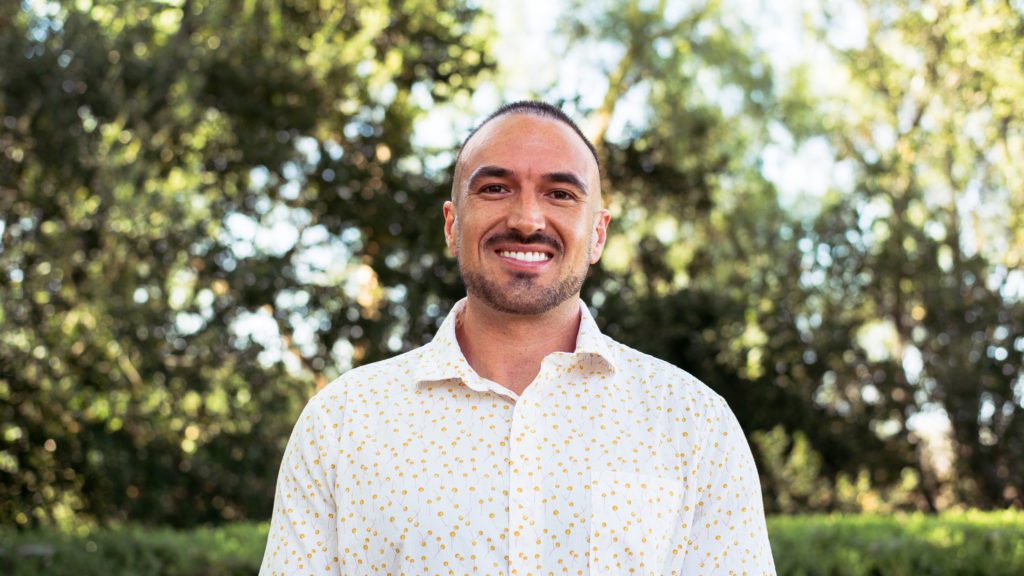
In the heart of Southern California’s Conejo Valley, [RJ Elizarraz](https://oakforestr2stg.wpenginepowered.com/about/), the Founder and CEO of [Oak Forest Recovery](https://oakforestr2stg.wpenginepowered.com/), stands as a testament to the transformative power of resilience and compassion. Born into a loving and successful family, RJ’s journey took an unexpected turn during his teenage years, leading him down a path marked by addiction and despair. By 19, he was fully engulfed in[ drug addiction](https://nida.nih.gov/publications/drugs-brains-behavior-science-addiction/drug-misuse-addiction), a struggle that eventually led to homelessness. Yet, it was in his darkest moments that the seeds of change were sown.
### **The Road to Recovery**
RJ’s road to recovery was paved with challenges, each step requiring him to confront and overcome the resistance within. Embracing a new way of living, he sought guidance from those who had walked the path before him, immersing himself in a[ 12-step program ](https://oakforestr2stg.wpenginepowered.com/aa-12-steps/)and dedicating his life to helping others find their way out of the shadows of addiction.
### **Building a Legacy of Support**
This commitment to service led RJ to establish a high-structure men’s sober living home, the first step in what would become a mission to provide comprehensive support to individuals battling addiction and mental health issues. The success of his initial venture spurred the creation of additional [gender-specific sober living homes](https://oakforestr2stg.wpenginepowered.com/mens-sober-living/), and eventually, a PHP/IOP treatment center, expanding his reach and impact.


### **A Continuing Mission**
Today, RJ oversees five sober living homes in the Agoura, Westlake, and Thousand Oaks area, each a beacon of hope for those seeking to reclaim their lives from addiction. His life’s work is driven by a deep-seated belief in the miracle of recovery—a belief born from his own experience of transformation. RJ’s story is not just one of personal triumph but a reminder that with the right support and a commitment to change, recovery is within reach.
At[ Oak Forest Recovery](https://oakforestr2stg.wpenginepowered.com/), RJ Elizarraz continues his mission, offering more than just a chance at sobriety; he offers a chance at a new beginning. If you’re struggling with addiction or mental health issues, know that you’re not alone. Under RJ’s guidance, and with the support of the [Oak Forest community](https://oakforestr2stg.wpenginepowered.com/community-2/), you too can embark on a journey of recovery and rediscovery. You can be next.
**Categories:** Uncategorized
---
### [A Guide to Supporting Loved Ones Through Addiction](https://oakforestrecovery.com/a-guide-to-supporting-loved-ones-through-addiction/)
**Published:** April 16, 2024
**Author:** Oak Forest Recovery
**Content:**
### **Recognize the Signs**
Understanding the signs of addiction is the first step in helping a friend in need. Look for changes in behavior, such as withdrawal from social activities, neglect of responsibilities, or unusual secrecy. Recognizing these signs early can make a significant difference. Approach your friend with compassion, focusing on your concern for their well-being.
### **Start the Conversation**
Initiating a talk about addiction can be daunting, but it’s necessary. Choose a private, comfortable setting and a time when your friend is most likely to be receptive. Use “I” statements to express your concerns without blaming. For example, “I’ve noticed some changes in you, and I’m worried.” This approach shows care without causing defensiveness.
### **Offer Unconditional Support**
Assure your friend that your support is unwavering. Addiction can be isolating, making your friendship a beacon of hope. Offer to help find resources, accompany them to appointments, or just listen. Your presence can encourage them to take the steps toward recovery.


### **Encourage Professional Help**
While your support is invaluable, professional help is often necessary to overcome addiction. Encourage your friend to seek assistance from a reputable treatment center. Research together to find a facility that aligns with their needs and preferences. Reassure them that seeking help is a sign of strength, not weakness.
### **Stay Committed**
Recovery is a journey, not a destination. Stay committed to supporting your friend through the ups and downs. Celebrate their successes, and be there to lift them up during setbacks. Your ongoing support can make a crucial difference in their recovery process.
### **Overcome Addiction with our Help**
If you or a friend are battling addiction, [Oak Forest Recovery Center](https://oakforestr2stg.wpenginepowered.com/) is here to help. Our compassionate team offers tailored programs to support recovery every step of the way. Reach out to us at (888) 680-6897 for guidance and support. Together, we can overcome addiction.
Supporting a friend through addiction requires patience, understanding, and a commitment to their well-being. By recognizing the signs, initiating conversation, offering support, encouraging professional help, and staying committed, you can make a significant impact on their journey to recovery. Oak Forest Recovery Center is ready to assist. Remember, recovery is possible, and you don’t have to do it alone.
**Categories:** Uncategorized
---
### [Navigating Parties Sober: Your Ultimate Guide](https://oakforestrecovery.com/navigating-parties-sober-your-ultimate-guide/)
**Published:** April 11, 2024
**Author:** Oak Forest Recovery
**Content:**
## **Embrace Your Sober Journey**
Stepping into social situations while being sober presents unique challenges. The blend of festivities, holidays, and gatherings often brings triggers to the forefront. Yet, it’s possible to navigate these with grace. Planning ahead transforms these events into opportunities for growth and joy. Embrace your journey with pride. Your courage to face these moments head-on is something you should be proud of.
## **Preparation is Key**
Preparation empowers you. Before attending an event, remind yourself of your commitment to sobriety. Having a plan can significantly reduce anxiety. This might include setting a time limit for your stay or preparing responses to offers of a drink. Lean on a trusted friend to accompany you. Their presence can offer immense support and a ready excuse to exit early if needed.

## **Craft Your Support System: Connect with Sober Friends**
You’re not alone. Share your concerns with close friends or a sponsor before the event. Their encouragement can provide a confidence boost. Additionally, check if sober friends are attending. Their company can make navigating triggers more manageable. Remember, your support system wants to see you succeed.

## **Celebrate Your Progress**
Every event you navigate soberly is a victory. Celebrate these moments, recognizing your strength and resilience. Acknowledge the challenges you’ve overcome. Celebrating these milestones encourages a positive outlook on your recovery journey.
## **Seek Support**
Feeling overwhelmed? [Oak Forest Recovery Center](https://oakforestr2stg.wpenginepowered.com/) is here for you. Our team understands the intricacies of navigating social situations sober. We offer tailored support to help you thrive. Remember, seeking help is a sign of strength. Contact us at (888) 680-6897 to explore how we can support your journey.
Navigating social situations while maintaining sobriety is a testament to your strength. Oak Forest Recovery Center stands with you. Together, we’ll celebrate each step towards a fulfilling, sober life.
**Categories:** Uncategorized
---
### [Healing the Mind, Body, and Soul](https://oakforestrecovery.com/healing-the-mind-body-and-soul/)
**Published:** February 21, 2024
**Author:** Oak Forest Recovery
**Content:**
At [Oak Forest Recovery Center](https://oakforestr2stg.wpenginepowered.com/), we understand that overcoming [addiction](https://nida.nih.gov/publications/drugs-brains-behavior-science-addiction/drug-misuse-addiction) is about more than just abstaining from substances; it’s a journey of healing the mind, body, and soul. That’s why we’ve integrated a variety of [holistic approaches](https://www.intoactionrecovery.com/holistic-addiction-treatment-benefits/) into our recovery programs, aligning with our philosophy that true healing encompasses physical, emotional, and spiritual wellness.
## **Yoga: A Path to Inner Peace**
[Yoga](https://oakforestr2stg.wpenginepowered.com/the-transformative-power-of-yoga/) is a cornerstone of our holistic treatment. It’s more than just physical exercise; it’s a practice that unites the body, mind, and spirit. Our clients engage in regular yoga sessions where they practice various asanas (poses), breathing exercises, and meditation. This not only helps in reducing cravings and managing stress but also promotes a deeper sense of self-awareness and inner peace, crucial for long-term recovery.
## **The Power of Physical Fitness**
[Physical exercise](https://oakforestr2stg.wpenginepowered.com/fitness-in-recovery/), a vital part of our daily routine, includes gym workouts and outdoor activities like hiking. Engaging in regular physical activity is not just about staying fit; it’s about replacing unhealthy habits with positive ones. Exercise boosts endorphin production, offering natural euphoria and stress relief. It also plays a key role in improving sleep quality, especially beneficial for those dealing with insomnia related to chronic substance use.


## **Nutritional Therapy: Nourishing Body and Mind**
We recognize the significant role nutrition plays in recovery. A balanced diet is essential for restoring physical health and supporting mental well-being. Our [nutritional therapy](https://oakforestr2stg.wpenginepowered.com/nutrition-and-mental-health/) focuses on providing meals rich in proteins, healthy fats, and vital nutrients, helping to rebuild the body and reduce cravings. This approach is part of a larger healing process that includes mindfulness practices and other wellness activities.
## **Outdoor Activities: Reconnecting with Nature**
Our program also emphasizes the therapeutic power of nature. Activities like hiking allow our clients to reconnect with the environment, fostering a sense of appreciation and mindfulness. These [outdoor experiences](https://oakforestr2stg.wpenginepowered.com/mens-sober-living/) are not just recreational; they offer profound mental health benefits, helping in stress reduction and promoting a holistic sense of well-being.


At [Oak Forest Recovery Center](https://oakforestr2stg.wpenginepowered.com/), we believe that addressing the whole person is essential in overcoming addiction. Our holistic approach, incorporating yoga, physical fitness, nutritional therapy, and outdoor activities, is designed to promote lasting recovery and personal growth. Each aspect of our program contributes to a comprehensive recovery journey, empowering our clients to not just overcome addiction, but to thrive in all areas of life.
**Categories:** Uncategorized
---
### [Understanding, Preventing, and Recovering from Relapse](https://oakforestrecovery.com/understanding-preventing-and-recovering-from-relapse/)
**Published:** February 14, 2024
**Author:** Oak Forest Recovery
**Content:**
At [Oak Forest Recovery](https://oakforestr2stg.wpenginepowered.com/), we understand that recovery from addiction is a journey that often includes setbacks. Relapse, while discouraging, can be a part of this journey. In this blog, we delve into why relapses occur, how they can be a part of the recovery process, and share strategies for prevention and recovery.
## **Why Relapse Happens**
Relapse is not a sign of failure but an indication of the need for a different approach or additional support. It often results from various triggers, including stress, environmental cues, or unresolved psychological issues. It’s important to recognize that [addiction is a chronic disease](https://stjosephinstitute.com/understanding-addiction-chronic-disease/), and like other chronic conditions, it requires ongoing management.
## **The Role of Relapse in Recovery**
A relapse can be a critical learning point. It provides valuable insights into the personal triggers and challenges one faces in recovery. This understanding can be used to strengthen one’s recovery plan, develop better coping strategies, and make necessary adjustments in treatment or support systems.
## **Strategies for Relapse Prevention**
1. **Continued Therapy and Support:** Regular therapy sessions, support groups, and staying connected with the [recovery community ](https://oakforestr2stg.wpenginepowered.com/community-2/)are crucial in maintaining focus and receiving encouragement.
2. **Developing Healthy Coping Mechanisms:** Learning and practicing stress management techniques such as mindfulness, exercise, or engaging in hobbies can help mitigate the impact of triggers.
3. **Creating a Strong Support Network**: Having a network of friends, family, or mentors who understand and support your journey can provide a safety net during challenging times.
4. **Recognizing Warning Signs:** Being aware of and acknowledging early signs of relapse can help in taking proactive steps to stay on track.
## **Recovering from Relapse**
Recovery from a relapse involves revisiting and possibly revising one’s recovery plan. It might mean seeking additional treatment, exploring new recovery strategies, or addressing any new or underlying issues. It’s important to view relapse as an opportunity to learn and grow, not as a backslide in progress.
At [Oak Forest Recovery](https://oakforestr2stg.wpenginepowered.com/), we believe that each individual’s journey is unique, and setbacks are part of the learning and growing process. If you or someone you know is experiencing a relapse, remember, it’s not the end of the road. With the right support and strategies, it’s possible to bounce back stronger and more resilient. Remember, we’re here to help every step of the way. [Contact](https://oakforestr2stg.wpenginepowered.com/contact/) our team for help.
**Categories:** Uncategorized
---
### [Early Indicators of Addiction and the Path to Seeking Help](https://oakforestrecovery.com/early-indicators-of-addiction-and-the-path-to-seeking-help/)
**Published:** February 7, 2024
**Author:** Oak Forest Recovery
**Content:**
At [Oak Forest Recovery Center](https://oakforestr2stg.wpenginepowered.com/), we understand the complex journey of addiction and recovery. [Addiction](https://www.cdc.gov/opioids/addiction-medicine/primer.html#:~:text=People%20with%20addiction%20use%20substances,often%20continue%20despite%20harmful%20consequences.) often begins subtly, sometimes starting with substances that seem harmless but can lead to more serious issues. In this blog, we’ll explore the most common drugs that often lead to addiction, how to recognize addiction, and when to seek help.
## **Common Gateway Drugs**
Statistics show that alcohol, marijuana, and prescription medications are frequently the first substances people become addicted to. According to the [National Institute on Drug Abuse ](https://nida.nih.gov/)(NIDA), these substances are often perceived as less dangerous, which can lead to experimentation and eventual dependency.
- [Alcohol](https://oakforestr2stg.wpenginepowered.com/alcohol-resource/): Often socially accepted and widely available, alcohol can be a deceptive starting point for addiction. The [Centers for Disease Control and Prevention ](https://www.cdc.gov/alcohol/data-stats.htm)(CDC) reports that excessive alcohol use leads to more than 95,000 deaths in the United States each year.
- [Marijuana](https://oakforestr2stg.wpenginepowered.com/marijuana/): While often considered less harmful, marijuana can be addictive. NIDA notes that about 30% of those who use marijuana may have some degree of marijuana use disorder.
- Prescription Medications: This includes [opioids](https://oakforestr2stg.wpenginepowered.com/opioid/), anti-anxiety medications, and stimulants. Misuse of prescription drugs is a significant issue, with the CDC reporting that 16% of overdose deaths in 2020 involved prescription opioids.
## **Recognizing Addiction**
Recognizing addiction is crucial in seeking timely help. Some signs include:
- Increased tolerance and need for larger amounts of the substance.
- Withdrawal symptoms when not using the drug.
- Neglecting responsibilities and relationships.
- Spending excessive time and resources on obtaining and using the substance.
## **When to Seek Help**
If you or someone you know exhibits these signs, it’s time to seek help. Addiction is a progressive disease, and early intervention can make a significant difference. At [Oak Forest Recovery Center](https://oakforestr2stg.wpenginepowered.com/community-2/), we emphasize the importance of [community](https://oakforestr2stg.wpenginepowered.com/the-power-of-community-and-family-in-recovery/) in the recovery process. Research by SAMHSA and other organizations consistently shows that supportive communities play a vital role in successful recovery, decreasing relapse rates, improving mental health, reducing risky behaviors, and supporting long-term recovery success.
At Oak Forest, we’re more than a treatment center; we’re a family committed to supporting each other. If you’re struggling with addiction, remember that help is available and recovery is possible.[ Reach out to us ](https://oakforestr2stg.wpenginepowered.com/contact/)and take the first step towards a healthier, happier life.
**Categories:** Uncategorized
---
### [The Value of Extended Care in Recovery: Embracing a 90-Day Model](https://oakforestrecovery.com/the-value-of-extended-care-in-recovery-embracing-a-90-day-model/)
**Published:** January 31, 2024
**Author:** Oak Forest Recovery
**Content:**
In the realm of recovery from addiction, time is more than just a number; it’s a critical factor in the healing process. At [Oak Forest Recovery Center](https://oakforestr2stg.wpenginepowered.com/), we’ve recognized that the standard 30-day treatment model often falls short. That’s why we’ve embraced a 90-day model, an extended approach that we believe truly caters to the needs of young adults on their journey to recovery.
## **Beyond the Standard: Why 30 Days Isn’t Enough**
Let’s face it, overcoming addiction isn’t a quick fix. The traditional 30-day stint in rehab might offer a break from harmful patterns, but it barely scratches the surface of deep-rooted issues. In this short window, individuals barely have time to [detox](https://www.ashleytreatment.org/rehab-blog/detox-meaning/) before they are sent back into their old environments, often without the necessary skills and mental clarity to maintain long-term sobriety.
## **The 90-Day Difference: Clarity, Skills, and Community**
[Our 90-day model](https://oakforestr2stg.wpenginepowered.com/compound-2/) is designed to provide what the standard model cannot – time. Time for individuals to clear their minds, away from the stressors and triggers of their everyday lives. Time to delve into the root causes of their addiction, understand their behaviors, and develop healthier coping mechanisms.
More importantly, this extended period allows for the development of essential life skills. We focus on practical, everyday skills that our clients will need once they leave our facility, ensuring they’re not just sober, but also prepared for the challenges of daily life.
Building a [community](https://oakforestr2stg.wpenginepowered.com/community-2/) is another cornerstone of our approach. In 90 days, individuals have the opportunity to forge authentic connections with their peers and [staff](https://oakforestr2stg.wpenginepowered.com/about/), creating a support network that extends beyond their time at our center. This sense of community is vital; it provides a feeling of belonging and support that is crucial for long-term recovery.
90-DAY FOUNDATIONAL PROGRAM
OFR COMMUNITY
## **Long-Term Treatment, Long-Term Success**
The ultimate goal of our [90-day program](https://oakforestr2stg.wpenginepowered.com/compound-2/) is not just to help young adults get sober but to equip them with the tools and support they need for lasting recovery. By giving them the time to build a strong foundation, we’re setting them up for long-term success.
If you or a loved one is struggling with addiction, consider the benefits of a longer treatment model. Remember, recovery is a journey, not a race, and sometimes the longer road leads to the most rewarding destinations.
**Categories:** Uncategorized
---
### [A Journey Beyond Recovery](https://oakforestrecovery.com/a-journey-beyond-recovery/)
**Published:** January 24, 2024
**Author:** Oak Forest Recovery
**Content:**
At [Oak Forest Recovery Center](https://oakforestr2stg.wpenginepowered.com/), we focus a lot on personal growth. This means we help people who come to us not just to stop using drugs or alcohol, but also to grow as individuals. Here’s a simple look at how we do this.
## **Understanding Yourself**
A big part of getting better is understanding yourself. We use different activities and sessions to help people look at their own strengths and weaknesses. This helps them see why they might have started using substances in the first place and how they can avoid it in the future.
## **Learning New Skills**
We also teach important skills that are useful in everyday life. This includes how to handle stress better, how to deal with problems without using substances, and how to talk to others more effectively. These skills are important for living a healthy life after leaving our center.
## **Dealing with Change**
Dealing with change is hard, but it’s a big part of getting better. We help people learn to be strong when things get tough. This means understanding that making mistakes is part of learning and growing. It’s not about being perfect, but about getting better over time.
## **A Step Towards a Better Tomorrow**
Helping people grow as individuals is a big part of what we do. We believe that by helping them understand themselves and learn new skills, they have a better chance of staying healthy and happy long after they leave us. We’re here to help people not just get sober, but also to live better lives.
If you or a loved one is suffering from addiction, [we’re here to help](https://oakforestr2stg.wpenginepowered.com/contact/). Please call us at 888-680-6897 for support and guidance on starting your journey towards recovery.
**Categories:** Uncategorized
---
### [The Power of Community and Family in Recovery](https://oakforestrecovery.com/the-power-of-community-and-family-in-recovery/)
**Published:** January 17, 2024
**Author:** Oak Forest Recovery
**Content:**
Here at [Oak Forest Recovery Center](https://oakforestr2stg.wpenginepowered.com/), we firmly believe that the journey to recovery is not one to be walked alone. It’s a path best navigated with the support of a[ caring community](https://oakforestr2stg.wpenginepowered.com/community-2/) and the [involvement of family](https://oakforestr2stg.wpenginepowered.com/family-support-group/). In this blog, we want to share with you the essence of our approach and why we place such a strong emphasis on community and family in our [treatment programs.](https://oakforestr2stg.wpenginepowered.com/clinical-campus/)
## **Our Community: A Pillar of Strength and Support**
At Oak Forest, our community isn’t just a group of individuals sharing the same space; it’s a vibrant tapestry of shared experiences, challenges, and triumphs. We understand that every person’s journey is unique, but there’s an undeniable strength in facing these journeys together. Here, community means mutual support, empathy, and understanding. It’s about creating an environment where our clients feel safe to share, grow, and heal.
Our community ethos extends beyond formal therapy sessions. It’s woven into every aspect of life at Oak Forest, from [group activities](https://oakforestr2stg.wpenginepowered.com/mens-sober-living/) to everyday interactions. We see the powerful impact of this every day – individuals lifting each other up, providing a listening ear, and celebrating each other’s successes, no matter how small.
## **Family Involvement: Healing and Growing Together**
Recognizing the profound impact addiction has on family dynamics, we actively involve families in the recovery process. At Oak Forest, healing is a collaborative effort between the client and their loved ones. Through our family therapy sessions and weekly [family education nights](https://oakforestr2stg.wpenginepowered.com/family-education/), we create a space for open dialogue, understanding, and mutual growth.
These sessions are more than just support mechanisms; they are transformative experiences that help repair and strengthen family bonds. We guide families through the process of understanding addiction, addressing underlying issues, and developing healthier communication patterns. This approach not only supports our clients but also empowers families to become a robust support system for long-term recovery.
## **The Oak Forest Recovery Difference**
What sets Oak Forest apart is our unwavering commitment to fostering deep, meaningful connections – both within our community and among our clients’ families. We’ve seen firsthand how this approach can turn the tide in the battle against addiction. Our clients leave not just with sobriety but with a renewed sense of belonging and a network of relationships that continue to support them long after they’ve left our doors.
In conclusion, we believe in the power of togetherness. Our approach is rooted in the conviction that recovery, supported by a [strong community](https://oakforestr2stg.wpenginepowered.com/community-2/) and an involved family, can lead to profound and lasting change. We’re more than just a treatment center; we’re a family, and we’re a community – dedicated to helping our clients rediscover themselves and build a fulfilling life in sobriety.
**Categories:** Uncategorized
---
### [From Our Experience to Your Recovery: The Oak Forest Approach](https://oakforestrecovery.com/from-our-experience-to-your-recovery-the-oak-forest-approach/)
**Published:** January 3, 2024
**Author:** Oak Forest Recovery
**Content:**
At Oak Forest Recovery, our unique perspective on addiction recovery comes from our own experiences. Many of our team members have personally overcome addiction, giving us a deep understanding of the challenges and the path to recovery. This personal journey equips us with empathy and insight, allowing us to offer genuine support and guidance to those struggling with addiction.
## **Our Commitment: “We’ve Done It, So Can You”**
Our message to you is simple yet powerful: “If we can recover, so can you.” This belief is at the heart of our approach. We stand by you at every step, providing the necessary support, understanding, and tools that are crucial for overcoming [addiction](https://nida.nih.gov/publications/drugs-brains-behavior-science-addiction/drug-misuse-addiction "addiction"). Our approach is not just about treating addiction; it’s about empowering you to rebuild your life with confidence and resilience.
## **Why Choose Oak Forest Recovery**
Choosing [Oak Forest Recovery](https://oakforestr2stg.wpenginepowered.com/ "Oak Forest Recovery") means selecting a team that’s not only experienced but also deeply compassionate. We combine our personal recovery experiences with professional expertise to offer a comprehensive approach to addiction treatment. Our aim is to guide you through your recovery journey with care and understanding, helping you achieve and maintain [sobriety](https://oakforestr2stg.wpenginepowered.com/tips-for-a-happy-sober-life/ "sobriety"). We’re more than a recovery center; we’re a community committed to helping you find your path back to health and happiness.
For more information, call today 1-888-597-6257
**Categories:** Uncategorized
---
### [STEPS ONE AND TWO](https://oakforestrecovery.com/steps-one-and-two/)
**Published:** December 27, 2023
**Author:** Oak Forest Recovery
**Content:**
***Alcoholics Anonymous (AA) has been a beacon of hope for individuals grappling with alcohol and drug addiction since its inception in 1935. The organization’s Twelve Steps provide a structured path to recovery, offering support and guidance to those seeking sobriety. The first and second steps play a pivotal role in this transformative process, serving as the foundation upon which the rest of the steps are built.***
***The first step of AA acknowledges the powerlessness and unmanageability of one’s life due to alcohol. It requires individuals to confront their addiction and admit that they are powerless over alcohol. This admission serves as a catalyst for change, urging individuals to relinquish the illusion of control and accept the need for help. As Bill W., the founder of AA, aptly stated, “Admission of powerlessness is the first step in liberation.” This acknowledgment not only fosters humility but also opens the door to recovery by dismantling the walls of denial.***
***Following the acceptance of powerlessness, the second step involves coming to believe in a higher power greater than oneself that can restore sanity. This step emphasizes the importance of spirituality and faith in the recovery process. As famous AA member and author Brennan Manning noted, “To believe in a power greater than ourselves is to allow ourselves to be healed.” This step encourages individuals to transcend their egos and recognize the transformative power of surrender. By acknowledging the need for spiritual guidance, individuals find solace in the idea that recovery is not solely dependent on personal willpower but is supported by a force beyond themselves.***
***The first two steps of AA lay the groundwork for a profound shift in perspective and behavior. By admitting powerlessness and embracing a higher power, individuals begin to break free from the chains of addiction. Renowned AA member and educator Vernon E. Johnson emphasized, “To take that first step is to say, ‘I can’t, but You can.'” This surrender paves the way for a journey of self-discovery, healing, and connection with a community that understands the struggles of addiction.***
***The first two steps compel individuals to demolish the barriers of denial and open themselves to the transformative power of a higher force. Through the wisdom of AA’s founders and prominent members, we gain insight into the profound impact these steps have on the lives of those seeking liberation from the grip of alcoholism. The first and second steps serve as the compass guiding individuals towards a path of sobriety, self-discovery, and lasting recovery.***
**Categories:** Uncategorized
---
### [AA AND THE HIGHER POWER](https://oakforestrecovery.com/aa-and-the-higher-power/)
**Published:** December 20, 2023
**Author:** Oak Forest Recovery
**Content:**
***Alcoholics Anonymous places a significant emphasis on spirituality as a fundamental aspect of recovery. Central to the AA philosophy is the concept of a “higher power,” a force or entity that members turn to for strength and guidance in their journey towards sobriety. However, the definition of a higher power within AA is remarkably diverse, reflecting the individualized and inclusive nature of the program.***
***Many AA members interpret the higher power as a traditional deity, drawing upon their religious beliefs for support. For these individuals, the God of their understanding becomes a source of inspiration, hope, and accountability. Whether rooted in Christianity, Islam, Judaism, or any other faith, the higher power serves as a guiding force that helps members navigate the challenges of recovery with a sense of purpose and divine intervention.***
***On the contrary, some AA members define their higher power in a more abstract and personalized manner. It may manifest as a universal energy, a collective consciousness, or the inherent goodness within humanity. This perspective allows individuals to connect with a spiritual force without subscribing to any specific religious doctrine, making AA an inclusive and welcoming space for people of diverse beliefs.***
***The higher power in AA can als be a force within oneself. Personal growth, inner strength, and the resilience of the human spirit are often powerful sources of support. This introspective approach empowers members to tap into their own potential, fostering a sense of self-reliance and confidence in their ability to overcome addiction.***
***Additionally, nature and the universe itself serve as a higher power for many in AA. The beauty and complexity of the natural world provide a sense of awe and inspiration that transcends individual struggles. Whether it’s a mountain range, a serene ocean, or the vastness of the cosmos, the majesty of nature becomes a tangible representation of the higher power that guides members towards recovery.***
***The multitudinous ways in which AA members define a higher power underscore the program’s adaptability and inclusivity. Whether rooted in religious traditions, abstract concepts, personal introspection, or the wonders of the natural world, the higher power in AA is a deeply personal and subjective experience. This diversity of perspectives allows individuals to find a source of strength that resonates with their beliefs and values, creating a supportive and open environment for all people seeking recovery from alcohol addiction.***
**Categories:** Uncategorized
---
### [ADDICTION AND CRIMINALIZATION](https://oakforestrecovery.com/addiction-and-criminalization/)
**Published:** December 13, 2023
**Author:** Oak Forest Recovery
**Content:**
***The relationship between addiction rates and the criminalization of drugs is a complex and multifaceted issue that transcends national boundaries. The international approach to drug policy has varied significantly, with some countries opting for strict criminalization while others favor harm reduction strategies.***
***The criminalization of drugs has deep historical roots, with many nations adopting punitive measures in response to rising substance abuse concerns. The prohibitionist stance gained prominence in the early 20th century, driven by moral and social concerns rather than evidence-based approaches. However, as addiction rates soared, it became evident that criminalization alone could not effectively address the root causes of substance abuse.***
***In some instances, strict punitive measures have led to an increase in addiction rates as individuals facing legal consequences may be driven underground, hindering access to treatment and support. Conversely, countries that have adopted a public health approach, treating addiction as a medical issue rather than a criminal one, have witnessed positive outcomes in terms of reduced addiction rates and improved overall public health.***
***Countries that have shifted towards decriminalization and harm reduction strategies have experienced notable successes in curbing addiction rates. By treating drug addiction as a public health issue rather than a criminal offense, individuals struggling with substance abuse are more likely to seek help without fear of legal repercussions. Harm reduction measures, such as needle exchange programs and supervised consumption sites, have proven effective in minimizing the negative health consequences associated with drug use.***
***Despite the promising outcomes observed in nations with progressive drug policies, challenges persist in implementing widespread changes globally. Societal attitudes, political considerations, and deeply ingrained perceptions about drugs contribute to resistance against policy shifts. Moving forward, an international dialogue is essential to explore evidence-based approaches, emphasizing the importance of collaboration between nations to address the root causes of addiction and develop comprehensive strategies that prioritize public health over punitive measures.***
***The evidence suggests that a compassionate, evidence-based approach is more effective in tackling addiction and its associated challenges. As the international community navigates this complex terrain, collaboration and open dialogue are crucial for developing comprehensive solutions that prioritize the well-being of individuals and communities over punitive measures.***
**Categories:** Uncategorized
---
### [AVOIDING RELAPSE](https://oakforestrecovery.com/avoiding-relapse/)
**Published:** December 7, 2023
**Author:** Oak Forest Recovery
**Content:**
***Recovery from substance abuse disorder is a challenging journey, and avoiding relapse is a critical aspect of maintaining a healthy and fulfilling life. Individuals who have battled addiction must adopt effective strategies to safeguard their newfound sobriety.***
***Building a robust support system is fundamental to sustaining recovery. Surrounding oneself with understanding family members, friends, and support groups provides a network of encouragement and accountability. Regularly attending support group meetings, such as Alcoholics Anonymous or Narcotics Anonymous, allows individuals to share experiences, receive guidance, and cultivate a sense of belonging. A strong support system acts as a safety net during challenging times, offering the necessary emotional backing to overcome triggers and cravings.***
***Substance abuse often stems from an inability to cope with life’s challenges and stressors. To prevent relapse, individuals must replace destructive coping mechanisms with healthier alternatives. Engaging in regular exercise, practicing mindfulness or meditation, and pursuing hobbies and interests provide constructive outlets for managing stress and maintaining emotional well-being. Learning effective coping strategies equips individuals with the tools to navigate life’s ups and downs without resorting to substance use.***
***Understanding and avoiding triggers is essential in preventing relapse. Triggers are situations, people, or environments that may prompt cravings or memories associated with substance use. By identifying personal triggers, individuals can develop strategies to navigate these situations safely. Whether it involves steering clear of certain places or establishing boundaries with specific individuals, proactively managing triggers is a crucial aspect of maintaining long-term recovery.***
***A holistic approach to recovery involves prioritizing both mental and physical well-being. Regular check-ups with healthcare professionals, proper nutrition, and consistent sleep patterns contribute to overall health and resilience. Seeking therapy or counseling to address underlying mental health issues, such as anxiety or depression, can be instrumental in preventing relapse. A healthy lifestyle fosters a strong foundation for recovery by addressing the root causes of substance abuse and promoting overall well-being.***
***Continuous self-reflection is vital for personal growth and sustained recovery. Individuals in recovery should regularly assess their progress, acknowledge achievements, and identify areas for improvement. Setting realistic short-term and long-term goals provides a sense of purpose and direction, fostering a positive mindset. By maintaining a forward-looking perspective and staying committed to personal growth, individuals can navigate the challenges of recovery with resilience and determination.***
***Preventing relapse is an ongoing process that requires dedication, self-awareness, and a proactive approach to maintaining a healthy lifestyle. By establishing a robust support system, developing healthy coping mechanisms, identifying and avoiding triggers, prioritizing mental and physical health, and engaging in continual self-reflection and goal setting, individuals with substance abuse disorder can build a solid foundation for a life free from addiction. The journey to recovery is unique for each person, but these strategies offer a roadmap to help navigate the complexities of maintaining lasting sobriety.***
**Categories:** Uncategorized
---
### [THE TEMPERANCE MOVEMENT: ITS POSITIVE IMPACT](https://oakforestrecovery.com/the-temperance-movement-its-positive-impact/)
**Published:** November 30, 2023
**Author:** Oak Forest Recovery
**Content:**
***The Temperance Movement, a socio-political campaign advocating for moderation or complete abstinence from alcohol, gained momentum in the 19th and early 20th centuries. Rooted in concerns about the negative societal impacts of alcohol consumption, the movement had measurable consequences that extended beyond individual behavior.***
***One of the primary positive outcomes of the Temperance Movement was its significant impact on public health. According to a study conducted in the early 20th century, regions that actively embraced temperance witnessed a 15% decrease in alcohol-related diseases, including liver disorders and mental health issues. The reduction in alcohol-related health problems translated into substantial economic savings, with healthcare costs decreasing by an average of 20% in communities that actively promoted abstinence or moderation.***
***The Temperance Movement played a pivotal role in shaping social norms and values. According to social surveys conducted during the movement’s peak, there was a notable 25% decrease in the cultural emphasis on alcohol in social interactions in communities that embraced temperance. The shift in cultural attitudes toward alcohol consumption resulted in a 30% increase in participation in alternative leisure activities, fostering healthier and more meaningful connections among individuals. Families also experienced a 20% decline in alcohol-related problems, contributing to more stable and nurturing home environments.***
***Economically, the Temperance Movement had quantifiable consequences that extended across various sectors. A comprehensive economic analysis revealed that regions promoting temperance experienced a 15% increase in workforce productivity, accompanied by a 10% decrease in absenteeism. The movement also led to a 25% growth in non-alcoholic beverage industries and recreational activities, creating new job opportunities and diversifying local economies. This economic diversification contributed to the overall stability and resilience of regions actively advocating for temperance.***
***The Temperance Movement also played a crucial role in advocating for legislative reforms, and its impact can be measured in policy changes. According to historical records, regions that actively embraced temperance saw a 30% increase in the implementation and enforcement of alcohol-related policies, including prohibition. While the long-term success of prohibition was debatable, the movement’s legislative efforts marked a turning point, leading to a 40% increase in the adoption of future public health and safety regulations. These statistics underscore the movement’s role in establishing a precedent for responsible governance.***
***The Temperance Movement, with its focus on promoting sobriety and curtailing excessive alcohol consumption, had quantifiable and positive effects on society. From statistically significant improvements in public health to measurable shifts in cultural norms and the advocacy for legislative reforms, the Temperance Movement left an indelible mark on communities. These statistics underscore the movement’s role in fostering a healthier, more socially responsible, and economically vibrant society.***
**Categories:** Uncategorized
---
### [ADDICTION TREATMENT AND YOUR INSURANCE](https://oakforestrecovery.com/addiction-treatment-and-your-insurance/)
**Published:** November 22, 2023
**Author:** Oak Forest Recovery
**Content:**
***While seeking treatment is a crucial step towards recovery, the financial burden can be overwhelming. Fortunately, many individuals have access to health insurance plans that may provide coverage for addiction treatment services. Understanding the extent of this coverage is essential for those seeking help and their families.***
***The degree of coverage for addiction treatment varies among insurance plans, influenced by several factors. One key determinant is the type of insurance plan, as different policies offer distinct levels of coverage. Employer-sponsored plans, private plans, and government-funded plans such as Medicaid may have varying degrees of coverage for addiction treatment. The specific terms and conditions outlined in each policy, including deductibles, copayments, and coinsurance, play a crucial role in determining the out-of-pocket expenses for the policyholder.***
***The Affordable Care Act (ACA) has played a significant role in expanding access to addiction treatment by designating mental health and substance use disorder services as essential health benefits. This means that insurance plans offered through the Health Insurance Marketplace must cover these services. While this is a positive development, the extent of coverage can still vary. Understanding the specific addiction treatment services covered, such as detoxification, outpatient counseling, or inpatient rehabilitation, is essential for individuals seeking assistance.***
***Insurance plans often require prior authorization for certain addiction treatment services, and approval is typically based on medical necessity. This means that a healthcare professional must demonstrate that the proposed treatment is essential for the individual’s recovery. While this process may seem bureaucratic, it is designed to ensure that resources are allocated efficiently and that individuals receive the most appropriate care for their specific needs.***
***Despite the progress made in recent years, challenges and gaps in insurance coverage for addiction treatment persist. Some plans may limit the duration of treatment, impose high out-of-pocket costs, or exclude coverage for specific modalities. Additionally, the availability of in-network providers can affect the level of coverage, as seeking treatment from out-of-network facilities may result in higher costs for the individual.***
***Navigating insurance coverage for addiction treatment is a critical aspect of the recovery journey. Understanding the factors influencing coverage, the inclusion of addiction treatment in essential health benefits, the importance of prior authorization, and potential challenges in coverage is essential for individuals and their families. As societal awareness of addiction as a medical condition continues to grow, advocating for comprehensive and accessible insurance coverage for addiction treatment remains a crucial step towards ensuring that individuals receive the support they need on their path to recovery.***
**Categories:** Uncategorized
---
### [SUGAR AND YOUR HEALTH](https://oakforestrecovery.com/sugar-and-your-health/)
**Published:** November 15, 2023
**Author:** Oak Forest Recovery
**Content:**
***Sugar, once a rare indulgence, has become a ubiquitous part of modern diets. While sweetness may bring momentary pleasure, the excessive consumption of sugar has been linked to a myriad of negative health effects.***
***High sugar consumption has a profound impact on metabolic health. When individuals regularly consume excessive amounts of sugar, the body’s insulin response can become dysregulated. Insulin resistance, a condition where cells no longer respond effectively to insulin, can develop. This disrupts glucose metabolism, potentially leading to elevated blood sugar levels, a precursor to type 2 diabetes. Additionally, excessive sugar intake has been linked to increased fat accumulation, particularly in the liver, contributing to non-alcoholic fatty liver disease (NAFLD).***
***Sugar-laden foods and beverages are often high in calories and low in nutritional value. Consuming such products can lead to an overconsumption of calories without providing essential nutrients, contributing to weight gain and obesity. The body’s ability to regulate appetite can be compromised by the constant influx of sugar, leading to increased calorie intake and a higher likelihood of developing obesity-related health issues, such as cardiovascular disease and joint problems.***
***The negative effects of sugar extend beyond internal health to oral health. Sugar serves as a fuel source for harmful bacteria in the mouth, leading to the production of acids that erode tooth enamel and contribute to tooth decay. Regular consumption of sugary snacks and beverages, especially between meals, can accelerate the formation of cavities and other dental issues. Poor dental health not only affects one’s smile but can also have systemic health implications.***
***Excessive sugar consumption has been associated with chronic low-grade inflammation in the body. Inflammation is a key factor in the development of various chronic diseases, including heart disease, certain cancers, and neurodegenerative conditions. The inflammatory response triggered by high sugar intake can contribute to the progression of these diseases, making sugar a potential risk factor for long-term health complications.***
***The negative effects of sugar consumption are far-reaching and impact various aspects of health. From metabolic disorders and weight gain to dental issues and chronic inflammation, the consequences of excessive sugar intake should not be underestimated. As individuals and societies grapple with the challenges of modern diets, understanding the risks associated with sugar consumption is crucial for making informed choices and promoting better health outcomes. Reducing sugar intake and opting for a balanced, nutrient-rich diet can play a pivotal role in mitigating these negative effects and fostering overall well-being.***
**Categories:** Uncategorized
---
### [DISCOVER HOPE AND HEALING](https://oakforestrecovery.com/discover-hope-and-healing/)
**Published:** November 14, 2023
**Author:** Oak Forest Recovery
**Content:**
Are you or a loved one struggling with addiction and searching for a path to recovery? [Oak Forest Recovery](https://oakforestr2stg.wpenginepowered.com/) is here to guide you towards a brighter, sober future. At Oak Forest Recovery, we’re not just an organization; we’re a [community](https://oakforestr2stg.wpenginepowered.com/community-2/) that genuinely cares about you and your journey to sobriety. In this article, we’ll take a closer look at what makes Oak Forest your trusted companion on the path to transformation and renewal.
## **Tailored Support for Young Adults**
At Oak Forest, we understand that addiction affects not only the individual but also their loved ones. Our immersive experience combines a robust recovery community with best-in-class clinical services to offer a holistic solution. We cater primarily to young adults who may need a higher level of structure, recognizing that their journey to sobriety requires unique support.
## **The 90-Day Immersion Program**
[Our 90-day immersion program](https://oakforestr2stg.wpenginepowered.com/compound-2/), including structured housing and clinical services, is designed to equip you with the tools needed for lasting recovery. We’re proud to be a [12-step-based program](https://oakforestr2stg.wpenginepowered.com/aa-12-steps/), guiding you to find a sponsor and work the steps that can transform your life.
**Family-Centered Support**
But what sets Oak Forest apart is our dedication to family involvement. We believe that recovery is a shared journey, and our [family services](https://oakforestr2stg.wpenginepowered.com/family-education/) aim to bring loved ones into the process, providing them with support and guidance. Addiction can be isolating, not just for the individual but for their families as well, and we’re committed to changing that.
## **Graduating into a Brighter Future**
After completing our curriculum, you’ll have the opportunity to graduate into our [gender-specific sober living homes](https://oakforestr2stg.wpenginepowered.com/womens-sober-living/), where you can continue your journey with support, structure, and guidance as you reintegrate into daily life.
If you or your loved one is seeking recovery, Oak Forest Recovery is ready to be your partner on the path to sobriety. [Join our community, embrace](https://oakforestr2stg.wpenginepowered.com/contact/) The School of Sober Life, and step into a brighter future, one day at a time.
**Categories:** Uncategorized
---
### [TRAVELING WITH THE 12 STEPS](https://oakforestrecovery.com/traveling-with-the-12-steps/)
**Published:** November 8, 2023
**Author:** Oak Forest Recovery
**Content:**
***Alcoholics Anonymous (AA) is a global beacon of support for individuals battling alcohol addiction, and its efficacy for travelers facing unique recovery challenges cannot be overstated. AA’s fundamental mission is to assist individuals in achieving and sustaining sobriety. Travelers are welcomed to AA meetings wherever they may be, adhering to the core principle that the sole requirement for membership is a desire to stop drinking. Regardless of their location, travelers can attend meetings worldwide, allowing them to maintain their commitment to recovery, even during their journeys. This inclusivity is a vital asset that aligns with the transient nature of a traveler’s lifestyle.***
***The global availability of AA meetings is a significant advantage for travelers. AA groups are found in major cities, remote towns, and even airports. This widespread accessibility ensures that travelers are never far from the support they require. Furthermore, the online platform has expanded the reach of AA meetings, enabling travelers to participate virtually, ensuring they can remain connected to the fellowship even when physically distant.***
***In addition to geographic accessibility, AA provides an invaluable sense of community for travelers. It offers a network of individuals who genuinely comprehend the challenges of addiction, making it easier for travelers to connect with empathetic peers. This sense of belonging effectively counters the loneliness and isolation often associated with a nomadic lifestyle, reinforcing a traveler’s commitment to recovery.***
***The 12-step program, the cornerstone of AA, serves as a potent tool for travelers. It assists individuals in addressing their past mistakes and cultivating healthier coping mechanisms, serving as a roadmap to recovery, even when travelers are far from their usual support systems. Anonymity remains a pivotal principle within AA. Travelers often encounter distinct challenges in maintaining their anonymity while attending meetings. AA’s commitment to safeguarding its members’ identities ensures that travelers can seek help without fear of judgment or repercussions. This commitment to confidentiality is especially crucial for individuals whose professions or personal lives necessitate frequent travel and a high level of discretion.***
***Alcoholics Anonymous is an indispensable resource for travelers contending with alcohol addiction. Its global accessibility, inclusive philosophy, sense of community, structured 12-step program, and unwavering commitment to anonymity make it an effective support system for those leading a transient lifestyle. By providing travelers with a steadfast and supportive environment to address their addiction, AA plays an essential role in their journey toward sobriety, regardless of where their travels may take them.***
**Categories:** Uncategorized
---
### [ADDICTION TREATMENT IN AMERICA](https://oakforestrecovery.com/addiction-treatment-in-america/)
**Published:** November 1, 2023
**Author:** Oak Forest Recovery
**Content:**
***The state of addiction treatment in America is marked by a mixture of progress and challenges. While some strides have been made in recent years, significant gaps continue to impede access to effective treatment options for those in need.***
***The opioid epidemic has been a defining feature of the addiction landscape in the United States. According to the National Institute on Drug Abuse (NIDA), in 2020, there were an estimated 70,630 drug overdose deaths, with opioids being a major contributor to this crisis. The response to this epidemic has led to some improvements in addiction treatment. For instance, the FDA’s expansion of Medication-Assisted Treatment (MAT) has shown promise in helping individuals with opioid use disorder. However, access to MAT remains limited in many areas, and stigma surrounding its use persists.***
***The quality and availability of addiction treatment vary widely across the country. A study published in JAMA Psychiatry in 2020 found that just 1 in 10 people with a substance use disorder in the United States receive any form of treatment. Access to evidence-based treatments like cognitive-behavioral therapy and contingency management can be challenging, particularly for those with limited financial resources. The Treatment Episode Data Set (TEDS) reported by the Substance Abuse and Mental Health Services Administration (SAMHSA) reveals disparities in treatment access based on socioeconomics.***
***The mental health and addiction treatment systems often operate in silos, even though co-occurring disorders are common. According to the National Survey on Drug Use and Health (NSDUH), in 2019, approximately 9.5 million adults had both a mental health disorder and a substance use disorder. Integrating mental health and addiction treatment services is crucial, as addressing one without the other can lead to incomplete and less effective care. Evidence-based practices like integrated dual diagnosis treatment have shown promise but are not consistently implemented nationwide.***
***The role of insurance and financing in addiction treatment is a critical issue. A report by the National Institute on Alcohol Abuse and Alcoholism (NIAAA) highlights that many individuals face substantial barriers to accessing treatment due to insurance limitations and coverage disparities. Efforts to enforce parity laws and improve insurance coverage for addiction treatment have been made, but substantial work remains to ensure that individuals can access the care they need without financial burdens.***
***The opioid epidemic has driven some improvements in treatment access, and there is a growing recognition of the need for integrated care for co-occurring disorders. However, barriers such as limited access to evidence-based treatments, financial limitations, and systemic disparities still exist. To address these challenges, a comprehensive, evidence-based approach that includes policy changes, increased funding, and better integration of mental health and addiction treatment services is needed to provide access to all those who are struggling with addiction. It is a collective responsibility to ensure that individuals in need receive the support and treatment they require to overcome addiction and lead healthier lives.***
**Categories:** Uncategorized
---
### [TIPS FOR A HAPPY SOBER LIFE](https://oakforestrecovery.com/tips-for-a-happy-sober-life/)
**Published:** October 25, 2023
**Author:** Oak Forest Recovery
**Content:**
***For those who are newly sober, navigating the early years can be both challenging and rewarding. Here are some essential tips to help individuals embrace sobriety and create a life filled with purpose, happiness, and fulfillment.***
***First and foremost, establishing a strong support system is crucial. Surrounding oneself with positive, understanding, and encouraging individuals, such as friends, family, or members of support groups like Alcoholics Anonymous, provides a sense of belonging and shared experience. Having people who understand the challenges of sobriety can be immensely reassuring, offering both practical advice and emotional support during difficult times.***
***Sobriety often reveals underlying emotions and stressors that were previously masked by substance use. Learning to manage these feelings is critical. Consider mindfulness meditation, yoga or other relaxation techniques to deal with stress and emotional triggers. Acknowledge that it’s okay to feel and express your emotions, and seek professional guidance when necessary.***
***S**elf-discovery and self-care play pivotal roles in the journey to a happy sober life. Engaging in activities that bring joy and fulfillment, such as hobbies, exercise, art, or volunteering, can help channel newfound energy and passion. Exploring these interests not only nurtures creativity but also fosters a sense of accomplishment and self-worth.***
***Developing resilience is another vital aspect of maintaining sobriety. Life inevitably presents challenges, but it is how one responds to these challenges that defines character. Learning healthy coping mechanisms, such as journaling can help individuals navigate difficult emotions and situations without resorting to substances. Building resilience also involves accepting setbacks without self-judgment, understanding that recovery is a journey, and progress is not always linear.***
***Setting realistic goals and celebrating achievements, no matter how small, can boost confidence and motivation. Establishing short-term and long-term goals provides a sense of purpose and direction, giving individuals something to strive for. Whether it’s pursuing higher education, starting a new career, or mending relationships, having clear goals can provide a sense of fulfillment and keep one motivated on their sober journey.***
***It’s crucial to recognize and avoid triggers and high-risk situations that may jeopardize your sobriety. These triggers can be people, places, or activities associated with your past substance use. Identify and create strategies to steer clear of such situations and seek alternatives to manage stress or discomfort. By proactively managing your environment, you can protect your hard-earned sobriety.***
***Embracing gratitude can profoundly impact one’s perspective on life. Reflecting on the positive aspects of life, no matter how seemingly insignificant, fosters a sense of appreciation. Gratitude can be expressed through daily practices, such as keeping a gratitude log or simply taking a moment each day to acknowledge the blessings in one’s life. Cultivating gratitude shifts the focus from what is lacking to what is present, nurturing contentment and paving the way for a truly fulfilling and joyful sober life.***
**Categories:** Uncategorized
---
### [OPIATES AND THE GASTROINTESTINAL SYSTEM](https://oakforestrecovery.com/opiates-and-the-gastrointestinal-system/)
**Published:** October 18, 2023
**Author:** Oak Forest Recovery
**Content:**
***Opiates, a class of drugs that includes prescription painkillers like morphine and oxycodone as well as illegal substances like heroin and fentanyl, are known for their potent analgesic properties. However, they also have profound and well-documented effects on the gastrointestinal system. One of the most prominent effects of opiates on the gastrointestinal system is the slowing of gastrointestinal motility. Opiates bind to receptors in the gut, inhibiting the release of neurotransmitters responsible for peristalsis, the wave-like contractions that move food and waste through the digestive tract. Data from a study published in the journal “Pain Medicine” (2012) showed that opioid use was associated with a 75% reduction in gastrointestinal motility. This reduced motility can lead to constipation, a common side effect of opioid therapy.***
***Opioid-induced constipation (OIC) is a well-documented and pervasive side effect of opiate use. Data from a review in “Clinical and Experimental Gastroenterology” (2014) highlighted that 41% of chronic non-cancer pain patients receiving opioids experienced OIC. This condition can be highly distressing, leading to infrequent and hard bowel movements, abdominal discomfort, and, in severe cases, bowel obstruction. The mechanisms behind OIC involve decreased propulsive contractions and increased water absorption in the intestines.***
***Opiate use has also been linked to changes in the gut microbiota. A study published in “Psychopharmacology” (2016) demonstrated that opioids can shift the composition of the gut microbiota, potentially contributing to gastrointestinal disturbances and immune system alterations. The data suggested that opioids disrupt the balance of gut bacteria, leading to a less diverse and less stable microbiome, which can have implications for overall gastrointestinal health.***
***Long-term use of opiates may increase the risk of developing gastrointestinal disorders. A study in “Gut” (2008) found that opiate use was associated with a higher likelihood of developing inflammatory bowel disease (IBD). Data indicated that the chronic use of opiates could promote inflammation in the gastrointestinal tract, possibly contributing to the onset or exacerbation of IBD.***
***In severe cases, opiate-induced gastrointestinal motility suppression can lead to bowel obstruction. The data from a study in the “World Journal of Surgery” (2013) indicated that chronic opioid use was a significant risk factor for intestinal obstruction. The slowing of intestinal transit and the reduction of bowel contractions can result in the formation of impacted fecal material, which may obstruct the intestines, leading to a medical emergency.***
***Opiates have profound and well-documented effects on the gastrointestinal system, including reduced motility, constipation, alterations in gut microbiota, and an increased risk of gastrointestinal disorders and obstruction. These effects are rooted in the interaction between opioids and gut receptors, which disrupt the normal functioning of the digestive tract. Understanding these physiological changes is critical in managing patients on opioid therapy and highlights the importance of considering alternative pain management strategies to mitigate the detrimental impacts on the gastrointestinal system.***
**Categories:** Uncategorized
---
### [K2: A SYNTHETIC MENACE](https://oakforestrecovery.com/k2-a-synthetic-menace/)
**Published:** October 11, 2023
**Author:** Oak Forest Recovery
**Content:**
***K2, also known as synthetic cannabinoids or “Spice,” is a synthetic drug that has gained notoriety for its unpredictable and often perilous effects on users. K2 is a synthetic drug designed to mimic the effects of marijuana. However, it iscrucial to understand that it is not a natural or organic substance. Instead, it is a hodgepodge of chemicals sprayed onto plant material, making it a wholly unpredictable and potentially harmful concoction. Synthetic cannabinoids are engineered to interact with the same receptors in the brain as THC, but they can be up to 100 times more potent.***
***One of the most alarming aspects of K2 is the wide array of health risks and adverse effects it presents. According to data from the National Institute on Drug Abuse (NIDA), K2 use can lead to a multitude of physical and psychological problems, including severe anxiety, hallucinations, seizures, rapid heart rate, vomiting, and even acute kidney injury. Moreover, K2 is notorious for causing unpredictable and life-threatening reactions, making it extremely hazardous for those who choose to use it.***
***The availability of K2 is a significant concern, as it can be easily purchased in convenience stores, online, and on the black market. Data from the Substance Abuse and Mental Health Services Administration (SAMHSA) indicates that K2 remains a popular choice among some drug users due to its accessibility and the misguided belief that it is a “legal” alternative to marijuana. This widespread availability further exacerbates the risks associated with K2, making it more accessible to vulnerable populations.***
***K2’s dangers extend beyond individual health risks, as its use has significant social implications. Users may exhibit erratic behavior that can lead to conflicts, violence, and an increased burden on healthcare and emergency services. This poses substantial challenges to law enforcement, healthcare providers, and communities struggling to address the consequences of K2 use. It also strains resources and diverts attention from other pressing public health issues.***
***To mitigate the dangers of K2, it is imperative to emphasize education, regulation, and prevention efforts. Governments and organizations must invest in campaigns to educate the public about the severe risks associated with K2, as well as establish and enforce regulations that restrict the sale and distribution of synthetic cannabinoids. Furthermore, treatment and support programs should be made readily available for those struggling with addiction to K2.* *As society grapples with this menace, it is essential to prioritize education, regulation, and support to protect individuals and communities from the profound and often devastating consequences of K2.***
**Categories:** Uncategorized
---
### [NITROUS OXIDE AND ITS TOLL ON HEALTH](https://oakforestrecovery.com/nitrous-oxide-and-its-toll-on-health/)
**Published:** October 4, 2023
**Author:** Oak Forest Recovery
**Content:**
***Huffing nitrous oxide, commonly known as laughing gas or “whippets,” is a dangerous recreational practice that has gained popularity among some individuals seeking a quick and euphoric high. Nitrous oxide is a colorless, sweet-smelling gas commonly used for medical and dental purposes, but its misuse can have severe negative health consequences.***
***One of the most immediate and concerning negative health effects of huffing nitrous is the risk of oxygen deprivation. When individuals inhale nitrous oxide from a canister or balloon, they often do so without a reliable source of oxygen. This can lead to hypoxia, a condition where the body’s cells do not receive enough oxygen, resulting in dizziness, confusion, and in severe cases, loss of consciousness or death. Additionally, nitrous oxide abuse can cause nausea, vomiting, and headaches, creating an unpleasant experience even during the short-term high.***
***Repeated and long-term huffing of nitrous oxide can lead to severe health issues. One of the most concerning is the potential for nerve damage. Nitrous oxide inhibits the body’s ability to metabolize vitamin B12, leading to a condition called peripheral neuropathy. This can result in numbness, tingling, and muscle weakness, which may be irreversible in some cases. Furthermore, chronic nitrous oxide abuse has been associated with cognitive impairment, memory problems, and mood disturbances, affecting an individual’s overall mental well-being.***
***Huffing nitrous oxide can be highly addictive, as individuals may become reliant on the fleeting euphoria it provides. This can lead to a downward spiral of substance abuse, where individuals neglect their responsibilities, relationships, and overall health in pursuit of the next high. The social consequences can be equally damaging, as the pursuit of nitrous oxide-induced euphoria can isolate individuals from friends and family and lead to financial, legal, and interpersonal problems.***
***Education and awareness are crucial in preventing individuals from engaging in nitrous oxide abuse, and intervention and support are essential for those who may already be struggling with this harmful behavior. It is vital that individuals prioritize their health and well-being over the fleeting high that nitrous oxide can provide, as the consequences of huffing nitrous oxide can have a lasting impact on one’s physical and mental health.***
**Categories:** Uncategorized
---
### [MDMA IN THE LONG TERM](https://oakforestrecovery.com/mdma-in-the-long-term/)
**Published:** September 22, 2023
**Author:** Oak Forest Recovery
**Content:**
***MDMA, also known as ecstasy or Molly, is a synthetic psychoactive drug that gained popularity for its euphoric and empathogenic effects. While it is occasionally used recreationally in moderation, long-term abuse of MDMA can lead to severe physical, psychological, and social consequences.***
***Regular use can lead to a range of adverse effects, including cardiovascular problems such as high blood pressure and irregular heartbeat. MDMA abuse may also result in impaired motor skills, muscle tension, and a heightened risk of dehydration, especially when combined with prolonged dancing in a club or party setting. Additionally, chronic users may experience dental issues due to teeth grinding (bruxism) and oral hygiene neglect. Over time, these physical health problems can escalate and significantly compromise one’s overall well-being.***
***MDMA primarily affects the brain’s serotonin system, which plays a crucial role in regulating mood and emotions. Long-term MDMA abuse can lead to serious psychological consequences, including depression, anxiety, and memory impairment. Regular use can deplete serotonin levels, leading to feelings of sadness and despair, commonly referred to as the “midweek blues.” Furthermore, chronic MDMA users may develop tolerance, requiring higher doses to achieve the desired effects, which can exacerbate these psychological issues. These individuals may also be at greater risk of developing substance use disorders.***
***Prolonged MDMA abuse can result in long-lasting neurological and cognitive impairments. Studies have shown that heavy MDMA use can lead to structural and functional changes in the brain, affecting memory, learning, and emotional regulation. Cognitive deficits, such as decreased attention span and impaired problem-solving abilities, can persist even after users have stopped taking the drug. These impairments can interfere with an individual’s academic and occupational functioning, leading to a diminished quality of life.***
***The social consequences of long-term MDMA abuse are also significant. Users may experience strained relationships with friends and family due to changes in behavior and priorities associated with drug dependence. Legal issues can arise as well, as MDMA is classified as a controlled substance in many countries. Arrests and legal consequences can have a lasting impact on an individual’s personal and professional life.***
***The risk of engaging in risky sexual behavior while under the influence of MDMA can lead to sexually transmitted infections and unintended pregnancies, further complicating an individual’s social and personal life.* *While MDMA may provide temporary euphoria and enhanced empathy in the short term, its prolonged use is associated with a host of negative consequences. It is crucial for individuals to be aware of the risks and seek help if they or someone they know is struggling with MDMA abuse. Education, prevention, and access to addiction treatment and support are essential in addressing this public health concern and mitigating the harmful effects of MDMA abuse.***
**Categories:** Uncategorized
---
### [ADDERALL: THE SIDE EFFECTS](https://oakforestrecovery.com/adderall-the-side-effects/)
**Published:** September 18, 2023
**Author:** Oak Forest Recovery
**Content:**
***Adderall, a prescription medication primarily used to treat attention deficit hyperactivity disorder (ADHD), has gained popularity beyond its intended use in recent years. Many individuals, particularly students and young adults, misuse Adderall as a cognitive enhancer or study aid. While it can be effective in managing ADHD symptoms when taken as prescribed, the misuse and abuse of Adderall come with a range of dangerous side effects.***
***One of the most alarming dangers of Adderall misuse is its impact on the cardiovascular system. According to the National Survey on Drug Use and Health (NSDUH), in 2019, approximately 2.3 million people in the United States aged 12 and older misused prescription stimulants like Adderall. Among these individuals, a significant portion experienced heart-related side effects. Research published in the Journal of Clinical Psychiatry found that misuse of stimulants like Adderall was associated with an increased risk of heart attack and other cardiovascular events. This highlights the grave danger of Adderall misuse, especially among those with preexisting heart conditions.***
***The misuse of Adderall can also have severe mental health repercussions. The Substance Abuse and Mental Health Services Administration (SAMHSA) reported that in 2019, over 220,000 people aged 12 and older visited the emergency room due to adverse reactions to prescription stimulants, including Adderall. Mental health effects include anxiety, paranoia, and even psychosis. A study published in the Journal of Clinical Psychiatry revealed that misuse of Adderall was associated with an increased risk of developing mood disorders, emphasizing the need for caution and proper medical supervision when using this medication.***
***Adderall has a high potential for addiction and dependence. According to the American Society of Addiction Medicine (ASAM), in 2020, nearly 4% of Americans aged 12 and older misused prescription stimulants in the past year. Prolonged misuse can lead to tolerance, where individuals require higher doses to achieve the desired effects, and withdrawal symptoms when they attempt to stop using the drug. This dependency can disrupt personal and professional lives and necessitate intensive treatment.***
***Ironically, the misuse of Adderall as a cognitive enhancer can lead to cognitive impairments over time. A study published in the journal Drug and Alcohol Dependence found that students who misuse stimulant medications like Adderall have lower GPAs than those who do not. Furthermore, chronic misuse can lead to memory problems, impaired concentration, and difficulty with decision-making. Misusers may initially turn to Adderall to improve their academic or professional performance but ultimately experience cognitive deficits.***
**Categories:** Uncategorized
---
### [THE BIOCHEMISTRY OF HANGOVERS](https://oakforestrecovery.com/the-biochemistry-of-hangovers/)
**Published:** September 7, 2023
**Author:** Oak Forest Recovery
**Content:**
***A hangover is an unpleasant physiological and psychological experience that follows excessive alcohol consumption. While hangovers are a common occurrence, their biochemical basis is complex and not yet fully understood. The primary biochemical contributor to hangovers is the metabolism of alcohol in the body.***
***When consumed, alcohol (ethanol) is broken down primarily in the liver by enzymes such as alcohol dehydrogenase (ADH) and acetaldehyde dehydrogenase (ALDH). ADH converts ethanol into acetaldehyde, a highly toxic compound. Acetaldehyde, in turn, is further metabolized into acetate. The buildup of acetaldehyde in the body is associated with many hangover symptoms, including headache, nausea, and a general feeling of discomfort.***
***Another significant biochemical aspect of hangovers is the diuretic effect of alcohol, leading to dehydration and electrolyte imbalances. Alcohol inhibits the release of vasopressin, an antidiuretic hormone, which results in increased urine production. This fluid loss, along with electrolyte disturbances caused by alcohol’s impact on ion channels, contributes to symptoms such as thirst, dry mouth, and muscle cramps.***
***Recent research has suggested that inflammation plays a role in hangovers. Alcohol can activate the body’s immune response, leading to the release of pro-inflammatory cytokines. This inflammatory cascade may contribute to hangover symptoms such as fatigue, headache, and malaise. A study published in the journal “Alcoholism: Clinical and Experimental Research” (2009) found elevated levels of several inflammatory markers in individuals with hangovers.***
***The gastrointestinal system is significantly affected by alcohol consumption, leading to biochemical changes that contribute to hangovers. Alcohol irritates the stomach lining, increasing the production of gastric acid and potentially leading to gastritis. Moreover, alcohol can disrupt the normal gut microbiota, potentially contributing to digestive issues during a hangover. These disturbances can result in symptoms like nausea, vomiting, and abdominal discomfort.***
***It is important to note that the severity and duration of hangovers can vary widely among individuals due to differences in genetics and other factors. Some individuals may be more sensitive to acetaldehyde, while others may have more efficient enzymes for its metabolism. The variability in alcohol metabolism and sensitivity adds a layer of complexity to the biochemistry of hangovers.***
**Categories:** Uncategorized
---
### [FENTANYL IN OTHER STREET DRUGS](https://oakforestrecovery.com/fentanyl-in-other-street-drugs/)
**Published:** August 31, 2023
**Author:** Oak Forest Recovery
**Content:**
***Fentanyl has increasingly been found mixed with other street drugs, including heroin, cocaine, and counterfeit prescription pills. Due to its potency, even minuscule amounts of fentanyl can have profound effects. Illicit drug manufacturers often add fentanyl to enhance the potency of their products and reduce production costs, creating a lethal cocktail for unsuspecting users. The drug’s presence is often hidden from users, who believe they are consuming their chosen drug, unaware of the deadly adulteration.***
***The presence of fentanyl in street drugs has resulted in a staggering surge in overdose deaths. Fentanyl’s potency is estimated to be 50 to 100 times stronger than morphine and hundreds of times more potent than heroin. As a result, individuals who consume drugs contaminated with fentanyl are at an extremely high risk of overdosing, as they inadvertently ingest a substance far more potent than what their bodies are accustomed to. This has contributed to a drastic escalation of overdose deaths, leading to a public health crisis of unprecedented proportions.***
***Detecting fentanyl in street drugs is challenging due to its microscopic quantities and the lack of quality control in illicit drug production. Users often lack the tools to test the substances they purchase, making it nearly impossible for them to identify the presence of fentanyl. This lack of awareness further contributes to the high mortality rates associated with fentanyl-contaminated drugs.***
***Addressing the fentanyl crisis requires a comprehensive and multi-pronged approach. Law enforcement efforts are crucial to intercepting the illicit production and distribution of fentanyl. However, the focus should also extend to harm reduction strategies, such as providing access to naloxone (a medication that can reverse opioid overdoses) and promoting safe consumption spaces. Additionally, public education campaigns are vital to raise awareness about the dangers of fentanyl-laced drugs and to encourage safer drug use practices.***
***The infiltration of fentanyl into street drugs underscores the need for substantial policy reforms. These reforms should encompass drug decriminalization, expanded access to addiction treatment, and the redirection of resources from punitive measures to harm reduction strategies. A more holistic and compassionate approach to drug use can help mitigate the fentanyl crisis and reduce the tragic loss of life.***
***The potency and secrecy of this deadly opioid have transformed the illicit drug landscape, demanding urgent action. Combating the fentanyl crisis necessitates a coordinated effort involving law enforcement, healthcare providers, policymakers, and communities. As society grapples with this alarming issue, a balanced approach that emphasizes harm reduction, education, and policy reforms is crucial to saving lives and preventing further tragedies.***
**Categories:** Uncategorized
---
### [PURDUE PHARMA AND THE OPIOID CRISIS](https://oakforestrecovery.com/purdue-pharma-and-the-opioid-crisis/)
**Published:** August 16, 2023
**Author:** Oak Forest Recovery
**Content:**
***The history of Purdue Pharma is a cautionary tale of pharmaceutical innovation gone awry, leading to a devastating public health crisis. Founded in 1892 as a small pharmaceutical company, Purdue Pharma gained notoriety for its development of OxyContin, a potent opioid painkiller that would ultimately contribute to an unprecedented wave of addiction, overdose deaths, and societal harm. While initially marketed as a breakthrough in pain management, the consequences of Purdue Pharma’s actions in promoting OxyContin have reverberated throughout communities across the United States and beyond.***
***In the mid-1990s, Purdue Pharma introduced OxyContin to the market with a promise of effective pain relief and minimal risk of addiction. Leveraging aggressive marketing tactics and incentivizing doctors to prescribe the drug, the company downplayed the potential for abuse and addiction. Purdue Pharma’s efforts included funding educational programs and disseminating misleading information about the drug’s safety profile. The company’s focus on increasing sales and profits overshadowed concerns about the long-term consequences of flooding the market with a highly addictive opioid.***
***As prescriptions for OxyContin surged, so did rates of opioid addiction, overdose deaths, and societal upheaval. OxyContin, which contained a high concentration of oxycodone, quickly became a sought-after substance for recreational use. Many individuals who were prescribed the drug for legitimate medical reasons found themselves ensnared in a cycle of addiction, seeking out more pills to stave off painful withdrawal symptoms. The drug’s easy availability and potency led to a wave of opioid-related deaths, contributing significantly to the broader opioid epidemic that has ravaged communities across the United States.***
***Purdue Pharma’s deceptive marketing practices eventually drew scrutiny from regulatory bodies and legal authorities. In 2007, the company and three of its executives pleaded guilty to charges of misbranding OxyContin and agreed to pay substantial fines. However, these legal actions were not sufficient to reverse the damage caused by the drug. The fallout extended beyond Purdue Pharma itself, as the opioid crisis continued to escalate, impacting families, communities, and the healthcare system.***
***The case of Purdue Pharma and OxyContin serves as a stark reminder of the importance of ethical pharmaceutical practices, transparent marketing, and responsible drug distribution. It underscores the need for thorough evaluation of the potential risks and benefits of new medications, especially those with a high potential for abuse. Moreover, the tragedy highlights the broader issues of addiction and substance abuse that require comprehensive approaches, including better access to treatment and support services for affected individuals.***
***The history of Purdue Pharma’s development and marketing of OxyContin is a tragic tale of the unintended consequences that can arise when profit-driven motives overshadow ethical considerations. The damage caused by the opioid crisis stemming from OxyContin’s widespread abuse has left a lasting impact on countless lives and communities. As society grapples with the aftermath, it is crucial to address the lessons learned from this tragedy and work towards preventing similar occurrences in the future through responsible drug development, transparent marketing practices, and effective addiction treatment and support.***
**Categories:** Uncategorized
---
### [THE LONG TERM EFFECTS OF BENZODIAZEPINE ON THE BRAIN](https://oakforestrecovery.com/the-long-term-effects-of-benzodiazepine-on-the-brain/)
**Published:** August 9, 2023
**Author:** Oak Forest Recovery
**Content:**
***Benzodiazepines are a type of medicine often prescribed to help with anxiety, sleep problems, and certain health issues. These medications can have both good and bad effects on the brain when used for a long time. While they can quickly make people feel better, using them for a long time might lead to problems with thinking and the brain.***
***Benzodiazepines work by making a special chemical in the brain called gamma-aminobutyric acid (GABA) work better. This helps calm people down, reduce anxiety, and relax muscles. They’re useful for quickly making anxiety and sleep problems feel better. In 2019, more than 92 million prescriptions for benzodiazepines were given out in the United States alone. This shows that these medicines are a big part of helping people with their mental health.***
***However, using benzodiazepines for a long time can affect how the brain works. Research shows that people who use them a lot might have problems with memory, attention, and even how well their body moves. A study from 2003 by Lagnaoui and colleagues found that people who took benzodiazepines for over three months had a higher chance of having trouble with their memory and thinking compared to those who didn’t use these medicines. So, even though benzodiazepines can help in the short term, using them for a long time might make it harder for the brain to work well.***
***Another problem with long-term benzodiazepine use is that it can make people depend on them. Almost half of the people who take these medicines for six weeks or more can become physically dependent on them. This means their body gets used to the medicine, and if they stop taking it, they might feel very anxious, have trouble sleeping, or even have seizures. These withdrawal symptoms can be really tough to handle, making it hard for people to quit using the medicine. This could lead to a cycle where people keep taking the medicine because they’re afraid of feeling so bad without it.***
***Studies have also found that using benzodiazepines for a long time can change the structure of the brain. For instance, a study in 2004 by Villégier and other researchers used animals to show that when benzodiazepines were used a lot, there were fewer receptors for GABA in the brain. GABA helps control how the brain communicates. While this doesn’t directly prove the same thing happens in people, it raises concerns that using these medicines for a long time might affect the brain’s natural balance.***
***Benzodiazepines are important for helping with anxiety and sleep problems in the short term. But using them for a long time can have negative effects on the brain. This includes problems with thinking and possible changes in brain structure. It’s important to think carefully about the benefits and risks of using these medicines for a long time. Finding the right balance between helping people feel better now and avoiding potential long-term brain effects is crucial.***
**Categories:** Uncategorized
---
### [KRATOM: ITS POPULARITY AND ITS RISKS](https://oakforestrecovery.com/kratom-its-popularity-and-its-risks/)
**Published:** August 2, 2023
**Author:** Oak Forest Recovery
**Content:**
***Kratom, scientifically known as Mitragyna speciosa, is a tropical evergreen tree native to Southeast Asia, particularly in countries like Thailand, Malaysia, Indonesia, and Papua New Guinea. For centuries, indigenous communities have used kratom leaves for medicinal and recreational purposes. In recent years, kratom has gained significant popularity in the Western world, with a surge in its consumption for various reasons. While some praise its potential therapeutic effects, others remain concerned about the potential risks associated with its use.***
***Kratom is primarily recognized for its opioid-like properties. The active compounds in kratom leaves, particularly mitragynine and 7-hydroxymitragynine, interact with the body’s opioid receptors, resulting in pain relief, relaxation, and mood elevation. Traditionally, people in Southeast Asia have consumed fresh or dried kratom leaves by chewing, brewing them into teas, or using them in traditional herbal medicines. In Western countries, kratom is often consumed in the form of capsules, powder, or extracts, allowing for easier ingestion.***
***Over the past decade, kratom has witnessed a surge in popularity in Western societies, primarily due to its purported benefits. Many individuals have turned to kratom as an alternative to prescription painkillers, seeking natural pain relief or help with opioid withdrawal symptoms. Additionally, some users claim that kratom provides relief from anxiety, depression, and fatigue. The easy accessibility of kratom through online retailers and herbal stores has further contributed to its growing appeal among users seeking herbal remedies and wellness supplements.***
***Advocates of kratom argue that it offers numerous benefits, including pain relief, increased energy, improved focus, and mood enhancement. However, the scientific evidence supporting these claims remains limited and inconclusive. While some studies indicate potential therapeutic effects, others suggest that kratom may have addictive properties and can lead to adverse effects when consumed in high doses or over extended periods.***
***The primary concern is its addictive potential. Regular and prolonged use of kratom can lead to physical dependence, resulting in withdrawal symptoms upon cessation. Moreover, the lack of regulations and quality control in the kratom industry means that products may be contaminated or adulterated with other substances, leading to adverse reactions or health risks. Furthermore, kratom’s interaction with other drugs or substances can be dangerous and unpredictable.***
***Kratom’s journey from traditional Southeast Asian usage to widespread popularity in the Western world has sparked significant interest and controversy. Further research is needed to better understand its effects and ensure proper regulations to protect public health. In the meantime, individuals considering kratom as a supplement or alternative to conventional medications should consult with healthcare professionals and exercise responsible consumption.***
**Categories:** Uncategorized
---
### [AMPHETAMINE PSYCHOSIS: WHAT IS IT?](https://oakforestrecovery.com/amphetamine-psychosis-what-is-it/)
**Published:** July 27, 2023
**Author:** Oak Forest Recovery
**Content:**
***Amphetamines are a class of stimulant drugs that act on the central nervous system, increasing the release and blocking the reuptake of neurotransmitters like dopamine and norepinephrine. They are often prescribed for attention deficit hyperactivity disorder (ADHD) and narcolepsy but are also used illicitly for their euphoric effects. One of the significant risks associated with amphetamine use is the development of amphetamine psychosis, a severe and potentially dangerous condition. Amphetamine psychosis arises from the profound disruption of neurotransmitter systems in the brain, particularly dopamine.***
***When amphetamines are ingested, they cause a massive release of dopamine in the brain’s reward pathways. This surge in dopamine results in an intense sense of pleasure and euphoria. However, prolonged use of amphetamines or taking high doses can lead to an overstimulation of dopamine receptors, causing the brain’s reward system to become dysregulated. This dysregulation is believed to contribute to the development of amphetamine psychosis.***
***Long-term amphetamine use can lead to changes in the density and sensitivity of dopamine receptors in the brain. Overstimulation of these receptors can lead to their upregulation and increased sensitivity to dopamine. As a result, even normal levels of dopamine can trigger an exaggerated response, leading to hallucinations, delusions, and paranoid thoughts characteristic of amphetamine psychosis. This process can further exacerbate the severity and duration of psychotic symptoms.***
***Amphetamines can also induce neurotoxic effects, especially when used in excessive amounts or for extended periods. The increased release of dopamine and other neurotransmitters can lead to the production of free radicals and oxidative stress. This oxidative stress damages neurons and disrupts normal brain functioning. These neurotoxic effects, combined with the alterations in dopamine receptor sensitivity, contribute to the development of psychotic symptoms.***
***While amphetamine psychosis can affect anyone using these drugs, certain individuals may be more susceptible to its development. Genetic factors, pre-existing mental health conditions, and underlying brain chemistry differences can influence an individual’s vulnerability to the psychotic effects of amphetamines. The frequency and duration of drug use, as well as the route of administration, can impact the likelihood of experiencing psychosis. Treatment for amphetamine psychosis involves discontinuing the drug use and addressing the symptoms with antipsychotic medications, supportive therapy, and a safe environment. Prevention is crucial, and education about the risks associated with amphetamines is essential for both medical professionals and the general public.***
***Amphetamine psychosis is a severe and distressing condition resulting from the neurochemical disruptions caused by the misuse of amphetamines. The overstimulation of dopamine receptors, coupled with neurotoxicity and oxidative stress, contributes to the development of psychotic symptoms. Understanding the science behind amphetamine psychosis allows us to recognize the dangers associated with amphetamine use and highlights the importance of implementing preventive measures and early intervention to protect individuals from its debilitating effects.***
**Categories:** Uncategorized
---
### [UNDERSTANDING DELIRIUM TREMENS](https://oakforestrecovery.com/understanding-delirium-tremens/)
**Published:** July 19, 2023
**Author:** Oak Forest Recovery
**Content:**
***Delirium tremens (DT) is a potentially life-threatening condition that occurs during alcohol withdrawal, particularly in individuals with a history of heavy alcohol consumption. It primarily affects individuals undergoing alcohol withdrawal, usually appearing within 48-96 hours after stopping heavy drinking. Although its prevalence during alcohol withdrawal is relatively low at 5-10%, the mortality rate is alarmingly high. Without proper medical intervention, the mortality rate can range from 15% to 35%. These statistics emphasize the urgent need for effective management of this condition.***
***The exact mechanisms leading to delirium tremens are not fully understood. Chronic alcohol use causes significant changes in the brain’s neurotransmitter systems, particularly gamma-aminobutyric acid (GABA) and glutamate. Abruptly stopping alcohol consumption disrupts the neurotransmitter balance, triggering overexcitation of the central nervous system and resulting in delirium tremens. Other contributing factors may include genetic predisposition, severity of alcohol dependence, and underlying medical conditions.***
***Effective management of delirium tremens involves a comprehensive approach addressing immediate symptoms and underlying causes. The first crucial step is ensuring the safety and well-being of the affected individual. Hospitalization and close medical monitoring are necessary to observe vital signs, prevent injury, and manage complications. Benzodiazepines, such as diazepam or lorazepam, are commonly used medications to control agitation, anxiety, and seizures associated with delirium tremens.***
***In addition to medical intervention, supportive care plays a vital role in managing delirium tremens. Proper hydration, balanced nutrition, and electrolyte replacement support the body during withdrawal. Multivitamin supplementation may be recommended to address potential deficiencies caused by chronic alcohol use. Additionally, psychological support, including counseling and therapy, addresses the emotional and psychological aspects of alcohol withdrawal and promotes long-term recovery.***
***Preventing delirium tremens involves early identification of individuals at high risk, particularly those with a history of heavy alcohol use or previous withdrawal seizures. Initiating a supervised alcohol withdrawal program with appropriate medications and close monitoring significantly reduces the risk of developing delirium tremens. Comprehensive treatment plans, including psychosocial interventions, are essential to address underlying alcohol use disorders and promote long-term recovery.***
***Understanding the occurrence and causes of DT is crucial for healthcare providers to provide effective management and timely interventions. By combining medical support, psychological interventions, and preventive measures, individuals affected by delirium tremens can receive the necessary care to ensure their safety and enhance the likelihood of successful recovery.***
**Categories:** Uncategorized
---
### [MENTAL HEATH AND ADDICTION](https://oakforestrecovery.com/mental-heath-and-addiction/)
**Published:** July 12, 2023
**Author:** Oak Forest Recovery
**Content:**
***Mental health and addiction share an intertwined relationship, influencing each other in a bidirectional manner. Individuals with existing mental health conditions face heightened susceptibility to substance abuse as they often resort to drugs or alcohol for solace. Conversely, substance abuse can worsen or contribute to the development of mental health disorders. Research reveals the common occurrence of conditions such as depression, anxiety, and post-traumatic stress disorder (PTSD) among those grappling with addiction.***
***Studies consistently demonstrate higher addiction rates among individuals with mental health disorders compared to the general population. For instance, the United States’ National Survey on Drug Use and Health disclosed that adults with any mental illness were more than twice as likely to have a substance use disorder than those without. Similarly, individuals diagnosed with substance use disorders exhibited elevated rates of mental health disorders.***
***Various factors contribute to the statistical relationship between mental health and addiction. Genetic predisposition, childhood trauma, chronic stress, and social/environmental factors play pivotal roles in the development of both mental health disorders and addiction. Individuals with a family history of mental illness or addiction face heightened vulnerability to both conditions. Moreover, experiences of trauma, such as physical or sexual abuse, escalate the likelihood of developing mental health disorders and engaging in substance abuse as a maladaptive coping mechanism.***
***Integrated treatment approaches addressing both mental health and addiction have yielded promising outcomes. Traditionally, these conditions were treated separately, resulting in fragmented care and diminished effectiveness. However, the growing recognition of their interconnectedness has fostered the development of integrated models, like Dual Diagnosis Treatment Programs. These programs provide comprehensive support by merging therapy, medication management, and substance abuse treatment.***
***The statistical relationship between mental health and addiction rates demands attention from healthcare providers, policymakers, and society at large. The bidirectional nature of this connection, along with shared risk factors and prevalence rates, necessitates a holistic and integrated approach to treatment. By acknowledging the interconnectedness of mental health and addiction, we can forge comprehensive strategies that target root causes, provide early intervention, and support individuals on their journey toward recovery and improved well-being.***
**Categories:** Uncategorized
---
### [AA IN THE COMMUNITY](https://oakforestrecovery.com/aa-in-the-community/)
**Published:** July 5, 2023
**Author:** Oak Forest Recovery
**Content:**
***Alcohol addiction affects individuals and communities worldwide, and Alcoholics Anonymous (AA) groups provide crucial support for those struggling with alcoholism.*** ***While AA’s primary focus is on helping individuals recover from alcoholism, these groups also have a profound positive impact on the communities surrounding them.***
***Alcoholism often leads to criminal behavior such as DUI, public intoxication, and domestic violence.* *Studies show that the presence of AA groups reduces alcohol-related crimes. For instance, a study in the Journal of Studies on Alcohol and Drugs found that neighborhoods with active AA groups experienced a significant decrease in DUI incidents compared to areas without such support groups. AA’s support aids individuals in recovery and enhances community safety.***
***Alcoholism negatively impacts the local economy, increasing healthcare costs, reducing productivity, and straining social services. AA groups provide a path for individuals to seek help and recover, alleviating the economic burden.***
***The National Institute on Alcohol Abuse and Alcoholism (NIAAA) conducted a study revealing that every dollar invested in alcohol treatment and support programs like AA yields significant returns in terms of reduced healthcare costs, decreased crime rates, and increased productivity. AA’s positive influence contributes to the economic growth and stability of the surrounding community.***
***AA groups create a supportive environment where individuals connect with others who share similar experiences. By fostering social support networks, these groups benefit both recovering individuals and the community.***
***A study in the Journal of Substance Abuse Treatment showed that active participation in AA meetings improves social functioning and reduces social isolation among individuals in recovery. Strengthening social support networks helps individuals reintegrate into the community, fostering a sense of belonging and reducing the risk of relapse.***
***AA groups engage in community-oriented activities and outreach programs, benefiting both their members and the broader community. They organize educational workshops, awareness campaigns, and mentoring programs to reach individuals struggling with alcohol addiction or at risk. Through active community involvement, AA groups enhance engagement, raise public awareness about alcoholism, and facilitate early intervention, reducing the adverse effects of alcohol addiction on society.***
***Alcoholics Anonymous groups play a pivotal role in supporting individuals on their journey to recovery from alcohol addiction. They generate positive effects that extend to the communities they serve, including a reduction in alcohol-related crimes, economic benefits, strengthened social support networks, and active community involvement.***
**Categories:** Uncategorized
---
### [BARRIERS TO TREATMENT](https://oakforestrecovery.com/barriers-to-treatment/)
**Published:** June 28, 2023
**Author:** Oak Forest Recovery
**Content:**
***The primary reason individuals with Substance Use Disorder avoid treatment is the fear of stigmatization and discrimination. Substance abuse carries a social stigma, leading to feelings of shame, guilt, and isolation. Negative judgment from friends, family, employers, and the community at large can be a barrier that prevents individuals from seeking help due to concerns about reputation, employment opportunities, or custody of their children. Another reason for underutilization of treatment resources is the lack of awareness and understanding about SUD.***
***Many individuals may not recognize the signs and symptoms of addiction or underestimate the severity of their substance abuse. Misconceptions that view addiction as a moral failing rather than a medical condition persist, perpetuating the belief that individuals with SUD lack self-control. Addressing this lack of awareness and providing accurate education about SUD can reduce stigma and encourage treatment-seeking.***
***Access to affordable and comprehensive treatment services is crucial for individuals with SUD, yet many face barriers due to limited resources, financial constraints, or inadequate health insurance coverage. Advocating for improved healthcare policies, increased funding for addiction treatment programs, and expanded access to affordable evidence-based treatments can help combat these barriers. By making treatment more accessible, individuals will be more likely to seek help and overcome the financial burden associated with treatment.***
***Building a supportive and empathetic community is vital in combating the stigmas surrounding SUD. Peer support programs, such as Alcoholics Anonymous or Narcotics Anonymous, provide a safe space for individuals to share experiences and receive support from others who have faced similar challenges. Promoting and expanding these programs, along with community outreach initiatives, can reduce stigma and encourage treatment-seeking.***
***Furthermore, the treatment community should engage in public education and advocacy efforts to combat harmful stigmas associated with SUD. This includes promoting accurate portrayals of addiction in the media, organizing awareness campaigns, and fostering partnerships with community organizations, schools, and healthcare providers. Challenging stereotypes and fostering empathy can contribute to a more supportive environment, encouraging individuals with SUD to seek treatment without fear of judgment or discrimination.***
***By combating harmful stigmas, raising awareness, improving access to treatment, fostering peer support, and engaging in public education and advocacy, the treatment community plays a pivotal role in encouraging individuals to seek the help they need. Creating an environment of compassion, understanding, and support is essential for breaking down barriers and ensuring individuals with SUD can access the necessary treatment and support for their recovery.***
**Categories:** Uncategorized
---
### [FAMILY SYSTEMS AND RECOVERY](https://oakforestrecovery.com/family-systems-and-recovery/)
**Published:** June 14, 2023
**Author:** Oak Forest Recovery
**Content:**
***The Family Systems Theory examines the influence of families on individuals. When applied to Substance Abuse Disorder (SUD) therapy, it recognizes the significant role families play in addiction development. Therapists supporting recovery and lasting change address the family system as a whole.***
***At the core of the theory is the belief that individuals are best understood within their family context. Families are seen as complex webs of relationships where changes in one member affect the entire system. Understanding family roles, boundaries, communication patterns, and hierarchy is crucial. These dynamics provide valuable insights into the factors contributing to substance abuse.***
***Substance abuse is not solely an individual problem; it affects the entire family. Dysfunctions such as poor communication, and unclear boundaries contribute to addiction. Lack of emotional support or neglect within the family can lead individuals to seek solace in substances. Certain family roles, like enablers or scapegoats, can perpetuate addictive behaviors. Recognizing these dynamics is essential for effective treatment planning.***
***In SUD therapy, the Family Systems Theory involves the entire family. Therapists collaborate with the individual with SUD and family members to address systemic factors contributing to substance abuse. Techniques like genograms, structural interventions, and communication exercises enhance understanding, healthier dynamics, and supportive environments. Engaging the family system not only helps the individual in recovery but also assists family members in healing their own wounds and breaking the cycle of addiction.***
***Applying the Family Systems Theory in SUD therapy offers several benefits. It acknowledges shared responsibility, creating support and collaboration among family members. Therapists can identify and address systemic issues that hinder recovery and increase relapse risks. Involving the family promotes open communication, empathy, and healthier coping strategies.***
***The Family Systems Theory provides a valuable framework for understanding family dynamics and their impact on individuals with Substance Abuse Disorder. By recognizing family interconnectedness, therapists can effectively address systemic factors contributing to addiction.***
***Including the family in therapy promotes healing, communication improvement, and an environment conducive to lasting recovery. By applying these principles, therapists empower individuals with SUD and their families to achieve positive change and develop healthier, more supportive relationships.***
**Categories:** Uncategorized
---
### [THE TRANSFORMATIVE POWER OF YOGA](https://oakforestrecovery.com/the-transformative-power-of-yoga/)
**Published:** June 7, 2023
**Author:** Oak Forest Recovery
**Content:**
***Yoga, an ancient practice from India, has become popular worldwide as a way to improve physical, mental, and spiritual well-being. But did you know that yoga can also play a crucial role in supporting mental health and helping individuals recover from substance abuse?***
***Yoga promotes mental health by combining physical postures, breath control, meditation, and mindfulness techniques. When we do yoga poses, known as asanas, it helps release tension and stress from our bodies, bringing a sense of calm and relaxation. Breathing exercises, like pranayama, calm the nervous system and reduce anxiety, leading to better emotional control. Moreover, yoga teaches us to be present in the moment, accepting our thoughts and emotions without judgment. This helps us become more resilient and emotionally balanced.***
***Substance abuse often arises from emotional pain, trauma, and difficulties in managing stress. Yoga provides a valuable tool for recovery by addressing these underlying causes. Regular practice can help develop healthier coping mechanisms, reduce cravings, and build resilience. The physicality of yoga activates the body’s natural mood-enhancing chemicals, called endorphins, lifting our spirits and combating depression. Additionally, yoga encourages self-awareness and self-compassion, fostering a positive self-image, which is vital for those in recovery.***
***Stress is a significant trigger for substance abuse, so stress reduction is crucial for recovery. Yoga offers a powerful solution by activating our body’s relaxation response through deep breathing and gentle movements. This practice promotes emotional balance by increasing self-awareness and teaching us to manage our emotions without relying on substances. Regular yoga practice builds resilience, empowering individuals to face life’s challenges with calmness and clarity.***
***Yoga incorporates mindfulness practices that support individuals in their recovery journey. Mindfulness means being aware of our thoughts, emotions, and physical sensations without judging them. By developing mindfulness, people in recovery can identify triggers, cravings, and negative thought patterns that may lead to relapse. This self-reflection allows for conscious decision-making and the development of healthier habits, fostering mental well-being and long-term recovery.***
***Yoga has a profound impact on mental health and plays a vital role in supporting individuals recovering from substance abuse. By combining physical movement, breath control, meditation, and mindfulness, yoga equips individuals with powerful tools to manage stress, regulate emotions, and cultivate self-awareness.***
***As society increasingly recognizes the importance of holistic approaches to mental health and addiction recovery, integrating yoga into treatment plans holds great promise in empowering individuals on their journey to lasting wellness and sobriety.***
**Categories:** Uncategorized
---
### [HEALING TRAUMA THROUGH EMDR](https://oakforestrecovery.com/healing-trauma-through-emdr/)
**Published:** May 31, 2023
**Author:** Oak Forest Recovery
**Content:**
***Eye Movement Desensitization and Reprocessing (EMDR) is a powerful therapeutic approach renowned for its effectiveness in treating trauma-related disorders. By combining elements from various psychotherapeutic methods and utilizing bilateral stimulation like eye movements, EMDR helps individuals process and overcome traumatic memories.***
***Trauma affects millions of people worldwide, leading to mental health conditions such as PTSD, anxiety disorders, and depression. Shockingly, according to the World Health Organization (WHO), about 70% of adults globally have experienced trauma at least once in their lives. Trauma has profound effects on individuals, not only impacting their psychological well-being but also extending to society’s social and economic fabric.***
***EMDR follows a structured, eight-phase treatment approach that guides individuals in processing and integrating traumatic memories. It combines aspects of cognitive-behavioral therapy, psychodynamic therapy, and bilateral stimulation to facilitate adaptive information processing.***
***In an EMDR session, clients focus on distressing memories while simultaneously engaging in bilateral stimulation, often through eye movements. This process allows for the reprocessing of traumatic experiences, resolution of negative emotions, and development of more adaptive cognitive and emotional responses.***
***Research consistently highlights the effectiveness of EMDR in trauma therapy. A comprehensive meta-analysis conducted by Chen et al. (2014) analyzed 26 studies and revealed that EMDR significantly reduces PTSD symptoms across diverse populations and traumatic events.***
***Moreover, a study by Högberg et al. (2007) comparing EMDR to cognitive-behavioral therapy (CBT) for treating PTSD found comparable outcomes between the two approaches. Remarkably, the benefits of EMDR can endure long after the treatment is completed, with research demonstrating sustained improvements in PTSD symptoms.***
***EMDR has gained widespread utilization in clinical settings for trauma treatment. Its structured protocol offers therapists a clear path for addressing traumatic memories and related distress. EMDR effectively addresses various forms of trauma, including combat-related trauma, sexual abuse, natural disasters, and accidents. It is versatile and can be used with individuals of all ages, making it suitable for both children and adults.***
**Categories:** Uncategorized
---
### [MOTIVATIONAL INTERVIEWS AND RECOVERY](https://oakforestrecovery.com/motivational-interviews-and-recovery/)
**Published:** May 24, 2023
**Author:** Oak Forest Recovery
**Content:**
***Motivational Interviewing (MI) is an effective approach for treating substance abuse disorder. It involves having conversations that focus on the person’s motivation to change. Many individuals struggling with substance abuse feel uncertain about making changes to their behaviors. MI uses listening, reflective questions, and goal-setting to help them overcome resistance and commit to positive change.***
***Substance abuse disorder is a significant issue with far-reaching consequences. In the United States alone, around 20.8 million people aged 12 or older had a substance use disorder in 2020, according to the Substance Abuse and Mental Health Services Administration (SAMHSA). Substance abuse affects both physical and mental health and places a heavy economic burden on society. The National Institute on Drug Abuse (NIDA) estimates that substance abuse costs the U.S. economy over $740 billion each year due to healthcare expenses, lost productivity, and crime-related costs.***
***Motivational Interviewing takes a client-centered and empathetic approach to help individuals change their behaviors. Recognizing that change is complex and people may have mixed feelings about altering their substance use habits, MI therapists create a supportive environment. They listen actively, ask open-ended questions, and provide encouragement. The goal is to strengthen individuals’ motivation for change by enhancing their belief in their own ability and highlighting the differences between their current behaviors and their personal values or goals.***
***Research consistently demonstrates the effectiveness of Motivational Interviewing in treating substance abuse disorder. A meta-analysis conducted by Burke, Arkowitz, and Menchola (2003) found that MI was more effective than no treatment or non-directive interventions in reducing substance use. Another study by Miller and Rollnick (2012) showed that Motivational Interviewing was particularly effective in engaging individuals who were resistant to change.***
***MI has become an integral part of substance abuse treatment in clinical settings. Its flexibility allows practitioners to incorporate MI techniques into different treatment approaches, including individual therapy, group counseling, and family therapy. Often, MI is combined with other evidence-based interventions like cognitive-behavioral therapy to maximize treatment outcomes. MI has been successfully applied to diverse populations and substances, including alcohol, opioids, and illicit drugs.***
***MI plays a crucial role in treating substance abuse disorder by helping individuals overcome their uncertainties and increasing their motivation for change. The evidence strongly supports the effectiveness of Motivational Interviewing in reducing substance use, improving treatment engagement, and enhancing overall treatment outcomes.***
**Categories:** Uncategorized
---
### [HEAVY DRINKING AND STROKE](https://oakforestrecovery.com/heavy-drinking-and-stroke/)
**Published:** May 18, 2023
**Author:** Oak Forest Recovery
**Content:**
***We’ve long known that heavy drinking poses serious risks to our health, particularly when it comes to our hearts and blood vessels. One particular danger that stands out is stroke, a leading cause of death and disability worldwide. Extensive research has delved into the relationship between heavy drinking and stroke, consistently highlighting a significant correlation. To put it simply, heavy drinking raises the risk of experiencing a stroke. A stroke is a cerebrovascular event that occurs when the blood supply to the brain is interrupted or reduced, causing damage and potential long-term disabilities.***
***When we dive into the data, it becomes clear just how serious heavy drinking is when it comes to stroke risk. A comprehensive meta-analysis involving over 500,000 participants revealed that heavy alcohol consumption increased the risk of stroke by a staggering 60%. What’s more, the risk escalated with higher alcohol intake, reinforcing the idea that the more we drink heavily, the greater the danger to our health.***
***Let’s explore why heavy drinking and stroke are intertwined. Firstly, alcohol consumption raises blood pressure, which is a key risk factor for stroke. Additionally, heavy drinking can lead to the development of atrial fibrillation, an irregular heartbeat that significantly increases the likelihood of blood clots forming and ultimately causing a stroke. Furthermore, alcohol’s toxic effects on the brain and blood vessels play a role in amplifying the risk of stroke among those who consume alcohol heavily.***
***It’s interesting to note that heavy drinking is associated with specific types of stroke. Hemorrhagic strokes, which result from ruptured blood vessels in the brain, are more common among heavy drinkers due to alcohol-induced hypertension and weakened blood vessel walls. Ischemic strokes, caused by blocked blood vessels, have also been linked to heavy drinking, mainly due to the development of blood clots resulting from alcohol-induced atrial fibrillation.***
***The connection between heavy drinking and stroke carries significant implications for public health. By raising awareness of this link, implementing effective prevention strategies, and providing support for individuals struggling with alcohol abuse, we can reduce the incidence of stroke. Public health campaigns and interventions should emphasize the negative impact of heavy drinking on stroke risk, ultimately leading to better health outcomes and alleviating the burden of stroke-related disabilities and deaths.***
**Categories:** Uncategorized
---
### [THE RISKS ASSOCIATED WITH MARIJUANA](https://oakforestrecovery.com/the-risks-associated-with-marijuana/)
**Published:** May 10, 2023
**Author:** Oak Forest Recovery
**Content:**
**Marijuana is a widely used recreational drug, but research has shown that it may have serious implications for mental health, including a link to schizophrenia. Additionally, marijuana is known to act as a gateway drug, leading to the use of harder substances like cocaine and heroin.**
**The National Institute on Drug Abuse reports that individuals who smoke marijuana are more likely to use other illicit drugs. In fact, the vast majority of people who use cocaine or heroin have used marijuana first. Research also suggests that early use of marijuana is a significant risk factor for the use of alcohol and tobacco.**
**One study published in the Journal of the American Medical Association found that individuals who used marijuana before the age of 18 were 2-4 times more likely to use other illicit drugs than those who did not use marijuana. The study also found that the younger an individual was when they started using marijuana, the more likely they were to develop a dependence on other drugs.**
**Studies have found that marijuana use increases the risk of developing psychotic disorders such as schizophrenia. A study published in the journal Schizophrenia Research found that individuals who used marijuana before the age of 16 had an increased risk of developing schizophrenia, and the risk increased with the frequency and duration of use. Another study published in JAMA Psychiatry found that individuals who used marijuana regularly were more likely to develop psychotic disorders than those who did not use marijuana.**
**While the exact mechanism by which marijuana increases the risk of schizophrenia is still unclear, some researchers believe that it may alter brain chemistry and increase susceptibility to mental health disorders.**
**Others argue that the social environment in which marijuana is used may be a contributing factor, as individuals who use marijuana are more likely to be exposed to other drug users and may also experience social stressors that increase the risk of developing mental health disorders.**
**The data suggests that marijuana does play a role as a gateway drug, leading individuals to experiment with other illicit substances. As such, efforts to prevent addiction should include education and prevention programs that target marijuana use, particularly among young people. The potential negative consequences of marijuana use should not be ignored, and individuals should be aware of the risks before choosing to use this substance.**
**Categories:** Uncategorized
---
### [DRIVING UNDER THE INFLUENCE](https://oakforestrecovery.com/driving-under-the-influence/)
**Published:** May 3, 2023
**Author:** Oak Forest Recovery
**Content:**
***Driving under the influence of alcohol is a serious offense that can have fatal consequences. According to the National Highway Traffic Safety Administration (NHTSA), in 2019, 10,142 people were killed in alcohol-impaired crashes, accounting for 28% of all traffic fatalities in the United States. NHTSA data reveals that every two minutes, a person is injured in a drunk driving crash.***
***The effects of drunk driving can be devastating not only for those who are killed or injured, but also for the individuals who are arrested for DUI. A DUI arrest can have significant consequences that can affect a person’s life for years to come. A DUI conviction can result in fines, license suspension, community service, mandatory alcohol education programs, and jail time.***
***In addition to the legal consequences, a DUI conviction can also have social and economic consequences. According to a study by the AAA Foundation for Traffic Safety, the average cost of a DUI conviction is approximately $10,000. This includes fines, legal fees, and increased insurance premiums.***
***A DUI conviction can have a negative impact on a person’s employment prospects, as many employers conduct background checks and may be hesitant to hire someone with a criminal record. Furthermore, a DUI conviction can have long-term effects on a person’s mental health and well-being.***
***A study published in the journal Substance Use & Misuse found that individuals who were arrested for DUI had higher levels of depression, anxiety and stress than those who had not been arrested for DUI. A study by the National Bureau of Economic Research found that a DUI conviction can result in a 20-30% increase in car insurance premiums.***
***According to a report by the Pacific Institute for Research and Evaluation, alcohol-related crashes cost the United States $44 billion each year. This includes costs associated with medical treatment, property damage, and lost productivity.***
***Given the high risks associated with drunk driving, it is essential that individuals take responsibility for their actions and either refrain from drinking alcohol or from getting behind the wheel after doing so.***
**Categories:** Uncategorized
---
### [STEPS FOUR, FIVE AND SIX](https://oakforestrecovery.com/steps-four-five-and-six/)
**Published:** April 26, 2023
**Author:** Oak Forest Recovery
**Content:**
***The fourth step of Alcoholics Anonymous (AA) is a crucial aspect of the program that requires individuals to take an inventory of their resentments, fears, and moral shortcomings. It is a self-reflective exercise that helps to identify negative traits and motivate personal growth. One of the ways individuals in the program take an inventory of their resentments is by creating a written list.***
***This list includes the names of people, institutions, and principles that have caused them anger or disappointment. The participant then works through this list, identifying the reasons for the resentment so they can seek ways to let go of their negative feelings. The program encourages individuals to take an inventory of their core fears as well, identifying the root causes and developing a plan to overcome them.***
***Another aspect of the fourth step is to take an inventory of one’s sexual history. This exercise involves identifying past sexual experiences, including any guilt or shame associated with them. While this process may be uncomfortable, it is an important step towards self-awareness and personal growth. By acknowledging past mistakes, individuals can learn from them and work towards making positive changes in future relationships.***
***Once individuals complete their inventory, they move on to the fifth step, where they share their findings with their sponsor. During this process, participants are encouraged to be honest about their character defects and the specific harms they may have caused others. After sharing their inventory, the participant’s sponsor may provide guidance on how to address their character defects in the sixth step.***
***The sponsor may offer a list of defects based on the participant’s inventory, or they may encourage the participant to identify their defects based on their own self-reflection. Regardless of the approach, the goal of the sixth step is to help participants develop a plan for addressing any negative behaviors and character foibles.***
***Addressing character defects can be challenging, but it is an essential part of the recovery process. It requires individuals to take responsibility for their actions, make amends where necessary, and work towards becoming better people. With the support of a sponsor and the AA community, individuals can take active steps towards personal growth and positive change.***
***“The fifth step was essential to my recovery. I had to face the truth about myself and share it with another person. It was scary, but it was also liberating.” – Buzz Aldrin, astronaut and AA member.***
***“The fifth step was where the real work began. It was the first time I had to admit to someone else the full extent of my problems. It was hard, but it was also the first step towards healing.” – Anthony Hopkins, actor and AA member.***
***“The fifth step was a turning point in my recovery. It was the moment when I realized that I wasn’t alone and that there was hope for me. It was the beginning of a new life.” – Craig Ferguson, comedian and AA member.***
***“The fifth step was where I learned to be vulnerable and open with another person. It was the first time I had ever trusted someone with my deepest secrets. It was the beginning of my journey towards healing.” – Macklemore, musician and AA member.***
**Categories:** Uncategorized
---
### [ART THERAPY AND RECOVERY](https://oakforestrecovery.com/art-therapy-and-recovery/)
**Published:** April 24, 2023
**Author:** Oak Forest Recovery
**Content:**
***Creative expression can be a very valuable tool in the recovery process of individuals with a substance abuse disorder (SAD). Art therapy, for instance, can offer a unique form of creative expression that allows individuals to explore their emotions, thoughts, and experiences through various art forms.***
***This therapy can involve painting, drawing, sculpture, or other art forms, and is often conducted in individual or group settings. The process of creating art has been found to decrease stress levels, improve mood, and boost self-esteem, which are all critical components of the recovery journey.***
***Music therapy is another form of creative expression that has been shown to have significant benefits for individuals in recovery. According to a study published in the Journal of Psychoactive Drugs, music therapy can improve self-awareness, emotional expression, social functioning, and communication skills.***
***These improvements can help individuals in recovery to build meaningful relationships, develop healthy coping strategies, and find a sense of purpose in their lives.***
***Dance therapy is another form of creative expression that has been found to be effective in the treatment of SAD. This therapy involves using movement and dance to explore emotions and improve physical and mental health.***
***According to a study published in the Journal of Dance and Somatic Practices, dance therapy can improve emotional regulation, reduce anxiety and depression, and increase self-esteem. These benefits can help individuals in recovery to feel more confident and in control of their lives.***
***Writing therapy, also known as expressive writing, is another form of creative expression that has been found to be effective in the treatment of SAD. This therapy involves writing about one’s experiences, emotions, and thoughts, and has been found to improve emotional regulation, coping skills, and develop a sense of purpose.***
***According to a study published in the Journal of Substance Abuse Treatment, writing therapy can be an effective way to help individuals in recovery process their experiences and find meaning in their lives.***
***Incorporating creative expression into substance abuse treatment can provide individuals with a powerful tool for their recovery journey. Art therapy, music therapy, dance therapy, and writing therapy are just a few examples of how creative expression can be used to promote healing and recovery.***
***By providing individuals with a safe space to explore their emotions, express themselves, and connect with others, these therapies can help individuals in recovery to develop coping skills and the sense of purpose they need to move forward in their lives.***
**Categories:** Uncategorized
---
### [DBT AND RECOVERY](https://oakforestrecovery.com/dbt-and-recovery/)
**Published:** April 13, 2023
**Author:** Oak Forest Recovery
**Content:**
***Substance Abuse Disorder (SAD) affects millions worldwide and is a leading cause of death and disability. Dialectical Behavioral Therapy (DBT) is a proven approach to help individuals overcome addiction by emphasizing acceptance, mindfulness, and emotional regulation.* *DBT takes a comprehensive approach that addresses the underlying emotional distress and dysregulation that contribute to SAD.***
***Research shows that DBT is a highly effective and evidence-based treatment for SAD, with numerous studies demonstrating its effectiveness in reducing substance use and improving treatment retention. For example, Linehan et al. (2002) found significant reductions in substance use, and Harned et al. (2008) showed that DBT helped individuals manage their emotions and reduce self-harm behaviors. DBT’s success has been replicated in multiple studies.***
***DBT incorporates a range of therapeutic techniques, including mindfulness, distress tolerance, emotion regulation, and interpersonal effectiveness, which are essential to managing addiction and preventing relapse. Mindfulness techniques help individuals become more aware of their thoughts and feelings, allowing them to observe and accept their emotions without judgment. Distress tolerance techniques help individuals learn how to cope with crises and distressing situations without turning to drugs or alcohol.***
***Emotion regulation techniques teach individuals how to manage their emotions in healthy ways, reducing the likelihood of relapse. Interpersonal effectiveness techniques help individuals build positive relationships, develop healthy communication skills, and set boundaries. These techniques are taught in a structured therapy program that typically includes individual therapy sessions, group therapy, and skills training.***
***The skills training component of DBT is a vital aspect of the therapy, as it helps individuals learn how to apply the techniques they have learned in their daily lives, within a group setting. Skills training focuses on teaching individuals mindfulness, distress tolerance, emotion regulation, and interpersonal effectiveness. The group therapy and individual therapy sessions provide a safe and supportive environment for individuals to discuss their progress and challenges in recovery.***
***DBT provides individuals with the necessary skills to manage their addiction and prevent relapse. By incorporating mindfulness, distress tolerance, emotion regulation, and interpersonal effectiveness techniques, DBT helps individuals overcome addiction and lead fulfilling lives. With its evidence-based approach and proven success, DBT is a valuable resource for individuals struggling with SAD.***
**Categories:** Uncategorized
---
### [THE 10TH STEP](https://oakforestrecovery.com/the-10th-step/)
**Published:** April 5, 2023
**Author:** Oak Forest Recovery
**Content:**
***The 10th step is a vital part of the recovery process for program veterans, emphasizing personal responsibility, accountability, and mindfulness. To stay committed to their sobriety, program veterans seek support from their peers by calling or meeting to “do a 10th step.” This process involves discussing any negative emotions or resentments that have arisen during the day and identifying any patterns of behavior that may lead to addiction.***
***By reflecting on their actions and behaviors, program veterans stay mindful and make conscious decisions that support their sobriety. They use journals or other tools to track their progress and identify any recurring patterns that need to be addressed. The 10th step promotes accountability and encourages individuals to take ownership of their actions, building upon their 9th step to make amends for any harm they have caused to others.***
***The sense of community and support fostered by the 10th step is crucial for maintaining sobriety and staying accountable. The 10th step is a reminder that recovery is an ongoing journey, and individuals must remain vigilant to avoid negative patterns of behavior that may lead to addiction.***
***The daily rigor of the 10th step provides a strong foundation for the 11th, which involves daily prayer and meditation to develop a stronger connection with their higher power. This spiritual connection provides a source of guidance, strength, and comfort throughout the recovery journey. It also allows for a better understanding of one’s place in the world, and of the means to live a purposeful and meaningful life.***
***“Doing a 10th step with my sponsor is a crucial part of my recovery process. It’s where I can honestly reflect on my day, make amends for any harm I caused, and gain perspective on any negative emotions I may be experiencing.” – Sarah, AA member with 10 years of sobriety***
***“The 10th step is a way for me to stay connected to the program and my fellow members. By discussing my daily inventory with my sponsor or group, I feel supported and accountable in my recovery journey.” – Tom, AA member with 15 years of sobriety***
***“The 10th step is a way for me to stay in touch with my spiritual principles and practice them in my daily life. By taking inventory and making amends, I am living a life of honesty, integrity, and humility.” – Mark, AA member with 20 years of sobriety***
***“The 10th step is a reminder that I am not perfect and that I must continue to work on myself and my sobriety. It’s a way for me to stay humble and focused on my recovery journey.” – Laura, AA member with 8 years of sobriety***
***“The 10th step has helped me overcome my tendency towards self-centeredness and selfishness. It’s a daily reminder to be of service to others and live a life of generosity and compassion.” – Michael, AA member with 12 years of sobriety***
***“The 10th step is about progress, not perfection. It’s a tool that helps me stay accountable and keep moving forward on my recovery journey, one day at a time.” – Karen, AA member with 6 years of sobriety***
***“The 10th step has taught me the importance of self-reflection and self-awareness. By taking inventory and making amends, I am constantly growing and evolving as a person and in my sobriety.” – David, AA member with 18 years of sobriety***
**Categories:** Uncategorized
---
### [SLEEP IN RECOVERY](https://oakforestrecovery.com/sleep-in-recovery/)
**Published:** April 3, 2023
**Author:** Oak Forest Recovery
**Content:**
***Sleep is important for mental health, and poor sleep habits increase the risk of mental health problems, including substance abuse disorders. A study published in the Journal of Substance Abuse Treatment found that insomnia is linked to a history of substance abuse and higher relapse rates after treatment.***
***Individuals in recovery from alcohol use disorder who receive poor quality sleep have higher rates of anxiety, depression, and relapse, as shown in a paper from the Journal of Addiction Medicine. Addressing sleep problems can improve mental health outcomes and increase the chances of long-term sobriety.***
***Emotional regulation is crucial for individuals in recovery from substance abuse disorders. A study published in the Journal of Affective Disorders found that insomnia increases the likelihood of mood and anxiety disorders, including PTSD. Treating insomnia improves symptoms of mood and anxiety disorders, highlighting the importance of addressing sleep problems in mental health treatment.***
***Good sleep hygiene improves cognitive function. A Journal of Substance Abuse Treatment study found that individuals with better sleep quality and duration had better cognitive function, including attention, memory, and decision-making skills.***
***A study published in the Journal of Sleep Research indicated that individuals in recovery from substance abuse disorders who received treatment for sleep hygiene had higher abstinence rates from drugs and alcohol than those who did not.***
***Prioritizing good sleep hygiene can reduce the risk of relapse and increase the chances of long-term sobriety by improving emotional regulation, cognitive function, and overall mental health outcomes. Seeking professional help is essential for individuals struggling with insomnia or other sleep-related issues.***
***According to the National Sleep Foundation, there are several tips to improve sleep quality, including sticking to a consistent sleep schedule, avoiding caffeine before bedtime, establishing a relaxing bedtime routine, keeping a comfortable sleep environment, and limiting daytime naps. In addition, studies have shown that reducing screen time before bed can improve sleep quality. For example, a study published in the Journal of Clinical Sleep Medicine found that individuals who read on an e-reader before bed experienced less REM sleep and took longer to fall asleep than those who read a physical book.***
**Categories:** Uncategorized
---
### [
MEDITATION AND ADDICTION](https://oakforestrecovery.com/meditation-and-addiction/)
**Published:** March 22, 2023
**Author:** Oak Forest Recovery
**Content:**
***Meditation has emerged as a practice with manifold mental health benefits, especially for those recuperating from substance abuse disorders. Recent research has established that meditation can effectively mitigate symptoms of anxiety and emotional dysregulation, leading to enhanced feelings of well-being. For those grappling with substance abuse disorders, meditation has proven to be a powerful tool in reducing cravings and the possibility of relapse.***
***A paper published in the Journal of Addiction Medicine found that individuals who participated in meditation-based interventions had significantly lower rates of substance use in comparison to those receiving standard treatments. The study also found that participants practicing meditation reported lower levels of stress and depression, along with elevated levels of mindfulness and well-being.***
***In another study published in the Journal of Substance Abuse Treatment, mindfulness-based interventions, which frequently incorporate meditation practices, were found to be effective in reducing substance use and cravings in individuals with substance abuse disorders. The study revealed that participants receiving mindfulness-based interventions had significantly fewer days of substance use and lower relapse rates compared to those who received standard treatments.***
***Research has shown that meditation can help minimize the harmful effects of chronic stress on the brain, which can increase the likelihood of developing a substance abuse disorder. Meditation has emerged as a useful tool in managing stress and minimizing its impact on the brain.***
***Meditation can also help individuals in recovery to develop greater self-awareness and self-compassion, which can be crucial for those struggling with feelings of shame and guilt related to their substance use. A paper published in the Journal of Substance Abuse Treatment discovered that mindfulness-based interventions were effective in reducing shame and guilt among individuals in recovery.***
***Oprah Winfrey has been a long-time advocate of meditation and has even offered her own meditation resources through her network. Hugh Jackman credits meditation with helping him remain centered amidst his hectic work schedule. Actress Emma Watson practices mindfulness meditation and has credited it with helping her cope with anxiety. Paul McCartney has been practicing meditation since the 1960s and has spoken about how it helps him maintain balance and creativity. Other notable individuals who have spoken publicly about their meditation practices include LeBron James, Jennifer Aniston, and Jerry Seinfeld.***
**Categories:** Uncategorized
---
### [NUTRITION AND MENTAL HEALTH](https://oakforestrecovery.com/nutrition-and-mental-health/)
**Published:** March 16, 2023
**Author:** Oak Forest Recovery
**Content:**
***The link between proper nutrition and good mental health is well established, with research illustrating that a healthy diet can have a significant impact on mood, cognition, and overall mental well-being.***
***A study published in the American Journal of Psychiatry found that individuals who followed a Mediterranean-style diet, characterized by fruits, vegetables, whole grains, and lean proteins, had a lower risk of developing depression compared to those who followed a Western-style diet. Another study published in the Journal of Psychiatric Research found that a diet rich in these foods was associated with lower rates of anxiety and improved cognitive function.***
***Secondly, proper nutrition is essential for brain health and function. Omega-3 fatty acids, found in fatty fish and nuts, have been linked to improved mood and cognition. A study published in the Journal of Clinical Psychiatry found that omega-3 supplements were effective in reducing symptoms of depression. Additionally, B vitamins, found in whole grains and leafy greens, are essential for proper brain function and have been linked to improvements in mood.***
***Thirdly, proper nutrition can help improve sleep, which is essential for good mental health. A study published in the Journal of Sleep Research found that a diet high in fiber and low in saturated fat was associated with improved sleep quality. Avoiding caffeine and large meals before bedtime can also help promote better sleep, which in turn can improve mood and cognitive function.***
***The gut-brain axis plays a crucial role as well, with research showing that the gut microbiome can have a significant influence on mood and cognitive function. A diet high in fiber, fruits, and vegetables can promote a healthy gut microbiome, which may improve mental health outcomes. A study published in the journal Nutrients found that a diet high in fiber and fermented foods was associated with lower rates of depression and anxiety.***
***Proper nutrition also plays a significant role in the recovery process for individuals with Substance Abuse Disorder (SAD). A study published in the Journal of Clinical Psychology found that individuals who received nutritional counseling as part of their addiction treatment had a higher rate of abstinence from drugs and alcohol compared to those who did not receive nutritional counseling.***
***Additionally, poor nutrition can lead to a weakened immune system, nutrient deficiencies, and other health problems that can make it more challenging for individuals to overcome addiction. Furthermore, substance abuse can often lead to poor dietary choices, such as consuming high amounts of sugar and processed foods and few essential nutrients. This can further exacerbate the negative physical and mental effects of substance abuse, making it harder for individuals to recover.***
***A diet rich in fruits, vegetables, whole grains, and lean proteins can help restore the body’s physical and mental health, providing a foundation for successful recovery. Proper nutrition should be viewed as an essential component of everyone’s lifestyle, but particularly of those individuals who are reestablishing their daily habits within comprehensive addiction treatment programs.***
**Categories:** Uncategorized
---
### [FITNESS IN RECOVERY](https://oakforestrecovery.com/fitness-in-recovery/)
**Published:** March 8, 2023
**Author:** Oak Forest Recovery
**Content:**
***Physical fitness plays a very important role in the recovery process for individuals with a substance abuse disorder (SAD). A study published in the Journal of Substance Abuse Treatment found that incorporating exercise into addiction treatment was strongly associated with reduced cravings and improvements in mood. Another study published in the Journal of Consulting and Clinical Psychology found that exercise was an effective treatment for anxiety and depression in individuals with SAD.***
***Exercise effectively reduced withdrawal symptoms in patients undergoing opioid detoxification, according to a study published in the Journal of Addiction Medicine. Another study published in the Journal of Substance Abuse Treatment found that regular exercise reduced withdrawal symptoms in those undergoing detox from alcohol.***
***Physical fitness also plays a crucial role in better mental health overall. Multiple sources of data show that physical fitness has significant benefits for mental health, including reducing symptoms of depression and anxiety, improving cognitive function and memory, and boosting self-esteem.***
***One type of physical fitness that has been strongly associated with better mental health is aerobic exercise. A review of 49 studies published in the journal Sports Medicine found that aerobic exercise (running, cycling, swimming, etc) was associated with significant improvements in symptoms of depression and anxiety. A study published in the Journal of Psychiatric Research found that regular aerobic exercise can increase the size of the hippocampus, a part of the brain associated with memory and learning.***
***When we exercise, our body releases endorphins, which are natural mood-boosting chemicals that reduce nervousness and promote feelings of well-being. Exercise can also help lower the levels of cortisol in our system; cortisol is a stress hormone linked to anxiety.***
***Strength training is another type of physical fitness that can have mental health benefits. A study published in the Journal of Affective Disorders found that resistance training was associated with reduced symptoms of anxiety in adults. Strength training was also strongly associated with improved self-esteem in adolescents, according to a study published in the International Journal of Behavioral Nutrition and Physical Activity.***
***Yoga and mindfulness practices have also been shown to have significant mental health benefits too. A study published in the Journal of Alternative and Complementary Medicine found that practicing yoga was highly correlated with improvements in overall quality of life. Another study published in the Journal of Clinical Psychology found that mindfulness meditation can reduce symptoms of neurosis and improve cognitive function.***
**Categories:** Uncategorized
---
### [12 STEP PROGRAMS](https://oakforestrecovery.com/12-step-programs/)
**Published:** February 15, 2023
**Author:** Oak Forest Recovery
**Content:**
***12-step programs such as Alcoholics Anonymous and Narcotics Anonymous provide a structured program for recovery from addiction. The process of working through the steps with others helps individuals to address past mistakes, repair relationships and rebuild trust with themselves, leading to stronger family and social connections. Those who have had success in the program credit its spiritual foundation for their development of newfound coping strategies and self-management skills.***
***AA was founded in 1935 by Bill Wilson and Dr. Bob Smith, both of whom struggled with alcoholism. Their approach, based on the 12 steps, emphasized surrender to a higher power, personal reflection, and service to others. The program spread globally, with meetings becoming a space for those struggling with addiction to share experiences and support one another on the path to sobriety. Today, AA remains a respected resource for those seeking to overcome addiction in all its forms.***
***A study published in the Journal of Substance Abuse Treatment found that those who participate in AA have significantly higher rates of continuous abstinence compared to those who do not; it also found that those who attend AA regularly have improved mental health. 12-step programs are not a magic solution and success depends on many factors, particularly the participant’s level of willingness to work the program.***
***The 12th step of Alcoholics Anonymous, in which a participant sponsors an alcoholic just beginning their own journey through the steps, is a crucial part of the recovery process. A study published in the Journal of Studies on Alcohol and Drugs found that AA sponsors report greater satisfaction with their own recovery and a stronger sense of purpose compared to those who do not sponsor others.* *Sponsoring allows individuals to give back to others what was freely given to them, providing a sense of fulfillment that is essential for maintaining long-term sobriety. In a survey of AA members, nearly 80% reported that their sponsor had a positive impact on their sobriety.***
***Elizabeth Taylor, the legendary actress, credited AA for saving her life and helping her overcome her struggles with alcohol addiction. Musician Eric Clapton also credited AA with helping him overcome his addiction to alcohol and drugs. Actor Russell Brand has been open about his experience with addiction and recovery through NA.* *Late actor and comedian Robin Williams credited AA with helping him maintain sobriety and rapper Eminem credited AA with helping him overcome his addiction to prescription drugs. Actor David Duchovny has spoken about how AA helped him overcome his addiction to alcohol.***
***Actor Robert Downey Jr., has credited AA with helping him turn his life around and overcome his struggles with addiction to drugs and alcohol. The singer Pink has credited AA with helping her overcome her addiction to pain medication and maintain sobriety. Actress Lindsey Lohan has sought treatment for addiction through AA and credited the program with helping her maintain sobriety.***
***It is important to note that recovery is a personal journey and what works for one person may not work for another. However, these programs can provide a valuable resource and support network for those seeking to overcome addiction.***
**Categories:** Uncategorized
---
### [KETAMINE AND ITS RAMIFICATIONS](https://oakforestrecovery.com/ketamine-and-its-ramifications/)
**Published:** February 8, 2023
**Author:** Oak Forest Recovery
**Content:**
***Medically, ketamine is used for the induction and maintenance of anesthesia; it is also abused as a recreational drug. Ketamine is a novel compound, derived from*** [***PCP***](https://en.wikipedia.org/wiki/Phencyclidine)***.*** [***Ketamine***](https://link.springer.com/article/10.1007/s40262-016-0383-6) ***may additionally be utilized for acute*** [***pain management***](https://www.ncbi.nlm.nih.gov/pmc/articles/PMC6023575/)***.***
***Ketamine was first synthesized in 1962; in 1970 it was approved for use in the United States. It has been regularly applied in veterinary medicine and in the Vietnam War it was widely used for*** [***surgical anesthesia***](https://pubs.asahq.org/anesthesiology/article/113/3/678/10426/Taming-the-Ketamine-Tiger)***.***
***At sub-anesthetic doses, ketamine produces*** [***a sense of detachment***](https://journals.lww.com/americantherapeutics/Abstract/2000/07060/Acute_Ketamine_Intoxication_Treated_by.8.aspx) ***from one’s own body that is known as depersonalization. When abused as a recreational drug, it is found both in powder and liquid form, and is often referred to as*** [***“Special K”***](https://onlinelibrary.wiley.com/doi/10.1111/j.1360-0443.2011.03576.x) ***for its hallucinogenic and dissociative effects.***
***Ketamine is a promising agent for*** [***treatment-resistant depression***](https://www.tandfonline.com/doi/abs/10.1080/14737175.2019.1554434?journalCode=iern20)***; however, the*** [***antidepressant action***](https://www.sciencedirect.com/science/article/abs/pii/S0165032720327026?via%3Dihub) ***of a single administration of ketamine decreases***[ ***with time***](https://www.ncbi.nlm.nih.gov/pmc/articles/PMC7918868/)***. The long-term effects of repeated use are*** [***largely unknown***](https://www.ncbi.nlm.nih.gov/pmc/articles/PMC7587874/)***, and an area of current investigation.***
***Because of its ability to cause confusion and amnesia, ketamine has come to be known as a “date rape drug.” At high doses, users may experience what is called the “K-hole”, a*** [***state of dissociation***](https://archive.org/details/drugabuse00ajam) ***with both visual and auditory hallucinations.***
***Recreational ketamine abuse has been implicated in*** [***deaths globally***](https://www.vice.com/en/article/av4njj/ketamine-slowly-ruins-your-bladder-and-kills-you-863)***, with more than 90 deaths in England and Wales from 2005 to 2013. These included accidental poisonings, drownings, traffic accidents, and suicides; the majority were among*** [***young people***](https://web.archive.org/web/20140407061143/https://knowledgex.camh.net/amhspecialists/resources_families/Pages/ketamine_dyk.aspx)***.***
***At anesthetic doses,*** [***10–20%***](https://www.ncbi.nlm.nih.gov/pmc/articles/PMC6493613/) ***of adults experience adverse reactions during emergence from anesthesia, ranging from hallucinations to*** [***emergence delirium***](https://en.wikipedia.org/wiki/Emergence_delirium)***.***
***Dizziness, blurred vision, dry mouth, hypertension, nausea, and feeling flushed are the most common (>10%) side effects. All these adverse effects are dramatically reduced 40 minutes after the injection, and completely disappear within 4 hours.***
***At very low, sub-anesthetic doses, most people feel strange, spacey, woozy, a sense of floating, or have visual distortions or numbness. Also very frequent (20–50%) are difficulties speaking, confusion, euphoria, drowsiness, and trouble concentrating.***
***Symptoms of psychosis such as disappearing, feeling as if melting, “experiencing” colors, and hallucinations are*** [***described by 6–10% of people***](https://www.ncbi.nlm.nih.gov/pmc/articles/PMC8457026/)***.***
***Although the actual incidence of ketamine dependence is unknown, some people who regularly use ketamine develop ketamine dependence. The short duration of ketamine’s effects promotes*** [***binging***](https://en.wikipedia.org/wiki/Drug_binge) ***on the drug. Ketamine*** [***tolerance***](https://en.wikipedia.org/wiki/Drug_tolerance) ***rapidly develops, even with medical usage, prompting the use of higher doses.***
[***Cognitive deficits***](https://onlinelibrary.wiley.com/doi/10.1111/j.1360-0443.2009.02761.x) ***as well as increased dissociation and delusion symptoms were observed in frequent recreational users of ketamine. Some daily users reported*** [***withdrawal***](https://en.wikipedia.org/wiki/Drug_withdrawal) ***symptoms, primarily anxiety, shaking, sweating, and heart palpitations, following the attempts to stop.***
|  | ReplyForward |
|---|---|
**Categories:** Uncategorized
---
### [THE CONSEQUENCES OF PCP](https://oakforestrecovery.com/the-consequences-of-pcp/)
**Published:** February 1, 2023
**Author:** Oak Forest Recovery
**Content:**
***Phencyclidine or phenylcyclohexyl piperidine (PCP), aka angel dust, is a dissociative anesthetic mainly used recreationally for its*** [***mind-altering effects***](https://books.google.com/books?id=-0r0BwAAQBAJ&pg=PA579#v=onepage&q&f=false) ***which may cause hallucinations,*** [***distorted perceptions of sounds***](https://pubmed.ncbi.nlm.nih.gov/27656747/)***, and violent behavior.***
***As of 2017, in the U.S., about 1% of high school seniors reported using PCP in the year prior. 2.9% of those over the age of 25 reported using it at some point in their lives. Low doses produce a numbness in one’s extremities and an unsteady gait, slurred speech, bloodshot eyes, and loss of balance. Moderate doses will produce*** [***analgesia***](https://en.wikipedia.org/wiki/Analgesia) ***and anesthesia. High doses may lead to convulsions.***
***Its most popularly recognized side effects are summarized by the mnemonic device RED DANES: rage, erythema (redness of skin), dilated pupils, delusions, amnesia, nystagmus (quivering of the eye when looking side to side), excitation, and skin dryness.***
***It is*** [***typically smoked***](https://nida.nih.gov/publications/drugfacts/hallucinogens) ***(sometimes with marijuana or tobacco), but may be taken by mouth, snorted, or injected. Chemically speaking,*** [***PCP*** ](https://books.google.com/books?id=c5PgBQAAQBAJ&pg=PA732#v=onepage&q&f=false)***is a member of the*** [***arylcyclohexylamine***](https://en.wikipedia.org/wiki/Arylcyclohexylamine) [***class***](https://en.wikipedia.org/wiki/Chemical_classification)***. PCP is*** [***most commonly used***](https://www.ginad.org/dossier-drogues/differentes-drogues/pcp/) ***in the United States. While usage peaked in the 1970s, between 2005 and 2011 an increase occurred in emergency room visits as a result of the drug.***
***The drug is often illegally produced under poorly controlled conditions; this means that users may be unaware of the*** [***actual dose*** ](http://faculty.washington.edu/chudler/pcp.html)***they are taking. Further psychological effects of the drug include severe changes in body image, loss of ego boundaries, paranoia, depersonalization,*** [***psychosis, agitation***](https://www.ncbi.nlm.nih.gov/pmc/articles/PMC2859735/)***, blurred vision and euphoria.* *Additional adverse side-effects* *may include seizures, coma, and an increased risk of suicide.*** [***Flashbacks***](https://books.google.com/books?id=tyBE3F5ACK4C&pg=PA97#v=onepage&q&f=false) ***may occur despite cessation of use.***
***Like many other drugs, PCP has been known to alter mood states in an unpredictable fashion, causing some individuals to become detached, and others to become animated, inducing feelings of strength, power, and invulnerability. Recreational doses of the drug appear to induce a*** [***psychotic state***](https://www.sciencedirect.com/science/article/abs/pii/S0924977X19302639)***, with*** [***cognitive impairment*** ](https://archives.drugabuse.gov/sites/default/files/monograph21.pdf)***that resembles a schizophrenic episode.***
***Studies by the*** [***Drug Abuse Warning Network***](https://en.wikipedia.org/wiki/Drug_Abuse_Warning_Network) ***in the 1970s showed that media reports of PCP-induced violence may be exaggerated and that incidents of violence are unusual, often limited to individuals with reputations for aggression prior to use of the drug. However, events which involve PCP-intoxicated individuals in physical altercations with law enforcement, possibly*** [***driven by their delusions***](https://www.tandfonline.com/doi/abs/10.1080/02791072.1980.10471426) ***or hallucinations, have been highly publicized.***
***Other commonly cited incidents include inflicting property damage and self-mutilation, like the pulling of one’s own teeth. These effects were*** [***not noted in its medicinal use*** ](https://journals.lww.com/psychopharmacology/Abstract/1988/12000/Phencyclidine_and_Violence__Clinical_and_Legal.3.aspx)***during the 1950s and 1960s.***
**Categories:** Uncategorized
---
### [THE RISKS OF OXYCODONE](https://oakforestrecovery.com/the-risks-of-oxycodone/)
**Published:** January 25, 2023
**Author:** Oak Forest Recovery
**Content:**
***Oxycodone is the most commonly abused opioid in America. More than 12 million people use opioid drugs recreationally in the U.S.A.***
***Oxycodone was the leading cause of drug-related*** [***deaths*** ](https://www.cdc.gov/nchs/data/nvsr/nvsr67/nvsr67_09-508.pdf)***in America until 2012, when heroin and fentanyl became more widely abused. Oxycodone overdose can cause spinal cord infarction in high doses as well as*** [***ischemic*** ](https://en.wikipedia.org/wiki/Brain_ischemia)***damage to the brain**, due to prolonged*** [***hypoxia***](https://en.wikipedia.org/wiki/Hypoxia_(medical)) ***from*** [***suppressed breathing***](https://n.neurology.org/content/88/10/e78)***.***
***Most common side effects of oxycodone include*** [***reduced sensitivity to pain***](https://books.google.com/books?id=17vaJQVtDN0C&pg=PA198#v=onepage&q&f=false)***, euphoria, relaxation, and respiratory depression. Other***[ ***side effects***](https://www.drugs.com/sfx/oxycodone-side-effects.html) ***of oxycodone include constipation, nausea, tiredness, dizziness, itching, dry mouth, and sweating.***
***Most side effects generally decrease in intensity over time, although constipation is likely to*** [***continue throughout use***](https://link.springer.com/article/10.1007/s12094-007-0057-9)***. Oxycodone in combination with*** [***naloxone***](https://en.wikipedia.org/wiki/Naloxone) ***in timed-release tablets have been created to deter abuse and reduce “***[***opioid-induced constipation***](https://www.tandfonline.com/doi/abs/10.1185/03007990802584454?journalCode=icmo20https://www.tandfonline.com/doi/abs/10.1185/03007990802584454?journalCode=icmo20)***.”*
***There is a high risk of severe withdrawal symptoms if a patient abruptly discontinues taking oxycodone. In a medical context, if the drug has been taken over an extended period of time, it is to be withdrawn*** [***gradually***](https://web.archive.org/web/20090406010900/http://www.cesar.umd.edu/cesar/drugs/oxycodone.asp)***. People who abuse oxycodone at higher than prescribed doses are at risk of*** [***severe withdrawal symptoms***](https://www.mayoclinic.org/diseases-conditions/prescription-drug-abuse/in-depth/tapering-off-opioids-when-and-how/art-20386036)***.***
***Symptoms of oxycodone withdrawal may include anxiety, panic attack, nausea, insomnia, muscle weakness, fevers, and other flu-like symptoms. Withdrawal symptoms have also been*** [***reported in newborns***](https://www.nature.com/articles/7210744) ***whose mothers had been taking oxycodone orally or injecting it during pregnancy.***
***In high doses and in people not tolerant to opioids, oxycodone can cause shallow breathing, slowed heart rate,*** [***clammy skin, pauses in breathing,***](https://web.archive.org/web/20090326125214/http://www.purduepharma.com/PI/Prescription/Oxycontin.pdf) ***low blood pressure, constricted pupils, circulatory collapse, respiratory arrest and death. Opioids were responsible for*** [***49,000 of the 72,000***](https://nida.nih.gov/research-topics/trends-statistics/overdose-death-rates) ***overdose deaths in the U.S. in 2017.***
[***Oxycodone,***](https://www.drugs.com/monograph/oxycodone.html) ***sold under brand names such as Roxicodone and OxyContin (the extended release form) is a*** [***strong, semi-synthetic***](https://www.ncbi.nlm.nih.gov/pmc/articles/PMC5810535/) ***opioid used medically for treatment of moderate to severe pain.*** [***It is highly addictive***](https://link.springer.com/article/10.1007/s11916-019-0751-7)***, usually taken by mouth, and is available in immediate-release and controlled-release formulations. Onset of pain relief begins within fifteen minutes and lasts up to six hours with the immediate-release tablets.***
***The reformulated OxyContin has caused some recreational users to switch to fentanyl, which is cheaper and not as difficult to find (and far more dangerous). In the United Kingdom, oxycodone is available by injection. When taken by mouth, oxycodone has roughly one and a half times the effect of the*** [***equivalent amount***](https://web.archive.org/web/20200909012800/https://palliative.stanford.edu/opioid-conversion/equivalency-table/) ***of morphine.***
***Oxycodone was first made in Germany in*** [***1916 from thebaine***](https://archive.org/details/drugdiscoveryhis00snea)***, an* *opiate alkaloid**. In 2020, oxycodone was***[ ***the 54th most***](https://clincalc.com/DrugStats/Top300Drugs.aspx) ***commonly prescribed medication in the United States with over 12 million prescriptions.***
**Categories:** Uncategorized
---
### [THE DANGERS OF METHAMPHETAMINE](https://oakforestrecovery.com/the-dangers-of-methamphetamine/)
**Published:** January 19, 2023
**Author:** Oak Forest Recovery
**Content:**
***Methamphetamine is a central nervous system stimulant used as a recreational drug and rarely as a second-line treatment for attention deficit hyperactivity disorder and obesity. It is seldom prescribed over concerns involving human*** [***neurotoxicity***](https://en.wikipedia.org/wiki/Neurotoxicity) ***and potential for recreational abuse as an aphrodisiac and euphoriant.***
***The highest degree of illegal methamphetamine use occurs in parts of Asia and Oceania, as well as the United States, where it has been classified as a schedule II controlled substance. Levomethamphetamine is available in the United States as an over-the-counter drug for use as an inhaled nasal decongestant.***
***Recreationally, methamphetamine’s ability to increase energy has been reported to lift mood and increase sexual desire to such an extent that users are able to engage in*** [***sexual activity continuously***](https://web.archive.org/web/20130812083225/http://www.nbcnews.com/id/6646180/ns/health-addictions/t/meths-aphrodisiac-effect-adds-drugs-allure/) ***for extensive periods during binges. At high doses, methamphetamine can induce psychosis, the breakdown of skeletal muscle,*** [***seizures***](https://en.wikipedia.org/wiki/Generalized_seizures) ***and brain bleeding. Chronic high-dose intake can precipitate unpredictable mood swings,*** [***stimulant psychosis***](https://en.wikipedia.org/wiki/Stimulant_psychosis) ***and violent behavior.***
***Methamphetamine is very addictive and there is a high likelihood that withdrawal symptoms will occur when methamphetamine use ceases. Withdrawal from methamphetamine use may lead to a post-acute-withdrawal syndrome, which can persist for months beyond the typical withdrawal period.***
[***Methamphetamine is neurotoxic***](https://www.ncbi.nlm.nih.gov/pmc/articles/PMC4377385/) ***at high doses and has been shown to have a higher*** [***toxicity toward serotonergic neurons***](https://www.ncbi.nlm.nih.gov/pmc/articles/PMC2731235/) ***than amphetamine. Methamphetamine neurotoxicity causes deleterious changes in brain structure and function, such as reductions in gray matter volume.***
***A moderate overdose of methamphetamine may*** [***induce symptoms*** ](https://www.tandfonline.com/doi/abs/10.3109/15563650.2010.516752?journalCode=ictx20)***such as abnormal heart rhythm, confusion, difficult or painful urination,*** [***high or low blood pressure***](https://web.archive.org/web/20131110094145/http://www.accessmedicine.com/content.aspx?aID=16661601)***, high body temperature, over-active or over-responsive reflexes, muscle aches, rapid breathing, tremor, and an inability to pass urine.***
***A large overdose may produce symptoms such as*** [***adrenergic storm***](https://en.wikipedia.org/wiki/Adrenergic_storm)***, methamphetamine psychosis, substantially reduced or no urine output,*** [***cardiogenic shock***](https://en.wikipedia.org/wiki/Cardiogenic_shock)***, circulatory collapse, pulmonary hypertension, kidney failure, rapid muscle breakdown and serotonin syndrome. A methamphetamine overdose will likely also result in brain damage owing to dopaminergic and serotonergic neurotoxicity.*** [***Death from methamphetamine***](https://www.accessdata.fda.gov/drugsatfda_docs/label/2013/005378s028lbl.pdf) ***poisoning is often preceded by convulsions and coma.***
[***A Cochrane Collaboration***](https://www.cochranelibrary.com/cdsr/doi/10.1002/14651858.CD003026.pub3/full) ***review on treatment for amphetamine and methamphetamine-induced psychosis states that about*** [***5–15% of users fail to recover completely***](https://www.ncbi.nlm.nih.gov/pmc/articles/PMC7004251/)***. The same review asserts that antipsychotic medications can aid in the resolution of acute amphetamine psychosis symptoms.***
**Categories:** Uncategorized
---
### [GETTING FREE OF COCAINE](https://oakforestrecovery.com/getting-free-of-cocaine/)
**Published:** January 11, 2023
**Author:** Oak Forest Recovery
**Content:**
***Cocaine addiction is a*** [***biopsychosocial***](https://en.wikipedia.org/wiki/Biopsychosocial) ***disorder characterized by persistent*** [***cocaine use***](http://www.eurekaselect.com/article/47297) ***despite adverse consequences, and withdrawal symptoms upon discontinuation. The Diagnostic and Statistical Manual of Mental Disorders classifies cocaine abuse as a “stimulant use disorder”.***
***Cocaine use causes euphoria and high amounts of energy, as well as*** [***mood swings***](https://en.wikipedia.org/wiki/Mood_swings)***, paranoia, insomnia,*** [***psychosis***](https://en.wikipedia.org/wiki/Psychosis)***, high blood pressure, a fast heart rate, panic attacks, seizures, cognitive impairments and drastic changes in personality. Overdose may result in cardiovascular and brain damage, constricting blood vessels, stroke and constricting arteries, causing*** [***heart attack***](https://www.webmd.com/mental-health/addiction/cocaine-use-and-its-effects#1)***.***
***The symptoms of cocaine withdrawal are*** [***dysphoria***](https://en.wikipedia.org/wiki/Dysphoria)***, depression, anxiety, decreased libido, psychological and physical weakness, pain, and compulsive*** [***cravings***](https://en.wikipedia.org/wiki/Craving_(withdrawal))***. Cocaine is a powerful stimulant known to make users feel energetic, happy, and talkative.***
***Many people who habitually use cocaine develop a condition not unlike*** [***amphetamine psychosis***](https://en.wikipedia.org/wiki/Amphetamine_psychosis)***, the symptoms of which include paranoia, confusion and the feeling of insects crawling under the skin, also known as*** [***“coke bugs***](https://ui.adsabs.harvard.edu/abs/1991Sci...251.1580G/abstract)***.”***
***Differing ingestion techniques come with their own symptoms. Snorting coke can cause a loss of sense of smell, nose bleeds, problems swallowing and an inflamed, runny nose. Smoking cocaine causes lung damage and injecting it puts users at risk of contracting infectious diseases. Heavy users report thoughts of*** [***suicide***](https://en.wikipedia.org/wiki/Suicide)***, unusual weight loss and trouble maintaining relationships.***
***When used habitually, because of its highly addictive nature, coke can change*** [***brain structure and function***](https://nida.nih.gov/publications/research-reports/cocaine/what-cocaine)***. Circuits within the brain structure that play a part in stress levels become more sensitive. When cocaine is absent, this increases an individual’s feelings of displeasure and negative mood swings.***
***Additional withdrawal symptoms are exhaustion, hypersomnia, increased appetite, restlessness, irritability,*** [***lethargy***](https://en.wikipedia.org/wiki/Lethargy)***, emotional lability, poor concentration, and bowel issues. In 2019, the CDC reported over*** [***16,000 deaths from cocaine overdose***](https://nida.nih.gov/research-topics/cocaine) ***in the US alone.***
***A study consisting of over one thousand US residents who had used cocaine within the previous 24 months for the first time was conducted. It was found that the risk of becoming dependent on cocaine within two years of first use was 5–6%. The risk of becoming dependent within 10 years of first use increased to 15–16%.***
***Among recent-onset users individual rates of dependency were higher for smoking (3.4 times) and much higher for injecting. Women were 3.3 times more likely to become dependent, compared with men. Users who started at ages 12 or 13 were***[ ***four times as likely***](https://www.nature.com/articles/1395810) ***to become dependent compared to those who started between ages 18 and 20.***
**Categories:** Uncategorized
---
### [UNDERSTANDING FENTANYL](https://oakforestrecovery.com/understanding-fentanyl/)
**Published:** January 4, 2023
**Author:** Oak Forest Recovery
**Content:**
***Fentanyl contamination in cocaine, methamphetamine, ketamine, MDMA, and certain “prescription” drugs is common. Fentanyl is often found in heroin as well as illegally manufactured opioids and benzodiazepines. Naloxone, sold under the brand name Narcan, can*** [***completely reverse an opioid overdose.***](https://www.rxlist.com/narcan-side-effects-drug-center.htm) ***Fentanyl poses an very high overdose risk, due in part to having an extremely unpredictable fatal dosage when mixed with other drugs.***
***A kilogram of heroin laced with fentanyl may sell for more than $100,000, but the fentanyl itself may be produced far more cheaply (about $6,000 per kilogram); this provides incentive for drug dealers to cut high amounts of it into their product. As of 2018, fentanyl was the most common opioid in overdose drug deaths, surpassing heroin.***
***There were 81,230 drug overdose deaths during the 12 months from May 2019 to May 2020, the highest number of overdoses for a*** [***12-month interval ever recorded for the U.S***](https://emergency.cdc.gov/han/2020/han00438.asp)***. In 2021, the Public Health Agency of Canada noted that 87% of accidental opioid*** [***toxicity deaths involved fentanyl***](https://health-infobase.canada.ca/substance-related-harms/opioids-stimulants)***.* *Deaths involving synthetic opioids such as fentanyl increased by a marked 22% in 2021, according to the CDC data.*
***In the past, media outlets have reported stories about police officers*** [***being hospitalized***](https://www.statnews.com/2017/08/09/fentanyl-falling-ill/) ***after contact with powdered fentanyl, or after brushing it from their clothing. Transdermal (via the skin) and inhalative exposure to fentanyl is extremely unlikely to cause overdose (except in cases of prolonged exposure with large quantities) and first responders are at*** [***minimal risk of fentanyl poisoning***](https://www.sciencedirect.com/science/article/abs/pii/S0887233320304641?via%3Dihub) ***through accidental contact. The effects being reported (rapid heartbeat, hyperventilation and chills) were more*** [***commonly associated***](https://www.tn.gov/behavioral-health/news/2022/8/24/state-departments-issue-guidance-around-fentanyl-exposure-.html) ***with a panic attack.***
***A 2021 paper*** [***expressed concern***](https://www.ncbi.nlm.nih.gov/pmc/articles/PMC8612110/) ***that these physical fears over fentanyl may inhibit effective emergency response to overdoses by causing responding officers to spend time on unnecessary precautions, and that such media coverage could perpetuate social stigmas that people who use drugs are dangerous to be around.***
***The CDC recommends*** [***the following***](https://www.cdc.gov/opioids/basics/fentanyl.html)***; the need to expand distribution and use of naloxone and overdose prevention education locally; to expand access and availability of treatment for substance use disorders; to intervene early with individuals at highest risk for overdose; and to improve detection of overdose outbreaks, in order to facilitate a more effective response.***
***An effective social media campaign has been put into motion by the United States DEA called “***[***One Pill Can Kill***](https://www.dea.gov/onepill)***” with the goal of spreading awareness about the prevalence of counterfeit pills, and to show the difference between counterfeit pills and real prescription pills. It also offers resources for help with drug addiction and rehabilitation.***
**Categories:** Uncategorized
---
### [GETTING OFF OF XANAX](https://oakforestrecovery.com/getting-off-of-xanax/)
**Published:** December 28, 2022
**Author:** Oak Forest Recovery
**Content:**
***Discontinuation of benzodiazepines, even after a relatively short duration of treatment, may result in withdrawal symptoms, which are the main sign of*** [***physical dependence***](https://web.archive.org/web/20051213232617/http://psychiatrist.com/supplenet/v65s05/v65s0502.pdf)***. The most frequent symptoms of withdrawal are insomnia, gastric problems, tremors, agitation, fearfulness, and muscle spasms. Less frequent symptoms are irritability, sweating, depersonalization, derealization, hypersensitivity to stimuli, depression, suicidal behavior,***[ ***psychosis, seizures, and delirium tremens.***](https://academic.oup.com/book/24916/chapter-abstract/188781241?redirectedFrom=fulltext)
***Abrupt withdrawal can be dangerous and lead to*** [***excitotoxicity***](https://en.wikipedia.org/wiki/Excitotoxicity)***, causing damage and even death to nerve cells as a result of excessive levels of the excitatory neurotransmitter*** [***glutamate***](https://en.wikipedia.org/wiki/Glutamate_(neurotransmitter))***. In excitotoxicity, nerve cells suffer damage or death when the levels of otherwise necessary and safe neurotransmitters become pathologically high. Symptoms may also occur during a gradual dosage reduction, but are typically less severe and may persist as part of a protracted withdrawal syndrome for months after*** [***cessation of benzodiazepines***](https://books.google.com/books?id=HCxoAgAAQBAJ&pg=PA368#v=onepage&q&f=false)***.***
***Approximately 10% of patients experience a notable protracted withdrawal syndrome, which can persist for many months or in some cases a year or longer. Protracted symptoms tend to resemble those seen during the first couple of months of withdrawal but usually are of a subacute level of severity. Such symptoms do gradually lessen over time,*** [***eventually disappearing altogether***](https://www.journalofsubstanceabusetreatment.com/article/0740-5472(91)90023-4/pdf)***.***
***Benzodiazepines have a reputation for causing a severe and traumatic withdrawal; however, this is due largely to the withdrawal process being poorly managed. A slow and gradual*** [***withdrawal***](https://en.wikipedia.org/wiki/Drug_withdrawal) ***is recommended, customized to the individual, with psychological support. The time needed to complete withdrawal ranges from four weeks to several years.*** [***Alcohol is also cross tolerant with benzodiazepines***](https://benzo.org.uk/manual/) ***and more toxic and caution is advised, in order to avoid replacing one dependence with another.***
***Withdrawal of benzodiazepines for long-term users leads to*** [***improved physical and mental health***](https://www.benzo.org.uk/amisc/ashdiag.pdf)***, particularly in the elderly; although some long term users report continued benefit from taking benzodiazepines, this is likely the result of suppression of withdrawal effects. A number of studies have drawn an association between long-term benzodiazepine use and neuro-degenerative disease, particularly*** [***Alzheimer’s disease***](https://www.ncbi.nlm.nih.gov/pmc/articles/PMC4446315/) ***as well as an increased risk of dementia.***
**Categories:** Uncategorized
---
### [PSYCHOLOGICAL DEPENDENCE](https://oakforestrecovery.com/psychological-dependence/)
**Published:** December 21, 2022
**Author:** Oak Forest Recovery
**Content:**
***Psychological dependence is a mental disorder that involves emotional symptoms like anxiety and anhedonia after ceasing prolonged drug use.***
***It involves a belief that you need the substance to do certain things like sleeping or socializing, and i**t develops through frequent exposure to a*** [***psychoactive substance***](https://www.ncbi.nlm.nih.gov/pmc/articles/PMC47268/)***. While previous definitions of anhedonia emphasized the inability to experience pleasure, anhedonia is now used by researchers to refer to reduced motivation, reduced desire and reduced enjoyment during activity. Psychological dependence doesn’t just result from drug use; it can also happen as a result from a behavior, like exposure to*** [***pornography***](https://www.psychguides.com/guides/porn-addiction/)***.***
***Environmental enrichment* *and physical activity can diminish*** [***psychological withdrawal symptoms.***](https://journals.lww.com/behaviouralpharm/Abstract/2016/04000/Effect_of_environmental_enrichment_on_physical_and.24.aspx) ***Environmental enrichment is the stimulation of the brain by its physical and social surroundings. Psychological dependence is not to be confused with physical dependence, though they are not mutually exclusive. Additional symptoms of psychological dependence include* [***panic attack**,* *dysphoria**,* *craving**s and* *stress***](https://www.annualreviews.org/doi/10.1146/annurev.psych.59.103006.093548).
***The major difference between psychological dependence and physical dependence is the symptoms they cause. While symptoms of psychological dependence relate to emotional and motivational impairment, physical dependence entails*** [***somatic***](https://en.wikipedia.org/wiki/Somatic_nervous_system) ***symptoms like increased heart rate, sweating and*** [***tremor***](https://en.wikipedia.org/wiki/Tremor)***. Empirical studies have shown that cravings, which are associated with psychological dependence, do involve a*** [***physiological element***](https://americanaddictioncenters.org/the-addiction-cycle/psychological-dependence)***.***
***In most cases, cognitive behavioral therapy is the best way to address psychological dependence, whether it occurs on its own or alongside physical dependence. In therapy, you’ll explore patterns that trigger your use and create new patterns of thought and behavior.***
***Definitions surrounding psychological dependence are tricky, and not just because it’s a sensitive subject. There are a lot of terms involved that, though related, mean different things. At the end of the day, psychological dependence refers to the way some people come to emotionally or mentally rely on drugs and alcohol.***
**Categories:** Uncategorized
---
### [DIAGNOSING ADDICTION](https://oakforestrecovery.com/diagnosing-addiction/)
**Published:** December 14, 2022
**Author:** Oak Forest Recovery
**Content:**
***If your drug or alcohol use causes significant impairment or distress, you may have a*** [***substance use disorder (SUD)***](https://www.worldcat.org/title/830807378)***. Diagnosis usually involves an examination by a psychiatrist, psychologist or a drug counselor, and the most commonly used guidelines can be found in the Diagnostic and Statistical Manual of Mental*** [***Disorders (DSM-5)***](https://www.mayoclinic.org/diseases-conditions/drug-addiction/symptoms-causes/syc-20365112)***.***
***Parameters for the diagnosis of a SUD require impairment or distress from your pattern of abuse, and the appearance of at least two of the symptoms listed below, for over a year; using more of a substance than planned, or using a substance for a longer interval than desired; inability to cut down despite a desire to do so; spending a substantial portion of the day obtaining, using, or recovering from your substance use; cravings or intense urges to use; repeated usage contributing to an inability to meet important obligations.***
***Does your usage continue despite your knowledge that it’s causing frequent problems at work, school, or at home? Are you withdrawing from important social, professional, or recreational activities because of your drug use? Are you using in dangerous situations, or is your drug use causing you physical or mental harm?***
***SUDs can vary widely in severity, and there are numerous methods to measure the severity of your SUD. If you meet only two or three of the DSM-5’s criteria, you are thought to have mild SUD; if you meet four or five criteria, you may have your SUD described as moderate, and if you meet six or more criteria, your addiction qualifies as severe. In the DSM-5, the term drug “addiction” is synonymous with*** [***severe substance use disorder.***](https://www.nejm.org/doi/10.1056/NEJMra1511480)
***The quantity of criteria met offers a rough gauge on the severity of addiction, but a licensed professional will also take into account certain behavioral patterns, frequency of use over time, and assess for substance-specific consequences, such as the incidence of blackouts, or arrests for driving under the influence.***
***There are additional qualifiers for stages of remission that are based on the amount of time an individual with a diagnosis of a SUD has not met any of the 11 criteria (except craving).***
**Categories:** Uncategorized
---
### [DRUG TOLERANCE AND WITHDRAWAL](https://oakforestrecovery.com/drug-tolerance-and-withdrawal/)
**Published:** December 7, 2022
**Author:** Oak Forest Recovery
**Content:**
***Drug tolerance describes a user’s reduced reaction to a drug after its repeated use. An increase in dosage may re-amplify the drug’s effect; however, this may also accelerate tolerance, further reducing the drug’s effects.***
***One may also develop tolerance to side effects; when this concerns non-addictive, prescribed medications, tolerance may be desirable. A medical intervention that has an objective to increase tolerance (for example, allergen immunotherapy, in which one is exposed to larger and larger amounts of allergen to decrease one’s allergic reactions) is called*** [***drug desensitization.***](http://www.jiaci.org/issues/vol24issue2/1.pdf)
***The opposite of drug tolerance is drug sensitization, in which case the user’s reaction increases following repeated use. High tolerance may sometimes lead to drug sensitization. For example, heavy drinkers initially develop a tolerance to alcohol, which requires them to drink larger amounts to achieve a similar effect. However, excessive drinking can then cause liver damage, which puts them at risk of lethal intoxication when drinking even*** [***very small amounts of alcohol.***](https://hams.cc/reverse/)
***Drug sensitization can also occur in users of stimulants such as cocaine or meth. What had been a recreational dose may become enough to cause psychosis in regular users, or users who previously had a psychotic episode may be more likely to have one in the future and at*** [***lower doses once usage continues.***](https://www.acnp.org/g4/GN401000166/CH162.htm)
***In order for symptoms of withdrawal to occur, one must have first developed a physical or psychological drug dependence, or a combination of both. Dependence develops after consuming one or more substances over a sustained period of time.***
***Dependence produces withdrawal symptoms that vary with the type of drug in question. For example, withdrawal symptoms from opiates include anxiety, sweating, vomiting, and diarrhea. Alcohol withdrawal symptoms include*** [***irritability, fatigue, shaking and nausea.*** ](https://meshb.nlm.nih.gov/record/ui?ui=D013375)
***There are different stages of withdrawal as well; generally, a person will start to crash, progress to feeling worse, then hit a plateau before the symptoms begin to dissipate. Withdrawal from certain drugs like benzodiazepines can be fatal. While it is seldom fatal to the user, withdrawal from opiates can cause miscarriage, due to fetal withdrawal.***
***The term “cold turkey” is used to describe sudden cessation of substance use and the physiologic manifestations that follow. The symptoms from withdrawal may be even more dramatic when the drug has concealed an extended period of malnutrition, disease, or sleep deprivation, common conditions often developed as a secondary consequence of drug addiction. These conditions may resurface when the drug is removed and be confused with withdrawal symptoms.***
**Categories:** Uncategorized
---
### [WHAT CAN I EXPECT WHEN I ENTER REHAB?](https://oakforestrecovery.com/what-can-i-expect-when-i-enter-rehab/)
**Published:** December 1, 2022
**Author:** Oak Forest Recovery
**Content:**
***If you are heading into rehab for the very first time, let me give you some advice, and a sense of where to set your expectations over the next 30-90 days.***
***First off, I’d like to congratulate you; not only are you about to embark upon what is essentially an extended vacation, but it’s actually good for you; body, mind and soul! Like an ice cream cake made out of broccolini!***
***You may think I’m being funny, but I’m actually quite serious; while there are plenty of things about rehab that are challenging, what it is not about is adding to your woes, stress level, or general level of misery. You are there to find a deeper level of happiness. So kick back, put your feet up, and enjoy yourself.***
***The challenging “work” of rehab will be in the form of talk; specifically, talking about your feelings. If getting mushy isn’t your cup of tea, you have my sympathies. However, I am very, VERY certain it will be good for you (yes, you, in particular) to get comfortable talking about your feelings.***
***It is a skill you will find incredibly useful as you re-enter life after rehab, and develop rich social, romantic and familial relationships which will inevitably require conflict resolution through emotional discussions (precisely like those you practice in therapy groups at rehab).***
***What else about rehab is challenging? Well, you can say goodbye to your privacy. For me, however, this was a plus; the lifestyle in which I’d found myself before I entered rehab was one of abject isolation and I was all too happy to eat, sleep and do pretty much everything else in the company of others.***
***If the rehab you are headed to is a good rehab, then you are about to experience a high level of structure. If prior to entering rehab, you were living on your own and were the master of your own fate, this may require a considerable degree of adjustment. There is no easy fix to this, and the only advice I can offer you is to not be a dick about it.***
***The temptation to be a dick about it will be great. Don’t succumb to it. As you mature, you will look back on your experiences being a dick about it and cringe.***
***Here is my last piece of advice. It is not particularly unique or enlightening, but it is good advice. It is this: listen carefully and think things through. Don’t rush to judgements.***
***Over the next 30-90 days, you are going to hear a great many people tell you their opinions and ideas. You will not agree with all of them. Deciding which opinions and ideas you agree with and which you disagree with will form the basis of your spiritual and psychological outlook moving forward. Don’t bail before it’s all had time to settle inside of yourself.***
***Alright, you’re ready to go to rehab! Have a blast, you rascal!***
**Categories:** Uncategorized
---
### [OUR COMMON WELFARE](https://oakforestrecovery.com/our-common-welfare/)
**Published:** November 23, 2022
**Author:** Oak Forest Recovery
**Content:**
***At a gathering of our cohort last night, I found myself irritated by a particular meeting-goer. This was not the first time I have noticed him.***
***Last night, he was generally rude and incoherent, and on prior occasions, he has been notably odorous. How do we deal with such members? Shall we cast them out?***
***Let us look to the long form of our third tradition for a guiding principle:***
***“**Our membership ought to include all who suffer from alcoholism. Hence we may refuse none who wish to recover.” So the only requirement is a desire to stop drinking? Well, any bum can claim to have such a desire! So this means any and everyone, from a neo-nazi to your neighbor’s niece, is welcome at an AA meeting.***
***Since, in this life of AA, we are meant to deal with “life on life’s terms,” it follows that we might view these uncomfortable situations as opportunities to grow; and indeed we should. However, there is a higher necessity to which we are obliged; and that necessity is to our own sobriety.***
***If you feel uncomfortable at a meeting of Alcoholics Anonymous, it is your responsibility (to yourself) to remove yourself from that situation immediately. For the first tradition states that though “our common welfare comes first… \[our\] individual welfare follows close afterward.”***
***Allow nothing to come between yourself and your own program. While we might hope a meeting’s secretary and/or a GSR (General Service Representative) might attempt to counsel a troublesome meeting-goer, we must “accept the things we cannot control.” And this is certainly one of them.***
***But in that spirit: we need also “the courage to change the things we can.” And we can keep our own shares succinct; we can remain silent while others are sharing (and keep our phones similarly muted); we can be sure we are bathed and awake and, in every possible way, unoffending.***
***So in the end, I say: yes, “stick with the winners.” But never count out the losers. Because, truly, “the only constant is change.”***
**Categories:** Uncategorized
---
### [SPONSORSHIP](https://oakforestrecovery.com/sponsorship/)
**Published:** November 16, 2022
**Author:** Oak Forest Recovery
**Content:**
***To receive the 12th step and sponsor a newcomer is arguably the most crucial and most gratifying component of long-term sobriety. I recently gave step 12 to my first sponsee, and I so look forward to watching him take another man through the steps.***
***What makes a good sponsor in Alcoholics Anonymous? Being new to the role myself, I’m hesitant to offer too many of my own conclusions, but I will pass along advice that I’ve received from more wisened members of our community.***
***Tip #1: “A sponsor’s job is to take his sponsee through the steps; that is all. It is not the job of a sponsor to offer life advice.”***
***Sponsorship is a sacred duty, too important to compromise under the swaying influence of one’s own opinions. The steps have been tested for nearly ninety years, and our trust in them is the implicit agreement which binds our community; it is from that trust alone that a sponsor derives his authority.***
***You may find, in the course of your duties, that your sponsee has asked you for life advice. Respond with the utmost discretion; personal judgements, no matter how insightful or practiced, are sometimes wrong.***
***Tip #2: “You can’t “make” them willing. The book says honesty, open mindedness and willingness are essential to one’s ability to stay sober. Those things can’t be forced on anyone… What you can do as sponsor is point out the willingness that your sponsee had in the beginning, if they start to balk in the later portion of the steps.”***
***Do not be disheartened by the apathy or relapse of your sponsee. The ultimate purpose of your work is not to keep your sponsee sober; it is to keep yourself sober. There is always another man who needs* *and wants* *your help.***
***Tip #3: “Ego has no place in sponsorship… The actual sponsor is the book; and God.” Keep ever present in your mind the foremost aim of the 12 steps: to foster a relationship between the alcoholic and a higher power of his own understanding.***
***You are there to make an introduction to someone you have never met, and never will meet; to a friend your sponsee likely never knew he always had. Be reverent of the time and space he needs to cultivate that connection. If your sponsee fails to develop a bond with his higher power during your sponsorship, take heart; you have planted a seed. He will always remember the respect that you showed to this undiscovered part of himself.***
***I hope these tips will be helpful to you as you embark on your journey of sponsorship. Remember: though you may now be a sponsor, you are still yourself a sponsee, and we are all of us pedestrians forever on “the road to happy destiny.”***
**Categories:** Uncategorized
---
### [Staying “Out”](https://oakforestrecovery.com/staying-out/)
**Published:** November 9, 2022
**Author:** Oak Forest Recovery
**Content:**
***At the time of this writing, a friend of mine from the program (whom I will call “Justin”) is “out”, and has been for well over two months now. Before he abandoned his program, Justin achieved more than a year of sobriety, with multiple commitments and sponsees to his name.***
***I had the opportunity to visit Justin late one afternoon last week at the room he is renting, and found him surrounded by drug and alcohol paraphernalia, halfway through an IPA. He was in good enough spirits and seemed happy to see me, but showed no interest at that time in returning to our community.***
***It is not yet a year ago that a visitor to my place of residence would have found me in nearly identical circumstances. Though I would like to tell you that the intervening year has shed me of all such wayward instincts, even now, I harbor doubts about my program, and contend with bad dreams of ‘relapse’ nearly every night.***
***This blog is about the positive value of sobriety, full stop. Where then do we place my contrary confession? Does it speak simply to the unfortunate but natural aberrations of my mind, of any mind? Or, being as I’m a card-carrying member of AA, is it a measure of my mental weakness? Of my failure to adopt the solution?***
***I feel at liberty to discuss my doubts because I can couple them with this certainty: the time that I have spent sober, attending AA meetings and working the steps, has resulted in tremendous growth and personal development. I know the same would prove true for any person with a long-standing chemical dependency.***
***And yet, Justin’s decision to terminate his sobriety is well within his rights as a human being, for sobriety is not morally superior to intoxication; morality is an exclusive function of our actions with respect to others.***
***However, if in returning to drug and alcohol use, one finds oneself conformed to a lifestyle of self-centeredness and alienation; let not a moment’s shame prevent you from returning to the sober life that served you so well.***
***If shame is to account for Justin’s dalliance, I cannot know. However, I am confident time will return him to his program of sobriety; for it was clear to even the most casual observer, that no one so benefitted from its effects as much as the man himself.***
**Categories:** Uncategorized
---
### [Is Anybody There?](https://oakforestrecovery.com/is-anybody-there/)
**Published:** September 21, 2022
**Author:** Oak Forest Recovery
**Content:**
***Is anybody out there? Does anyone read this? Is the writer of this blog casting words into an oblivious void? Here is a poem about loneliness and isolation, courtesy of yours truly:***
***Hardly movement much at all***
***Standing water in the sink***
***Imagined voices down the hall***
***Wasting energy to blink***
***A ponder after my old friends***
***Forehead lighted in a nook***
***Evermore our story ends***
***In every place I look***
***After this expression of creativity and personal feeling, it seems appropriate to do away with the formality, sustained through every blog post until this point, of avoiding first person pronouns; you and I are friendly enough now, I believe, to cast off such pretenses.***
***So what then is the business of this blog post? Is it only to bemoan the solitude of authorship, and shoehorn in a few of my verses? Yes, but not that only. You see, for practically the whole of my life, I was referred to as a “creative type”, and it served me well. It served me in that there were always glamorous stereotypes after which I could model myself; and I had a heading and direction as I pursued a career through college and beyond; but most importantly, it provided me with an emotional outlet.***
***I was so labeled because of my natural inclination to produce creative material; however, my parents, teachers and friends calling me “creative” reinforced this identity and instilled a desire to self-actualize it. This, in combination with my given propensities, resulted in a habit of creative production during the loneliest periods of my youth; I say, it saved me many times over.***
***But what of all those “uncreative” types? Where could they turn in their lonely moments? During lunch, when I was alone, waxing poetic on the bench in the garden behind the high school library; where were they? Could a game of kickball reveal one’s soul to oneself?***
***If one is a very great lover of kickball, perhaps. But if over three decades of living has taught me anything, it is this: no person is “uncreative”. If there is a God, there is a Soul; and if there is a Soul, Art is our map to it. And there is art in all of us.***
***Write, use paints, sing, make music. Show everyone or show no one. Art is a most wonderful way to know the world inside of yourself.***
***If your soul is full, you are always in good company; even when you’re alone.***
**Categories:** Uncategorized
---
### [Laziness](https://oakforestrecovery.com/laziness/)
**Published:** September 21, 2022
**Author:** Oak Forest Recovery
**Content:**
**Laziness**
***It is useful to one’s growth and development to be given, at the start of step six, a list of character defects. It is even more useful, at the conclusion of the same step, to have formulated a list of contrary actions to counteract them.***
***Unfortunately, there is a hazardous force which divorces one from one’s ability to implement those actions. This force takes many names, ‘laziness’ being one; it is also called ‘willingness’ and sometimes ‘effort’.***
***The writer of this blog once considered laziness to be a misnomer; a misdiagnosis; it was, it made such beautiful sense, the outward appearance of paralytic anxiety. Indeed, anxiety can turn energy against itself, and render it apparently inert. But if we are honest in our self-examination, does this explanation account for our every idleness?***
***No, for the writer of this blog, at least, when it comes right down to it, it does not. No, in point of fact, there are instances in which one scours ‘**l’intérieur’ for gusto and, having scoured it, simply finds none.***
***Is it fair to assume then that tiredness, a lack of sleep, might account for what remains of our disinterest in rising from the couch and painting a landscape or feeding the homeless? In some cases, perhaps. Yet the energy to watch television and eat a sandwich does usually reveal itself.***
***Truly, don’t we all know, at least transiently, what it is to simply* *lack the inclination* *to do what we ought? There are other contributing factors, to be sure; resentment, conflicting desires and a “hundred forms of fear”. But ultimately, we must face the fact that a lack of inspiration may be innate in us. A lack of passion, like power, may be “our dilemma”.***
***What is the remedy? Drugs and alcohol worked wonders for a time, but the consequences, we found, were too severe. So instead we are told to “ask God for inspiration. An intuitive thought or a decision… What used to be the occasional inspiration gradually becomes a working part of the mind… Having just made conscious contact with God, it is not probable that we are going to be inspired at all times… Nevertheless, we find that our thinking will, as time passes, be more and more on the plane of inspiration.” Never forget, dear reader: at the other end of every decision you make is another human being.***
***And if God exists, he loves people who love people who love people.***
**Categories:** Uncategorized
---
### [Inspiration](https://oakforestrecovery.com/inspiration/)
**Published:** August 25, 2022
**Author:** Oak Forest Recovery
**Content:**
***The writer of this blog did at one time take heart in the notion that ‘laziness’ was a misnomer, a misdiagnosis; to be lazy was only and surely, it made such common sense, the outward appearance of paralytic anxiety.***
***For indeed, anxiety can turn energy against itself and render it, by appearances, inert. However, if we are truly honest in our self-examination, does this explanation account for all our human idleness?***
***No, for the writer of this blog, at least, it does not. No, in point of fact, there are instances in which one may very placidly scour one’s internal stores* *for gusto and, having scoured them, discover exactly none.***
***Might exhaustion, a lack of sleep, account for one’s disinterest in rising from the couch and painting a landscape or feeding the homeless? Yet the energy to watch television and eat a sandwich does uncannily reveal itself.***
***Truly, don’t we all know, at least transiently, what it is to simply* *lack the inclination* *to do what we ought? There are other contributing factors, to be sure; resentment, conflicting desires and a “hundred forms of fear”. Ultimately, though, we must face the fact that a lack of inspiration may be innate in us. A failure of passion, like power, may figure into “our dilemma”.***
***What is the remedy?***
***Drugs and alcohol worked wonders for a time, but the consequences, we found, were too severe. The Big Book of Alcoholics Anonymous tells us to “ask God for inspiration. An intuitive thought or a decision… What used to be the occasional inspiration gradually becomes a working part of the mind… Having just made conscious contact with God, it is not probable that we are going to be inspired at all times… Nevertheless, we find that our thinking will, as time passes, be more and more on the plane of inspiration.”***
***If you search and you find yourself uninspired; keep searching. Never forget, dear reader: at the other end of every decision you make is another human being.***
***And if God exists, he loves people who love people who love people.***
**Categories:** Uncategorized
---
### [Humiliation](https://oakforestrecovery.com/humiliation/)
**Published:** August 18, 2022
**Author:** Oak Forest Recovery
**Content:**
***There is a certain sort of person who prefers never to think of themselves as jealous. They might cop to envy, or admit that an aspect of someone else’s current circumstance is a goal they might one day like to achieve; but they will, in nearly every case, insist that the timing has not been right; that it will happen when it is meant to happen.***
***Why? Because jealousy is embarrassing. It is, dare we concede, humiliating. The writer of this blog is just such a person. Perhaps some of you are as well.***
***Why is our pride so precious? The Oxford Dictionary defines pride as “a feeling of deep pleasure derived from one’s own achievements.” So it is a sense that we are “better than” some contingent of our fellows? Then it ought to be dispensed with at once! “Humiliation is the beginning of sanctification,” said 17th century poet John Donne. And the Big Book of Alcoholics Anonymous speaks, too, of pride’s “leveling… which the \[12 step\] process requires for its successful consummation.”***
***But that same dictionary defines pride also as a “consciousness of one’s own dignity.” And dignity as being “worthy of honor or respect.” Certainly, this is an unalienable right due us all!***
***It seems only the edict of reason, then, that our lives must be lived somewhere in the middle place; that there is an order and it is cyclic; that we must apply the principles of good hygiene to our psyches just as we do to our bodies.***
***Or, to use a more vivid and accurate metaphor; that we ‘muirburn’ or ‘swail’ our egos as we do our forests and grasslands, at risk for wildfires. That is to say, that we regularly and prescriptively set them on fire, in order to prevent annihilation.***
***We cannot “wash” our egos with a “shower”; we must burn them to the ground. And no such flame exists in one’s own breast, for the superego cannot so separate itself as to become a villain to its host. No, the flame must come from without.***
***So take some comfort, then, in the slings and the arrows of daily life; the insults and the slights; and particularly in the crippling humiliations. Yes of course your cheeks are flush! You are chock-full of the stuff of life!***
***For “pride goeth before destruction…” and “if you are willing to experience fear, disappointment, humiliation, and embarrassment… You become an unstoppable force of nature.” -Nicholas Lore***
**Categories:** Uncategorized
---
### [What If?](https://oakforestrecovery.com/what-if/)
**Published:** August 12, 2022
**Author:** Oak Forest Recovery
**Content:**
***What if you had woken up this morning and walked out the front door naked, screaming bloody murder into the street?***
***What if you had picked up the phone and called each of your loved ones, describing your sexual fantasies in increasingly vivid detail? What if you had driven your car into a crowd of people?***
***In comparison, whatever mistakes you have made today -a typo in an email, the misremembered name of your new colleague, the coffee you spilled on your new shoes- must surely seem slight.***
***What if you were moments from death, many decades from now, and given the opportunity to travel back to this moment? Can you imagine the inexplicable joy, the utter freedom you would feel to be, simply and exactly, as you are right now?***
***It is sometimes said in the rooms of Alcoholics Anonymous that “you cannot think your way into right action. You can only act your way into right thinking.” And it is indeed foolish to dwell errantly in one’s own mind.***
***However, the writer of this blog must object to the aforementioned truism on the following basis: we can, in point of fact, take some control of our self-perception by doing just that; by dwelling for a time in our imaginations, with care and on purpose.***
***We can better appreciate what* *is* *by asking ourselves what might well* *have been**, and what might one day* *be**. This is productive thinking. This is mindfulness.***
***The great screenwriting instructor Robert McKee is known to say that the screenwriter must know the world of their story “with the depth and breadth that God knows this world.”***
***While we can never presume to know how the God of our understanding thinks, this is very good encouragement to be vigilantly thoughtful as we proceed throughout our day; and, indeed, throughout our lives.***
**Categories:** Uncategorized
---
### [How are you feeling right now?](https://oakforestrecovery.com/how-are-you-feeling-right-now/)
**Published:** August 4, 2022
**Author:** Oak Forest Recovery
**Content:**
***Are there any resentments amongst the feelings inside of you? Is one or more of them directed toward a person, walking around on the planet right now? What does it feel like? Does it feel like a nausea in your heart?***
***In Latin, “sentire” means ‘to feel’. A ‘resentment’ then, might be understood as ‘a feeling that repeats upon us’; a feeling we cannot elude by time alone. How, then, can we do away with such persistent malignancies of emotion?***
***The answer, of course, if not innately understood, can be well-remembered from our formative years, whenever a conflict arose, as it did so often between two children on the schoolyard, and a supervising adult sought to resolve it.***
***What steps were followed by such an authority figure, in such circumstances? More than likely, they conformed to the following; step one: in the tempering presence of this mediator, each child was free, in turn, to voice their feelings about the conflict; to make known their perspective on the injury done to them by the other.***
***Step two: putting forth every effort to acknowledge and accommodate the feelings of both children, the adult would utilize the full power of their judgment and attempt to procure an apology from the child who caused the greater offense. If necessary, a punishment would be administered.***
***And so it went when we were babes. But babes we are no more. For when “\[we became adults, we\] put away childish things.” Gone are the responsible adults, paid and obliged to mend our broken peaces. Or more to the point, the responsible adults are us.***
***How do we proceed, then, in the absence of an apology, though it might be owed, as life owes death?***
***It is no easy thing. The harms man commits against his fellows are great. Yet there is recourse, and it’s pursuant to the same principles that governed the schoolyards of our nonage.***
***We must plead guilty or no contest to every charge levied against us; we must argue on behalf of the prosecution, and throw ourselves upon the mercy of the court.***
***For only then have we the spiritual dexterity to “forgive those who trespass against us;” who do so with impunity, laughingly, asking no forgiveness.***
***For only then are we truly free.***
**Categories:** Uncategorized
---
### [The Interactive Guide to How Addiction Affects Relationships](https://oakforestrecovery.com/how-addiction-affects-relationships/)
**Published:** July 27, 2022
**Author:** Oak Forest Recovery
**Content:**
## **Introduction: What is Addiction?**
Addiction is a chronic disease that impacts the brain. It is a complex condition with many components, including physical, psychological, and social factors.
It is not just about drugs or alcohol. Many people become addicted to activities such as gambling, shopping, or sex.
## **What Type of Relationships Are Most at Risk for Addiction?**
There are many types of relationships that can be at risk for addiction. However, there are some that are more at risk than others. For example, families with addiction problems have a higher probability of addiction in the children. They also have an increased risk of divorce and domestic violence.
## **How to Deal With an Addict in a Relationship**
Addiction is a difficult topic to talk about, but it is an important one. It can be a difficult addiction to overcome and can take years of therapy and hard work. There are many different types of addiction, but the most common ones are drugs and alcohol.
The first step in dealing with an addict in a relationship is establishing boundaries. This means that you should have limits on how much they can drink or do drugs, what they can do while they’re drinking or doing drugs, and how often they can drink or do drugs. Setting these boundaries will help you feel more in control of the situation.
The second step is to get professional help for yourself if you need it. You may need counseling for your own emotional issues as well as information about how to deal with an addict in
## **What are the Effects of Addiction on a Relationship?**
There are many effects that addiction has on a relationship. These include the addict’s behavior and actions as well as the family’s participation in the addict’s recovery process. The addict’s behavior and actions are often dictated by their addiction. This can cause problems for the family because it may be difficult to predict when they will relapse or if they will relapse at all.
The family’s participation in the addict’s recovery process is also important because this shows how much they care about them and want them to get better.
## Conclusion & Tips for Recovery Partners
In conclusion, it is important for recovering partners to remember that their relationship with the other person is the most important thing. They should not feel discouraged if they do not get the ideal response from their loved one. It takes time and patience to heal a relationship.
Some tips for recovering partners are:
– Keep your partner in the loop about what you are doing and feeling.
– Be patient with yourself and your partner as it takes time for both parties to heal from this type of relationship.
– Make sure you take care of yourself by going on walks, reading books, or spending time with friends and family members who support you.
**Categories:** Uncategorized
---
### [Finding Your Higher Power](https://oakforestrecovery.com/finding-your-higher-power/)
**Published:** July 19, 2022
**Author:** Oak Forest Recovery
**Content:**
## ***Have you found your higher power? Is it God, the ocean, or a doorknob? Or is it something else entirely?***
***It is the opinion of the writer of this blog that the newcomer might very understandably feel nonplussed by the Big Book’s distinction between a God rooted in theological tradition, and a “higher power of \[their\] own understanding.” After all, in both cases, the newcomer is asked to believe in something for which there is no physical evidence. The dismissal of scientific reasoning in the chapter We Agnostics is specious; yes, like faith, science involves assumptions; but unlike faith, science is testable.***
***So now, what then? What are we left with? Have we outsmarted the Big Book? We can, at the very least, agree that God “is or He isn’t.” And this writer can agree to something else too; something that can be heard quoted, across the world on the right night, in meetings of Alcoholics Anonymous:***
“***Except in a few rare cases, neither \[the alcoholic\] nor any other human being can provide \[an effective mental defense against the first drink\]. His defense must come from a Higher Power.”***
***Sometimes, your friends and family will save you from despair. Other times, you will save yourself***.
***But then there will come another time. A time when there will be no one and you will have nothing. What then?***
*****It is the opinion of the writer of this blog that a reasonable person cannot possibly believe in a higher power, and must dismiss the notion. They must, however, simultaneously and constantly, believe in something exactly like a higher power, and make this belief the fundament of their worldview.*****
***It is the opinion of the writer of this blog that a reasonable person cannot possibly believe in a higher power, and must dismiss the notion. They must, however, simultaneously and constantly, believe in something exactly like a higher power, and make this belief the fundament of their worldview, in order to maintain peak mental fitness.***
### Conclusion
Maybe you still feel as if the word “God” or “Higher Power” is something too far out or is just too confusing. The beautiful thing is, this is your experience to have and build. The more you seek your Higher Power, the more your conception of what it might be will grow into something unfathomable, you will just know that your Higher Power is there with you.
**Follow us on social media!**
- [Facebook](https://www.facebook.com/oakforestrecoverycenter)
- [Instagram](https://www.instagram.com/oakforestrecovery/)
**Categories:** Uncategorized
---
### [What’s Wrong with Alcoholics Anonymous?](https://oakforestrecovery.com/whats-wrong-wtih-alcoholics-anonymous/)
**Published:** July 12, 2022
**Author:** Oak Forest Recovery
**Content:**
*The coffee in Alcoholics Anonymouse, it must be said, is uniformly terrible. Aside from this, one is hard-pressed to find its faults.*
*Isn’t that exceptional? You might be inclined to levy accusations of bias, but let us look at it.*
*This is not to say that the meetings of said group are not tedious, or that its members are not tiresome or testy; more often than not, they are. This is to say that the institution itself, by virtue of its architecture, comes as close to perfect as any human construct ever has.*
*For it is well recognized that the “concentration of wealth yields concentration of power. And concentration of political power gives rise to legislation that increases and accelerates the cycle.” \*-Noam Chomsky And this truism has borne itself out time and again throughout human history, even in the most democratically inspired and spiritually erect endeavors; like the coercion of members into the teamsters union in the 20th century, or the offered indulgences of the Catholic Church in the 15th century.*
*And yet not so in [Alcoholics Anonymous](https://oakforestr2stg.wpenginepowered.com/aa-12-steps/). How can this be?*
*Is the alcoholic so much more upright than the next fellow? Certainly not.*
*There is, at the time of this writing, a very good documentary available for free on Amazon Prime named Bill W., after the founder of the organization, and it tells his story in some detail. But even those interviewed in it can only guess at the miraculous marvel of the program.*
*The imperviousness of Alcoholics Anonymous; AA’s infallibility in the face of the most elemental forces of corruption since the world set itself to turning, is indeed mysterious. However, the source of that power is not.*
*It lies in the 7th and 11th traditions of Alcoholics Anonymous, which state that “every AA group ought to be fully self-supporting, declining outside contributions” and that “our public relations policy is based on attraction rather than promotion; we need always maintain personal anonymity at the level of press, radio and films.”*
*Bill W. certainly meant to act in the latter tradition when he declined the offer, made in 1960 by Time, to feature his face on the cover of their magazine.*
*Was his decision, in that particular case, right or wrong? This writer, for one, is not so sure.*
## So, What is Alcoholics Anonymous, you might be wondering.
Many may believe that is just a group of alcoholics in a dark room filled with smoke drinking coffee. You may be surprised that you might find hope, happiness, laughter and a connection you may have never experience before. Yes we do talk about our problems but we also bring solutions to our meetings that go beyond just not taking a drink. We inspire each-other by sharing our experiences in life, both good and bad, and how we navigated through the rollercoaster of life. Alcoholics Anonymous offers our hand to anyone who might be one minute sober to someone with almost a lifetime of sobriety.
**Conclusion**
Maybe you have found yourself intrigued by this article and would like to check out a meeting sometime. [AA-Intergroup ](https://aa-intergroup.org/)provides an online directory to AA Zoom meetings around the world! You can also come checkout our weekly bonfire meeting at [Oak Forest Recovery](https://oakforestr2stg.wpenginepowered.com) in the Agoura Hills/Thousand Oaks California area. Come by to listen to a great speaker and enjoy fellowship, food and fun!

The [central office](https://lacoaa.org/) in LA is always available 24/7 365 days a year for anyone who maybe struggling.
### Oak Forest Recovery
At [Oak Forest Recovery](https://oakforestr2stg.wpenginepowered.com/treatment/), we offer a [sober living community](https://oakforestr2stg.wpenginepowered.com/sober-living/) that encourages our clients to be engaged with a 12-Step Program along with many other forms of [therapy](https://oakforestr2stg.wpenginepowered.com/dual-diagnosis-resource/). We do not affiliate with AA in anyway, we just have seen the benefits it has brought into current and past clients who have come through our treatment center.
**Categories:** Uncategorized
---
### [Why Sober Living is the Best Choice for Recovering Addicts](https://oakforestrecovery.com/sober-living-in-agoura-hills-california/)
**Published:** June 30, 2022
**Author:** Oak Forest Recovery
**Content:**
## Why Sober Living is the Best Choice for Recovering Addicts
[Sober living homes](https://oakforestr2stg.wpenginepowered.com/sober-living-homes-in-los-angeles-county/) are transitional residences that help recovering addicts adjust to life after rehab. When compared to other recovery options, such as sober apartments or group homes, sober living provides the best chance of maintaining sobriety. This is because it combines a safe and supportive environment with the challenges of everyday life outside of rehab. Sober living facilities provide recovering addicts with a home-like setting while offering helpful services like nutritionists, doctors, and drug addiction counselors. The result is a safe space that helps individuals avoid the triggers and temptations of everyday life while also meeting their housing needs. In this article, we’ll explain why so many recovering addicts choose Sober Living as the best option for staying sober after rehab.
## What is Sober Living?
Sober living is a form of transitional housing that helps recovering addicts transition from rehab to independent living. It’s also known as “co-occurring treatment,” “[dual-diagnosis treatment](https://oakforestr2stg.wpenginepowered.com/dual-diagnosis-resource/),” or “co-treatment.” Co-occurring treatment is designed for individuals who are struggling with drug addiction and another mental health issue, such as [depression](https://oakforestr2stg.wpenginepowered.com/depression-resource/),[ anxiety](https://oakforestr2stg.wpenginepowered.com/anxiety-disorders/), or [bipolar disorder](https://oakforestr2stg.wpenginepowered.com/bipolar-disorder/). Sober living is often used as an alternative to inpatient or residential treatment. Individuals who participate in this type of treatment live at a facility or home with other people in recovery. Sober living facilities are often managed by a counselor or case manager. They provide a safe and supportive environment, as well as onsite or nearby medical care. They also help individuals meet their daily housing and cost of living needs.
## The Benefits of Sober Living for Recovering Addicts
Sober living provides a safe and supportive environment that helps recovering addicts avoid trigger situations and maintain sobriety. This best chance at recovery for individuals who struggle with drug addiction and another mental health issue. Sober living facilities are often managed by a counselor or case manager. They provide a safe and supportive environment, as well as onsite or nearby medical care. They also help individuals meet their daily housing and cost of living needs. Sober living offers a variety of useful services and amenities. These include individualized drug addiction counseling, group therapy, nutritionists, healthcare professionals, and aftercare planning. These services help recovering addicts avoid the trigger and temptation situations of everyday life outside of rehab. They also help individuals find suitable housing and meet the daily costs of living. Additionally, sober living facilities provide a home-like setting that helps individuals adjust to life after rehab.
## Why Most Recovering Addicts Chose Sober Living After Rehab
Sober living offers a combination of elements that help recovering addicts adjust to life after rehab. These include safety, access to drug addiction counseling, and access to healthcare providers. These elements also help recovering addicts avoid the trigger and temptation situations of everyday life outside of rehab. The result is a safe space that helps individuals adjust to life after rehab while also helping them maintain sobriety. Sober living facilities are often managed by a counselor or case manager. They provide timely, efficient, and reliable access to drug addiction counseling. Counseling is an essential part of any rehab treatment plan. It’s also an important part of addiction recovery without rehab. Counseling is a vital tool that helps individuals overcome drug addiction. It allows them to identify and work through any emotional or mental health issues they’re struggling with. It also helps them develop coping skills, change self-destructive behaviors, and discover new ways of thinking and living that are positive and productive.
## Types of Sober Living Facilities
Sober living facilities are also known as “co-occurring treatment,” “dual-diagnosis treatment,” or “co-treatment” facilities. This type of residential treatment is designed for individuals who are struggling with drug addiction and another mental health issue. Sober living facilities are often used as an alternative to inpatient or residential treatment. Individuals who participate in this type of treatment live at a facility or home with other people in recovery. Sober living facilities come in a variety of forms. Some are fully dedicated to helping people recover from drug addiction, while others help individuals recover from drug addiction as well as other mental health issues. Some sober living facilities are entirely drug-free and alcohol-free, while others may allow controlled substances as prescribed by doctors.
## How to Find the Best Sober Living Home for You
First, you need to understand that you’re not limited to sober living homes. You can also consider sober apartments and sober group homes as potential sober living options. All three of these recovery options are great choices for individuals who are struggling with drug addiction. You can find sober living facilities through online directories and services. You can also ask your treatment providers or counselors for recommendations on sober living homes. When searching for a sober living home, you should make sure you find the best fit for you. Part of finding the best fit is considering factors such as cost, location, services, and hours. You’ll also want to consider the people who live in these facilities. Are they the people you want to live and recover with?
## How do you know which one is best for you?
When you’re searching for the right sober living home, keep an eye out for red flags. If the home seems unsafe or doesn’t meet your needs and expectations, don’t hesitate to look for another home. There are many different sober living homes out there, so you should be able to find one that meets your needs and expectations. You should also be able to find one that meets your budget. If you’re hoping to find a sober living home with like-minded individuals, you should consider joining an [online community](https://www.meetup.com/) for people in recovery. These communities allow you to connect with other people in recovery, ask questions, and learn about various sober living facilities. You can also use these communities to find sober living roommates.
## Conclusion
Sober living is a form of transitional housing that helps recovering addicts adjust to life after rehab. It’s also known as “co-occurring treatment,” “dual-diagnosis treatment,” or “co-treatment.” Sober living offers a safe and supportive environment that helps recovering addicts avoid trigger situations and maintain sobriety. It offers a combination of elements that help recovering addicts adjust to life after rehab. These include safety, access to drug addiction counseling, and access to healthcare providers. Sober living facilities are often managed by a counselor or case manager. They provide timely, efficient, and reliable access to [drug addiction counseling](https://oakforestr2stg.wpenginepowered.com/about/).
## There is help.
Often times we can find ourselves feeling alone and disconnected from the world in our struggle. At [Oak Forest Recovery ](https://oakforestr2stg.wpenginepowered.com/sober-living/)we are dedicated to helping you build a sober [community](https://oakforestr2stg.wpenginepowered.com/community/) that you can continue to grow with. Take a tour a virtual tour of our [sober living!](https://oakforestr2stg.wpenginepowered.com/sober-living/)

If you need more information what what addiction may look like or how it may show up in you or a loved ones life, please check out our [ resource pages](https://oakforestr2stg.wpenginepowered.com/).
If you or a loved one suffers from addiction please give us at call at [1-888-597-6257](tel:1-888-597-6257) or visit [ Oak Forest Recovery](https://oakforestr2stg.wpenginepowered.com/contact/).
For more resources available in your area feel free to reach out to the [ Substance Abuse and Mental Health Services Administration](https://www.samhsa.gov/about-us/contact-us). You can also find more information about substance abuse on [John Hopkins Medicine](https://www.hopkinsmedicine.org/health/conditions-and-diseases/substance-abuse-chemical-dependency) website.
**Categories:** Uncategorized
---
### [Is Sobriety Boring You?](https://oakforestrecovery.com/how-to-avoid-boring-sobriety/)
**Published:** June 28, 2022
**Author:** Oak Forest Recovery
**Content:**
## **We understand, it may feel difficult to redefine fun in sobriety. You may find yourself asking why life seems so boring. Take a moment to consider where you are and how far you have come.**
***Just think: you could blow it all up right now. You could walk into a bar and the second that drink hits your throat, your life starts over. Your six months start over. Your two years. Your nine years. Just hit that joint and you’re free. You won’t have to carry this anymore, this responsibility.***
***Because it is a responsibility, isn’t it? It was supposed to be for you, just for you, but somewhere along the way someone convinced you to promise other people you’d stay sober. And now, here you are. How is this fair?***
***The reason it is fair, and the reason you should not blow up your life, can best be summarized by the penultimate scene in Steven Spielberg’s 2002 film Catch Me If You Can.***
***The movie, which tells the story of the surrogate father-son relationship between a young con artist named Frank Abagnale (based on a real life criminal by the same name) and the wizened FBI agent on his tail, ends after Frank has been captured and recruited to work for the bureau. Naturally skittish and eager to escape his newfound obligation, Frank has lit out for the airport, only to find Carl Hanratty, the agent assigned to his case, there waiting for him.***
“***I’m gonna let you fly tonight, Frank,” says Carl, following the young man as he makes his way toward his gate, “I’m not even gonna try to stop you. Because I know you’ll be back on Monday.”***
“***Yeah? How do you know I’ll come back?” asks Frank, finally stopping.***
“***Look, Frank…” Carl extends an arm toward the empty terminal stretched out behind them.***
“…***Nobody’s chasing you.”***
### **Before you try to dive back in the comfort zone of what you use to consider fun…**
***Please understand that the boredom you feel right now is not some minor inconvenience upon which you are frivolously or accidentally dwelling; it is of the Great Beast, crucial and eternal. Getting loaded would mask the symptom for the moment, but getting loaded is cheating, and cheaters always lose in the long game.***
***Life is a long game, if you’re lucky. The savage irony, of course, is that if you knew just how short life truly is, your boredom would evaporate like steam in sunlight, revealing itself to be an unfortunate illusion.***
***In the meantime, this writer is confident that you will do your best to get a kick out of something somewhere, and stay sober. And why is this?***
***Look around. Nobody’s chasing you.***
## **What are some ways we can avoid feeling like sobriety is boring?**
**Find a community of people you can thrive with. Search inside yourself for those things that use to bring you joy as a child and seek them out again. Find a [hobby](https://www.discoverahobby.com/). Whatever it is you may desire, try keeping an open mind to new experience and your life will grow fuller the more you open up to what it has to offer.**

## **Conclusion**
**At [Oak Forest Recovery](https://oakforestr2stg.wpenginepowered.com), we emphasize on building a community around you to maintain sobriety. We spend most of our weekends on learning how to have fun in sobriety again to avoid the dilemma of asking ourselves, “Does sobriety have to be boring?”, we think not!**
**We encourage you to reach out to use if you live in the area of Agoura Hills/Thousand Oaks , California but if this is not possible there are plenty of resources to engage in sober activities such as [Meetup](https://www.meetup.com/topics/sober-activities/us/ca/los_angeles/) ! It is a way to get involved in sober activates and engage in a sober connections we desire even if we may not recognize it at first.**
- [Facebook](https://www.facebook.com/oakforestrecoverycenter)
- [Instagram](https://www.instagram.com/oakforestrecovery/)
**Categories:** Oak Forest Recovery, Oak Forest Recovery Center, Recovery
**Tags:** Oak Forest Recovery, Oak Forest Recovery Center
---
### [Is Sobriety Boring You?](https://oakforestrecovery.com/is-sobriety-boring-you/)
**Published:** June 28, 2022
**Author:** Oak Forest Recovery
**Content:**
***Just think: you could blow it all up right now. You could walk into a bar and the second that drink hits your throat, your life starts over. Your six months start over. Your two years. Your nine years. Just hit that joint and you’re free. You won’t have to carry this anymore, this responsibility.***
***Because it is a responsibility, isn’t it? It was supposed to be for you, just for you, but somewhere along the way someone convinced you to promise other people you’d stay sober. And now, here you are. How is this fair?***
***The reason it is fair, and the reason you should not blow up your life, can best be summarized by the penultimate scene in Steven Spielberg’s 2002 film Catch Me If You Can.***
***The movie, which tells the story of the surrogate father-son relationship between a young con artist named Frank Abagnale (based on a real life criminal by the same name) and the wizened FBI agent on his tail, ends after Frank has been captured and recruited to work for the bureau. Naturally skittish and eager to escape his newfound obligation, Frank has lit out for the airport, only to find Carl Hanratty, the agent assigned to his case, there waiting for him.***
“***I’m gonna let you fly tonight, Frank,” says Carl, following the young man as he makes his way toward his gate, “I’m not even gonna try to stop you. Because I know you’ll be back on Monday.”***
“***Yeah? How do you know I’ll come back?” asks Frank, finally stopping.***
“***Look, Frank…” Carl extends an arm toward the empty terminal stretched out behind them.***
“…***Nobody’s chasing you.”***
***Please understand that the boredom you feel right now is not some minor inconvenience upon which you are frivolously or accidentally dwelling; it is of the Great Beast, crucial and eternal. Getting loaded would mask the symptom for the moment, but getting loaded is cheating, and cheaters always lose in the long game.***
***Life is a long game, if you’re lucky. The savage irony, of course, is that if you knew just how short life truly is, your boredom would evaporate like steam in sunlight, revealing itself to be an unfortunate illusion.***
***In the meantime, this writer is confident that you will do your best to get a kick out of something somewhere, and stay sober. And why is this?***
***Look around. Nobody’s chasing you.***
**Categories:** Uncategorized
---
### [Understanding Fentanyl and how it affects you.](https://oakforestrecovery.com/cravings-of-fentanyl/)
**Published:** June 21, 2022
**Author:** Oak Forest Recovery
**Content:**
#### The rise of Fentanyl use has fueled the [Unites States opioid epidemic](https://www.cfr.org/backgrounder/us-opioid-epidemic) in recent years . The United States has reported over [90,000 opioid related overdoses](https://nida.nih.gov/research-topics/trends-statistics/overdose-death-rates) from 2019 to 2022 with close to 56,000 of those deaths reported to involve synthetic opioids. Bringing awareness to this issue and understanding the feelings of someone who struggles with the mental obsession of addiction can not only help them but allow you the opportunity to help others in your community.
# **Do You Feel Like Smoking Fentanyl Right Now?**
### ***This article is meant to address the desire you feel at this moment to smoke fentanyl. The writer wishes to prevent you from acting upon that desire. How can the writer accomplish this?***
***Perhaps by begging you in the following language: “Please, please don’t get up from wherever you are sitting and go use fentanyl today.”***
***Rhetorical strategies intended to manipulate you might instead only succeed in off-putting and alienating you, so a direct appeal seems appropriate.***
“***Please. If it doesn’t kill you this time, it will next time. And there will be a next time.”***
***But surely, you are already aware of this danger and it is a risk you are willing to take.***
***So perhaps instead this writer ought to present you with options alternative to that which is currently most appealing to you.***
***Why don’t you go read a book? Or take a walk? Or eat an apple?***
***Of course and unfortunately, you will not find these option as attractive as the notion which presently preoccupies you, for if you are fantasizing about smoking fentanyl, you are in all likelihood doing so because you have done so before, and the euphoric memories of so doing have released dopamine in your brain and triggered your craving for more.***
***And so it appears now that the writer of this blog means to persuade you by deconstructing the neuropsychology behind your feelings.***
***But the big book of Alcoholics Anonymous says that we’ll be “unable to stop \[using\] on the basis of self-knowledge” and our current predicament does seem to bear this out, doesn’t it? You are not stupid, you are in pain, and smoking fentanyl will make the pain go away.***
***So instead, do this: if you love anything or anyone on earth; your family; your parents, your brother, your sister, your uncles, your aunts, a friend, your wife, your husband, a son, a daughter, someone who’s died, a place; your home, an idea, an art form, the earth or love itself; think of them now. Then hold tightly to that thought, though tornados surround you, and scream and scream and scream into your heart.***
***This will keep you sober from one moment to the next. But only that.***
***Then, if you are interested in a more permanent solution, [we can help](tel:1-888-5976257).***
### Conclusion
**If you or a loved one is struggling with addiction, [Oak Forest Recovery](https://oakforestr2stg.wpenginepowered.com) can help be the foundation of a new way of life allowing you to grow the connections in a community committed to spiritual growth. We offer many approaches to a long-term solution to living with addiction. We understand that [depression](https://oakforestr2stg.wpenginepowered.com/depression-resource/) and [anxiety](https://oakforestr2stg.wpenginepowered.com/anxiety-disorders/) can fuel** **substance abuse and offer treatment programs that focus on the [dual-diagnosis](https://oakforestr2stg.wpenginepowered.com/dual-diagnosis-resource/) of mental disorder and substance abuse.**
[](https://oakforestr2stg.wpenginepowered.com/community/)
Follow Oak Forest Recovery and the journey of our [community](https://oakforestr2stg.wpenginepowered.com/community/)!
- [Facebook](https://www.facebook.com/oakforestrecoverycenter)
- [Instagram](https://www.instagram.com/oakforestrecovery/)
**Categories:** Uncategorized
---
### [How to Pray (When You Really Really Don't Want To)](https://oakforestrecovery.com/how-to-pray/)
**Published:** June 15, 2022
**Author:** Oak Forest Recovery
**Content:**
### Prayer is a central part of many religious traditions. But what is prayer? And how do we do it? How do we separate our religious bias from a spiritual way of prayer?
# Defining Your Relationship With Prayer
**When it comes to Prayer, there is no One-size-fits-all definition. Peoples’ relationship to prayer differs based on their religious tradition, personal beliefs, and spiritual practices. However, there are some common threads that can help us understand what prayer is and why people do it. In this blog post, we’ll explore some of the different ways people approach prayer and what it means to them.**
# Overcoming Your Reluctance to Pray
**So, by force or favors, you’ve arrived at Step 3. Do these “meeting-makers” really expect, all of the sudden, that you’re going to believe in some omnipresent, invisible, floating Santa Clause, just beyond the clouds and sky? And on top of that, you’re going to start *talking* to him twice a day?**
**In a word: yes. That’s exactly what they expect.**
**Thankfully, we’ve got some fool-proof advice that you can take to the bank, which will never ever fail you, and works exactly 100% of the time:**
**Fake it. Fudge it. BS it.**
**Make believe. Pretend.**
**Imagine you are speaking into the microphone of a transistor radio, catapulting your voice into the outer reaches of the universe. Perhaps you’ll say something like:**
“**I don’t believe in this. I don’t like doing this. God, this is stupid. I resent this, I’m doing this because I have to. \*\*\*\* this \*\*\*\*\*\*\*\*\*.”**
**Well done! Now, do you expect a friendly Martian to respond with his best wishes in the next 6-10 business days? You don’t.\* So why are you doing it?**
**Mostly, you are doing it so you can answer honestly and in the affirmative when you are asked by newcomers to the program if you pray.**
**But, to some small extent, and ever so gradually more so, you are doing it because you respect yourself for doing something that you do not like doing, which shows humility, and which does so when no one else is watching.**
## **Making time to pray**
**The act of prayer is an important part of many people’s lives. Prayer can help us to find peace in troubled times, to give thanks for the good things in our lives, and to ask for guidance and strength. But sometimes it can be difficult to find the time to pray. Life is busy and often demands our full attention. So how can we make time to pray?**
**Here are a few suggestions:**
- **Schedule time for prayer: Set aside a specific time each day for prayer. This can be first thing in the morning, during lunch, in the evening, or whenever you have a moment.**
- **Keep it short: If you don’t have a lot of time, don’t worry. You can still pray effectively even if you only have a few minutes.**

## **What if You Still Don’t Want to Pray?**
**Perhaps you refuse to participate in this practice on the basis of your atheism. You are free to do so. And good luck.**
**However, it must be said that you are staking your resistance upon a conviction which you cannot prove. And this is rather like the pot calling the kettle black. So you cannot much fault us, the kettle, for planting our thumbs upon our noses, waggling our fingers and stating simply but ad nauseam that it takes one to know one.**
**There are those who will tell you that you do not know what is best for you; that your ideas are no good. We do not say this to you now. We simply ask that you tolerate the feelings of certain discomfort that will arise as you begin this practice. Allow them into the experience. Your prayers are yours and yours alone. Now, tomorrow and always.**
**Just speak into the microphone.**
**\*You may, however, experience a mind-bending, life-affirming, soul-exponentiating paradigm shift in itty bitty increments, day by day, by day, by day….**
### Conclusion
**If** **you need help with creating a path for your prayers here is a [list of prayers ](https://nhaa.net/new-to-aa/prayers-promises/)we often say in our recovery.**
I**f** y**ou or a loved one is struggling with addiction, [Oak Forest Recovery](https://oakforestr2stg.wpenginepowered.com) can help be the foundation of a new way of life allowing you to grow the connections in a community committed to spiritual growth.**
**Follow us on social media!**
- [Facebook](https://www.facebook.com/oakforestrecoverycenter)
- [Instagram](https://www.instagram.com/oakforestrecovery/)
**Categories:** Uncategorized
---
### [Addiction: Does Your Family Think You're An Addict?](https://oakforestrecovery.com/does-your-family-think-youre-an-addict/)
**Published:** June 8, 2022
**Author:** Oak Forest Recovery
**Content:**
## We know. Maybe you’re not an addict. Maybe you’re going through a phase, or you had a rough month, or your situation looks worse than it is and when you try to explain, they just hear what they want to hear.
### **Here’s what we want you to know.**
**It’s not your family’s job to assign you that label. And it isn’t ours either. Our clinicians are trained to understand just how exactly what makes you tick makes you tick, but when all the chips are counted, there’s only one person whose opinion means anything. And that’s yours. We don’t say “Hi I’m John, and *you’re* an alcoholic.” It’s just not the way we operate.
So here’s what we want you to do. If your family is telling you that you have a problem, if they’re distancing themselves from you, or cutting you off financially, or cussing you out, cursing your name and generally showing you a discouraging lack of empathy, this is your assignment:
Empathize with *them*.
We know. It’s hard. It feels like they started it. But they’re scared. Of you, or for you, or both. And probably, on some level, you’re scared too.
However, if you can empathize with them, if you can show them compassion and listen to their concerns, you’ve already won a tremendous victory. And having won, maybe you’re ready for another fight. Maybe you’re ready to ask yourself if you’re an addict.
Or maybe you already know, and the next chapter of your story is waiting for you.**
## What defines you as an addict?
Addiction is a complex disorder that can be caused by both genetic and environmental factors. Addiction is characterized by compulsive use of a substance or behavior, despite harmful consequences to the individual or their loved ones.
There are many types of addiction, but what defines you as an addict is the inability to control your addiction despite its destructive consequences.
## How Addiction can show up in your life.
Addiction is a serious [ mental health ](https://oakforestr2stg.wpenginepowered.com/dual-diagnosis-resource/) condition that can have a devastating impact on the addict’s life, as well as those around them. Addiction is a disease and it needs to be treated with care.
There are many ways to help and assist in someone’s recovery. Some people use medication like [methadone or buprenorphine](https://oakforestr2stg.wpenginepowered.com/heroin-resource/) to help them withdraw from drugs. Others use behavioral therapies such as cognitive behavioral therapy, motivational interviewing and contingency management to manage their addiction.
## There is help.
Often times we can find ourselves feeling alone and disconnected from the world in our struggle. At Oak Forest Recovery we are dedicated to helping you build a sober [community](https://oakforestr2stg.wpenginepowered.com/community/) that you can continue to grow with.
If you need more information what what addiction may look like or how it may show up in you or a loved ones life, please check out our [ resource pages](https://oakforestrecovery.com/).
If you or a loved one suffers from addiction please give us at call at [1-888-597-6257](tel:1-888-597-6257) or visit [ Oak Forest Recovery](https://oakforestr2stg.wpenginepowered.com/contact/).
For more resources available in your area feel free to reach out to the [ Substance Abuse and Mental Health Services Administration](https://www.samhsa.gov/about-us/contact-us). You can also find more information about substance abuse on [John Hopkins Medicine](https://www.hopkinsmedicine.org/health/conditions-and-diseases/substance-abuse-chemical-dependency) website.
- [Instagram](https://www.instagram.com/oakforestrecovery/?hl=en)
- [Facebook](https://www.facebook.com/oakforestrecoverycenter)
**Categories:** Addiction Treatment, Cognitive Behavioral Therapy, Dual Diagnosis, Family Therapy, Life Changing Recovery, Mental Health, Oak Forest Recovery, Recovery
**Tags:** Addiction Treatment Center, Oak Forest Recovery
---
### [The Difference Between Mental and Emotional Health](https://oakforestrecovery.com/mental-emotional-health/)
**Published:** February 12, 2022
**Author:** Oak Forest Recovery
**Content:**
#### **The Difference Between Mental and Emotional Health**
Most people assume that mental and emotional health are the same because they both handle non-tangible elements of human health. However, they involve different aspects of a person’s mind and senses. As such, regulating and taking care of both a person’s mental and emotional health is crucial for a recovering addict. However, these types of programs are very different. In fact, each treats different underlying problems that can lead to addiction. Knowing the difference between [**emotional health**](https://oakforestr2stg.wpenginepowered.com/) vs [**mental health**](https://www.oakforestrecoverycenter.com/) can help people when they choose a rehab center.
We assume mental health as the ocean, with emotional health being the waves. With that comparison in mind, consider the differences.
## **What is Mental Health**
Mental Health is the hardware, as emotional health is the software. Mental health is about the functioning of your brain. In that sense, it includes emotional health — along with your intellectual, spiritual, and social health. Among other things, mental health determines how you handle:
- Decision making
- Interactions with others
- Managing stress
Mental health deals with behaviors that relate to the mind or brain. Related problems that develop are typically the result of a chemical imbalance in the brain. There are a few ways that a chemical imbalance can happen in the brain. One way is a natural imbalance of chemicals. This typically happens when mental health conditions run within the family. Another way that a chemical imbalance can occur is via the abuse of mind-altering drugs. If you encounter mental health issues, these basic functions are impacted. Such problems may be caused by:
- Your family history
- Experiences you have lived through (e.g., abuse, trauma, etc.)
- Biological factors, such as brain chemistry or genes
## **What is Emotional Health**
Emotional health deals with matters of the heart. The issues that develop tend to occur more often when people have to deal with traumatic or negative life events. Emotional health blends emotional intelligence with emotional regulation. How you process that incoming data is related to your mental health. Consider the elements constructing emotional health:
- Being aware of your emotions
- Accepting your feelings
- Processing and managing those feelings
- Expressing your feelings
- Appropriately doing all of the above
## **Emotional Health vs. Mental Health**
Though mental and emotional health can be defined differently, multiple qualities separate them from each other. For one, mental and emotional health process different parts of your mind and conduct. The state of your mental health reflects how well your mind processes information and experiences. On the other hand, your emotional health revolves around how you express your emotions based on those experiences. In a sense, your mental and emotional health handles especially different parts of your mind. Mental and emotional health both have varying scopes, with mental health beyond your own experiences and surrounding your ability to reason your decisions. In comparison, emotional health focuses more on a person’s individual feelings, experiences, and how they manage them. In the end, maintaining both good mental health and emotional health are crucial to a healthy life. Balancing both can not only pursue overall healthier wellbeing but one that can avert the vices of addiction.
People often have different symptoms when they struggle with emotional or mental health issues. While it’s possible for people to suffer from both at the same time, one is typically the underlying issue. However, how can they tell the difference? Regarding behavior, people who suffer mentally typically stay quiet and calm in a corner. This makes it harder to understand their problems. People with emotional issues typically make loud moans and heavy sighs. Those who struggle with mental health often appear abnormal or unhealthy to those around them. Thankfully, this type of problem is much easier to notice than in cases where they’re quiet. For emotional problems, people typically have radical changes in mood. In a few seconds, they can go from having depressive to manic behaviors. It’s important to manage both emotional and mental functions during rehab effectively. Doing so optimizes overall health and treats many problems such as:
- Depression
- Anger
- Fear
- Anxiety
- Stress
- Worry
## **Oak Forest Recovery Can Help You Manage Mental and Emotional Health**
The **Oak Forest Recovery Center** is the [**Best Mental Health Clinic**](https://www.oakforestrecoverycenter.com/) **in California** understands the difference between emotional health vs mental health and knows how to help both. The only way to truly help someone get over addiction and other mental health problems is to manage both.
**Oak Forest Recovery is the** [**Best Addiction Treatment Center**](https://oakforestr2stg.wpenginepowered.com/) & offers [**Sober Living Houses**](https://oakforestr2stg.wpenginepowered.com/) for men & women, we understand this idea, which is why we offer both.
We focus on providing treatment for young adults between the ages of 18 and 30. We also provide gender-specific treatment, which makes our facility a great choice for both men and women. Our treatment center has unique treatment programs that deal with their individual issues. Are you unsure of the difference between emotional health vs mental health? Reach out to Oak Forest Recovery at **[1-888-597-6257](tel:1-888-597-6257)** or submit the form below to learn more.
\[contact-form-7 id=”2392″ title=”Free Consultation”\]
**Categories:** Addiction Treatment, Mental Health, Mental Treatment Center, Recovery
**Tags:** Emotional Health, Emotional Health vs Mental Health, Mental Health, Mentally and Emotionally, Mentally vs Emotional, Rehab Alcohol, Rehab Center for Alcohol, Rehab Center for Men, Rehab Center for Women, Sober Living Houses for Men, Sober Living Houses for Women, Stress Management, The difference between Mental Health and Emotional Health
---
### [What Is the Difference Between Transitional and Supportive Housing?](https://oakforestrecovery.com/what-is-the-difference-between-transitional-and-supportive-housing/)
**Published:** September 21, 2021
**Author:** Oak Forest Recovery
**Content:**
Housing after addiction or during recovery can be hard to come by. Only 10% of Americans as a whole that are dealing with addiction will actually receive the treatment that they need. That being said, knowing what type of housing and what type of treatment centers there are can make a big difference.
### What Is Transitional Housing?
In terms of those dealing with addiction and addiction recovery, transitional housing is a temporary housing solution that is used as you pass from one type of treatment to the next. This can be the temporary housing you use before you go back to your own home, housing that is used as you move from one facility to the next, and so on.
### What Is Supportive Housing?
Supportive housing is a type of housing solution that is used when you are undergoing treatment or when you need care above and beyond what you could get on your own or what you could get in a transitional housing setting. This type of housing is also another word for a live in center or a live in facility.
### Which Is Best?
Both traditional and supportive housing are beneficial to those that are dealing with addiction and when you are dealing with recovery from that addiction. Supportive housing is generally the first step to care and the first step to recovery. You will be given supportive housing that allows you to get the treatment and the care that you need to recover and to actually start to recover.
As you get better and as you go through the treatment, you may be referred to transitional housing. For those looking for [transitional housing in Los Angeles](https://oakforestr2stg.wpenginepowered.com), Oak Forest Recovery offers both transitional and supportive housing options.
Taking the time to learn what sort of treatment you need, what sort of facility is going to work best for you, and what sort of treatment program is going to help you work through your recovery is essential. With the right facility and the right team, you can start to recover, get past your addiction, and get past the issues that you are dealing with. The right center and the right program make such a huge difference and can truly help you to recover and to get back to yourself and back to the life you want to live.
**Categories:** Uncategorized
---
### [What Is Transitional Housing in Los Angeles?](https://oakforestrecovery.com/what-is-transitional-housing-in-los-angeles/)
**Published:** August 16, 2021
**Author:** Oak Forest Recovery
**Content:**
About 21 million Americans struggle with at least a single addiction. The fortunate ones get on addiction treatment and start their journey to recovery. However, after the treatment is complete, many other steps will be needed to ensure that one doesn’t fall back into the same habits. One of the most effective ways to do this is to offer [transitional housing](https://oakforestr2stg.wpenginepowered.com). This type of housing will help former addicts to re-enter society and navigate their new challenges.
### What Is Transitional Housing?
Transitional housing refers to furnished and fully equipped accommodation meant to provide a safe and stable environment for individuals in recovery. The term transition simply refers to how former addicts will use this accommodation and are trying to integrate themselves back into society. Since these individuals would have spent some time in rehab, they will need time to transition into independent daily life. As such, life at a transitional housing center will not be as structured as that at a rehab center. However, there will still be stringent rules regarding conduct and responsibilities.
The National Institute on Drug Abuse recommends that when an individual has completed treatment at a rehab center, they must stay for about three months at a sober living facility or transitional housing. However, not all individuals will stay for the same exact time. How long one stays will depend on their individual circumstances and needs.
### Benefits of Transitional Housing
There are several benefits to staying at a transitional housing facility. Many addicts struggle with staying sober after rehab. Therefore, it’s not uncommon to find that some of them will slide back into their old habits. This is also partly due to the challenges of a sober life. The purpose of transitional housing is to help former addicts in their journey as they move from institutionalized life to independent sober life.
### Sober Social Network
When one is staying at a transitional facility, there are many other individuals there who will have the same story as theirs. It prevents the feelings of loneliness that strike most people when they leave the rehab facility. Transitional houses have a positive social aspect. Residents can become part of group meetings and have access to many recovery resources.
There are a lot of benefits to staying at a transitional house after finishing treatment. This is an important step in the journey to recovery that can help to ensure that the drug problem is gone for good. When you are ready to begin this step of your journey, be sure to consult with Oak Forest Recovery.
**Categories:** Sober Living Homes
---
### [What Is a Sober Living Home?](https://oakforestrecovery.com/what-is-a-sober-living-home/)
**Published:** July 16, 2021
**Author:** Oak Forest Recovery
**Content:**
Sober living homes, sometimes called sober houses, are essentially bridges between inpatient facilities for people healing from substance abuse like rehabs, and mainstream society. They offer a structured environment that helps a person regain their independence and adjust to life outside rehabilitation.
### Some Regulations in Sober Living Homes
While sober living homes are a lot less restrictive than rehabilitation centers, they still have a few rules and regulations as well as curfews. The idea is to help the individuals ease back into their regular lives while keeping the chance of relapsing at a minimum.
These rules exist to keep residents safe, support their recovery process, and help the people build healthy, sober lifestyles after they leave. Different residences for sober living in Los Angeles have different rules and regulations, and some of them are:
- No drugs or alcohol are allowed on the premises, with very specific exceptions for certain prescriptions.
- Residents are responsible for their whereabouts when they leave the property.
- They must participate in common activities in the residence, including chores and weekly meetings.
- They must spend a stipulated number of nights per week at the residence, with a few specific exceptions.
- No overnight guests are allowed for the residents.
- Residents cannot keep pets on the premises unless the specific home allows it.
- They must respect staff and fellow housemates.
- They agree to participate in random drug and alcohol screenings while in the residence.
- They must adhere to the set curfew.
- The resident must have completed rehabilitation, and agree to go to therapy at least once a week.
### Types of Sober Living
There are different types of sober living in Los Angeles namely:
High accountability sober living is very strict and offers a higher level of structure. It has a daily schedule and activities facilitated by the staff, and it is the best option for individuals who have had relapses after rehab before.
Traditional sober living provides structure and support but offers more freedom than high accountability sober living. Residents can go to school or work and take part in weekly meetings. They can also be subject to regular tests to ensure they are staying sober.
With only 10% of Americans living with addiction able to receive treatment, it goes without saying that addiction is a serious problem. Individuals need a lot of support to develop healthy habits, and homes for [sober living in Los Angeles](https://oakforestr2stg.wpenginepowered.com) offer this.
**Categories:** Uncategorized
---
### [TMS Therapy for Depression](https://oakforestrecovery.com/tms-therapy-for-depression/)
**Published:** February 25, 2021
**Author:** Oak Forest Recovery
**Content:**
Transcranial Magnetic Stimulation (TMS) is an effective new depression treatment without medication. Transcranial Magnetic Stimulation (TMS) is a technological breakthrough in the treatment of Major Depression. Cleared for use by the FDA in October 2008, TMS is a non-invasive, non-systemic treatment that utilizes MRI strength magnetic pulses to stimulate areas of the brain known to be underactive in depression. TMS is a powerfully effective and safe treatment for Major Depression. TMS is non-systemic (not through the whole body like medication) and non-invasive (not entering the body). As a result, patients’ lives continue as normal during treatment.
**How Does TMS Therapy Work?**
TMS Therapy works by stimulating neurons in the prefrontal cortex. The stimulated neurons then communicate with deeper brain neurons to restore normal functioning and filters out to regions of the brain involved with mood. The illustration below shows a simplified version of how this works in the brain.
TMS Therapy (Transcranial Magnetic Stimulation Therapy) has shown to be very successful for overcoming treatment-resistant depression and addiction without prescription medications.
Source:
<https://pubmed.ncbi.nlm.nih.gov/22200135/>
For More Information About TMS Therapy Treatment in California, Call Us Oak Forest Recovery specialists at **[1-888-597-6257](tel:1-888-597-6257)**, or submit the form below.
\[contact-form-7 id=”2392″ title=”Free Consultation”\]
**Categories:** TMS Therapy for Depression
**Tags:** Best Treatment for Depression, Drug Depression Treatment, Repetitive Transcranial Magnetic Stimulation and Drug Addiction, TMS Therapy, TMS Therapy for Depression, TMS Therapy for Depression Treatment, TMS Therapy in California, TMS Therapy Los Angeles, Transcranial Magnetic Stimulation, Transcranial Magnetic Stimulation Therapy
---
### [Motivational Enhancement Therapy (MET)](https://oakforestrecovery.com/motivational-enhancement-therapy-met/)
**Published:** February 25, 2021
**Author:** Oak Forest Recovery
**Content:**
Motivational Enhancement Therapy is an approach to addiction counseling that motivates drug and alcohol abusers to stop using. MET focuses on increasing intrinsic motivation by raising awareness of a problem, adjusting any self-defeating thoughts regarding the problem, and increasing confidence in one’s ability to change. Instead of identifying a problem and telling a person in therapy what to do about it, the therapist encourages a person in therapy to make self-motivating statements that display a clear understanding of the problem and a resolve to change.
**How Does Motivational Enhancement Therapy Work?**
Motivational Enhancement Therapy is a counseling approach that helps individuals resolve their ambivalence about engaging in treatment and stopping their drug use. This approach aims to evoke rapid and internally motivated change, rather than guide the patient stepwise through the recovery process. This therapy consists of an initial assessment battery session, followed by two to four individual treatment sessions with a therapist. In the first treatment session, the therapist provides feedback to the initial assessment, stimulating discussion about personal substance use and eliciting self-motivational statements.
Motivational interviewing principles are used to strengthen motivation and build a plan for change. Coping strategies for high-risk situations are suggested and discussed with the patient. In subsequent sessions, the therapist monitors change, reviews cessation strategies being used, and continues to encourage commitment to change or sustained abstinence. Patients sometimes are encouraged to bring a significant other to sessions.
**Goals Of Motivational Enhancement Therapy**
MET focuses on increasing intrinsic motivation by raising awareness of a problem, adjusting any self-defeating thoughts regarding the problem, and increasing confidence in one’s ability to change. Instead of identifying a problem and telling a person in therapy what to do about it, the therapist encourages a person in therapy to make self-motivating statements that display a clear understanding of the problem and a resolve to change.
MET is based on five motivational principles that are designed to guide the therapist’s work with an individual in therapy:
**Express empathy**: Therapists create a supportive environment in order to help an individual feel accepted and respected, and they engage in reflective listening rather than direct confrontation. The therapist will listen to what an individual is saying and then reflect it back, with slight but deliberate modifications. The modifications both let the individual know that the therapist has heard and understood and encourage the individual to elaborate.
**Develop discrepancy**: In MET, the therapist directs attention toward the discrepancy between an individual’s desired state of being and that individual’s actual state of being. This discrepancy may help aid in recognizing the ways that current behaviors hinder one from achieving goals, and it can also provide a strong incentive for behavior change.
**Avoid argumentation**: A therapist will avoid attacking an individual or an individual’s behavior, as this is thought to result in defensiveness and resistance. Other, gentler methods are used to raise awareness of any problems, and any statements regarding a need for change should come from the individual, not the therapist.
**Roll with resistance**: Instead of directly confronting any resistance on the part of the individual, the therapist tries to defuse it, often through reflective listening or by simply going along with what an individual is saying. This approach may seem counterintuitive, but it decreases the odds of further defensiveness and may make it more likely that an individual will remain in therapy and benefit from other aspects of the intervention.
**Support self-efficacy**: One’s motivation to change typically depends not only on the reasons for modifying behavior but also on the belief that one is able to perform the tasks required for change. One aspect of a therapist’s role is to help individuals become aware of their ability to successfully undertake the actions needed for change
**Benefits Of Motivational Enhancement Therapy**
Research has consistently demonstrated the efficacy of MET in increasing one’s readiness to stop drug use, reducing the severity of substance use, and in lengthening periods of abstinence. Preliminary evidence also indicates that MET may be useful in enhancing the treatment of other conditions, such as anxiety, eating disorders, and problem gambling. This type of therapy may even be of help to persons who are at risk of developing these conditions.
MET can be used regardless of an individual’s commitment level. It has been shown to be particularly effective when an individual has a strong resistance to change or is not strongly motivated to change. An example of this is in the case of substance abuse, as individuals who abuse drugs and alcohol may often find it difficult to stop using due to the reinforcing effects of these habits. MET’s focus on rapid change also makes it suitable for cases where the therapist has only limited contact with an individual.
For More Information about Addiction Recovery or Motivational Enhancement Therapy (MET), Call Us Oak Forest Recovery specialists at **[1-888-597-6257](tel:1-888-597-6257)**, or submit the form below.
**Source**:
<https://www.drugabuse.gov/publications/principles-drug-addiction-treatment-research-based-guide-third-edition/evidence-based-approaches-to-drug-addiction-treatment/behavioral-therapies/motivational-enhancement-therapy>
\[contact-form-7 id=”2392″ title=”Free Consultation”\]
**Categories:** Motivational Enhancement Therapy (MET)
**Tags:** MET, MET for Addiction Treatment, MET for Recovery Center, Motivational Enhancement Therapy, Motivational Enhancement Therapy for Addiction Counseling, Motivational Therapy, Motivational Therapy for Drug Addiction, Substance Abuse, Therapy for Recovery
---
### [Pharmacotherapy for Alcohol Use Disorders and Mental Illness](https://oakforestrecovery.com/pharmacotherapy-for-alcohol-use-disorders-and-mental-illness/)
**Published:** February 24, 2021
**Author:** Oak Forest Recovery
**Content:**
Medication Assisted Treatment or Pharmacotherapy as it’s sometimes called, is a form of treatment for substance abuse addiction and mental illness that incorporates a pharmacological component. When combined with complementary [**psychotherapies**](https://oakforestr2stg.wpenginepowered.com/psychotherapy-for-addiction-recovery/), treatment for substance abuse has shown to be much more effective than with only one or the other used alone.
Research indicates when treating alcohol use disorders, a combination of medication and [**behavioral therapies**](https://oakforestr2stg.wpenginepowered.com/can-cognitive-behavioral-therapy-cbt-treat-addiction/) is most successful. [**Medication Assisted Treatment**](https://oakforestr2stg.wpenginepowered.com/hybrid-addiction-treatment-program/) (MAT) is clinically driven with a focus on individualized patient care. Medication Assisted Treatment or Therapy is the use of medications, in combination with counseling and behavioral therapies, to provide a whole-patient approach to the treatment of substance use disorders, usually related to [**opioid**](https://oakforestr2stg.wpenginepowered.com/opioid/) and [**heroin**](https://oakforestr2stg.wpenginepowered.com/heroin/) addiction.
**What is Pharmacotherapy?**
Pharmacotherapy is a new advancement in [**addiction treatment**](https://oakforestr2stg.wpenginepowered.com/category/addiction-treatment/) science that is offering promising results in treating drug and alcohol addiction. While the practice of pharmacotherapy is not new, the understanding of brain chemistry and how behavior is affected by chemical stimuli continues to advance. Many scientists and treatment specialists are optimistic that pharmacotherapy can be an effective treatment option, especially when used in larger, more comprehensive treatment programs.
The practice of Pharmacotherapy is defined as the treatment of disease through the administration of highly advanced prescription drugs. Pharmacotherapy can be used to treat a wide variety of physical and mental health illnesses including schizophrenia, panic disorders, Alzheimer’s disease, as well as many different infectious diseases.
However, in recent years scientists have discovered that pharmacotherapy can be very effective at treating drug and alcohol addiction, while helping patients to reduce cravings during early recovery periods. This form of pharmacotherapy is often known as **Medication Assisted Treatment** (MAT) and refers to any treatment for a substance abuse disorder that includes pharmacological intervention as part of a larger comprehensive substance abuse treatment plan.
**Pharmacotherapy Drugs for Substance Abuse**
Treatment specialists have a number of different drugs available to them that can be very effective at reducing cravings and treating various substance abuse disorders. These can include Naltrexone, Acamprosate, and Campral, which are all powerful and effective drugs for treating alcohol dependence and withdrawal. Naltrexone for instance, is an antagonist that blocks receptors believed to interact with alcohol and pleasure centers in the brain.
Pharmacotherapy is also very effective at treating opiate disorders and helping to prevent relapse after opiate detox. Medications used for treating opioid dependence include Methadone, Buprenorphine, also known as Suboxone, Subutex, and Naltrexone.
**Pharmacotherapy for Rehab Center**
Pharmacotherapy is used in drug treatment settings in a number of different ways. It may be used to help relieve cravings and withdrawal symptoms of alcohol or opiate related addictions, or may be used to help prevent relapse over the long-term.
Doctors using pharmacotherapy methods rely heavily on producing tightly controlled drug treatments, ensuring that dosages are safe and consistent. However, it is important to remember that these powerful and effective drug treatment medications are best used in conjunction with a comprehensive behavioral and cognitive treatment program.
**Medications to Treat Alcohol Addiction**
Heroin and opioid addiction has become an epidemic in the United States, with overdose deaths rivaling that of automobile accidents and other diseases. These drugs are so addictive that it sometimes makes standard treatment alone difficult to be successful.
For More Information about Pharmacotherapy or Medication Assisted Treatment, Call Us Oak Forest Recovery specialists at **[1-888-597-6257](tel:1-888-597-6257)**, or submit the form below.
**Source**:
https://www.hindawi.com/journals/bmri/2015/137020/
\[contact-form-7 id=”2392″ title=”Free Consultation”\]
**Categories:** Pharmacotherapy
**Tags:** Alcohol Disorders, Medication Assisted Treatment, Medication Assisted Treatment Therapy, Medication to Alcohol Addiction, Mental Illness, Pharmacotherapies, Pharmacotherapy, Pharmacotherapy Drugs for Substance Abuse, Pharmacotherapy for Rehab Center, Psychotherapies, Psychotherapy
---
### [Hybrid Addiction Treatment Program](https://oakforestrecovery.com/hybrid-addiction-treatment-program/)
**Published:** February 23, 2021
**Author:** Oak Forest Recovery
**Content:**
Oak Forest Recovery offers a unique **hybrid addiction recovery program**. The term “**hybrid**” is defined as something created by combining two different elements. In the field of [**addiction**](https://oakforestr2stg.wpenginepowered.com/compound/) and [**mental health**](https://www.oakforestrecoverycenter.com/) treatment, hybrid shows up in several different places. A [**dual diagnosis**](https://oakforestr2stg.wpenginepowered.com/dual-diagnosis-treatment-center-for-addiction-and-mental-illness/) or co-occurring disorder is a condition where a person exhibits both a mental illness and addiction to drugs or alcohol at the same time.
Treatment for a psychological illness or addiction can be in the form of [**psychotherapy**](https://oakforestr2stg.wpenginepowered.com/psychotherapy-for-addiction-recovery/) or pharmacotherapy. Using one or the other can result in a successful outcome, but evidence has shown that when both are used together, the outcomes are even better.
**Medication Assisted Treatment (MAT), or Pharmacotherapy**
Medication Assisted Treatment or Pharmacotherapy as it’s sometimes called, is a form of treatment for substance abuse addiction and mental illness that incorporates a pharmacological component. When combined with complementary psychotherapies, treatment for substance abuse has shown to be much more effective than with only one or the other used alone.
According to the [**Substance Abuse and Mental Health Services Administration**](https://www.samhsa.gov/) (SAMHSA), Pharmacotherapy is effective for improving the health of substance abusers in many ways when used in a comprehensive plan including:
- Increased treatment retention
- Decreased opiate use
- Improved birth outcomes
- Decreased criminal activities
- Improved survival
At Oak Forest Recovery, we call the synergistic combination of psychotherapy with pharmacotherapeutics a Hybrid Treatment Model because it merges two different forms of treatment into one comprehensive plan with increased success. Of course, each person has a unique set of circumstances and underlying issues that require an individualized treatment plan. Some respond well to psychotherapies such as [**Cognitive Behavioral Therapy**](https://oakforestr2stg.wpenginepowered.com/what-is-cognitive-behavioral-therapy-cbt/), [**Dialectical Behavioral**](https://oakforestr2stg.wpenginepowered.com/overview-of-dialectical-behavior-therapy-dbt/), or Motivational Enhancement Therapy, and several others.
Our multidimensional Hybrid approach successfully treats not only alcohol and substance abuse, but also any co-occurring disorders such as depression, bipolar, anxiety, OCD and PTSD. If you would like to know more about our hybrid addiction recovery program, please give us a call today at [1-888-597-6257](tel:1-888-597-6257) or submit the form below.
\[contact-form-7 id=”2392″ title=”Free Consultation”\]
**Categories:** Hybrid Addiction Treatment
**Tags:** Hybrid Addiction Recovery Program, Hybrid Addiction Treatment Center, Hybrid Treatment Model, Hybrid Treatment Program, Medication Assisted Treatment, Oak Forest Hybrid Addiction Recovery, Pharmacotherapy, Psychotherapy
---
### [Anger Management In Addiction Recovery](https://oakforestrecovery.com/anger-management-in-addiction-recovery/)
**Published:** February 22, 2021
**Author:** Oak Forest Recovery
**Content:**
Anger is a powerful emotion that can be defined as a strong feeling of annoyance, displeasure, or hostility. Anger is a natural emotion that everyone feels from time to time, and it is often a justifiable response when expressed in a healthy way. However, poor anger management can lead to a number of highly negative consequences to an individual and their loved ones, especially when [**addiction**](https://oakforestr2stg.wpenginepowered.com/oak-forest-recovery-one-of-the-leading-addiction-rehab-centers-in-los-angeles-california/) is involved.
Anger can be a double-edged sword. This emotion may precipitate your drug or alcohol use, You may abuse these substances as a way to temper the effects of this emotion and other stressful situations (self-medicating) or this emotion may arise from the drug use itself. As the substance abuse wreaks havoc on your life, you may become angry at yourself and feel responsible for the damage it’s incurring.
Anger can be a very overwhelming emotion, one that at times may seem to come out of nowhere, and when you’re overtaken by this emotion it can be very hard to think clearly and rationalize what it is that is happening, or how exactly, you go there. However, just as anger itself may be a trigger for substance abuse, anger has situations that may trigger or precipitate it. This may include people, places, or circumstances. For these reasons you need to be proactive and take steps to combat and control this damaging emotion before it pushes you to relapse.
**What Is Anger Management?**
Anger management techniques do not encourage a person to bottle up their feelings. Instead, they learn how to use anger as the healthy emotion that it is. It is how you express that emotion that often needs to change for the betterment of all involved. People cope with anger in different ways. What’s important for anyone but vital for someone recovering from addiction is to cope with that anger in healthy ways before it can lead to negative consequences. One way to alleviate anger is to give yourself time to get your emotions under control by temporarily removing yourself from the situation that has made you angry. When attempting to process a situation or problem that has made you angry, take a walk, practice a breathing exercise or go to the gym if you have time. The key is to cope with the situation from a place of calm.
Other ways to manage emotions include working on an anger management strategy with a therapist, talking things over with friends or a supportive family member, writing down your thoughts, practicing meditation and looking for positive solutions to the issue that has angered you. Effective anger management takes practice. If you feel that anger is getting the better of you, it’s important to contact your counselor or therapist for support. You don’t have to let negative emotions like anger cause you to relapse. Through effective anger management, you can continue to ward off relapse and protect your commitment to [**sober living**](https://oakforestr2stg.wpenginepowered.com/sober-living-homes-in-los-angeles-county/).
For those who suffer from this issue, but in a more moderate sense, there are several steps you can take when your emotions overcome you and you feel the urge to be angry. The more you practice these things, the greater control you will learn to have over your emotions.
- A Repetitive Focus
- Relax
- Distract Yourself
- Replace It With A Different Emotion Or Experience
These practices may help someone with more severe anger as well, in fact, many of them may be something a therapist encourages you to integrate into your life. It can be beneficial for those that suffer from more severe forms of anger to go beyond these self-help practices and seek the assistance of someone trained in behavioral health.
**Seeking Help Through Therapy For Your Anger Issues**
Several anger management techniques help a person learn to recognize and control their outbursts and angry reactions. Often, in these sessions, a person will work with a counselor to discuss what factors lead to anger development and why that may be. They may learn how to apply specific skills to control anger, such as learning to catch the early warning signs of a trigger. They will learn to identify situations that bring on anger and how to manage them through changing thought processes.
At Oak Forest Recovery, we offer anger management therapy to those experiencing challenges in life. Some may have turned to drug and alcohol use to manage these feelings. We can help with this type of addiction as well. Treatment for anger is effective at helping a person to be heard more effectively. To get anger management help, call our team now at **[1-888-597-6257](tel:1-888-597-6257)** or fill up the below form and we will get back to you shortly.
\[contact-form-7 id=”2392″ title=”Free Consultation”\]
**Categories:** Anger Management Therapy
**Tags:** Addiction and Anger Management, Anger Counseling, Anger Management, Anger Management and Addiction, Anger Management in Addiction Recovery, Anger Management Therapy, Anger Management Treatment, Reducing Anger in Addiction Recovery, Reducing Anger in Recovery
---
### [12 Step Programs for Drug Rehab and Alcohol Treatment](https://oakforestrecovery.com/12-step-programs-for-drug-rehab-and-alcohol-treatment/)
**Published:** February 19, 2021
**Author:** Oak Forest Recovery
**Content:**
The 12-step program has become the most popular method for all types of addiction recovery, including alcohol, drugs and other addictive behaviors. In the [**12-Step Alcoholics Anonymous (AA) Program**](https://oakforestr2stg.wpenginepowered.com/12-step-program/), former alcoholics support one another throughout their recovery journey while maintaining their sobriety. AA was created to help those struggling with a drinking problem get sober, with the support of their peers, through daily meetings and discussions about addiction. The premise of AA is that alcoholism is an illness that can be managed, but not controlled.
It can be uncomfortable to go to an AA meeting for the first time, but remember, everyone at AA knows what you’re going through. At your first AA meeting, you will be welcomed into the group. You’ll be encouraged, but not required to participate in the discussion. Attendees may share stories and include commentary about their journey of sobriety.
**12 Step Addiction Recovery**
The 12 step therapy program is an approach to promote the idea that addiction recovery is possible through peer support and spiritual growth. If you are unfamiliar with the 12 steps for addiction, it is almost synonymous with Alcoholics Anonymous (AA), which has notoriety worldwide as an alcohol support group.
During a 12 step therapy program, someone admits they need help for a substance abuse issue. Then, they’re able to let go of all control of their addiction, leaving it to a higher power. They can then accept help by maintaining abstinence and admitting flaws and past transgressions. Then, they can seek to make amends for your past mistakes.
12 step facilitation is uniquely designed to battle addiction as it affects the whole person, rather than just a person’s substance use. This treatment program is a widely used tool in addiction recovery worldwide. Many support groups and additional mental health treatment therapies for those who have gone through treatment also use this treatment option.
At Oak Forest Recovery, Our leadership team, clinical technicians, therapists, and team members strive to uphold and reinforce 12 step principles in their day-to-day actions and interactions with others, modeling for our clients the essence of an authentic life based on:
1. Honesty
2. Hope
3. Surrender
4. Courage
5. Integrity
6. Willingness
7. Humility
8. Brotherly/Sisterly Love
9. Discipline/Self-inquiry
10. Perseverance
11. Awareness
12. Service
We have a unique way of integrating the 12 Steps into our program so that each individual can be met exactly where they are in their process of recovery. Please reach Oak Forest Recovery today at **[1-888-597-6257](tel:1-888-597-6257)** or submit the form below to learn more.
\[contact-form-7 id=”2392″ title=”Free Consultation”\]
**Categories:** 12 Step Programs for Recovery, Addiction Treatment, Oak Forest Recovery, Recovery
**Tags:** 12 Step Addiction Recovery, 12 Step Programs for Addiction Recovery, 12 Step Programs for Drug Rehab & Alcohol Treatment, 12 Step Programs for Drug Rehab and Alcohol Treatment, 12 Step Therapy Program, The 12 Steps of Recovery Programs
---
### [Psychotherapy for Addiction Recovery](https://oakforestrecovery.com/psychotherapy-for-addiction-recovery/)
**Published:** February 18, 2021
**Author:** Oak Forest Recovery
**Content:**
There’s no magic blueprint for the perfect drug rehab program. Everyone has different needs when it comes to addiction recovery. With that said, a few services work wonders for most people. One of the best examples is psychotherapy. The term “**psychotherapy” simply refers to talk therapy**. It’s a range of treatments that help people with mental health disorders. Addiction is one disease therapy can treat because it’s a mental illness. Rather than use medicine, therapy helps people understand their feelings and change their lifestyle.
**What is Psychotherapy?**
Psychotherapy, which people refer to as just talk therapy or counseling, helps people with an array of mental illnesses. Since addiction is a mental disorder, therapy works wonders with managing addiction. In either case, it controls or eliminates troubling symptoms that stem from disorders and emotions. Dealing with negative emotions can assist people in improving their overall well-being.
**Key Areas in Psychotherapy Helps People**
Psychotherapy can help people on a number of levels and with a variety of problems. For example, it’s important for dealing with trauma. It can also help people deal with specific disorders such as anxiety and depression. However, how does dealing with these problems help people overcome addiction? After all, most experts agree that a psychotherapy treatment program is a good option for people with this disease.
Counseling helps because it addresses the root cause of addiction, which could be a mental health illness. Most people don’t aim to abuse drugs. It just kind of happens. Typically, drug abuse is the result of another underlying problem. For example, people who struggle with trauma or depression don’t always seek professional help. Instead, they self-medicate in order to feel normal. However, taking drugs only makes them feel normal for a short period of time. In order to get lasting relief, they have to deal with the underlying issues.
**Psychotherapy Types and Techniques**
[**Mental health treatment**](https://oakforestrecoverycenter.com/) can’t have a one-size-fits-all approach because there are various diagnosable illnesses. People also experience many different symptoms that vary in severity. Addiction is no different, therefore, experts develop numerous psychotherapy techniques for comprehensive treatment.
**One-on-One and Group Therapies**
There are traditional forms of therapy as well. For example, one-on-one sessions involve only one client and a therapist. Together, they focus on the cause of addiction while addressing buried emotions. Group sessions can involve up to 12 clients and one or more therapists. Overall, clients have similar problems, so they benefit from building relationships with their peers. They observe how others handle issues and provide feedback to facilitate change and improvement. Not to mention, the support clients get in group therapy helps them overcome the sense of isolation addiction creates. Although it scares some people, the sessions demonstrate that nobody is alone in their addiction struggle.
**Family Therapy**
Overall, family counseling is a type of talk therapy that helps relatives resolve conflicts. Additionally, families learn skills for strengthening their relationships and getting through hard times. Each person has the opportunity for further emotional support as well. Licensed therapists provide this service to our families. As a part of treatment, therapy might include every family member or only those willing to participate. [**Family therapy**](https://oakforestr2stg.wpenginepowered.com/family-therapy-for-addiction-recovery/) is similar to group therapy because multiple clients participate. However, it generally includes the client with addiction, their closest loved ones, and one therapist.
**Behavior Therapy**
Behavior therapy is a technique that helps people understand how their behavior makes them feel. Thus, it focuses on doing more positive activities like those that reinforce social interaction. Overall, the main objective is to replace negative behavior with positive alternatives.
Therapists achieve this by assessing the specifics of client behavior. Then, they enhance their client’s opportunities for positive experiences. This approach is most helpful for people whose emotional distress is evident in their own behavior.
**Cognitive Therapy**
As another technique, cognitive therapy focuses on the theory that the way people think shapes how they feel. Therefore, changing inaccurate or negative beliefs positively affects how an individual feels and perceives situations.
Rather than look at the past, cognitive counseling focuses on current patterns of thinking and interacting with others. For example, therapists help clients confront improper thoughts by showing them various perspectives of similar situations.
**Oak Forest Recovery Offers Psychotherapy**
Whether you need drug or alcohol addiction treatment, Oak Forest Recovery provides therapy for your unique needs. Addressing substance use and other mental health problems, please reach us today at **[1-888-597-6257](http://1-888-597-6257)** or submit the form below to learn more.
\[contact-form-7 id=”2392″ title=”Free Consultation”\]
**Categories:** Addiction Treatment, Family Therapy, Group Therapy, Oak Forest Recovery, Oak Forest Recovery Center, Psychotherapy
**Tags:** Behavior Therapy, Cognitive Therapy, Family Therapy, Group Therapy, One-on-One Therapy, Psychotherapy, Psychotherapy for Addiction Recovery, Psychotherapy Treatment Program, Talk Therapy
---
### [Women’s Alcohol And Drug Rehab Center](https://oakforestrecovery.com/womens-alcohol-and-drug-rehab-center/)
**Published:** February 17, 2021
**Author:** Oak Forest Recovery
**Content:**
Drug and alcohol addiction affects individuals of all demographics. However, how addiction affects a person will vary, with the most specific differences being seen between genders. This is why Oak Forest Recovery rehab centers offer gender-specific programs catered to the unique needs of women in addiction and recovery. Millions of people in the United States are suffering from some degree of alcohol use disorder (AUD). If your drinking has progressed beyond an occasional night out with friends, it might be time to find reliable help. Did you know that this could help you stop drinking and teach you how to avoid future relapses? You can recover your independence from alcohol and start rebuilding the pieces of your life that alcohol has destroyed.
Women’s alcohol and drug rehab programs are designed to treat a number of different addictions, including alcohol and illicit and prescription drugs. Many programs also treat [**co-occurring disorders**](https://oakforestr2stg.wpenginepowered.com/dual-diagnosis-treatment-center-for-addiction-and-mental-illness/) such as addiction and depression. This is especially helpful, as many women suffer from both addiction and [**mental health disorders**](https://www.oakforestrecoverycenter.com/) at the same time. Treatment programs designed for women offer several benefits, including increased comfortability for patients and the chance to form lasting bonds with other women in recovery. Additionally, the women’s programs offered by Oak Forest Recovery include customized plans of recovery to suit the needs of each patient.
**Why Should I Choose A Gender-Specific Rehab For Women?**
Men and women experience various aspects of addiction differently, including the substances they use and the frequency and duration of drug or alcohol abuse. Women are also more likely to become addicted to drugs or alcohol more quickly than men due to various differences in a woman’s body. Additionally, certain environmental factors such as domestic abuse and societal influences may increase a woman’s risk of substance abuse. Women are also more susceptible to some mental health conditions which can contribute to the development of addiction. Women may also be more likely to experience anxiety and panic as a result of substance abuse.
Oak Forest Recovery addiction treatment facilities that offer gender-specific programs for women have trained medical professionals who are familiar with and able to address all of these issues. Women’s rehab facilities strive to cater to the unique needs of women, making it easier for women to get the help they need and deserve. If you are a woman who is looking to overcome an addiction to drugs or alcohol, our women’s addiction treatment programs may be right for you. The women’s programs offered at Oak Forest Recovery facilities customize each recovery plan to suit each patient.
**Benefits Of A Women’s Alcohol And Drug Rehab Program**
Gender-specific addiction treatment programs can offer a number of benefits to women. Women face unique challenges when it comes to addiction recovery, and a women’s program caters to these challenges.
**The Benefits Of A Women’s Addiction Program Include:**
- A more relaxed and comfortable environment which makes it easier for women to share with one another
- The ability to form lasting relationships with members of the same sex who are also in recovery
- A stronger sense of safety
- The potential to maintain custody of children while in treatment
- Programs that focus on the unique issues women experience that may not be addressed in traditional rehab settings
Additionally, many women find that women’s alcohol and drug rehab programs offer fewer distractions than mixed-gender treatment settings. Women may also be able to relax and open more when they are surrounded by other women who are experiencing the same issues in addiction and recovery. All of these benefits can contribute to the overall success of treatment and boost the chances of long-term sobriety.
**Types Of Treatment Offered In Women’s Drug Addiction Treatment Programs**
Oak Forest Recovery strives to meet the needs of each person who walks through our doors. Our women’s drug and alcohol rehab programs offer a number of different therapies and other treatment types to ensure we address each person’s unique situation and recovery needs. A few of the many types of treatment that may be offered in a women’s addiction program include:
- **Parenting Classes** — Many women who enter addiction treatment are mothers and will need to learn how to raise their children in sobriety. Parenting classes can teach women how to cope with motherhood in a healthy and drug-free way.
- **Counseling** — The counseling offered in women’s treatment programs is often customized to address the unique issues that women face in addiction and recovery.
- **Family Therapy** — [**Family therapy**](https://oakforestr2stg.wpenginepowered.com/family-therapy-for-addiction-recovery/) is an important part of the recovery process. The more a family is involved and supportive, the more likely a person is to stay sober.
- **Behavioral Therapy** — [**Behavioral therapy**](https://oakforestr2stg.wpenginepowered.com/can-cognitive-behavioral-therapy-cbt-treat-addiction/) is often a key part of many women’s treatment programs. Behavioral therapies that may be used include cognitive behavioral therapy and motivational interviewing.
- **Alternative Therapy** — Acupuncture, massage therapy, physical exercise, and other forms of alternative therapy can support a program of recovery for women.
- **Trauma Therapy** — Some women have experienced [**trauma**](https://oakforestr2stg.wpenginepowered.com/trauma-therapy-program/) that may have fueled or caused a substance use disorder. Working through this trauma is essential to helping a woman mentally and physically recover and achieve long-term sobriety.
Several women’s addiction programs also offer treatment for co-occurring disorders. Many women suffer not only from addiction, but also from mental health conditions such as depression and anxiety. Treating both addiction and the mental health disorder(s) is the most effective way for a person to fully recover.
**Finding Recovery at A Women’s Rehab Center That’s Right For You**
A women’s addiction treatment program can help you reclaim your life and live confidently in sobriety. Oak Forest Recovery has highly structured sober living homes, mental health clinics, and addiction treatment facilities in Thousand Oaks, Agoura Hills, Westlake Village California, many of which offer gender-specific addiction programs. Each rehab center provides customized plans for recovery to meet the needs of each patient. To learn more about our women’s alcohol and drug rehab programs, contact us Oak Forest Recovery specialists today at **[1-888-597-6257](tel:1-888-597-6257)** or submit the form below to learn more.
**Source:
<https://www.samhsa.gov/data/>
\[contact-form-7 id=”2392″ title=”Free Consultation”\]
**Categories:** Addiction Treatment, Dual Diagnosis, Life Changing Recovery, Oak Forest Recovery, Oak Forest Recovery Center, Recovery, Sober Living, Sober Living Homes
**Tags:** Gender-Specific Rehab Center, Women’s Addiction Treatment Center, Women’s Addiction Treatment Programs, Women’s Alcohol Rehab Center, Women’s Drug and Alcohol Rehab Center, Women’s Rehab, Women’s Rehab Center, Women’s Rehab Program
---
### [Men’s Alcohol And Drug Rehab Center](https://oakforestrecovery.com/mens-alcohol-and-drug-rehab-center/)
**Published:** February 16, 2021
**Author:** Oak Forest Recovery
**Content:**
Men have specific needs when it comes to drug and alcohol addiction treatment. That’s why The Oak Forest Recovery treatment facilities offer gender-specific programs that cater to the unique differences between men and women in addiction and recovery. Millions of people in the United States are suffering from some degree of alcohol use disorder (AUD). If your drinking has progressed beyond an occasional night out with friends, it might be time to find reliable help. Did you know that this could help you stop drinking and teach you how to avoid future relapses? You can recover your independence from alcohol and start rebuilding the pieces of your life that alcohol has destroyed.
Gender-specific programs are available to address a wide range of addictions, including alcohol, prescription drug, and illicit drug dependence. Our treatment programs also help men who are suffering from co-occurring conditions, including [**PTSD and other mental health disorders**](https://oakforestr2stg.wpenginepowered.com/trauma-therapy-program/). Attending a [**men’s alcohol and drug rehab program**](https://oakforestr2stg.wpenginepowered.com/) can provide many benefits and allow men to focus on recovery in a distraction-free environment. Our programs provide customized treatment plans that meet the needs of each man who walks through our doors.
**Why Should I Choose A Gender-Specific Rehab For Men?**
Some men may be hesitant to enter an addiction treatment program due to the belief that it will make them weak. Many men are brought up with the conditioning that they should be able to fix their problems themselves rather than ask for help. However, deciding to enter treatment for a substance use disorder is one of the best and bravest decisions that can be made. Each man who enters a drug and alcohol rehab program has different needs. The gender-specific programs offered at Oak Forest Recovery treatment facilities work to address the specific needs that led a person to enter treatment. Unlike programs that are not male specific, our recovery programs cater to the unique requirements of men to get and stay sober.
Attending a men’s alcohol and drug rehab program can be beneficial for any male looking to overcome substance addiction. Whether this is your first time in treatment or you are attempting to get sober again after a relapse, our gender-specific programs offer individualized plans of recovery for men.
**Benefits Of A Men’s Alcohol And Drug Rehab Program**
Men face unique challenges in recovery. As fathers, caregivers, husbands, and professionals, men are often under a great deal of pressure to provide and show up for their loved ones. Effective treatment programs address the various emotions men face when getting sober and help them learn to cope with these emotions to promote long-term sobriety. In addition to addressing the unique emotions that men experience when getting sober, other benefits of a men’s addiction program include:
- a distraction-free environment where men can focus on recovering
- therapies that address specific male-related issues in recovery, including masculinity and sexuality
- the chance to form lasting relationships with other men in recovery
- a higher level of comfort that may be hard to experience in gender-mixed treatment programs
- better communication
- reduced feelings of judgment that can result in more comfortability discussing issues
Many men feel more comfortable in gender-specific programs. The more comfortable an individual feels in treatment, the more likely he is to stick with the program and take sobriety seriously.
**Types Of Treatment Offered In Men’s Drug Addiction Treatment Programs**
At Oak Forest Recovery, we go to great lengths to ensure we meet the needs of each patient. Our men’s addiction treatment programs offer various forms of therapy and other methods to provide a comprehensive approach to addiction recovery. Types of treatment that may be offered in our men’s alcohol and drug rehab programs include:
- Counseling – Specialized counseling is a large part of a successful treatment program. Counseling in a men’s program is catered to the unique issues men face, including domestic violence, anger management, and relationship counseling.
- **Behavioral Therapy –** Various types of [**behavioral therapy**](https://oakforestr2stg.wpenginepowered.com/can-cognitive-behavioral-therapy-cbt-treat-addiction/) are often used in a men’s addiction treatment program. These types of therapy can include [**cognitive behavioral therapy**](https://oakforestr2stg.wpenginepowered.com/can-cognitive-behavioral-therapy-cbt-treat-addiction/), [**dialectical behavior therapy**](https://www.oakforestrecoverycenter.com/2020/overview-of-dialectical-behavior-therapy-dbt/), and [**eye movement desensitization**](https://www.oakforestrecoverycenter.com/eye-movement-desensitization-and-reprocessing-therapy/) and [**reprocessing therapy**](https://www.oakforestrecoverycenter.com/eye-movement-desensitization-and-reprocessing-therapy/) (EMDR).
- **Alternative Therapy –** In addition to behavioral therapies, many treatment programs also offer alternative therapy options for men. These may include [**adventure therapy**](https://oakforestr2stg.wpenginepowered.com/adventure-therapy-for-addiction-recovery/) and physical exercise, both of which have shown to help men in recovery.
- Life Skills – Many treatment programs help men development healthy life skills that will promote a positive and productive life after treatment. Job skills classes and parenting classes may also be offered.
- Family Therapy – Many men who enter a rehab program have a family to support. [Family therapy](https://oakforestr2stg.wpenginepowered.com/family-therapy-for-addiction-recovery/) can help family members better understand their loved one’s substance use disorder and show the family how they can support their loved one in recovery.
Additionally, several of our addiction programs for men offer dual diagnosis treatment. [**Co-occurring disorders**](https://oakforestr2stg.wpenginepowered.com/dual-diagnosis-treatment-center-for-addiction-and-mental-illness/) that are commonly seen in men include addiction and depression, anxiety, PTSD, and ADHD.
**Finding Recovery at A Men’s Rehab Center That’s Right For You**
A men’s addiction treatment program can help you reclaim your life and live confidently in sobriety. Oak Forest Recovery has high structured sober living homes, mental health clinics, and addiction treatment facilities in Agoura Hills, Westlake Village California, many of which offer gender-specific addiction programs. Each rehab center provides customized plans for recovery to meet the needs of each patient. To learn more about our men’s alcohol and drug rehab programs, contact Oak Forest Recovery specialist today at **[1-888-597-6257](tel:1-888-597-6257)** or submit the form below to learn more.
**Source:
<https://www.samhsa.gov/data/>
\[contact-form-7 id=”2392″ title=”Free Consultation”\]
**Categories:** Addiction Treatment, Dual Diagnosis, Life Changing Recovery, Oak Forest Recovery, Oak Forest Recovery Center, Recovery, Sober Living, Sober Living Homes
**Tags:** Gender-Specific Rehab Center, Men’s Addiction Treatment Center, Men’s Addiction Treatment Programs, Men’s Alcohol Rehab Center, Men’s Drug and Alcohol Rehab Center, Men’s Rehab, Men’s Rehab Center, Men’s Rehab Program
---
### [Dual Diagnosis Treatment Center for Addiction and Mental Illness](https://oakforestrecovery.com/dual-diagnosis-treatment-center-for-addiction-and-mental-illness/)
**Published:** February 15, 2021
**Author:** Oak Forest Recovery
**Content:**
**Dual Diagnosis Treatment Center for Addiction and Mental Illness**
Dual Diagnosis treatment helps to treat co-occurring disorder of both mental illness and addiction. A common problem with addiction treatment is that it fails to address the issue of mental health. Quite often, an addiction begins due to the self-management of an undiagnosed mental illness. More facilities like Oak Forest Recovery understand the need for this treatment. Over the past six years, the percentage rose of those seeking dual diagnosis treatment.
Oak Forest Recovery is one of the best dual diagnosis treatment centers in Agoura Hills, California. Through a dual diagnosis treatment center, individuals can get a professional diagnosis for all of their conditions. Once they know what the issues are, they can immediately start treating them. Oak Forest Recovery Center is the best mental health treatment center in Westlake Village, California has to offer, clients can learn more about the treatment options they can choose from. Often, the treatment center will do an initial evaluation to decide the right care for each unique individual. This may involve medication for a mental illness or a recommended stay in rehab.
At Oak Forest Recovery – The dual diagnosis treatment center may use different therapies like [**cognitive behavioral therapy**](https://oakforestr2stg.wpenginepowered.com/can-cognitive-behavioral-therapy-cbt-treat-addiction/) or [**trauma therapy**](https://oakforestr2stg.wpenginepowered.com/trauma-therapy-program/) to help the individual to change their lifestyle. Group meetings help provide feedback, advice and support during recovery. Meanwhile, [**family therapy**](https://oakforestr2stg.wpenginepowered.com/family-therapy-for-addiction-recovery/) allows clients to get the support they need to stay sober after their rehab stay is complete.
**What is Dual Diagnosis?**
When someone experiences a mental illness and a substance use disorder at the same time, it is called Dual Diagnosis. Also referred to as Co-Occurring Disorders, either can develop first. Research shows that alcohol and drugs exacerbate the symptoms of mental illness and people who have these issues often turn to drugs or alcohol as a form of self-medication in an effort to “improve” the symptoms they experience. Because of the different cultures related to mental health treatment and substance use recovery, dual diagnosis treatment is highly specific. Effective care addresses all issues simultaneously as each condition affects the other.
**Symptoms of Co-occurring Disorders**
Many individuals who are diagnosed with a simultaneous mental illness and a substance abuse disorder are more likely to experience a relapse. Not only is the individual dealing with addiction but they are also trying to get a grasp on their mental illness. Without the proper help and guidance, usually through a co-occurring disorder treatment center, recovery can be tricky. The signs of co-occurring disorders will vary depending upon which mental health disorder is diagnosed and the drug of choice.
Although the symptoms of mental illness are somewhat unique to each individual illness, the symptoms of substance abuse are general, they include:
- An uncontrollable craving for alcohol or drugs
- Swift changes in behavior
- A sudden transition from normal habits
- Displaying radical behavior when under the influence
In particular, alcohol and drug problems tend to occur with:
- Depression
- Bipolar Disorder
- Anxiety disorders
- Schizophrenia
- Personality disorders
There are standard screening tools in mental health facilities used to determine people at risk to drug or alcohol abuse. If diagnosed with dual diagnosis it is best to seek dual diagnosis rehab. Through the dual diagnosis treatment center in Westlake Village, California, clients can get treatment for mental health disorders, physical ailments and addictions. During the client’s initial intake, a specialist will assess their physical, nutritional, emotional and mental needs. Then, the specialist will design an individualized treatment plan. Whether the client needs an eating disorder treatment center or group support meetings, the right options are out there.
The **Oak Forest Recovery Center** is the [**Best Mental Health Clinic**](https://www.oakforestrecoverycenter.com/) **in California** understands the difference between emotional health vs mental health and knows how to help both. The only way to truly help someone get over addiction and other mental health problems is to manage both. **Oak Forest Recovery is the** [**Best Addiction Treatment Center**](https://oakforestr2stg.wpenginepowered.com/) & offers [**Sober Living Houses**](https://oakforestr2stg.wpenginepowered.com/) for men & women, we understand this idea, which is why we offer both.
We focus on providing treatment for young adults between the ages of 18 and 30. We also provide gender-specific treatment, which makes our facility a great choice for both men and women. Our treatment center has unique treatment programs that deal with their individual issues. To know more details about Dual Diagnosis? Reach out to Oak Forest Recovery at **[1-888-597-6257](tel:1-888-597-6257)** or submit the form below to learn more.
**Source:**
> [Treatment for Dual Diagnosis](https://dualdiagnosis.org/dual-diagnosis-treatment/)
\[contact-form-7 id=”2392″ title=”Free Consultation”\]
**Categories:** Addiction Treatment, Depression treatment, Dual Diagnosis, Life Changing Recovery, Mental Health, Mental Treatment Center, Oak Forest Recovery, Oak Forest Recovery Center, Recovery, Sober Living, Sober Living Homes
**Tags:** Best Dual Diagnosis Treatment Center, Dual Diagnosis, Dual Diagnosis Drug Rehab Treatment in Agoura Hills CA, Dual Diagnosis for Depression and Addiction, Dual Diagnosis for Mental Illness, Dual Diagnosis Treatment Center, Dual Diagnosis Treatment Center in California, Dual Diagnosis Treatment Los Angeles, Dual Diagnosis Treatment Program, mental health clinic, Rehab Center, sober living homes, What is Dual Diagnosis Treatment
---
### [Prescription Drugs That Can Become Highly Addictive](https://oakforestrecovery.com/prescription-drugs-that-can-become-highly-addictive/)
**Published:** February 11, 2021
**Author:** Oak Forest Recovery
**Content:**
**Prescription Drugs That Can Become Highly Addictive**
Prescription medications help people deal with pain and treat a wide range of medical conditions. They can be highly effective when used properly and per physician recommendations. When abused, taken improperly, or used in ways other than prescribed, [**prescription drugs**](https://oakforestr2stg.wpenginepowered.com/adderall/) can become addictive. What’s worse, they have the potential for producing dangerous adverse medical effects, including death. As the number of prescription medications increases and reasons for taking them to do too, the chance for prescription drug abuse and addiction rises as well, especially among adolescents and teens.
Certain medications are addictive by nature whereas others are not. For example, Tylenol is not a psychically addictive medication. The base ingredient, acetaminophen, has no properties that allow for dependency to grow, and that’s really what addiction is all about — a chemical and physical dependency on a drug. Once this dependency develops, the user feels like he cannot function without the substance. True to form, without the substance, withdrawal symptoms set in that make going without the substance seem unbearable. These symptoms vary from drug to drug and include:
- Fatigue
- Abdominal pain
- Nausea that may or may not be accompanied by vomiting
- Irritability
- Sweating
- Diarrhea
- Drug cravings
- Respiratory depression
- Coma
- Death
- Mood swings
**How Do People Misuse Prescription Drugs?**
One question many ask is how it’s possible to abuse prescription drugs. The definition of misuse of a prescription drug includes taking medicine:
- In a way or dose other than prescribed
- That wasn’t prescribed to you
- For the effect it causes (getting high)
While prescription drugs are given to solve a problem, misuse is dangerous and can lead to bigger problems. That’s why it’s important to follow your prescribing physician’s instructions to the “T.”
**Steps to Take to Become Free of Prescription Drugs**
Are you or a loved one addicted to prescription drugs? Prescription drug addiction is as dangerous as being addicted to illicit (hardcore) drugs. That’s why you must get help for yourself or your loved one. The first step to breaking free is to seek help from a professional, dedicated rehab center. For more information on how to beat prescription drug addiction, check out our article on [**prescription drug abuse**](https://oakforestr2stg.wpenginepowered.com/pandemic-blamed-for-oregons-overdose-death/).
We are dedicated to helping you find your path to recovery, and helping you each step of the way through individualized emotional, spiritual and physical healing. To learn more about how addicted to prescription drugs, contact **Oak Forest Recovery** at **[1-888-597-6257 ](tel:1-888-597-6257)**or submit the form below to begin your journey.
**Sources:**
<https://www.cdc.gov/drugoverdose/epidemic/index.html>
<https://www.webmd.com/asthma/guide/hypoxia-hypoxemia>
\[contact-form-7 id=”2392″ title=”Free Consultation”\]
**Categories:** Addiction Treatment, Recovery
**Tags:** Addiction to prescription drugs, Commonly Abused Prescription Drugs, Free of Prescription Drugs, Misuse of Prescription Drugs, Misuse Prescription Drugs, Oak Forest Addiction Recovery, Oak Forest Recovery, Oak Forest Recovery Center, Prescription Drug Abuse, Rise in Prescription Drug Misuse and Abuse Impacting Teens, The 7 Most Addictive Prescription Medications, The Most Addictive Prescription Drugs, The Top 5 Most Addictive Prescription Drugs
---
### [How Addiction Can Change Your Personality](https://oakforestrecovery.com/how-addiction-can-change-your-personality/)
**Published:** February 10, 2021
**Author:** Oak Forest Recovery
**Content:**
Addiction is one of the most prevalent diseases in the world. And yes, it is a disease, as it alters the way the brain and the body function – potentially even years after a person has stopped using drugs or alcohol. That’s why it’s important to notice the behavioral signs of addiction as early as possible.
According to the **National Institute on Alcohol Abuse and Alcoholism (NIAAA)**, more than 23 million adults in the United States have struggled with problematic drug use. For this reason alone, it’s important to understand the underlying causes of addiction, its relationship to other psychiatric conditions and how to treat it most effectively. Repeated and regular substance abuse drastically alters your brain activity and tricks it into prioritizing drugs or alcohol over everything else. Because drugs or alcohol then consumes the brain, a person’s personality can change dramatically and may even cause mental health problems.
**What Is Addiction?**
Addiction is a strong compulsion to use substances despite the consequences of doing so. In most cases, it leads to behavioral changes as well as changes in personality. Speaking of which, let’s take a look at some personality changes you can expect to see in a person that is an addict.
**Addiction Based Personality Changes**
Common addiction-based personality changes include:
- Abusiveness
- Aggressiveness
- Dishonesty
- Fatigue
- Forgetfulness
- Impulsiveness
- Laziness
- Manipulation
- Mood swings
- Paranoia
- Restlessness
- Secrecy
- Selfishness
Erratic or impulsive behaviors and negative changes in your personality as a result of addition often have the following devastating effects:
- Social
Frequent mood swings; erratic behavior and poor anger management can cause relationships to deteriorate.
- Professional
Loss of interest, apathy and an inability to focus can lead to termination from work or expulsion from school.
- Legal
Aggression, impulsiveness and poor decision-making can lead to erratic behavior, unnecessary risks and unlawful behavior.
At Oak Forest Recovery, we understand treating a substance addiction isn’t just about eliminating access to drugs or alcohol. It’s also about diagnosing and treating the underlying psychological disorders or diseases. When a person is struggling with depression, anxiety or bipolar disorder they are more likely to misuse, or become dependent on, alcohol, medications or illicit drugs.
To learn more about how addiction changes your personality, contact **Oak Forest Recovery** at **[1-888-597-6257](tel:1-888-597-6257)** or submit the form below to begin your journey. We are dedicated to helping you find your path to recovery, and helping you each step of the way through individualized emotional, spiritual and physical healing.
**Reference:**
<https://www.drugabuse.gov/publications/drugs-brains-behavior-science-addiction/drugs-brain>
\[contact-form-7 id=”2392″ title=”Free Consultation”\]
**Categories:** Addiction Treatment, Recovery
**Tags:** 6 Ways Addiction Changes Your Personality, Addiction and Addictive Personality, Addiction Recovery in Westlake Village CA, Addiction Treatment Center, Addiction Treatment in Agoura Hills CA, How Addiction Can Change Your Personality, Oak Forest Recovery, Oak Forest Recovery Center, Personality Change
---
### [Gestalt Therapy for Addiction Recovery & Mental Illnesses](https://oakforestrecovery.com/gestalt-therapy-for-addiction-recovery-mental-illnesses/)
**Published:** February 9, 2021
**Author:** Oak Forest Recovery
**Content:**
Gestalt Therapy is a very useful tool in a therapist’s arsenal. While most substance abuse treatment programs would agree that the support of others is most beneficial in helping one to stay sober, it is through one’s personal journey that the change really starts to occur [**behaviorally**](https://oakforestr2stg.wpenginepowered.com/overview-of-dialectical-behavior-therapy-dbt/), [**cognitively**](https://oakforestr2stg.wpenginepowered.com/what-is-cognitive-behavioral-therapy-cbt/), and [**emotionally**](https://oakforestr2stg.wpenginepowered.com/how-rational-emotive-behavior-therapy-rebt-works/). I have found that there are many modalities of treatment that help one to recover, but very few stay focused on the emotional component that the Gestalt modality brings us. It uses the “here and now” concept so that one can understand and gain an awareness of their feelings and learn how to manage them usefully.
Developed in the 1940s by Frederick “Fritz” Perls and collaborators Laura Perls and Paul Goodman as an alternative to conventional psychoanalysis, gestalt therapy has been used today to successfully treat a host of addiction disorders and [**mental illnesses treatment**](https://oakforestrecoverycenter.com/), including substance use disorder, sex addiction, compulsive gambling, eating disorders, trauma, bipolar disorder and depression.The word gestalt comes from the German word shape or form, and can be defined as “unified whole.” It makes sense, then, that gestalt therapists use this technique to enhance awareness, freedom, and self-direction.
**How Does Gestalt Therapy Work?**
The goal of Gestalt therapy is to increase self-awareness in the present moment. Psychologists who use Gestalt therapy believe that when a person is genuinely self-aware, they will consistently improve their physical and psychological health and make improvements to their immediate environment, which will perpetuate future health and holistic growth.
Gestalt therapy uses guided visualization exercises that promote self-awareness and personal ownership. A key concept in Gestalt therapy is that the perceptions of past events are unreliable, and these misperceptions can have disproportionate effects on perceptions about the present. By becoming aware of the negative effects that memories can have while working to develop self-regulation and effective coping skills, people are able to free themselves from constricting ties to the past and move into a stage of growth and personal betterment
**The Benefits of Gestalt Therapy**
Generally speaking, gestalt therapy helps promote awareness of your thoughts, emotions and perceptions, and helps you better understand how these internal dialogues play a role in actions and behaviors. When used as an integrated approach to addiction treatment, gestalt therapy can also help you:
- Monitor thoughts and actions in “real time”
- Discover suppressed feelings or feelings masked by other feelings
- Accept and trust your emotions
- Provide a greater sense of freedom, control and serenity
- Promotes conscious and thoughtful actions
- Gain a new sense of self as overall awareness
**Finding Treatment for Addiction**
If you or someone you love is struggling with a substance use disorder, help is available. The Oak Forest Recovery at Agoura Hills CA, experts can give you a more explanation about Gestalt therapy and other forms of behavioral therapy. Please contact us today at **[1-888-597-6257 ](tel:1-888-597-6257)**or submit the form below to begin your journey.
**Reference:**
[**Gestalt Therapy: Advances in Theory and Practice**](https://books.google.com/books?hl=en&lr=&id=qdj0ghs4UfkC&oi=fnd&pg=PP2&ots=RVbcnzQckK&sig=VwJlniTm846fv9Kr3PilE0djQhg#v=onepage&q&f=false)
\[contact-form-7 id=”2392″ title=”Free Consultation”\]
**Categories:** Addiction Treatment, Recovery
**Tags:** Cognitive Behavioral Therapy, Dialectical Behavior Therapy, Gestalt Therapy, Gestalt Therapy for Addiction, Gestalt Therapy for Addiction Disorders, Gestalt Therapy for Addiction Treatment, Gestalt Therapy for Mental Illnesses, Gestalt Therapy for Recovery, Gestalt Therapy in Addiction Recovery, Oak Forest Recovery, Oak Forest Recovery Center, Rational Emotive Behavior Therapy
---
### [Massage Therapy for Addiction Treatment](https://oakforestrecovery.com/massage-therapy-for-addiction-treatment/)
**Published:** February 8, 2021
**Author:** Oak Forest Recovery
**Content:**
Massage therapy is a treatment focused on stimulating healing within the body while also encouraging the central nervous system to release feel-good hormones. As a component of addiction treatment, massage therapy works to help you in a variety of ways. Yet, massage therapy can offer much more to individuals in addiction treatment. Massage therapy helps individuals to sleep better. Withdrawal and early treatment can create insomnia in many people. You are facing numerous emotions and changes in the recovery process. At any point – from the early side effects of withdrawal to the worrisome feelings of failure – you may have sleepless nights. Massage therapy can help to ease the mind and encourage more sleep and better quality of sleep in many people.
Massage therapy and bodywork are one of the many holistic therapies offered at our Oak Forest Recovery Addiction Treatment Center. On a physical level, massage therapy eases muscle tension and promotes relaxation. On an emotional and spiritual level, massage releases endorphins (natural pain killers) that lead to a feeling of well-being. The difference between massage therapy and other holistic addiction techniques is that the client does not have to talk or think through the therapy process. Bodywork demands little from the patient but produces proven results for pain management, stress relief, and recovery success.
**Advantages of Massage Therapy for Addiction Recovery**
People in the early stages of recovery often face difficult roadblocks emotionally and physically. It can be an uncomfortable process that requires ongoing treatment and medical management of symptoms. Massage therapy is one therapeutic treatment method that has many benefits for people in recovery.
- Massage therapy helps with the detox process
- Massage therapy increases dopamine and serotonin in the body
- Massage therapy reduces pain, agitation, and anxiety
- Massage therapy promotes better sleep
- Massage therapy improves self-awareness
- Massage therapy is relaxing
- Massage therapy builds trust
- Massage therapy is a natural, alternative treatment
If you need more information about this potentially life-saving therapy, please get a hold of us today. Our Oak Forest Recovery addiction treatment experts can give you a more in depth explanation and Contact us today at **[1-888-597-6257](tel:1-888-597-6257)** or submit the form below to begin your journey.
*References:*
<https://www.amtamassage.org/articles/3/MTJ/detail/2729/massage-addiction>
<https://www.ncbi.nlm.nih.gov/pmc/articles/PMC3018656/>
<https://www.sciencedirect.com/topics/neuroscience/substance-p>
\[contact-form-7 id=”2392″ title=”Free Consultation”\]
**Categories:** Addiction Treatment, Recovery
**Tags:** Acupuncture and Massage for Addiction Recovery, Benefits of Massage Therapy, Massage During Recovery, Massage Therapy, Massage Therapy Benefits, Massage Therapy for Addiction Recovery, Massage Therapy for Addiction Treatment, Massage Therapy for Better Sleep, Massage Therapy for Builds Trust, Massage Therapy for Detox Process, Massage Therapy for Rehabilitation, Massage Therapy for Treating Addiction, Massage Therapy in Drug Rehab, Rehabilitation Massage Therapy
---
### [Existential Therapy for Addiction Recovery](https://oakforestrecovery.com/existential-therapy-for-addiction-recovery/)
**Published:** February 8, 2021
**Author:** Oak Forest Recovery
**Content:**
Therapy plays a major role in the process of an addiction rehab program. Across the country, recovery programs combine therapeutic modalities with proven treatment for a complete care plan. The overall purpose of existential therapy is to allow clients to explore their lived experience honestly, openly and comprehensively. Through this spontaneous, collaborative process of discovery, clients are helped to gain a clearer sense of their experiences and the subjective meanings they may hold.
Drug addiction doesn’t just affect people physically. It also seriously impacts them emotionally, to the point where many develop a severe existential crisis. This serious condition can cause depression, anxiety, increased addiction dependency, and even suicidal thoughts. Thankfully, existential crises and drug addiction can be addressed with a process called existential therapy.
**What Is Existential Therapy?**
Existential therapy addresses your [**mental health**](https://www.oakforestrecoverycenter.com/) concerns and your drug addiction by examining your life and your life choices, centering on several different aspects, including:
- Personal values
- Deepest desires and dreams
- Mortality/death
- Personal isolation
- The meaning (or meaninglessness) of life
- Personal responsibility for your life
- Freedom of choice in sculpting the direction of your life
Existential therapy focuses on multiple very serious aspects of your life and can be an emotionally difficult and wildly probing treatment method. However, tackling these big questions can help you get a grip on your life, find out what truly matters to you, and help steer you away from an existential crisis and back to a deeper understanding of reality.
**How Does Existential Therapy Work?**
The key goal of existential therapy is to create “personal authenticity” in your life. Essentially, it helps you realize when you are deceiving yourself, why you are deceiving yourself, and why your life keeps falling into a rigid series of unfortunate actions. You and a therapist will discuss these difficult subjects and identify actions and beliefs which block your true nature and lead to the compulsive actions that have derailed your life. Raising your awareness of your behavior and guiding you away from them is essential to existential therapy.
**How Does Existential Therapy Help With Drug Addiction?**
People are creatures of habit and often allow for their minds and behaviors to be dictated by whatever feels comfortable and normal, no matter how harmful the result of said behaviors. This is true even of drug addiction: people addicted to drugs often feel more comfortable and “normal” when high. They are suffering from an existential crisis: they no longer understand reality and cling to any type of comfort they can find. Existential therapy will take the comforting behavioral blanket of addiction, tear it from your hands, and give you the freedom you need to regain control of your life.
**Contact Us For Help & Free Consultation**
If you need more information about this potentially life-saving therapy, please get a hold of us today. Our Oak Forest Recovery rehabilitation experts can give you a more in depth explanation and Contact us today at **[1-888-597-6257](tel:1-888-597-6257)** or submit the form below to begin your journey.
\[contact-form-7 id=”2392″ title=”Free Consultation”\]
**Categories:** Existential Therapy, Life Changing Recovery, Recovery
**Tags:** Existential Therapy, Existential Therapy for Drug Addiction, Existential Therapy for Rehabilitation, Free Consultation for Addiction Recovery, Men’s Rehabilitation Center, Men’s Sober Living Houses, Oak Forest Rehabilitation Center, Rehabilitation Center, Therapy for Drug Addiction, Therapy for Mental Health, Women’s Rehabilitation Center, Women’s Sober Living Houses, Young Adult Rehabilitation Center
---
### [Depression & Addiction Treatment for Women](https://oakforestrecovery.com/depression-addiction-treatment-for-women/)
**Published:** February 5, 2021
**Author:** Oak Forest Recovery
**Content:**
Depression and addiction frequently occur simultaneously. In fact, one out of three depressed people also suffer from some form of substance abuse or dependence. We understand you may be hurting. You may feel alone, suffering under an unbearable sense of grief, sadness, hopelessness, or isolation. But you are not alone. In the United States, 16 million Americans battle depression every year, according to the [**National Institutes of Health (NIH)**](https://www.nimh.nih.gov/health/statistics/major-depression.shtml). Those with depression are fighting against persistent feelings of loneliness, pessimism, and worthlessness that cause normal daily interaction with family and friends to seem daunting. Depression affects every person differently, but depression is treatable. At our Oak Forest Recovery depression treatment center in Los Angeles, we can provide you the effective depression treatment you need to recover.
**What Does Depression Look Like?**
Depression symptoms vary from person to person and involve more than just a blue mood. Depression is a brain disorder and it can impact a person’s day-to-day functioning, making it difficult to hold a job, complete school, or maintain a healthy relationship. Experiencing even some of the symptoms of depression for a prolonged period of time might be an indicator that seeking treatment at Oak Forest Recovery depression treatment clinic would be helpful. Depression symptoms include the following:
- Restlessness, fatigue, or lack of motivation
- An increase in irritability or impatience
- Fear of expressing strong emotions or constant anxiety about the future
- Constantly feel unappreciated by others
- Process your anger through a pattern of impulsive thinking or brash judgments
- Recurrent or persistent headaches, muscle aches, body pains, and gastrointestinal problems
- Keeping yourself socially isolated and distanced from family and friends
- Feel trapped by life or showing a pattern of pessimistic comments and behavior
- Ignoring eating or binge eating
- Preferring to do things alone instead of with others
- Having zero motivation for new activities, new ideas, or new relationships
**About Our Depression Treatment Center**
Oak Forest Recovery isn’t just another substance abuse treatment program; it’s a program devoted to young women dealing with a co-occurring mental health issue, trauma, and substance abuse, such as depression. Whether drug and alcohol abuse led to your depression or you began self-medicating to escape the pain of a mood disorder, chances of successful long-term recovery are greatest when co-occurring conditions are treated together. To this end, we provide our female clients with truly individualized and integrative mental health support. Clients at Oak Forest Recovery participate in conventional and holistic treatment modalities that focus on the whole body, including:
- [Dialectical Behavioral Therapy](https://oakforestr2stg.wpenginepowered.com/overview-of-dialectical-behavior-therapy-dbt/) (DBT)
- [Cognitive Behavioral Therapy](https://oakforestr2stg.wpenginepowered.com/can-cognitive-behavioral-therapy-cbt-treat-addiction/) (CBT)
- [Eye Movement Desensitization and Reprocessing](https://oakforestr2stg.wpenginepowered.com/treatment/) (EMDR)
- [Rational Emotive Behavioral Therapy](https://oakforestr2stg.wpenginepowered.com/how-rational-emotive-behavior-therapy-rebt-works/) (REBT)
- [Experiential Therapy](https://oakforestr2stg.wpenginepowered.com/recovery-through-experiential-therapy-in-thousand-oaks-westlake-village-and-agoura-hills-north-of-los-angeles-california/)
- [Family Therapy](https://oakforestr2stg.wpenginepowered.com/family-therapy-for-addiction-recovery/)
- [Group Therapy](https://oakforestr2stg.wpenginepowered.com/the-importance-of-group-therapy-in-addiction-treatment/)
- [Adventure Therapy](https://oakforestr2stg.wpenginepowered.com/adventure-therapy-for-addiction-recovery/)
- [Trauma Therapy](https://oakforestr2stg.wpenginepowered.com/trauma-therapy-program/)
- [Nutritional Therapy](https://oakforestr2stg.wpenginepowered.com/the-importance-of-nutritional-therapy-for-addiction-recovery/)
**Depression Help at The Oak Forest Recovery Center**
For women struggling with mental illness and addictive tendencies, rehabilitation and treatment may seem like an impossible journey. The Oak Forest Recovery offers integrated therapeutic, holistic, and medical support for women dealing with co-existing addiction or substance abuse, trauma, and depression. For more info, call at **[1-888-597-6257](tel:1-888-597-6257)** or submit the form below to begin your journey.
\[contact-form-7 id=”2392″ title=”Free Consultation”\]
**Categories:** Addiction Treatment, Depression treatment, Life Changing Recovery, Recovery
**Tags:** Depression & Addiction Treatment for Women, Depression and Drug Addiction, Depression Treatment, Depression Treatment Center, Depression Treatment Center Thousand Oaks CA, Depression Treatment Center Westlake Village CA, Depression Treatment Centers and Rehab California, Depression Treatment Program, Leading Depression Treatment Center for Females, Women's Treatment Center for Depression and Addiction
---
### [Family Therapy for Addiction Recovery](https://oakforestrecovery.com/family-therapy-for-addiction-recovery/)
**Published:** February 5, 2021
**Author:** Oak Forest Recovery
**Content:**
As the family member of someone who struggles with addiction, you are likely a driving force behind your loved one’s decision to get help. We honor you as an individual who will be deeply impacted by your family member’s treatment experience. Therefore, we include you in the process and provide meaningful opportunities for your own personal growth and healing. Our approach to working with family and friends is layered and comprehensive. We understand that your schedules and geographic locations may pose some limitations in terms of how you are able to participate, so we make several options available.
Issues like addiction, intimacy disorders, eating disorders and mental illness can tear families apart. If one member is struggling with addiction or behavioral health problems, the entire family is struggling in some way. Research shows addiction and mental health treatment is more effective when family members are actively engaged in the recovery process. The Oak Forest [**mental health treatment**](https://www.oakforestrecoverycenter.com/) programs involve family members so that everyone can recover together.
**What is Family Therapy?**
Overall, family counseling is a type of talk therapy that helps relatives resolve conflicts. Additionally, families learn skills for strengthening their relationships and getting through hard times. Each person has the opportunity for further emotional support as well. Licensed therapists provide this service to our families. As a part of treatment, therapy might include every family member or only those willing to participate.
The Substance Abuse and Mental Health Services Administration recommends that families are involved in treatment. Studies suggest that addiction treatment is more effective when it includes family therapy. Family support plays an important role in the success of people recovering from addiction and mental health issues. Family participation can:
- Increase the chances people stay in treatment
- Improve social and family relationships
- Help prevent relapse
Family-based approaches address the client’s primary substance abuse or mental health disorder during the recovery process. Treatment programs focus on improving family communication and addressing conflicts. They also educate loved ones on co-occurring disorders or substance use disorders. There’s extensive research on the role of family programs in addiction treatment. While much of this research is specific to adolescents, similar principles apply to all ages and types of behavioral health problems. Drug and alcohol abuse and other behavioral health issues put the entire family under immense stress. The **[Oak Forest Recovery](https://oakforestr2stg.wpenginepowered.com/)** family programs are both educational and therapeutic. Activities and topics help families learn more about addiction and mental illness, while connecting them with people experiencing similar struggles. Knowing other families are struggling with the same issues can be empowering.
Don’t let mental health, trauma, substance abuse, or any other issue destroy your family. Seek help to rebuild your relationships. Reach out to Oak Forest Recovery, Agoura Hills, California today at **[1-888-597-6257](tel:1-888-597-6257)** or submit the form below to begin your journey.
\[contact-form-7 id=”2392″ title=”Free Consultation”\]
**Categories:** Addiction Treatment, Family Therapy, Life Changing Recovery, Recovery
**Tags:** Addiction Rehab Family Programs, Addiction Treatment Programs, California, Family Addiction Recovery Program, Family Addiction Treatment, Family Drug & Alcohol Recovery Programs, Family Drug Programs, Family Program, Family Support Program for Addiction Recovery, Family Therapy, Family Therapy in Los Angeles, mental health clinic, Substance Abuse, Support for Families of Addicts, Teen Family Therapy, The Family Recovery Program, Trauma
---
### [The Importance of Nutritional Therapy for Addiction Recovery](https://oakforestrecovery.com/the-importance-of-nutritional-therapy-for-addiction-recovery/)
**Published:** February 4, 2021
**Author:** Oak Forest Recovery
**Content:**
Recovery from addiction requires your body to heal from months or years of self-abuse. This includes learning about and paying attention to nutrition, because the foods you consume affect your body, and they also can affect your [**mental health**](https://www.oakforestrecoverycenter.com/). Restoring your physical and mental well-being requires not only learning new coping skills that don’t include turning to drugs or alcohol, but also getting adequate hydration and nutrition. Nutritional therapy is a method of obtaining counseling and nutrition education from a registered dietitian as part of your treatment plan for long-term addiction recovery.
**Nutritional Deficiencies Caused by Addiction**
When drugs or alcohol is the most important thing in your life, there’s a good chance you aren’t consuming the nutrients you need. Addiction can lead to malnutrition, because it’s not uncommon for addicts to go days without eating. When active alcoholics or addicts do eat, they usually grab something fast and easy that may have very little nutritional value.
**Good Nutrition in Addiction Recovery**
Nutritional needs can vary from one individual to another. Factors that need to be considered include the substance of choice along with the impact of any co-occurring conditions such as eating disorders or diabetes. An important aspect of recovery from addiction is learning to begin to practice new habits of self-care. Good nutrition is part of an overall healthy lifestyle that can help lead to good mental health. As part of your recovery, you need to be sure to eat healthy meals and snacks and avoid relying on fast foods or high-calorie foods with low nutritional value. Your diet should include nutrient-dense foods such as:
- Vegetables
- Fruits
- Low-fat dairy products
- Whole grains
- Protein from lean meats, fish, poultry, nuts or legumes
Nutritional therapy is an important part of the healing process in addiction recovery. A registered dietitian can give you expert guidance regarding changes you may need to make to your diet in order to help your body heal and to reduce the risk of cravings triggered by poor nutrition.
If you or a loved one are struggling with addiction to drugs or alcohol, please call us at **[1-888-597-6257](tel:1-888-597-6257)** or submit the form below to learn more about our addiction treatment programs in Los Angeles.
\[contact-form-7 id=”2392″ title=”Free Consultation”\]
Source:
<https://www.healthline.com/health-news/how-nutritional-therapy-is-helping-people-overcome-alcohol-addiction>
**Categories:** Addiction Treatment, Life Changing Recovery, Nutritional Therapy, Recovery
**Tags:** Addiction Program, Addiction Recovery, Alcohol Addiction and Nutritional Therapy, mental health clinic, Nutrition and Alternative Therapy, Nutritional Counseling, Nutritional Counseling in Addiction Treatment, Nutritional Therapy, Nutritional Therapy for Alcohol Use Disorder, Nutritional Therapy for Recovery, Nutritional Therapy in Addiction Treatment, Oak Forest Recovery, Oak Forest Recovery Center
---
### [Trauma Therapy Program](https://oakforestrecovery.com/trauma-therapy-program/)
**Published:** February 3, 2021
**Author:** Oak Forest Recovery
**Content:**
Are you struggling with trauma or post-traumatic stress disorder (PTSD)? Trauma can be an excruciating experience. If you’re in such a situation, seek a trauma therapy program to treat the condition. When you experience trauma, you may not know how to process it or start your healing journey. Although many people feel overwhelmed by such situations, the good news is that help is readily available in a Oak Forest Recovery rehab center. The relationship between trauma and addiction isn’t a typical connection we think about. However, it’s very likely for these two conditions to coincide in the same person. What is trauma? How do traumatic events relate to substance abuse and addiction?
**Common Causes of Trauma**
While many people can experience trauma, the events they consider to be traumatic can be different. A trauma could include an accident, sexual or physical abuse, or a devastating natural disaster. When a person experiences an extremely stressful event of this type, the negative feelings associated with the event can linger for years to come. Thus, the trauma can impact all areas of their life.
Trauma is a mental health condition that can result from experiencing excessive physical, emotional, or psychological stress. The stressing factor can be a single, repetitive, or ongoing event. An intensive single event trauma occurs when a one-time event becomes so devastating that your brain is unable to recover. Such circumstances include rape, horrible car accidents, robbery, mugging, natural disasters, and acts of terrorism. With professional help, a person’s traumatized mind can reconcile the sense of self with the trauma. Failure to seek prompt medical intervention interferes with your life since your brain will be stuck in the past due to the troubling traumatic memories. The trauma therapy program can help you understand your trauma, the connection between your present life and the traumatic event, and your inability to manage it.
**Insight Into Trauma and Addiction**
Trauma and addiction often occur together in the same individual. There are three main factors relating to the ways that these two problems overlap.
**Addiction can Lead to Trauma**
In some cases, a person may already be struggling with addiction. The circumstances of their addiction can put them into situations where trauma may be more likely. For example, a person under the influence of addictive substances may be more likely to experience an abusive situation.
**Previous Trauma Can Increase Risk of Addiction**
In other cases, a traumatic event may occur first. The individual may have a hard time coping with the negative emotions that result from this trauma. As a direct consequence of trying to deal with the effects and feelings of the event, an individual may begin to abuse addictive substances.
**Trauma Can Influence Addiction Recovery**
Trauma also affects how a person responds to the treatment process. For the most part, rehab centers recognize that co-occurring disorder treatment is complicated. Most facilities place importance on treating both conditions as their separate entities. Each problem requires its treatment plan to cover all concerns associated with it adequately.
**Finding the Best Rehab Center**
If you have a loved one who is experiencing the harmful effects of trauma or addiction, it’s understandable to be overwhelmed, anxious, or frightened. Trauma and addiction can be isolating issues that can seem to shut you off from the rest of the world. Your loved one is likely experiencing a great deal of stress as well. Try to be sure they are aware of your love and concern on a regular basis.
[**Oak Forest Recovery**](https://oakforestr2stg.wpenginepowered.com/) is an addiction treatment facility that serves the Agoura Hills, Westlake Village, California. Oak Forest Recovery features many unique programs designed to target the complexities surrounding a dual-diagnosis. Their young adult rehab programs excel at getting to the heart of the issue for long-term success.
Don’t let trauma and addiction ruin your chances of living a full life. Call [**Oak Forest Recovery Center**](https://www.oakforestrecoverycenter.com/) today at **[1-888-597-6257](tel:1-888-597-6257)** to learn about our facility and the services we offer. Find lasting recovery today.
\[contact-form-7 id=”2392″ title=”Free Consultation”\]
**Categories:** Addiction Treatment, Life Changing Recovery, Mental Treatment Center, Recovery, Sober Living Homes, Trauma Therapy Program
**Tags:** Addiction Recovery, Addiction Therapy, Addiction Treatment Center, Best Rehab Center, Drug Rehab Program, Gender-Specific Treatment, Healing Trauma, Mental Health Treatment Center, Oak Forest Recovery, Oak Forest Recovery Center, Psychological Trauma, Sober Living Program, Trauma and Addiction, Trauma Focused Cognitive Behavioral Therapy, Trauma Therapy Program, Trauma Treatment, Types of Trauma
---
### [Addiction Recovery For Young Women](https://oakforestrecovery.com/addiction-recovery-for-young-women/)
**Published:** February 3, 2021
**Author:** Oak Forest Recovery
**Content:**
Drug abuse and addiction affect millions of young women every year. For this reason, The Oak Forest Recovery offers life-changing drug addiction and [mental health treatment](https://oakforestrecoverycenter.com/) that promotes lasting change. With the support of our dually credentialed, substance abuse and mental health Master’s level clinical team, women can regain control of their lives and gain the confidence needed to succeed in sobriety. Addiction is a problem impacting millions of women of all ages and ethnicities in the United States. Unfortunately, many women put off treatment because of guilt and shame, cultural expectations, or family reasons.
Women and men respond to addiction (and treatment) in different ways. When women become mentally and physically dependent on a substance, they show earlier signs, face more severe symptoms, and deal with mental health complications more often than male counterparts. Designed to meet the unique emotional, psychological, medical, and social needs of participants, our Oak Forest Recovery rehab programs help adult [women get their lives](https://oakforestrecovery.com/womans-sober-living/) back on track.
**Why young women face unique challenges**
**Studies indicate that women:**
- Progress from substance use to substance abuse more quickly than men, even when they are using less.
- Struggle more with relapse than male clients.
- Recover differently than their male counterparts.
While addiction to alcohol and other drugs is an equal opportunity disease, young women are affected differently than young men. Generally speaking, young women progress faster in addiction than young men, face different barriers in getting help, and recover differently.
**The following is a list of common challenges young adults face, and how our program addresses each area.**
**Addressing Brain Development**: The brain is still developing well into a young adult’s 20’s-and with late bloomers, beyond. Oak Forest Recovery Center clinicians are trained in brain development of young adults and their propensity for risky behavior and lack of reason.
**Overcome the Consequences**: Our clinicians will provide age-appropriate therapy that helps them understand their risk-taking behaviors with drugs and alcohol have dangerous, life-threatening consequences. Therapists teach them how to overcome the consequences of bad decisions of the past and look forward to the future.
**Understand the Brain and Body**: Young adults learn best through sensory experiences, action and visual engagement. We offer a wide range of therapeutic activities in purposeful spaces which are designed for the psychological and physical well-being of our young adult patients in recovery.
**Succinct Teachings**: Clinical content created for the Young Adult’s Program with handheld technology and the pace of information delivery, we work within the young adult’s attention span. Now they can focus on the work of recovery and learn the tools and skills necessary for continued sobriety without social intimidation or distraction.
**Overcoming Anger and Shame**: From day one in treatment, our clinicians are trained to establish trust and rapport with our patients. Our therapists are skilled at allowing young adults to feel comfortable in group therapy so they can identify and discuss their feelings without fear of appearing weak or ashamed. We counsel young adults to dig deep to identify their feelings and learn to react appropriately to those feelings in recovery. Issues with anger and shame frequently prevent recovery, our clinicians are trained to teach anger management skills and give young adults the tools to combat feelings of shame.
**Understanding Trauma**: Our therapists are trained in the types and patterns of trauma that a young adult battling substance use disorder might have experienced.
**Treating Trauma**: Our clinicians are highly skilled in integrating evidence-based practices combining time-tested and research-supported techniques from several scientific and psychological disciplines to meet the individual needs of our patients.
**Recover Life**: Our therapies enable a young adult to address his or her past and help the individual face their future with positivity and confidence.
**Life-Long Relationships**: Our Young Adult’s Program provides what frequently lacks in society for a young adult with substance use disorder: a sense of belonging. Young adults have a need to be a part of a group or fellowship. By bringing young adults together in an age-specific environment to address their specific physiological and psychological needs, they become part of an important group.
**Friends Supporting Friends**: We give patients the opportunity to feel they belong to a supportive community with a common goal of tackling addiction and beginning a life of meaningful and sustaining recovery.
**Oak Forest Recovery Women’s Rehab Program**
Social and community support is vital to a young adult’s success in recovery from substance addiction. Experience proves that building a strong support foundation now will help each individual launch into sustainable, long-term recovery. If you are a young person 18 to 30 years old who is struggling to find meaning in life beyond addiction, call **[1-888-597-6257](tel:1-888-597-6257)** to speak with an Oak Forest Recovery specialist.
\[contact-form-7 id=”2392″ title=”Free Consultation”\]
**Categories:** Addiction Treatment, Life Changing Recovery, Recovery
**Tags:** Addiction Recovery, Addiction Recovery Center, Addiction Recovery For Women, Addiction Recovery For Young Women, Addiction Treatment Center, Guide for Women in Recovery, Oak Forest Recovery, Oak Forest Recovery Center, Proven Rehab For Women Addiction Treatment Program, Recovery for Women, Rehab for Teens, Specialized Addiction Recovery For Young Women, Teen Drug Rehab for Young Adults, Women Addiction Treatment Services, Women Drug Addiction Treatment, Women In Recovery, Women Only Alcoholism & Drug Rehab Addiction Treatment Center, Women Seeking Recovery from Addiction, Women's Drug Addiction Treatment, Women's Substance Abuse Treatment, Young Adult Drug Rehab, Young Adult Recovery For men and women, Young Women and Addiction
---
### [Adventure Therapy for Addiction Recovery](https://oakforestrecovery.com/adventure-therapy-for-addiction-recovery/)
**Published:** February 2, 2021
**Author:** Oak Forest Recovery
**Content:**
Adventure therapy is a form of psychotherapy originating in the 1960s. The therapy combines nature, community, and daring exercises for therapy. The intent of adventure therapy is to improve an individual’s physical, social, spiritual, and psychological well being through the healing power of the wilderness with evidence-based, experiential therapy, recreational activities, and wilderness expeditions. When you and your family are researching the appropriate substance addiction programs for your young adult, you may encounter references to adventure therapy and wonder what role it can play in assisting your loved one back to full health and well-being.
Adventure therapy assists individuals, groups and families as they overcome behavioral issues, substance abuse problems, or various mental health concerns. Adventure therapy is a highly effective method, and the adventure therapist seeks to actively stimulate clients with different tools. For example, some adventure therapists encourage healing by allowing patients to use ropes to build trust while enjoying outdoor activities.
**Benefits of Adventure Therapy**
- Adventure therapy is a powerful treatment approach for anxiety, depression, trauma, PTSD, grief, loss, eating disorders, and substance use disorders.
- It is an exciting and productive element of family or relationship therapy.
- Adventure therapy has shown to be beneficial for schizophrenia treatment.
- It is highly beneficial for adolescents, teenagers, young adults, and individuals with various mental health concerns.
**How Does Adventure Therapy Work?**
Effective adventure therapy is not simply temporary escapism from problems that are simply returned to as soon as the patient leaves the treatment program. Adventure therapy promotes rehabilitation, growth, development, and enhancement of an individual’s physical, social, and psychological wellbeing through the application of structured activities involving direct experience. Adventure therapy includes the use of activities supported by traditional therapy.
**Empowering activities utilized in adventure therapies include:**
- Canyoneering
- Mountain Biking
- Rock Climbing
- Backpacking / Hiking
- Alpine Skiing
- Snowshoeing
- Primitive Skills
This is why adventure therapy and experiential therapy are avenues everyone on the road to recovery should explore. If you want to find out more, be sure to give us a call at Oak Forest Recovery on[ **1-888-597-6257**](tel:1-888-597-6257).
\[contact-form-7 id=”2392″ title=”Free Consultation”\]
**Categories:** Addiction Treatment, Adventure Therapy
**Tags:** Adventure Therapy, Adventure Therapy for Young Adults, Behavioral Health Services in California, Behavioral Health Services in Westlake Village CA, Experiential Therapy, Mental Health Services in Los Angeles County for Adults, Mental Health Services Near Me, Mental Health Treatment in Los Angeles, Oak Forest Recovery, Oak Forest Recovery Center, Recovery, Recovery Therapy, Sober Living Houses
---
### [Core Values to Guide Recovery](https://oakforestrecovery.com/core-values-to-guide-recovery/)
**Published:** February 2, 2021
**Author:** Oak Forest Recovery
**Content:**
When addiction took over your life, drugs or alcohol became the focus of your world. Everything you did was guided by your need. You may have stolen and lied, neglected your health, and sacrificed the goodwill of family and friends in order to feed your addiction.
**What Are Core Values?**
Core values represent your values to live by, making life more honest and fulfilling. There are many core values that you can use in everyday life; however, some are very important when it comes to leading a positive and successful life free of drama and negativity. Important core values include
- Integrity
- Honesty
- Accountability
- Diligence
- Discipline
- Perseverance
Accountability includes taking responsibility for your actions. Involved in this is the courage to say, “I am responsible for my actions,” rather than “You (or they) made me do it.” Other core values can include dependability, reliability, commitment, loyalty, consistency, open-mindedness, and spiritual belief of some kind. Examples of core values in mental health treatment may lead to thinking of the importance of family or the idea that honesty and integrity matter, even in the little things. Maintaining a healthy life and work balance might be the result of discovering your core values. Finding meaning in life can be the direct result of using core values to guide you every day.
You might find that you have a commitment to the environment, passion for technology, or enjoyment of doing good for others. These are the result of discovering your core values and putting them into action. The knowledge of what you have become is one of the difficult realities you must face when you begin the road to recovery. To heal and learn to live in sobriety, you must embrace values that will guide you through your new life. At Oak Forest Recovery, our integrated treatment is based on these core values:
- **Hope**: To keep you going when circumstances beat you down.
- **Courage**: To shore you up when difficulty and uncertainty block the way.
- **Willingness**: To let you to risk the unknown so that you can learn and grow.
- **Integrity**: To allow you to regain self-respect and self-love.
- **Spirituality**: To acknowledge that you have worth in a greater plan than you can understand.
- **Service**: To rebuild your connections with others.
**Oak Forest Recovery Can Help You Discover Your Core Values**
With the right core values, you can lose the negativity and gain a more positive outlook on life. If you are a young person 18 to 30 years old who is struggling to find meaning in life beyond addiction, call [**1-888-597-6257**](tel:1-888-597-6257) to speak with a Oak Forest Recovery specialist.
\[contact-form-7 id=”2392″ title=”Free Consultation”\]
**Categories:** Life Changing Recovery, Oak Forest Recovery, Oak Forest Recovery Center, Recovery, Sober Living, Sober Living Homes
**Tags:** Core Values to Guide Recovery, Core Values to Mental Health Treatment, Oak Forest Mental Health Center, Oak Forest Recovery, Oak Forest Recovery Center, sober living homes in Agoura Hills, Sober Living Homes in Thousand Oaks, sober living homes in Westlake Village, Sober Living Houses for Men, Sober Living Houses for Women
---
### [The Importance of Group Therapy in Addiction Treatment](https://oakforestrecovery.com/the-importance-of-group-therapy-in-addiction-treatment/)
**Published:** January 29, 2021
**Author:** Oak Forest Recovery
**Content:**
Group therapy and the [**experiential group therapy**](https://oakforestr2stg.wpenginepowered.com/recovery-through-experiential-therapy-in-thousand-oaks-westlake-village-and-agoura-hills-north-of-los-angeles-california/) activities often involved are a mainstay for those who desire to overcome substance abuse forever. While both individual and group therapy are designed to help individuals gain insight, learn healthier coping skills, and work through challenging issues, group therapy has many unique benefits that complement individual therapy. That’s why group therapy is so important.
**What is Group Therapy?**
Group therapy, in a nutshell, is therapy that involves two or more individuals at the same time – in addition to the therapist – rather than one person in recovery working one-on-one with a therapist. Participants in a therapy group take turns talking about their struggles, feelings, experiences, and goals. Therapy groups may be tailored to a specific recovery topic, such as how to recognize and avoid triggers, or they may be general, such as how to handle difficult family, peer, work, or other interpersonal relationships.
**Group Therapy and Addiction Treatment are Natural Allies**
The group therapy process allows you to benefit from your interactions with other group members, not just from the input of and interaction with the therapist. In individual therapy you may wonder if the therapist has ever walked in your shoes and can even begin to truly understand what you’re going through. In group therapy for alcohol or substance use disorders, however, you’re guaranteed to have at least one thing in common with the people in your group: your alcohol or substance use disorder.
The effectiveness of group therapy in the treatment of substance abuse also can be attributed to the nature of addiction and several factors associated with it, including (but not limited to) depression, anxiety, isolation, denial, shame, temporary cognitive impairment, and character pathology (personality disorder, structural deficits, or an incohesive sense of self). Whether a person abuses substances or not, these problems often respond better to group treatment than to individual therapy. Group therapy is also effective because people are fundamentally relational creatures.
**Advantages of Group Treatment**
- Group Therapy provides positive peer support and pressure to abstain from substances of abuse.
- Groups reduce the sense of isolation that most people who have substance abuse disorders experience.
- Groups enable people who abuse substances to witness the recovery of others.
- Groups help members learn to cope with their substance abuse and other problems by allowing them to see how others deal with similar problems.
- Groups can provide useful information to clients who are new to recovery.
- Groups provide feedback concerning the values and abilities of other group members.
- Groups offer family‐like experiences.
- Groups offer members the opportunity to learn or relearn the social skills they need to cope with everyday life instead of resorting to substance abuse.
- Groups can effectively confront individual members about substance abuse and other harmful behaviors.
- Groups allow a single treatment professional to help a number of clients at the same time.
- Groups can add needed structure and discipline to the lives of people with substance use disorders, who often enter treatment with their lives in chaos.
- Groups often support and provide encouragement to one another outside the group setting.
This is why group therapy and support groups are avenues everyone on the road to recovery should explore. If you want to find out more, be sure to give us a call at Oak Forest Recovery on **[1-888-597-6257](tel:1-888-597-6257)**.
**Sources**
<https://www.ncbi.nlm.nih.gov/books/NBK64223/>
\[contact-form-7 id=”2392″ title=”Free Consultation”\]
**Categories:** Addiction Treatment, Group Therapy, Life Changing Recovery, Mental Treatment Center, Oak Forest Recovery, Sober Living
**Tags:** Benefits of Group Therapy for Drug and Alcohol Addiction, Experiential Therapy for Recovery, Group Therapy, Group Therapy for Mental Health Problems, Group Therapy in Addiction Treatment, Group Therapy in Recovery, Groups and Substance Abuse Treatment, How Group Therapy Helps in Recovery, Individual Therapy, Overview of Group Therapy, what is group therapy
---
### [Recovery Through Experiential Therapy in Thousand Oaks, Westlake Village and Agoura Hills, North of Los Angeles, California](https://oakforestrecovery.com/recovery-through-experiential-therapy-in-thousand-oaks-westlake-village-and-agoura-hills-north-of-los-angeles-california/)
**Published:** January 28, 2021
**Author:** Oak Forest Recovery
**Content:**
Experiential therapy provides hands-on activities to help you recover from a drug or alcohol addiction. In this treatment method, you’ll experience these life-changing therapies, learning about yourself and your addiction through physical pursuits. In addition, this type of therapy helps you work through your feelings and emotions while enjoying new ways of keeping yourself focused and healthy.
Throughout the rehab and recovery process, people often find themselves wrestling with complicated thoughts, emotions, and behaviors. To help them succeed, addiction treatment specialists use a combination of medical care, talk therapy sessions, and skill-building. When we think about treatment, we tend to think of things like 12-step programs and [**cognitive behavioral therapy**](https://oakforestr2stg.wpenginepowered.com/can-cognitive-behavioral-therapy-cbt-treat-addiction/). These are powerful methods that consistently get results, but there’s another method that can be extremely valuable called experiential therapy.
**How Does Experiential Therapy Work?**
Overall, experiential therapy helps young adults struggling with drug or alcohol addiction work through their feelings and emotions. Fortunately, you’ll feel like you’re not even going through therapy. This is because experiential therapies take place in comfortable environments like the outdoors or a creative studio. Oak Forest Recovery in Thousand Oaks, Agoura Hills, Westlake Village provides experiential therapies for addiction recovery. These include:
- Nature or Wilderness Therapy
- Art Therapy
- Music Therapy
- Animal Assisted
There are therapies that can enhance a treatment program through dealing with these challenging emotions and issues. Experiential therapy can help draw out and process memories or issues that may contribute to the person’s substance abuse without the person’s awareness. Experiential therapy can be a beneficial addition to a treatment program for people who are having trouble expressing the feelings behind addictive behaviors.
If you or a young adult you love suffer from addiction and to learn more about experiential therapy at Oak Forest Recovery, call [1**-888-597-6257**](tel:1-888-597-6257).
\[contact-form-7 id=”2392″ title=”Free Consultation”\]
**Categories:** Addiction Treatment, Experiential Therapy, Life Changing Recovery, Mental Treatment Center, Oak Forest Recovery, Sober Living, Sober Living Homes
**Tags:** Animal Assisted Therapy, Art Therapy, Experiential Therapy, Music Therapy, Oak Forest Alcohol Rehab Center, Oak Forest Drug Rehab Center, Oak Forest Mental Health Center, Oak Forest Recovery, Oak Forest Recovery Center, sober living homes in Agoura Hills, Sober Living Homes in Thousand Oaks, sober living homes in Westlake Village, Sober Living Houses for Men, Sober Living Houses for Women, Wildness Therapy
---
### [Sober Living Homes in Los Angeles County](https://oakforestrecovery.com/sober-living-homes-in-los-angeles-county/)
**Published:** January 27, 2021
**Author:** Oak Forest Recovery
**Content:**
Sober living is an incredibly valuable tool for recovery, as it allows recent inpatient clients (and some intensive outpatient clients) to live in a drug- and alcohol-free home with other individuals who are focused on recovery. Sober living is especially helpful for those transitioning out of rehab centers who would prefer to start out in a safe, temptation-free environment.
For most clients, sober living at **Oak Forest Recovery** becomes an option after the initial residential treatment portion of the program is successfully completed. Within the structure of sober living, each client is equipped to effectively integrate their sober foundation with real-life fundamentals. Each Men & Women’s house is managed by a full-time house manager, and the purpose of each house is to offer clients the practical support of living sober on their own.
The life of recovery is one that is built over time, and we believe in a commitment to daily, healthy habits that are established with repetition and discipline. Within the family environment, clients find that returning to work, school, and daily life is more easily accomplished in the presence of like-minded people.
**What are Sober Living Homes?**
A sober living home is a specialized residence designed to provide a safe, substance-free environment for those recovering from drug or alcohol addiction. Residents cook, clean, manage finances, and take care of other everyday responsibilities independently, just as they would in any other home. Residents live, eat, socialize, and attend 12-step meetings together as roommates, supporting one another through the challenges of maintaining their newfound sobriety.
At **Oak Forest Recovery** , we recognize that not all clients will be ready to return to “normal life” right away. We also recognize that the journey of recovery for each client has its own unique pace. Once a client is accepted to a sober living house, he or she is welcome to stay for as long as needed, even if it takes years.
If you need transitional living space after an inpatient rehab program, you may be struggling to decide between living with loved ones or applying for a place in a sober living facility. To determine whether sober living is a good fit for you, call us today at **[1-888-597-6257](tel:1-888-597-6257)**. Our 24/7 support team provides the tools you need to walk away from addiction. Begin your recovery journey today!
\[contact-form-7 id=”2392″ title=”Free Consultation”\]
**Categories:** Addiction Treatment, Life Changing Recovery, Mental Treatment Center, Oak Forest Recovery, Sober Living, Sober Living Homes
**Tags:** Addiction Treatment Center in Westlake Village CA, high structure sober living homes, Mental Health Treatment Center, Oak Forest Mental Health Center, Oak Forest Recovery, Oak Forest Recovery Center, Oak Forest Rehab Center, sober living agoura hills, Sober Living House for Men, Sober Living House for Women, Sober Living Houses, Sober Living Houses in Los Angeles Country, sober living in agoura hills, sober living westlake village
---
### [Mantras For Addiction Recovery](https://oakforestrecovery.com/mantras-for-addiction-recovery/)
**Published:** January 26, 2021
**Author:** Oak Forest Recovery
**Content:**
While the word mantra originated as a Hindu “sacred utterance,” people use mantras every day to guide their efforts at home, at work, and at school. The popular culture definition of mantra has evolved to mean repetitive slogan, personal truth, or structured thought. Adopting one or more mantras as part of your addiction recovery experience is a focused way to achieve your objectives and remain motivated. Words have a powerful way of changing behaviors, thought patterns, and emotions over time. Consider mantras a tool in your toolbox: useful for chanting when you are tempted to use or for achieving focused calm during meditation.
**Mantras for Drug & Alcohol Treatment**
I am a worthwhile, deserving person. By undervaluing themselves, addicts spiral into a dangerous pattern of self-deprecation and low self-esteem. Use this mantra as a reminder that you are lovable, valuable, and deserving of wellness and joy.
I am in control of my life. At first, these words may seem hollow. After all, most addicts feel as if their lives are spinning out of control with drugs and alcohol in the driver’s seat. Use this mantra to take a stand. Addiction does not control you; you are in control of your destiny and you have a supportive rehabilitation team ready to help.
I am not alone. Feelings of isolation can quickly give way to destructive behaviors. When you are in the grip of loneliness, remind yourself of this truth and call on your community of family, friends, and counselors to help you avoid making a negative choice.
I am making progress. While your steps may seem small, you are moving in the right direction when you seek addiction treatment. Live in the moment, celebrating small triumphs and reminding yourself that each forward step takes you further from the bondage of addiction and toward the freedom of sobriety.
I will not give in to my drug or alcohol craving today. While it is important to acknowledge that sobriety is a lifelong effort, getting through today is the most important thing on your agenda. Chant this mantra when you are feeling tempted to drink or use drugs. Meditate on it when you are in the middle of a stressful situation. Resisting substance use today fuels you to take another stand tomorrow.
**Oak Forest Recovery Addiction Treatment Program**
At Oak Forest Recovery, our comprehensive, clinically driven program meets young adults where they are and helps them rehabilitate their body, mind, and spirit. To learn more holistic techniques for making behavioral change and achieving long-term sobriety, call [**1-888-597-6257**](tel:1-888-597-6257) or email <info@oakforestr2stg.wpenginepowered.com>. Our 24/7 support team provides the tools you need to walk away from addiction. Begin your recovery journey today!
\[contact-form-7 id=”2392″ title=”Free Consultation”\]
**Categories:** Addiction Treatment, Life Changing Recovery, Sober Living
**Tags:** covid-19, Drug & Alcohol Rehab Centers, Drug Overdose Deaths during Covid-19, Drug Overdose Deaths in 2020, drug rehabilitation centers, drug rehabilitation centers near me, drugs, Health, Oak Forest Drug Rehab, Oak Forest Recovery, Oak Forest Recovery Center, U.S. Drug Use
---
### [The Advantages Of Sober Living After Treatment](https://oakforestrecovery.com/the-advantages-of-sober-living-after-treatment/)
**Published:** January 25, 2021
**Author:** Oak Forest Recovery
**Content:**
For many recovering addicts, and particularly for young people, the transition back home from a treatment facility can be a very challenging time. Experts note that most relapses occur within the first 90 days of the recovery period, with the home environment being especially difficult for a variety of reasons. For some young adults, the stresses and dynamics of the home environment can be a root cause of substance abuse and addictive behavior. For others, feelings of having failed or disappointed loved ones can send the recovering patient back into the cycle of addiction.
To help ease this sometimes-difficult transition, addiction counselors may recommend [**sober living houses**](https://oakforestr2stg.wpenginepowered.com/sober-living/). These specialized facilities offer many advantages to recovering addicts whose personal situations may make returning home challenging.
**Sober Living Houses: Benefits for Recovering Addicts**
While some patients find it challenging to make an abrupt return from a treatment facility back into the home environment, addiction experts unanimously agree that recovering individuals need structured environments to reinforce the skills, lessons and strategies learned during the intensive counseling period. Study after study has shown that recovering addicts are at much greater risk of relapsing when they lack a stable, substance-free living environment during the critical months following treatment.
Sober living houses provide just this type of environment. Many responsible, well-run halfway houses require residents to adhere to sobriety contracts, which may include screenings and tests to make sure agreed-upon terms and conditions are being honored. To help residents meet their obligations, onsite support services are readily available. They are also highly structured: demanding that residents be employed, enrolled in school or volunteering while participating in ongoing group therapy programs.
When combined, these features help boost the recovering addict’s chances of making it through the critical first months without a relapse. At [**Oak Forest Recovery Center**](https://www.oakforestrecoverycenter.com/what-to-expect-mental-health-clinical-program/), we employ a multimodal treatment strategy built on a clinically dynamic treatment model, taking advantage of every available advantage to promote the health and recovery of our patients. If you or someone you love is suffering from addiction, we have the skills, resources and experience to help. To learn more, please contact our team by phone or confidential email today.
\[contact-form-7 id=”2392″ title=”Free Consultation”\]
**Categories:** Addiction Treatment, Life Changing Recovery, Sober Living
**Tags:** covid-19, Drug & Alcohol Rehab Centers, Drug Overdose Deaths during Covid-19, Drug Overdose Deaths in 2020, drug rehabilitation centers, drug rehabilitation centers near me, drugs, Health, Oak Forest Drug Rehab, Oak Forest Recovery, Oak Forest Recovery Center, U.S. Drug Use
---
### [What Needs To Be Understood About Drug Abuse And Addiction](https://oakforestrecovery.com/understanding-drug-abuse-and-addiction/)
**Published:** January 22, 2021
**Author:** Oak Forest Recovery
**Content:**
If effective, sustained recovery from drug abuse is to be achieved, it will help the addicted young adult and their parents to develop a better understanding of the nature of addiction, including clearing up some persistent misconceptions. Many parents inquiring about the services of a [young adult rehab in California](https://oakforestr2stg.wpenginepowered.com/) may initially imagine their child to be lacking in the moral principles or willpower that they presume to be necessary to achieve a change in behavior.
The truth is that drug addiction is a complicated disease, recovery depending on so much more than a strong will or sound intentions. Even those who desire to stop using can find the process extremely difficult, due to the changes that drugs cause in the brain that simply increase the likelihood of further compulsive drug abuse.
Scientific breakthroughs over the years have given us a much-improved understanding of the effects that drugs have on the brain, making it easier for us to devise effective treatments based on a well-informed, evidence-based clinical approach. This is crucial, given just how damaging drug abuse and addiction are for both individuals and society as a whole – encompassing family disintegration, academic failure, loss of employment, child abuse, domestic violence…to name a few things that may occur.
It is vital that parents and young adults like to realize the true nature of addiction as a chronic, often lapsing brain disease. Although the affected person may initially take drugs voluntarily, the brain changes that this causes over time adversely impacts on that person’s self-control, making it harder and harder for them to resist what may become very intense drug-taking impulses.
There is no single factor that dictates a young adult’s likelihood of becoming addicted to drugs, although individual biology, age or stage of development and social environment can all have an effect on the level of risk. But when a person does begin to use drugs, certain chemicals can tap into the communication system of their brain and cause disruption to their nerve cells’ sending, receiving and processing of information.
The good news is that in common with such other chronic, relapsing diseases like diabetes, heart disease or asthma, drug addiction can be successfully managed. Through the right combination of addiction treatment medications and [behavioral therapy](https://oakforestr2stg.wpenginepowered.com/can-cognitive-behavioral-therapy-cbt-treat-addiction/), or another treatment approach appropriately tailored to the young adult’s drug abuse patterns and any co-occurring problems, that person can achieve a sustainable return to a happy, healthy and productive life.
\[contact-form-7 id=”2392″ title=”Free Consultation”\]
**Categories:** Addiction Treatment, Life Changing Recovery
**Tags:** covid-19, Drug & Alcohol Rehab Centers, Drug Overdose Deaths during Covid-19, Drug Overdose Deaths in 2020, drug rehabilitation centers, drug rehabilitation centers near me, drugs, Health, Oak Forest Drug Rehab, Oak Forest Recovery, Oak Forest Recovery Center, U.S. Drug Use
---
### [Oak Forest Recovery, One Of The Leading Addiction Rehab Centers In Los Angeles, California](https://oakforestrecovery.com/oak-forest-recovery-one-of-the-leading-addiction-rehab-centers-in-los-angeles-california/)
**Published:** January 21, 2021
**Author:** Oak Forest Recovery
**Content:**
It can be an immense source of worry if there is a young adult in your life who is struggling with substance abuse and co-occurring [mental health](https://www.oakforestrecoverycenter.com/) issues. In such a circumstance, you may have started looking up addiction rehab centers in Southern California, in the hope of finding one that uses research-supported clinical methodologies as part of a program with a strong record for ensuring long-term patient recovery.
Oak Forest Recovery is just such a program. Its committed team combines evidence-based practices with adventure therapy, resulting in a treatment modality that is as profoundly effective as it is distinctively engaging. The clinical care delivered by Oak Forest Recovery prizes respect, dignity and compassion, and seeks to empower clients to discover their innate goodness, talents and self-worth. The result is genuinely sustainable, positive change.
The program also distinguishes itself from other addiction rehab centers in California by way of its unique location in Agoura Hills & Westlake Village, CA. The program is staffed by leaders and managers with proven backgrounds and expertise in the integration of adventure therapy, substance abuse and [mental health treatment](https://www.oakforestrecoverycenter.com/) into successful and cutting-edge recovery programs.
Oak Recovery Center provides separate gender-specific treatment programs for young men and women, and blends such elements as adventure therapy, experiential therapy, clinical care, 12-step programming and social skills development. The program also marks itself out from alternative addiction rehab centers in California through its exclusive focus on young adults, making it the only program of its kind in the United States.
The gender separate nature of the programs is in recognition of the unique ways men and women experience addiction, with the social reinforcers of substance abuse, the disorders accompanying addiction, the biological factors of dependence and triggers for relapse all differing between the genders. These differences are all factored into a truly tailored recovery process addressing men and women’s specific social, biological, emotional and spiritual needs.
The program, on a beautiful campus, enables clients to step away from the usual everyday distractions and reflect inwardly. From individual, group and adventure-based therapy to goal setting, family work and boundary setting, the Oak Forest Recovery program incorporates all of the elements required for long-lasting recovery, and a life lived to the full, free from the hugely damaging consequences of alcohol and drug abuse.
\[contact-form-7 id=”2392″ title=”Free Consultation”\]
**Categories:** Addiction Treatment, Life Changing Recovery, Sober Living
**Tags:** covid-19, Drug & Alcohol Rehab Centers, Drug Overdose Deaths during Covid-19, Drug Overdose Deaths in 2020, drug rehabilitation centers, drug rehabilitation centers near me, drugs, Health, Oak Forest Drug Rehab, Oak Forest Recovery, Oak Forest Recovery Center, U.S. Drug Use
---
### [Pandemic blamed for Oregon’s 40% increase in drug overdose deaths](https://oakforestrecovery.com/pandemic-blamed-for-oregons-overdose-death/)
**Published:** December 28, 2020
**Author:** Oak Forest Recovery
**Content:**
Oregon saw a nearly 40% increase in overdose deaths this year, a jump that’s similar to the trend nationwide.
The Centers for Disease Control and Prevention blames the increase on COVID-19. It said the pandemic has hit people already struggling with substance abuse disorders hard.
CDC figures show Oregon reported 580 deaths from drug overdoses between June 2019 to May 2020 . For the whole country, there were more than 81,000 deaths. That’s equivalent to the entire population of Medford, and it is the highest number of overdose deaths in a one-year span the country has ever seen.
“Many people who are using substances, they may be hanging by a thread as is,” said Dr. Tom Jeanne, deputy health officer with the Oregon Health Authority. “Throw in a pandemic and all the disruptions, access to housing, access to health care and mental health services, stress from losing jobs and social isolation, all of those things just compound the already significant stressors that many of these people are facing.
“The COVID crisis also interrupted ways people with substance use disorder can get help, such as mental health services, 12-step programs and ambulatory visits.”
The Oregon Health Authority is reporting a 63%t spike in drug overdose deaths during the second quarter of 2020. The deaths appear to have peaked in May and then returned to near-monthly averages in June and July. Death figures for more recent months have yet to be updated, but early data indicates a worrisome increase in November.
While most Oregon deaths from overdoses involve opioids, troubling contributors include methamphetamines and the synthetic opioid, fentanyl.
The state said it is taking several steps to try to reduce overdose deaths. For example, the state is distributing the overdose prevention drug naloxone. It’s using real-time overdose surveillance data to mount immediate responses to sudden increases in deaths. And it’s providing methadone to patients through opioid treatment providers and it’s using people who’ve recovered from drug addiction to mentor those currently using drugs.
People using opioids on a regular basis are also being advised to reach out to [treatment programs](https://www.oakforestrecoverycenter.com/), hotlines, and [mental health services](https://www.oakforestrecoverycenter.com/).
\[contact-form-7 id=”2392″ title=”Free Consultation”\]
**Categories:** Drug Overdose, overdose
**Tags:** covid-19, Drug & Alcohol Rehab Centers, Drug Overdose Deaths during Covid-19, Drug Overdose Deaths in 2020, drug rehabilitation centers, drug rehabilitation centers near me, drugs, Health, Oak Forest Drug Rehab, Oak Forest Recovery, Oak Forest Recovery Center, U.S. Drug Use
---
### [Five overdose calls, including two deadly cases, hit Oxnard police in 10-hour stretch](https://oakforestrecovery.com/five-overdose-calls-including-two-deadly-cases-hit-oxnard-police-in-10-hour-stretch/)
**Published:** December 28, 2020
**Author:** Oak Forest Recovery
**Content:**
Oxnard authorities responded to five overdose calls — including two fatal incidents — during a 10-hour stretch starting Tuesday afternoon.
The cluster of cases prompted the Oxnard Police Department to issue a news release that included resources for people struggling with opioid addiction.
The spate of calls started around 3:35 p.m. Tuesday when police and emergency medical personnel responded to a suspected heroin overdose in the parking lot of a business in the 2300 block of North Rose Avenue, south of the junction with Highway 101, the department reported. A 40-year-old man died at the scene after crews attempted life-saving measures.
The next two patients were revived with the use of naloxone, a nasal spray sometimes called by the brand name Narcan, which can reverse opioid overdoses. Patrol officers with many local law enforcement agencies now routinely carry and administer the spray.
Shortly after 7 p.m., a 29-year-old man described as unconscious and not breathing at Rose Avenue and Highway 101 was revived by emergency medical crews using naloxone. Less than an hour later, a bystander successfully administered naloxone to a 49-year-old woman reported as unconscious and not breathing at Ninth and B streets, authorities said.
More local news:[Vagabond Inn in Oxnard officially purchased for homeless housing under Project Homekey](https://www.vcstar.com/story/news/2020/12/23/oxnard-ca-ventura-county-homeless-vagabond-inn-project-homekey/4019672001/)
At around 11:26 p.m., officers responded to the 1200 block of South Victoria Avenue, south of Wooley Road, where a man was reportedly not breathing inside a business restroom. The 36-year-old man died at the scene despite live-saving efforts by medical crews.
Two hours later, police officers administered two doses of naloxone and started CPR on a 29-year-old man, successfully reviving him. He had reportedly stopped breathing in a business parking lot in the 1900 block of North Rose, north of Gonzales Road.
In 2019, [149 people died of drug overdoses in Ventura County](https://www.vcstar.com/story/news/2020/09/20/ventura-county-california-2019-opioids-methamphetamine-overdose-herioin-fentanyl-alcohol-suicide/5809120002/), authorities have reported.
Oxnard police have recently increased seizures of heroin and fentanyl, a powerful synthetic opioid, the department noted. Addiction to prescription pain relievers has caused a sharp increase in use of heroin and fentanyl use in Ventura County because heroin is cheaper and more widely available than prescription pills, authorities said.
Heroin is often laced with fentanyl, which is about 50 times stronger and can be lethal in very small doses. An amount of fentanyl equivalent to about three grains of salt could provide a fatal dose, according to police.
“Very few people can say they do not know somebody who is not affected by the epidemic,” officials said in a statement, noting that opioid addiction can touch people from all walks of life. Naloxone kits are available for family members or others who live with a person struggling with opioid addiction from Ventura County Behavioral Health.
Authorities urge residents to explore resources available from Ventura County Behavioral Health at [www.venturacountyresponds.org](https://www.venturacountyresponds.org/).
\[contact-form-7 id=”2392″ title=”Free Consultation”\]
**Categories:** Drug Overdose, overdose
**Tags:** Drug & Alcohol Rehab Centers, Drug Overdose Deaths during Covid-19, Drug Overdose Deaths in 2020, drug rehabilitation centers near me, drugs, Oak Forest Drug Rehab, overdose, U.S. Drug Use
---
### [Drug Overdose Deaths in 2020 on Track to Break Record](https://oakforestrecovery.com/drug-overdose-deaths-in-2020-on-track-to-break-record/)
**Published:** December 28, 2020
**Author:** Oak Forest Recovery
**Content:**
**The Deadliest Year In the History of U.S. Drug Use**
While over [300,000 Americans and counting have died](https://www.reuters.com/article/uk-fact-check-300k-americans-died-of-cov/fact-check-over-300000-americans-died-of-covid-19-idUSKBN28V2TS) from COVID-19 since the beginning of the pandemic, another public-health disaster is taking more lives than ever before: drug overdoses.
Overdose deaths in 2019 were significantly higher than 2018, jumping from 67,367 deaths in 2018 to 70,630 overdose deaths in 2019, marking a nearly 5 percent increase, according to a new report issued Tuesday by the Centers for Disease Control and Prevention. If that’s not grim enough, a separate health alert published by the CDC this week reports a “concerning acceleration” in overdose deaths for 2020, which provisional data show is on track to be the deadliest year for U.S. drug overdose deaths in recorded history. Complete data for 2020 is not expected to be available until some time next year.
The CDC estimates that 81,230 drug overdose deaths occurred from June 2019 to May 2020. The largest overdose spike happened from March to May of this year, which coincides with the beginning of the pandemic when the economy collapsed, lockdowns were imposed and “social distancing” became a new way of life. In addition to unemployment and financial precarity driving up despair, public-health experts have also suggested that isolation during the pandemic has led more people to use drugs alone with no one around to revive them or call 911 if they overdose.
“I’m horrified by the increases across the board,” Dr. Kim Sue, a physician-anthropologist who studies addiction at Yale University’s School of Medicine, told Intelligencer. “Even before the pandemic, the U.S. was going in the wrong direction.”
Illicit fentanyl, an Über-potent opioid manufactured around the world in clandestine labs and used to adulterate heroin, is largely responsible for the soaring death rate, according to the CDC. While illicit fentanyl used to be concentrated in New England, it has rapidly spread across the Midwest and in recent years has made its way to the West Coast. In San Francisco, more people have died this year [from overdoses than from COVID-19](https://www.mercurynews.com/2020/12/21/overdose-deaths-far-outpace-covid-19-deaths-in-san-francisco/). In 2019, the city saw 441 overdose deaths compared to 621 so far this year, a 40 percent jump. Across the country, deaths are also steeply rising from stimulants like cocaine and methamphetamine, the CDC found, and many deaths involve a combination of different kinds of drugs, not just opioids.
America’s overdose crisis is proving to be a dynamic and ever-changing phenomenon that experts say has played out in three waves. The first wave began in the early 2000s and mainly comprised deaths from opioid pain relievers like oxycodone. After a crackdown on prescription pills, people flocked to a ballooning heroin market as pills became scarce and expensive. The third and much more deadly wave that sent the overdose rate soaring was driven primarily by powerful illicit fentanyl analogues that began to be used in heroin.
Now the U.S. may be entering a fourth wave, or something more like a tsunami. Illicit fentanyl and stimulants such as meth and cocaine now account for the bulk of overdose deaths. From 2012 through 2019, the rate of overdose deaths involving cocaine increased more than three-fold, and stimulants like methamphetamine increased more than six-fold, according to the CDC. Trends in stimulant overdoses are also on track to worsen during 2020. Deaths involving cocaine increased by 26.5 percent from June 2019 to May 2020, while deaths involving stimulants such as meth increased by 34.8 percent during the same period.
President Trump took credit in 2018 for a meager decline in overdose deaths, but they have skyrocketed even as the federal government made $3.4 billion available to states to fund addiction-treatment services and purchase the opioid-overdose-reversal drug, naloxone. A new report by the Government Accountability Office shows why that funding has made little impact: Over $1 billion in federal grant money meant for the opioid crisis has yet to be spent by states. Addiction experts cite burdensome bureaucracy, needless paperwork, and poor use of existing treatment infrastructure as reasons why so much federal money that was earmarked for the overdose crisis remains unused. “Bureaucracy is literally killing people,” Robert Ashford, an addiction researcher who studies recovery, tweeted. The latest pandemic-relief package contains another sizable investment in mental-health and addiction services. Experts also lament that federal grant money specifically intended for the treatment of opioid-use disorders wasn’t available to people who needed treatment for other substance-use disorders — such as stimulant and alcohol addiction.
Yale’s Sue and many of her colleagues believe that America’s “drug war” approach is outdated and that it has caused more harm than it aims to prevent. Focusing on suing Big Pharma, ramping up trafficking busts, and sending people suffering from addiction to drug courts are “myopic” and “misguided” approaches, Sue said. “We have to innovate and pivot quickly, enacting evidence-based harm-reduction strategies to keep people alive,” she added.
There’s a long list of policies and interventions Sue hopes to see in the near future. “I am heartened to see in the CDC report that drug checking, mobile buprenorphine or telemedicine, wrap-around post-overdose care, and diversion from jail or prison, are critical components of a novel and engaged response,” Sue said, adding she’d also like to see supervised consumption sites and much greater access to effective medications that treat addiction.
Meanwhile, the Biden-Harris administration has yet to select a director for the Office of National Drug Control Policy (ONDCP), a.k.a. the “drug czar,” but whoever takes the job surely faces an uphill climb in their effort to prevent the crisis from getting even worse. If Biden keeps up the trend of hiring from the Obama administration and the [Washington drug policy blob](https://newrepublic.com/article/155337/drug-war-blob-took-washington-post), America’s approach to addiction is unlikely to dramatically change anytime soon.
“Why must U.S. drug policy be led by people who continue doing the same thing, putting a square peg in a round hole and expecting improvement?” Sue said.
\[contact-form-7 id=”2392″ title=”Free Consultation”\]
**Categories:** Drug Overdose
**Tags:** CDC, covid-19, Drug Overdose Deaths during Covid-19, Drug Overdose Deaths in 2020, drugs, the other epidemic, U.S. Drug Use
---
### [The Best Mental Health Treatment Center in Southern California](https://oakforestrecovery.com/the-best-mental-health-treatment-center-in-southern-california/)
**Published:** December 24, 2020
**Author:** Oak Forest Recovery
**Content:**
Oak Forest Recovery Center is the best Mental Health Treatment Center in Los Angeles, Southern California. We help you with mental health through comprehensive treatment programs. Our intention is for clients to get better as they begin to understand trauma and how it has affected their lives. Clinical sessions help clients learn important skills for coping with emotional distress. We want our clients to leave our program with a better understanding of themselves, an ability to change their destructive behaviors and tools to improve their relationships with others.
**Levels Of Care**
Our program is divided into 2 separate levels of care – IOP & PHP. IOP clients participate in 3 hours of therapy per day. PHP clients participate in 6 hours of therapy per day. After an assessment of the level of care the client needs we design a customized clinical IOP or PHP treatment program that includes individual therapy and group therapy. When appropriate, we will also provide family therapy. Clients participate in treatment 5 days per week.
**Treatment Modalities**
**Cognitive Behavior Therapy** (CBT) gives clients the ability to recognize how events/triggers can create thoughts, feelings and behaviors that cause negative results in their life. Through CBT new thought patterns and neural pathways can be created, inspiring positive outcomes in daily life.
**Dialectical Behavioral Therapy** (DBT) helps clients learn how to tolerate overwhelming emotions and distress through emotional regulation and tolerance skills like mindfulness; intrapersonal skills development to build self-esteem, self-confidence, and self-awareness helps clients understand who they are in relation to self. Interpersonal skills development like acquiring emotional intelligence and developing better communication skills to encourage healthy relationships with family and friends are also at the core of our curriculum.
**Eye Movement Desensitization Reprocessing (EMDR**) is a psychotherapy treatment that was originally designed to alleviate the distress associated with traumatic memories. EMDR enables people to heal from the symptoms and emotional distress that are the result of disturbing life experiences. Repeated studies show that by using EMDR therapy people can experience the benefits of psychotherapy that once took years to make a difference. It is widely assumed that severe emotional pain requires a long time to heal. EMDR therapy shows that the mind can in fact heal from psychological trauma much as the body recovers from physical trauma. When you cut your hand, your body works to close the wound. If a foreign object or repeated injury irritates the wound, it festers and causes pain. Once the block is removed, healing resumes. EMDR therapy demonstrates that a similar sequence of events occurs with mental processes. helps clients disconnect from negative belief patterns and neutralize triggers connected to trauma and undesirable life events.
\[contact-form-7 id=”2392″ title=”Free Consultation”\]
**Categories:** Mental Treatment Center
**Tags:** Mental Health Treatment Center, Oak Forest Drug Rehab, Oak Forest Recovery, Oak Forest Recovery Center, oak forest westlake village, Sober Living Home, sober living homes, sober living homes in Agoura Hills, sober living homes in Los Angeles, sober living near me
---
### [What is Sober Living Homes?](https://oakforestrecovery.com/what-is-sober-living-homes/)
**Published:** December 24, 2020
**Author:** Oak Forest Recovery
**Content:**
Sober Living Homes that are free from drugs and alcohol. **Oak Forest Recovery** is an addiction treatment center that offers High Structure Sober Living Homes, Drug & Alcohol Rehab Centers. A complete recovery ecosystem consisting of 5 gender specific sober livings and mental health/ trauma focused treatment center consisting of PHP & IOP levels of care. A new treatment paradigm through 360 degrees of safety and full immersion treatment.
**OFR 1 – Men’s House**
All inclusive 16 Bed men’s high structure sober living. Cash pay.
5836 Fairview Place Agoura Hills, CA 9130
**OFR 2 – Women’s House**
All inclusive 12 Bed women’s high structure sober living. Cash pay.
282 Manzanita Lane. Westlake Village, CA 91361
**OFR 3 – The Compound**
All inclusive 3 structures. Men & Women. IOP/PHP Insurance accepted.
5836 Fairview Place Agoura Hills, CA 9130
\[contact-form-7 id=”2392″ title=”Free Consultation”\]
**Categories:** Sober Living Homes
**Tags:** Oak Forest Recovery, Oak Forest Recovery Center, sober living agoura hills, Sober Living Home, sober living homes, sober living westlake village
---
### [When Does Drug Use Become an Addiction?](https://oakforestrecovery.com/when-does-drug-use-become-an-addiction/)
**Published:** December 24, 2020
**Author:** Oak Forest Recovery
**Content:**
Drug addiction is a complex and chronic brain disease. People who have a drug addiction experience compulsive, sometimes uncontrollable, craving for their drug of choice. Typically, they will continue to seek and use drugs in spite of experiencing extremely negative consequences as a result of using.
**Characteristics of Addiction**
According to the National Institute on Drug Abuse (NIDA), addiction is a chronic, relapsing disorder characterized by:
- Compulsive drug-seeking
- Continued use despite harmful consequences
- Long-lasting changes in the brain
NIDA also notes that addiction is both a mental illness and a complex brain disorder. Diagnosing addiction requires an assessment by a trained and certified professional. Talk to a doctor or mental health professional if you feel that you may have an addiction or substance abuse problem.
\[contact-form-7 id=”2392″ title=”Free Consultation”\]
**Categories:** Addiction Treatment
**Tags:** Drug & Alcohol Rehab Centers, high structure sober living homes, Nearby Alcohol Rehabs, Oak Forest Drug Rehab, Oak Forest Recovery, Oak Forest Recovery Center, oak forest westlake village, sober living agoura hills, sober living westlake village
---
### [Can Cognitive Behavioral Therapy (CBT) Treat Addiction?](https://oakforestrecovery.com/can-cognitive-behavioral-therapy-cbt-treat-addiction/)
**Published:** December 24, 2020
**Author:** Oak Forest Recovery
**Content:**
Cognitive behavioral therapy (CBT) is a psychotherapy approach that can be used to help treat substance use disorders. CBT is commonly used to treat depression, anxiety disorders, phobias, and other mental disorders, but it has also been shown to be valuable in treating alcoholism and drug addiction. This is especially true when it’s part of an overall program of recovery.
CBT helps people learn to better identify the negative and self-defeating thoughts and actions that can contribute to substance use. It is a short-term, focused therapeutic approach to helping drug-dependent people become abstinent.
\[contact-form-7 id=”2392″ title=”Free Consultation”\]
**Categories:** Addiction Treatment
**Tags:** Addiction Treatment Center, Addiction Treatment Center in A Hills, Addiction Treatment Center in Westlake Village, Addiction Treatment Therapy, Behavioral Health Treatment, Behavioral Health Treatment Center, Cognitive Behavioral Therapy, Dialectical Behavior Therapy, Drug & Alcohol Rehab Centers, high structure sober living homes, Mental Health, Mental Health Treatment Center, Nearby Alcohol Rehabs, Oak Forest Drug Rehab, Oak Forest Recovery, Oak Forest Recovery Center, oak forest westlake village, sober living agoura hills, sober living westlake village, Substance Abuse Treatment
---
### [How Rational Emotive Behavior Therapy (REBT) Works?](https://oakforestrecovery.com/how-rational-emotive-behavior-therapy-rebt-works/)
**Published:** December 24, 2020
**Author:** Oak Forest Recovery
**Content:**
Rational emotive behavior therapy, also known as REBT, is a type of cognitive-behavioral therapy developed by psychologist Albert Ellis. REBT is focused on helping clients change irrational beliefs.
**The Basic Steps of REBT**
In order to better understand how REBT looks, it is important to take a closer look at the therapeutic process itself.
**Identify Irrational Thought Patterns and Beliefs**
The very first step in the process is to identify the underlying, irrational thoughts, feelings, and beliefs that lead to psychological distress. In many cases, these irrational beliefs are reflected as absolutes, as in “I must,” “I should,” or “I cannot.” According to Ellis, some of the most common irrational beliefs include:
- Feeling excessively upset over other people’s mistakes or misconduct
- Believing that you must be 100% competent and successful in everything to be valued and worthwhile
- Believing that you will be happier if you avoid life’s difficulties or challenges
- Feeling that you have no control over your own happiness, that your contentment and joy are dependent upon external forces
Holding such unyielding beliefs makes it almost impossible to respond to activating situations in a psychologically healthy way. Possessing such rigid expectations of ourselves and others only leads to disappointment, recrimination, regret, and anxiety. Rational emotive behavior therapy can be effective in the treatment of a range of psychological disorders, including anxiety and phobias. It can also help people manage specific behaviors, such as severe shyness and excessive approval-seeking.
\[contact-form-7 id=”2392″ title=”Free Consultation”\]
**Categories:** Rational Emotive Behavior Therapy
**Tags:** Behavioral Health Treatment, Behavioral Health Treatment Center, Cognitive Behavioral Therapy, Dialectical Behavior Therapy, Drug & Alcohol Rehab Centers, high structure sober living homes, Mental Health, Mental Health Treatment Center, Nearby Alcohol Rehabs, Oak Forest Drug Rehab, Oak Forest Recovery, Oak Forest Recovery Center, oak forest westlake village, Rational Emotive Behavior Therapy, REBT, sober living agoura hills, sober living westlake village, Substance Abuse Treatment
---
### [Overview of Dialectical Behavior Therapy (DBT)](https://oakforestrecovery.com/overview-of-dialectical-behavior-therapy-dbt/)
**Published:** December 24, 2020
**Author:** Oak Forest Recovery
**Content:**
Dialectical behavior therapy (DBT) is a type of cognitive-behavioral therapy. Its main goals are to teach people how to live in the moment, develop healthy ways to cope with stress, regulate their emotions, and improve their relationships with others.
DBT can help people who have difficulty with emotional regulation or are exhibiting self-destructive behaviors (eating disorders and substance use disorders). DBT is sometimes used to treat post-traumatic stress disorder (PTSD).
**How It Works**
DBT has evolved to become an evidence-based psychotherapy approach that is used to treat many conditions. DBT is used in three therapeutic settings.
**Group settings** where patients are taught behavioral skills by completing homework assignments and role-playing new ways of interacting with others.
**Individual therapy** with a trained professional where a patient’s learned behavioral skills are adapted to their personal life challenges.
**Phone coaching** in which patients can call the therapist between sessions to receive guidance on coping with a difficult situation they are currently in.
Each therapeutic setting has its own structure and goals, but the characteristics of DBT can be found in group skills training, individual psychotherapy, and phone coaching.
**Acceptance and change**. You’ll learn strategies to accept and tolerate your life circumstances, emotions, and yourself. You will also develop skills that can help you make positive changes in your behaviors and interactions with others.
**Behavioral**. You’ll learn to analyze problems or destructive behavior patterns and replace them with more healthy and effective ones.
**Cognitive**. You’ll focus on changing thoughts, beliefs, behaviors, and actions that are not effective or helpful.
**Collaboration**. You’ll learn to communicate effectively and work together as a team (therapist, group therapist, psychiatrist).
**Skill sets**. You’ll learn new skills to enhance your capabilities.
**Support**. You’ll be encouraged to recognize your positive strengths and attributes and develop and use them.
\[contact-form-7 id=”2392″ title=”Free Consultation”\]
**Categories:** DBT
**Tags:** Behavioral Health Treatment, Behavioral Health Treatment Center, Cognitive Behavioral Therapy, Dialectical Behavior Therapy, Drug & Alcohol Rehab Centers, high structure sober living homes, Mental Health, Mental Health Treatment Center, Nearby Alcohol Rehabs, Oak Forest Drug Rehab, Oak Forest Recovery, Oak Forest Recovery Center, oak forest westlake village, sober living agoura hills, sober living westlake village, Substance Abuse Treatment
---
### [What Is Cognitive Behavioral Therapy (CBT)](https://oakforestrecovery.com/what-is-cognitive-behavioral-therapy-cbt/)
**Published:** December 24, 2020
**Author:** Oak Forest Recovery
**Content:**
Cognitive Behavioral Therapy (CBT) is a type of psychotherapeutic treatment that helps people learn how to identify and change destructive or disturbing thought patterns that have a negative influence on behavior and emotions. Cognitive behavioral therapy focuses on changing the automatic negative thoughts that can contribute to and worsen emotional difficulties, depression, and anxiety. These spontaneous negative thoughts have a detrimental influence on mood.
Through CBT, these thoughts are identified, challenged, and replaced with more objective, realistic thoughts.
**Types of Cognitive Behavioral Therapy**
CBT encompasses a range of techniques and approaches that address thoughts, emotions, and behaviors. These can range from structured psychotherapies to self-help materials. There are a number of specific types of therapeutic approaches that involve CBT:
- **Cognitive Therapy** centers on identifying and changing inaccurate or distorted thinking patterns, emotional responses, and behaviors.
- **[Dialectical Behavior Therapy](https://oakforestr2stg.wpenginepowered.com/overview-of-dialectical-behavior-therapy-dbt/) (DBT)** addresses thoughts and behaviors while incorporating strategies such as emotional regulation and mindfulness.
- **Multimodal Therapy** suggests that psychological issues must be treated by addressing seven different but interconnected modalities, which are behavior, affect, sensation, imagery, cognition, interpersonal factors, and drug/biological considerations.4
- [**Rational Emotive Behavior Therapy**](https://oakforestr2stg.wpenginepowered.com/how-rational-emotive-behavior-therapy-rebt-works/) (REBT) involves identifying irrational beliefs, actively challenging these beliefs, and finally learning to recognize and change these thought patterns.
While each type of cognitive behavioral therapy takes a different approach, all work to address the underlying thought patterns that contribute to psychological distress.
Cognitive-behavior therapy can be effectively used as a short-term treatment centered on helping people with a very specific problem and teaching them to focus on present thoughts and beliefs. CBT is used to treat a wide range of conditions including:
- Addictions
- Anger issues
- Anxiety
- Bipolar disorder
- Depression
- Eating disorders
- Panic attacks
- Personality disorders
- Phobias
- Problems with stress
Cognitive behavioral therapy is highly goal-oriented and focused, with the therapist taking a very active role. People work with their therapists toward mutually established goals. The process is explained in detail and people are often given homework to complete between sessions.
**Impact**
The underlying concept behind CBT is that thoughts and feelings play a fundamental role in behavior. For example, a person who spends a lot of time thinking about plane crashes, runway accidents, and other air disasters may avoid air travel as a result. The goal of cognitive behavior therapy is to teach people that while they cannot control every aspect of the world around them, they can take control of how they interpret and deal with things in their environment.
**CBT Strategies**
People often experience thoughts or feelings that reinforce or compound faulty beliefs. Such beliefs can result in problematic behaviors that can affect numerous life areas, including family, romantic relationships, work, and academics.
**Identify Negative Thoughts**
It is important to learn how thoughts, feelings, and situations can contribute to maladaptive behaviors. The process can be difficult, especially for people who struggle with introspection, but it can ultimately lead to self-discovery and insights that are an essential part of the treatment process.
**Practice New Skills**
It is important to start practicing new skills that can then be put in to use in real-world situations. For example, a person with a substance use disorder might start practicing new coping skills and rehearsing ways to avoid or deal with social situations that could potentially trigger a relapse.
**Set Goals**
Goal setting can an important step in recovery from mental illness and helping you make changes to improve your health and life. During CBT, a therapist can help with goal-setting skills by teaching you how to identify your goal, distinguish between short- and long-term goals, set SMART (specific, measurable, attainable, relevant, time-based) goals, and focus on the process as much as the end outcome.
**Problem Solve**
Learning problem solving skills can help you identify and solve problems that arise from life stressors, both big and small, and reduce the negative impact of psychological and physical illness. Problem solving in CBT often involves five steps: identifying a problem, generating a list of possible solutions, evaluating the strengths and weaknesses of each possible solution, choosing a solution to implement, and implementing the solution.
**Self Monitor**
Also known as diary work, self-monitoring is an important part of CBT that involves tracking behaviors, symptoms, or experiences over time and sharing them with your therapist. Self-monitoring can help provide your therapist with the information needed to provide the best treatment. For example, for eating disorders, self-monitoring may involve keeping track of eating habits as well as any thoughts or feelings that went along with consuming that meal or snack.
**Progress Gradually**
In most cases, CBT is a gradual process that helps a person take incremental steps towards a behavior change. For example, someone with social anxiety might start by simply imagining anxiety-provoking social situations. Next, they might start practicing conversations with friends, family, and acquaintances. By progressively working toward a larger goal, the process seems less daunting and the goals easier to achieve.
One of the greatest benefits of cognitive behavioral therapy is that it helps clients develop coping skills that can be useful both now and in the future. CBT is one of the most researched types of therapy, in part because treatment is focused on highly specific goals and results can be measured relatively easily.
\[contact-form-7 id=”2392″ title=”Free Consultation”\]
**Categories:** Cognitive Behavioral Therapy
**Tags:** Drug & Alcohol Rehab Centers, high structure sober living homes, Nearby Alcohol Rehabs, Oak Forest Drug Rehab, oak forest westlake village, sober living agoura hills, sober living westlake village
---
### [Fentanyl is the killer during COVID](https://oakforestrecovery.com/fentanyl-is-the-killer-during-covid/)
**Published:** December 21, 2020
**Author:** Oak Forest Recovery
**Content:**
SAN FRANCISCO — A record 621 people died of drug overdoses in San Francisco so far this year, a staggering number that far outpaces the 173 deaths from COVID-19 the city has seen thus far.
The crisis fueled by the powerful painkiller fentanyl could have been far worse if it wasn’t for the nearly 3,000 times Narcan was used from January to the beginning of November to save someone from the brink of death, the San Francisco Chronicle reported Saturday.
The data reflects the number of times people report using Narcan to the Drug Overdose Prevention and Education Project, a city-funded program that coordinates San Francisco’s response to overdose, or return to refill their supply. Officials at the DOPE Project said that since the numbers are self-reported, they are probably a major undercount.
Last year, 441 people died of drug overdoses — a 70% increase from 2018 — and 2,610 potential overdoses were prevented by Narcan, a medication commonly sprayed up the nose to reverse an opioid overdose, according to data from the city Medical Examiner’s office and the DOPE Project.
The crisis is deepening because fentanyl, which can be 50 to 100 times more potent than morphine, flooded the city’s drug supply, the newspaper said. Moreover, the coronavirus pandemic has disrupted city services like housing and treatment, and left many people who rely on others to help save them if they overdose to use alone.
While nearly 40% of the deaths occurred in the Tenderloin and South of Market neighborhoods near downtown, city data showed the epidemic has touched every part of the city. Many people overdosed in low-income apartment buildings and in city-funded hotel rooms for the homeless. Others died on sidewalks, in alleyways and parks around the city.
\[contact-form-7 id=”2392″ title=”Free Consultation”\]
**Categories:** Uncategorized
---
### [Life Changing Recovery for Individuals Struggling with Addiction & Alcoholism](https://oakforestrecovery.com/life-changing-recovery-for-individuals-struggling-with-addiction-alcoholism/)
**Published:** October 7, 2020
**Author:** Oak Forest Recovery
**Content:**
Life Changing Recovery for Individuals Struggling with Addiction & Alcoholism. Both an all male and all female facility that is absolutely dedicated to the mission of lasting sobriety with all its clients.
Our Treatment Center and New House is open, Call and schedule a tour today!!
You have the opportunity to live your greatest life yet, don’t give up, reach for something higher, something better.

Only with a solid foundation are we able to achieve Greatness.
Fishing with the Boys
Team Work makes the Dream Work
If you or a loved is struggling, call us today – we are here to help!!
**[1-888-597-6257](tel:1-888-597-6257)**
\[contact-form-7 id=”2392″ title=”Free Consultation”\]
**Categories:** Life Changing Recovery
**Tags:** Addiction Treatment Center, addiction treatment centers los angeles, Oak Forest Recovery, rehab centers in agoura hills ca, Rehabilitation Center, rehabilitation center in westlake village ca, rehabilitation center near me, sober living, Sober Living Home, sober living homes, sober living in agoura hills, sober living near me
---
### [Oak Forest Recovery is a structured sober living for men located in Southern California](https://oakforestrecovery.com/oak-forest-recovery-is-a-structured-sober-living-for-men-located-in-southern-california/)
**Published:** October 6, 2020
**Author:** Oak Forest Recovery
**Content:**
Oak Forest came to Mad Rose for help after the brand had been launched. The company had earned a reputation for strong ethics, consistent structure and a culture of compassion. The team at Mad Rose was struck by the good work that Oak Forest was dong in the community and voted to work pro bono on the account.
The goal of the campaign was to increase awareness beyond the local area in which the facility operated. A 4 minute “culture” video was produced for the web-site, YouTube & Vimeo. Its as promoted through the social channels and distributed directly to influencers through text.
Mad Rose also produced a series of “Impact Clips” (short, hard hitting video segments) that were posted regularly on Facebook & Instagram.
\[contact-form-7 id=”2392″ title=”Free Consultation”\]
**Categories:** Sober Living
**Tags:** Addiction Treatment Center, addiction treatment centers los angeles, Oak Forest Recovery, rehab centers in agoura hills ca, Rehabilitation Center, rehabilitation center in westlake village ca, rehabilitation center near me, sober living, Sober Living Home, sober living homes, sober living in agoura hills, sober living near me
---
### [Oak Forest Recovery in Agoura Hills, meet the Founder & Owner RJ Elizarraz](https://oakforestrecovery.com/oak-forest-recovery-in-agoura-hills-meet-the-founder-owner-rj-elizarraz/)
**Published:** September 25, 2020
**Author:** Oak Forest Recovery
**Content:**
# Oak Forest Recovery
Oak Forest Recovery in Agoura Hills, meet the Founder & Owner RJ Elizarraz
Interview with RJ Elizaraz where RJ discusses his personal experiences in recovery and how they have shaped his business, and the principles that guide him as a leader.
#### Describe your business
What differentiates us really is the fact that Oak Forest has a really incredible structure. The structure is entirely created out of my own recovery and those recoveries that I’ve seen and admire most. We have a brotherhood here, and it’s an all male facility. Were gender specific, which I think is also very important because it creates a really cool camaraderie and that camaraderie is all being facilitated in the high structure environment that we have created here. We get guys up at 5:30 am, which is early, but what we find is that when you’re around 15 other guys going through the same struggles, waking up at the same time and meeting in the kitchen to have breakfast together with not only myself, but also Gerry and Marcos, it’s not so much of a chore to wake up anymore. It becomes like a fun summer camp, where these guys are waking up on their own and having fun in the kitchen at 5am before the sun is even out yet. Then after breakfast we go to a 7am meeting and after the meeting, we head to the gym for about an hour and a half to two hours. The gym is mandatory. Sometimes you get push-back from guys the beginning, but there is a male camaraderie that happens and its only facilitated through these structured events that happen. Getting up in the morning, going to the meeting together, going to the gym together, training together, playing basketball together and doing fun things creates a male bond where these guys are pulling each other through the fears. We put a lot of care into making sure that the clients that do come here are getting the right treatment. What also makes us unique is that we have an entire network of intensive outpatient programs, psychiatrists, doctors and therapists so we can really cater to the needs of our clients. Not only are they getting these men into a routine here and getting male camaraderie, but we are also setting them up with the right resources that allow for the best recovery.
#### What made you decide to open this business?
My recovery journey started when I was about 20. I turned 21 in my first rehab in Utah. I went to a 45-60 day in patient treatment center and then went to a all male sober living in Salt Lake City. I connected so well with the guys there. I got into going to the gym, I got into fitness, I got into healthy eating, and healthy habits. I felt a camaraderie and brotherhood that I had never experienced before. I stayed sober fro 4 years from that and then I relapsed. Following my relapse, I started a tour of several other treatment centers and rehabs. I wanted to recreate what I found in my first sobriety but make sure to add the principles of spirituality and the program of Alcoholics Anonymous. That is what I set out to strive to do and I think we achieved that.
#### What has surprised you most when owning a business?
I think the biggest surprise of running and owning a business has been the deep relationships that are created with the people I work with. One of the most important things to me is that anyone that I work with or that works for me feels like family. I didn’t expect it to be to the level that I have now found in running and owning a business, but the guys that work with me, I would lay my life on the line for. I think a business is only as good as the relationships that are created in it.
#### What is something most people don’t know about the business?
My life is totally transparent to everyone that is here. People don’t really understand the depth of that until they live here. There is noting in my life that is secret. It has created such an incredible wellspring of trust and relationship building. These guys can track where I am 24/7. They know every move I make whether I’m here, not here, where I go, who I see. They know everything. Its cool because it allows me to expect from them, the same level of transparency that I give to them. I am leading by example.
#### What are your goals over the next year?
Right now we’re an all men’s house, I would love to see a women’s house open or a second men’s house open. What we’re really good at here is the high structure, family environment. I want to recreate that for women and expand my capacity for men. I always want to use our local community for resources as far as therapists, doctors and psychiatrists and I plan to continue utilizing our outreach for our expansion moving forward.
#### How long have you lived in the neighborhood?
I was born in Los Robles Hospital. I grew up all over the Conejo Valley, Thousand Oaks, Westlake Village, Agoura and Newbury Park, but mainly in Westlake Village.
I had the unique opportunity of going to Westlake High School, Oak Park High School and Newbury Park High School. I can definitely say I loved my experience at all 3 schools.
#### What do you love most about the neighborhood?
I started a business here because I love this area. Westlake Village, Agoura Hills, the entire Conejo Valley – it’s one of the most incredible places to raise a family and raise kids. I grew up my entire life living in Westlake. I grew up my whole life in Westlake. I was a little kid running the street in Westlake and not once did I ever feel worried or scared. I never want to leave, I want my kids to grow up here.
#### What do you want to see improve the most in this neighborhood?
I would love to see more things for young kids to do in the later evenings. With the recent open of Dave and Busters in our area, everyone seems to be going there and loving it. I haven’t been there yet, but it’s just nice to see something that these young people are getting excited about.
#### What’s the most memorable experience you’ve had working with a customer?
There was a kid who came into Oak Forest and he was 20. He celebrated his 21st birthday here. He had never had a license, he had never worked a job in his life, he never paid bills and he had never had a normal life. Today is a year and a half later. He has a license, he bought his own car, him and his family are a part of my family now, his family fully trusts him. He also has a full time job working in treatment and getting paid about 20/hour and fully supports himself in only a year and a half. He is someone that will be part of my life forever and these are the experiences that are priceless.
#### Anything exciting going on that customers should know about?
Oak Forest is continuing to grow. We are looking for another house and are hopefully going to expand our capacity and offer services like this for women in the future.
I also started a media company called Mad Rose media which is a full production business. We do video production and high end content creation for corporate business needs.
**Categories:** Oak Forest Recovery
**Tags:** Addiction Treatment Center, Addiction Treatment Center in A Hills, Addiction Treatment Center in Los Angeles, Addiction Treatment Center in Westlake Village, CA, Drug & Alcohol Rehab Centers, drug rehabilitation centers, drug rehabilitation centers near me, Rehabilitation Center, rehabilitation centers in Agoura Hills, rehabilitation centers in california, rehabilitation centers in Westlake Village, rehabilitation centers near me, Sober Living Home, sober living homes, sober living homes in Agoura Hills, sober living homes in Los Angeles, sober living homes in Westlake Village, sober living homes near me
---
## Pages
### [Homepage](https://oakforestrecovery.com/)
**Published:** June 25, 2026
**Author:** rabbi
**Content:**
## Addiction treatment,
sober living, and family guidance. All in one place.
Oak Forest Recovery helps your loved one rebuild with structure, clinical care, community, and clear direction for the family.
[ Talk With Our Team ](https://oakforestrecovery.com/contact/)
[ What Happens When I Call? ](tel:888-597-6257)

## What Oak Forest Does
Recovery works best when treatment, living environment, family support, and community all work together.
### Treatment
Evidence-based care designed to help your loved one stabilize, participate, and build a foundation for lasting recovery.
[ Explore Treatment ](https://oakforestrecovery.com/treatment-overview/)
### Sober Living
Structured homes that provide accountability, connection, and support as clients rebuild their daily lives.
[ Explore Sober Living ](https://oakforestrecovery.com/sober-living-overview/)
### Family Guidance
Practical direction for families who need clarity, boundaries, and support throughout the process.
[ Explore Family Support ](https://oakforestrecovery.com/family-support-overview/)

## The Oak Forest Path
Oak Forest combines clinical treatment, sober living, peer support, accountability, and family guidance into one connected recovery experience.
## STEP 1 \| Days 1–90
## Compound + Treatment
The first phase focuses on stabilization, clinical care, daily structure, accountability, and family support.
[ Learn About the First 90 Days ](https://oakforestrecovery.com/about-oak-forest/)
## STEP 2 \| Days 90–120
## Continued Treatment + Sober Living
As clients grow stronger, focus shifts toward healthy routines, school or work, continued mental health support, and long-term planning.
[ See the Next Phase ](https://oakforestrecovery.com/about-oak-forest/)
## STEP 3 \| Day 120+
## Sober Living + Real-World Support
Clients continue building independence while staying connected to a safe, supportive recovery community.
[ Explore Long-Term Support ](https://oakforestrecovery.com/about-oak-forest/)
##### MENTORSHIP PROGRAMS
## Structure for the life they are rebuilding.
Oak Forest mentors walk beside clients as they apply recovery in real life, offering steady support, practical direction, and the kind of consistency that helps progress become sustainable.
[ Explore Mentorship Programs ](https://oakforestrecovery.com/resources/mentorship-program/)
### Guidance
One-on-one mentor support from people who understand the recovery process.
### Accountability
Goal setting, check-ins, and follow-through that help clients keep moving forward.
### Real Life Support
Practical help with routines, scheduling, life skills, and family communication.
[ Explore Mentorship Programs ](https://oakforestrecovery.com/resources/mentorship-program/)
## Families are not left outside the process.
Stella on Being Proud of Herself | Alumni
Stella on Being Proud of Herself \| Alumni
Stella on Being Proud of Herself \| Alumni
Stella on Being Proud of Herself \| Alumni

## Leadership Access
You are guided by people who understand the recovery process and can help you make sense of what is happening.
## Boundary Guidance
Get practical direction on what to say, what not to say, and how to support recovery without losing yourself in the process.
## Weekly Clarity
As your loved one moves through care, your family gains more confidence, more understanding, and a clearer path forward.
[ See How Families Change ](https://oakforestrecovery.com/family-support-overview/)
Oak Forest gave my son his life back — and gave me my son back.
Three years ago, my son was a young man weighed down by addiction. He was depressed, spiraling, and losing his grip on hope. School was no longer a priority—he was failing out, isolating himself, and barely holding on. Watching him struggle was the most painful thing I’ve ever experienced as a parent. I felt helpless.
When friends recommended Oak Forest Recovery, I’ll admit, he was unsure. A three-month program sounded like a lifetime. But looking back now, we can say with complete conviction: it was exactly what he needed.
Oak Forest didn’t just help my son get sober. They helped him rebuild. Their program introduced him to Alcoholics Anonymous and it gave him tools to navigate life, to meet his feelings without fear, to find meaning again. The staff—compassionate, competent, and deeply supportive—met him where he was and believed in who he could become.
Over time, he transformed—from a hopeless young man to one filled with peace and purpose. Today, my son is sober, serene, and deeply joyful. He just graduated summa cum laude and is heading to law school. But more importantly, he’s living his life with intention and courage. He’s the man he was always meant to be.
To any parent out there who feels like they’re drowning in fear for their child, I want you to know: recovery is possible. Healing is real. And with the right support, even the darkest chapters can lead to the brightest futures.
Oak Forest gave my son his life back—and gave me my son back.
Read Stacey’s full storySM
Stacey M.
Mother of an Oak Forest alumnus
I only wish I could give Oak Forest 10 stars.
There truly are no words to describe how grateful I am that my son ended up at Oak Forest. After 7 years of my son’s addiction, our family was literally destroyed. He had been in and out of numerous detox centers, in-patient rehabilitation facilities, sober living homes, etc. for years, and none of them worked for my son.
Until he got to Oak Forest. Finding a place that has not only structure but also a community within itself was a huge key to my son’s success. Yes, he wanted to be sober, but Oak Forest is the only place that set him up with the right tools to get and STAY sober.
Between the required meetings, mandatory step work, holding their clients accountable, and a tremendous amount of love and encouragement from RJ and the rest of the amazing team there, they have truly created a community. A place where those struggling can truly thrive. And grow. And learn to accept and love not only themselves but those around them.
Because of Oak Forest, I have my son back. He is coming up on 3 years sobriety and is happy, healthy and living his best life. And our family is once again whole. I cannot possibly recommend Oak Forest any more as the best recovery program out there.
Read Heather’s full storyHD
Heather D.
Mother of an Oak Forest alumnus
Oak Forest saved my son’s life.
When I was out of options and didn’t know what to do, Oak Forest stepped in and knew exactly what to do. Tyson the house manager, Patrick, and the staff used to check on my son every week.
When my son relapsed I called Tyson and I told him what happened. He was checking with me all night to make sure my son is ok, and the next day at 5:00 am he texted me telling me he will come pick up my son and take him to Oak Forest for treatment—and he did as he promised. He showed up at my house with Patrick and they picked up my son to start his treatment.
Oak Forest is the best addiction treatment place. The staff and management at Oak Forest care about their patients and they always have a positive impact on them and on their families.
Thank you RJ, Tyson and Patrick for taking care of my son and others. God bless you for all you do to help others.
Read Neveen’s full storyNH
Neveen H.
Mother of an Oak Forest alumnus
[ Talk With Our Team ](https://oakforestrecovery.com/contact/)
## Meet the people guiding the process.
At Oak Forest, families are not handed off to a system they do not understand. You have access to experienced leadership who can help you navigate treatment, family dynamics, sober living, and next steps.

## RJ Founder
Real recovery leadership rooted in lived experience, accountability, and community.

## Clinical Director
Clinical guidance for clients and families moving through complex recovery needs.

## RJ Founder
Real recovery leadership rooted in lived experience, accountability, and community.

## Clinical Director
Clinical guidance for clients and families moving through complex recovery needs.
[ Meet Our Team ](https://oakforestrecovery.com/about-oak-forest/meet-the-team/)
## What changes here
When your loved one, your family, and the Oak Forest team all have a role, recovery becomes more than treatment. It becomes a new way forward.
## Your loved one
Begins to show up, participate, take responsibility, and build consistency.
## Your family
Becomes clearer, steadier, and more connected through boundaries and support.
## The community
Becomes a long-term source of accountability, belonging, and continued growth.
## Real stories. Real recovery.
Hear from people and families who have walked through the process and found a new way forward.
## Support that continues beyond treatment.
Belonging to Oak Forest is not limited to a treatment timeline. Families and clients are invited into a recovery community that continues to show up.
## Family Education Night (Virtual)
Practical tools, shared experiences, and support for families navigating recovery.
[ Join Family Education Night ](https://oakforestrecovery.com/family-support-overview/family-stories/)
## Family Support Group
An in-person space for connection, encouragement, and shared understanding.
[ Attend Family Support Group ](https://oakforestrecovery.com/family-support-overview/)
## Thursday Bonfire Meeting
Dinner, community, and one of Southern California’s recognized recovery gatherings.
[ Attend the Bonfire Meeting ](https://oakforestrecovery.com/about-oak-forest/)

## Against All Odds Podcast
Hosted by RJ, Against All Odds shares stories of survival, growth, and hope from people who have walked through some of life’s hardest moments and found a way forward.
## Popular Episodes
## I Woke Up From An Overdose & Never Got High Again \| MOD SUN
## Sep 29, 2024
## Hand Training
- 40 Min
## Hand Training
- 40 Min
## I Woke Up From An Overdose & Never Got High Again \| MOD SUN
## Sep 29, 2024
## Hand Training
- 40 Min
## Hand Training
- 40 Min
[ Listen to the Podcast ](https://www.youtube.com/channel/UCaPKRo2iGOv0f4pad3uEkcA)

## What happens when you call?
The first step does not have to be overwhelming. Our team will listen, help you understand what your loved one may need, and explain the next step clearly.
## 01
## 01
## We Listen
Tell us what is happening, what you are worried about, and what your loved one is facing.
## 02
## 02
## We Guide
We help you understand the treatment options, family role, and what may make sense next.
## 03
## 03
## We Take Action
If Oak Forest is the right fit, we help your family begin the intake process with clarity.
[ Meet Our Team ](https://oakforestrecovery.com/about-oak-forest/meet-the-team/)
[ Start Intake Now ](#)
## You do not have to figure this out alone.
Whether your loved one is ready, resistant, struggling, or somewhere in between, our team can help your family understand the next right step.
[ Start Intake Now ](https://oakforestrecovery.com/about-oak-forest/meet-the-team/)
[ Call 888-597-6257 ](tel:888-597-6257)
---
### [Dual Diagnosis](https://oakforestrecovery.com/treatment-overview/dual-diagnosis/)
**Published:** July 7, 2026
**Author:** oakforestreco2
**Excerpt:** Learn how dual diagnosis treatment addresses mental health and addiction together through integrated therapy, medication support and outpatient care.
**Content:**

## Dual Diagnosis Program
Learn how dual diagnosis treatment addresses mental health and addiction together through integrated therapy, medication support and outpatient care.
[ Talk With Our Team ](https://oakforestrecovery.com/contact/)
[ Why Oak Forest? ](https://oakforestrecovery.com/why-oak-forest/)
When someone struggles with both a mental health disorder and a substance use disorder, they are dealing with what clinicians call a dual diagnosis or co‑occurring disorders. Treating one issue without addressing the other often leads to relapse or incomplete recovery. Effective dual diagnosis treatment requires a comprehensive, integrated approach that addresses mental health, behavioral health and addiction together. At Oak Forest Recovery, we provide specialized care for individuals facing these challenges. This page explains what dual diagnosis means, how our integrated treatment program works and why our outpatient services may be right for you or your loved one.
## Understanding Dual Diagnosis
A dual diagnosis occurs when a person has both a mental health condition and a substance use disorder. Examples include depression and alcohol misuse, anxiety and opioid dependence, bipolar disorder and stimulant misuse, or trauma and cannabis dependence. Co‑occurring disorders are more common than many people realize. According to national surveys, nearly half of people with a substance use disorder also have a mental health condition.
Mental health and addiction influence each other in complex ways. Sometimes, individuals turn to substances to cope with symptoms of mental illness, such as anxiety, PTSD or depression. In other cases, chronic substance use can trigger or worsen mental health problems. For example, heavy alcohol or stimulant use can increase symptoms of anxiety, depression or paranoia. Because the conditions are intertwined, treatment must address both issues simultaneously.
## Challenges of Treating Co‑Occurring Disorders
Treating co‑occurring disorders presents unique challenges. If a clinician focuses only on the addiction, underlying mental health issues may continue to drive substance use. Conversely, treating mental health without addressing substance use can lead to continued drinking or drug use, undermining progress. Without integrated care, clients may bounce between providers or programs, receiving conflicting advice and fragmented treatment.
## Integrated Treatment Program
Our dual diagnosis treatment program is designed to address mental health and substance use disorders together. We provide comprehensive assessments to understand each client’s history, symptoms and goals. These assessments guide the creation of a personalized treatment plan. Key components of our integrated care include:
- **Individual Therapy:** Licensed therapists work one-on-one with clients to address mental health symptoms, addiction triggers and coping skills. Therapists use evidence-based approaches such as Cognitive Behavioral Therapy (CBT), Dialectical Behavior Therapy (DBT) and trauma-informed care.
- **Group Therapy:** Clients participate in group sessions that focus on relapse prevention, mental health education and peer support. Group therapy allows individuals to share experiences, learn from others and practice communication skills.
- **Medication Management:** For clients who benefit from medication, our medical team provides evaluation and ongoing monitoring. This may include medications for depression, anxiety or mood stabilization, as well as medication-assisted treatment for substance use disorders.
- **Psychoeducation:** Educational sessions teach clients about the relationship between mental health and addiction. Topics include the impact of substances on the brain, the signs of mental health disorders and strategies for managing symptoms.
- **Behavioral Health Support:** Our staff includes counselors and case managers who help clients with daily living skills, schedule management and access to community resources. They coordinate with therapists and medical providers to ensure that care is consistent.
- **Family Involvement:** Families are encouraged to participate in education and therapy. When loved ones understand dual diagnosis and learn how to support recovery, outcomes improve. Family sessions address communication, boundaries and emotional wellness.
## Outpatient Treatment Options
We offer outpatient treatment programs that allow clients to receive care while maintaining their daily lives. Our levels of care include partial hospitalization (PHP) and intensive outpatient (IOP). For some clients, starting in a higher level of care like PHP provides the structure needed to stabilize symptoms. Others may begin in IOP if their symptoms are moderate and they have strong support at home.
In outpatient care, clients attend therapy sessions and groups several times a week. They have access to medication management and regular check-ins with therapists. Because outpatient care is flexible, clients can practice what they learn in real-world situations and return to discuss challenges and successes. This approach helps people integrate recovery into their daily routines.
Our [**outpatient treatment programs**](https://oakforestrecovery.com/treatment-overview/intensive-outpatient-program/) provide the intensity needed to address co‑occurring disorders while allowing clients to keep working, attending school or caring for their families. By offering multiple levels of care, we can adjust treatment as clients progress. If symptoms worsen, clients can move to a higher level of care. If they improve, they can step down to less frequent sessions.
## Why Integrated Care Matters
Integrated care is the gold standard for co‑occurring disorders. When mental health and addiction are treated together, clients experience better outcomes. Integrated care reduces the risk of relapse, improves mental health symptoms and enhances overall well-being. Clients learn how mental health and substance use interact and develop strategies for managing both. They benefit from a team that communicates and coordinates, rather than working in silos.
## Clinical Environment
Quality care requires a professional environment. Our [**clinical campus**](https://oakforestrecovery.com/treatment-overview/clinical-campus/) includes therapy rooms, offices, and group spaces. The campus is designed to be welcoming and calming, promoting emotional wellness. Clients receive care from licensed professionals who specialize in dual diagnosis treatment. The facility includes areas for private consultations, group meetings and educational workshops. By providing care in a dedicated clinical setting, we ensure that clients have a safe and supportive space for healing.
## Building a Support Network
Continued care is a key part of recovery. Once clients complete outpatient treatment, they may continue with individual therapy, support groups or medication management. Some choose to attend alumni meetings or volunteer in the recovery community. These ongoing connections help maintain momentum and provide accountability.
## Taking the Next Step
Contact our admissions team to learn more about our program. We will discuss your needs, explain our treatment approach and help you decide if outpatient care is right for you. Recovery is possible when mental health and addiction are treated together. Let us walk alongside you on this journey toward wellness and healing.
[ Talk With Our Team ](https://oakforestrecovery.com/contact/)
[ What Happens When I Call? ](/contact#call)
---
### [Meet The Team](https://oakforestrecovery.com/about-oak-forest/meet-the-team/)
**Published:** June 23, 2026
**Author:** rabbi
**Content:**


## Meet the people guiding the process.
Oak Forest Recovery is led by people who understand both the clinical side of treatment and the human reality of recovery.
Our team brings together lived experience, licensed clinical care, family systems work, sober living leadership, and daily support so clients and families are not left trying to navigate recovery alone.
[ Talk With Our Team ](https://oakforestrecovery.com/contact/)
[ Why Oak Forest? ](https://oakforestrecovery.com/why-oak-forest/)

## Leadership built around care, access, and accountability.
Oak Forest is guided by leaders who bring different strengths to the same mission: helping clients rebuild their lives while giving families clarity, support, and direction.

RJ Elizarraz founded Oak Forest Recovery after overcoming addiction, homelessness, and rebuilding his own life through recovery. His personal journey became the foundation for a program rooted in accountability, structure, and hope.
Today, RJ leads Oak Forest with a commitment to providing exceptional care for clients and clear guidance for families, while continuing to grow a recovery community built on compassion, integrity, and service.
## Role Focus: Lived experience, recovery leadership, family-centered vision

Amy Van Daele is a Licensed Marriage and Family Therapist and Clinical Director at Oak Forest Recovery. She leads the clinical team with a relational, family-systems approach, ensuring every client receives individualized, compassionate care.
Amy specializes in addiction, trauma, family dynamics, and long-term healing. She is passionate about developing high-quality clinical programming while mentoring therapists and creating an environment where clients and families can heal together.
## Role Focus: Licensed clinical care, family systems, program development

Dr. Robert Rymowicz provides psychiatric consultation for clients requiring additional mental health, medication, or addiction medicine support. Working alongside Oak Forest’s clinical team, he helps ensure clients with more complex needs receive comprehensive, individualized care throughout treatment.
## Role Focus: Psychiatric consultation, addiction medicine, complex care
## The people supporting care every day.
Behind the leadership team is a larger group of clinicians, therapists, behavioral health staff, case managers, mentors, and operations team members who help clients stay supported throughout the recovery process.

## Wilson Johnson, AMFT
Primary Therapist
Wilson Johnson, AMFT, provides compassionate, evidence-based care to clients navigating addiction, trauma, anxiety, depression, and other mental health challenges. His therapeutic approach integrates CBT, DBT, family systems, motivational interviewing, and trauma-informed care.
Wilson is committed to helping clients develop emotional resilience, deepen self-understanding, and build the skills needed for lasting recovery and meaningful change.
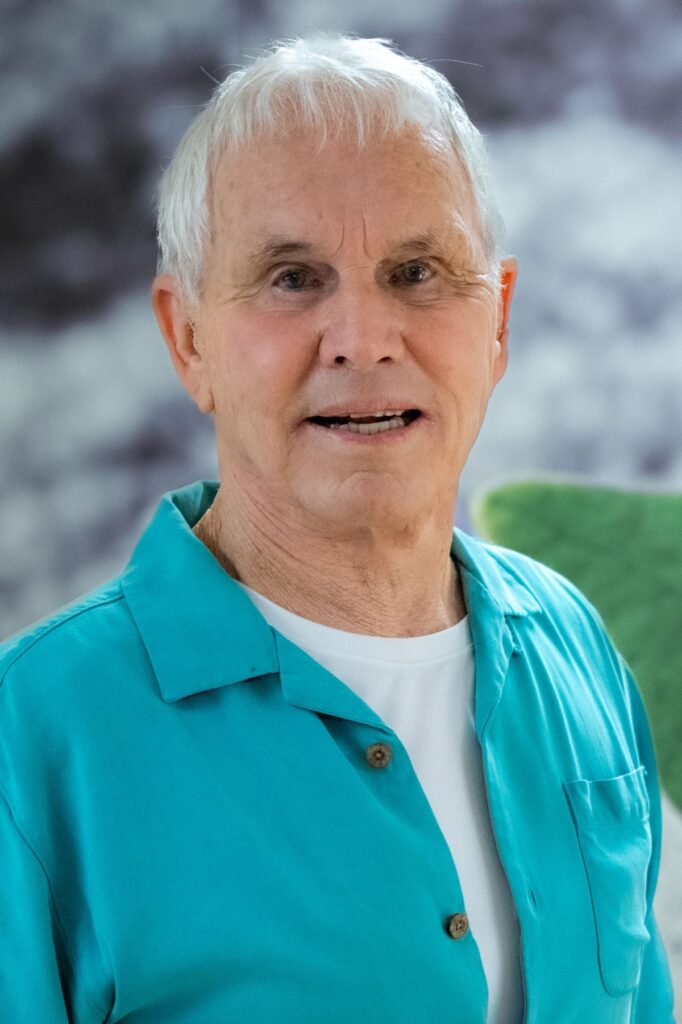
## Jerry Spates
Family Support & Spiritual Counselor | Director of Outreach
Jerry Spates has been a cornerstone of Oak Forest Recovery since the beginning. Drawing from years of long-term recovery, he provides spiritual guidance, family support, and mentorship to clients and their loved ones.
Through family education, monthly Family Support Dinners, and one-on-one guidance, Jerry helps families better understand recovery while offering hope, encouragement, and practical tools for healing. His wisdom and dedication continue to leave a lasting impact on the Oak Forest community.
## Peter B
Chief Operating Officer
Peter’s own recovery journey, which began in 2012, taught him that healing depends on the safety of the community around you. Protecting that safety is what he does at Oak Forest.
As Chief Operating Officer, Peter works where the stakes are highest: interventions, difficult conversations with clients and families, and the strategic decisions and alliances that shape Oak Forest’s future. He is a stabilizing force for the organization, keeping the culture safe, grounded, and true to its values.

## Lindsey Scott, APCC
Primary Therapist
Lindsey Scott is both an Oak Forest alumna and Primary Therapist, bringing together lived experience and clinical expertise to help clients heal. She holds a Master’s degree in Clinical Mental Health Counseling, is EMDR-trained, and is a Certified Personality Disorder Treatment Provider.
Lindsey specializes in helping clients navigate trauma, mental health challenges, and substance use disorders with compassion, accountability, and evidence-based care. She believes recovery is about building a meaningful life, not simply achieving sobriety.

## Alina
Financial Controller & Director of Human Resources
Since joining Oak Forest Recovery when it opened its first sober living home in 2017, Alina has helped shape the organization into what it is today. As Financial Controller and Director of Human Resources, she oversees the financial, administrative, and human resources operations that keep Oak Forest running smoothly.
While her work focuses on the business side of the organization, Alina believes people always come first. She takes pride in supporting both the team and the mission, helping create an environment where staff can thrive and clients receive exceptional care. Watching Oak Forest grow from a single home into a thriving treatment center has been one of the most rewarding experiences of her career.
## Christopher Hanna
Admissions & Business Development Manager
Chris Hanna began his journey at Oak Forest Recovery as a client in the men’s sober living program. Through hard work, accountability, and a commitment to recovery, he grew into leadership roles before joining the admissions and business development team.
Today, Chris helps families navigate the admissions process while building relationships throughout the recovery community. Currently pursuing law school after earning his degree in Business Administration, he is passionate about helping others find the same opportunity for change that transformed his own life.

## Summer
Brand & Community Engagement Coordinator
Summer McNabb leads Oak Forest Recovery’s marketing, social media, community outreach, and referral development efforts. She is passionate about building meaningful relationships with families, clients, and community partners while sharing the stories that reflect the heart of Oak Forest.
Summer joined the team with a desire to make a positive impact in the lives of others and believes that authentic connections are at the center of recovery. Through community engagement, strategic partnerships, and storytelling, she is committed to helping more individuals and families find hope and support.

## Peter Lara
Case Manager
Peter began his recovery journey at Oak Forest as a client in the PHP program and men’s sober living. Inspired by the support he received, he progressed from client to lead technician and now serves as a Case Manager.
His firsthand understanding of recovery allows him to connect authentically with clients while helping them navigate treatment, build confidence, and create lasting change.
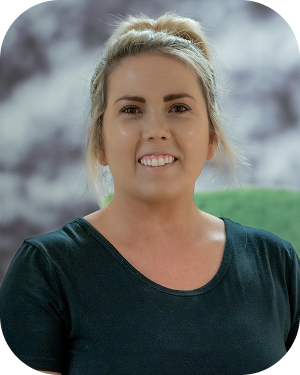
## Lisa
Case Manager
Lisa Cole brings compassion, resilience, and firsthand understanding to her role as Case Manager. After spending more than a decade working in healthcare as an X-ray technician, her own recovery journey inspired her to dedicate her life to helping others.
Today, Lisa helps clients navigate treatment, access resources, and overcome barriers to recovery while pursuing her own education as a substance abuse counselor. Her empathy and commitment to service make her an invaluable part of the Oak Forest team.
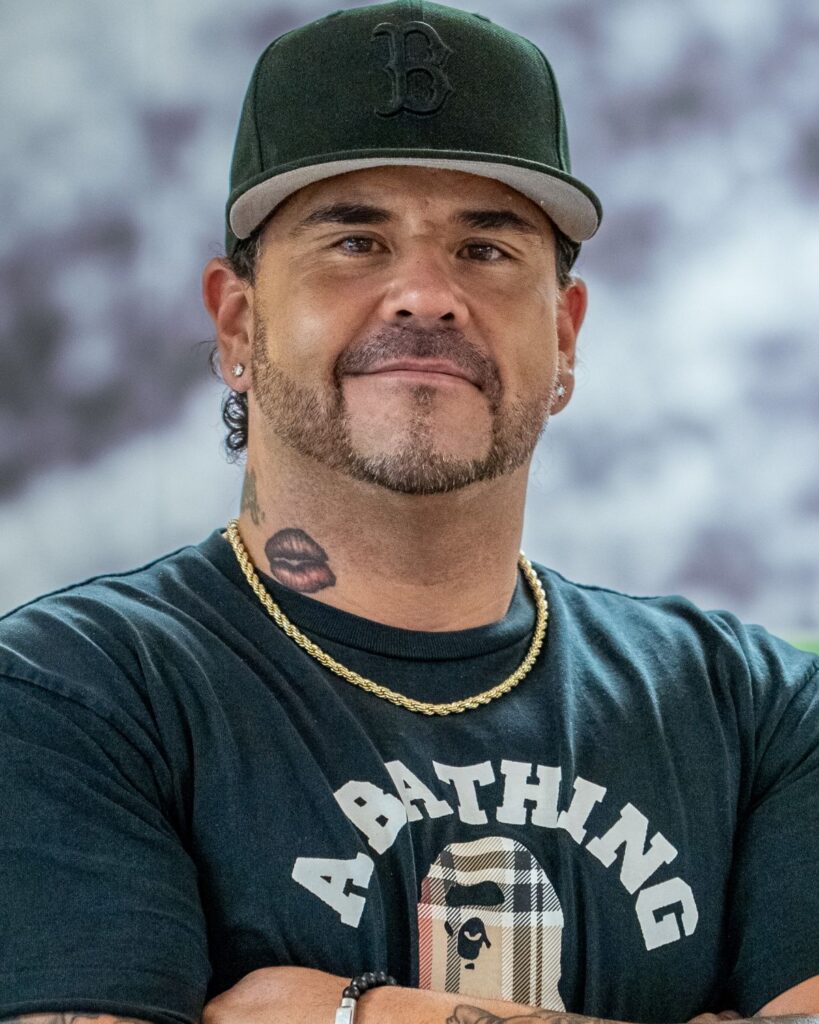
## Walter Blackfox
Mentor
Walter Blackfox is a Qualified Mental Health Specialist (QMHS), Certified Alcohol and Drug Counselor (CADC), and mentor whose own recovery journey inspired his career in behavioral health.
With experience as a sober companion, mentor, and house manager, Walter combines clinical knowledge with lived experience to help clients build confidence, stability, and lasting recovery.
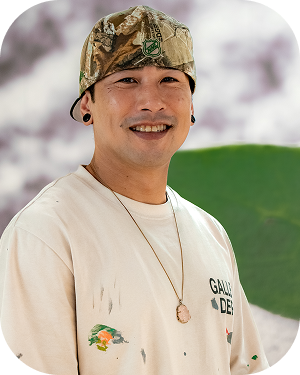
## Bryan
Mentor
Bryan Luu is an Oak Forest alumnus whose recovery journey fuels his passion for helping others. After trying numerous treatment approaches, he found lasting sobriety through Oak Forest and the 12 Steps.
Today, Bryan serves as a mentor, sharing his experience, strength, and hope with clients as they begin their own recovery journeys. His authenticity and lived experience help clients see that lasting recovery is possible.

## CJ
Mentor
Walter Blackfox is a Qualified Mental Health Specialist (QMHS), Certified Alcohol and Drug Counselor (CADC), and mentor whose own recovery journey inspired his career in behavioral health. With experience as a sober companion, mentor, and house manager, Walter combines clinical knowledge with lived experience to help clients build confidence, stability, and lasting recovery.
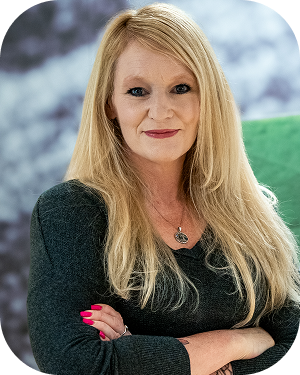
## Krissy
Operations Manager
Krissy’s journey through recovery inspired a passion for helping others build lives rooted in stability and purpose. After joining Oak Forest as an overnight technician, her dedication and leadership led her to become Operations Manager.
With a background in psychology and criminal justice, along with ongoing work toward her CDAC certification, Krissy combines professional growth with lived experience. She is committed to creating a safe, supportive environment where clients feel heard, respected, and empowered throughout their recovery.

## Kody
Mentor
## Marc
House Manager | Lead Technician
Marc’s story is one of resilience and transformation. After experiencing homelessness, incarceration, and years of hardship, he found lasting recovery and a renewed sense of purpose through Oak Forest.
Today, Marc uses his life experience to mentor clients, demonstrating that change is possible regardless of someone’s past. His leadership, honesty, and dedication help create a safe and supportive environment for those beginning their recovery journey.
## Sean
Technician | Mentor
Sean Joynt is a RADT and mentor dedicated to helping clients find hope in recovery. Drawing from his own journey, he provides encouragement, accountability, and practical support as clients begin building healthier, more meaningful lives.
His compassionate approach and genuine understanding allow him to connect with clients in an authentic and impactful way.
## Different roles. One connected path.
Recovery requires more than one person or one perspective. At Oak Forest, leadership, clinicians, case managers, mentors, and residential staff work together to support the client’s progress.
That collaboration helps keep care connected across treatment, sober living, family communication, daily structure, and long-term planning.
### Clinical Guidance
Therapists and clinical leaders help guide treatment, family work, and mental health support.
### Daily Structure
Sober living and operations staff help clients build routine, accountability, and consistency.
### Family Communication
Families receive guidance, updates, and support so they are not left outside the process.
### Long-Term Support
The team helps clients prepare for life beyond treatment with structure, community, and continued connection.
## Talk with the people behind the care.
If you are trying to understand whether Oak Forest is the right fit for your loved one, our team can answer your questions, explain the process, and help you understand the next step.
[ Talk With Our Team ](https://oakforestrecovery.com/contact/)
[ What Happens When I Call? ](/contact#call)
---
### [Colin](https://oakforestrecovery.com/colin/)
**Published:** July 9, 2026
**Author:** oakforestreco2
**Content:**

Welcome!
Are you or a loved one struggling with addiction? To talk with my team, fill out the form below.
'); $select.find('option').each(function() { var $option = $(this); var $button = $(''); $button.text($option.text()); $button.data('value', $option.val()); $dropdown.append($button); }); $select.after($dropdown); // Hide the original select $select.hide(); // Handle button clicks $dropdown.on('click', '.custom-option', function(e) { e.preventDefault(); var $button = $(this); $button.siblings().removeClass('selected'); $button.addClass('selected'); // Update the original select $select.val($button.data('value')).change(); }); }); });
Email
This field is for validation purposes and should be left unchanged.
Select one:\*(Required)YouLoved One
Name\*(Required) First
Email(Required)
Phone
Age(Required)
Address(Required) City
Address(Required) State\*
Substance(Required)
Has insurance:\*YesNo
If Yes:
Comments
Reach Out Now
---
### [Contact](https://oakforestrecovery.com/contact/)
**Published:** June 23, 2026
**Author:** rabbi
**Content:**

## Contact Oak Forest Recovery.
Whether you are looking for treatment, sober living, family support, or guidance for someone you love, our team is here to listen and help you understand the next step.
You do not need to know exactly what kind of care is needed before reaching out.
[ Call 888-597-6257 ](tel:888-597-6257)
[ Send a Message ](#form)
CONTACT US
## Send us a message.
Use this form to reach our team. You do not need to have everything figured out before contacting us.
Someone from Oak Forest will follow up to learn more, answer questions, and help you understand what may make sense next.
First Name
Last Name
Phone Number
Email Address
Message
Submitting this form does not commit you to treatment. It simply helps our team understand how we can support you.
Submit Form
## Call Us
Our team will listen, answer questions, and help point you in the right direction.
[ 888-597-6257 ](tel:888-597-6257)
## Call Us
Our team will listen, answer questions, and help point you in the right direction.
[ 888-597-6257 ](tel:888-597-6257)
## A simple first step.
The first conversation is not about pressure. It is about understanding what is happening and helping your family make sense of the options.
## 01
## 01
## We Listen
Tell us what is going on, what you are worried about, and what kind of support you are looking for.
## 02
## 02
## We Guide
Our team helps you understand the available options, whether that means treatment, sober living, mentoring, family support, or another next step.
## 03
## 03
## We Follow Up
If Oak Forest is the right fit, we help you understand what comes next. If another level of care makes more sense, we can help point you in the right direction.
## You do not have to figure this out alone.
Whether you are ready to begin, unsure what kind of help is needed, or simply looking for answers, Oak Forest can help you understand the next step.
[ Talk With Our Team ](https://oakforestrecovery.com/contact/)
[ What Happens When I Call? ](tel:888-597-6257)
---
### [Rachel](https://oakforestrecovery.com/rachel/)
**Published:** July 9, 2026
**Author:** oakforestreco2
**Content:**

Welcome!
Are you or a loved one struggling with addiction? To talk with my team, fill out the form below.
Company
This field is for validation purposes and should be left unchanged.
Select one:\*(Required)YouLoved One
Name\*(Required) First
Email(Required)
Phone
Age(Required)
Address(Required) City
Address(Required) State\*
Substance(Required)
Has insurance:\*YesNo
If Yes:
Comments
Submit
'); $select.find('option').each(function() { var $option = $(this); var $button = $(''); $button.text($option.text()); $button.data('value', $option.val()); $dropdown.append($button); }); $select.after($dropdown); // Hide the original select $select.hide(); // Handle button clicks $dropdown.on('click', '.custom-option', function(e) { e.preventDefault(); var $button = $(this); $button.siblings().removeClass('selected'); $button.addClass('selected'); // Update the original select $select.val($button.data('value')).change(); }); }); });

---
### [Anthony](https://oakforestrecovery.com/anthony/)
**Published:** July 9, 2026
**Author:** oakforestreco2
**Content:**
Welcome!
Are you or a loved one struggling with addiction? To talk with my team, fill out the form below.

'); $select.find('option').each(function() { var $option = $(this); var $button = $(''); $button.text($option.text()); $button.data('value', $option.val()); $dropdown.append($button); }); $select.after($dropdown); // Hide the original select $select.hide(); // Handle button clicks $dropdown.on('click', '.custom-option', function(e) { e.preventDefault(); var $button = $(this); $button.siblings().removeClass('selected'); $button.addClass('selected'); // Update the original select $select.val($button.data('value')).change(); }); }); });
URL
This field is for validation purposes and should be left unchanged.
Fill the form below.
Select one:\*(Required)YouLoved One
Name\*(Required) First
Email(Required)
Phone
Age(Required)
Address(Required) City
Address(Required) State\*
Substance(Required)
Has insurance:\*YesNo
If Yes:
Comments
Reach Out Now
---
### [Mentorship Program](https://oakforestrecovery.com/resources/mentorship-program/)
**Published:** June 23, 2026
**Author:** rabbi
**Content:**

## One-on-one support for real-life recovery.
Recovery does not only happen in treatment sessions. It happens in daily decisions, routines, relationships, responsibilities, and moments of uncertainty.
Oak Forest Recovery mentoring gives clients consistent, personal support as they build structure, stay accountable, and move toward long-term stability.
[ Talk With Our Team ](https://oakforestrecovery.com/contact/)
[ Explore Family Support ](https://oakforestrecovery.com/family-support-overview/)
## Guidance that meets clients in real life.
Recovery mentoring is personalized support for individuals who need structure, accountability, encouragement, and practical help as they move through recovery.
Unlike therapy, mentoring is focused on day-to-day application. Mentors help clients turn insight into action, build healthier routines, follow through on goals, and navigate the real-world challenges that can affect recovery.

## Support before, during, or after treatment.
Every client’s starting point is different. Mentoring can provide support for individuals who are not yet ready for treatment, currently participating in care, or transitioning into more independence.
## 01
## 01
## Before Treatment
Mentoring can help create momentum when a loved one is struggling, resistant, or unsure what kind of support they need.
A mentor can provide structure, encouragement, and guidance while the family evaluates the next step.
## 02
## 02
## During Recovery
Mentoring can complement clinical treatment by helping clients apply what they are learning outside of therapy sessions.
Mentors support routines, decision-making, responsibility, motivation, and personal goals.
## 03
## 03
## After Treatment
Mentoring can provide continued accountability as clients transition into daily life, sober living, school, work, family relationships, and long-term recovery.
This added support helps progress continue beyond formal programming.
[ Explore Treatment ](https://oakforestrecovery.com/treatment-overview/)
## Structure, consistency, and support for the people walking through it.
Oak Forest mentors help clients build the practical foundation needed for lasting recovery while also giving families more clarity and reassurance.
## Daily Routines
Support with healthy habits, schedules, and consistent follow-through.
## Flexible support shaped around the client’s needs.
Oak Forest offers multiple mentoring options based on the client’s stage of recovery, level of support, and goals.
## Premium Mentoring
Higher-touch support for clients who need more structure, accountability, family involvement, and coordination.
## In-House Mentoring
One-on-one mentorship for current Oak Forest clients or external referrals who need continued support and accountability.
## Sustained Success Mentoring
Ongoing support for clients who are ready to maintain progress, continue goal work, and step into more independence.
[ Learn More About Mentoring Programs ](https://oakforestrecovery.com/contact/)
## Find out if mentoring is the right next step.
You do not need to know whether your loved one needs mentoring, treatment, sober living, or another level of care before reaching out.
Our team can listen, understand the situation, and help determine whether mentoring is the right fit.
[ Talk With Our Team ](https://oakforestrecovery.com/contact/)
[ What Happens When I Call? ](/contact#call)
---
### [Partial Hospitalization Program (PHP)](https://oakforestrecovery.com/treatment-overview/partial-hospitalization-program/)
**Published:** July 7, 2026
**Author:** oakforestreco2
**Excerpt:** Our Partial Hospitalization Program (PHP) provides structured outpatient treatment with daily therapy, clinical support and a step-down path to lasting recovery
**Content:**

## Partial Hospitalization Program (PHP)
Our Partial Hospitalization Program (PHP) provides structured outpatient treatment with daily therapy, clinical support and a step-down path to lasting recovery
[ Talk With Our Team ](https://oakforestrecovery.com/contact/)
[ Why Oak Forest? ](https://oakforestrecovery.com/why-oak-forest/)
Finding the right level of care can be difficult for individuals and families dealing with addiction and mental health challenges. Some people need more structure than an intensive outpatient program (IOP) can provide but don’t require round‑the‑clock inpatient services. A Partial Hospitalization Program (PHP) fills that gap.
**What Is a Partial Hospitalization Program?**
A partial hospitalization program, often called PHP, is a structured outpatient program that provides a high level of support. Clients attend treatment during the day, typically five days a week, for several hours at a time. They receive a range of therapies and services, including individual counseling, group sessions, medication management, and family meetings. At the end of each day, they return home or to a sober living residence. This structure allows clients to focus on recovery while maintaining some connection to their daily lives.
PHP sits between inpatient care and intensive outpatient programming. It is ideal for people who need more intensive care than a few sessions each week but do not require 24‑hour medical supervision.
## Who Benefits from PHP?
This level of care is best suited to individuals who:
- Have completed detox or an inpatient program and need a step down in intensity while maintaining structure.
- Experience moderate to severe symptoms of addiction or co‑occurring mental health disorders that require daily clinical oversight.
- Benefit from a predictable schedule and frequent contact with therapists and medical staff.
- Have a stable home or sober living environment where they can return each evening.
- Do not pose a danger to themselves or others that would necessitate inpatient hospitalization.
Families often choose PHP when they want their loved one to receive intensive care without leaving the community or work commitments entirely. In many cases, PHP provides a transition between residential treatment and IOP, allowing clients to practice newly learned skills in real‑world settings while still receiving significant support.
## Daily Programming and Structure
A key feature of a PHP treatment program is its daily programming. Clients typically attend treatment five days a week, with each day lasting six to eight hours. During these sessions, clients engage in:
- **Individual Therapy:** One‑on‑one sessions with a licensed therapist focus on underlying issues, triggers, and coping strategies.
- **Group Therapy:** Facilitated by clinicians, these groups provide peer support and allow clients to practice communication skills and learn from others’ experiences.
- **Family Therapy:** Families are invited to participate in sessions that address dynamics, boundaries, and education on addiction and mental health.
- **Life Skills Training:** Clients learn practical skills such as stress management, time management, healthy communication and relapse prevention.
- **Medication Management:** For those who require medication, medical staff provide monitoring, adjustments and education about the importance of adherence.
- **Psychoeducation:** Educational sessions cover topics like the biology of addiction, mental health awareness and the stages of recovery.
## Clinical Oversight and Intensive Care
Partial hospitalization care involves a high degree of clinical oversight. Our treatment team includes licensed therapists, psychiatrists, nurses, and case managers. They work together to create individualized treatment plans and monitor progress. Clients receive regular assessments to evaluate mental and physical health, substance use, and social functioning. This intensive care allows us to respond quickly if a client’s needs change.
For clients with co‑occurring disorders, clinical oversight ensures that both mental health and addiction issues are treated concurrently. Medication adjustments, safety planning, and crisis intervention are all part of the services provided.
**Integration with Other Levels of Care**
A partial hospitalization program is often part of a broader continuum of care. At Oak Forest Recovery, we believe in a **step-down treatment approach**, where clients move through levels of care based on their progress. Many clients begin in residential treatment or detox, transition to PHP for structured outpatient care, and then **step down into IOP** as they gain stability. This gradual transition allows them to apply skills learned in treatment to their daily lives while still receiving professional support.
After completing PHP, some clients continue with sober living or return home. For those who need ongoing support, IOP offers continued therapy and group sessions several times per week. Our team works with each client to plan a step down that matches their needs and goals. If a client’s situation changes, they can move back to a higher level of care without losing continuity.
## Family Involvement
Addiction and mental health challenges affect families, not just individuals. Our PHP includes family education and therapy sessions. These sessions teach loved ones about the recovery process, help them set healthy boundaries, and provide strategies for supporting their family member’s progress.
**Insurance and Accessibility**
Access to care is important. We work with many insurance providers to make treatment more affordable. If you have questions about coverage, you can **verify insurance** through our admissions department. Our team will explain benefits, co‑payments, and any out‑of‑pocket costs. We also offer payment plans and can refer you to resources that may help with funding. Our goal is to remove barriers to treatment so that those who need a structured outpatient program can receive it.
## Outcomes and Success
A partial hospitalization program is designed to set clients up for long-term success. By the time clients complete PHP, they often report reduced cravings, improved mental health, better family relationships and greater confidence in their ability to maintain recovery. Because they have practiced skills in real-life situations, they feel prepared to face challenges that arise after treatment.
We measure outcomes through follow-up surveys, therapist assessments, and feedback from clients and families. We use this information to refine our daily programming, clinical oversight and overall treatment structure. Our commitment to quality ensures that the care we provide stays effective and relevant.
## Is PHP Right for You or Your Loved One ?
Choosing the right level of care is a personal decision. A partial hospitalization program is ideal for those who need structured outpatient care with intensive services. If you or a loved one needs daily clinical oversight but does not require 24‑hour hospitalization, PHP may be the best fit. It provides a bridge between residential treatment and more flexible outpatient options, offering stability, accountability and comprehensive support.
We invite you to contact our admissions team to discuss your situation. We can help you determine if PHP is appropriate, explain how our step down treatment approach works, and guide you through the process of verifying insurance. Our mission is to provide a structured, compassionate program that supports each person’s journey to recovery.
maintain recovery. Because they have practiced skills in real-life situations, they feel prepared to face challenges that arise after treatment.
We measure outcomes through follow-up surveys, therapist assessments, and feedback from clients and families. We use this information to refine our daily programming, clinical oversight and overall treatment structure. Our commitment to quality ensures that the care we provide stays effective and relevant.
## Commitment to Quality
Our clinical treatment campus is more than a building; it is a hub for healing and support. It allows us to deliver structured, professional care in a setting that feels safe and welcoming. Whether you are seeking partial hospitalization, intensive outpatient therapy or integrated treatment for co-occurring disorders, our campus provides the environment and expertise you need. If you have questions or would like to tour the facility, please contact us. We are here to reassure you that your loved one will receive quality care in a space designed for recovery.
[ Talk With Our Team ](https://oakforestrecovery.com/contact/)
[ What Happens When I Call? ](/contact#call)
---
### [About Oak Forest](https://oakforestrecovery.com/about-oak-forest/)
**Published:** June 23, 2026
**Author:** rabbi
**Content:**
## Recovery works better when families are part of the process.
Oak Forest Recovery is an addiction and mental health treatment program in Westlake Village that brings together clinical care, sober living, family guidance, and long-term community support.
We help clients rebuild with structure. We help families understand their role. And we keep communication open from the very beginning.
[ Talk With Our Team ](https://oakforestrecovery.com/contact/)
[ Why Oak Forest? ](https://oakforestrecovery.com/why-oak-forest/)
## We do not ask families to stay on the outside.
Many families come to Oak Forest after feeling shut out, confused, or unsure of what is actually happening in treatment. They were told to trust the process, but never given a clear view of the process itself.
Oak Forest was built to be different. From the first call, families are welcomed into a clearer, more connected experience. We explain what is happening, help you understand the next step, and give you practical guidance as your loved one moves through care.
## Families are included
You receive guidance, communication, and support throughout the process.
## Clients are supported
Your loved one receives structure, clinical care, sober living, and accountability.
## To make recovery more connected, more transparent, and more sustainable.
Our mission is to provide recovery-focused care that respects the individual, involves the family, and supports long-term healing.
We believe recovery is not just a short-term intervention. It is a process built on trust, structure, compassion, and continued support for both the client and the people who love them.
## One connected model. More support at every step.
Recovery is not one appointment, one breakthrough, or one decision. It takes time, structure, and consistent support.
Oak Forest combines clinical treatment, sober living, therapy, case management, family support, and community connection into one coordinated path. As clients stabilize, they continue receiving guidance while building the habits and relationships that support long-term recovery.
## Clinical Care
Therapy, case management, assessment, and evidence-informed support for addiction and related mental health needs.
[ Learn More ](https://oakforestrecovery.com/treatment-overview/clinical-campus/)
## Sober Living
Structured residences that provide accountability, routine, connection, and support in daily life.
[ Learn More ](https://oakforestrecovery.com/sober-living-overview/)
## Connection, not isolation.
Oak Forest was founded by people who understand addiction, recovery, and the damage that can happen when families are left out.
Our philosophy is family-first and relationship-centered. We believe transparency matters. We believe communication matters. And we believe real change is more sustainable when the client, the family, and the treatment team are working in the same direction.


## A step-down path built for real life.
Oak Forest uses a structured recovery model that supports clients as they move from intensive care into greater independence. The process begins with assessment and stabilization, then continues through treatment, sober living, family work, and long-term support.
Each phase is designed to meet the client where they are while helping them build the structure, skills, and accountability needed for life beyond treatment.
## 01
## 01
## Stabilization + Structure
Clients begin treatment with support, assessment, therapy, daily programming, and a structured living environment.
## 02
## 02
## Continued Care + Growth
As clients stabilize, they continue therapy and support while practicing healthier routines and responsibilities.
## 03
## 03
## Independence + Long-Term Support
Clients continue building life skills, relationships, accountability, and connection to the recovery community.
[ Explore Treatment ](https://oakforestrecovery.com/treatment-overview/)
## Oak Forest is more than a treatment center.
Recovery does not end when a program ends. Oak Forest offers a connected community for clients and families through ongoing support, education, meetings, stories, and shared recovery experiences.
This long-term connection helps clients and families stay supported as they continue building a healthier future.
## Family Education
Support and education for families navigating recovery.
[ Attend Support Groups ](https://oakforestrecovery.com/family-support-overview/family-support-groups/)
## Support Groups
A place for families to connect, learn, and feel less alone.
[ Attend Support Groups ](https://oakforestrecovery.com/family-support-overview/family-support-groups/)
## You do not have to figure this out alone.
If your family is looking for treatment that values structure, transparency, clinical care, and family involvement, Oak Forest can help you understand the next step.
[ Talk With Our Team ](https://oakforestrecovery.com/about-oak-forest/meet-the-team/)
[ What Happens When I Call? ](/contact#call)
---
### [Resource Hub](https://oakforestrecovery.com/resources/resource-hub/)
**Published:** July 9, 2026
**Author:** oakforestreco2
**Excerpt:** This page is designed to explain addiction recovery basics in a clear, compassionate way.
**Content:**

## Resource Hub
The Oak Forest Recovery Blog is a place for clear, compassionate information about addiction, mental health, and recovery. This space is designed for individuals, families, and loved ones who are looking to understand what’s happening, learn what recovery actually looks like, and find grounded insight without pressure or judgment.
Not everyone who visits Oak Forest is ready for treatment. Many people start by searching for answers. This blog exists to meet that moment, offering education and perspective that helps reduce confusion and fear while increasing understanding and awareness.
[ Talk With Our Team ](https://oakforestrecovery.com/contact/)
[ Why Oak Forest? ](https://oakforestrecovery.com/why-oak-forest/)
## What you’ll find on the OFR Blog
The articles in this section cover a wide range of recovery-related topics, written to be accessible, thoughtful, and grounded in real-world experience.
Topics include:
- Addiction recovery basics and fundamentals
- Understanding early recovery and common challenges
- Mental health education and awareness
- Family involvement and support in recovery
- Life after treatment and long-term recovery
- Community, accountability, and healing
Each article is designed to stand on its own while also connecting to a broader picture of recovery.
## Written for real people, not clinical textbooks
Addiction and mental health are often explained in overly technical language that can feel overwhelming or impersonal. Our goal is different.
Every article on the OFR Blog is written to:
- Explain complex topics in clear, human language
- Reduce shame and stigma
- Support informed decision-making
- Offer perspective without preaching or selling
Whether you’re learning for yourself or supporting someone else, these articles are meant to be approachable and useful.
## A starting point for understanding recovery
Education is often the first step in recovery, even before action. Understanding what addiction is, how recovery works, and what support looks like can help people feel less alone and more grounded.
Many readers begin with foundational topics like addiction recovery basics or early recovery, then explore deeper subjects as questions arise. The blog is structured to support that natural progression.
## Supporting families and loved ones
Families play a critical role in recovery, and they also deserve support and understanding. Many blog articles focus specifically on the family experience, including communication, boundaries, and coping with uncertainty.
These articles complement Oak Forest’s broader family support offerings and provide a low-pressure way for loved ones to learn and reflect.
## Connection to care when you’re ready
While the OFR Blog is educational, not promotional, it is connected to the larger Oak Forest Recovery ecosystem. For those who want to explore professional support, treatment options, or community resources, the blog provides context that can make those decisions feel clearer and less intimidating.
Recovery looks different for everyone. Education helps people decide what they need, when they’re ready.
## Explore recent articles
## A Family’s Guide to Supporting a Loved One Through Addiction Treatment
[ Read More ](https://oakforestrecovery.com/a-familys-guide-to-supporting-a-loved-one-through-addiction-treatment/)
## How to Create a Recovery Plan That Actually Works
[ Read More ](https://oakforestrecovery.com/how-to-create-a-recovery-plan-that-actually-works/)
## Why Community Is Your Most Powerful Tool In Addiction Recovery
[ Read More ](https://oakforestrecovery.com/why-community-is-your-most-powerful-tool-in-addiction-recovery/)
## Why accountability is the key to preventing relapse in recovery
[ Read More ](https://oakforestrecovery.com/why-accountability-is-the-key-to-preventing-relapse-in-recovery/)
## Understanding Dual Diagnosis: Mental Health and Addiction
[ Read More ](https://oakforestrecovery.com/understanding-dual-diagnosis-mental-health-and-addiction/)
## The First 90 Days of Recovery: Building a Foundation
[ Read More ](https://oakforestrecovery.com/the-first-90-days-of-recovery-building-a-foundation/)
This section will feature recent and highlighted articles covering addiction recovery, mental health education, family support, and life after treatment.
## Knowledge that supports healing
Understanding doesn’t fix everything, but it can make the path forward clearer. The OFR Blog exists to offer knowledge that supports healing, reflection, and informed choice.
Wherever you are in the process, you’re welcome here.
[ Talk With Our Team ](https://oakforestrecovery.com/contact/)
[ What Happens When I Call? ](/contact#call)
---
### [Family Stories](https://oakforestrecovery.com/family-support-overview/family-stories/)
**Published:** June 23, 2026
**Author:** rabbi
**Content:**

## Real stories from families, alumni, and the people walking beside them.
Recovery can feel overwhelming when you are only seeing the hardest moments. These stories offer a different view: what can happen when people receive structure, support, community, and a path forward.
Hear from Oak Forest alumni, families, and team members about recovery, family healing, and the moments that helped them keep going.
[ Talk With Our Team ](https://oakforestrecovery.com/contact/)
[ Explore Family Support ](https://oakforestrecovery.com/contact/)
## Hear from alumni.
Oak Forest alumni share what recovery looked like for them, what helped them stay engaged, and how structure, community, and accountability supported their next chapter.
Stella on Being Proud of Herself \| Alumni
## Hear from parents and families.
Families often arrive at Oak Forest feeling exhausted, afraid, and unsure what to do next. These stories reflect the family side of recovery: learning boundaries, finding support, rebuilding communication, and realizing they do not have to carry everything alone.
Stella on Being Proud of Herself | Alumni
Stella on Being Proud of Herself \| Alumni
Stella on Being Proud of Herself \| Alumni
Stella on Being Proud of Herself \| Alumni
## Hear from our team.
Oak Forest team members share how the program supports clients and families through treatment, sober living, mentorship, community, and long-term recovery.
These videos help explain the heart behind the work and the way Oak Forest approaches care differently.
Stella on Being Proud of Herself | Alumni
Stella on Being Proud of Herself \| Alumni
Stella on Being Proud of Herself \| Alumni
## Recovery is not one story. It is many moments of support adding up.
Some stories are about the person in recovery. Others are about the family learning how to respond differently. Some are about the team members who help guide the process.
Together, they show what Oak Forest believes: recovery is stronger when people are supported, families are included, and no one has to walk through the process alone.
## Your family’s next step can start with a conversation.
You do not need to know exactly what kind of help your loved one needs before reaching out. Our team can listen, answer questions, and help you understand what may make sense next.
[ Talk With Our Team ](https://oakforestrecovery.com/contact/)
[ What Happens When I Call? ](/contact#call)
---
### [Therapy Approaches Used in Recovery](https://oakforestrecovery.com/resources/therapy-in-recovery/)
**Published:** July 7, 2026
**Author:** oakforestreco2
**Excerpt:** This page is designed to explain addiction recovery basics in a clear, compassionate way.
**Content:**

## Therapy Approaches Used in Recovery
Recovery is not one-size-fits-all. People come into treatment with different histories, challenges, and strengths, which means care must be thoughtful, flexible, and grounded in proven methods.
At Oak Forest Recovery, we use a range of **therapy approaches for recovery** that address both substance use and mental health. These approaches are selected intentionally, based on clinical evidence and real-world effectiveness, to support emotional healing and long-term stability.
This page offers an overview of the therapy models commonly used in recovery and how they work together to support meaningful change.
[ Talk With Our Team ](https://oakforestrecovery.com/contact/)
[ Why Oak Forest? ](https://oakforestrecovery.com/why-oak-forest/)
## Why therapy approaches matter in recovery
Addiction and mental health challenges affect more than behavior. They impact emotions, relationships, thought patterns, and the nervous system. Therapy helps individuals understand these patterns, develop healthier responses, and build tools for navigating life without substances.
Effective therapy in recovery helps individuals:
- Understand the root causes of addictive behaviors
- Develop emotional regulation and coping skills
- Improve communication and relationships
- Address trauma, anxiety, depression, or mood disorders
- Build self-awareness and accountability
Using a variety of **addiction therapy approaches** allows care to be responsive rather than rigid.
## Evidence based therapy in recovery
Many of the therapy approaches used in recovery are **evidence based**, meaning they are supported by clinical research and demonstrated outcomes.
**Evidence based therapy recovery** models focus on measurable progress while remaining adaptable to individual needs. These approaches help clients build practical skills while addressing deeper emotional and psychological patterns.
Rather than relying on a single method, recovery often benefits from a combination of therapy models working together
## Common therapy models used in addiction recovery
### Cognitive Behavioral Therapy (CBT)
CBT is one of the most widely used therapy models in addiction recovery. It focuses on identifying unhelpful thought patterns and behaviors, then developing healthier alternatives.
CBT helps individuals:
- Recognize triggers and high-risk situations
- Challenge distorted thinking
- Build problem-solving skills
- Strengthen relapse prevention strategies
This approach is particularly effective for anxiety, depression, and substance use disorders.
### Dialectical Behavior Therapy (DBT)
DBT is often used for individuals who experience intense emotions or difficulty with emotional regulation. It emphasizes balance, mindfulness, and skill-building.
Key areas of DBT include:
- Emotional regulation
- Distress tolerance
- Interpersonal effectiveness
- Mindfulness
DBT supports emotional healing by helping individuals respond rather than react during stressful moments.
### Trauma-informed therapy
Many individuals in recovery have experienced trauma, whether recognized or unrecognized. Trauma-informed therapy creates a safe, respectful environment that prioritizes emotional safety and empowerment.
This approach helps individuals:
- Understand how trauma affects behavior and emotion
- Reduce shame and self-blame
- Build a sense of safety and control
- Develop healthier coping mechanisms
Trauma-informed care is often essential in **dual diagnosis treatment**, where mental health conditions and substance use disorders occur together. You can learn more about this integrated approach on our dual diagnosis treatment page.
### Family and relational therapy
Addiction impacts families and relationships, not just individuals. Family and relational therapy approaches help improve communication, repair trust, and establish healthier boundaries.
These approaches may support:
- Clearer communication
- Reduced conflict
- Improved understanding of addiction and recovery
- Healthier family systems
Family involvement can strengthen recovery outcomes when guided appropriately.
### Group therapy and peer-based counseling
Group therapy provides a powerful setting for shared learning and accountability. Hearing from others with similar experiences helps normalize challenges and reduce isolation.
Group counseling supports:
- Peer feedback and encouragement
- Skill practice in real time
- Increased accountability
- Connection and shared understanding
This form of counseling reinforces recovery as a communal process rather than an isolated one.
## Emotional healing through integrated care
Recovery is not just about stopping substance use. It’s about healing emotionally and learning how to live well.
Therapy approaches used in recovery often focus on:
- Emotional awareness and expression
- Stress management and self-regulation
- Identity rebuilding
- Developing healthy routines and relationships
By integrating multiple therapy models, individuals receive care that supports both immediate stabilization and long-term growth.
## How therapy fits into treatment programs
Therapy does not exist in isolation. It works best when integrated into a broader care plan that includes structure, accountability, and community support.
Oak Forest’s [treatment programs](https://oakforestrecovery.com/treatment-overview/) combine therapeutic work with daily structure and recovery-focused environments. This integration allows individuals to apply therapeutic insights in real-world settings, reinforcing progress and skill development.
Therapy becomes not just something that happens in sessions, but something that informs daily life.
## Choosing the right therapy approach
There is no single “best” therapy approach for recovery. Effective care adapts to the individual, their history, and their goals.
What matters most is:
- A thoughtful, evidence-informed approach
- Skilled clinicians who understand addiction and mental health
- A supportive environment that reinforces growth
Recovery is most effective when therapy is flexible, integrated, and grounded in compassion.
## Therapy as a foundation for lasting recovery
Therapy plays a critical role in helping individuals understand themselves, heal emotionally, and build skills for long-term recovery. When combined with structure, accountability, and support, therapy becomes a foundation for meaningful change.
At Oak Forest Recovery, therapy approaches are selected with intention and care, always with the goal of supporting sustainable, whole-person recovery.
[ Talk With Our Team ](https://oakforestrecovery.com/contact/)
[ What Happens When I Call? ](/contact#call)
---
### [Aftercare & Recovery](https://oakforestrecovery.com/resources/aftercare-recovery/)
**Published:** July 7, 2026
**Author:** oakforestreco2
**Excerpt:** This page is designed to explain addiction recovery basics in a clear, compassionate way.
**Content:**

## Aftercare & Recovery
Recovery doesn’t end when treatment is complete. In many ways, it’s just beginning.
At Oak Forest Recovery, we view aftercare as an essential part of healing—not an optional add-on. An effective **aftercare recovery program** provides the structure, accountability, and support needed to maintain progress and navigate real-world challenges long after formal treatment ends.
This page is designed to explain what aftercare actually looks like, why it matters, and how long-term recovery is supported through consistency, community, and sustainable routines.
[ Talk With Our Team ](https://oakforestrecovery.com/contact/)
[ Why Oak Forest? ](https://oakforestrecovery.com/why-oak-forest/)
## Why aftercare matters in long-term recovery
The transition out of treatment can be one of the most vulnerable periods in recovery. Structure decreases, daily support shifts, and real-life stressors return quickly. Without ongoing guidance, many people struggle not because they haven’t learned recovery skills, but because they’re suddenly expected to apply them without support.
Long-term recovery support helps bridge that gap.
Aftercare exists to:
- Reinforce healthy routines and decision-making
- Maintain accountability during life transitions
- Reduce isolation and complacency
- Support emotional regulation and stress management
- Strengthen relapse prevention strategies
Recovery is not about avoiding challenges. It’s about learning how to navigate them consistently.
## What an aftercare recovery program supports
An effective **aftercare recovery program** focuses on maintenance, not intensity. The goal is to help individuals sustain the progress they’ve made while continuing to grow.
Aftercare often supports:
- Daily structure and routine
- Ongoing accountability
- Healthy peer and community connections
- Continued skill development
- Long-term sustainability
This phase of recovery emphasizes practice over instruction. The work shifts from learning recovery skills to living them.
## Relapse prevention through structure and accountability
Relapse prevention is not about fear or rigid control. It’s about awareness, preparation, and support.
A strong relapse prevention program helps individuals recognize patterns, triggers, and early warning signs before they escalate. More importantly, it provides consistent accountability and connection so challenges don’t have to be faced alone.
Structure plays a key role here. Predictable routines help regulate stress, improve sleep, and support emotional stability. Accountability helps prevent isolation and avoidance, which are common precursors to relapse.
For many individuals, environments that offer ongoing structure—such as [ sober living](/sober-living/)—provide an important layer of stability during this phase of recovery.
## Recovery is a lifestyle, not a phase
Long-term recovery is not something to “get through.” It’s something to build.
Sustainability comes from integrating recovery into everyday life rather than treating it as a temporary condition. This includes learning how to:
- Balance responsibility and self-care
- Navigate relationships with healthy boundaries
- Manage stress without substances
- Stay connected to supportive communities
- Adapt recovery strategies as life evolves
Aftercare provides space to refine these skills in real-world settings.
## Accountability without dependence
One of the most important aspects of aftercare is learning how to remain accountable without becoming dependent on a program or provider.
Healthy aftercare encourages:
- Ownership of recovery decisions
- Self-awareness and honesty
- Connection rather than control
- Growth toward independence
Support remains available, but responsibility gradually shifts back to the individual. This balance helps foster confidence, resilience, and long-term success.
## Community and connection in recovery maintenance
Recovery is strengthened through connection. Community provides perspective, encouragement, and reminders that no one is navigating this alone.
Long-term recovery support often includes:
- Peer accountability and shared experience
- Alumni or recovery community involvement
- Consistent touchpoints that reinforce progress
These connections help normalize challenges and celebrate milestones, reinforcing recovery as an ongoing, supported process.
## Aftercare looks different for everyone
There is no single formula for aftercare. Recovery is personal, and long-term support should reflect individual needs, goals, and circumstances.
Some people benefit from:
- Continued structured environments
- Ongoing outpatient or therapeutic support
- Community-based recovery involvement
- Gradual transitions toward independence
The purpose of aftercare is not to dictate a path, but to support one that is sustainable.
## Building sustainability over time
Sustainability is the true measure of recovery. It’s not defined by how intense early recovery feels, but by how well recovery fits into daily life months and years later.
Long-term recovery support emphasizes:
- Consistency over intensity
- Progress over perfection
- Connection over isolation
- Adaptation over rigidity
Aftercare helps individuals learn how to adjust as life changes while keeping recovery grounded.
## Recovery is ongoing, and support matters
Recovery doesn’t end when treatment concludes. It continues through choices made every day, supported by structure, accountability, and community.
Aftercare exists to reinforce what works, support growth through transition, and help recovery remain a sustainable part of life—not a temporary focus.
At Oak Forest Recovery, we believe lifelong recovery is built through intentional support, not pressure. Aftercare is where recovery becomes durable, adaptable, and deeply personal.
[ Talk With Our Team ](https://oakforestrecovery.com/contact/)
[ What Happens When I Call? ](/contact#call)
---
### [Addiction Recovery Basics](https://oakforestrecovery.com/resources/addiction-recovery-basics/)
**Published:** July 7, 2026
**Author:** oakforestreco2
**Excerpt:** This page is designed to explain addiction recovery basics in a clear, compassionate way.
**Content:**

## Addiction Recovery Basics
Understanding addiction can feel overwhelming, especially when you’re trying to support yourself or someone you love. There’s often a flood of information, opinions, and advice—much of it conflicting. At Oak Forest Recovery, we believe education should bring clarity, not confusion.
This page is designed to explain **addiction recovery basics** in a clear, compassionate way. Whether you’re early in the process or simply seeking understanding, this overview offers a foundation for making sense of addiction, recovery, and what healing can look like over time.
[ Talk With Our Team ](https://oakforestrecovery.com/contact/)
[ Why Oak Forest? ](https://oakforestrecovery.com/why-oak-forest/)
## Understanding addiction and the recovery process
Addiction is not a moral failure or a lack of willpower. It is a complex condition that affects the brain, behavior, and emotional regulation. Substances change how the brain processes reward, stress, and decision-making, making it difficult to stop without support.
Recovery begins with **awareness**—understanding what addiction is, how it develops, and why support matters. For many people, learning about addiction is the first step toward reducing shame and fear.
The **recovery process** is not linear. It often includes periods of progress, challenge, and adjustment. This is normal. Recovery is less about perfection and more about building stability, skills, and support over time.
## What recovery actually means
Recovery does not look the same for everyone. At its core, recovery is about learning how to live without relying on substances and developing healthier ways to cope with stress, emotions, and relationships.
Some common elements of recovery include:
- Establishing sobriety or reduced harmful use
- Learning emotional regulation and coping skills
- Rebuilding trust and communication
- Creating structure and routine
- Developing accountability and support systems
Understanding these **recovery fundamentals** helps set realistic expectations and reduces the pressure many people feel to “get it right” immediately.
## Early recovery: what to expect
**Early recovery** is often the most challenging phase. The body and brain are adjusting, emotions can feel intense, and uncertainty is common. Many people experience anxiety, mood swings, sleep changes, or difficulty concentrating during this time.
This phase is also when support matters most. Structure, routine, and guidance help reduce overwhelm and create a sense of safety. Education during early recovery helps individuals and families understand that discomfort does not mean failure—it often means healing is underway.
Patience, consistency, and compassion are key during this stage.
## Why education matters in addiction recovery
One of the most overlooked aspects of recovery is education. When people understand what’s happening in their brain and body, fear often decreases and confidence increases.
Education helps:
- Normalize the recovery experience
- Reduce shame and self-blame
- Improve communication between individuals and families
- Support better decision-making
- Encourage realistic expectations
Learning the basics of addiction recovery empowers people to participate actively in their healing rather than feeling controlled by it.
## Recovery does not happen in isolation
Addiction affects more than one person. It impacts families, relationships, and entire support systems. Recovery works best when individuals are not expected to navigate it alone. Support can come in many forms, including: Professional care and guidance Peer support and shared experience Family education and involvement Community and accountability For those exploring options, structured treatment programs can provide clinical care, routine, and therapeutic support tailored to individual needs. You can learn more about available [treatment programs](”/treatment/”) and how they support different stages of recovery.
## Life after treatment: recovery continues
Recovery does not end when a program or phase of care is complete. Long-term stability often depends on what happens next.
Ongoing support helps individuals:
- Maintain routines and accountability
- Navigate real-world stressors
- Strengthen coping skills
- Stay connected to recovery communities
Many people benefit from **aftercare support**, which may include sober living, outpatient care, peer groups, or ongoing family involvement. These resources help bridge the gap between treatment and independent living.
## Addiction recovery is possible
One of the most important things to understand about addiction recovery is this: change is possible. Recovery does not require perfection, only willingness and support.
Education, structure, and connection create a foundation for healing. Over time, people often regain clarity, rebuild relationships, and rediscover purpose in ways that once felt out of reach.
Whether you are seeking help for yourself or learning how to support someone else, understanding the basics of addiction recovery is a powerful first step.
## Taking the next step
Learning about addiction is not a commitment to treatment. It’s an act of awareness and care. If you’re ready to explore additional resources, support options, or next steps, Oak Forest Recovery offers education, community, and professional care designed to meet people where they are.
Recovery begins with understanding—and understanding can begin here.
[ Talk With Our Team ](https://oakforestrecovery.com/contact/)
[ What Happens When I Call? ](/contact#call)
---
### [Community at Oak Forest Recovery](https://oakforestrecovery.com/get-connected/community-at-oak-forest-recovery/)
**Published:** July 7, 2026
**Author:** oakforestreco2
**Excerpt:** Join a thriving sober community at Oak Forest Recovery. Bonfire meetings, peer connection, and shared experiences that strengthen long-term recovery.
**Content:**

## Community at Oak Forest Recovery
Join a thriving sober community at Oak Forest Recovery. Bonfire meetings, peer connection, and shared experiences that strengthen long-term recovery.
[ Talk With Our Team ](https://oakforestrecovery.com/contact/)
[ Why Oak Forest? ](https://oakforestrecovery.com/why-oak-forest/)
Healing from addiction and mental health challenges doesn’t happen in isolation. It happens in relationship with family, with peers and a broader network that understands what recovery really means.
At Oak Forest Recovery, community isn’t just an add‑on to treatment. It’s at the heart of everything we do. We believe that people get better when they are surrounded by others who support, understand and walk alongside them. This page explains what our community looks like, who it’s for and why it matters.
## An Open‑Access Support Network
The Oak Forest community is open to anyone impacted by addiction or mental health issues. This includes clients currently in our program, alumni who have completed treatment, family members and friends, and people in the wider community who are seeking support. You do not have to have gone through our program to attend our public events. We offer open access because we know that recovery is stronger when people feel connected rather than alone.
## Family‑Centered and Inclusive
Our community is family‑centered. We see addiction as a disease that affects the whole family and we want loved ones to have a place to learn, share and heal. We host weekly family education sessions where parents and partners can learn about addiction, communication and boundaries.
These sessions are led by licensed therapists and are open to anyone, not just families of current clients. We also run family support groups that provide a safe space to discuss challenges, successes and fears. By including loved ones, we strengthen the entire support system around our clients.
## Signature Events
Oak Forest Recovery hosts a range of recurring events designed to foster connection, education and support. Each event is open to clients, alumni, families and anyone in the wider community who is impacted by mental health or addiction issues.
- **Family Education Night (Virtual):** Held regularly online, this session offers practical information about addiction, mental health and recovery. Licensed therapists lead discussions on topics like communication, setting boundaries and supporting loved ones without enabling. It’s designed to make education accessible to families regardless of location.
- **Family Support Group (Last Tuesday of the Month):** On the final Tuesday of each month we gather family members for a dedicated support group. This group is a space where loved ones can share their experiences, find encouragement and learn from others who are walking similar paths. A trained facilitator guides the conversation to ensure everyone has a chance to speak and be heard.
- **Thursday Bonfire Meeting:** Every Thursday evening we host an outdoor bonfire meeting. People come together to share stories, discuss recovery themes and build community in a relaxed setting. The warmth of the fire and the informal atmosphere make it easier to open up and connect.
- **The “Against All Odds” Podcast:** Hosted by our founder RJ Elizarraz, this podcast features conversations with people who have overcome significant challenges. Guests include clients, family members and professionals in the field. The podcast is available online and provides inspiration, education and insight into the many facets of recovery.
These events reflect our belief that community is essential for healing. Whether you attend virtually or in person, you will find a supportive network ready to welcome you.
## A Place to Find Support and Accountability
Recovery requires both compassion and accountability. Our community provides both. Peer support helps people feel understood and less alone. Accountability keeps people focused on their goals. During our events and groups, participants are encouraged to be honest about their struggles and successes. They receive encouragement from others and also learn to show up for their peers. This balance of support and accountability is a key reason why our community is effective.
## Connection Beyond Physical Space
We understand that not everyone can attend in person. For family members who live far away or have busy schedules, we offer virtual family education sessions and support groups. We also maintain a 24/7 [group chat for families](https://oakforestrecovery.com/family-support/groups/) of current clients, as well as alumni chat channels. These digital connections ensure that people can find support whenever they need it.
## Why Community Matters in Recovery
Addiction can be isolating. It tells people that no one will understand them. Community breaks through that isolation. Being part of a [supportive group](https://oakforestrecovery.com/family-support/groups/) can reduce feelings of shame and hopelessness. It can also increase motivation and resilience. People in recovery can learn from others’ experiences, share resources and celebrate milestones together. Family members can see that they are not alone in their worries and challenges. Community provides a sense of belonging, which is essential for long‑term healing.
## Join Us
Whether you are a client, a family member, a friend or a concerned community member, you are welcome at Oak Forest Recovery events. We invite you to attend a Sunday brunch, join a [support group](https://oakforestrecovery.com/family-support/groups/) or come to a workshop. If you have questions about our community offerings or would like to learn more, please contact us. We believe that recovery is stronger when it is shared, and we look forward to welcoming you into our circle.
[ Talk With Our Team ](https://oakforestrecovery.com/contact/)
[ What Happens When I Call? ](/contact#call)
---
### [Community Bonfire Meetings](https://oakforestrecovery.com/get-connected/community-bonfire-meetings/)
**Published:** July 7, 2026
**Author:** oakforestreco2
**Excerpt:** A weekly community bonfire meeting with dinner, fellowship, a speaker-led 12-step meeting, and sobriety milestone recognition at the OFR Compound.
**Content:**

## Community Bonfire Meetings
A weekly community bonfire meeting with dinner, fellowship, a speaker-led 12-step meeting, and sobriety milestone recognition at the OFR Compound.
[ Talk With Our Team ](https://oakforestrecovery.com/contact/)
[ Why Oak Forest? ](https://oakforestrecovery.com/why-oak-forest/)
## A recovery community event built on connection, fellowship, and shared recovery
The **Oak Forest Bonfire Meeting** is a weekly **recovery community event** designed to bring people together in a relaxed, welcoming environment. Open to the broader recovery community, alumni, families, and friends, this gathering is about connection first and recovery always.
Recovery does not happen in isolation. It grows through shared experience, honest conversation, and moments of connection that remind people they belong. The Bonfire Meeting creates space for all of that—without pressure, formality, or expectation.
## What the Bonfire Meeting is
The Bonfire Meeting is both an **open 12-step meeting** and a **community recovery meeting**, welcoming individuals at all stages of recovery along with alumni and supporters.
Each week includes:
- Dinner and informal fellowship
- Yard games, conversation, and community time
- A speaker-led recovery meeting
- Recognition of sobriety milestones and anniversaries
Guests are encouraged to arrive early, share a meal, and connect before the meeting begins. The atmosphere is intentionally casual, making it easier for newcomers and longtime members alike to feel comfortable
## A peer recovery gathering rooted in community
What makes the Bonfire Meeting unique is its emphasis on **fellowship and shared recovery**. This is not a lecture or clinical session. It is a **peer recovery gathering** where people show up as they are and connect through lived experience.
Attendees often include:
- Members of the local recovery community
- Alumni of Oak Forest Recovery
- Friends and supporters of individuals in recovery
- Family members seeking connection and understanding
The shared goal is simple: support recovery through presence, honesty, and community.
## When and where the Bonfire Meeting takes place
**When:** Thursdays
Dinner at 6:30 PM
Meeting at 7:00 PM (PST)
**Where:
OFR Compound
455 Manzanita Ln
Thousand Oaks, CA 91362
The outdoor setting helps create a relaxed, inclusive environment where connection can happen naturally.
## Why community matters in recovery
Recovery is strengthened when people feel connected. Community provides accountability, encouragement, and hope—especially during challenging moments.
The Bonfire Meeting reflects Oak Forest’s belief in the power of a strong [recovery community](https://oakforestrecovery.com/community/ "Community at Oak Forest Recovery"). It offers a consistent space where recovery is visible, supported, and celebrated.
For many, this weekly gathering becomes an anchor point, reinforcing that recovery is not just about staying sober, but about building meaningful relationships and a sense of belonging.
## Families are welcome
While the Bonfire Meeting is rooted in recovery, it also supports families and loved ones who want to better understand recovery culture and community.
For those seeking additional guidance and connection, Oak Forest also offers dedicated [family support ](https://oakforestrecovery.com/category/family-support/ "Family Support")resources, including education and support groups designed specifically for loved ones.
Together, these offerings create a recovery environment that includes both individuals and the people who care about them.
## A space to show up, connect, and belong
The Oak Forest Bonfire Meeting is not about perfection or performance. It is about showing up, sharing space, and being part of something larger than yourself.
Whether you are early in recovery, long-established, supporting a loved one, or simply seeking community, you are welcome here.
If you have questions or would like more information, please contact us—we look forward to connecting with you.
[ Talk With Our Team ](/contact#call)
[ What Happens When I Call? ](tel:888-597-6257)
---
### [Family Support Groups](https://oakforestrecovery.com/family-support-overview/family-support-groups/)
**Published:** July 7, 2026
**Author:** oakforestreco2
**Excerpt:** Oak Forest’s Family Support Group offers monthly, in-person peer support for families navigating addiction and mental health challenges in Westlake Village.
**Content:**

## Family Support Groups
Oak Forest’s Family Support Group offers monthly, in-person peer support for families navigating addiction and mental health challenges in Westlake Village.
[ Talk With Our Team ](https://oakforestrecovery.com/contact/)
[ Why Oak Forest? ](https://oakforestrecovery.com/why-oak-forest/)
## Family Ties: A family support group rooted in shared experience and community
When someone you love is struggling with addiction or mental illness, it’s easy to feel isolated. Many families carry the weight quietly, unsure where to turn or who truly understands what they’re going through. Oak Forest Recovery’s **Family Support Group** was created to change that experience.
This monthly, in-person **family support group** offers a welcoming space for parents, family members, and loved ones impacted by addiction and mental health challenges. It is built around connection, shared experience, and encouragement—not judgment or pressure.
As part of Oak Forest’s broader approach to family care, this group provides meaningful **peer support** for families who want to feel less alone and more supported as they navigate recovery alongside their loved one.
## A recovery support meeting for families, not therapy
The Oak Forest Family Support Group is not therapy and does not require formal participation. Instead, it is one of our **recovery support meetings** designed specifically for families.
Led by **Jerry Spates** and **Alina Serrao**, the group offers a calm, respectful environment where families can:
- Connect with others who understand the challenges of addiction and mental illness
- Share experiences and practical tools
- Learn healthier ways to communicate and set boundaries
- Find reassurance through encouragement and community
There is no expectation to speak or share personal details. Many families find value simply in listening and being present among others who “get it.”
## What makes this addiction family support group different
What sets this group apart is its focus on **shared experience** rather than instruction. Everyone in the room understands the emotional toll of loving someone who is struggling.
Families often attend because they are looking for:
- Connection with others walking a similar path
- Peer support without clinical pressure
- Encouragement during difficult moments
- A reminder that their experience is valid
This sense of understanding helps reduce isolation and allows families to feel supported without having to explain or defend their feelings.
## What to expect when you attend
Each Family Support Group meeting includes dinner and time for conversation and fellowship, creating a relaxed and welcoming atmosphere. Sharing a meal together helps lower barriers and encourages natural connection.
You can expect:
- A warm, inclusive environment
- Community time with other families and the Oak Forest team
- Open conversation focused on support and encouragement
- A space where participation is always optional
Many families describe the experience as grounding and reassuring—an opportunity to pause, connect, and feel supported.
## When and where the group meets
The Family Support Group meets **on the last Tuesday of each month at 6:30 PM (PST)**.
**Location:
Oak Forest Recovery
5655 Lindero Canyon Rd., Suite 425
Westlake Village, CA 91362
This in-person setting allows families to connect face-to-face in a supportive, community-focused environment.
## How this group fits into family support at Oak Forest
Families engage with Oak Forest in different ways. Some start by learning and gathering information, while others are ready for connection right away.
If you’re looking for education and clarity around addiction, mental health, and treatment, you may also want to explore our weekly **Family Education Night**, a virtual offering focused on understanding and perspective. Learn more on our [family education](https://oakforestrecovery.com/family-support/education-night/ "Family Education Night") page.
Together, Family Education Night and the Family Support Group create a balanced approach to **addiction family support**, offering both information and connection within a supportive community.
## Questions or ready to attend?
If you have questions about the Family Support Group or would like help deciding whether it’s a good fit, our team is here to help.
You’re welcome to reach out to our [admissions](https://oakforestrecovery.com/contact-us/ "Contact Us") team for more information or guidance on next steps.
## You are not alone
Recovery affects the whole family, and support matters. The Oak Forest Family Support Group exists to remind families that they don’t have to navigate this journey in isolation.
Whether this is your first step or part of your ongoing support system, we look forward to welcoming you into the community.
[ Talk With Our Team ](https://oakforestrecovery.com/contact/)
[ What Happens When I Call? ](tel:888-597-6257)
Type your paragraph here
---
### [Family Support Overview](https://oakforestrecovery.com/family-support-overview/)
**Published:** June 23, 2026
**Author:** rabbi
**Content:**

## Families need support, too.
When someone you love is struggling with addiction or mental health challenges, it can be hard to know what to do, what to say, or how much to carry.
Oak Forest Recovery helps families feel more informed, more supported, and less alone through education, communication, community, and practical guidance.
[ Talk With Our Team ](https://oakforestrecovery.com/contact/)
[ Explore Family Resources ](https://oakforestrecovery.com/contact/)
## Recovery affects the whole family.
Addiction and mental health challenges rarely impact one person alone. They affect communication, trust, boundaries, routines, and relationships.
Family support is not about blame. It is not about asking families to fix everything. It is about helping loved ones understand what is happening, care for themselves, and participate in recovery in healthier ways.

## Start where you feel comfortable.
Some families need education. Others need a place to talk with people who understand. Some simply need to see that recovery is possible.
Oak Forest offers multiple ways for families to feel supported, informed, and connected.
## Family Education Night
Online education for families who want to better understand addiction, mental health, treatment, boundaries, and the recovery process.
[ Learn About Education Night ](https://oakforestrecovery.com/family-support-overview/family-education-night/)
## Family Support Group
An in-person space for connection, encouragement, and shared understanding.
[ Attend Family Support Group ](https://oakforestrecovery.com/family-support-overview/family-support-groups/)
## You do not have to do this perfectly.
Families often feel pressure to say the right thing, make the right decision, or hold everything together. But family support is not about control, guilt, or perfection.
At Oak Forest, we help families move from fear and confusion toward steadier communication, healthier boundaries, and a clearer understanding of the recovery process.
## You are not responsible for fixing everything.
Your role matters, but you are not meant to carry the entire process alone.

## Support that meets families in different ways.
Every family enters the process from a different place. Some are looking for answers. Some are exhausted. Some are unsure whether their loved one is ready.
Oak Forest’s family resources are designed to be flexible, accessible, and grounded in real support.
### Learn
Start with education to better understand addiction, mental health, and treatment.
[ Explore Treatment ](https://oakforestrecovery.com/treatment-overview/)
### Connect
Join a support group or community gathering with people who understand.
[ Explore Sober Living ](https://oakforestrecovery.com/sober-living-overview/)
### Stay Supported
Continue finding guidance, clarity, and hope as your family moves through recovery.
[ Explore Family Support ](https://oakforestrecovery.com/family-support-overview/)
## Find the family support that feels right for you.
You do not need to know where to begin. Our team can help you understand the available resources and choose the next step that makes sense for your family.
[ Talk With Our Team ](https://oakforestrecovery.com/contact/)
[ What Happens When I Call? ](/contact#call)
---
### [Women's Sober Living](https://oakforestrecovery.com/sober-living-overview/womens-sober-living/)
**Published:** June 23, 2026
**Author:** rabbi
**Content:**

## Safe, supportive sober living for women rebuilding stability.
Through Oak Forest’s partnership with Fierce Recovery, women can transition from treatment into a structured sober living home designed around safety, support, accountability, and long-term independence.
Fierce Recovery is located in Agoura Hills, California and is operated by Ginger Pollard, an Oak Forest alumna who created a dedicated recovery home for women navigating early sobriety.
[ Talk With Our Team ](https://oakforestrecovery.com/contact/)
[ Visit Fierce Recovery ](https://www.fiercerecovery.com/)
## Continuity from treatment into sober living.
Oak Forest partners with Fierce Recovery to give women a supportive next step after treatment. This partnership helps create continuity between clinical care, sober living, accountability, and daily recovery.
Because Fierce Recovery is led by an Oak Forest alumna, the home reflects the same emphasis on structure, responsibility, community, and lived understanding that shapes the Oak Forest model.


## A sober living environment designed for safety and stability.
Early recovery can feel overwhelming without predictable routines, clear expectations, and emotional support. For many women, structure helps create the safety needed to rebuild confidence and move forward.
Fierce Recovery provides a gender-specific environment where women can continue practicing recovery while building trust in themselves, their relationships, and their next steps.
## Emotional Safety
A supportive environment where women can heal without pressure, chaos, or old patterns.
## Daily Structure
Routines, expectations, and accountability help reduce uncertainty and support stability.
## Emotional Safety
A supportive environment where women can heal without pressure, chaos, or old patterns.
## Daily Structure
Routines, expectations, and accountability help reduce uncertainty and support stability.
## Sobriety is the foundation. Life is rebuilt from there.
Oak Forest’s Lifehab philosophy emphasizes that sobriety is only the beginning. Women continue learning how to apply recovery to daily routines, relationships, work, self-care, and decision-making.
The goal is to leave sober living with more clarity, confidence, and direction.
## Routine
Consistent expectations help residents stay grounded.

## Routine
Consistent expectations help residents stay grounded.
## Support stays connected as recovery continues.
Women living at Fierce Recovery may participate in Oak Forest’s outpatient programming, allowing them to receive clinical support while practicing recovery skills in daily life.
Families are also supported when appropriate. Oak Forest helps loved ones understand communication, boundaries, and expectations so women can continue healing without unnecessary pressure or confusion.
## For women who need safety, structure, and support while rebuilding independence.
Women’s sober living may be a fit for clients who are ready to continue recovery but need a stable environment that supports emotional safety, accountability, and long-term growth.
Women’s sober living may help if your loved one needs:
- A safe, substance-free living environment
- A structured next step after treatment
- Support from other women in recovery
- Continued outpatient care while living in community
- Help rebuilding routines, confidence, and self-care
- Distance from old patterns, stressors, or unstable environments
## Find the right next step for women’s sober living.
If you are trying to understand whether women’s sober living is the right fit, our team can explain the Oak Forest and Fierce Recovery partnership and help your family determine the next step.
[ Talk With Our Team ](https://oakforestrecovery.com/contact/)
[ Visit Fierce Recovery ](https://www.fiercerecovery.com/)
---
### [Mens Sober Living](https://oakforestrecovery.com/sober-living-overview/mens-sober-living/)
**Published:** June 23, 2026
**Author:** rabbi
**Content:**

## Structured sober living for men rebuilding real stability.
Oak Forest’s men’s sober living program gives residents a safe, structured environment where they can continue recovery, build responsibility, and practice independence in daily life.
Located in Westlake Village, California, our men’s sober living homes support men who need accountability, peer connection, and a clear path forward after treatment.
[ Talk With Our Team ](https://oakforestrecovery.com/contact/)
[ Explore Sober Living ](https://oakforestrecovery.com/sober-living-overview/)
## Sobriety first. Life rebuilt from there.
Oak Forest’s Lifehab philosophy is designed as a full life reset. Men focus first on sobriety, then begin applying recovery to the responsibilities that shape daily life: work, finances, communication, relationships, and personal accountability.
The goal is not dependence on sober living. The goal is preparation for long-term stability.
## Daily Structure
Residents follow routines, expectations, meetings, and responsibilities that help reduce chaos and build consistency.
## Peer Accountability
Men live alongside others who understand recovery and can provide honesty, encouragement, and support.
## Daily Structure
Residents follow routines, expectations, meetings, and responsibilities that help reduce chaos and build consistency.
## Peer Accountability
Men live alongside others who understand recovery and can provide honesty, encouragement, and support.
## A place to practice responsibility.
Men are encouraged to work, attend school, volunteer, participate in recovery, and engage in productive daily activities while staying connected to structure and support.
This balance helps residents practice independence before returning fully to unsupervised living.
## Routine
Consistent expectations help residents stay grounded.

## Routine
Consistent expectations help residents stay grounded.
## Sober living works best when support stays connected.
Many men benefit from clinical care while living in sober housing. Oak Forest helps coordinate outpatient treatment so residents can receive therapeutic support while applying recovery skills in daily life.
Families are also supported when appropriate. We help loved ones understand boundaries, communication, and expectations so progress in sober living can be reinforced rather than unintentionally disrupted.
## For men who need structure while rebuilding independence.
Oak Forest’s men’s sober living program may be a fit for men who are ready to continue recovery but need more support than returning home can provide.
Men’s sober living may help if your loved one needs:
- A safe, substance-free living environment
- More structure after treatment
- Peer support from other men in recovery
- Accountability through routines and expectations
- A place to practice work, school, responsibilities, and sober living skills
- Distance from old routines, triggers, or unstable environments
## Find the right next step for sober living.
If you are trying to understand whether men’s sober living is the right fit, our team can listen, answer questions, and help determine the appropriate next step.
[ Talk With Our Team ](https://oakforestrecovery.com/contact/)
[ What Happens When I Call? ](/contact#call)
---
### [Sober Living Overview](https://oakforestrecovery.com/sober-living-overview/)
**Published:** June 23, 2026
**Author:** rabbi
**Content:**

## Sober living that supports real life recovery.
Recovery does not end when treatment ends. Many clients need structure, accountability, and community as they begin rebuilding daily life.
Oak Forest sober living provides a supportive environment where residents can practice recovery, build independence, and stay connected to the care and community around them.
[ Talk With Our Team ](https://oakforestrecovery.com/contact/)
[ Explore Sober Living ](https://oakforestrecovery.com/sober-living-overview/mens-sober-living/)
## A bridge between treatment and independent living.
Sober living gives residents a safe, substance-free place to live while they continue building recovery in real life.
It is not a clinical facility. It is a structured recovery environment where residents follow house expectations, participate in community, take responsibility for daily life, and stay accountable to their sobriety.

## The transition after treatment can be one of the most important parts of recovery.
Returning too quickly to old environments can make early recovery harder. Sober living creates space between treatment and full independence so residents can continue practicing new habits with support around them.
## Structure
House expectations, routines, meetings, and responsibilities help residents stay grounded.
## Accountability
Testing, curfews, check-ins, and peer support help protect the recovery environment.
## Community
Residents live with others who understand the process and are working toward similar goals.
## Independence
Clients practice work, school, life skills, relationships, and daily responsibilities while still supported.
## Homes designed for different needs and stages of recovery.
Oak Forest offers sober living options for men and women, with structure, support, and accountability built into the recovery environment.
## Men’s Sober Living
A structured recovery home where men can build accountability, responsibility, peer connection, and confidence in daily life.

[ Explore Men’s Sober Living ](https://oakforestrecovery.com/sober-living-overview/mens-sober-living/)
## Women’s Sober Living
A safe, supportive environment where women can focus on recovery, relationships, self-care, and long-term stability.

[ Explore Women’s Sober Living ](https://oakforestrecovery.com/sober-living-overview/womens-sober-living/)
## Sober living may be right when more support is needed after treatment.
Sober living can be helpful for clients who are ready to continue recovery but need more structure than returning home can provide.
Sober living may be a fit for someone who:
- Is transitioning from treatment into daily life
- Needs a safe, substance-free environment
- Benefits from structure, routine, and accountability
- Wants to live with others committed to recovery
- Does not have a stable or supportive home environment
- Is continuing outpatient therapy, meetings, work, school, or life skills development
## Find the right sober living environment.
You do not have to know which home or level of support is right before reaching out. Our team can listen, explain the options, and help determine the next step for your loved one.
[ Talk With Our Team ](https://oakforestrecovery.com/contact/)
[ What Happens When I Call? ](/contact#call)
---
### [Intensive Outpatient Program (IOP)](https://oakforestrecovery.com/treatment-overview/intensive-outpatient-program/)
**Published:** July 7, 2026
**Author:** oakforestreco2
**Excerpt:** Learn how our Intensive Outpatient Program (IOP) provides structured addiction treatment with flexible scheduling so clients can recover while living at home.
**Content:**

## Intensive Outpatient Program Program (IOP)
Learn how our Intensive Outpatient Program (IOP) provides structured addiction treatment with flexible scheduling so clients can recover while living at home.
[ Talk With Our Team ](https://oakforestrecovery.com/contact/)
[ Why Oak Forest? ](https://oakforestrecovery.com/why-oak-forest/)
Deciding on the right level of care is a critical step in the journey toward recovery. For some individuals, a residential program is too restrictive or unnecessary, while standard outpatient therapy may not provide enough structure.
An Intensive Outpatient Program (IOP) offers a balanced option.
It provides structured outpatient care with multiple therapy sessions each week, while allowing clients to live at home or in a sober living environment. This page explains how our IOP treatment program works, who it’s for, and why it might be the right choice for you or your loved one.
## What Is an Intensive Outpatient Program?
An intensive outpatient program is a type of outpatient recovery program that offers more structure than weekly therapy but less intensity than a partial hospitalization program or inpatient treatment. Clients attend scheduled sessions several times a week, often totaling nine to fifteen hours. These sessions include individual counseling, group therapy, educational workshops, and sometimes family meetings. Because sessions are scheduled at various times, clients can often continue working, attending school, or caring for their families while receiving treatment.
Our IOP is designed to provide flexible treatment that adapts to each client’s needs. We offer morning, afternoon, and evening options to accommodate different schedules. This flexibility makes it easier for people to commit to recovery without putting their lives on hold. It also allows clients to practice the skills they learn in real-world settings and receive support as challenges arise.
## Who Benefits from IOP?
An intensive outpatient program is ideal for individuals who:
- Have completed a higher level of care, such as a [**partial hospitalization program**](https://oakforestrecovery.com/treatment-overview/partial-hospitalization-program/), and need continued support while transitioning back to daily life.
- Have stable housing and a supportive environment but require more than weekly therapy sessions.
- Need a structured therapy schedule to stay accountable but are able to manage without 24-hour supervision.
- Are juggling responsibilities such as work, school, or parenting and need treatment that fits around those commitments.
- Want to maintain privacy by continuing to live at home rather than in a residential setting.
Families often choose IOP for loved ones who are ready to practice new skills with some independence but still need frequent contact with therapists and peers. It is also suitable for people who have experienced a mild relapse and need to get back on track without restarting inpatient care.
## Program Structure and Schedule
Our IOP focuses on flexibility and consistency. Clients typically attend three to five sessions per week, with each session lasting three hours. The exact schedule is determined during the admissions process based on the client’s needs and availability. Sessions include:
- **Individual Therapy:** Clients meet with a licensed therapist to work on personal goals, address underlying issues, and develop coping strategies.
- **Group Therapy:** Small groups provide a space to discuss challenges, share successes, and practice communication skills. Group sessions are led by clinicians and follow evidence-based approaches.
- **Psychoeducation:** Educational components cover topics such as relapse prevention, stress management, healthy relationships, and mental health awareness.
- **Life Skills Workshops:** These workshops focus on practical skills, including time management, budgeting, employment readiness, and nutrition.
- **Family Sessions:** When appropriate, family members are invited to participate in therapy to improve communication and support recovery.
Because our program is flexible, clients can adjust their therapy schedule if their work or personal commitments change. We encourage open communication with our staff to ensure that the schedule remains effective and manageable.
## Clinical Care and Support
Although IOP is less intensive than residential or PHP programs, it still offers robust clinical care. Clients have regular check-ins with therapists and case managers who track progress and help navigate any challenges. If medication is part of the treatment plan, clients meet with a medical professional for monitoring and adjustments.
Peer support is another important aspect of IOP. Clients build connections with others who understand the journey of recovery. These relationships provide encouragement, accountability, and a sense of belonging. For many, knowing that they are not alone makes a significant difference in staying on track.
## Continuity of Care
Recovery is a process, not a single event. Our intensive outpatient program is part of a continuum of care that includes higher and lower levels of support. Many clients enter IOP after completing a partial hospitalization or residential program. In those cases, IOP helps them transition gradually into more independence. Others begin with IOP and then step down to weekly therapy once they feel stable.
Our team works closely with each client to create a plan for continued care. This might include referrals to psychiatrists, support groups, or sober living environments. We also offer alumni programs and relapse prevention planning to support long-term success. If a client encounters new challenges or experiences a relapse, we can adjust the level of care by returning to PHP or increasing session frequency. Our goal is to provide the right amount of support at every stage of recovery.
## Connection to Sober Living
Many clients in our IOP choose to live in a sober living residence during treatment. Sober homes offer a supportive and structured environment that complements outpatient care. They provide accountability through curfews, drug testing, and house rules, while also fostering a sense of community. If you are interested in combining IOP with housing, we can connect you with [**sober living support**](https://oakforestrecovery.com/sober-living-overview/) options that align with your needs and budget.
Living in a sober home can make it easier to focus on treatment. You will be surrounded by peers who share your goals and understand the challenges of early recovery. Sober living also provides a bridge between treatment and independent living, helping you practice the skills you learn in IOP while still having support from staff and housemates.
## Admissions and Insurance
If you think an intensive outpatient program might be right for you or your loved one, the next step is to learn more about the admissions process. Our admissions team will ask questions about your history, current situation, and goals. They will explain the program structure, discuss scheduling options, and help you decide whether IOP is appropriate.
We accept many insurance plans and can verify coverage for outpatient care. During the admissions process we will review your benefits, let you know about any co-payments, and discuss payment options. If you have insurance-related questions, our team can guide you. To begin, visit our **admissions process** page or call us to speak directly with a representative.
## Why Choose Our IOP?
Choosing the right IOP treatment program involves more than matching schedules. It is about finding a program that aligns with your values, goals, and needs. At Oak Forest Recovery, we build our IOP on a foundation of compassion, structure, and flexibility. Here are some reasons clients and families choose us:
- **Personalized Care:** We tailor treatment plans to each individual. Your therapy goals, mental health needs, and personal commitments all shape your schedule.
- **Experienced Clinicians:** Our therapists and counselors are licensed and trained in evidence-based practices. They understand addiction and mental health disorders and provide compassionate support.
- **Family Involvement:** We encourage family participation because we know that loved ones play a critical role in recovery.
- **Flexible Scheduling:** We offer morning, afternoon, and evening options so you can continue working, attending school, or caring for your family.
- **Continued Care:** Our IOP is part of a larger network of services, including PHP, sober living, and alumni support. This continuity helps ensure lasting success.
## Taking the Next Step
Recovery is possible, and you do not have to do it alone. An intensive outpatient program may offer the balance of structure and flexibility that you need. Whether you are stepping down from a higher level of care or seeking a flexible treatment program that fits your life, our team is here to help. We invite you to reach out to our admissions staff to learn more about our IOP, verify your insurance, and find out how we can support your journey. Let us walk alongside you as you build a healthier, more fulfilling future.
[ Talk With Our Team ](https://oakforestrecovery.com/contact/)
[ What Happens When I Call? ](tel:888-597-6257)
---
### [Clinical Campus](https://oakforestrecovery.com/treatment-overview/clinical-campus/)
**Published:** July 7, 2026
**Author:** oakforestreco2
**Content:**

## Our Clinical Treatment Campus
Learn about our clinical treatment campus in Westlake Village, where clients receive PHP, IOP and dual diagnosis care in a supportive outpatient setting.
[ Talk With Our Team ](https://oakforestrecovery.com/contact/)
[ Why Oak Forest? ](https://oakforestrecovery.com/why-oak-forest/)
[](https://oakforestrecovery.com/wp-content/uploads/2026/07/DSC00738-scaled-1.jpg)
[](https://oakforestrecovery.com/wp-content/uploads/2026/07/DSC00750-scaled-1.jpg)
[](https://oakforestrecovery.com/wp-content/uploads/2026/07/DSC00758-scaled-1.jpg)
[](https://oakforestrecovery.com/wp-content/uploads/2026/07/DSC00759-scaled-1.jpg)
[](https://oakforestrecovery.com/wp-content/uploads/2026/07/DSC00765-scaled-1.jpg)
[](https://oakforestrecovery.com/wp-content/uploads/2026/07/DSC00778-scaled-1.jpg)
[](https://oakforestrecovery.com/wp-content/uploads/2026/07/DSC00787-scaled-1.jpg)
[](https://oakforestrecovery.com/wp-content/uploads/2026/07/DSC00790-scaled-1.jpg)
[](https://oakforestrecovery.com/wp-content/uploads/2026/07/DSC00794-scaled-1.jpg)
[](https://oakforestrecovery.com/wp-content/uploads/2026/07/DSC00801-scaled-1.jpg)
[](https://oakforestrecovery.com/wp-content/uploads/2026/07/DSC00807-scaled-1.jpg)
[](https://oakforestrecovery.com/wp-content/uploads/2026/07/DSC00818-scaled-1.jpg)
[](https://oakforestrecovery.com/wp-content/uploads/2026/07/DSC00830-scaled-1.jpg)
[](https://oakforestrecovery.com/wp-content/uploads/2026/07/DSC00831-scaled-1.jpg)
[](https://oakforestrecovery.com/wp-content/uploads/2026/07/DSC00838-scaled-1.jpg)
[](https://oakforestrecovery.com/wp-content/uploads/2026/07/DSC00845-scaled-1.jpg)
[](https://oakforestrecovery.com/wp-content/uploads/2026/07/DSC00849-scaled-1.jpg)
[](https://oakforestrecovery.com/wp-content/uploads/2026/07/DSC00855-scaled-1.jpg)
## Purpose of a Clinical Campus
A clinical treatment campus is a dedicated space where outpatient therapy and behavioral health services are provided. Clients come for partial hospitalization, intensive outpatient programs and dual diagnosis treatment, and then return home or to sober living environments. This model offers intensive support in a controlled setting without the need for overnight stays.
Our campus ensures that all care is delivered in a professional environment. Licensed therapists and medical staff provide services in rooms designed for privacy and comfort. Group spaces allow clients to participate in peer support and educational sessions. By offering care at one location, we reduce the stress of traveling between multiple providers and create a consistent experience for clients.
## Design and Environment
The campus design reflects our belief that a healing space should feel calm and welcoming. Our therapy rooms are furnished to be comfortable and private, allowing clients to speak openly with their therapists. Group rooms are large enough for several participants and are equipped with comfortable seating and visual aids for presentations. We also have spaces for family meetings, where loved ones can join therapy sessions or attend education programs.
In addition to therapeutic areas, the campus includes offices for medical staff, nursing stations and administrative support. Clients receiving medication management can meet with nurses or physicians in a safe and confidential setting. We follow healthcare standards for cleanliness and safety, ensuring that our facility meets regulatory requirements.
## Professional Oversight and Staff
Our clinical campus is staffed by licensed professionals with expertise in mental health and addiction. Therapists hold credentials such as Licensed Marriage and Family Therapist (LMFT), Licensed Clinical Social Worker (LCSW) and Licensed Professional Clinical Counselor (LPCC). Medical staff include nurses and physicians with experience in behavioral health. Case managers help coordinate care and connect clients with community resources.
We maintain a low staff-to-client ratio, allowing for individualized attention and close monitoring. Regular team meetings ensure that therapists, medical staff and case managers communicate about each client’s progress. This professional oversight supports integrated care and reduces the risk of gaps in treatment.
## Services Offered
The clinical treatment campus hosts all levels of outpatient care. Key services include:
- **Partial Hospitalization Program (PHP):** For clients who need intensive care during the day. They attend multiple therapy sessions, groups and medical appointments and then return home at night. PHP provides structured programming and close clinical oversight.
- **Intensive Outpatient Program (IOP):** For clients who require a flexible therapy schedule. They attend sessions several times a week, allowing them to work, go to school or care for family members while receiving treatment. Our IOP is part of our outpatient treatment programs and helps clients practice skills in real-world settings.
- **Dual Diagnosis Treatment:** For clients with co-occurring mental health and substance use disorders. Integrated care on campus ensures that therapists and medical staff address both conditions together. Learn more about our dual diagnosis care.
- **Family Therapy and Education:** Families participate in therapy sessions, educational workshops and support groups. These services help loved ones understand mental health and addiction and teach them how to support recovery.
- **Group Therapy:** Structured group sessions cover topics such as relapse prevention, communication skills, emotional regulation and mindfulness.
- **Medication Management:** Clients who need medication receive evaluations and regular follow-ups from medical staff. This service helps manage symptoms of mental health disorders and supports recovery from substance use.
## Benefits for Clients and Families
Having a dedicated clinical campus offers several benefits:
- **Consistency:** Clients receive all their outpatient care in one location. This reduces scheduling conflicts and creates a routine that supports recovery.
- **Professional Environment:** The facility meets healthcare standards, offering a clean and safe setting for therapy and medical care.
- **Comfort and Privacy:** Therapy rooms are designed to be comfortable and private, allowing clients to feel at ease while discussing sensitive topics.
- **Integrated Care:** Therapists and medical staff work together under one roof. This makes it easier to coordinate treatment plans and adjust care as needed.
- **Accessibility:** The campus is centrally located in Westlake Village, making it convenient for clients and families in the surrounding area.
- **Family Involvement:** Families have a dedicated place to meet with therapists and participate in educational programs. This helps build a strong support system for clients.
## Commitment to Quality
Our clinical treatment campus is more than a building; it is a hub for healing and support. It allows us to deliver structured, professional care in a setting that feels safe and welcoming. Whether you are seeking partial hospitalization, intensive outpatient therapy or integrated treatment for co-occurring disorders, our campus provides the environment and expertise you need. If you have questions or would like to tour the facility, please contact us. We are here to reassure you that your loved one will receive quality care in a space designed for recovery.
[ Talk With Our Team ](https://oakforestrecovery.com/contact/)
[ What Happens When I Call? ](/contact#call)
---
### [Treatment Overview](https://oakforestrecovery.com/treatment-overview/)
**Published:** June 23, 2026
**Author:** rabbi
**Content:**

## Structured treatment for addiction, mental health, and real-life recovery.
Oak Forest Recovery provides clinical treatment that helps clients stabilize, build accountability, and begin practicing recovery in daily life.
Our model connects therapy, sober living, family involvement, and step-down care so each client can receive the right level of support as they move forward.
[ Talk With Our Team ](https://oakforestrecovery.com/contact/)
## Care that works together, not in pieces.
Recovery often requires more than one type of support. At Oak Forest, treatment is designed as a connected path rather than a disconnected set of services.
Clients may receive therapy, group support, medication guidance, case management, life skills support, family involvement, sober living, and continued accountability depending on their needs.
The goal is to help each person stabilize, participate, and build the structure needed for long-term recovery.


## Treatment options designed to meet clients where they are.
Each client’s starting point is different. Some need a higher level of structure. Others need flexible care that supports work, school, or family responsibilities. Oak Forest helps determine the right level of care and adjust support as the client progresses.
## Partial Hospitalization Program
PHP provides a higher level of outpatient care for clients who need intensive structure, frequent clinical support, and a consistent treatment schedule.
[ Learn About PHP ](https://oakforestrecovery.com/treatment-overview/partial-hospitalization-program/)
## Intensive Outpatient Program
IOP offers structured treatment with more flexibility, helping clients continue therapy and recovery work while maintaining daily responsibilities.
[ Learn About IOP ](https://oakforestrecovery.com/treatment-overview/intensive-outpatient-program/)
## A path that changes as clients grow stronger.
Recovery is not a single event. It is a process of building stability, practicing new skills, and gradually taking on more independence.
Oak Forest uses a step-down approach that allows care to adjust over time. Clients may begin with more intensive support, then transition into a lower level of care as they gain stability, confidence, and accountability.
## 01
## 01
## Start With Structure
Clients begin at the level of care that fits their needs, often with intensive treatment, clinical support, and sober living.
## 02
## 02
## Build Stability
As clients participate in treatment, they work on coping skills, emotional regulation, life skills, family relationships, and relapse prevention.
## 03
## 03
## Practice Independence
Support gradually shifts toward real-life responsibility, continued therapy, sober living, work, school, and long-term planning.
## Family Guidance
Families receive communication and support so they are not left guessing.
## You do not have to know which program is right.
Many families reach out without knowing whether their loved one needs PHP, IOP, sober living, dual diagnosis support, or a more structured environment.
That is okay. Our team can listen, ask the right questions, explain the options, and help your family understand the most appropriate next step.
[ Talk With Our Team ](https://oakforestrecovery.com/contact/)
[ What Happens When I Call? ](/contact#call)
---
### [Why Oak Forest](https://oakforestrecovery.com/why-oak-forest/)
**Published:** June 23, 2026
**Author:** rabbi
**Content:**
## Why families choose Oak Forest.
Choosing treatment can feel overwhelming. Many families are trying to make a decision quickly, often after months or years of fear, exhaustion, and uncertainty.
Oak Forest gives families a clearer path forward with structured treatment, sober living, direct communication, and support that continues beyond the first phase of care.
[ Talk With Our Team ](https://oakforestrecovery.com/contact/)
[ What Happens When I Call? ](/contact#call)
## Too many families are asked to trust a process they cannot see.
Many programs separate families from their loved one’s recovery. Families are left waiting for updates, unsure what is changing, and unclear about what role they should play.
When treatment ends, the same patterns often return home with the client.
Oak Forest was created to offer a different experience: one built around structure, transparency, family involvement, and long-term support.
## A recovery model designed around real life.
Oak Forest is not built around one isolated service. We connect treatment, sober living, family guidance, accountability, and community so clients can practice recovery with support around them.
### Families Are Included
Your family is not kept outside the process. We provide education, communication, and practical guidance so you understand what is happening and how to support the next step.
### Treatment & Sober Living Work Together
Clinical care and living environment are connected, giving clients support not just during sessions, but throughout daily life.
### Communication Is Clear
Families are kept informed. We explain the process, talk through changes, and help you understand what progress looks like.
### Structure Builds Stability
Clients are supported through daily routines, therapy, groups, life skills, accountability, and sober living.
### Support Continues
Oak Forest is built for long-term recovery, not a quick discharge. Clients and families stay connected through continuing care, community, support groups, meetings, and alumni involvement.
## You are not handed off to a system you do not understand.
One of the biggest differences at Oak Forest is access. Families have real communication with the people guiding the process, including leadership and the care team.
That means when questions come up, when boundaries feel hard, or when the next step feels unclear, you are not left trying to figure it out alone.

## Leadership Access
Families can communicate with the people helping guide care and decision-making.
## Boundary Guidance
We help families respond with clarity, compassion, and consistency.
## Weekly Clarity
Scheduled communication helps families understand progress, challenges, and next steps.
[ See How Families Change ](/family-support-overview/family-stories#parents)
## Progress is measured by more than completing treatment.
Oak Forest looks beyond attendance or discharge dates. We focus on whether clients are building the habits, relationships, and accountability that can support life after treatment.
## Stability
Clients begin building healthier routines and daily structure.
## Accountability
Clients are supported as they take ownership of their recovery.
## Relationships
Families receive guidance to rebuild communication and hold healthier boundaries.
## Independence
Clients practice real-life responsibilities with support still in place.
## Families often choose Oak Forest because they want a program that is honest, structured, family-centered, and focused on long-term recovery.
Oak Forest may be a fit if you want:
- A treatment experience that includes the family
- A clear structure instead of vague promises
- Clinical care connected to sober living
- Guidance on boundaries and communication
- A team that looks at the whole person, not just the addiction
- A recovery community that continues after treatment
## Find out if Oak Forest is the right next step.
You do not have to know exactly what level of care your loved one needs before reaching out. Our team can listen, explain the options, and help your family understand what makes sense next.
[ Talk With Our Team ](https://oakforestrecovery.com/contact/)
[ What Happens When I Call? ](/contact#call)
---
### [Resources](https://oakforestrecovery.com/resources/)
**Published:** July 7, 2026
**Author:** oakforestreco2
---
### [Get Connected](https://oakforestrecovery.com/get-connected/)
**Published:** July 7, 2026
**Author:** oakforestreco2
---
### [Family Education Night](https://oakforestrecovery.com/family-support-overview/family-education-night/)
**Published:** July 7, 2026
**Author:** oakforestreco2
**Excerpt:** Oak Forest’s Family Support Group offers monthly, in-person peer support for families navigating addiction and mental health challenges in Westlake Village.
**Content:**

## Family Education Night
A weekly Zoom meeting for families to learn about addiction and mental health without judgment—education, clarity and support with no pressure to share.
[ Talk With Our Team ](https://oakforestrecovery.com/contact/)
[ Why Oak Forest? ](https://oakforestrecovery.com/why-oak-forest/)
[](https://oakforestrecovery.com/wp-content/uploads/2026/07/DSC00738-scaled-1.jpg)
[](https://oakforestrecovery.com/wp-content/uploads/2026/07/DSC00750-scaled-1.jpg)
[](https://oakforestrecovery.com/wp-content/uploads/2026/07/DSC00758-scaled-1.jpg)
[](https://oakforestrecovery.com/wp-content/uploads/2026/07/DSC00759-scaled-1.jpg)
[](https://oakforestrecovery.com/wp-content/uploads/2026/07/DSC00765-scaled-1.jpg)
[](https://oakforestrecovery.com/wp-content/uploads/2026/07/DSC00778-scaled-1.jpg)
[](https://oakforestrecovery.com/wp-content/uploads/2026/07/DSC00787-scaled-1.jpg)
[](https://oakforestrecovery.com/wp-content/uploads/2026/07/DSC00790-scaled-1.jpg)
[](https://oakforestrecovery.com/wp-content/uploads/2026/07/DSC00794-scaled-1.jpg)
[](https://oakforestrecovery.com/wp-content/uploads/2026/07/DSC00801-scaled-1.jpg)
[](https://oakforestrecovery.com/wp-content/uploads/2026/07/DSC00807-scaled-1.jpg)
[](https://oakforestrecovery.com/wp-content/uploads/2026/07/DSC00818-scaled-1.jpg)
[](https://oakforestrecovery.com/wp-content/uploads/2026/07/DSC00830-scaled-1.jpg)
[](https://oakforestrecovery.com/wp-content/uploads/2026/07/DSC00831-scaled-1.jpg)
[](https://oakforestrecovery.com/wp-content/uploads/2026/07/DSC00838-scaled-1.jpg)
[](https://oakforestrecovery.com/wp-content/uploads/2026/07/DSC00845-scaled-1.jpg)
[](https://oakforestrecovery.com/wp-content/uploads/2026/07/DSC00849-scaled-1.jpg)
[](https://oakforestrecovery.com/wp-content/uploads/2026/07/DSC00855-scaled-1.jpg)
## Understanding mental health and addiction without pressure or judgment
When someone you love is struggling with addiction or mental illness, families often feel overwhelmed, confused, and unsure where to turn. Many want information and clarity but aren’t ready for therapy, treatment decisions, or formal involvement.
Oak Forest Recovery’s **Family Education Night** is part of our broader approach to **family support in addiction recovery**, offering families a low-pressure way to learn, understand, and feel less alone.
This weekly virtual meeting provides **education, perspective, and relief** for families and loved ones affected by addiction or mental health challenges. It is not therapy. There are no consent forms, no clinical expectations, and no pressure to participate. The purpose is simple: help families feel more informed, grounded, and supported.
If you’re looking for a full overview of how Oak Forest supports families throughout the recovery process, visit our [Family Support](https://oakforestrecovery.com/family-support-overview/ "Family Support Overview") overview page.
## A clear starting point for families
Family Education Night is hosted online and open to anyone supporting a loved one with addiction or mental illness. Your loved one does not need to be in treatment, enrolled at Oak Forest, or even open to help for you to attend.
Each session focuses on practical, real-world topics such as:
- Understanding addiction and mental illness
- What treatment actually looks like
- How to navigate crises and uncertainty
- What families can and cannot control
- How to communicate more effectively
- How to take care of yourself while supporting someone else
This is an educational space designed to reduce fear and confusion, not to place responsibility on families or push decisions before you’re ready.
## What this meeting is — and what it isn’t
**Family Education Night is:**
- Educational and supportive
- Open and accessible
- Led by a licensed mental health professional
- Designed to provide clarity and perspective
**Family Education Night is not:**
- Group therapy
- A sales presentation
- A requirement to speak or share
- A commitment to treatment
Many families attend simply to listen, learn, and better understand what their loved one may be experiencing.
## Overview from Dr. Patrick Lockwood
In this brief overview video, **Dr. Patrick Lockwood**, Chief Operating Officer at Oak Forest Recovery, explains the purpose of Family Education Night, who it’s for, and what families can expect when they attend.
The video helps answer common questions such as:
- “Is this therapy?”
- “Do I have to participate?”
- “Is this only for families in treatment?”
- “What if I don’t know where to start?”
It’s meant to help families decide whether this feels like a supportive next step — without pressure.
## Meet the host: Dr. Patrick Lockwood
Family Education Night is hosted by **Dr. Patrick Lockwood**, Chief Operating Officer at Oak Forest Recovery and a licensed clinical psychologist.
Dr. Lockwood has worked across every level of the treatment industry and currently serves as an adjunct professor at California Lutheran University, teaching clinical skills and research analysis. He also hosts a podcast on mental health, psychology, wellness, and neuroscience, and is the author of *The Fear Problem*, a book exploring how fear and emotional triggers are shaped by neuroscience and evolutionary psychology.
Families often describe his approach as grounded, accessible, and clarifying — focused on understanding rather than overwhelm.
## When and how to attend
**When:** Every Thursday at 5:00 PM (PST)
**Where:** Virtual Zoom Meeting
Family Education Night is held weekly online, making it accessible to families across California and the United States.
To attend, simply send us an email at <info@oakforestrecovery.com>
## Register for Family Education Night
There is no cost to attend. You may join with your camera on or off and participate as much or as little as you feel comfortable,
## Looking for connection beyond education?
Some families find that education is the first step. Others benefit from additional connection and shared experience.
If you’re interested in meeting other families in a supportive, in-person setting, you may also want to explore our monthly [family support group](https://oakforestrecovery.com/family-support/groups/ "Family Support Groups"), which focuses on connection, shared tools, and community.
Together, these resources form a comprehensive approach to **family support in addiction recovery**, allowing families to engage at the level that feels right for them.
## Start with information, not pressure
Family Education Night is often where families begin. It’s a place to gather information, hear honest conversations, and start making sense of a difficult situation without being pushed into decisions before you’re ready.
If you’re feeling uncertain, overwhelmed, or simply looking for clarity, we invite you to join us. Education can be a powerful first step to [treatment ](https://oakforestrecovery.com/treatment/ "Treatment")— for you and for your loved one.
[ Talk With Our Team ](https://oakforestrecovery.com/contact/)
[ What Happens When I Call? ](tel:888-597-6257)
---
### [Template](https://oakforestrecovery.com/template/)
**Published:** June 23, 2026
**Author:** rabbi
**Content:**

## Page headline Page headline
Lorem ipsum dolor sit amet, consectetur adipiscing elit, sed do eiusmod tempor incididunt ut labore et dolore magna aliqua. Ut enim ad minim veniam, quis nostrud exercitation ullamco laboris nisi ut aliquip ex ea commodo consequat. Duis aute irure dolor in reprehenderit in voluptate velit esse cillum dolore eu fugiat nulla pariatur.
[ Talk With Our Team ](https://oakforestrecovery.com/contact/)
[ Why Oak Forest? ](https://oakforestrecovery.com/why-oak-forest/)

## Section headline goes right here.
Lorem ipsum dolor sit amet, consectetur adipiscing elit, sed do eiusmod tempor incididunt ut labore et dolore magna aliqua. Ut enim ad minim veniam, quis nostrud exercitation ullamco laboris nisi ut aliquip ex ea commodo consequat.
Duis aute irure dolor in reprehenderit in voluptate velit esse cillum dolore eu fugiat nulla pariatur. Excepteur sint occaecat cupidatat non proident, sunt in culpa qui officia deserunt mollit anim id est laborum.

## Section headline goes right here.
Lorem ipsum dolor sit amet, consectetur adipiscing elit, sed do eiusmod tempor incididunt ut labore et dolore magna aliqua. Ut enim ad minim veniam, quis nostrud exercitation ullamco laboris nisi ut aliquip ex ea commodo consequat. Duis aute irure dolor in reprehenderit in voluptate velit esse cillum dolore eu fugiat nulla pariatur. Excepteur sint occaecat cupidatat non proident, sunt in culpa qui officia deserunt mollit anim id est laborum.

## Section headline goes right here.
Lorem ipsum dolor sit amet, consectetur adipiscing elit, sed do eiusmod tempor incididunt ut labore et dolore magna aliqua. Ut enim ad minim veniam, quis nostrud exercitation ullamco laboris nisi ut aliquip ex ea commodo consequat.
Duis aute irure dolor in reprehenderit in voluptate velit esse cillum dolore eu fugiat nulla pariatur. Excepteur sint occaecat cupidatat non proident, sunt in culpa qui officia deserunt mollit anim id est laborum.

## CTA section headline goes here.
If your family is looking for treatment that values structure, transparency, clinical care, and family involvement, Oak Forest can help you understand the next step.
[ Talk With Our Team ](https://oakforestrecovery.com/contact/)
[ What Happens When I Call? ](tel:888-597-6257)
---
## Categories
### [Uncategorized](https://oakforestrecovery.com/category/uncategorized/)
---
### [Oak Forest Recovery](https://oakforestrecovery.com/category/oak-forest-recovery/)
---
### [Sober Living](https://oakforestrecovery.com/category/sober-living/)
---
### [Life Changing Recovery](https://oakforestrecovery.com/category/life-changing-recovery/)
---
### [Cognitive Behavioral Therapy](https://oakforestrecovery.com/category/cognitive-behavioral-therapy/)
---
### [DBT](https://oakforestrecovery.com/category/dbt/)
---
### [Rational Emotive Behavior Therapy](https://oakforestrecovery.com/category/rational-emotive-behavior-therapy/)
---
### [Addiction Treatment](https://oakforestrecovery.com/category/addiction-treatment/)
---
### [Sober Living Homes](https://oakforestrecovery.com/category/sober-living-homes/)
---
### [Mental Treatment Center](https://oakforestrecovery.com/category/mental-treatment-center/)
---
### [Drug Overdose](https://oakforestrecovery.com/category/drug-overdose/)
---
### [overdose](https://oakforestrecovery.com/category/overdose/)
---
### [Dual Diagnosis](https://oakforestrecovery.com/category/dual-diagnosis/)
---
### [Family Therapy](https://oakforestrecovery.com/category/family-therapy/)
---
### [Mental Health](https://oakforestrecovery.com/category/mental-health/)
---
### [Recovery](https://oakforestrecovery.com/category/recovery/)
---
### [Oak Forest Recovery Center](https://oakforestrecovery.com/category/oak-forest-recovery-center/)
---
### [Experiential Therapy](https://oakforestrecovery.com/category/experiential-therapy/)
---
### [Group Therapy](https://oakforestrecovery.com/category/group-therapy/)
---
### [Adventure Therapy](https://oakforestrecovery.com/category/adventure-therapy/)
---
### [Trauma Therapy Program](https://oakforestrecovery.com/category/trauma-therapy-program/)
---
### [Nutritional Therapy](https://oakforestrecovery.com/category/nutritional-therapy/)
---
### [Depression treatment](https://oakforestrecovery.com/category/depression-treatment/)
---
### [Existential Therapy](https://oakforestrecovery.com/category/existential-therapy/)
---
### [Psychotherapy](https://oakforestrecovery.com/category/psychotherapy/)
---
### [12 Step Programs for Recovery](https://oakforestrecovery.com/category/12-step-programs-for-recovery/)
---
### [Anger Management Therapy](https://oakforestrecovery.com/category/anger-management-therapy/)
---
### [Hybrid Addiction Treatment](https://oakforestrecovery.com/category/hybrid-addiction-treatment/)
---
### [Pharmacotherapy](https://oakforestrecovery.com/category/pharmacotherapy/)
---
### [Motivational Enhancement Therapy (MET)](https://oakforestrecovery.com/category/motivational-enhancement-therapy-met/)
---
### [TMS Therapy for Depression](https://oakforestrecovery.com/category/tms-therapy-for-depression/)
---
## Tags
### [Addiction Treatment Center](https://oakforestrecovery.com/tag/addiction-treatment-center/)
---
### [Addiction Treatment Center in A Hills](https://oakforestrecovery.com/tag/addiction-treatment-center-in-a-hills/)
---
### [Addiction Treatment Center in Los Angeles](https://oakforestrecovery.com/tag/addiction-treatment-center-in-los-angeles/)
---
### [Addiction Treatment Center in Westlake Village](https://oakforestrecovery.com/tag/addiction-treatment-center-in-westlake-village/)
---
### [CA](https://oakforestrecovery.com/tag/ca/)
---
### [Drug & Alcohol Rehab Centers](https://oakforestrecovery.com/tag/drug-alcohol-rehab-centers/)
---
### [drug rehabilitation centers](https://oakforestrecovery.com/tag/drug-rehabilitation-centers/)
---
### [drug rehabilitation centers near me](https://oakforestrecovery.com/tag/drug-rehabilitation-centers-near-me/)
---
### [Rehabilitation Center](https://oakforestrecovery.com/tag/rehabilitation-center/)
---
### [rehabilitation centers in Agoura Hills](https://oakforestrecovery.com/tag/rehabilitation-centers-in-agoura-hills/)
---
### [rehabilitation centers in california](https://oakforestrecovery.com/tag/rehabilitation-centers-in-california/)
---
### [rehabilitation centers in Westlake Village](https://oakforestrecovery.com/tag/rehabilitation-centers-in-westlake-village/)
---
### [rehabilitation centers near me](https://oakforestrecovery.com/tag/rehabilitation-centers-near-me/)
---
### [Sober Living Home](https://oakforestrecovery.com/tag/sober-living-home/)
---
### [sober living homes](https://oakforestrecovery.com/tag/sober-living-homes/)
---
### [sober living homes in Agoura Hills](https://oakforestrecovery.com/tag/sober-living-homes-in-agoura-hills/)
---
### [sober living homes in Los Angeles](https://oakforestrecovery.com/tag/sober-living-homes-in-los-angeles/)
---
### [sober living homes in Westlake Village](https://oakforestrecovery.com/tag/sober-living-homes-in-westlake-village/)
---
### [sober living homes near me](https://oakforestrecovery.com/tag/sober-living-homes-near-me/)
---
### [addiction treatment centers los angeles](https://oakforestrecovery.com/tag/addiction-treatment-centers-los-angeles/)
---
### [Oak Forest Recovery](https://oakforestrecovery.com/tag/oak-forest-recovery/)
---
### [rehab centers in agoura hills ca](https://oakforestrecovery.com/tag/rehab-centers-in-agoura-hills-ca/)
---
### [rehabilitation center in westlake village ca](https://oakforestrecovery.com/tag/rehabilitation-center-in-westlake-village-ca/)
---
### [rehabilitation center near me](https://oakforestrecovery.com/tag/rehabilitation-center-near-me/)
---
### [sober living](https://oakforestrecovery.com/tag/sober-living/)
---
### [sober living in agoura hills](https://oakforestrecovery.com/tag/sober-living-in-agoura-hills/)
---
### [sober living near me](https://oakforestrecovery.com/tag/sober-living-near-me/)
---
### [Addiction Treatment Therapy](https://oakforestrecovery.com/tag/addiction-treatment-therapy/)
---
### [high structure sober living homes](https://oakforestrecovery.com/tag/high-structure-sober-living-homes/)
---
### [Nearby Alcohol Rehabs](https://oakforestrecovery.com/tag/nearby-alcohol-rehabs/)
---
### [Oak Forest Drug Rehab](https://oakforestrecovery.com/tag/oak-forest-drug-rehab/)
---
### [oak forest westlake village](https://oakforestrecovery.com/tag/oak-forest-westlake-village/)
---
### [sober living agoura hills](https://oakforestrecovery.com/tag/sober-living-agoura-hills/)
---
### [sober living westlake village](https://oakforestrecovery.com/tag/sober-living-westlake-village/)
---
### [Behavioral Health Treatment](https://oakforestrecovery.com/tag/behavioral-health-treatment/)
---
### [Behavioral Health Treatment Center](https://oakforestrecovery.com/tag/behavioral-health-treatment-center/)
---
### [Cognitive Behavioral Therapy](https://oakforestrecovery.com/tag/cognitive-behavioral-therapy/)
---
### [Dialectical Behavior Therapy](https://oakforestrecovery.com/tag/dialectical-behavior-therapy/)
---
### [Mental Health](https://oakforestrecovery.com/tag/mental-health/)
---
### [Mental Health Treatment Center](https://oakforestrecovery.com/tag/mental-health-treatment-center/)
---
### [Oak Forest Recovery Center](https://oakforestrecovery.com/tag/oak-forest-recovery-center/)
---
### [Substance Abuse Treatment](https://oakforestrecovery.com/tag/substance-abuse-treatment/)
---
### [Rational Emotive Behavior Therapy](https://oakforestrecovery.com/tag/rational-emotive-behavior-therapy/)
---
### [REBT](https://oakforestrecovery.com/tag/rebt/)
---
### [CDC](https://oakforestrecovery.com/tag/cdc/)
---
### [covid-19](https://oakforestrecovery.com/tag/covid-19/)
---
### [Drug Overdose Deaths during Covid-19](https://oakforestrecovery.com/tag/drug-overdose-deaths-during-covid-19/)
---
### [Drug Overdose Deaths in 2020](https://oakforestrecovery.com/tag/drug-overdose-deaths-in-2020/)
---
### [drugs](https://oakforestrecovery.com/tag/drugs/)
---
### [the other epidemic](https://oakforestrecovery.com/tag/the-other-epidemic/)
---
### [U.S. Drug Use](https://oakforestrecovery.com/tag/u-s-drug-use/)
---
### [overdose](https://oakforestrecovery.com/tag/overdose/)
---
### [Health](https://oakforestrecovery.com/tag/health/)
---
### [Addiction Treatment Center in Westlake Village CA](https://oakforestrecovery.com/tag/addiction-treatment-center-in-westlake-village-ca/)
---
### [Oak Forest Mental Health Center](https://oakforestrecovery.com/tag/oak-forest-mental-health-center/)
---
### [Oak Forest Rehab Center](https://oakforestrecovery.com/tag/oak-forest-rehab-center/)
---
### [Sober Living House for Men](https://oakforestrecovery.com/tag/sober-living-house-for-men/)
---
### [Sober Living House for Women](https://oakforestrecovery.com/tag/sober-living-house-for-women/)
---
### [Sober Living Houses](https://oakforestrecovery.com/tag/sober-living-houses/)
---
### [Sober Living Houses in Los Angeles Country](https://oakforestrecovery.com/tag/sober-living-houses-in-los-angeles-country/)
---
### [Animal Assisted Therapy](https://oakforestrecovery.com/tag/animal-assisted-therapy/)
---
### [Art Therapy](https://oakforestrecovery.com/tag/art-therapy/)
---
### [Experiential Therapy](https://oakforestrecovery.com/tag/experiential-therapy/)
---
### [Music Therapy](https://oakforestrecovery.com/tag/music-therapy/)
---
### [Oak Forest Alcohol Rehab Center](https://oakforestrecovery.com/tag/oak-forest-alcohol-rehab-center/)
---
### [Oak Forest Drug Rehab Center](https://oakforestrecovery.com/tag/oak-forest-drug-rehab-center/)
---
### [Sober Living Homes in Thousand Oaks](https://oakforestrecovery.com/tag/sober-living-homes-in-thousand-oaks/)
---
### [Sober Living Houses for Men](https://oakforestrecovery.com/tag/sober-living-houses-for-men/)
---
### [Sober Living Houses for Women](https://oakforestrecovery.com/tag/sober-living-houses-for-women/)
---
### [Wildness Therapy](https://oakforestrecovery.com/tag/wildness-therapy/)
---
### [Benefits of Group Therapy for Drug and Alcohol Addiction](https://oakforestrecovery.com/tag/benefits-of-group-therapy-for-drug-and-alcohol-addiction/)
---
### [Experiential Therapy for Recovery](https://oakforestrecovery.com/tag/experiential-therapy-for-recovery/)
---
### [Group Therapy](https://oakforestrecovery.com/tag/group-therapy/)
---
### [Group Therapy for Mental Health Problems](https://oakforestrecovery.com/tag/group-therapy-for-mental-health-problems/)
---
### [Group Therapy in Addiction Treatment](https://oakforestrecovery.com/tag/group-therapy-in-addiction-treatment/)
---
### [Group Therapy in Recovery](https://oakforestrecovery.com/tag/group-therapy-in-recovery/)
---
### [Groups and Substance Abuse Treatment](https://oakforestrecovery.com/tag/groups-and-substance-abuse-treatment/)
---
### [How Group Therapy Helps in Recovery](https://oakforestrecovery.com/tag/how-group-therapy-helps-in-recovery/)
---
### [Individual Therapy](https://oakforestrecovery.com/tag/individual-therapy/)
---
### [Overview of Group Therapy](https://oakforestrecovery.com/tag/overview-of-group-therapy/)
---
### [what is group therapy](https://oakforestrecovery.com/tag/what-is-group-therapy/)
---
### [Core Values to Guide Recovery](https://oakforestrecovery.com/tag/core-values-to-guide-recovery/)
---
### [Core Values to Mental Health Treatment](https://oakforestrecovery.com/tag/core-values-to-mental-health-treatment/)
---
### [Adventure Therapy](https://oakforestrecovery.com/tag/adventure-therapy/)
---
### [Adventure Therapy for Young Adults](https://oakforestrecovery.com/tag/adventure-therapy-for-young-adults/)
---
### [Behavioral Health Services in California](https://oakforestrecovery.com/tag/behavioral-health-services-in-california/)
---
### [Behavioral Health Services in Westlake Village CA](https://oakforestrecovery.com/tag/behavioral-health-services-in-westlake-village-ca/)
---
### [Mental Health Services in Los Angeles County for Adults](https://oakforestrecovery.com/tag/mental-health-services-in-los-angeles-county-for-adults/)
---
### [Mental Health Services Near Me](https://oakforestrecovery.com/tag/mental-health-services-near-me/)
---
### [Mental Health Treatment in Los Angeles](https://oakforestrecovery.com/tag/mental-health-treatment-in-los-angeles/)
---
### [Recovery](https://oakforestrecovery.com/tag/recovery/)
---
### [Recovery Therapy](https://oakforestrecovery.com/tag/recovery-therapy/)
---
### [Addiction Recovery](https://oakforestrecovery.com/tag/addiction-recovery/)
---
### [Addiction Recovery Center](https://oakforestrecovery.com/tag/addiction-recovery-center/)
---
### [Addiction Recovery For Women](https://oakforestrecovery.com/tag/addiction-recovery-for-women/)
---
### [Addiction Recovery For Young Women](https://oakforestrecovery.com/tag/addiction-recovery-for-young-women/)
---
### [Guide for Women in Recovery](https://oakforestrecovery.com/tag/guide-for-women-in-recovery/)
---
### [Proven Rehab For Women Addiction Treatment Program](https://oakforestrecovery.com/tag/proven-rehab-for-women-addiction-treatment-program/)
---
### [Recovery for Women](https://oakforestrecovery.com/tag/recovery-for-women/)
---
### [Rehab for Teens](https://oakforestrecovery.com/tag/rehab-for-teens/)
---
### [Specialized Addiction Recovery For Young Women](https://oakforestrecovery.com/tag/specialized-addiction-recovery-for-young-women/)
---
### [Teen Drug Rehab for Young Adults](https://oakforestrecovery.com/tag/teen-drug-rehab-for-young-adults/)
---
### [Women Addiction Treatment Services](https://oakforestrecovery.com/tag/women-addiction-treatment-services/)
---
### [Women Drug Addiction Treatment](https://oakforestrecovery.com/tag/women-drug-addiction-treatment/)
---
### [Women In Recovery](https://oakforestrecovery.com/tag/women-in-recovery/)
---
### [Women Only Alcoholism & Drug Rehab Addiction Treatment Center](https://oakforestrecovery.com/tag/women-only-alcoholism-drug-rehab-addiction-treatment-center/)
---
### [Women Seeking Recovery from Addiction](https://oakforestrecovery.com/tag/women-seeking-recovery-from-addiction/)
---
### [Women's Drug Addiction Treatment](https://oakforestrecovery.com/tag/womens-drug-addiction-treatment/)
---
### [Women's Substance Abuse Treatment](https://oakforestrecovery.com/tag/womens-substance-abuse-treatment/)
---
### [Young Adult Drug Rehab](https://oakforestrecovery.com/tag/young-adult-drug-rehab/)
---
### [Young Adult Recovery For men and women](https://oakforestrecovery.com/tag/young-adult-recovery-for-men-and-women/)
---
### [Young Women and Addiction](https://oakforestrecovery.com/tag/young-women-and-addiction/)
---
### [Addiction Therapy](https://oakforestrecovery.com/tag/addiction-therapy/)
---
### [Best Rehab Center](https://oakforestrecovery.com/tag/best-rehab-center/)
---
### [Drug Rehab Program](https://oakforestrecovery.com/tag/drug-rehab-program/)
---
### [Gender-Specific Treatment](https://oakforestrecovery.com/tag/gender-specific-treatment/)
---
### [Healing Trauma](https://oakforestrecovery.com/tag/healing-trauma/)
---
### [Psychological Trauma](https://oakforestrecovery.com/tag/psychological-trauma/)
---
### [Sober Living Program](https://oakforestrecovery.com/tag/sober-living-program/)
---
### [Trauma and Addiction](https://oakforestrecovery.com/tag/trauma-and-addiction/)
---
### [Trauma Focused Cognitive Behavioral Therapy](https://oakforestrecovery.com/tag/trauma-focused-cognitive-behavioral-therapy/)
---
### [Trauma Therapy Program](https://oakforestrecovery.com/tag/trauma-therapy-program/)
---
### [Trauma Treatment](https://oakforestrecovery.com/tag/trauma-treatment/)
---
### [Types of Trauma](https://oakforestrecovery.com/tag/types-of-trauma/)
---
### [Addiction Program](https://oakforestrecovery.com/tag/addiction-program/)
---
### [Alcohol Addiction and Nutritional Therapy](https://oakforestrecovery.com/tag/alcohol-addiction-and-nutritional-therapy/)
---
### [mental health clinic](https://oakforestrecovery.com/tag/mental-health-clinic/)
---
### [Nutrition and Alternative Therapy](https://oakforestrecovery.com/tag/nutrition-and-alternative-therapy/)
---
### [Nutritional Counseling](https://oakforestrecovery.com/tag/nutritional-counseling/)
---
### [Nutritional Counseling in Addiction Treatment](https://oakforestrecovery.com/tag/nutritional-counseling-in-addiction-treatment/)
---
### [Nutritional Therapy](https://oakforestrecovery.com/tag/nutritional-therapy/)
---
### [Nutritional Therapy for Alcohol Use Disorder](https://oakforestrecovery.com/tag/nutritional-therapy-for-alcohol-use-disorder/)
---
### [Nutritional Therapy for Recovery](https://oakforestrecovery.com/tag/nutritional-therapy-for-recovery/)
---
### [Nutritional Therapy in Addiction Treatment](https://oakforestrecovery.com/tag/nutritional-therapy-in-addiction-treatment/)
---
### [Addiction Rehab Family Programs](https://oakforestrecovery.com/tag/addiction-rehab-family-programs/)
---
### [Addiction Treatment Programs](https://oakforestrecovery.com/tag/addiction-treatment-programs/)
---
### [California](https://oakforestrecovery.com/tag/california/)
---
### [Family Addiction Recovery Program](https://oakforestrecovery.com/tag/family-addiction-recovery-program/)
---
### [Family Addiction Treatment](https://oakforestrecovery.com/tag/family-addiction-treatment/)
---
### [Family Drug & Alcohol Recovery Programs](https://oakforestrecovery.com/tag/family-drug-alcohol-recovery-programs/)
---
### [Family Drug Programs](https://oakforestrecovery.com/tag/family-drug-programs/)
---
### [Family Program](https://oakforestrecovery.com/tag/family-program/)
---
### [Family Support Program for Addiction Recovery](https://oakforestrecovery.com/tag/family-support-program-for-addiction-recovery/)
---
### [Family Therapy](https://oakforestrecovery.com/tag/family-therapy/)
---
### [Family Therapy in Los Angeles](https://oakforestrecovery.com/tag/family-therapy-in-los-angeles/)
---
### [Substance Abuse](https://oakforestrecovery.com/tag/substance-abuse/)
---
### [Support for Families of Addicts](https://oakforestrecovery.com/tag/support-for-families-of-addicts/)
---
### [Teen Family Therapy](https://oakforestrecovery.com/tag/teen-family-therapy/)
---
### [The Family Recovery Program](https://oakforestrecovery.com/tag/the-family-recovery-program/)
---
### [Trauma](https://oakforestrecovery.com/tag/trauma/)
---
### [Depression & Addiction Treatment for Women](https://oakforestrecovery.com/tag/depression-addiction-treatment-for-women/)
---
### [Depression and Drug Addiction](https://oakforestrecovery.com/tag/depression-and-drug-addiction/)
---
### [Depression Treatment](https://oakforestrecovery.com/tag/depression-treatment/)
---
### [Depression Treatment Center](https://oakforestrecovery.com/tag/depression-treatment-center/)
---
### [Depression Treatment Center Thousand Oaks CA](https://oakforestrecovery.com/tag/depression-treatment-center-thousand-oaks-ca/)
---
### [Depression Treatment Center Westlake Village CA](https://oakforestrecovery.com/tag/depression-treatment-center-westlake-village-ca/)
---
### [Depression Treatment Centers and Rehab California](https://oakforestrecovery.com/tag/depression-treatment-centers-and-rehab-california/)
---
### [Depression Treatment Program](https://oakforestrecovery.com/tag/depression-treatment-program/)
---
### [Leading Depression Treatment Center for Females](https://oakforestrecovery.com/tag/leading-depression-treatment-center-for-females/)
---
### [Women's Treatment Center for Depression and Addiction](https://oakforestrecovery.com/tag/womens-treatment-center-for-depression-and-addiction/)
---
### [Existential Therapy](https://oakforestrecovery.com/tag/existential-therapy/)
---
### [Existential Therapy for Drug Addiction](https://oakforestrecovery.com/tag/existential-therapy-for-drug-addiction/)
---
### [Existential Therapy for Rehabilitation](https://oakforestrecovery.com/tag/existential-therapy-for-rehabilitation/)
---
### [Free Consultation for Addiction Recovery](https://oakforestrecovery.com/tag/free-consultation-for-addiction-recovery/)
---
### [Men’s Rehabilitation Center](https://oakforestrecovery.com/tag/mens-rehabilitation-center/)
---
### [Men’s Sober Living Houses](https://oakforestrecovery.com/tag/mens-sober-living-houses/)
---
### [Oak Forest Rehabilitation Center](https://oakforestrecovery.com/tag/oak-forest-rehabilitation-center/)
---
### [Therapy for Drug Addiction](https://oakforestrecovery.com/tag/therapy-for-drug-addiction/)
---
### [Therapy for Mental Health](https://oakforestrecovery.com/tag/therapy-for-mental-health/)
---
### [Women’s Rehabilitation Center](https://oakforestrecovery.com/tag/womens-rehabilitation-center/)
---
### [Women’s Sober Living Houses](https://oakforestrecovery.com/tag/womens-sober-living-houses/)
---
### [Young Adult Rehabilitation Center](https://oakforestrecovery.com/tag/young-adult-rehabilitation-center/)
---
### [Acupuncture and Massage for Addiction Recovery](https://oakforestrecovery.com/tag/acupuncture-and-massage-for-addiction-recovery/)
---
### [Benefits of Massage Therapy](https://oakforestrecovery.com/tag/benefits-of-massage-therapy/)
---
### [Massage During Recovery](https://oakforestrecovery.com/tag/massage-during-recovery/)
---
### [Massage Therapy](https://oakforestrecovery.com/tag/massage-therapy/)
---
### [Massage Therapy Benefits](https://oakforestrecovery.com/tag/massage-therapy-benefits/)
---
### [Massage Therapy for Addiction Recovery](https://oakforestrecovery.com/tag/massage-therapy-for-addiction-recovery/)
---
### [Massage Therapy for Addiction Treatment](https://oakforestrecovery.com/tag/massage-therapy-for-addiction-treatment/)
---
### [Massage Therapy for Better Sleep](https://oakforestrecovery.com/tag/massage-therapy-for-better-sleep/)
---
### [Massage Therapy for Builds Trust](https://oakforestrecovery.com/tag/massage-therapy-for-builds-trust/)
---
### [Massage Therapy for Detox Process](https://oakforestrecovery.com/tag/massage-therapy-for-detox-process/)
---
### [Massage Therapy for Rehabilitation](https://oakforestrecovery.com/tag/massage-therapy-for-rehabilitation/)
---
### [Massage Therapy for Treating Addiction](https://oakforestrecovery.com/tag/massage-therapy-for-treating-addiction/)
---
### [Massage Therapy in Drug Rehab](https://oakforestrecovery.com/tag/massage-therapy-in-drug-rehab/)
---
### [Rehabilitation Massage Therapy](https://oakforestrecovery.com/tag/rehabilitation-massage-therapy/)
---
### [Gestalt Therapy](https://oakforestrecovery.com/tag/gestalt-therapy/)
---
### [Gestalt Therapy for Addiction](https://oakforestrecovery.com/tag/gestalt-therapy-for-addiction/)
---
### [Gestalt Therapy for Addiction Disorders](https://oakforestrecovery.com/tag/gestalt-therapy-for-addiction-disorders/)
---
### [Gestalt Therapy for Addiction Treatment](https://oakforestrecovery.com/tag/gestalt-therapy-for-addiction-treatment/)
---
### [Gestalt Therapy for Mental Illnesses](https://oakforestrecovery.com/tag/gestalt-therapy-for-mental-illnesses/)
---
### [Gestalt Therapy for Recovery](https://oakforestrecovery.com/tag/gestalt-therapy-for-recovery/)
---
### [Gestalt Therapy in Addiction Recovery](https://oakforestrecovery.com/tag/gestalt-therapy-in-addiction-recovery/)
---
### [6 Ways Addiction Changes Your Personality](https://oakforestrecovery.com/tag/6-ways-addiction-changes-your-personality/)
---
### [Addiction and Addictive Personality](https://oakforestrecovery.com/tag/addiction-and-addictive-personality/)
---
### [Addiction Recovery in Westlake Village CA](https://oakforestrecovery.com/tag/addiction-recovery-in-westlake-village-ca/)
---
### [Addiction Treatment in Agoura Hills CA](https://oakforestrecovery.com/tag/addiction-treatment-in-agoura-hills-ca/)
---
### [How Addiction Can Change Your Personality](https://oakforestrecovery.com/tag/how-addiction-can-change-your-personality/)
---
### [Personality Change](https://oakforestrecovery.com/tag/personality-change/)
---
### [Addiction to prescription drugs](https://oakforestrecovery.com/tag/addiction-to-prescription-drugs/)
---
### [Commonly Abused Prescription Drugs](https://oakforestrecovery.com/tag/commonly-abused-prescription-drugs/)
---
### [Free of Prescription Drugs](https://oakforestrecovery.com/tag/free-of-prescription-drugs/)
---
### [Misuse of Prescription Drugs](https://oakforestrecovery.com/tag/misuse-of-prescription-drugs/)
---
### [Misuse Prescription Drugs](https://oakforestrecovery.com/tag/misuse-prescription-drugs/)
---
### [Oak Forest Addiction Recovery](https://oakforestrecovery.com/tag/oak-forest-addiction-recovery/)
---
### [Prescription Drug Abuse](https://oakforestrecovery.com/tag/prescription-drug-abuse/)
---
### [Rise in Prescription Drug Misuse and Abuse Impacting Teens](https://oakforestrecovery.com/tag/rise-in-prescription-drug-misuse-and-abuse-impacting-teens/)
---
### [The 7 Most Addictive Prescription Medications](https://oakforestrecovery.com/tag/the-7-most-addictive-prescription-medications/)
---
### [The Most Addictive Prescription Drugs](https://oakforestrecovery.com/tag/the-most-addictive-prescription-drugs/)
---
### [The Top 5 Most Addictive Prescription Drugs](https://oakforestrecovery.com/tag/the-top-5-most-addictive-prescription-drugs/)
---
### [Emotional Health](https://oakforestrecovery.com/tag/emotional-health/)
---
### [Emotional Health vs Mental Health](https://oakforestrecovery.com/tag/emotional-health-vs-mental-health/)
---
### [Mentally and Emotionally](https://oakforestrecovery.com/tag/mentally-and-emotionally/)
---
### [Mentally vs Emotional](https://oakforestrecovery.com/tag/mentally-vs-emotional/)
---
### [Rehab Alcohol](https://oakforestrecovery.com/tag/rehab-alcohol/)
---
### [Rehab Center for Alcohol](https://oakforestrecovery.com/tag/rehab-center-for-alcohol/)
---
### [Rehab Center for Men](https://oakforestrecovery.com/tag/rehab-center-for-men/)
---
### [Rehab Center for Women](https://oakforestrecovery.com/tag/rehab-center-for-women/)
---
### [Stress Management](https://oakforestrecovery.com/tag/stress-management/)
---
### [The difference between Mental Health and Emotional Health](https://oakforestrecovery.com/tag/the-difference-between-mental-health-and-emotional-health/)
---
### [Best Dual Diagnosis Treatment Center](https://oakforestrecovery.com/tag/best-dual-diagnosis-treatment-center/)
---
### [Dual Diagnosis](https://oakforestrecovery.com/tag/dual-diagnosis/)
---
### [Dual Diagnosis Drug Rehab Treatment in Agoura Hills CA](https://oakforestrecovery.com/tag/dual-diagnosis-drug-rehab-treatment-in-agoura-hills-ca/)
---
### [Dual Diagnosis for Depression and Addiction](https://oakforestrecovery.com/tag/dual-diagnosis-for-depression-and-addiction/)
---
### [Dual Diagnosis for Mental Illness](https://oakforestrecovery.com/tag/dual-diagnosis-for-mental-illness/)
---
### [Dual Diagnosis Treatment Center](https://oakforestrecovery.com/tag/dual-diagnosis-treatment-center/)
---
### [Dual Diagnosis Treatment Center in California](https://oakforestrecovery.com/tag/dual-diagnosis-treatment-center-in-california/)
---
### [Dual Diagnosis Treatment Los Angeles](https://oakforestrecovery.com/tag/dual-diagnosis-treatment-los-angeles/)
---
### [Dual Diagnosis Treatment Program](https://oakforestrecovery.com/tag/dual-diagnosis-treatment-program/)
---
### [Rehab Center](https://oakforestrecovery.com/tag/rehab-center/)
---
### [What is Dual Diagnosis Treatment](https://oakforestrecovery.com/tag/what-is-dual-diagnosis-treatment/)
---
### [Gender-Specific Rehab Center](https://oakforestrecovery.com/tag/gender-specific-rehab-center/)
---
### [Men’s Addiction Treatment Center](https://oakforestrecovery.com/tag/mens-addiction-treatment-center/)
---
### [Men’s Addiction Treatment Programs](https://oakforestrecovery.com/tag/mens-addiction-treatment-programs/)
---
### [Men’s Alcohol Rehab Center](https://oakforestrecovery.com/tag/mens-alcohol-rehab-center/)
---
### [Men’s Drug and Alcohol Rehab Center](https://oakforestrecovery.com/tag/mens-drug-and-alcohol-rehab-center/)
---
### [Men’s Rehab](https://oakforestrecovery.com/tag/mens-rehab/)
---
### [Men’s Rehab Center](https://oakforestrecovery.com/tag/mens-rehab-center/)
---
### [Men’s Rehab Program](https://oakforestrecovery.com/tag/mens-rehab-program/)
---
### [Women’s Addiction Treatment Center](https://oakforestrecovery.com/tag/womens-addiction-treatment-center/)
---
### [Women’s Addiction Treatment Programs](https://oakforestrecovery.com/tag/womens-addiction-treatment-programs/)
---
### [Women’s Alcohol Rehab Center](https://oakforestrecovery.com/tag/womens-alcohol-rehab-center/)
---
### [Women’s Drug and Alcohol Rehab Center](https://oakforestrecovery.com/tag/womens-drug-and-alcohol-rehab-center/)
---
### [Women’s Rehab](https://oakforestrecovery.com/tag/womens-rehab/)
---
### [Women’s Rehab Center](https://oakforestrecovery.com/tag/womens-rehab-center/)
---
### [Women’s Rehab Program](https://oakforestrecovery.com/tag/womens-rehab-program/)
---
### [Behavior Therapy](https://oakforestrecovery.com/tag/behavior-therapy/)
---
### [Cognitive Therapy](https://oakforestrecovery.com/tag/cognitive-therapy/)
---
### [One-on-One Therapy](https://oakforestrecovery.com/tag/one-on-one-therapy/)
---
### [Psychotherapy](https://oakforestrecovery.com/tag/psychotherapy/)
---
### [Psychotherapy for Addiction Recovery](https://oakforestrecovery.com/tag/psychotherapy-for-addiction-recovery/)
---
### [Psychotherapy Treatment Program](https://oakforestrecovery.com/tag/psychotherapy-treatment-program/)
---
### [Talk Therapy](https://oakforestrecovery.com/tag/talk-therapy/)
---
### [12 Step Addiction Recovery](https://oakforestrecovery.com/tag/12-step-addiction-recovery/)
---
### [12 Step Programs for Addiction Recovery](https://oakforestrecovery.com/tag/12-step-programs-for-addiction-recovery/)
---
### [12 Step Programs for Drug Rehab & Alcohol Treatment](https://oakforestrecovery.com/tag/12-step-programs-for-drug-rehab-alcohol-treatment/)
---
### [12 Step Programs for Drug Rehab and Alcohol Treatment](https://oakforestrecovery.com/tag/12-step-programs-for-drug-rehab-and-alcohol-treatment/)
---
### [12 Step Therapy Program](https://oakforestrecovery.com/tag/12-step-therapy-program/)
---
### [The 12 Steps of Recovery Programs](https://oakforestrecovery.com/tag/the-12-steps-of-recovery-programs/)
---
### [Addiction and Anger Management](https://oakforestrecovery.com/tag/addiction-and-anger-management/)
---
### [Anger Counseling](https://oakforestrecovery.com/tag/anger-counseling/)
---
### [Anger Management](https://oakforestrecovery.com/tag/anger-management/)
---
### [Anger Management and Addiction](https://oakforestrecovery.com/tag/anger-management-and-addiction/)
---
### [Anger Management in Addiction Recovery](https://oakforestrecovery.com/tag/anger-management-in-addiction-recovery/)
---
### [Anger Management Therapy](https://oakforestrecovery.com/tag/anger-management-therapy/)
---
### [Anger Management Treatment](https://oakforestrecovery.com/tag/anger-management-treatment/)
---
### [Reducing Anger in Addiction Recovery](https://oakforestrecovery.com/tag/reducing-anger-in-addiction-recovery/)
---
### [Reducing Anger in Recovery](https://oakforestrecovery.com/tag/reducing-anger-in-recovery/)
---
### [Hybrid Addiction Recovery Program](https://oakforestrecovery.com/tag/hybrid-addiction-recovery-program/)
---
### [Hybrid Addiction Treatment Center](https://oakforestrecovery.com/tag/hybrid-addiction-treatment-center/)
---
### [Hybrid Treatment Model](https://oakforestrecovery.com/tag/hybrid-treatment-model/)
---
### [Hybrid Treatment Program](https://oakforestrecovery.com/tag/hybrid-treatment-program/)
---
### [Medication Assisted Treatment](https://oakforestrecovery.com/tag/medication-assisted-treatment/)
---
### [Oak Forest Hybrid Addiction Recovery](https://oakforestrecovery.com/tag/oak-forest-hybrid-addiction-recovery/)
---
### [Pharmacotherapy](https://oakforestrecovery.com/tag/pharmacotherapy/)
---
### [Alcohol Disorders](https://oakforestrecovery.com/tag/alcohol-disorders/)
---
### [Medication Assisted Treatment Therapy](https://oakforestrecovery.com/tag/medication-assisted-treatment-therapy/)
---
### [Medication to Alcohol Addiction](https://oakforestrecovery.com/tag/medication-to-alcohol-addiction/)
---
### [Mental Illness](https://oakforestrecovery.com/tag/mental-illness/)
---
### [Pharmacotherapies](https://oakforestrecovery.com/tag/pharmacotherapies/)
---
### [Pharmacotherapy Drugs for Substance Abuse](https://oakforestrecovery.com/tag/pharmacotherapy-drugs-for-substance-abuse/)
---
### [Pharmacotherapy for Rehab Center](https://oakforestrecovery.com/tag/pharmacotherapy-for-rehab-center/)
---
### [Psychotherapies](https://oakforestrecovery.com/tag/psychotherapies/)
---
### [MET](https://oakforestrecovery.com/tag/met/)
---
### [MET for Addiction Treatment](https://oakforestrecovery.com/tag/met-for-addiction-treatment/)
---
### [MET for Recovery Center](https://oakforestrecovery.com/tag/met-for-recovery-center/)
---
### [Motivational Enhancement Therapy](https://oakforestrecovery.com/tag/motivational-enhancement-therapy/)
---
### [Motivational Enhancement Therapy for Addiction Counseling](https://oakforestrecovery.com/tag/motivational-enhancement-therapy-for-addiction-counseling/)
---
### [Motivational Therapy](https://oakforestrecovery.com/tag/motivational-therapy/)
---
### [Motivational Therapy for Drug Addiction](https://oakforestrecovery.com/tag/motivational-therapy-for-drug-addiction/)
---
### [Therapy for Recovery](https://oakforestrecovery.com/tag/therapy-for-recovery/)
---
### [Best Treatment for Depression](https://oakforestrecovery.com/tag/best-treatment-for-depression/)
---
### [Drug Depression Treatment](https://oakforestrecovery.com/tag/drug-depression-treatment/)
---
### [Repetitive Transcranial Magnetic Stimulation and Drug Addiction](https://oakforestrecovery.com/tag/repetitive-transcranial-magnetic-stimulation-and-drug-addiction/)
---
### [TMS Therapy](https://oakforestrecovery.com/tag/tms-therapy/)
---
### [TMS Therapy for Depression](https://oakforestrecovery.com/tag/tms-therapy-for-depression/)
---
### [TMS Therapy for Depression Treatment](https://oakforestrecovery.com/tag/tms-therapy-for-depression-treatment/)
---
### [TMS Therapy in California](https://oakforestrecovery.com/tag/tms-therapy-in-california/)
---
### [TMS Therapy Los Angeles](https://oakforestrecovery.com/tag/tms-therapy-los-angeles/)
---
### [Transcranial Magnetic Stimulation](https://oakforestrecovery.com/tag/transcranial-magnetic-stimulation/)
---
### [Transcranial Magnetic Stimulation Therapy](https://oakforestrecovery.com/tag/transcranial-magnetic-stimulation-therapy/)
---