Can Family Support Really Change Addiction Recovery Outcomes?

Recovery is often painted as a solitary battle—a lone individual fighting their inner demons. But the reality is far more interconnected. Addiction affects the entire family system, and conversely, a healing family system can be the catalyst for lasting recovery. When families are educated, involved, and supportive, the chances of long-term sobriety increase significantly.

At Oak Forest Recovery, we believe that you don’t just treat the individual; you treat the ecosystem they return to. From our gender-specific sober living in Los Angeles to our intensive outpatient programs in Westlake Village, family integration is woven into the fabric of our approach. But why is this support so critical, and what does it actually look like in practice?

How does family involvement improve recovery outcomes?

Addiction thrives in isolation and secrecy. Family involvement breaks these patterns by introducing accountability, understanding, and open communication. When a family actively participates in the recovery process, they help create a safety net that reduces the risk of relapse.

Research consistently shows that individuals with strong family support are more likely to remain in treatment and maintain sobriety post-treatment. A supportive family environment helps to:

  • Reduce stress: High stress is a major relapse trigger. A stable, understanding home environment acts as a buffer against the chaotic stressors of early recovery.
  • Improve medication and therapy adherence: Loved ones can encourage the recovering individual to stick to their treatment plan, attend meetings, and maintain medical appointments.
  • Rebuild trust: Addiction often fractures relationships. The process of family therapy allows for the gradual rebuilding of trust, which boosts the self-esteem of the person in recovery.

What types of family support are most effective?

Support isn’t just about saying “we love you.” It requires action, education, and sometimes, difficult boundaries. Here are several ways families can effectively support their loved ones:

Educational Workshops and Therapy

One of the biggest hurdles is misunderstanding the disease of addiction. Family members often harbor guilt, thinking they caused the addiction, or resentment, believing the addict is choosing to hurt them. Therapy and educational workshops help dismantle these myths. By learning about the neurobiology of addiction, families can shift from blame to empathy.

Support Groups for Families

It is crucial for family members to have their own spaces for healing. Groups like Al-Anon or Nar-Anon offer support for friends and families of addicts. Additionally, specialized family support groups, like those we offer, allow families to connect with others navigating the same specific challenges of the recovery journey.

Establishing Healthy Boundaries

Support does not mean enabling. Effective support often looks like setting firm boundaries—such as refusing to provide money that could be used for substances or not allowing substance use in the home. These boundaries protect the family’s well-being and help the individual facing addiction face the natural consequences of their actions, which is often a necessary motivator for change.

How Oak Forest Recovery integrates family support

We understand that recovery is a team effort. That’s why our addiction recovery program in Westlake Village goes beyond the individual client. We offer specific resources designed to bring the family into the healing fold.

Family Education Night

Knowledge is power. Every Thursday at 5:00 pm (PST), we host a Family Education Night via Zoom with Dr. Patrick Lockwood, our COO and Licensed Clinical Psychologist. These sessions provide families with clinical insights into addiction, mental health, and the recovery process, equipping them with the tools they need to be effective allies.

Family Support Group

Connection matters for parents and partners too. On the last Tuesday of each month, Jerry Spates leads our Family Support Group at our Westlake Village location. This is a dedicated time for families to share their experiences, find solidarity, and learn practical outreach strategies in a safe, non-judgmental environment.

The importance of Gender-Specific Sober Living and Dual Diagnosis

Recovery is not one-size-fits-all. To provide the best environment for healing, we offer gender-specific sober living in Los Angeles. Men and women often face different societal pressures and trauma triggers regarding addiction. Gender-specific environments allow for more vulnerability and focused peer support, removing potential distractions during the fragile early stages of sobriety.

Furthermore, many individuals struggling with addiction are also battling co-occurring mental health disorders, such as anxiety, depression, or PTSD. This is why dual diagnosis treatment in California is critical. Addressing the addiction without addressing the underlying mental health condition often leads to a revolving door of relapse. Our programs ensure that both the mental health and addiction components are treated simultaneously.

A closer look at the 90-Day Recovery Program

Structure is the antidote to the chaos of addiction. Our 90-day recovery program in Agoura Hills is designed to provide a comprehensive reset.

  • Days 1–90 (Compound + Treatment): This phase is highly integrated and clinically driven. It looks at all aspects of the self, combining deep peer-support group engagement with complete family support. It’s an immersion into a new way of living.
  • Integration: During this period, clients aren’t just “staying sober”; they are learning how to live sober. They build routines, develop coping mechanisms, and begin repairing the family dynamic with the guidance of our clinical team.

Preparing for the future: Aftercare and relapse prevention

Recovery doesn’t end after 90 days. The transition back into the “real world” is often the most vulnerable time for a recovering addict. This is why aftercare and relapse prevention programs are non-negotiable components of our approach.

From days 90 to 120 and beyond, our focus shifts toward sustainable independence. We emphasize:

  • Job and School Search: Finding purpose is essential. We help clients structure plans for employment or education.
  • Mental Health Support: Continued access to therapy ensures that clients have a space to process new stressors.
  • Coping Strategies: We reinforce tools to handle triggers, cravings, and high-pressure situations without returning to substance use.

Sober Living Homes: A safe harbor

For many, returning immediately to their old living environment is not safe or conducive to sobriety. Our sober living homes in Thousand Oaks, CA, and luxury sober living homes in CA offer a bridge between intensive treatment and full independence.

These homes provide a semi-structured environment where clients can practice their new skills. They engage in work or school and develop a real place in the community, all while living in a safe, supportive environment that coaches them through the ups and downs of real-world stress.

Community and resilience: The “Against All Odds” Podcast

Recovery is about rewriting your story. To inspire our clients and their families, we celebrate stories of resilience through our “Against All Odds” podcast. These stories of defying the impossible serve as a reminder that recovery is available to everyone, no matter how deep the struggle.

This podcast is just one part of our broader emphasis on community integration, social support, and accountability. We believe that by hearing others’ triumphs, families and individuals can find the hope necessary to keep moving forward.

Healing together

Family support isn’t just a “nice to have”—it is a cornerstone of effective treatment. When families heal, they create a fertile ground for their loved ones to grow and thrive in sobriety.

At Oak Forest Recovery, we are committed to redesigning mental health for a new generation, ensuring that no one has to walk this path alone. From our outpatient treatment in Westlake Village to our comprehensive family support groups, we are here to guide you every step of the way.

If you or a loved one is struggling, don’t wait. Reach out to us today to learn more about how our family-centered approach can change your life.

Dual Diagnosis Treatment: Why Mental Health Support Matters in Addiction Recovery

It is often said that addiction doesn’t happen in a vacuum. For many individuals struggling with substance abuse, the roots of the problem go much deeper than just the physical dependency on drugs or alcohol. When a mental health disorder co-exists with addiction, it creates a complex web of challenges known as dual diagnosis.

Recovering from addiction is already a significant hurdle, but when you add untreated depression, anxiety, or trauma into the mix, the path to sobriety can feel nearly impossible. This is why integrated treatment that addresses both the mind and the body is not just a luxury—it’s a necessity.

In this comprehensive guide, we will explore what dual diagnosis is, the crucial link between mental health and addiction, and why seeking specialized care, such as dual diagnosis treatment in California, can make the difference between temporary sobriety and lifelong recovery.

Understanding Dual Diagnosis

Dual diagnosis, also referred to as co-occurring disorders, is a clinical term used when a person suffers from both a substance use disorder (SUD) and a mental health disorder simultaneously. It is far more common than most people realize.

According to the National Institute on Drug Abuse, roughly 7.7 million adults have co-occurring mental and substance use disorders. This isn’t a rare anomaly; it is a pervasive issue that complicates the recovery landscape.

What are the common mental health disorders in recovery?

While any mental health condition can co-occur with addiction, some are more prevalent than others. The most frequently observed conditions in dual diagnosis cases include:

  • Generalized Anxiety Disorder (GAD): Excessive worry can drive individuals to use sedatives or alcohol to “quiet the mind.”
  • Depression: The crushing weight of depression often leads people to seek temporary relief through stimulants or other substances.
  • Post-Traumatic Stress Disorder (PTSD): Unresolved trauma is a massive driver of addiction, as individuals use substances to numb painful memories.
  • Bipolar Disorder: The extreme highs and lows can lead to erratic substance use as a form of self-regulation.

The Interconnectedness of Mental Health and Addiction

To treat addiction effectively, we must understand the “Chicken or the Egg” scenario often present in dual diagnosis. Does the mental illness cause the addiction, or does the addiction cause the mental illness? The answer is often: both.

How does mental health contribute to substance abuse?

For many, substance abuse begins as a coping mechanism. This is known as the “self-medication hypothesis.” If you are suffering from crippling social anxiety, alcohol might feel like a magic potion that makes you confident. If you are battling depression, stimulants might provide the energy you feel you lack. Over time, however, the brain becomes dependent on these substances to function, leading to addiction.

Can substance abuse cause mental health issues?

Conversely, heavy drug and alcohol use can alter brain chemistry in ways that trigger mental health symptoms. Chronic alcohol use can induce depression, while stimulants like methamphetamine can trigger severe anxiety, paranoia, or psychosis. Furthermore, the chaotic lifestyle associated with addiction often leads to trauma, financial stress, and relationship breakdowns, all of which exacerbate mental health struggles.

Why Mental Health Support is Essential in Addiction Recovery

Treating addiction without addressing the underlying mental health condition is like putting a bandage on a deep wound without cleaning it first. It might cover the problem temporarily, but the infection underneath will continue to fester.

How does integrated support improve recovery rates?

When mental health support and addiction recovery are integrated, the chances of long-term success skyrocket. By treating the whole person, specialized programs—like our addiction recovery program in Westlake Village—help individuals understand the triggers behind their substance use.

  • Reduced Relapse Rates: When individuals learn healthy coping mechanisms for their anxiety or depression, they are less likely to turn to substances when life gets hard.
  • Trauma Resolution: Addressing deep-seated emotional wounds prevents past trauma from dictating future behaviors.
  • Improved Quality of Life: Sobriety is about more than just not using drugs; it’s about building a life worth living. Mental health support ensures individuals can experience joy, stability, and connection.

Treatment Approaches for Dual Diagnosis

Effective dual diagnosis treatment in California requires a multi-faceted approach. It’s not enough to simply detox; the mind must be healed alongside the body.

What is an integrated treatment model?

An integrated model means that the same team of professionals treats both the addiction and the mental health disorder simultaneously. This prevents the “ping-pong” effect where a patient is sent to an addiction center that ignores their depression, or a mental health facility that isn’t equipped to handle detox.

What role does psychotherapy play?

Therapy is the cornerstone of dual diagnosis treatment. Evidence-based modalities include:

  • Cognitive Behavioral Therapy (CBT): Helps patients identify negative thought patterns that lead to substance use.
  • Dialectical Behavior Therapy (DBT): Teaches emotional regulation and distress tolerance.
  • Trauma-Informed Care: creating a safe space to process past events without re-traumatization.

The Role of Sober Living Homes in Dual Diagnosis Recovery

Transitioning from a highly structured rehab environment back into the “real world” is often where relapse occurs. This is where sober living homes play a critical protective role.

How do sober living environments support mental health?

Facilities like sober living homes in Thousand Oaks, CA, provide a bridge between treatment and independence. They offer:

  1. Structure and Routine: Essential for stabilizing mental health.
  2. Peer Support: Living with others who understand the struggle of dual diagnosis reduces isolation.
  3. Access to Care: Many luxury sober living homes in CA offer continued access to therapists and outpatient services.

For example, gender-specific environments, such as gender-specific sober living in Los Angeles, can be particularly beneficial. Men and women often face different societal pressures and trauma triggers; separated living arrangements allow for focused, safe healing without distraction.

Specific Treatment Programs and Locations

Finding the right fit is crucial. In Southern California, the continuum of care often moves through specific phases designed to support long-term sobriety.

  • 90-Day Recovery Programs: A 90-day recovery program in Agoura Hills or surrounding areas allows enough time for the brain to begin healing and for new habits to form. Research consistently shows that longer treatment durations yield better outcomes.
  • Outpatient Treatment: For those transitioning out of residential care, outpatient treatment in Westlake Village allows clients to maintain therapy schedules while returning to work or school.
  • Family Support Addiction Recovery: Addiction affects the whole family. Programs that include family therapy help repair relationships and educate loved ones on how to support a dual diagnosis patient without enabling them.

Family Support and Involvement

Recovery is a team sport. When a family understands the complexities of dual diagnosis, they transform from confused bystanders into active allies in recovery.

Family therapy provides a neutral ground to air grievances, rebuild trust, and set healthy boundaries. Educating families about the biological nature of mental health and addiction reduces stigma and shame, fostering an environment where the recovering individual feels safe to be honest about their struggles.

Aftercare and Relapse Prevention

The work doesn’t end when the 90-day program concludes. Aftercare and relapse prevention plans are the safety nets of recovery.

A robust aftercare plan involves continued therapy, medication management (if necessary), and engagement with community support groups like AA, NA, or specialized dual diagnosis groups. It involves recognizing the early warning signs of a mental health dip—such as increased irritability or isolation—and acting on them before they lead to a relapse.

Success Stories and Testimonials

At Oak Forest Recovery, we witness the miracle of recovery every day. We see individuals who arrived broken, battling severe depression and addiction, who are now thriving.

One client, RJ Elizarraz, rose from homelessness to become a healing hero, demonstrating that no matter how deep the struggle, integrated support can pull you out. These stories aren’t exceptions; they are the expected outcome when mental health and addiction support are combined effectively.

Reclaim Your Life with Integrated Care

The journey through dual diagnosis is undoubtedly challenging, but it is a path you do not have to walk alone. By acknowledging the vital role mental health plays in addiction, you open the door to a recovery that is deep, sustainable, and life-changing.

If you or a loved one are caught in the cycle of co-occurring disorders, remember that integrated treatment is available. From sober living homes in Thousand Oaks, CA to comprehensive outpatient care, the resources are here to help you heal.

Ready to Start Your Journey?

Don’t let addiction and mental health struggles define your future. At Oak Forest Recovery, we specialize in helping men find their footing through connection, community, and clinical excellence.

Contact Oak Forest Recovery today to learn more about our dual diagnosis treatment and support options. Whether you need a consultation or are ready to enroll in a program, we are here to help you redesign your life.

Visit our website or call us to take the first step toward lasting freedom.

Your First 90 Days of Recovery at Oak Forest: A Complete Guide

Walking into an addiction recovery center is one of the bravest decisions a person can make. However, it is also natural to feel anxious about the unknown. Questions about what daily life looks like, what therapy involves, and how much contact you will have with the outside world are common.

At Oak Forest Recovery, we believe that removing the mystery from the process helps you focus entirely on healing. Located in the serene, supportive environments of Agoura Hills and Westlake Village, our program is designed to rebuild lives through a blend of clinical excellence and deep community integration. Whether you are looking for a 90 day recovery program in Agoura Hills or exploring options for a loved one, knowing the roadmap can make all the difference.

Here is a step-by-step look at what you can expect during your first three months with us.

Preparing for Arrival

The journey begins before you even step through our doors. Preparation is not just about packing a suitcase; it is about preparing your mindset for change. When you choose an addiction recovery program in Westlake Village, you are choosing to pause your current life to build a better one.

What should you bring?

We recommend packing comfortable clothing suitable for the Southern California climate, personal hygiene products (alcohol-free), and any prescribed medications. However, the most important thing to bring is a willingness to engage.

Upon arrival, you will undergo an initial assessment. This isn’t a test, but a way for our clinical team to understand your unique medical history, substance use background, and mental health needs. This assessment forms the foundation of your personalized treatment plan.

The First Week: Orientation and Structure

The first few days at Oak Forest Recovery are known as the “Compound + Treatment” phase. This period is designed to help you decompress and acclimate to your new surroundings.

Orientation and Meeting the Team

You will be introduced to our dedicated staff, many of whom have walked the path of recovery themselves. This includes meeting with our leadership and clinical team, such as Dr. Patrick Lockwood, our COO and Licensed Clinical Psychologist. Seeing faces that offer both professional expertise and genuine empathy often helps alleviate initial fears.

Understanding the Routine

Structure is the antidote to the chaos of addiction. During your first week, you will learn the daily schedule, which balances therapeutic activities with downtime. You will begin attending morning meditations, group sessions, and community meals. The goal here is not to overwhelm you, but to provide a safety net of routine.

The First Month: digging Deep

Once you have settled in, the real work begins. The first month is often characterized by emotional awakening and physical stabilization.

Immersion in Therapy

You will dive deeper into our clinical programming. This involves regular individual therapy sessions where you can safely explore the root causes of addiction. For those struggling with co-occurring disorders, our dual diagnosis treatment in California addresses both substance abuse and underlying mental health issues simultaneously.

Family Support Integration

Addiction doesn’t happen in a vacuum, and neither does recovery. During month one, we encourage family involvement through structured channels. We host Family Education Nights and support groups, such as those led by Jerry Spates in Westlake Village. These sessions are crucial for healing the family unit and establishing healthy boundaries.

Months Two and Three: Building a Future

As you move past the initial 30 days, the fog clears, and physical health often improves. The focus shifts from stabilizing the crisis to building a sustainable life.

Developing Coping Strategies

By month two, you will have more tools in your toolbox. Therapy focuses on “coping strategies”—practical ways to handle stress, triggers, and emotions without substances. This is where the concept of mental health and addiction support becomes practical rather than theoretical.

Community Integration and Purpose

Recovery isn’t just about stopping drug use; it’s about starting life. As you progress toward the 90-day mark, we emphasize finding purpose. This is where our partnership with Oasis Wellness becomes vital. Clients get access to services and potential employment opportunities, bridging the gap between treatment and the real world.

For those in our sober living homes in Thousand Oaks, CA, this phase may also involve structured searches for jobs or returning to school, ensuring you have a plan for productivity.

The Power of Support Systems

One of the defining features of Oak Forest Recovery is our emphasis on community. Isolation is a major trigger for relapse, so we counter it with connection.

Peer Support and Accountability

You will participate in peer-support groups and accountability checks. Our “Bonfire Meetings” on Thursday nights are a staple of the Oak Forest experience, offering a space for community connection and shared stories.

Gender-Specific Support

We understand that men and women often face different challenges in recovery. Whether you are looking for gender specific sober living in Los Angeles or mixed community support, our environment allows for safe, relatable peer interactions that foster long-term friendships.

Comprehensive Therapies

Our 90-day program is clinically driven. We utilize a variety of therapeutic modalities to ensure holistic healing.

  • Individual Therapy: One-on-one sessions with licensed professionals to process trauma and set personal goals.
  • Group Therapy: Facilitated sessions that build communication skills and reduce shame through shared experience.
  • Dual Diagnosis Treatment: Specialized care for clients managing depression, anxiety, or trauma alongside addiction.
  • Holistic Wellness: engaging the body and mind through wellness activities to repair the physical damage caused by addiction.

Aftercare Planning and Relapse Prevention

As day 90 approaches, the conversation shifts to “what’s next?” A 90-day stay is a significant achievement, but it is just the beginning of a lifelong journey.

Creating a Safety Net

Our team works with you to design a robust aftercare plan. This includes setting up ongoing outpatient treatment in Westlake Village, connecting you with alumni networks, and ensuring you have a safe place to live.

Transitioning to Sober Living

For many, the next logical step is moving into one of our luxury sober living homes in CA. This “Step Down” approach (days 90-120 and beyond) allows you to test your new skills in the real world while still having a safety net. We focus heavily on aftercare and relapse prevention programs to ensure the gains you made during treatment are permanent.

Success Stories

Recovery is possible, and it happens here every day. We see clients who arrived broken and hopeless transform into vibrant, productive members of society.

Take the story of RJ Elizarraz, who rose from homelessness to become a healing hero within our community. Stories like his are documented in our “Against All Odds” podcast, which serves as a constant reminder that resilience is within reach. With over 0+ successful patient stories (as noted on our website), the evidence is clear: the Oak Forest method works.

Your New Life Starts Here

The first 90 days of recovery are challenging, transformative, and life-saving. At Oak Forest Recovery, we don’t just treat the addiction; we treat the person. Through a combination of luxury sober living, rigorous clinical care, and unwavering family support, we help you build a life you don’t need to escape from.

If you or a loved one is ready to start this journey, do not wait. Reach out to us today to learn more about our admissions process and how we can help you reclaim your future.


Understanding the Difference Between Sober Living and Inpatient Rehab

Taking the first step toward recovery is a courageous decision, but navigating the options can feel overwhelming. With so many terms thrown around—detox, residential treatment, sober living environments, outpatient care—it’s easy to get confused about what path is right for you or your loved one.

Two of the most common terms you’ll encounter are inpatient rehab and sober living. While both play vital roles in the journey to sobriety, they serve different purposes and offer different levels of care. The rise in popularity of both models reflects a growing understanding that recovery isn’t one-size-fits-all; it’s a continuum of care that often requires different environments at different stages.

Understanding the distinction between these two options is crucial. Choosing the right environment can significantly impact the success of long-term recovery. This guide breaks down exactly what each entails, how they differ, and how to determine which option aligns with your current needs.

Defining Inpatient Rehab

Inpatient rehab, often referred to as residential treatment, is the most intensive form of addiction treatment. It involves living at a facility 24/7 for a designated period, typically ranging from 30 to 90 days. This environment is highly structured and designed to remove individuals from the triggers and stressors of their daily lives, allowing them to focus entirely on healing.

Structure and Intensity

The core of inpatient rehab is its immersive nature. Days are strictly scheduled from morning until night. This structure is intentional; it helps retrain the brain, establish healthy routines, and prevent the idle time that often leads to cravings in early recovery.

Typical Therapies

Inpatient facilities employ a clinical approach to addiction. Treatment plans are often customized but generally include:

  • Medical Detox: Supervised withdrawal management to ensure safety.
  • Individual Therapy: One-on-one sessions with a licensed therapist to address underlying trauma or mental health issues.
  • Group Therapy: Facilitated sessions where peers share experiences and learn coping skills together.
  • Psychoeducation: Classes that teach the science of addiction and relapse prevention strategies.

Defining Sober Living

Sober living homes (SLHs) serve as a bridge between the highly controlled environment of rehab and the “real world.” They are residence-based facilities where individuals in recovery live together. Unlike inpatient rehab, sober living is less about clinical treatment and more about practicing sobriety in a supportive, real-life setting.

Community and Peer Support

The heart of sober living is community. Residents share a home, chores, and the common goal of staying sober. This peer-driven environment fosters accountability. When you are surrounded by others who are navigating the same challenges—finding work, repairing relationships, managing stress—it reduces the isolation that often leads to relapse.

A Transitional Environment

Sober living offers more freedom than inpatient rehab but more structure than living independently. Residents are typically free to come and go for work, school, or social activities, provided they adhere to house rules like curfews, drug testing, and attendance at 12-step meetings or support groups.

Key Differences Between Sober Living and Inpatient Rehab

While both environments support recovery, the day-to-day experience is vastly different.

Structure and Intensity

  • Inpatient Rehab: Highly regimented. Your schedule is dictated by the facility, with limited free time and constant supervision.
  • Sober Living: Flexible structure. You manage your own schedule regarding work and appointments, but must follow house rules.

Cost and Duration

  • Inpatient Rehab: Generally more expensive due to 24/7 medical and clinical staffing, meals, and housing. Insurance often covers a significant portion. Stays are usually shorter (30-90 days).
  • Sober Living: More affordable, operating more like a rent payment. Residents usually buy their own food. Stays can be longer, often lasting several months to a year or more.

Treatment Approaches

  • Inpatient Rehab: Clinical focus. Treatment is provided on-site by doctors, nurses, and therapists.
  • Sober Living: Lifestyle focus. While some homes offer access to counseling, residents are often encouraged to seek external outpatient treatment or attend community support groups.

Independence and Accountability

  • Inpatient Rehab: Low independence, high external accountability from staff.
  • Sober Living: High independence, high personal accountability and peer accountability.

Benefits of Inpatient Rehab

For many, inpatient rehab is the necessary “emergency room” for addiction.

Intensive Medical and Psychological Support

Addiction changes brain chemistry and often co-occurs with mental health disorders like anxiety or depression. Inpatient rehab provides immediate access to psychiatrists and medical staff who can treat dual diagnoses simultaneously.

Detoxification and Medical Supervision

Withdrawal from substances like alcohol or benzodiazepines can be dangerous, even fatal. Inpatient facilities provide medically assisted detox to manage physical symptoms safely and comfortably.

A “Reset” Button

By physically removing someone from their environment—access to dealers, enabling friends, or stressful family dynamics—inpatient rehab provides a safe bubble where the only focus is getting well.

Benefits of Sober Living

Sober living is often where the theory of recovery is put into practice.

Peer Support and Community

Loneliness is a major trigger for relapse. In a sober living home, there is always someone to talk to who understands exactly what you are going through. This camaraderie builds lifelong friendships and a strong support network.

Gradual Transition to Independence

Going straight from a locked facility to complete freedom can be jarring. Sober living acts as “training wheels” for life. You relearn how to pay bills, grocery shop, and manage time while still having a safety net.

Cost-Effective Solution

For those who have completed rehab but aren’t ready to live alone, sober living provides a safe, drug-free environment at a fraction of the cost of residential treatment.

Who is Inpatient Rehab For?

Inpatient rehab is typically the starting point for those in acute crisis. It is best suited for:

  • Individuals with Severe Addictions: Those who physically cannot stop using without medical intervention.
  • Those Requiring Medical Detox: Anyone needing supervision to manage withdrawal symptoms.
  • Individuals with Co-occurring Disorders: People needing dual diagnosis treatment in California or elsewhere to address addiction and mental health simultaneously.
  • Those in Unsafe Environments: If your current living situation involves domestic violence or other drug users, you need to leave to heal.

Who is Sober Living For?

Sober living is ideal for individuals who are physically stable but need support maintaining long-term sobriety. It is best suited for:

  • Individuals Transitioning from Rehab: Those who have completed a 30, 60, or 90 day recovery program (like those in Agoura Hills) and want a step-down level of care.
  • Those Needing a Supportive Environment: People who may not have a safe or sober home to return to.
  • Individuals Seeking Independence: Those ready to return to work or school but who want the accountability of a drug-free home.
  • People Seeking Gender Specific Care: Many prefer gender specific sober living (like options in Los Angeles) to focus on recovery without romantic distractions.

Finding the Right Path for You

Choosing between these options isn’t always an “either/or” decision; often, it is a “first/then” decision. Many successful recovery journeys begin with the intensive care of inpatient rehab and transition into the supportive environment of sober living.

Whether you are looking for luxury sober living homes in CA, an addiction recovery program in Westlake Village, or outpatient treatment to pair with sober living, the key is to be honest about your needs. Recovery is a marathon, not a sprint, and having the right support structure—including family support in addiction recovery—can make all the difference.

If you or a loved one is struggling, don’t wait. Reach out for professional advice to determine the best level of care for your unique situation. Whether it involves mental health and addiction support in a clinical setting or joining a community of peers, the path to a healthier life starts with that first step.

Early Signs of Addiction & When to Get Help

It starts subtly. A social habit becomes a daily necessity. An occasional escape turns into the only way to cope. Addiction affects over 46 million Americans, yet its beginnings are often quiet and easy to dismiss. Recognizing the early signs is not about placing blame; it’s about opening the door to recovery before the problem takes complete control. Understanding these initial signals in yourself or a loved one is the first, most crucial step toward seeking timely, life-changing help.

This guide will walk you through the definition of addiction, its early warning signs, and how to find effective, compassionate support. Knowing what to look for can make all the difference.

Defining Addiction

It’s important to understand what addiction is and what it isn’t. While people often use the terms “substance abuse” and “addiction” interchangeably, they represent different stages of a process.

  • Substance abuse refers to the harmful or hazardous use of psychoactive substances, including alcohol and illicit drugs. It can lead to negative consequences, but the person may still have some control over their use.
  • Addiction is a complex, chronic disease characterized by a compulsive, uncontrollable craving for and use of a substance despite harmful consequences. It involves changes in the brain that affect judgment, decision-making, learning, and memory.

Addiction isn’t a moral failing; it’s influenced by a combination of biological, psychological, and social factors. Genetics can predispose someone to addiction, while mental health conditions like depression or anxiety (often requiring dual diagnosis treatment in Agoura Hills) can increase risk. Social environments, peer pressure, and trauma also play significant roles. These factors can contribute to both substance addictions (like alcohol or drugs) and behavioral addictions (like gambling or gaming).

Early Warning Signs of Addiction

Recognizing addiction early requires paying attention to changes across different areas of a person’s life. These signs can be physical, psychological, or behavioral.

Physical Signs

The body often shows the first signs of a struggle.

  • Changes in Sleep and Appetite: This can manifest as insomnia, sleeping at unusual hours, or significant increases or decreases in appetite and weight.
  • Neglect of Personal Hygiene: A noticeable decline in grooming, personal cleanliness, and appearance can indicate that a person’s focus has shifted entirely to their substance use.
  • Physical Health Issues: Frequent illness, unexplained injuries, or a constant “unwell” appearance (like bloodshot eyes or pale skin) can be red flags.

Psychological Signs

Mental and emotional changes are also prominent indicators.

  • Increased Mood Swings, Anxiety, or Depression: A person may seem more irritable, anxious, or emotionally volatile than usual.
  • Difficulty Concentrating: Addiction can impair cognitive functions, making it hard to focus on tasks or make clear decisions.
  • Denial or Minimization: Downplaying the amount or frequency of substance use is a common defense mechanism. They might say, “I can stop anytime I want” or “It’s not that bad.”

Behavioral Signs

How a person acts and interacts with the world can change dramatically.

  • Social Isolation: Withdrawing from friends, family, and activities they once enjoyed is a classic sign. They may start spending time with a new group of people who enable their substance use.
  • Financial or Legal Problems: Unexplained financial difficulties, borrowing money frequently, or encounters with law enforcement can be directly related to substance use.
  • Secretive Behavior: Lying about their whereabouts, hiding substances, or being evasive when questioned are common behaviors driven by a desire to protect their addiction.

Recognizing the Signs in Loved Ones

It can be incredibly challenging to see these signs in someone you care about. It’s easy to make excuses for their behavior or hope the problem will resolve itself. If you suspect a loved one is struggling, approaching them requires care and empathy.

Use “I” statements to express your concern without sounding accusatory (e.g., “I’m worried about you” instead of “You have a problem”). Focus on specific behaviors you’ve observed rather than making broad judgments. The goal is to open a line of communication, not to start a fight. Remember that denial is a symptom of the disease, so be prepared for a defensive reaction and approach the conversation with patience.

When to Seek Professional Help

If substance use is negatively impacting health, work, relationships, or finances, it’s time to consider professional help. The right level of care depends on the severity of the addiction.

  • Medical Detox: For those with physical dependence, a supervised medical detox near me is often the first step. It safely manages withdrawal symptoms.
  • Residential Treatment: This involves living at a facility for an extended period, offering intensive therapy in a structured environment. Residential addiction treatment in California provides a retreat from daily triggers.
  • Outpatient Treatment: Outpatient addiction treatment in California allows individuals to attend therapy sessions while living at home, providing flexibility for those with work or family commitments.

An integrated approach that addresses all aspects of a person’s well-being is most effective. This often includes trauma-informed addiction treatment, which recognizes and addresses past traumas that may fuel the addiction.

Treatment Options in Agoura Hills and California

Finding the right drug and alcohol recovery program is crucial. Effective treatment is personalized and may include:

  • Individual Therapy: One-on-one sessions to explore the root causes of addiction.
  • Group Therapy: Peer support sessions that reduce feelings of isolation.
  • Family Therapy: Healing relationships and building a supportive home environment.

Personalized treatment plans are essential because no two journeys are the same. A comprehensive plan considers an individual’s history, specific substance of use, and any co-occurring mental health conditions. Aftercare, such as transitioning to sober living in Agoura Hills, is also vital for maintaining long-term recovery.

The Power of a Strong Support System

Recovery is not a journey to be taken alone. Strong support systems are fundamental to success. This includes family support, peer groups like Alcoholics Anonymous (AA) or Narcotics Anonymous (NA), and community resources.

At Oasis Wellness by Oak Forest Recovery, we provide direct access to these critical services. We believe in community integration and social support as core pillars of recovery. Our clients and their families can join our weekly Family Education Nights, Bonfire Meetings, and Family Support Groups in the Agoura Hills area to build connections and find strength in shared experiences.

Stories of Hope

Recovery is possible. Consider the story of “John,” who came to us after losing his job and straining his family relationships due to alcohol. Through a personalized addiction treatment program in Agoura Hills, including medical detox and therapy, he uncovered the anxiety that fueled his drinking. Today, he is two years sober, has rebuilt his career, and is an active, present father.

Or “Sarah,” who struggled with opioid addiction. Our trauma-informed addiction treatment helped her process past events she had tried to numb with substance use. Now living in a sober living community, she has become a mentor to others just beginning their recovery journey. These are just a few of the countless stories that prove transformation is within reach.

Take the First Step Toward a New Life

Recognizing the early signs of addiction is the first and most powerful step you can take—for yourself or for someone you love. While the path may seem daunting, it leads to a future defined by hope, health, and freedom. You don’t have to walk it alone.

If you are looking for an alcohol rehab near me or a drug rehab in Agoura Hills, help is here. Contact the team at Oak Forest Recovery today to learn more about our comprehensive and compassionate approach to recovery. It’s time to start healing.

Why Dual Diagnosis Treatment Is Key to Long-Term Recovery

Recovering from addiction is a challenging journey. When a mental health disorder is also present, the path to sobriety becomes even more complex. This combination, known as a dual diagnosis or co-occurring disorder, is more common than many people realize. Treating the addiction without addressing the underlying mental health issue—or vice versa—is like trying to patch a leak in a boat with a hole in both sides. For a recovery to be sustainable, both issues must be treated at the same time.

An integrated approach is not just a preference; it is a necessity for long-term healing. Without it, individuals are often caught in a cycle of relapse, as the untreated condition undermines progress made in the other. At Oak Forest Recovery, we specialize in providing comprehensive dual diagnosis treatment in Agoura Hills, offering a path to lasting sobriety by healing the whole person. This guide explains why this integrated model is essential for anyone seeking a genuine, long-term drug and alcohol recovery program.

Understanding Dual Diagnosis

Dual diagnosis is the term used when someone experiences a substance use disorder and a mental health disorder simultaneously. The relationship between these two conditions is often deeply interconnected. For some, mental health issues like depression, anxiety, or post-traumatic stress disorder (PTSD) can lead to substance use as a form of self-medication. For others, chronic substance abuse can trigger or worsen the symptoms of a mental health disorder.

Common co-occurring disorders include:

  • Depression: Feelings of hopelessness and sadness can lead individuals to use substances to temporarily lift their mood.
  • Anxiety Disorders: The intense worry and fear associated with anxiety can make substances seem like a quick way to calm down.
  • Post-Traumatic Stress Disorder (PTSD): Individuals with PTSD may use drugs or alcohol to numb the emotional pain and distressing memories of a traumatic event.
  • Bipolar Disorder: The extreme mood swings of bipolar disorder can be difficult to manage, leading some to use substances to stabilize their highs and lows.

Treating these issues separately often fails because each condition fuels the other. If you enter an alcohol rehab near me but your underlying anxiety isn’t treated, you may be driven back to drinking to cope with panic attacks. Similarly, if you manage your depression with therapy but continue to abuse substances, the chemical effects on your brain will counteract any psychological progress. This is why a specialized approach to addiction treatment in Agoura Hills that addresses both is critical.

The Power of Integrated Treatment

Integrated treatment is the gold standard for dual diagnosis care. This approach involves a single, cohesive treatment plan where addiction specialists and mental health professionals work together to address all aspects of an individual’s well-being. By treating both the substance use disorder and the mental health condition simultaneously, clients can achieve more sustainable recovery outcomes.

Benefits of integrated treatment include:

  • Breaking the Cycle: It directly confronts the pattern of self-medication by teaching healthier coping mechanisms for mental health symptoms.
  • Improved Outcomes: Studies consistently show that individuals who receive integrated care have lower rates of relapse, improved mental health, and better overall quality of life.
  • Holistic Healing: This approach recognizes that addiction is not just a physical dependency but a condition affecting mind, body, and spirit.

A key component of this model is trauma-informed addiction treatment. Since trauma is a frequent root cause of both addiction and mental health disorders, it’s vital to create a safe, supportive environment where individuals feel empowered rather than re-traumatized. This means understanding the “why” behind the addiction, not just focusing on the “what.”

How Oak Forest Recovery Delivers Effective Dual Diagnosis Treatment

At Oak Forest Recovery, we have designed a comprehensive residential addiction treatment California program that is clinically driven and highly integrated. We focus on healing every aspect of the self through a structured, supportive process.

Comprehensive Assessment

The journey begins with a thorough assessment to identify any co-occurring disorders. Our clinical team takes the time to understand each client’s unique history, challenges, and goals, which allows us to create a truly personalized treatment plan. This may include psychological testing and a search for a medical detox near me if required.

Advanced Therapeutic Modalities

We utilize a range of evidence-based therapies to address both addiction and mental health:

  • Cognitive Behavioral Therapy (CBT): Helps clients identify and change destructive thought patterns and behaviors.
  • Dialectical Behavior Therapy (DBT): Teaches skills for emotional regulation, distress tolerance, and interpersonal effectiveness.
  • Eye Movement Desensitization and Reprocessing (EMDR): A powerful therapy for processing trauma and reducing the emotional impact of distressing memories.

Supportive Services and Family Involvement

We know recovery is not an isolated journey. That’s why our program is built on a foundation of community, support, and accountability.

  • Medication-Assisted Treatment (MAT): When appropriate, we use MAT to manage withdrawal symptoms and cravings, providing a stable foundation for therapy.
  • Family Education and Support: We offer a weekly Family Education Night with our COO and licensed clinical psychologist, Dr. Patrick Lockwood, as well as a monthly Family Support Group to help loved ones understand addiction and learn how to support recovery.
  • Community Events: Our weekly Bonfire Meeting brings together clients for a night of connection and community at the Oak Forest Recovery Compound.
  • Oasis Wellness Center: Clients have direct access to services at our partner facility, Oasis Wellness, to support their physical and mental well-being.

The Journey After Treatment: Aftercare and Continued Support

Recovery doesn’t end after completing a 90-day program. Lasting change requires ongoing support and a solid plan for navigating life after treatment. Oak Forest Recovery provides a continuum of care to ensure our clients have the resources they need to thrive.

Our approach extends beyond initial treatment with a focus on real-world integration:

  • Sober Living in Agoura Hills: We offer safe and supportive sober living environments where clients can practice their newfound coping skills while engaging with work or school. This structure is crucial for managing the stresses of daily life without returning to substance use.
  • Job and School Assistance: As clients transition from our 90-day compound and treatment program, we provide assistance with job and school searches to help them build a structured, successful, and sober life.
  • Ongoing Support: Continued therapy and support groups are essential for relapse prevention. We help clients build a strong support network to navigate their long-term recovery journey.
  • “Against All Odds” Podcast: Our podcast shares inspiring stories of resilience and strength, offering motivation and a sense of connection for those in recovery.

Your Path to Lasting Recovery Starts Here

Struggling with addiction and a co-occurring mental health disorder can feel isolating and overwhelming, but you are not alone. Effective, compassionate care is available. Choosing a drug rehab in Agoura Hills that specializes in dual diagnosis treatment is the most important step you can take toward building a healthy, sober future. By addressing the root causes of addiction and healing the whole person, integrated treatment offers the best chance for sustainable, long-term recovery.

If you or a loved one are caught in the cycle of addiction and mental health challenges, don’t wait another day. Contact Oak Forest Recovery for a confidential assessment. Let us help you design a personalized treatment plan and begin your journey to a new life.

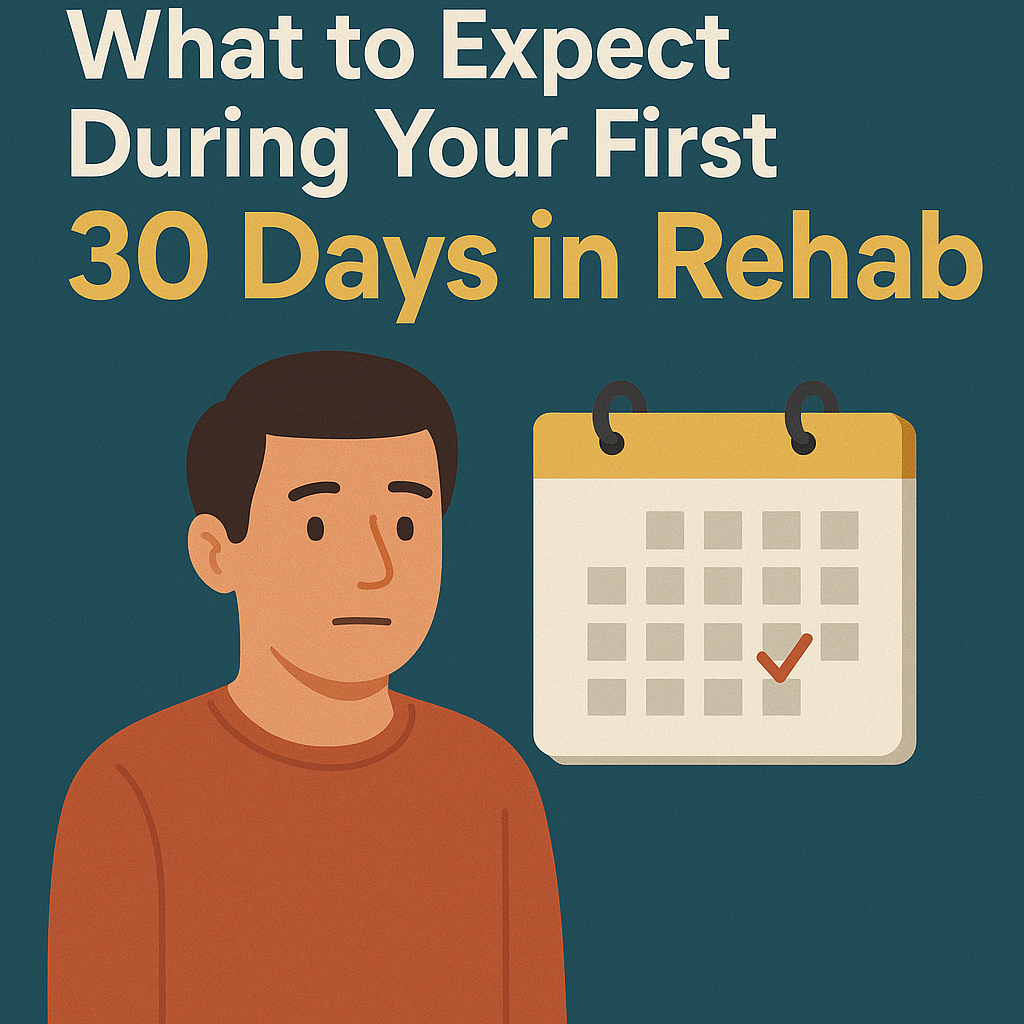
Your First 30 Days in Rehab: What to Expect

Deciding to enter rehab is a courageous first step toward reclaiming your life from addiction. The journey is challenging, but understanding what lies ahead can ease anxieties and empower you to fully commit to the process. The first 30 days are particularly crucial, as they lay the groundwork for a successful and lasting recovery. This period is about detoxing your body, understanding the roots of your addiction, and developing the initial tools for a sober life.

At Oak Forest Recovery, we specialize in providing a supportive and structured drug and alcohol recovery program in Agoura Hills. We understand the uncertainties that come with starting this journey. This guide will walk you through what to expect during your first month in rehab, from the moment you decide to seek help to the early stages of building a new, healthier life.

Preparing for Rehab: Before You Arrive

The recovery journey begins even before you walk through the doors of a treatment center. The preparation phase is designed to ensure a smooth transition into the program.

Pre-Rehab Assessments

Your first interaction will likely be a pre-rehab assessment or consultation. This confidential conversation with an admissions coordinator helps the clinical team understand your history with substance use, your mental and physical health, and your specific needs. This assessment is vital for creating a personalized treatment plan that addresses your unique challenges. It’s a moment for honesty and openness, which are cornerstones of the recovery process.

What to Pack and What to Leave Behind

Packing for rehab can feel overwhelming. The goal is to bring items that will provide comfort and support your recovery without causing distractions. Generally, you should pack:

  • Comfortable clothing for about a week
  • Toiletries (alcohol-free)
  • A journal and pen
  • Identification and insurance information
  • A list of important phone numbers

Items to leave behind typically include electronics, revealing clothing, any products containing alcohol, and non-prescribed medications. Each facility has its own specific list, so it’s always best to confirm with them directly.

Facing Common Anxieties

It’s completely normal to feel anxious or scared about going to rehab. Common fears include the discomfort of withdrawal, being away from loved ones, and opening up to strangers. Remember, rehab is a safe space filled with professionals and peers who understand what you are going to. Addressing these fears with an admissions counselor can provide reassurance and set your mind at ease.

Week 1: Settling In and Detoxification

The first week is a period of adjustment and is often the most physically demanding part of the process. Your body will begin to cleanse itself of substances, and you’ll start to settle into a new, structured environment.

Intake and Orientation

Upon arrival, you’ll go through an intake process. This includes finalizing paperwork, a tour of the facility, and meeting the staff and some of your peers. Orientation will familiarize you with the daily schedule, rules, and expectations. This structure is designed to provide stability and help you focus entirely on your recovery.

The Medical Detox Process

For many, the first step in treatment is medical detox. This process manages the acute physical symptoms of withdrawal that occur when you stop using drugs or alcohol. Symptoms can range from mild discomfort to severe complications, which is why medical supervision is essential. If you’re looking for a “medical detox near me,” it’s critical to choose a facility with a qualified medical team. At a residential addiction treatment center in California, you’ll have 24/7 medical support to ensure your safety and comfort.

Many individuals also struggle with co-occurring mental health disorders like anxiety, depression, or PTSD. Dual diagnosis treatment in Agoura Hills is designed to address both addiction and mental health simultaneously, providing a more holistic and effective path to wellness.

Weeks 2-4: Therapy and Counseling

Once your body is stable, the deeper psychological work begins. The next few weeks are dedicated to therapy and counseling, where you’ll explore the underlying causes of your addiction and learn healthy coping mechanisms.

Therapeutic Modalities

Effective addiction treatment in Agoura Hills utilizes a variety of evidence-based therapies. You will likely participate in:

  • Individual Therapy: One-on-one sessions with a therapist to explore personal triggers, traumas, and thought patterns. This is a core component of trauma-informed addiction treatment.
  • Group Therapy: Sessions with peers, led by a counselor, to share experiences, build camaraderie, and learn from one another.
  • Family Therapy: Addiction affects the entire family. These sessions help mend relationships, improve communication, and create a supportive home environment for your return.

These therapies take place within the safe and structured environment of a residential treatment program, free from the distractions and triggers of the outside world.

Addressing Underlying Issues

Addiction is often a symptom of deeper issues, such as unresolved trauma, chronic stress, or mental health conditions. Therapy helps you identify and process these root causes. By understanding why you turn to substances, you can develop healthier ways to cope with difficult emotions and situations.

Building a Foundation for Long-Term Recovery

The final part of your first 30 days focuses on preparing for life after rehab. The goal is to equip you with the tools and strategies needed to maintain sobriety in the long term.

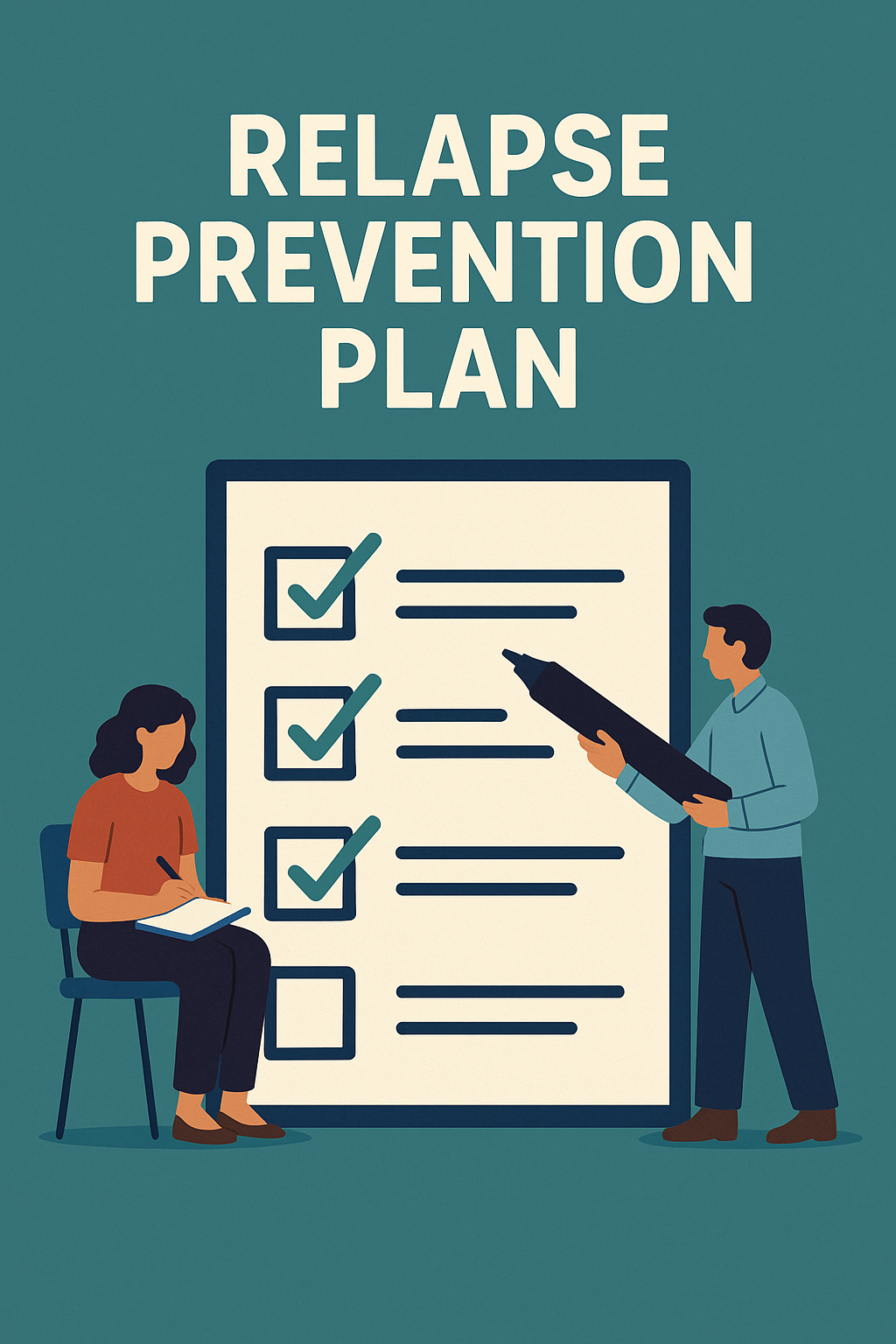
Relapse Prevention and Aftercare

You will work with your therapist to create a relapse prevention plan. This involves identifying your personal triggers and developing specific strategies to manage them. You will also create an aftercare plan, which outlines the support systems you will engage with after leaving the residential program.

Continued Support Systems

Recovery is a lifelong journey. Continued support is crucial for maintaining sobriety. Options include:

  • Outpatient Addiction Treatment: For those in California, outpatient programs offer a way to continue therapy and support while transitioning back to daily life.
  • Sober Living: A sober living environment in Agoura Hills provides a structured, substance-free home where you can live with peers who are also committed to recovery. It offers a bridge between residential treatment and independent living.
  • Community and Social Support: Engaging with support groups like AA or NA and building a strong network of sober friends and mentors is vital for sustained recovery.

Oak Forest Recovery: Your Partner in Recovery

At Oak Forest Recovery, we are committed to providing a comprehensive and compassionate drug rehab in Agoura Hills. We believe in a holistic approach that heals the mind, body, and soul. Our unique offerings, such as the Oasis Wellness Center, provide clients with access to services that support overall well-being. We also recognize the importance of family, offering dedicated family support groups to help your loved ones heal alongside you.

Our “Against All Odds” podcast shares powerful stories of resilience that inspire and motivate our community. We are more than just a treatment center; we are a community dedicated to helping you build a new life.

Take the First Step Today

The first 30 days of rehab are a transformative period that sets the stage for a lifetime of recovery. It’s a time of intense work, self-discovery, and healing. While it may seem daunting, you will be surrounded by a team of dedicated professionals and supportive peers every step of the way.

If you or a loved one is struggling with addiction, don’t wait. Help is available. Contact Oak Forest Recovery today to learn more about our drug and alcohol recovery program and begin your journey to a healthier, sober future.

Trauma and Addiction: Charting a Path to Healing

Understanding the deep-rooted connection between trauma and addiction is often the first step toward lasting recovery. For many, substance use isn’t a choice but a response to overwhelming emotional pain. Trauma refers to an experience that overwhelms an individual’s ability to cope, while addiction is a chronic disease characterized by compulsive substance use despite harmful consequences. The link between them is significant and complex.

This post will explore how trauma physically and emotionally affects the brain, leading many to self-medicate with drugs or alcohol. We’ll also discuss the power of trauma-informed care and specialized therapies that address both issues simultaneously. Understanding this connection is crucial for anyone seeking a comprehensive and effective path to healing and a sustainable drug and alcohol recovery program.

How Trauma Rewires the Brain

Traumatic experiences can cause profound changes to the brain’s structure and function, particularly in areas responsible for emotional regulation, memory, and stress response. When you experience a threat, your brain’s “fight, flight, or freeze” response kicks in, flooding your system with stress hormones like cortisol and adrenaline.

For someone who has experienced trauma, this system can become dysregulated. The brain might remain in a heightened state of alert, perceiving threats even in safe environments. This chronic stress affects the prefrontal cortex (responsible for decision-making), the amygdala (the emotional center), and the hippocampus (involved in memory). As a result, individuals may struggle with:

  • Intense mood swings
  • Heightened anxiety and panic attacks
  • Difficulty managing stress
  • Impulsive behavior
  • Flashbacks and intrusive memories

These neurological changes make it incredibly difficult to feel safe and stable, creating fertile ground for addiction to take root.

The Vicious Cycle of Trauma and Addiction

Faced with constant emotional turmoil and a hyperactive stress response, many people turn to substances to find relief. This is known as the self-medication hypothesis: individuals use drugs or alcohol to numb painful memories, quiet anxiety, or simply feel “normal” for a short time.

A person struggling with PTSD from a traumatic event might use alcohol to fall asleep and avoid nightmares. Someone with deep-seated anxiety from childhood neglect might turn to benzodiazepines to calm their nerves. While substances may offer temporary relief, they ultimately worsen the problem.

Over time, the brain adapts to the presence of these substances, leading to tolerance and dependence. This creates a destructive cycle where the substance is needed to manage both the original trauma symptoms and the new symptoms of withdrawal, making recovery feel impossible without addressing the underlying trauma. This is where trauma-informed addiction treatment becomes essential.

What Is Trauma-Informed Addiction Treatment?

Trauma-Informed Care (TIC) is an approach that recognizes and responds to the widespread impact of trauma. It’s not a specific therapy but a framework that shapes all aspects of treatment, ensuring that the environment and services are physically and emotionally safe for clients. The core principle is to avoid re-traumatization and empower individuals by giving them a voice and choice in their recovery.

This approach is critical for anyone looking for a drug rehab in Agoura Hills or elsewhere, as it ensures the care provided is sensitive and effective. Within this framework, several evidence-based therapies are used to heal the wounds of trauma.

Evidence-Based Therapies for Trauma and Addiction

  • Eye Movement Desensitization and Reprocessing (EMDR): EMDR is a powerful therapy designed to help people process and heal from traumatic memories. Through guided eye movements, it helps the brain reprocess distressing memories, reducing their emotional charge. This allows individuals to remember the event without feeling overwhelmed by it.
  • Cognitive Behavioral Therapy (CBT): CBT helps individuals identify and change destructive thinking patterns and behaviors. A specialized form, Trauma-Focused CBT, specifically targets the distorted thoughts and beliefs related to the traumatic experience, helping clients develop healthier coping strategies.
  • Somatic Experiencing: This body-centric therapy focuses on releasing traumatic shock from the body. Trauma can get “stuck” in the nervous system, and Somatic Experiencing helps individuals gently discharge this energy through guided awareness of their physical sensations, restoring a sense of safety and regulation.

The Need for Dual Diagnosis Treatment

Many individuals with trauma and addiction also struggle with co-occurring mental health disorders like depression, anxiety, or bipolar disorder. When these conditions exist simultaneously, it’s known as a dual diagnosis. Treating only the addiction without addressing the underlying mental health issues is like treating the symptom without curing the disease.

Effective recovery requires an integrated approach that addresses all co-occurring conditions at the same time. Dual diagnosis treatment in Agoura Hills provides a comprehensive care plan that combines addiction therapies, mental health counseling, and medical supervision to ensure all aspects of a person’s well-being are cared for. This is a cornerstone of modern residential addiction treatment in California.

One Man’s Journey From Trauma to Sobriety

John (name changed for anonymity) came to recovery after years of battling alcoholism that started after a severe car accident. He suffered from chronic pain, anxiety, and flashbacks, and alcohol became his only escape. At first, he tried traditional rehabs, but he always relapsed because the underlying trauma was never addressed.

When he finally entered a trauma-informed addiction treatment program, his recovery truly began. Through a combination of EMDR and group therapy, he started to process the accident. He learned healthy coping mechanisms to manage his anxiety and found a supportive community that understood his struggles. Today, John is not only sober but is also thriving, working as a peer support specialist to help others on their path. His story is a testament to the power of addressing trauma in addiction recovery.

How to Find the Right Treatment Center

When searching for an “alcohol rehab near me” or a “medical detox near me,” it’s vital to find a facility that offers a trauma-informed, integrated approach. Here are a few things to look for:

  • Licensed Therapists: Ensure the center has staff trained and certified in trauma-specific therapies like EMDR or Somatic Experiencing.
  • Integrated Care: The facility should offer dual diagnosis treatment to address co-occurring mental health conditions.
  • A Safe and Supportive Environment: The atmosphere should feel safe, respectful, and empowering.
  • Holistic Offerings: Look for programs that support mind, body, and soul, such as yoga, mindfulness, or nutritional counseling.

At Oak Forest Recovery, we offer a comprehensive drug and alcohol recovery program in Agoura Hills that is deeply rooted in trauma-informed principles. Our integrated approach combines clinical excellence with community support, offering everything from medical detox to sober living in Agoura Hills. We understand that true healing happens when both addiction and its underlying causes are treated with compassion and expertise.

Begin Your Healing Journey Today

Recognizing the link between your past trauma and current struggles with addiction is a courageous and vital step toward healing. You don’t have to carry the weight of your past alone. With the right support and a compassionate, integrated treatment plan, you can break free from the cycle of self-medication and build a future defined by hope and resilience.

If you or a loved one is searching for outpatient addiction treatment in California or a more intensive residential program, we are here to help. Contact Oak Forest Recovery to learn how our trauma-informed approach can guide you on the path to lasting recovery.

Benefits of Structured Sober Living

Navigating the path of recovery from addiction is a profound journey, and the environment in which it unfolds can make all the difference. Early recovery is a vulnerable time, where the risk of relapse is high. This is where structured sober living environments come in, providing a critical bridge between intensive treatment and a return to everyday life. They offer a stable, substance-free setting where individuals can build a strong foundation for lasting sobriety.

At Oak Forest Recovery, we blend community, support, and accountability to create a space where individuals can heal and grow. Our approach is designed to help residents not just abstain from substances, but to build a fulfilling life in recovery. This post will explore the key benefits of choosing a structured sober living environment and how it can be a cornerstone for successful, long-term recovery.

Key Benefits of Structured Sober Living

Choosing the right environment after completing a primary treatment program is one of the most important decisions in the recovery process. A structured sober living home provides tangible benefits that significantly enhance the likelihood of sustained sobriety.

Enhanced Accountability and Support

In a structured environment, accountability is a shared responsibility. Regular check-ins, house meetings, and adherence to rules create a framework that encourages personal responsibility. This structure helps residents stay on track with their recovery goals. Knowing that you are part of a community that expects you to show up for yourself and others is a powerful motivator.

Peer Support and Community Integration

One of the most valuable aspects of sober living is the built-in peer support system. Living with others who are on the same journey creates a powerful sense of community and reduces feelings of isolation that can often lead to relapse. Residents share experiences, offer encouragement, and hold each other accountable. This camaraderie is essential for building the social skills and supportive networks needed for a drug and alcohol recovery program to be effective.

Safe and Sober Environment

A fundamental benefit is the guarantee of a safe, substance-free home. This eliminates the environmental triggers and negative influences that might be present in a person’s previous living situation. For anyone looking for an “alcohol rehab near me” or a “drug rehab in Agoura Hills,” having a secure place to continue their journey is non-negotiable for building confidence and resilience in early recovery.

Comprehensive and Clinically-Driven Programs

A truly effective sober living environment goes beyond just providing a safe house. At Oak Forest Recovery, we offer clinically-driven programs that address all aspects of a person’s well-being.

The 90-Day Integrated Program

Our core offering is a 90-day integrated program that combines clinical treatment with the principles of peer support and accountability. From day one, we focus on the whole person, helping clients understand the root causes of their addiction while developing the tools needed for long-term success.

Developing Coping Strategies and Life Skills

Recovery isn’t just about not using; it’s about building a life you don’t want to escape from. Our program emphasizes the development of essential coping strategies and life skills. From day 90 to 120 and beyond, we focus on job and school searches, financial planning, and stress management, all while providing continuous mental health support to navigate the challenges of the real world.

Integrating Mental Health Support

Many individuals struggling with addiction also face co-occurring mental health challenges. Addressing these issues simultaneously is crucial for a successful recovery.

Dual Diagnosis Treatment in Agoura Hills

We specialize in dual diagnosis treatment in Agoura Hills, providing integrated care for individuals dealing with both substance use disorders and mental health conditions like depression, anxiety, or PTSD. Our clinical team is equipped to handle the complexities of co-occurring disorders, ensuring that both issues are treated concurrently.

Trauma-Informed Addiction Treatment

We recognize that unresolved trauma is often a major driver of addiction. Our approach to trauma-informed addiction treatment creates a safe and supportive space where clients can begin to heal from past traumatic experiences without feeling re-traumatized. This compassionate approach is woven into all aspects of our care.

Oasis Wellness Integration

Clients at Oak Forest Recovery have direct access to services at Oasis Wellness Center, our partner organization. This integration provides a broad range of wellness services that support mental, physical, and emotional health, further enhancing the recovery experience.

Real-World Application and Continued Success

The ultimate goal of recovery is to thrive in the real world. Our program is designed to prepare clients for this transition by gradually reintroducing responsibilities and independence. As clients progress, they engage in work or school, building a real place for themselves in the community. Our sober living in Agoura Hills provides a supportive backdrop to coach them through the inevitable ups and downs that come with this newfound independence.

Community Engagement and Family Support

Recovery is a journey that involves the whole community, especially the family. We offer several avenues for connection and support.

  • Against All Odds Podcast: Hosted by our team, this podcast shares inspiring stories of resilience and strength, defying the impossible and creating a sense of connection.
  • Bonfire Meetings: Every Thursday night, we host a bonfire at the Oak Forest Recovery Compound for a night of community, connection, and recovery.
  • Family Education Night and Support Group: We provide weekly virtual meetings and monthly in-person support groups to educate families and provide them with the tools they need to support their loved ones and themselves.

Begin Your Recovery Journey at Oak Forest

Choosing a path to recovery is a courageous step. A structured sober living environment provides the support, accountability, and community needed to turn that step into a journey of lasting change.

Oak Forest Recovery offers a unique blend of community integration, clinical expertise, and real-world application. Our residential addiction treatment in California is more than just a program; it’s a community dedicated to helping individuals redesign their lives. If you or a loved one is searching for a comprehensive drug and alcohol recovery program, we encourage you to reach out. Let us show you how our approach can help you build a strong foundation for a brighter, sober future.

How Medical Detox Keeps You Safe During Withdrawal

Taking the first step toward overcoming addiction is a monumental act of courage. It’s also a step that often begins with a significant physical and psychological challenge: withdrawal. Attempting to stop using drugs or alcohol on your own can be not only difficult but also dangerous. That’s why a medically supervised detox is essential for a safe start to recovery.

This guide explains the process of withdrawal, the risks of attempting it without support, and how a professional medical detox program can provide the safety and care needed for a successful journey. Understanding these elements is crucial for anyone ready to break free from substance dependence and begin a new chapter.

What is Withdrawal?

When a person who is physically dependent on a substance like alcohol or drugs stops or significantly reduces their intake, their body reacts with a range of symptoms known as withdrawal. This occurs because the brain and body have adapted to the presence of the substance to function. When the substance is removed, the system is thrown off balance, leading to both physical and psychological distress.

Physical symptoms can range from mild to severe and may include:

  • Nausea, vomiting, and diarrhea
  • Shaking and tremors
  • Sweating and chills
  • Muscle aches and headaches
  • Increased heart rate and blood pressure

Psychological symptoms are equally challenging and can involve:

  • Anxiety and panic attacks
  • Depression and irritability
  • Insomnia and vivid nightmares
  • Confusion and difficulty concentrating
  • Intense cravings for the substance

The specific symptoms and their severity depend on the substance used, the duration of use, and the individual’s overall health.

Dangers of Untreated Withdrawal

Attempting to detox without medical supervision can be life-threatening. The body’s reaction to the absence of a substance can be unpredictable and severe.

Some of the most significant dangers include:

  • Seizures: Particularly common during alcohol and benzodiazepine withdrawal, seizures can occur without warning and may lead to serious injury or death.
  • Delirium Tremens (DTs): A severe form of alcohol withdrawal, DTs can cause extreme confusion, hallucinations, fever, and cardiovascular collapse. It is a medical emergency that requires immediate intervention.
  • Dehydration and Malnutrition: Severe vomiting and diarrhea can lead to dangerous levels of dehydration and electrolyte imbalances, which can affect heart and brain function.
  • Psychological Distress: Intense depression and anxiety can increase the risk of self-harm or suicidal thoughts.
  • Relapse: The discomfort of withdrawal is often so overwhelming that individuals return to using the substance just to make the symptoms stop. This can lead to a dangerous overdose, as their tolerance may have decreased during the brief period of abstinence.

Given these risks, finding a safe drug and alcohol recovery program is not just beneficial—it’s essential.

The Role of Medical Detox

A medical detox program provides a safe, controlled environment where individuals can manage withdrawal symptoms under the care of medical professionals. The primary goal is to stabilize the patient physically and mentally, making the process as comfortable and safe as possible.

Key components of medical detox include:

  • 24/7 Medical Monitoring: Healthcare professionals are available around the clock to monitor vital signs, manage symptoms, and respond to any medical emergencies. This constant supervision is critical for preventing the severe complications of withdrawal.
  • Medication-Assisted Treatment (MAT): Physicians may prescribe specific medications to ease withdrawal symptoms and reduce cravings. For example, benzodiazepines might be used to prevent seizures during alcohol detox, while other medications can help manage nausea, anxiety, and insomnia. Searching for an “alcohol rehab near me” that offers MAT can significantly improve the safety and comfort of the detox process.

Benefits of Medical Detox

Opting for a supervised detox program offers numerous advantages over trying to quit alone.

  • Safety: The most crucial benefit is safety. With constant medical oversight, life-threatening complications can be prevented or immediately addressed.
  • Comfort: Medications and therapeutic support help manage the intense physical and emotional discomfort of withdrawal, making the experience more bearable.
  • Reduced Relapse Risk: By managing withdrawal symptoms effectively, medical detox reduces the immediate urge to relapse. It provides a stable foundation for the next phase of recovery.
  • Professional Support: Patients receive not only medical care but also emotional and psychological support from addiction specialists who understand the challenges of recovery.

What to Expect During Medical Detox

The medical detox process typically follows several stages:

  1. Evaluation: Upon admission, a comprehensive assessment is conducted. This includes a physical exam, a review of medical and substance use history, and an evaluation of mental health status. This information helps create a personalized detox plan.
  2. Stabilization: This is the core of the detox process. The medical team uses medications and therapeutic support to stabilize the patient as their body clears the substance. This stage can last from a few days to a couple of weeks.
  3. Transition to Further Treatment: Detox is only the first step. Once the patient is physically stable, the focus shifts to long-term recovery. The staff will help the patient transition into the next level of care, such as a residential or outpatient program.

Finding a Medical Detox Center

Choosing the right facility is a critical decision. When searching for a “medical detox near me” or a drug rehab in Agoura Hills, look for a center that offers:

  • Licensing and Accreditation: Ensure the facility is licensed by the state and accredited by a recognized body like The Joint Commission or CARF.
  • Personalized Care: Every individual’s journey is unique. A quality center will create a customized treatment plan tailored to your specific needs.
  • Comprehensive Services: Look for programs that offer a full continuum of care, from detox to aftercare planning. This includes options for addiction treatment in Agoura Hills that address all aspects of recovery.
  • Experienced Staff: The team should include licensed medical professionals, therapists, and addiction specialists.

Oak Forest Recovery’s Approach

At Oak Forest Recovery, we understand that detox is the critical first step toward healing. We provide a safe and supportive environment for individuals beginning their recovery journey.

Our medical detox services are built on a foundation of personalized care. We recognize that addiction often co-occurs with mental health conditions, which is why we specialize in dual diagnosis treatment in Agoura Hills. Our integrated approach addresses both substance use and underlying mental health issues simultaneously.

Furthermore, we are committed to trauma-informed addiction treatment. Our compassionate team understands the profound impact of trauma on addiction and creates a safe space for healing. By addressing the root causes of substance use, we help our clients build a strong foundation for lasting recovery.

After Detox: The Path Forward

Completing detox is a major accomplishment, but it’s not the end of the road. Long-term recovery requires continued treatment and support to address the psychological and behavioral aspects of addiction.

Oak Forest Recovery offers a full continuum of care to support you after detox, including:

  • Residential Addiction Treatment in California: Our inpatient program provides an immersive, structured environment where you can focus entirely on your recovery.
  • Outpatient Addiction Treatment in California: For those who need more flexibility, our outpatient programs offer robust therapeutic support while allowing you to maintain daily responsibilities.
  • Sober Living in Agoura Hills: Our sober living homes provide a supportive, accountable community to help you transition back to independent life with confidence.

Begin Your Recovery Safely

Withdrawal is a serious medical condition that requires professional care. Attempting to navigate it alone is a risk not worth taking. Medical detox provides the safety, comfort, and support needed to get through this challenging phase and build a solid foundation for a new life.

If you or a loved one is struggling with addiction, don’t wait. Contact Oak Forest Recovery today to learn more about our comprehensive drug and alcohol recovery program and take the first safe step toward healing.

Thank You!

Thank you for reaching out. A member of our team will get back to you shortly.