
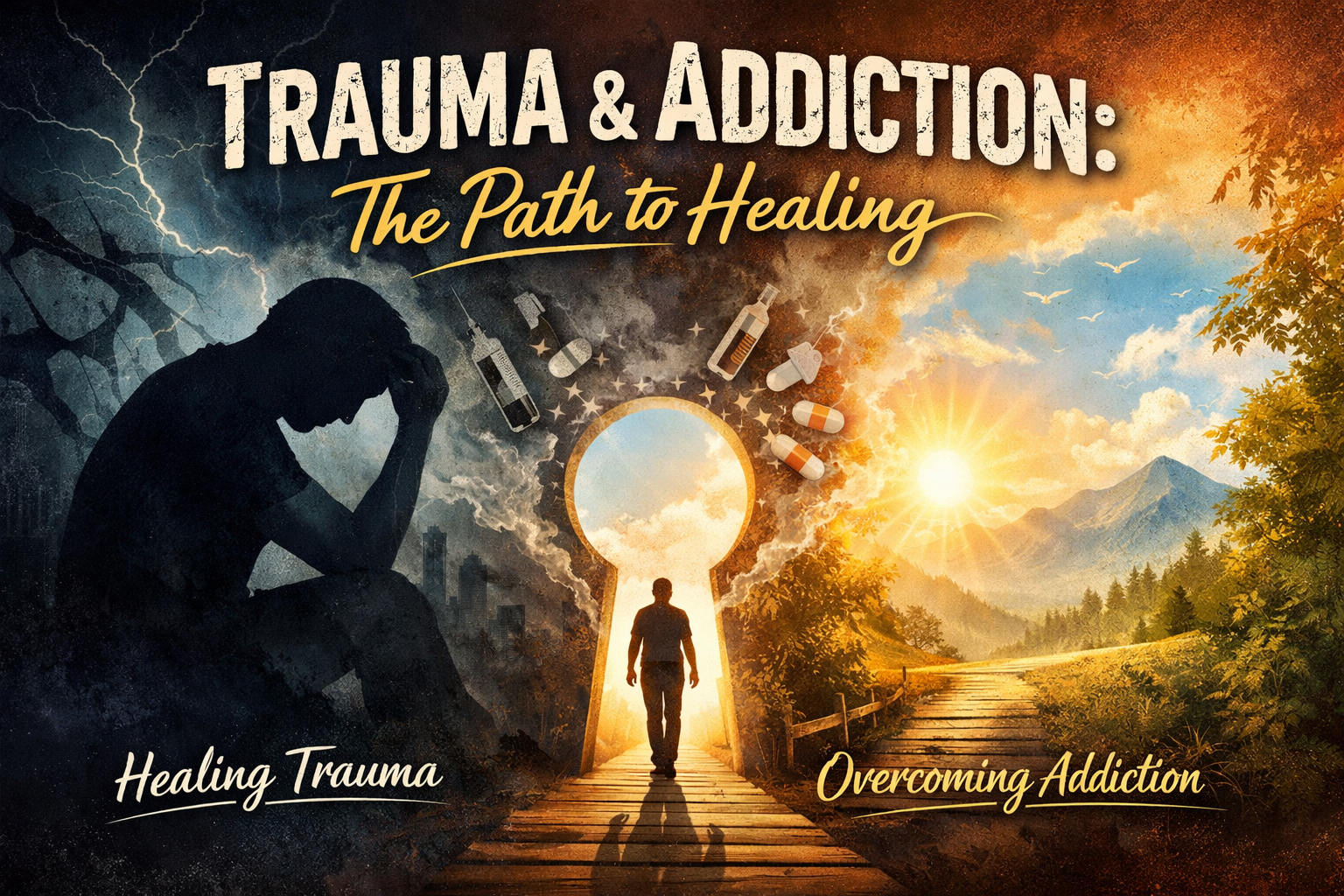
For decades, society viewed addiction solely as a series of bad choices or a lack of willpower. But as our understanding of the brain and human psychology has evolved, a clearer, more compassionate picture has emerged. We now understand that for many, substance use is not just about seeking a high—it is about escaping pain.
The link between trauma and addiction is undeniable. When an individual experiences deep emotional or physical pain without the tools to process it, substances often become a mechanism for survival. This is what clinical experts call a “dual diagnosis,” where mental health struggles and addiction intertwine to create a cycle that can feel impossible to break.
However, recognizing this connection is the first step toward freedom. By addressing the root causes of trauma alongside substance use disorders, healing isn’t just possible—it becomes a pathway to a life of resilience and purpose.
Understanding Dual Diagnosis: Why Treatment Must Go Hand-in-Hand
In the past, addiction and mental health were treated in silos. You went to one facility for detox and another for therapy. But the reality of dual diagnosis—the co-occurrence of a mental health disorder (like PTSD, anxiety, or depression) and a substance use disorder—requires a unified approach.
When trauma remains unresolved, it acts as a silent engine driving the addiction. A person might get sober for a few weeks, but if the underlying trauma remains active, the urge to self-medicate will eventually return.
Effective recovery requires treating the whole person. This means looking at the “why” behind the use, not just the use itself. In a comprehensive dual diagnosis treatment in California, clinicians work to stabilize the chemical dependency while simultaneously providing the therapeutic tools needed to process past trauma. This integrated method ensures that when a person leaves treatment, they aren’t just sober—they are emotionally equipped to handle life.
The Oak Forest Approach: Re-designing Recovery
Recovery is not something that happens in isolation. It requires a village. At Oak Forest Recovery, we believe that the antidote to addiction is connection. Our philosophy is built on three pillars: community integration, social support, and accountability.
We have moved away from the sterile, hospital-like settings of traditional rehabs. Instead, we focus on structured sober living environments that mimic the real world but with a safety net. Here, clients don’t just talk about recovery; they practice it. They learn how to interact with peers, navigate conflict, and support one another in a safe, drug-free environment. This “compound” approach fosters a sense of belonging that is often lost during active addiction.
The First 90 Days: A Foundation for Change
The early days of sobriety are often the most fragile. That is why our program begins with a highly integrated, clinically driven 90-day phase. During this time, clients are immersed in a mental health and addiction treatment curriculum designed to address all aspects of the self.
This phase isn’t just about abstaining from substances; it’s about rigorous self-discovery. Clients engage in deep therapeutic work to understand their triggers and trauma responses. Simultaneously, they are introduced to peer support groups. Understanding why engagement matters is crucial. It’s not just about attending meetings; it’s about learning to be vulnerable and accountable to others. This period lays the groundwork for a sustainable recovery, shifting the focus from “surviving” to “thriving.”
Creating a Life Beyond Addiction
Recovery shouldn’t stop when the clinical treatment hours end. A vital part of our drug and alcohol recovery program is helping clients reintegrate into society as functioning, contributing members.
Between days 90 and 120, as clients stabilize, the focus shifts toward the future. We emphasize job and school searches while the client remains in a supportive environment. This is a critical differentiator. Many people relapse because the stress of finding a job or returning to school becomes overwhelming when faced alone.
By navigating these real-world stressors while still in structured sober living, clients can process their anxieties in real-time. They have a safe place to return to at the end of a hard day, where mentors and peers can offer guidance and encouragement. This bridge between treatment and independence is often the key to long term recovery programs.
Family Matters: The Role of Support Systems
Addiction is a family disease. It affects spouses, parents, and children, often eroding trust and communication. Therefore, healing must extend to the family unit.
We host Family Education Nights and support groups to help loved ones understand the nature of addiction and recovery. Guided by clinical professionals, these sessions offer families the language and tools they need to set healthy boundaries and offer constructive support.
When a family understands the recovery process, they become active allies rather than confused bystanders. This systemic healing drastically increases the odds of success for the individual in recovery.
Healing through Connection
Isolation feeds trauma; connection fuels recovery. This is why we place such a heavy emphasis on community events.
- Bonfire Meetings: Every Thursday, our community gathers for dinner and a meeting. It’s a space for connection, storytelling, and shared hope.
- Peer Support: Learning to lean on others who have walked the same path reduces shame and builds confidence.
- Oasis Wellness Partnership: Clients get direct access to Oasis Wellness, enhancing their physical and mental well-being through holistic practices.
These elements combine to create a relapse prevention program that feels less like a clinical requirement and more like a lifestyle change.
Finding the Right Fit in California
If you are searching for an addiction recovery program near me or specifically looking for luxury sober living California, it is essential to look beyond the amenities. While comfort is important, the clinical depth and community structure are what save lives.
Look for programs that offer:
- Integrated dual diagnosis capabilities.
- A clear continuum of care (from intensive treatment to outpatient support).
- Active alumni networks and peer support.
- Family involvement opportunities.
- Assistance with life skills, such as education and employment.
Conclusion: Taking the First Step
Trauma may have written the early chapters of your story, but it does not have to dictate the ending. By understanding the connection between your pain and your addiction, you can begin the work of true healing.
It takes courage to ask for help. It takes strength to walk into a room of strangers and say, “I can’t do this alone.” But on the other side of that fear is a life of freedom, connection, and purpose. Whether you need outpatient addiction support or a comprehensive residential experience, the path to a resilient future starts with a single step.